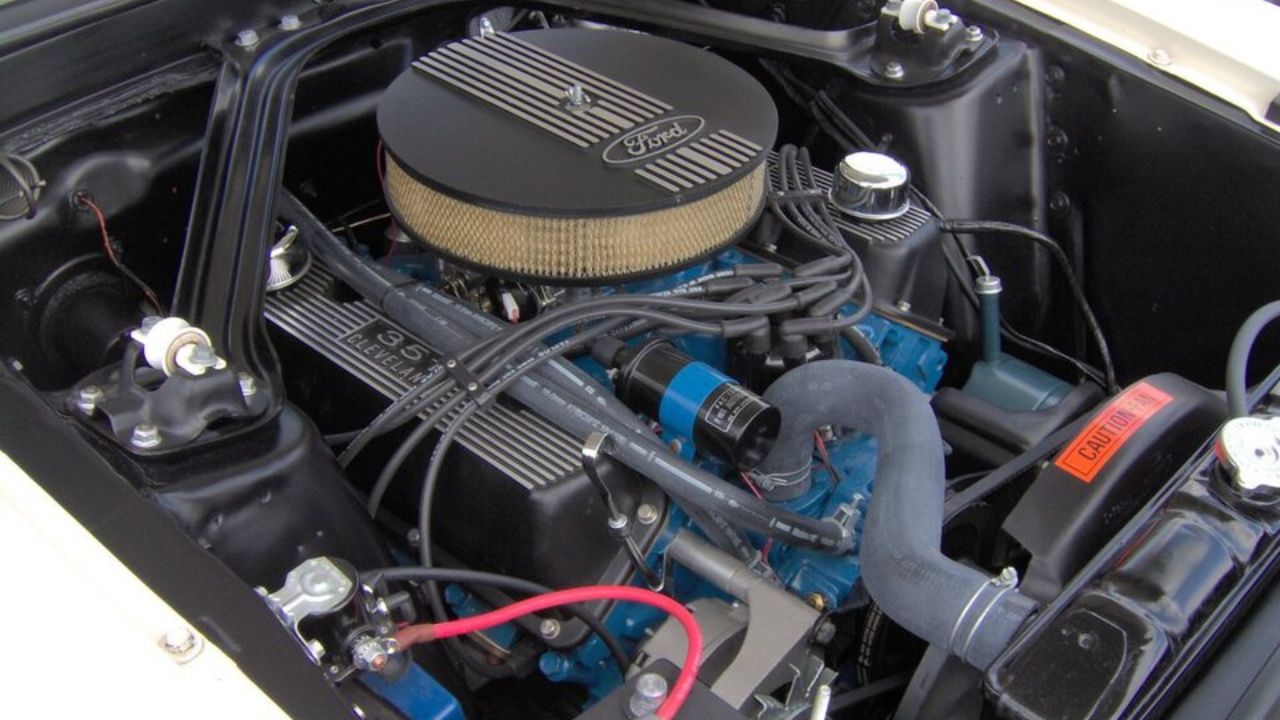
Automotive history is filled with engines that disappeared without receiving the attention given to more famous powerplants. Some offered clever engineering, others delivered impressive durability, and a few simply arrived at the wrong time. These 7 forgotten engines deserve another look because each played a more interesting role in automotive history than their reputations suggest.
Buick 3.8 V6
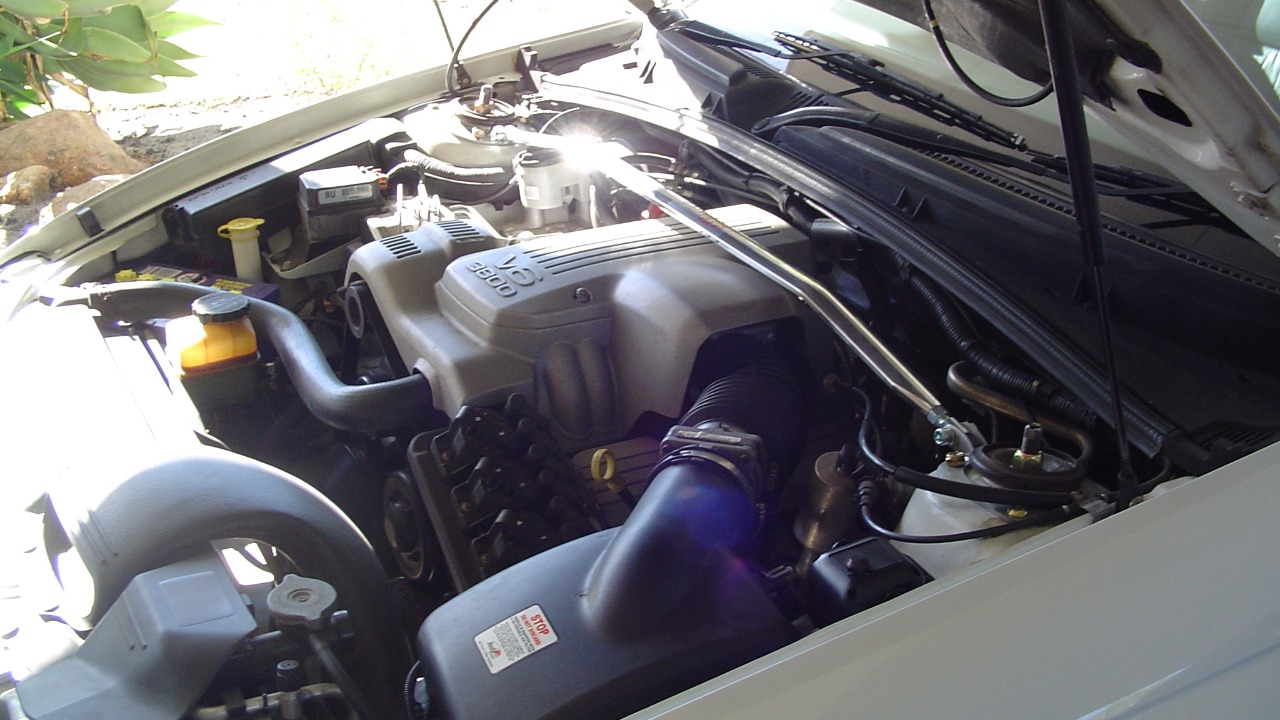
The Buick 3.8 V6 became one of General Motors’ most adaptable engines, powering everything from family cars to serious performance models. Its compact dimensions and strong torque made it useful in applications where a V8 was unnecessary. Later turbocharged versions transformed the engine’s reputation, particularly in the Grand National. Despite its humble beginnings, the 3.8 V6 demonstrated remarkable versatility and became one of Buick’s most memorable powerplants.
Ford 351 Cleveland
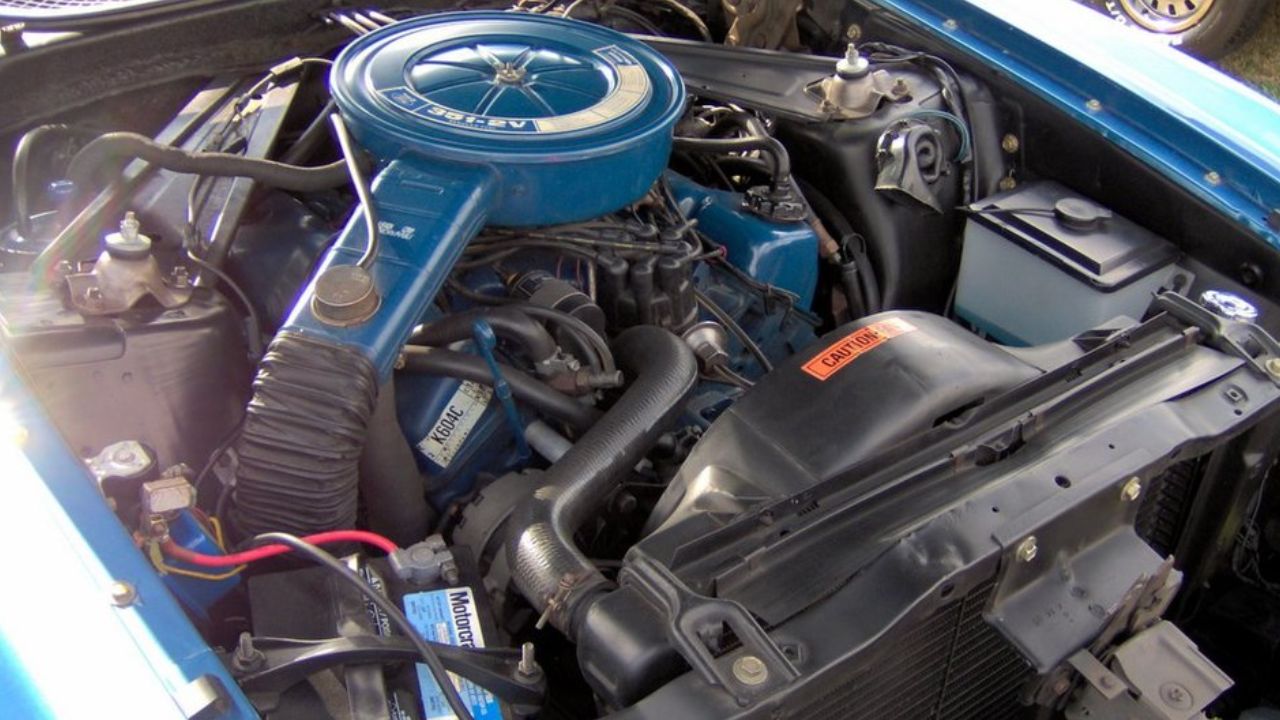
The Ford 351 Cleveland developed a reputation for strong cylinder-head design and impressive breathing potential. Its architecture allowed Ford to offer a relatively compact V8 with performance-oriented characteristics that made it popular among enthusiasts. Although the engine was produced for only a limited period compared with some Ford small-block families, its aftermarket following remained strong. Today, the 351 Cleveland is still respected as one of Ford’s more interesting performance engines.
Oldsmobile 403 V8
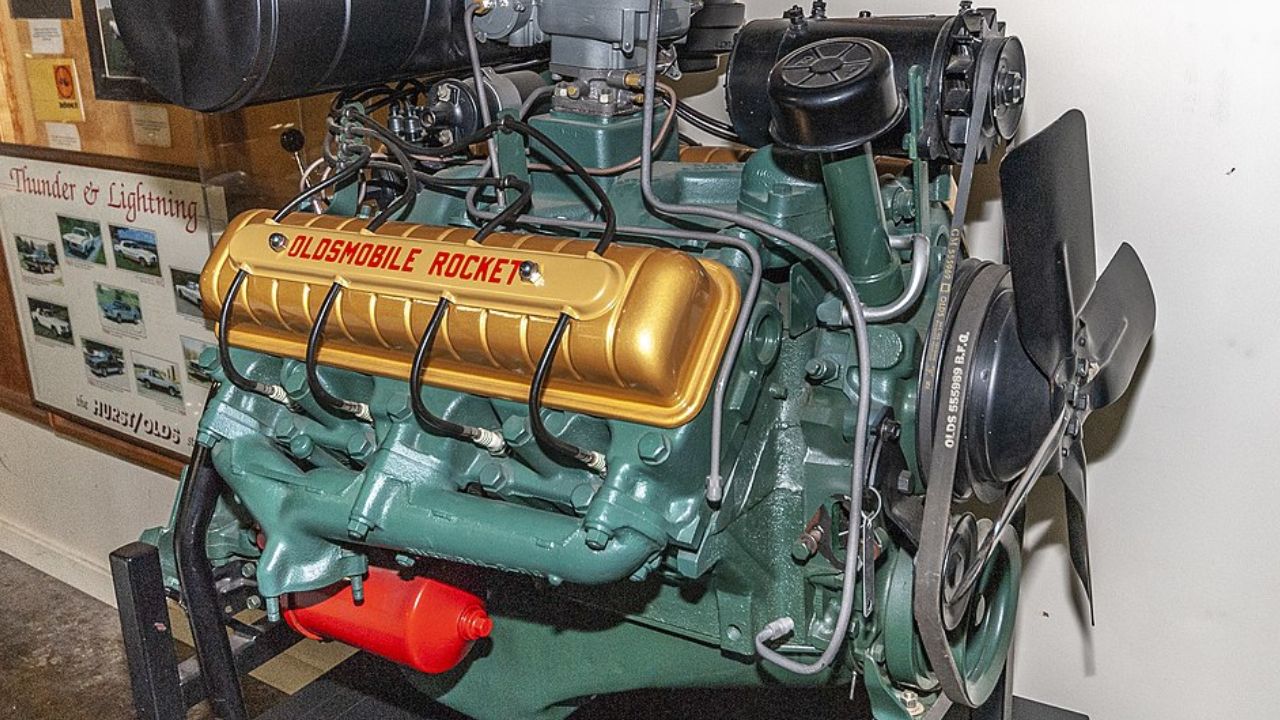
The Oldsmobile 403 V8 arrived during a difficult period for large American engines, when displacement and output were increasingly restricted by emissions regulations and fuel concerns. Its large bore and relatively short stroke gave it useful low-end torque, while its lighter construction distinguished it from older big-block designs. The 403 powered numerous Oldsmobiles and other GM vehicles during the late 1970s. It never became a superstar, but its durability and torque make it worth remembering.
AMC 360 V8
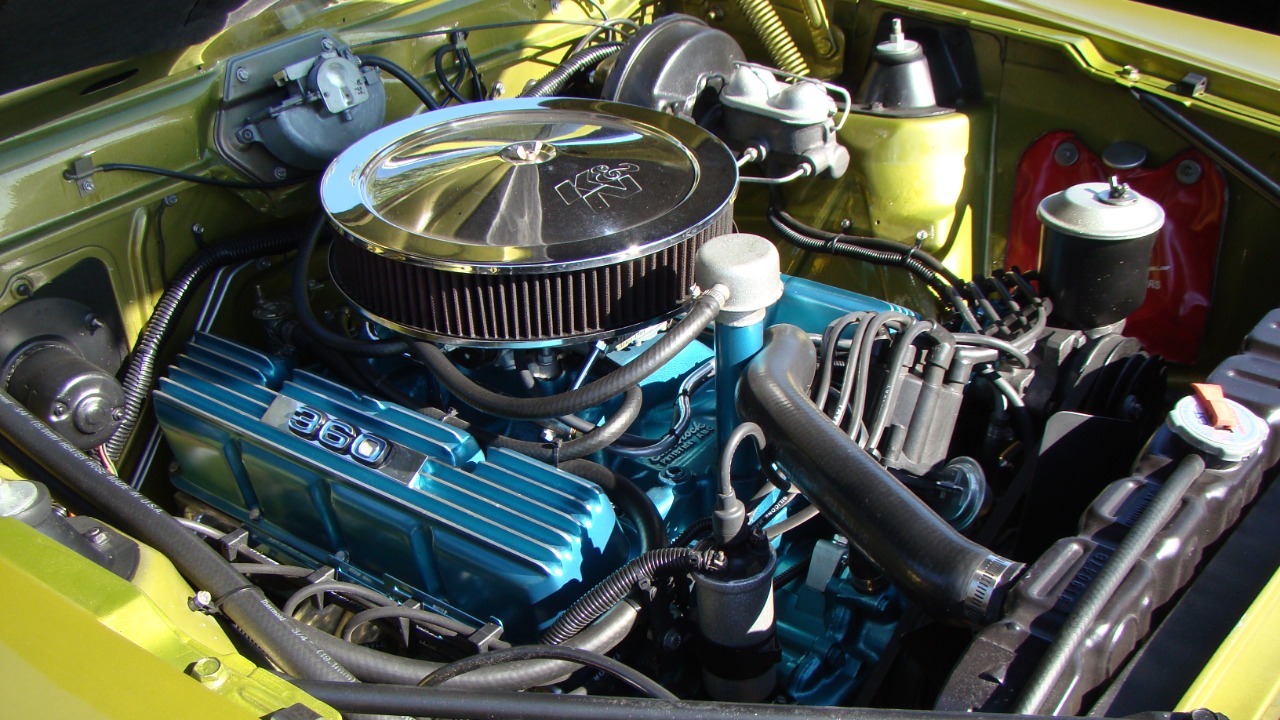
The AMC 360 V8 powered a wide range of American Motors vehicles, including passenger cars, Jeeps, and performance-oriented models. Its straightforward construction and substantial torque made it particularly useful in applications requiring dependable power. While AMC engines rarely received the same attention as Chevrolet, Ford, or Chrysler powerplants, the 360 developed a loyal following. Its combination of simplicity and versatility makes it an overlooked part of American V8 history.
Ford 351 Windsor
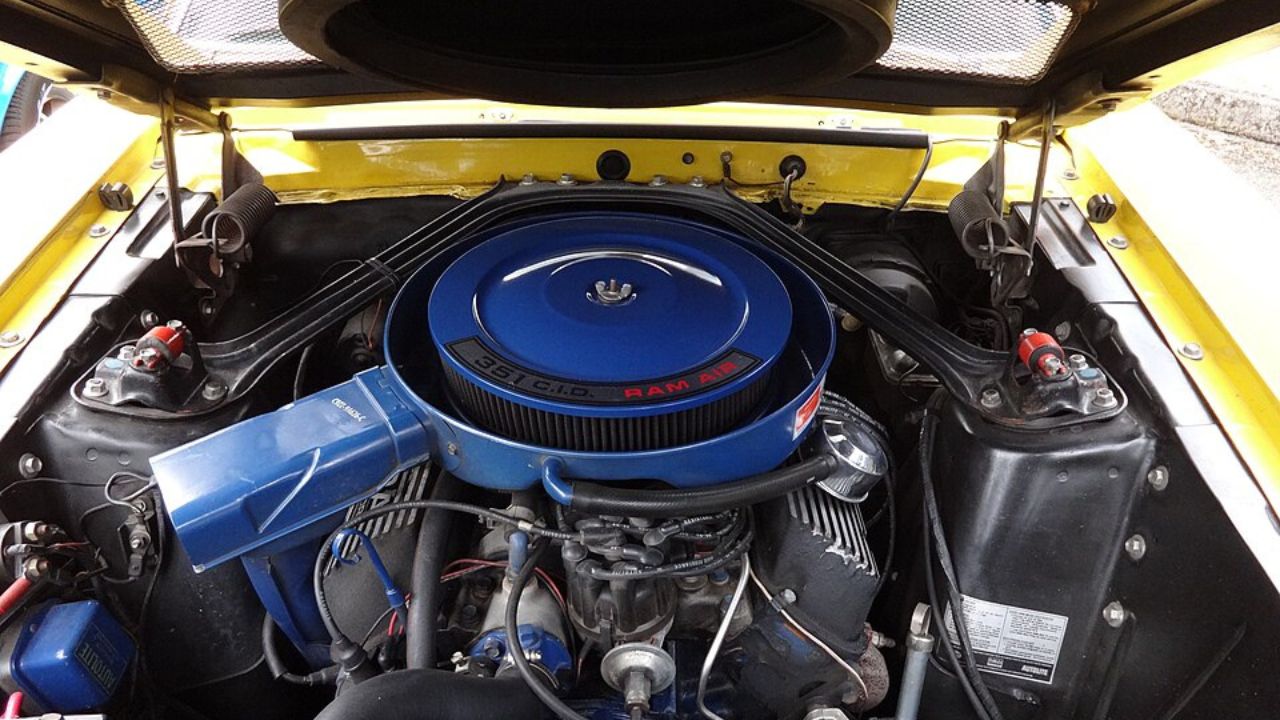
The Ford 351 Windsor often lives in the shadow of the more exotic 351 Cleveland, but its combination of compact dimensions, broad torque, and enormous aftermarket support made it extremely versatile. It powered a wide range of Ford products and became a popular foundation for performance builds. Its conventional architecture also made it familiar to mechanics. The 351 Windsor deserves more attention because its real-world usefulness helped make it one of Ford’s most adaptable V8 families.
Toyota 4A-GE
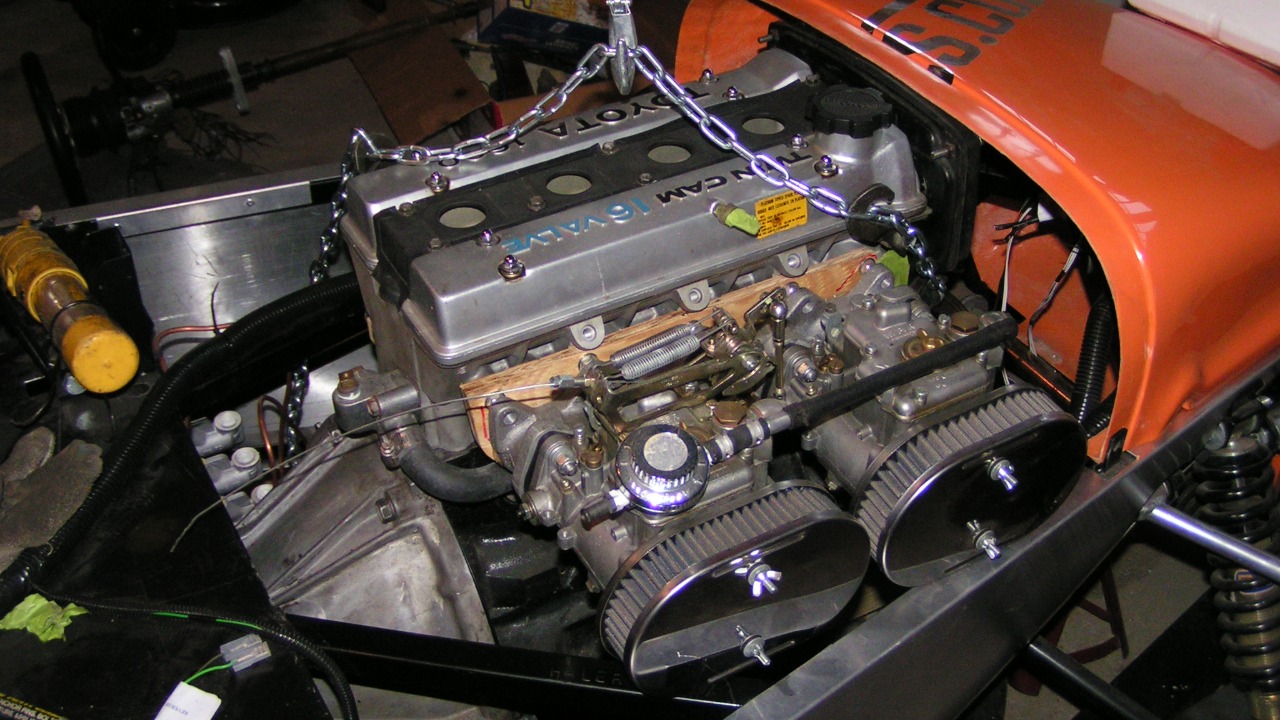
The Toyota 4A-GE became famous among enthusiasts for delivering strong performance from a relatively small four-cylinder engine. Its double-overhead-cam design, lightweight construction, and high-revving character made it particularly appealing in compact performance cars. It powered models such as the Corolla GT-S and MR2, helping establish Toyota’s reputation for lively small engines. Compared with larger legendary Toyota powerplants, the 4A-GE remains surprisingly easy to overlook despite its enormous influence.
Mercedes-Benz M104
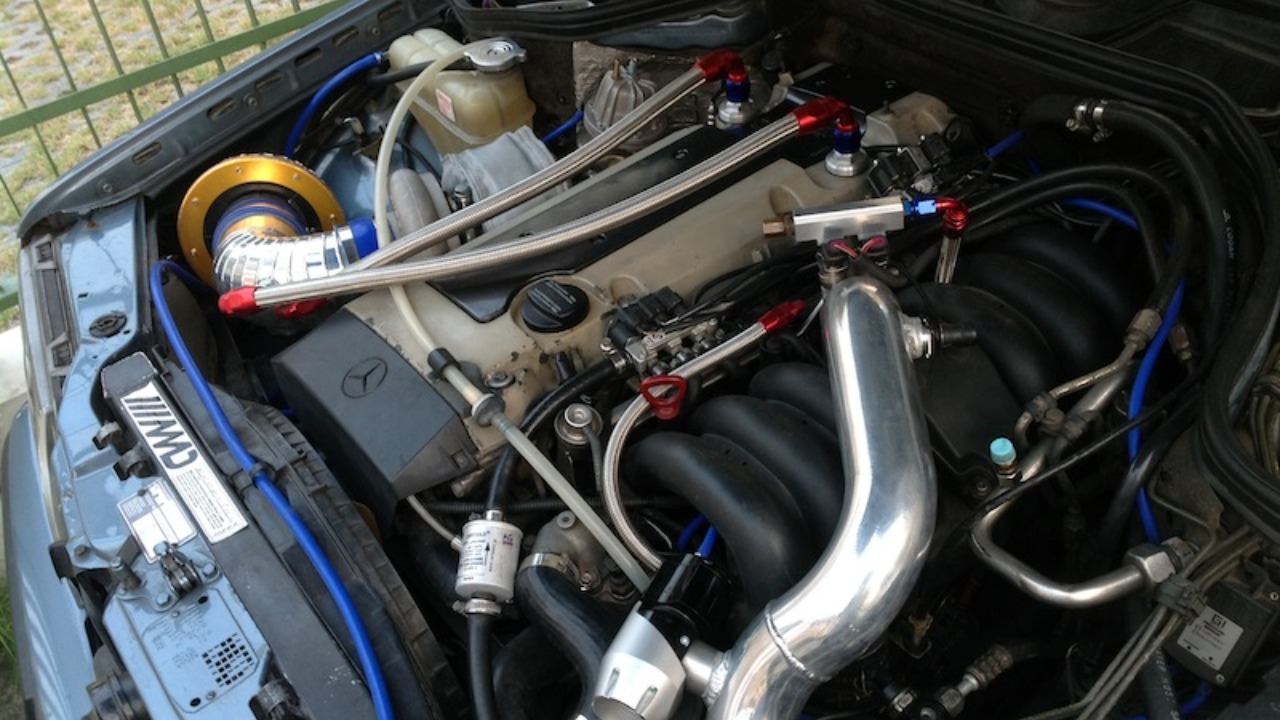
The Mercedes-Benz M104 was a sophisticated inline-six that combined smooth operation with advanced four-valve-per-cylinder engineering. It powered a wide variety of Mercedes-Benz models during the 1990s and offered strong performance without abandoning the refinement expected from the brand. Although it is overshadowed by more famous Mercedes engines, the M104 remains respected for its engineering, durability, and impressive balance of power and smoothness. It deserves far more attention from enthusiasts studying Mercedes’ modern engine history.
More from Fast Lane Only
- Unboxing the WWII Jeep in a Crate
- 15 rare Chevys collectors are quietly buying
- 10 underrated V8s still worth hunting down
- Police notice this before you even roll window down
*Research for this article included AI assistance, with all final content reviewed by human editors.