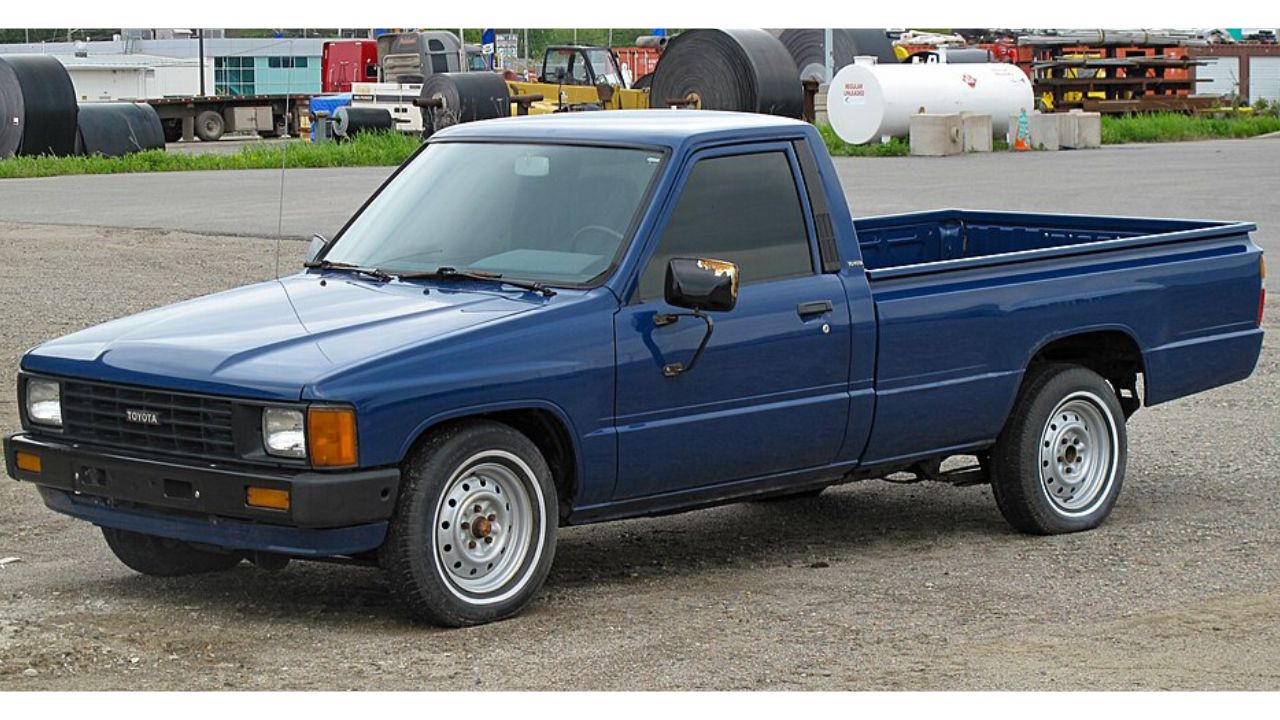
Some trucks earn their reputation the hard way: by showing up for decades of work long after the paperwork says they should’ve been retired. The models below aren’t “immortal,” but they’re the kind of machines owners remember for strong drivetrains, simple serviceability, and parts support that kept them on the road well beyond any factory warranty. Here are 20 classic pickups and workhorses that became long-haul legends in farms, fleets, and driveways.
Chevrolet C10
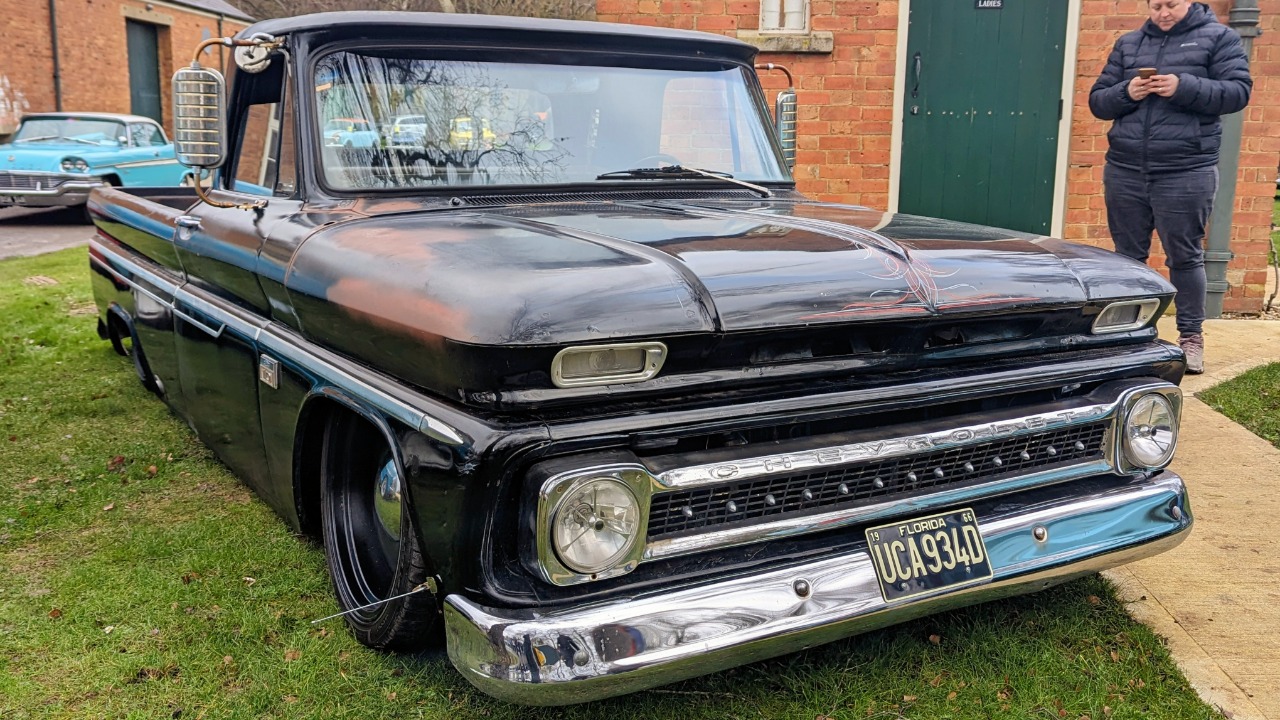
Chevy’s “Action Line” C10s mixed rugged simplicity with a huge aftermarket that still makes keeping one alive straightforward. The small-block V8 lineup—especially the 307/327/350-era combinations—became famous for being easy to rebuild and forgiving of hard use. These trucks also benefit from a straightforward chassis and suspension design that shops and DIY owners have understood for generations. Plenty survived as daily drivers because they were serviceable with basic tools and widely available parts.
Chevrolet C/K (Square Body)
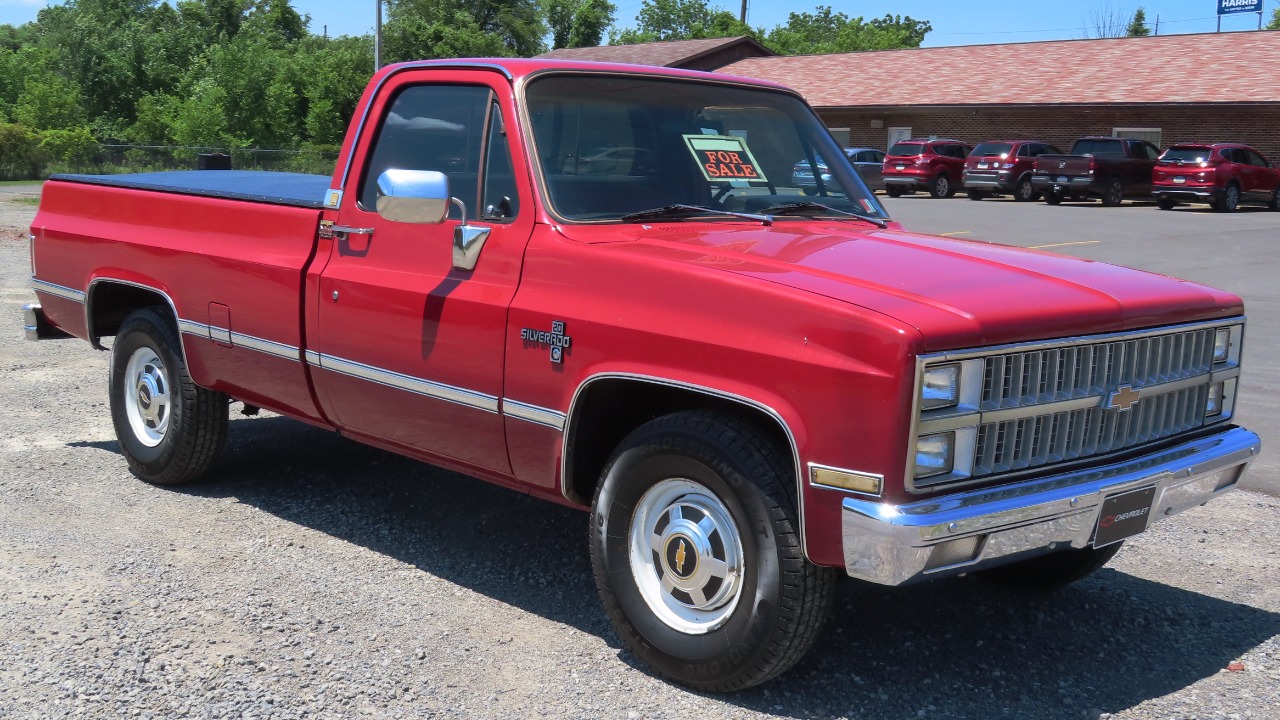
Square bodies became fixtures in construction fleets and rural America, and their longevity is part design, part support network. Carbureted engines and conventional drivetrains made them easy to diagnose compared with later, more complex systems. GM built a lot of them, which matters: salvage yards, reproduction sheetmetal, and shared components kept even tired trucks worth fixing. The result is a platform many owners have kept running through multiple engines, transmissions, and paint jobs.
Chevrolet C/K (GMT400)
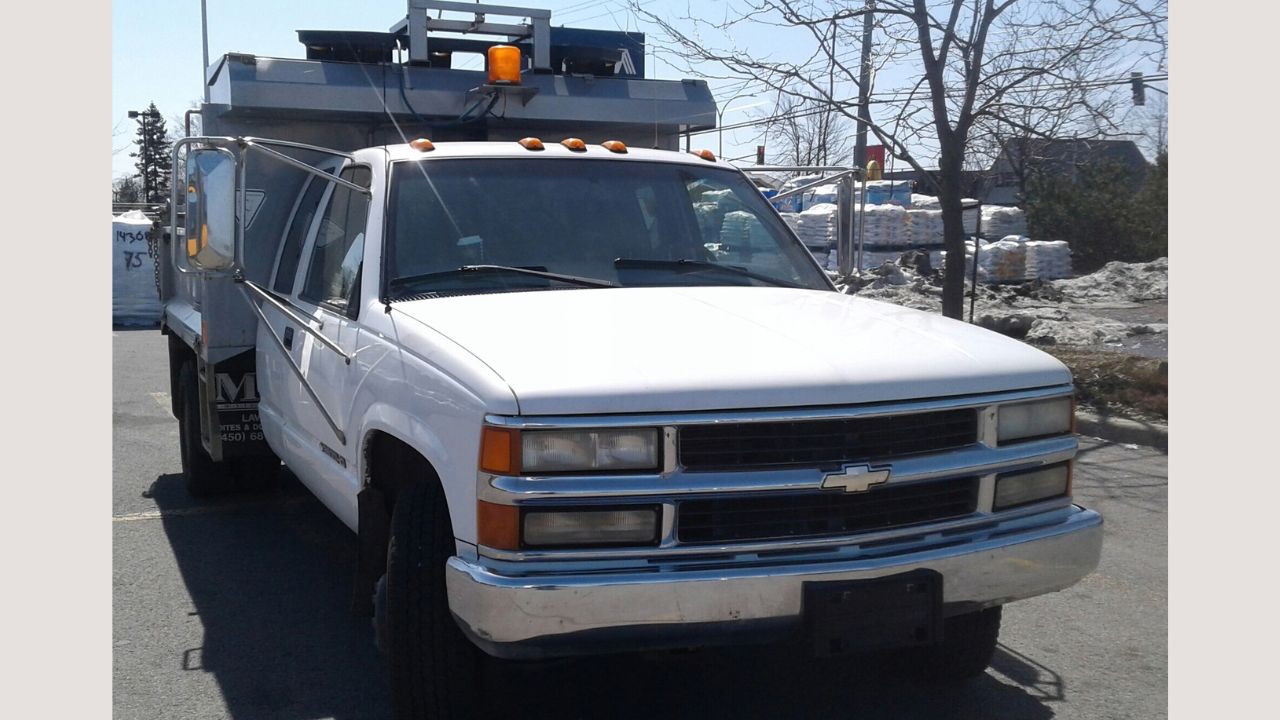
The GMT400 trucks marked a big leap in refinement without abandoning durability. These were the years when GM’s truck lineup became a common sight in municipal fleets, where routine maintenance and long service lives go hand in hand. Gas V8 options are widely known for longevity when maintained, and the trucks’ popularity ensured strong parts availability. They’re also old enough to be simple but new enough to be comfortable, a combination that encouraged owners to keep them for the long term.
1965–1972 Ford F-100/F-250 (F-Series, 4th gen)
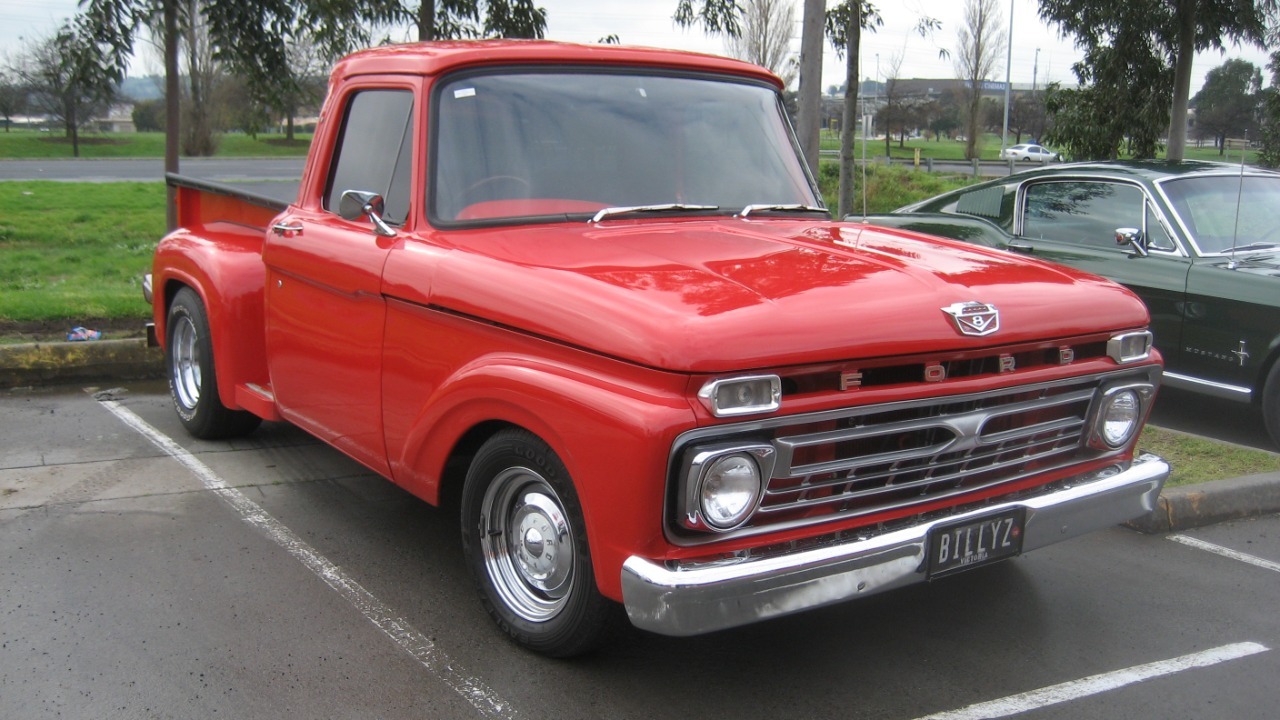
These F-Series trucks are remembered for tough frames and straightforward mechanicals, with engines like the FE-series V8s (including the 352 and 390) that were common in work applications. The trucks’ simple electrical systems and roomy engine bays made repairs less intimidating. Many survived because they were used for what they were built for—hauling and towing—yet remained easy to keep in service. Restorability is also a big factor, with reproduction parts widely available today.
1973–1979 Ford F-100/F-150/F-250 (F-Series, 5th gen)

Ford’s mid-’70s trucks were workhorses in an era when pickup duty cycles could be brutal. Engines ranged from dependable inline-sixes to big-block V8s like the 460, and the overall package was designed for ease of service. These trucks were also common in rural areas where preventive maintenance and repairs were part of ownership, not an inconvenience. Survivors often show the same pattern: worn interiors, multiple owners, and drivetrains that kept going.
1980–1986 Ford F-Series (7th gen)
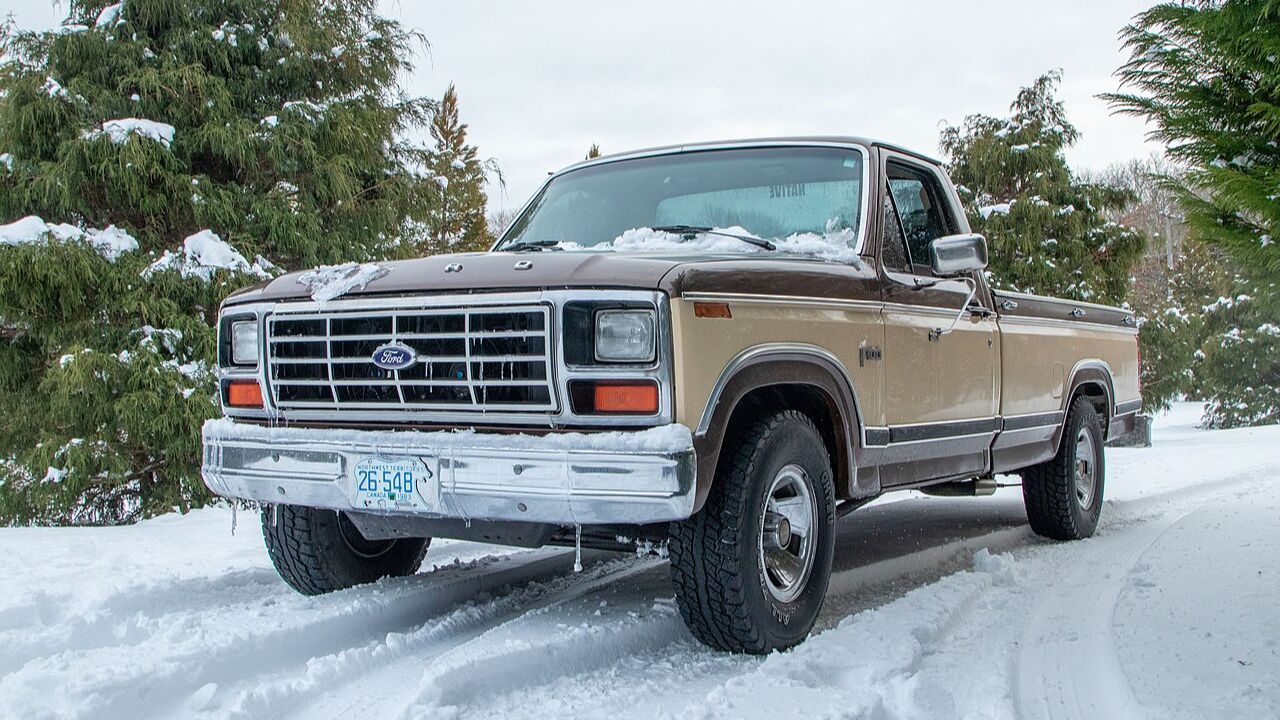
By the early ’80s, Ford had refined the F-Series with more efficient designs while keeping the basic toughness that made the trucks popular. These models are well known for straightforward running gear and long production volumes that helped parts stay accessible. Many were sold as base work trucks with minimal options—less to break, easier to fix. They’re also a common choice for resto-mods because the bones are strong and the layouts are familiar.
1987–1991 Ford F-Series (8th gen)
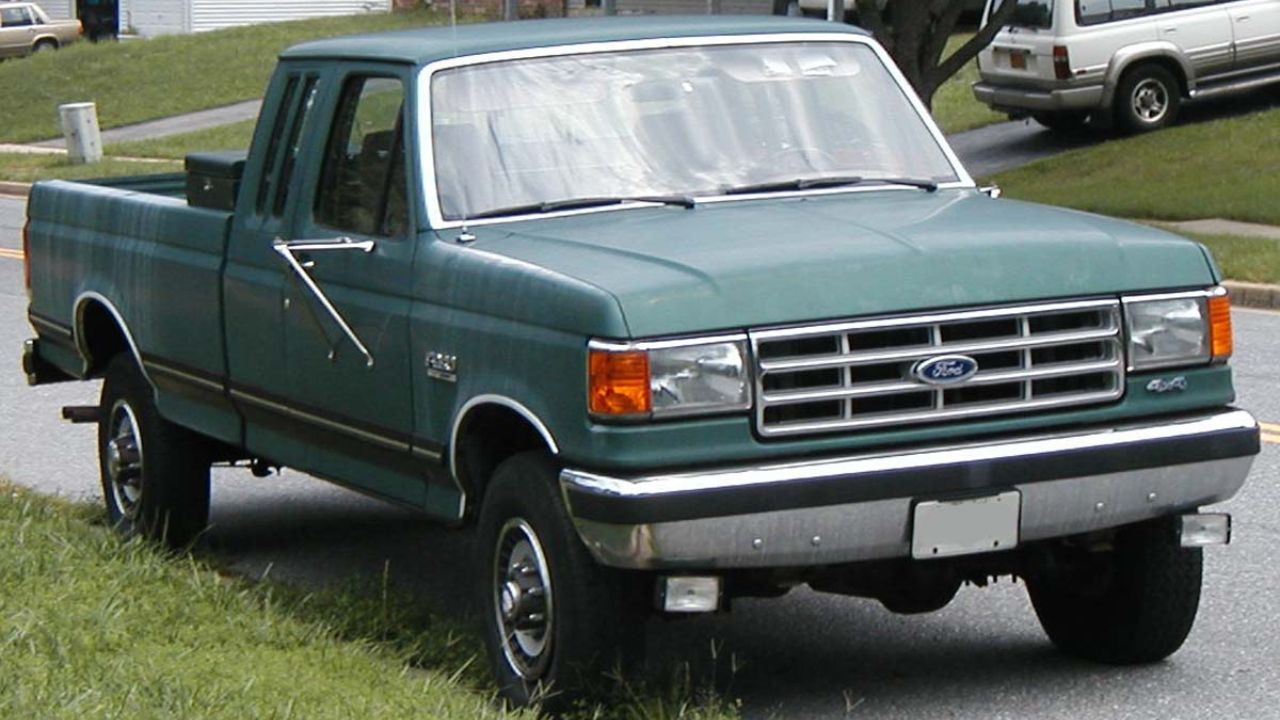
The “aero” F-Series introduced a more modern body but remained very much a traditional full-size truck underneath. Fuel injection became increasingly common, improving drivability and reducing some of the headaches associated with aging carburetors. These trucks earned their keep in fleets and as tow rigs, where consistent maintenance kept them going well past their original service expectations. They’re a bridge between old-school simplicity and modern usability.
1992–1996 Ford F-150/F-250 (9th gen)
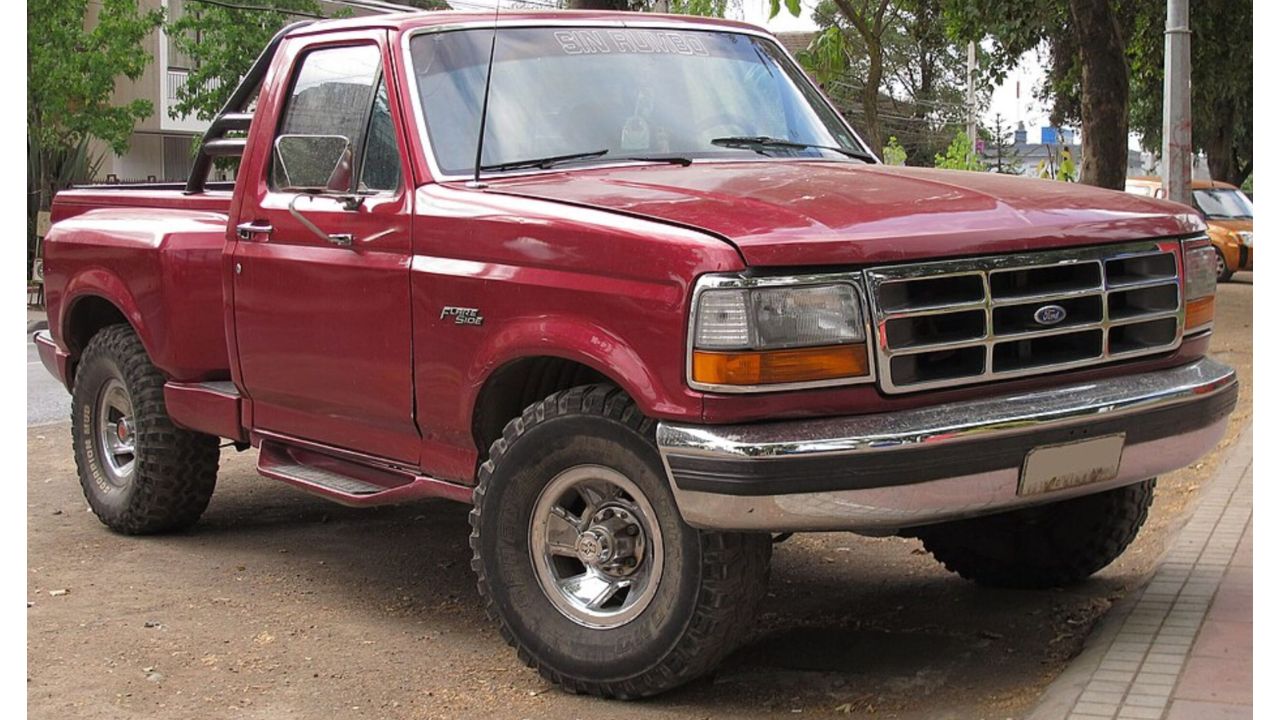
These mid-’90s Fords are often remembered for being durable daily drivers that could still do real truck work. The era’s engines, including the long-running 300 inline-six option in earlier years and proven V8s, have a reputation for taking mileage when cared for. The trucks are also easy to live with: decent ergonomics, widespread parts, and a huge knowledge base. Many are still on the road because owners didn’t see a reason to replace something that kept delivering.
Dodge D/W-Series
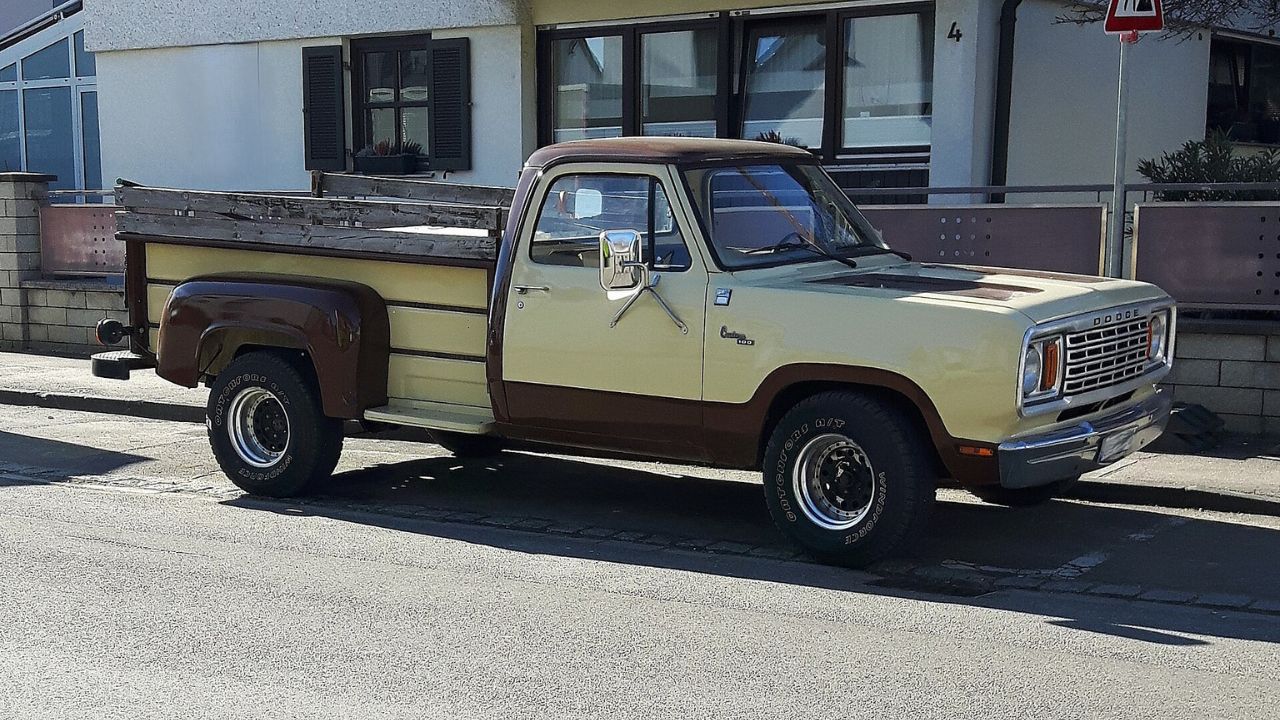
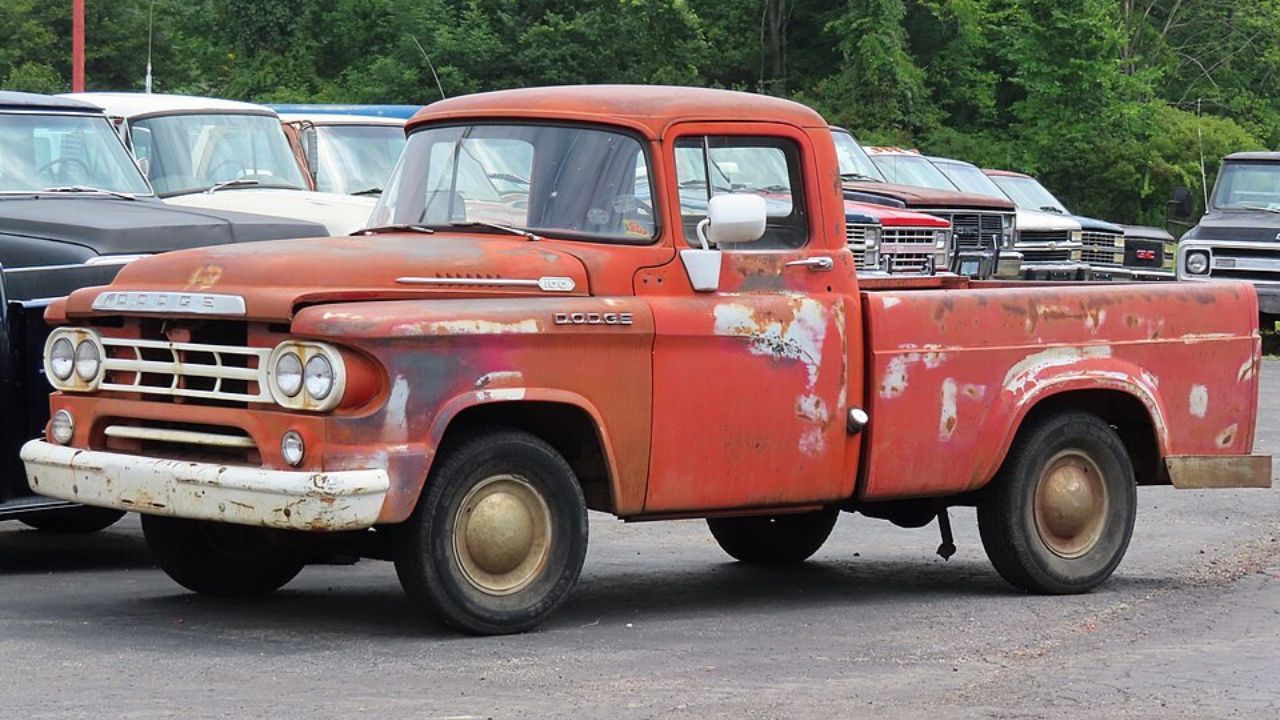
Dodge’s “Sweptline” and later D/W trucks—often grouped under the classic pre-1994 Ram lineage—had a loyal following among owners who valued simplicity. The trucks used conventional body-on-frame construction and straightforward drivetrains that independent shops could service easily. Their longevity is also tied to the fact that many were bought as honest work trucks and maintained with that mindset. Survivors can be a little rough around the edges, but they’re frequently still doing the job.
1994–2002 Dodge Ram 1500/2500/3500
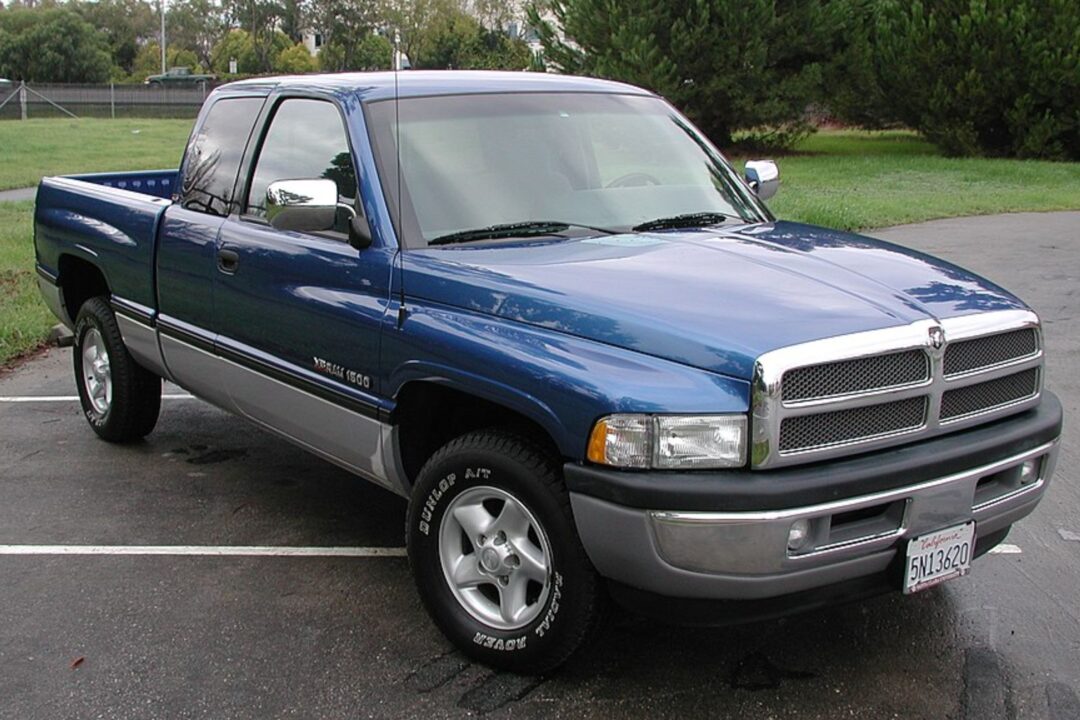
The second-generation Ram changed pickup styling overnight, but it also built a reputation as a serious work platform. These trucks were common as tow rigs and in trades, and owners often highlight the mechanical accessibility compared with later, tighter engine bays. Long-term survival often comes down to keeping up with wear items and rust prevention, but the core platform proved durable. Their enduring popularity also means strong parts support today.
International Harvester B-Series
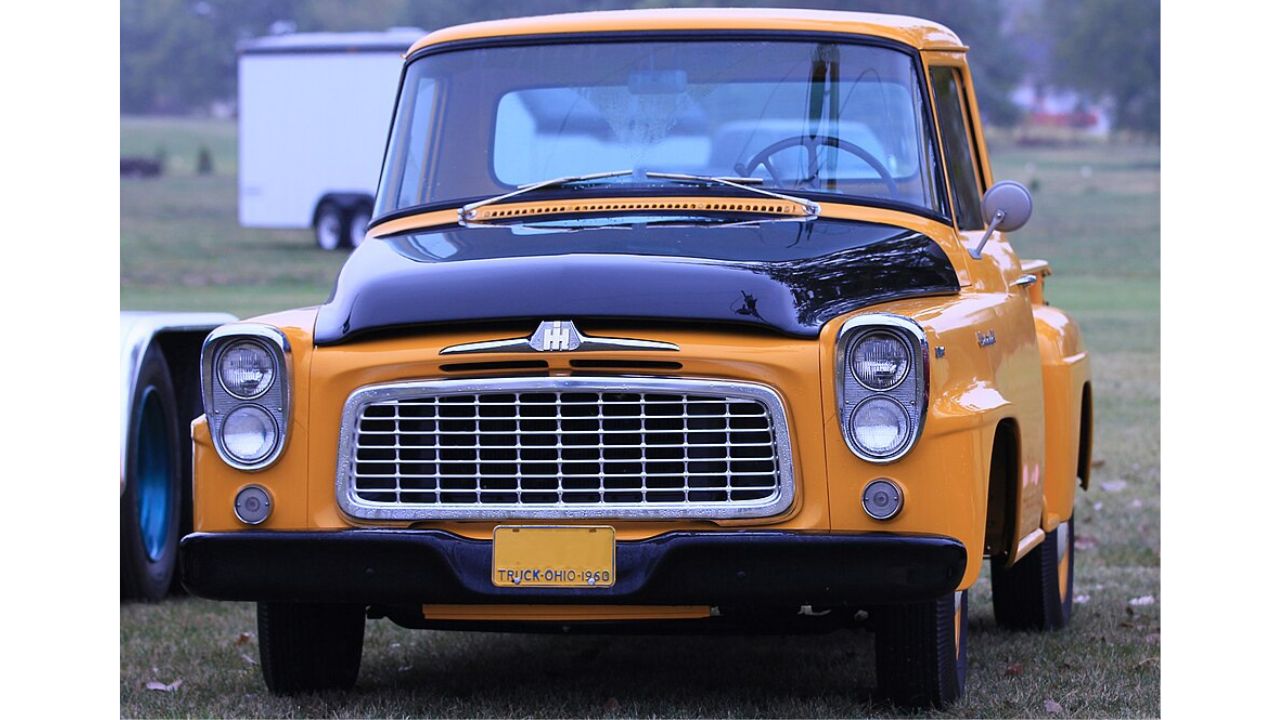
International Harvester built trucks with a heavy-duty mindset, and the B-Series shows it in its stout construction. These pickups weren’t sold on flash; they were designed for farms, utilities, and hard service. That focus helped many last because the chassis and running gear were overbuilt for typical light-duty use. They’re less common now, but the ones that remain often reflect a life of work rather than pampering.
International Harvester D-Series
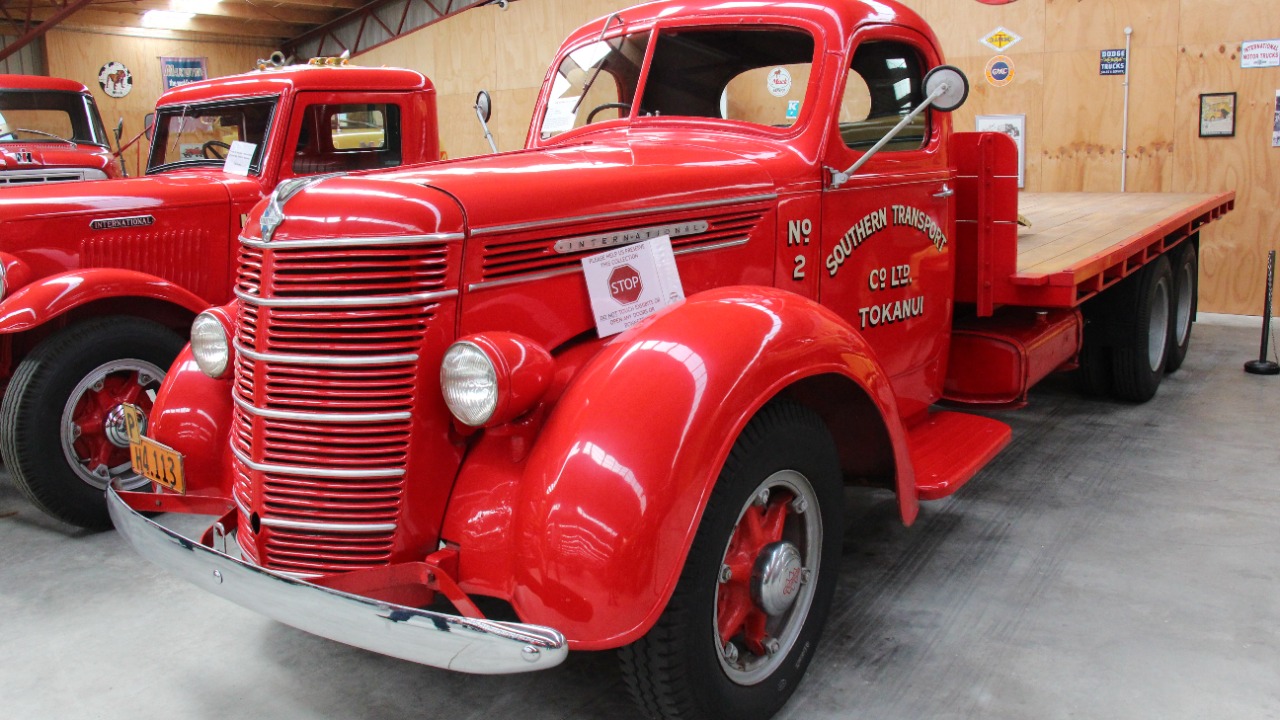
The D-Series continued IH’s reputation for tough, no-nonsense trucks with a work-first attitude. They’re notable today because their scarcity highlights how durable the survivors had to be—many were simply used up in service. Owners who keep them running often point to simple layouts and robust components as reasons they’re still viable. They’re also a reminder that “classic truck” history isn’t only about the Big Three.
Toyota Hilux (first generation)
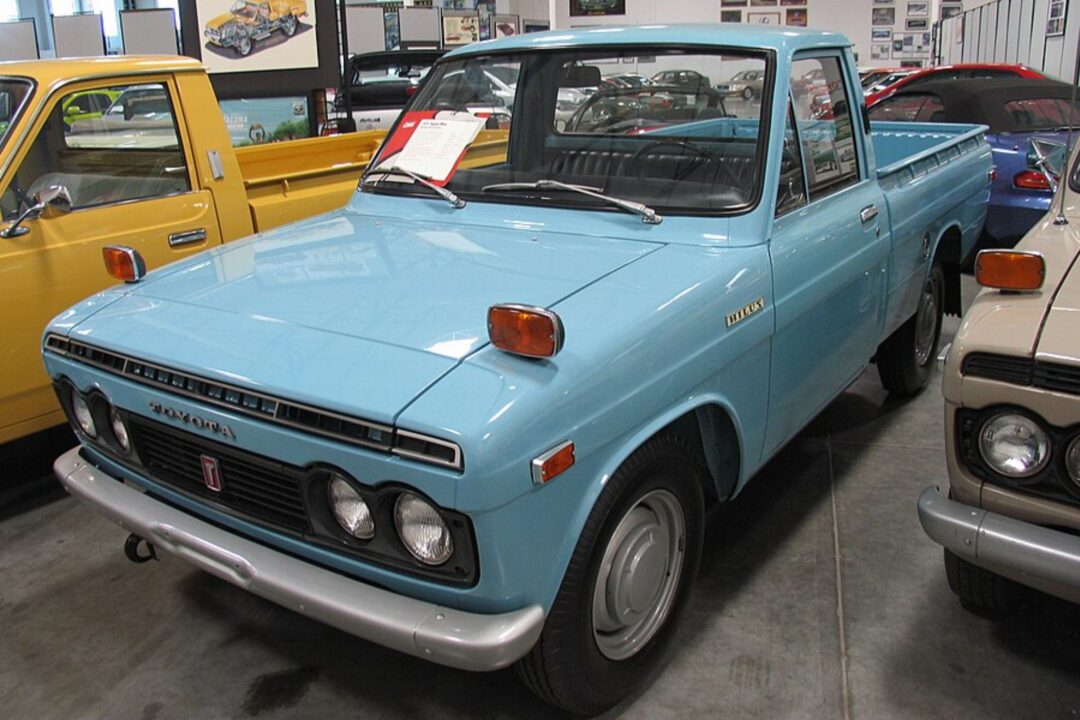
Toyota’s early Hilux models helped establish the brand’s reputation for small-truck durability. These compact pickups were built for efficiency and utility, and their simple mechanicals made them easy to maintain. In many markets, they became everyday tools, not weekend toys, and that steady use encouraged routine upkeep. Their influence is outsized: they set expectations for reliability in the compact pickup world.
1979–1983 Toyota Pickup (Hilux, fourth generation)
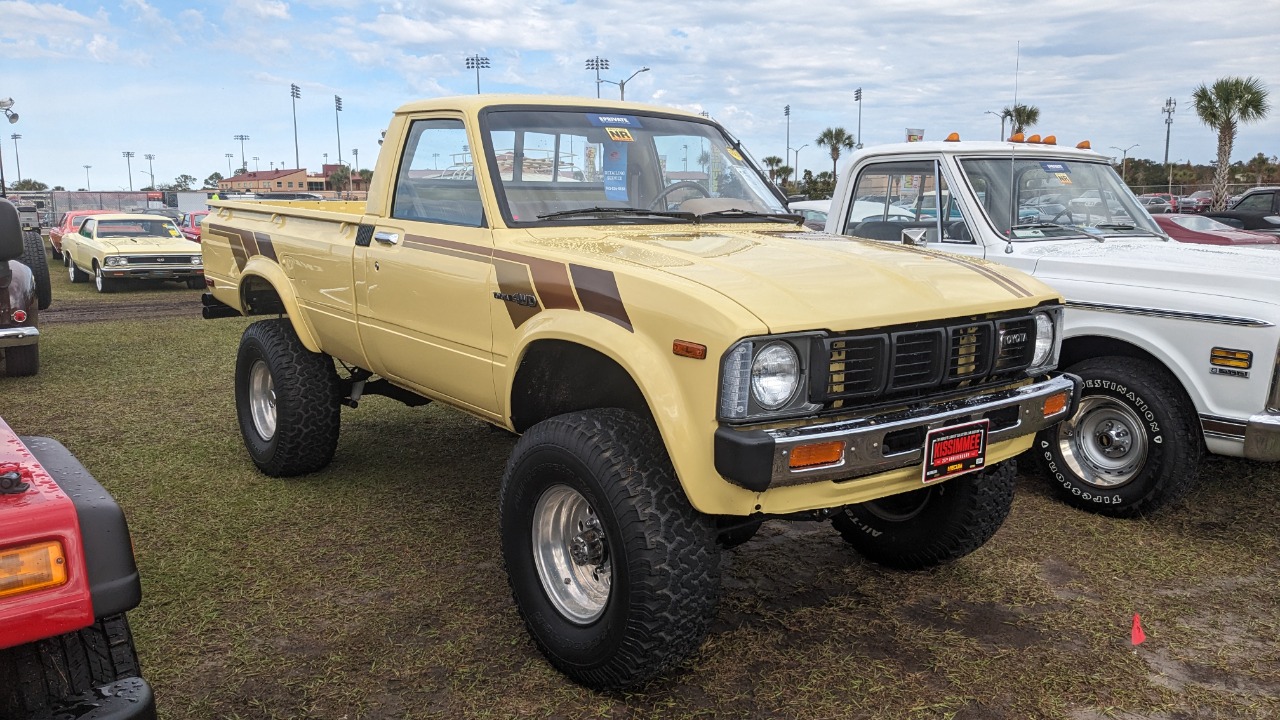
By the early ’80s, Toyota’s compact trucks had become a familiar sight among owners who valued low operating costs and dependable drivetrains. These pickups were commonly kept for years because they were easy to service and generally gentle on consumables. Their light weight and straightforward engineering also helped them survive on rough roads. It’s the kind of truck people remember as “the one that wouldn’t quit.”
1984–1988 Toyota Pickup (Hilux, fifth generation)

The mid-’80s Toyota Pickup benefited from a growing reputation for durability and strong resale value, which often translates into better long-term care. These trucks were popular with small businesses and outdoor-focused owners who needed dependable transport. Simple interiors and practical packaging kept them focused on the job. Many still run because owners found them worth maintaining rather than replacing.
1989–1995 Toyota Pickup (Hilux, sixth generation)
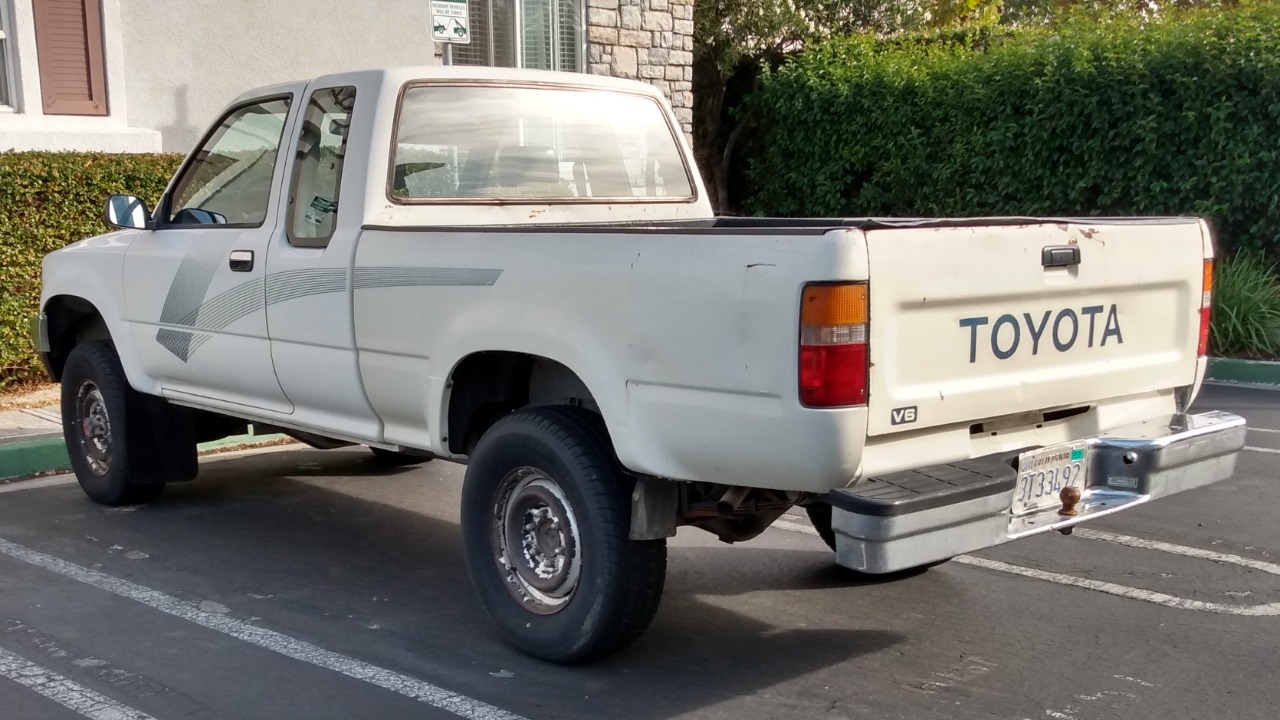
This generation is often associated with rugged longevity and a strong enthusiast following. Toyota’s compact truck formula—practical size, proven drivetrains, and a reputation for reliability—made these pickups easy to justify keeping indefinitely. They also became popular platforms for off-road builds, which kept demand for parts and knowledge high. Plenty remain in service because they fit into modern life surprisingly well for their age.
Datsun 620
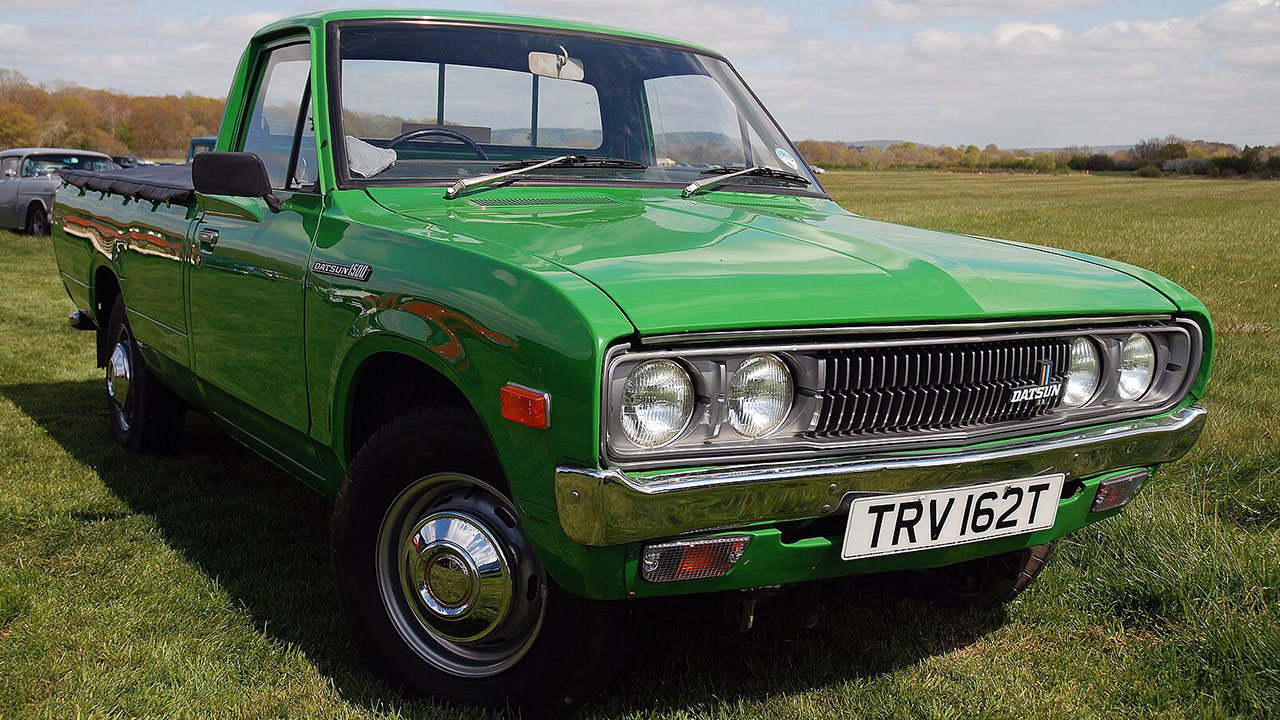
The Datsun 620 played a major role in bringing Japanese compact pickups into the American mainstream. Owners valued them for efficiency, simplicity, and an honest, utilitarian approach to design. Many survived because they were inexpensive to run and easy to fix, even when they were just “used trucks” rather than collectibles. Today, a well-kept 620 feels like proof that basic engineering can go a long way.
Datsun/Nissan 720
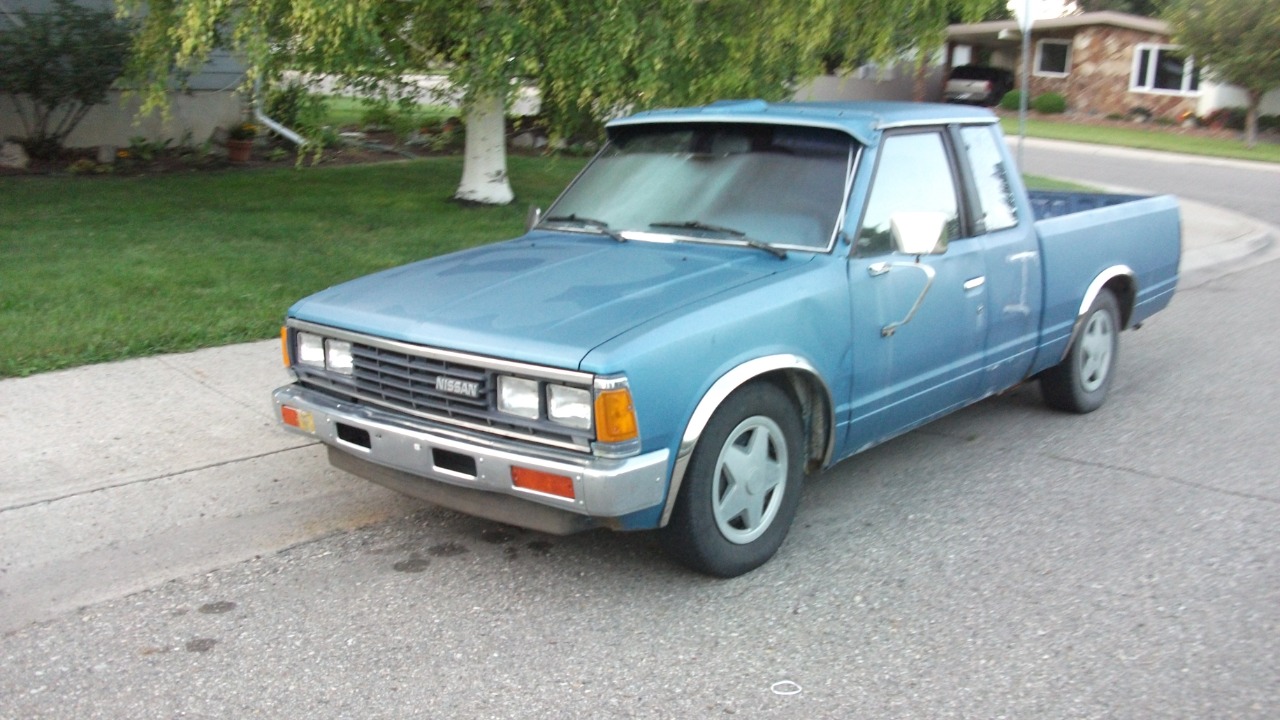
The 720 continued the compact-truck momentum with a practical, durable package that appealed to commuters and small-business owners alike. These trucks developed a reputation for being dependable daily transportation when full-size pickups were costlier to fuel and maintain. Their straightforward design also made them approachable for DIY maintenance. Surviving examples often show high mileage and a lifetime of incremental repairs—exactly what long ownership looks like.
Nissan Hardbody Truck (D21)
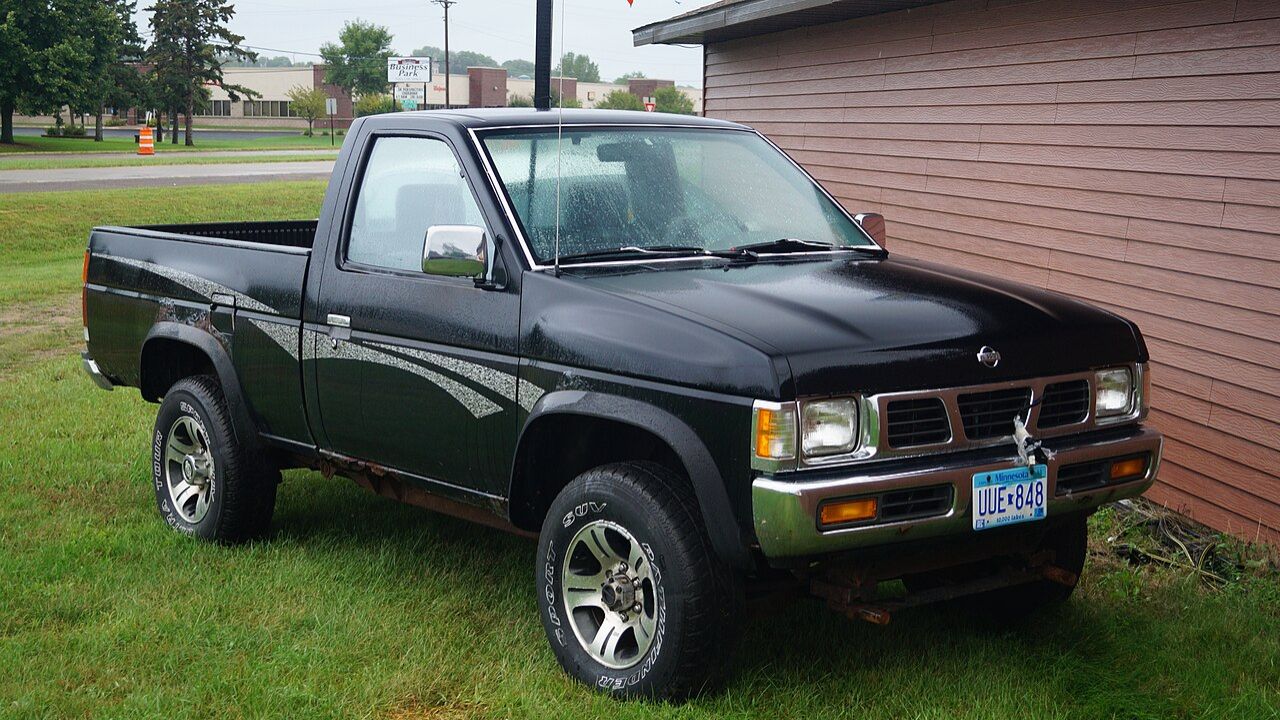
The Hardbody became a benchmark for compact-truck toughness in the 1990s. Its squared-off styling matched a no-nonsense personality, and it earned a following among owners who wanted a small truck that could take real use. Many lasted because they were used consistently and maintained rather than treated as disposable. Even now, the D21 remains a common sight in areas where practical vehicles are kept running as long as possible.
Jeep J10/J20 (J-Series)

Jeep’s full-size pickups are a bit of an under-the-radar classic, but they’re remembered for rugged mechanicals and a straightforward, utilitarian feel. Produced for a long run with incremental changes, the J-Series built a loyal owner base that kept them alive through parts swapping and practical repairs. Their longevity is often tied to enthusiast support and the shared DNA with other American components of the era. When you see one still working, it usually isn’t because it was easy—it’s because it was worth it.
What ties these trucks together isn’t a single magic drivetrain or a mythical “million-mile” promise. It’s a mix of solid fundamentals, widespread parts availability, and owners who kept up with maintenance because the trucks made it worthwhile. If you’re shopping for one today, the best sign of long life isn’t the badge—it’s evidence of steady care over time.
More from Fast Lane Only
- Unboxing the WWII Jeep in a Crate
- 15 rare Chevys collectors are quietly buying
- 10 underrated V8s still worth hunting down
- Police notice this before you even roll window down
*Research for this article included AI assistance, with all final content reviewed by human editors.