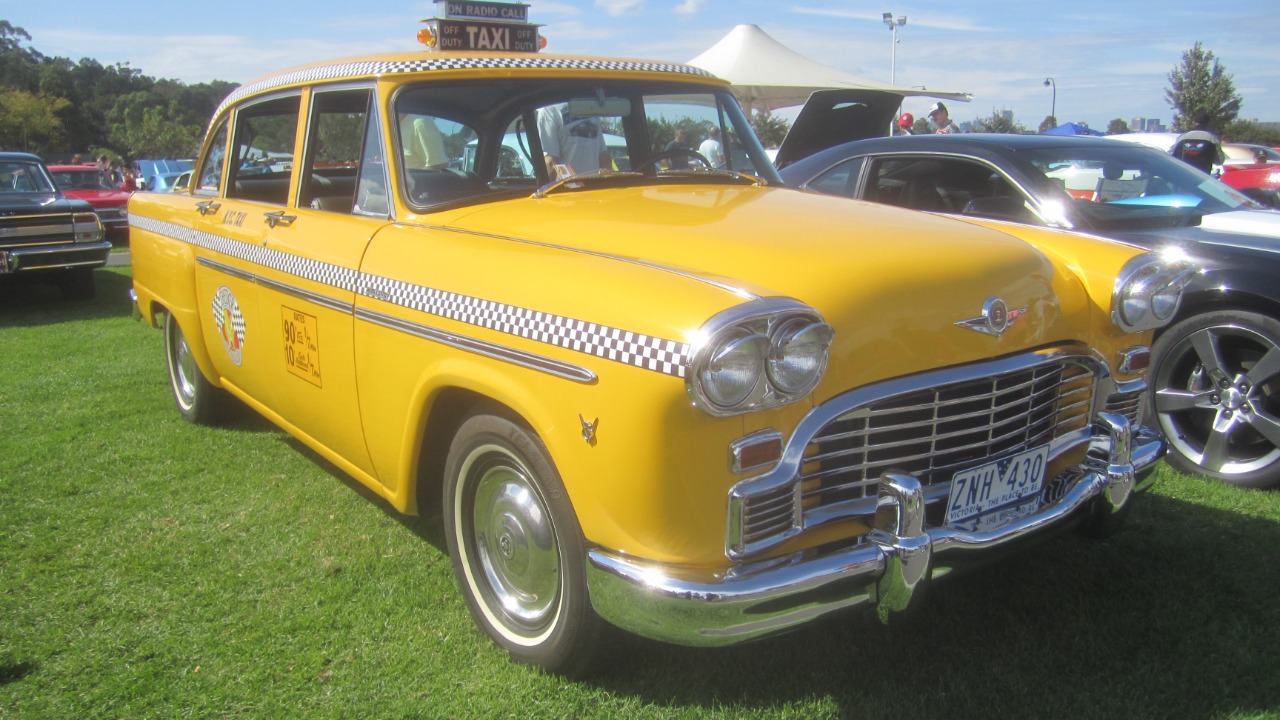
Vintage taxis spent their lives doing something ordinary classics rarely experienced: driving almost constantly. Many accumulated enormous mileage, endured repeated stop-and-go cycles, and suffered years of hard commercial use. That history makes surviving examples fascinating, but it can also make restoration surprisingly difficult. These eight vintage taxis deserve caution because their mechanical condition, specialized equipment, or scarce parts can turn ownership into a major project.
Checker Marathon
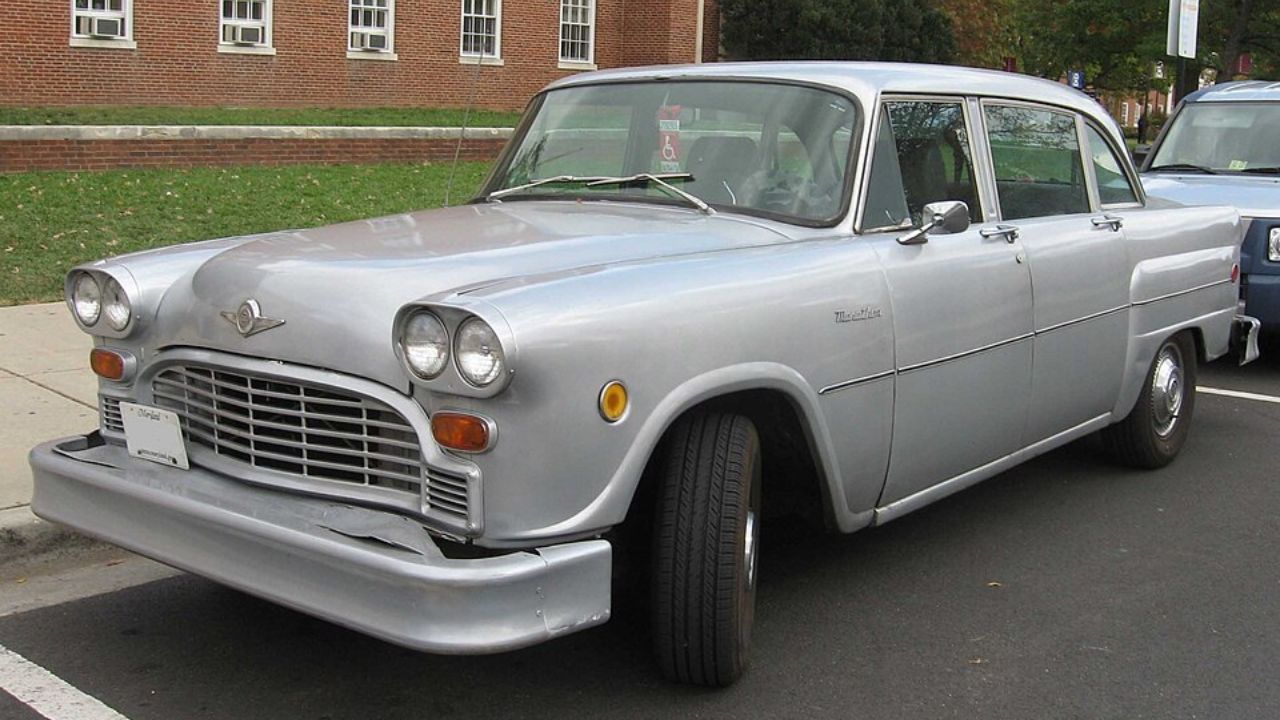
The Checker Marathon became one of America’s most recognizable taxi cars, but decades of commercial service took a heavy toll on many surviving examples. Their robust construction was designed for hard use, yet high mileage can leave engines, transmissions, suspension components, and steering systems badly worn. Restoring the distinctive passenger compartment can also require specialized parts. A neglected Marathon may therefore require far more work than its simple appearance suggests.
Checker A11
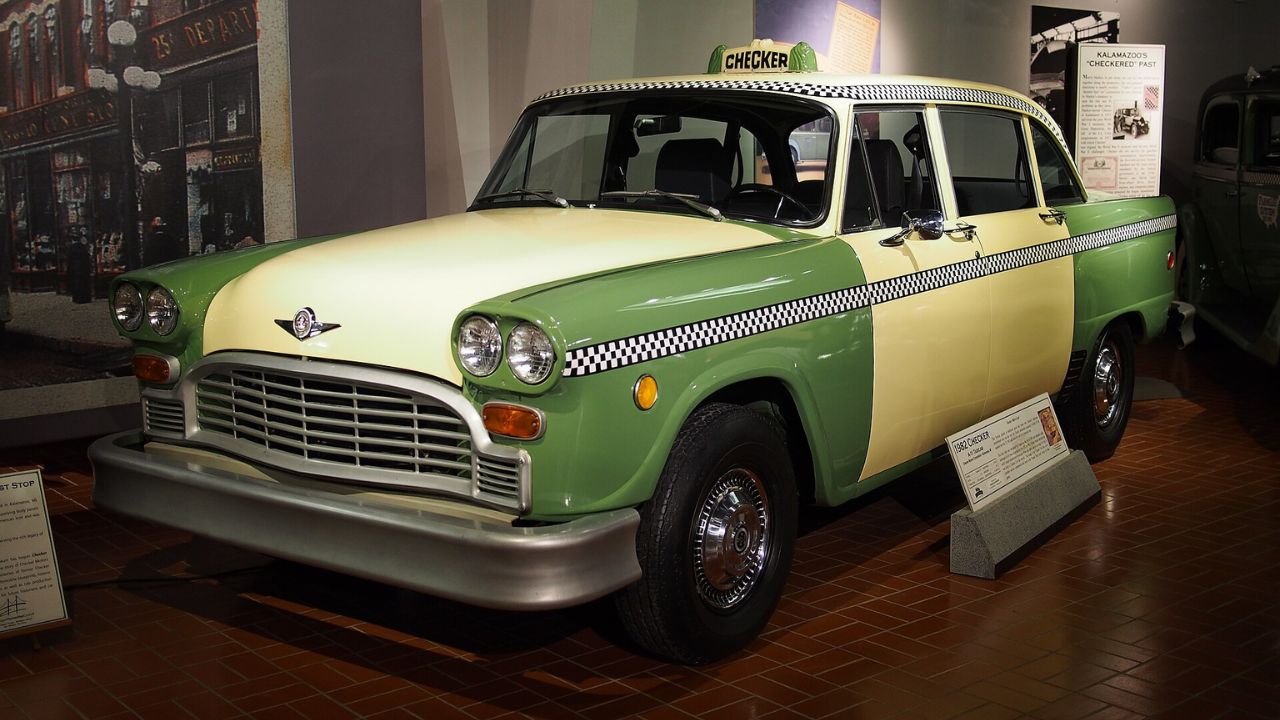
The Checker A11 was specifically developed for demanding taxi service, making durability one of its primary goals. Unfortunately, many examples accumulated enormous mileage before retirement, leaving surviving cars with decades of wear. The body and frame also require careful inspection for corrosion and structural deterioration. Mechanical components can be serviceable, but returning an abused A11 to dependable condition can require extensive work and considerable patience.
Austin FX4
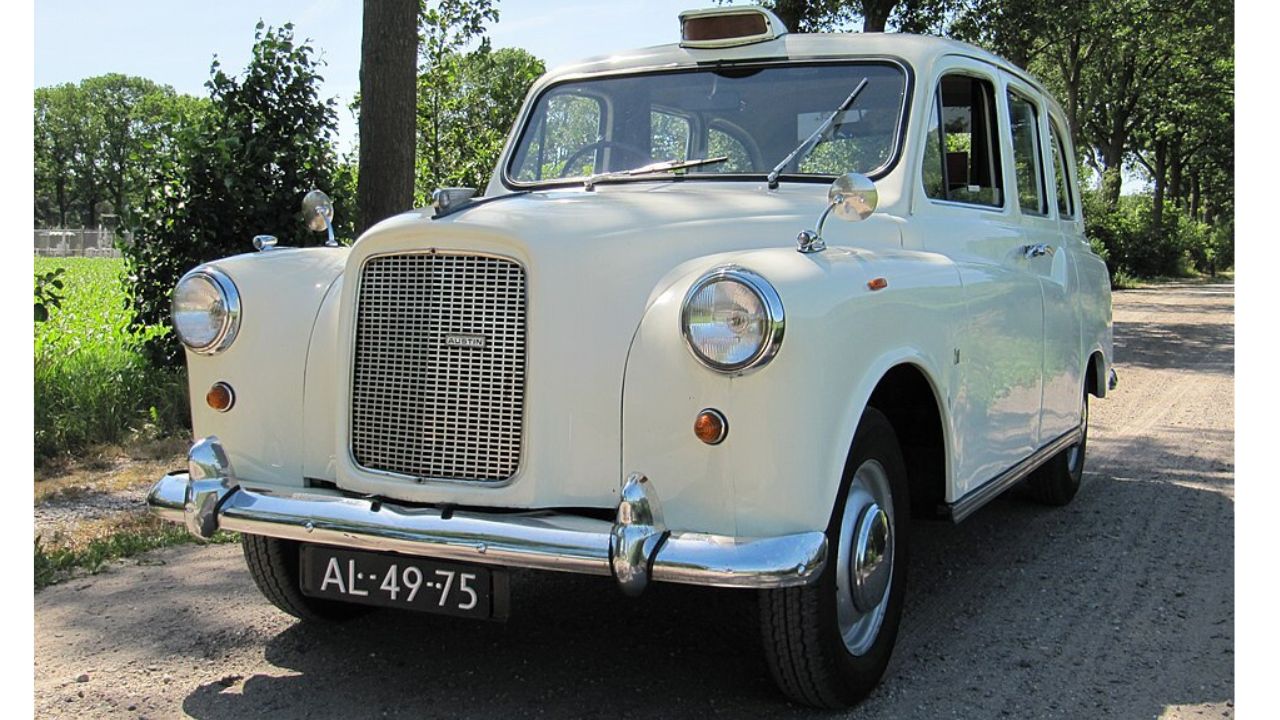
The Austin FX4 became one of Britain’s most recognizable taxi designs, serving London for decades. Its distinctive body and purpose-built layout make it highly collectible, but surviving examples can have complicated restoration needs after years of commercial service. Diesel engines, transmissions, steering components, and specialized body parts all deserve careful inspection. A tired FX4 can require considerable effort to become dependable enough for regular driving.
Plymouth Valiant Taxi
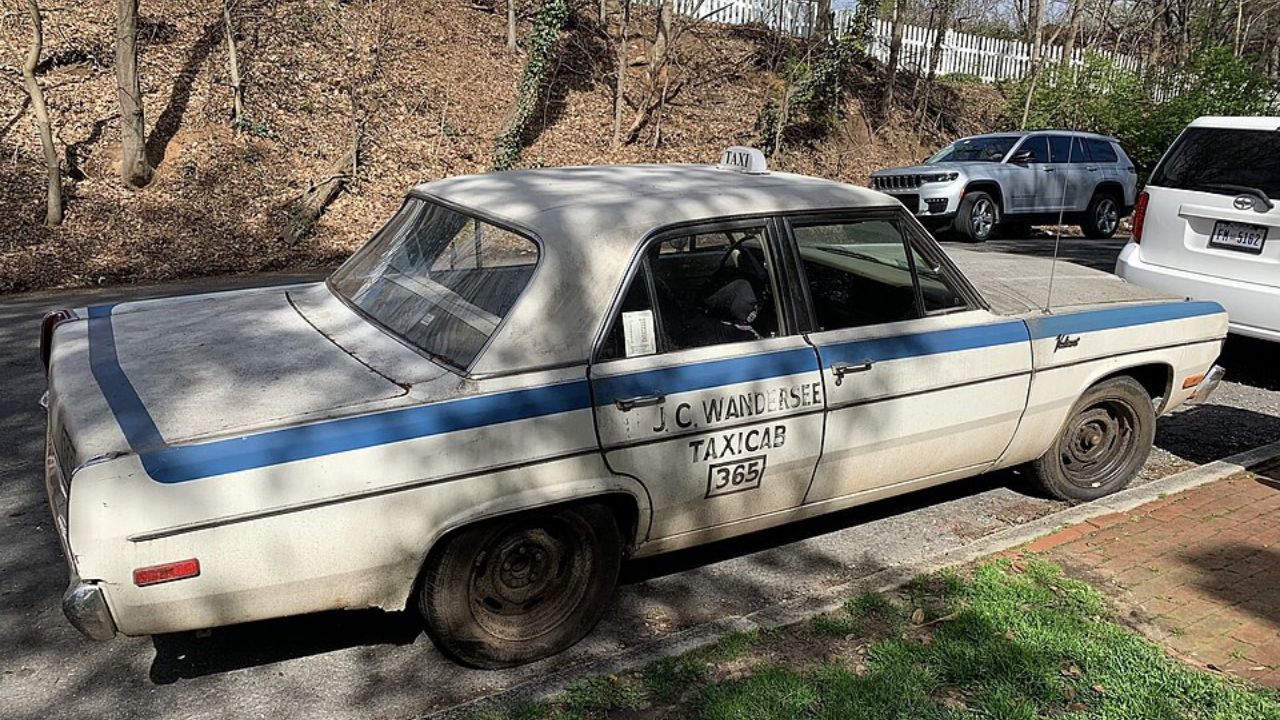
The Plymouth Valiant became a popular choice for taxi fleets because of its compact size and relatively simple mechanical design. However, fleet use subjected these cars to intense stop-and-go driving and extremely high annual mileage. Engines, automatic transmissions, suspension parts, and interiors could all suffer heavily. Finding an original taxi-specification example today can be fascinating, but restoring one that spent years in commercial service requires careful mechanical inspection.
Ford Crown Victoria Taxi

The Ford Crown Victoria became one of America’s most familiar modern taxi platforms because of its durable rear-wheel-drive architecture and strong V8 power. Yet former taxi examples often endured extraordinary mileage and constant urban operation. Cooling systems, transmissions, suspension components, and electrical equipment can be heavily worn even when the car appears presentable. A cheap retired taxi can therefore require substantial investment before becoming a reliable collector vehicle.
Chevrolet Caprice Taxi
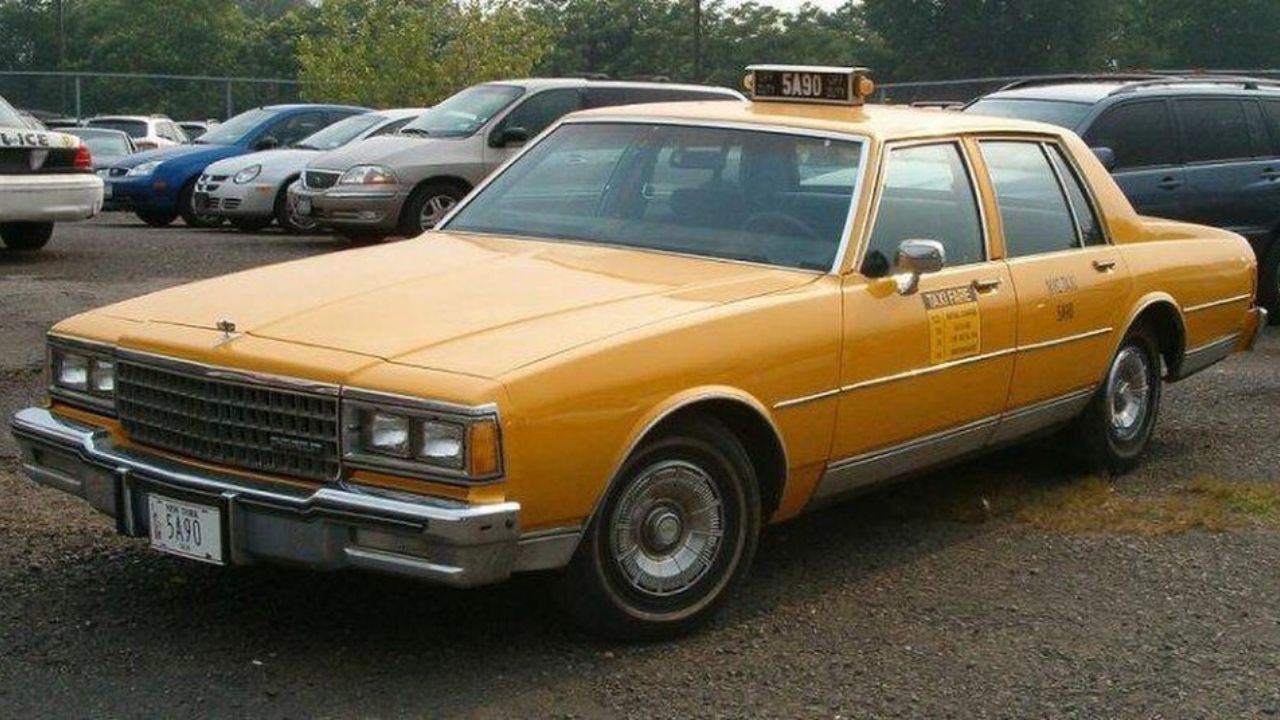
The Chevrolet Caprice served extensively in taxi fleets, where its large cabin and sturdy rear-wheel-drive platform made it practical for commercial use. Years of passenger service could leave the drivetrain and suspension heavily worn, while interiors often suffered from constant use. Some fleet cars also received basic equipment rather than luxury features. A surviving taxi-specification Caprice is historically interesting, but condition should take priority over rarity.
DeSoto Taxi
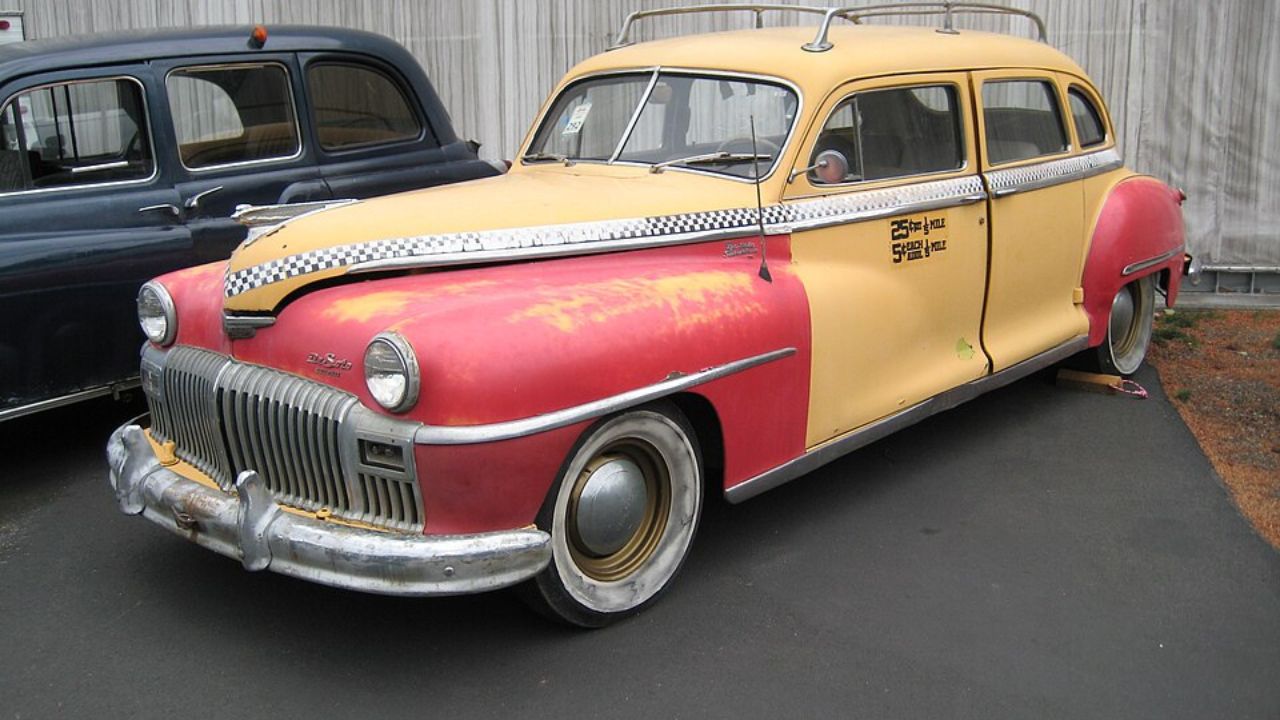
DeSoto produced purpose-oriented taxi versions of several full-size models, giving fleet operators durable transportation with Chrysler engineering underneath. These cars were expected to cover enormous distances while carrying passengers throughout the day. That workload could leave engines, transmissions, brakes, and suspension components heavily worn. Because genuine taxi-specific trim and equipment are now difficult to locate, restoring an authentic DeSoto taxi can be considerably harder than restoring an ordinary DeSoto.
More from Fast Lane Only
- Unboxing the WWII Jeep in a Crate
- 15 rare Chevys collectors are quietly buying
- 10 underrated V8s still worth hunting down
- Police notice this before you even roll window down
*Research for this article included AI assistance, with all final content reviewed by human editors