Collectors are increasingly looking beyond complete cars and searching for historically important engines, especially rare factory versions, performance packages, and engines tied to famous models. Some remain affordable because they are overlooked, while others are already difficult to locate. From muscle-era V8s to unusual European powerplants, these engines can add significant interest to a collection.
Chevrolet 409
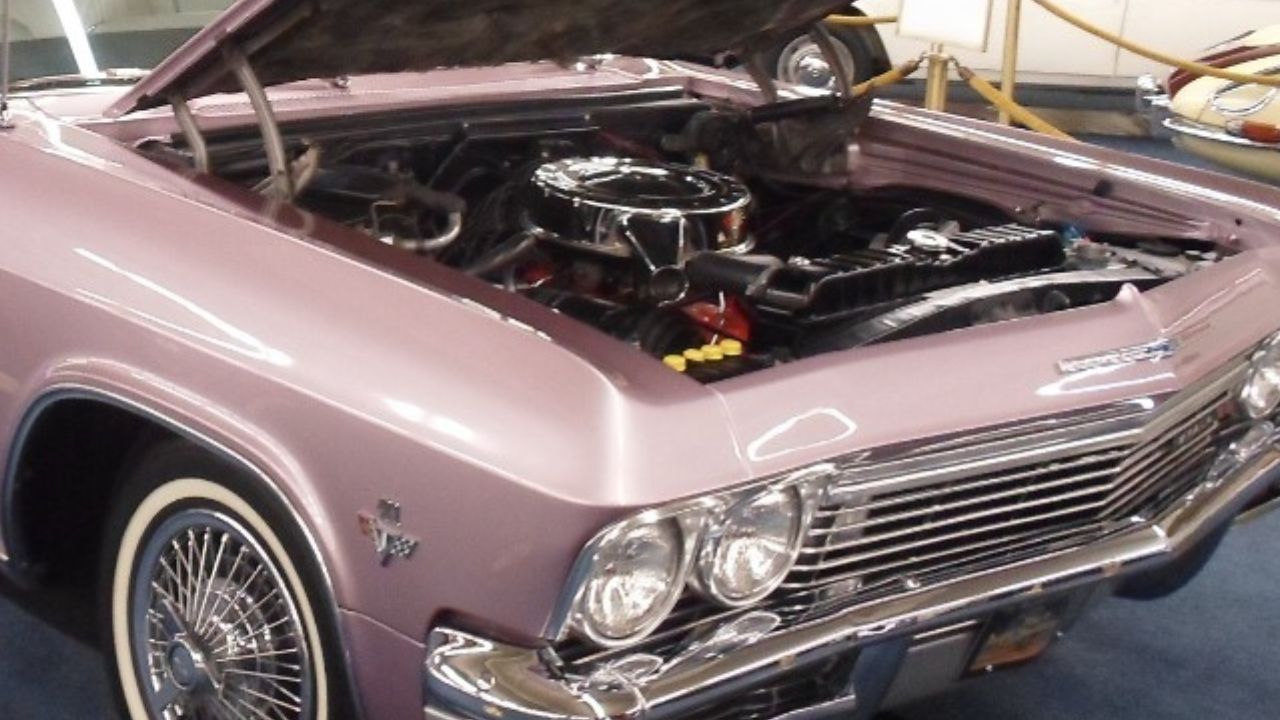
The Chevrolet 409 remains one of the most recognizable early big-block engines, especially among collectors interested in 1960s Chevrolet history. Its distinctive W-series design, unusual combustion chambers, and association with high-performance Impalas make it especially interesting. Correct factory components are becoming harder to locate as more original engines have been modified or rebuilt over the decades. Collectors often look for complete examples with original heads, intake manifolds, carburetors, and matching accessories. The most desirable versions are usually those retaining identifiable factory equipment and documented provenance.
Chevrolet 348
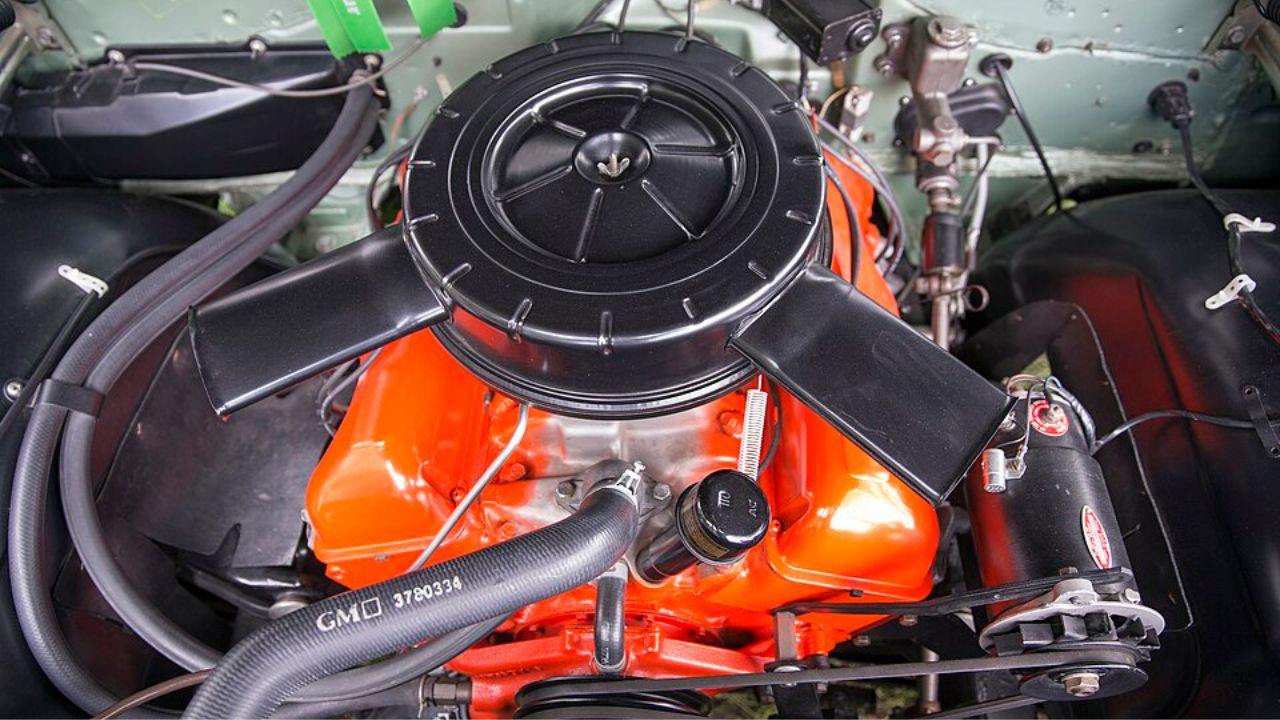
Chevrolet’s 348 W-series engine is another early big-block that attracts collectors who appreciate unusual factory engineering. Unlike the later Mark IV engines, the 348 uses a distinctive design that immediately separates it from more familiar Chevrolet V8s. High-output versions with multiple carburetors are particularly interesting. Complete, original examples can be difficult to find because many were replaced during decades of engine swaps. Collectors looking for historically significant Chevrolet powerplants increasingly appreciate the 348 because it represents the beginning of Chevrolet’s big-block era.
Chevrolet 427 L88

The Chevrolet 427 L88 is one of the most sought-after American performance engines from the muscle-car period. Built with serious competition hardware, it was far more specialized than an ordinary big-block. Genuine L88 components are particularly valuable because reproductions and later modifications can make identification difficult. Collectors pay close attention to casting numbers, date codes, cylinder heads, intake manifolds, and other details. Complete original examples are exceptionally difficult to find. The L88’s combination of factory rarity, racing reputation, and engineering sophistication keeps it firmly on collector radar.
Chevrolet 427 ZL1
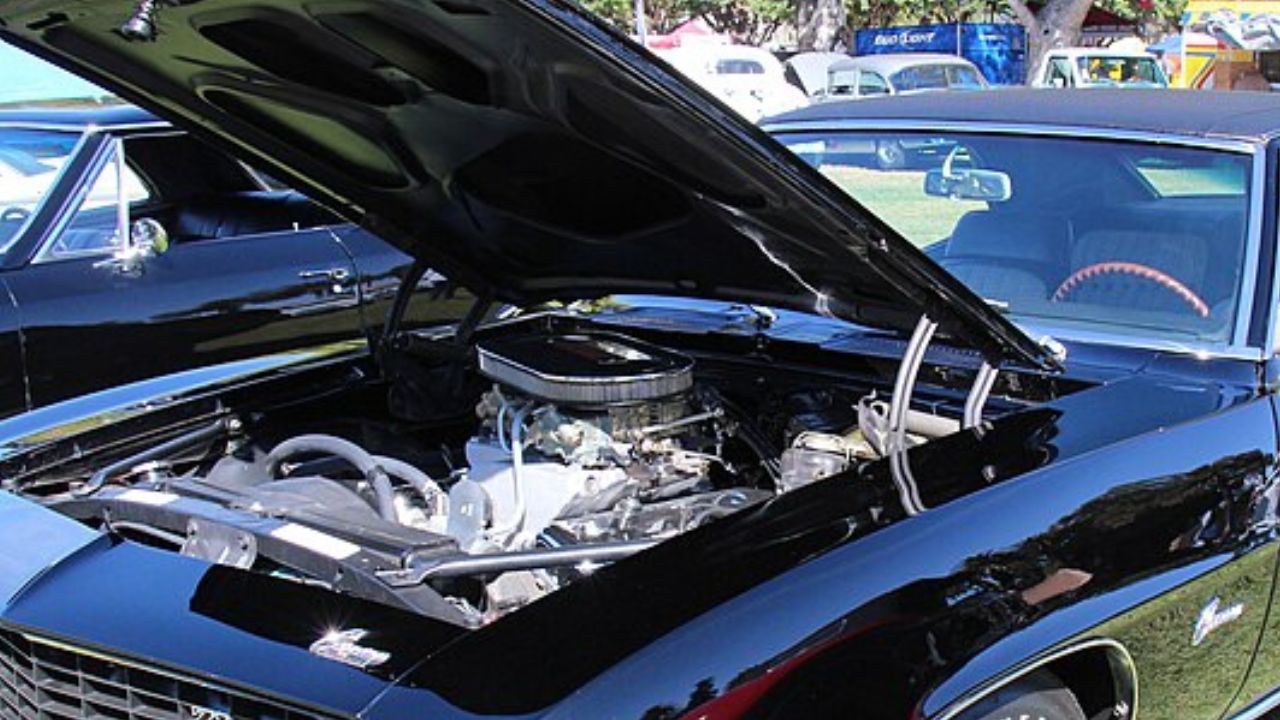
The aluminum-block Chevrolet 427 ZL1 has become a major collector engine because of its lightweight construction and extremely limited production. Designed for high-performance applications, the ZL1 represented Chevrolet’s most exotic big-block engineering of its period. Original blocks and complete engines are particularly important because many surviving examples have been incorporated into racing cars or modified over time. Collectors carefully examine casting details, identification numbers, and component combinations. A genuine ZL1 is much more than a large Chevrolet engine; it represents one of the rarest factory-developed American big-block configurations.
Chevrolet 396 L78
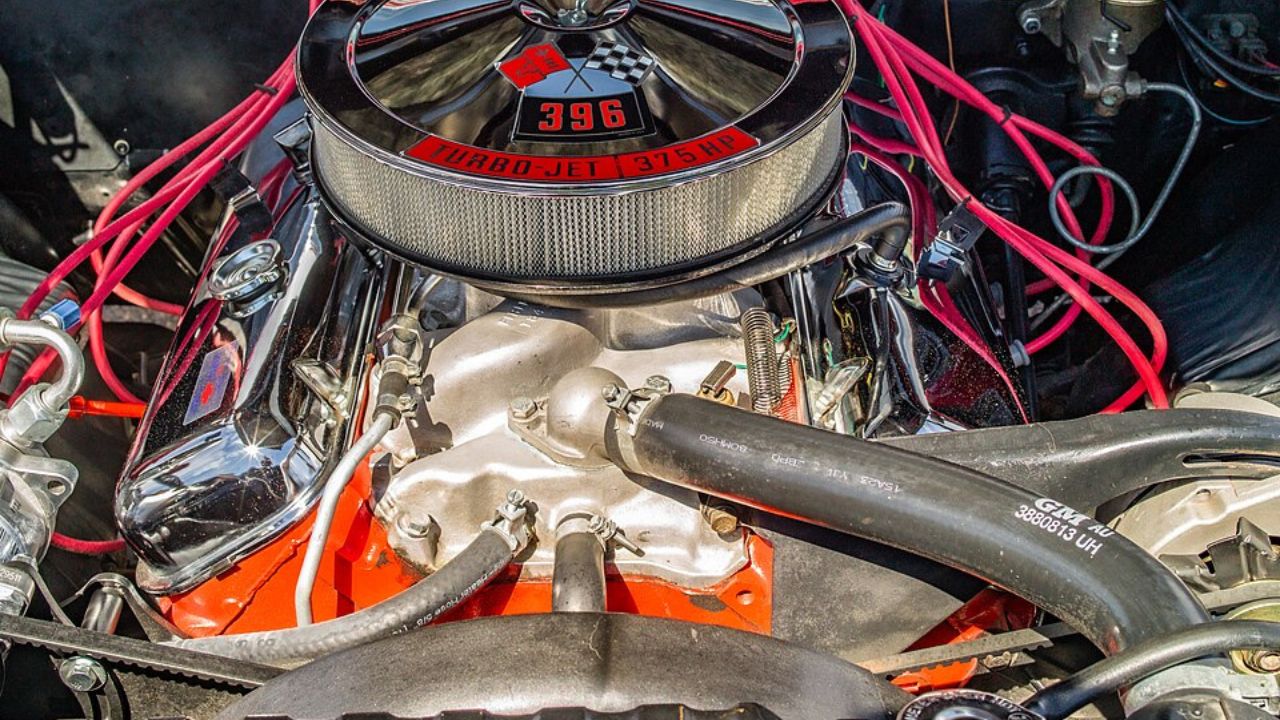
The Chevrolet 396 L78 remains an important collector engine because it represented one of Chevrolet’s strongest factory big-block combinations during the late 1960s. High compression, aggressive cylinder heads, and performance-oriented hardware made it a serious muscle-car engine. Original examples are increasingly difficult to verify because many 396 blocks were rebuilt or converted over the years. Collectors look for correct casting numbers, date codes, heads, intake manifolds, and carburetors. A properly documented L78 engine can be especially interesting when connected to a period-correct Chevrolet performance car.
Chevrolet 454 LS6
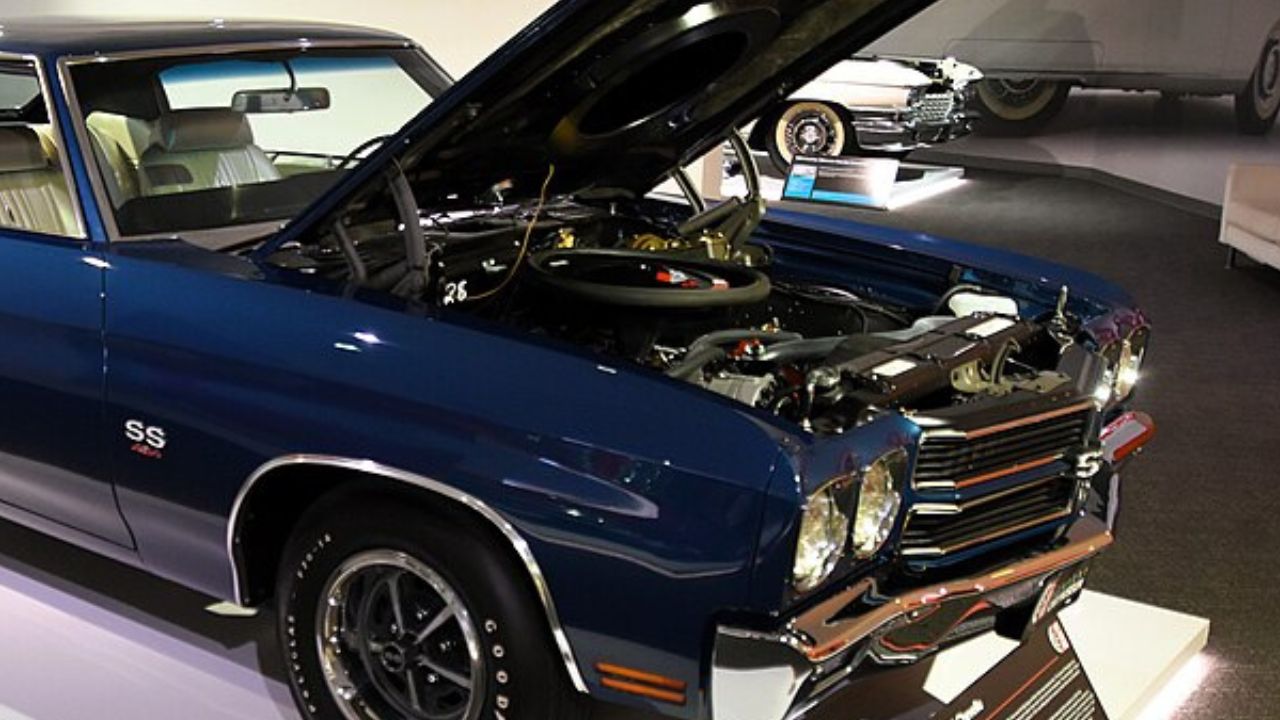
The Chevrolet 454 LS6 remains one of the most recognizable high-performance big-blocks of the early 1970s. Its factory compression, large-port cylinder heads, and aggressive specifications made it a serious performance engine. Collectors increasingly seek original LS6 components because many surviving engines were rebuilt, bored, or converted for racing. Correct blocks, heads, intake manifolds, carburetors, and date-coded accessories are particularly interesting. A documented LS6 engine connected to its original vehicle can carry considerable historical significance. Even standalone examples attract attention because genuine factory components are becoming harder to assemble.
Ford 427 FE

The Ford 427 FE remains one of the most important collector engines from the 1960s. Its connection to NASCAR, endurance racing, and high-performance Ford vehicles gives it exceptional historical importance. Several versions existed, including different cylinder-head and oiling configurations. Collectors carefully distinguish ordinary FE blocks from genuine 427 pieces using casting numbers, bore dimensions, and other identifying details. Original components are increasingly valuable because many 427s were heavily modified for racing. Complete engines with correct heads, intake systems, and accessories are especially sought after by Ford enthusiasts.
Ford 427 SOHC
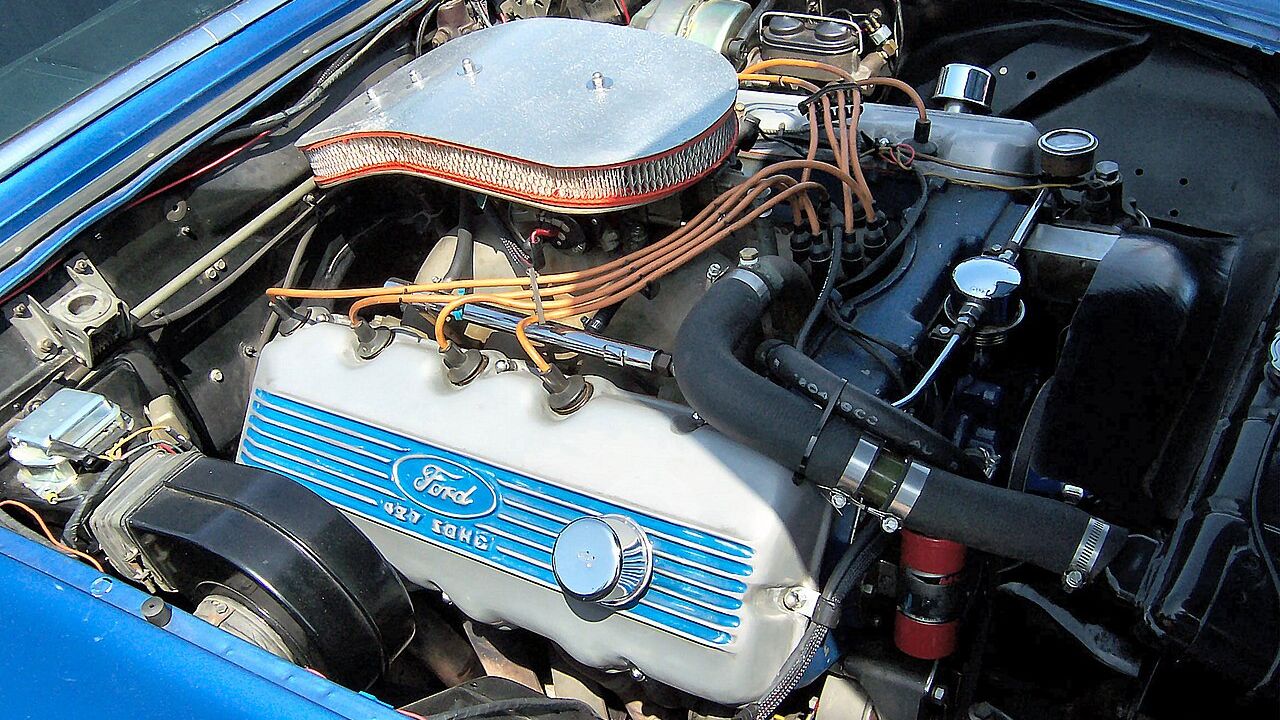
The Ford 427 SOHC is one of the most exotic American racing engines ever developed. Its overhead-camshaft design was created to compete at extremely high engine speeds, particularly in drag racing. Genuine examples are rare, and collectors carefully examine blocks, cam-drive components, cylinder heads, and other specialized hardware. Many surviving engines have been rebuilt or used in competition. The engine’s connection to NASCAR controversy and NHRA drag racing adds historical importance. Original factory components are particularly interesting because reproductions and later racing versions can make identification complicated.
Ford 428 Cobra Jet
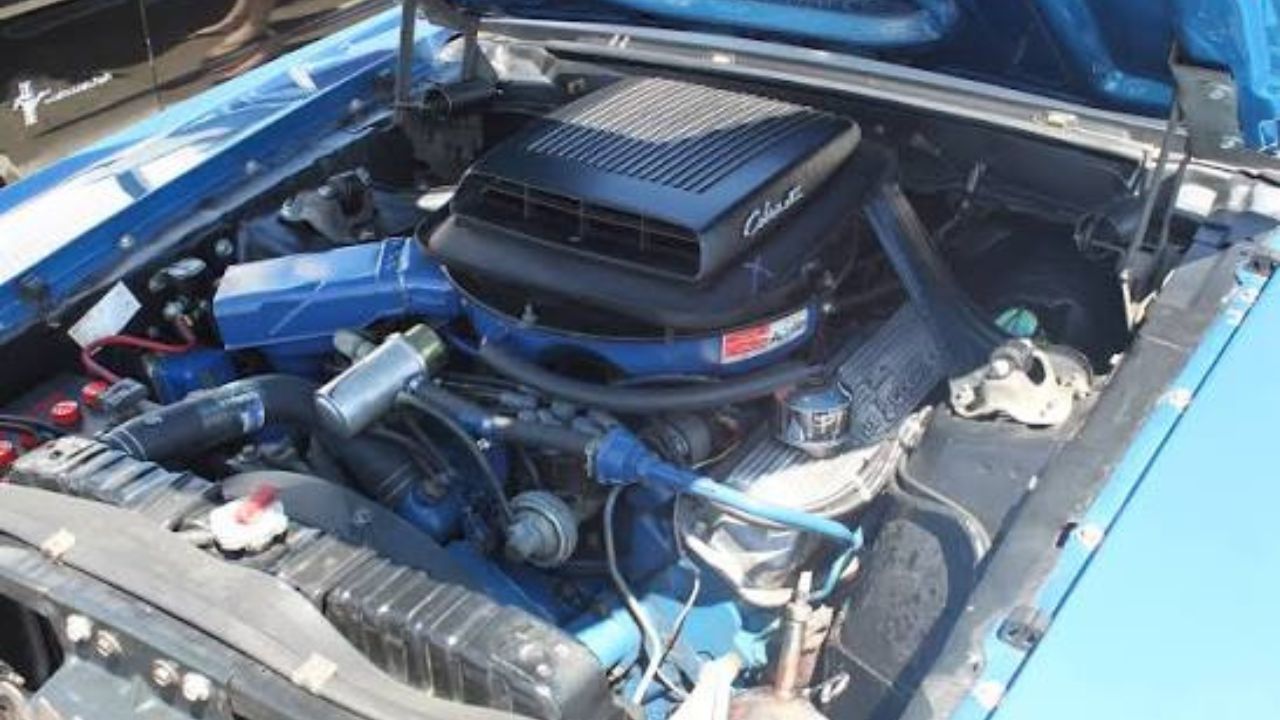
The 428 Cobra Jet remains one of Ford’s most recognizable muscle-car engines. Developed specifically to give Ford a serious competitor in the street and drag-racing market, it combined large displacement with competition-oriented components. Collectors look closely at block castings, cylinder heads, intake manifolds, carburetors, and date codes. Original engines are increasingly difficult to find because many were modified during their racing lives. Correctly documented Cobra Jet engines are particularly valuable to restorers because they can return a Mustang or other Ford performance car to its original specification.
Ford Boss 302
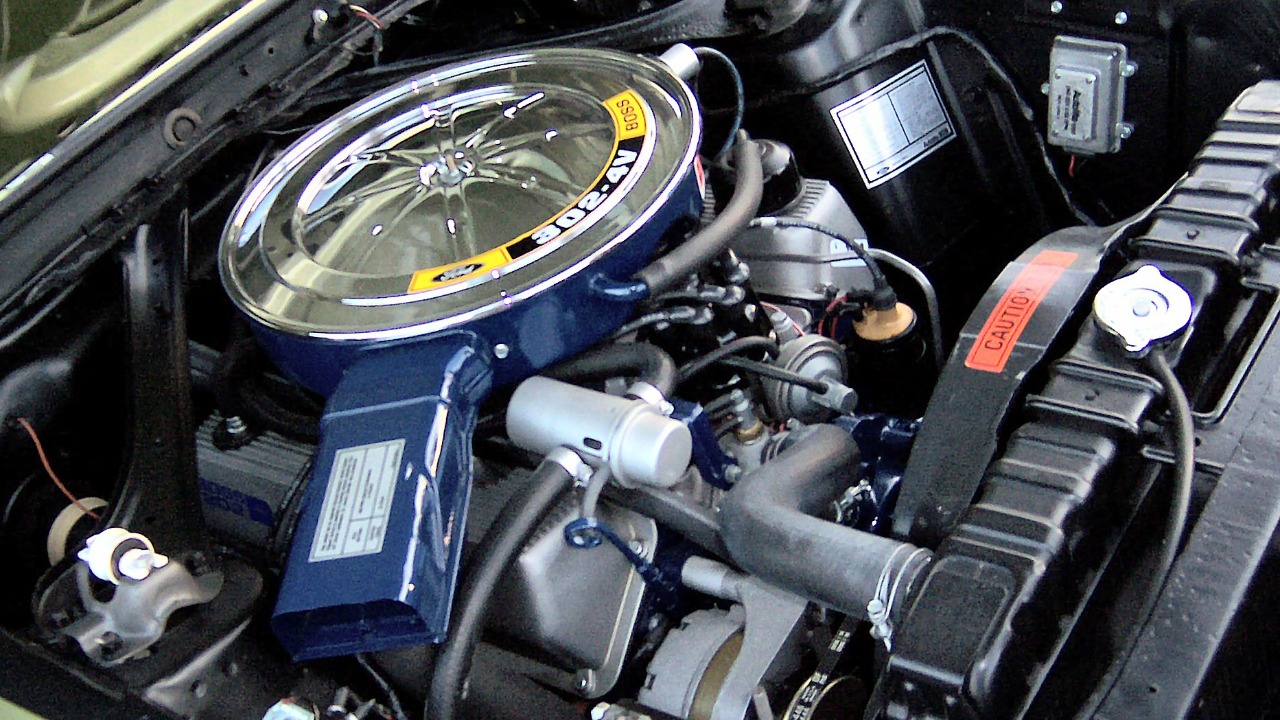
The Boss 302 is another small-block that collectors actively seek because of its Trans-Am racing connection and limited-production status. Ford created the engine for the Mustang Boss 302 and equipped it with specialized cylinder heads and performance hardware. Original blocks and heads are particularly valuable to restorers. Many were modified for racing or rebuilt with aftermarket components. Collectors therefore examine casting numbers, dates, intake manifolds, and valvetrain components carefully. A correct Boss 302 engine can be one of the most important parts of a historically accurate early Mustang restoration.
Ford 351 Cleveland 4V
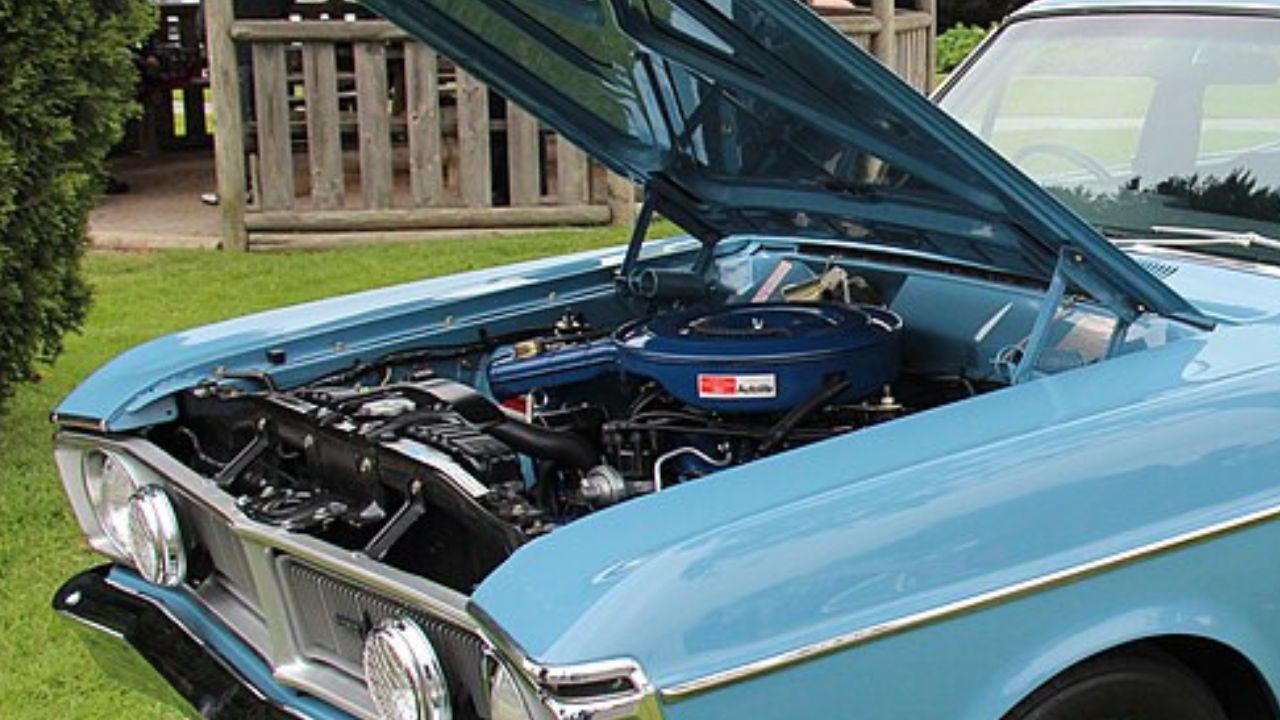
The 351 Cleveland 4V is highly regarded for its large-port cylinder heads and strong high-rpm capability. While not technically a big-block, it remains an important collector engine because of its performance reputation and connection to Ford’s early-1970s muscle cars. Original four-barrel versions are increasingly sought after by restorers. Collectors look for correct casting numbers, heads, intake manifolds, and carburetors. The engine’s availability in Mustangs, Torinos, and other performance Fords gives it broad historical relevance and makes complete period-correct examples increasingly useful.
Ford 460
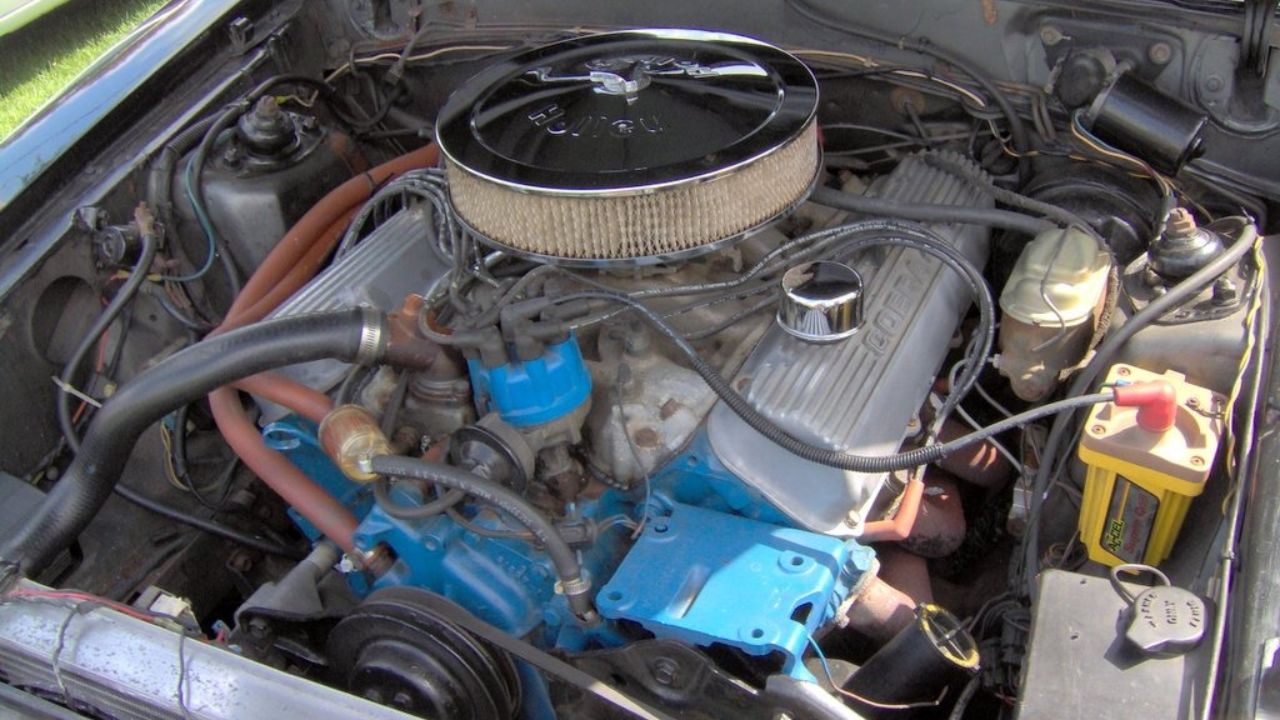
The Ford 460 remains one of the most recognizable large-displacement Ford V8s. Although it was widely used in luxury cars and trucks, high-performance versions have become increasingly interesting to collectors. Original early 460 components, especially unusual cylinder heads and factory performance hardware, are harder to find than ordinary truck engines. Collectors often search for complete assemblies rather than bare blocks. The 460’s combination of enormous torque, Ford heritage, and relatively straightforward mechanical design makes it attractive to enthusiasts building period-correct performance vehicles.
Ford 429 Super Cobra Jet
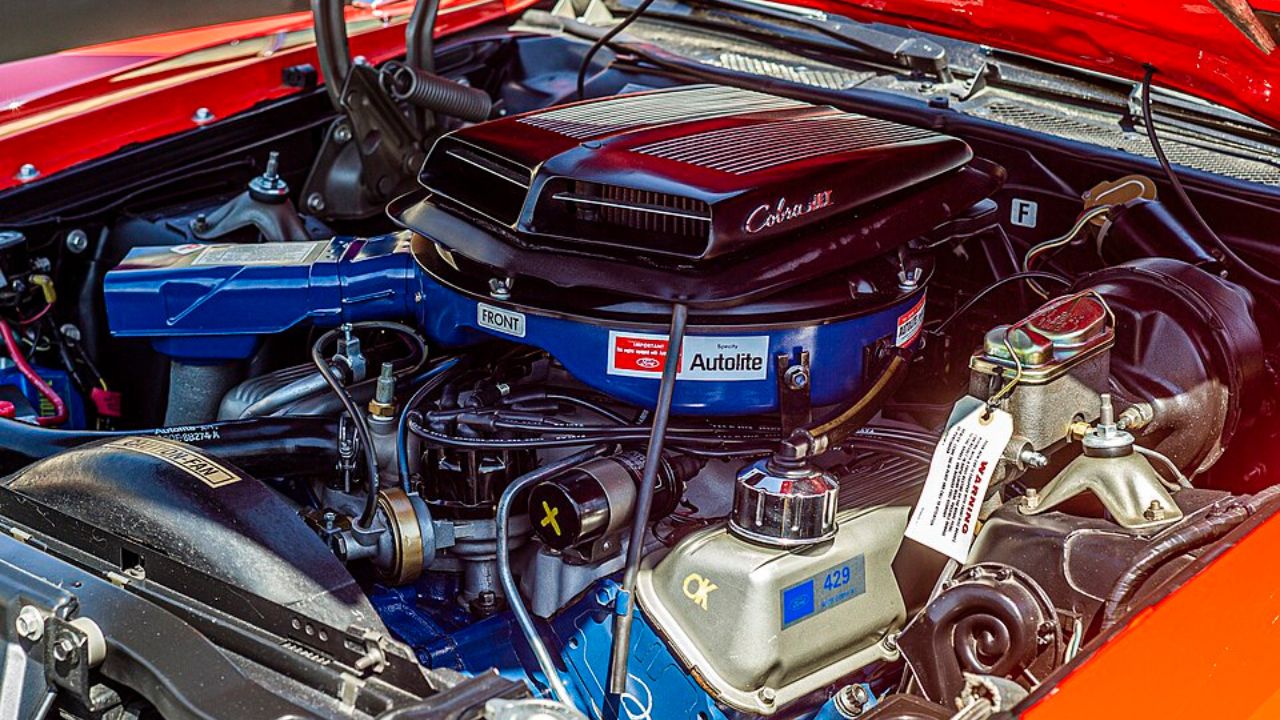
The 429 Super Cobra Jet represents one of Ford’s most specialized factory big-block combinations. Designed for high-performance applications, it featured stronger internal components and competition-oriented equipment. Original engines are increasingly difficult to find because many were raced or rebuilt using ordinary 429 parts. Collectors seek correctly identified blocks, cylinder heads, intake manifolds, and rotating assemblies. Documentation is particularly important because several Ford big-blocks share similar physical characteristics. A genuine Super Cobra Jet remains a significant piece of Ford’s late muscle-car engineering history.
Chrysler 426 Hemi
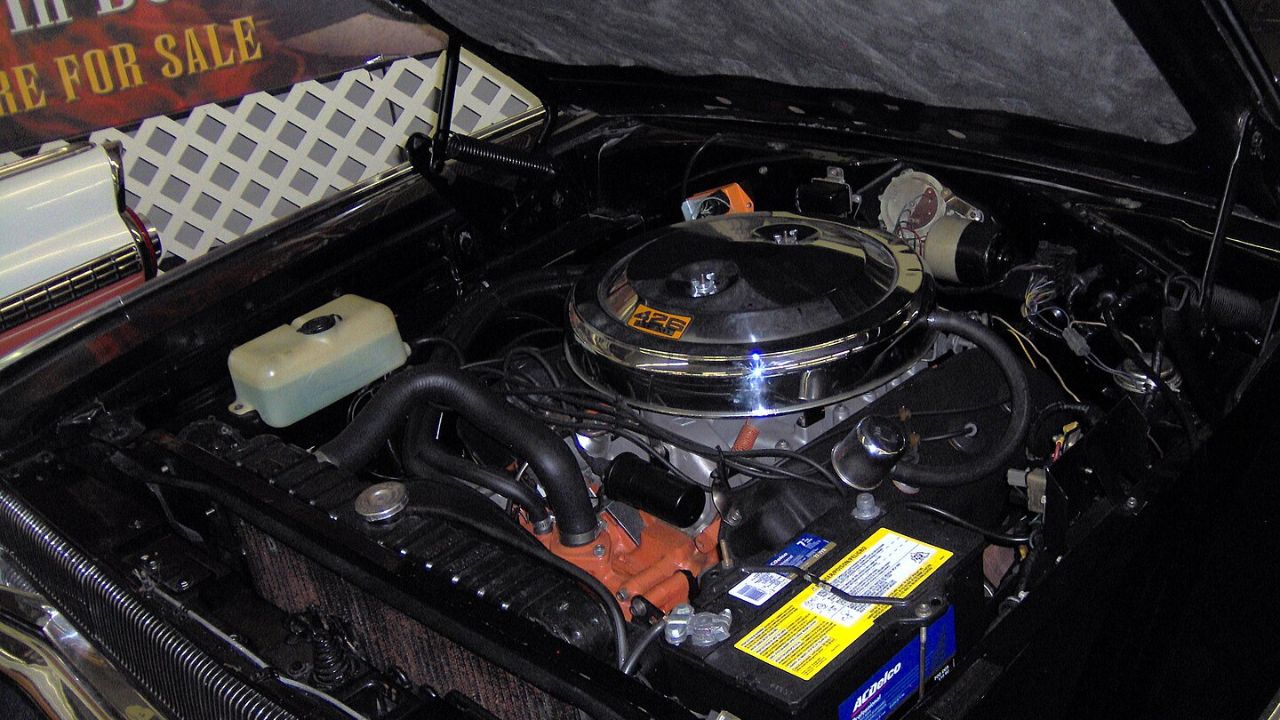
The Chrysler 426 Hemi is one of the most recognizable collector engines in American history. Developed for both NASCAR and drag racing, it used hemispherical combustion chambers and specialized cylinder heads that made it distinctly different from Chrysler’s wedge engines. Original examples are highly sought after, particularly those retaining factory blocks, heads, intake manifolds, and correct internal components. Many were heavily raced or rebuilt, making untouched engines increasingly difficult to find. The 426 Hemi’s combination of rarity, engineering significance, and competition history gives it lasting collector appeal.
Chrysler 440 Six Pack
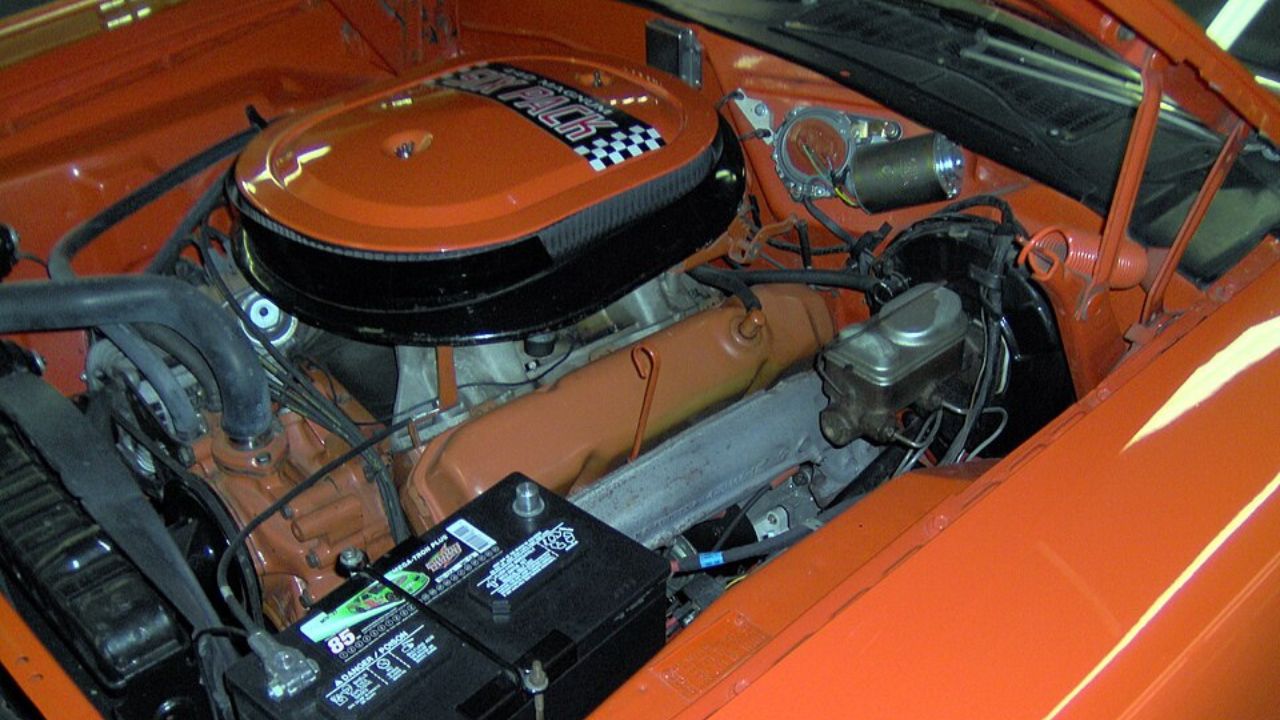
The Chrysler 440 Six Pack is one of the most recognizable Mopar performance engines. Its three two-barrel carburetors gave the engine a distinctive appearance and strong factory performance. Original intake manifolds, carburetors, linkage, and air-cleaner assemblies are increasingly valuable because many engines were converted to four-barrel systems. Collectors restoring Road Runners, Super Bees, Chargers, and other Mopar performance cars often search specifically for correct Six Pack hardware. Complete original combinations are becoming increasingly difficult to assemble from individual parts.
Chrysler 383 Magnum
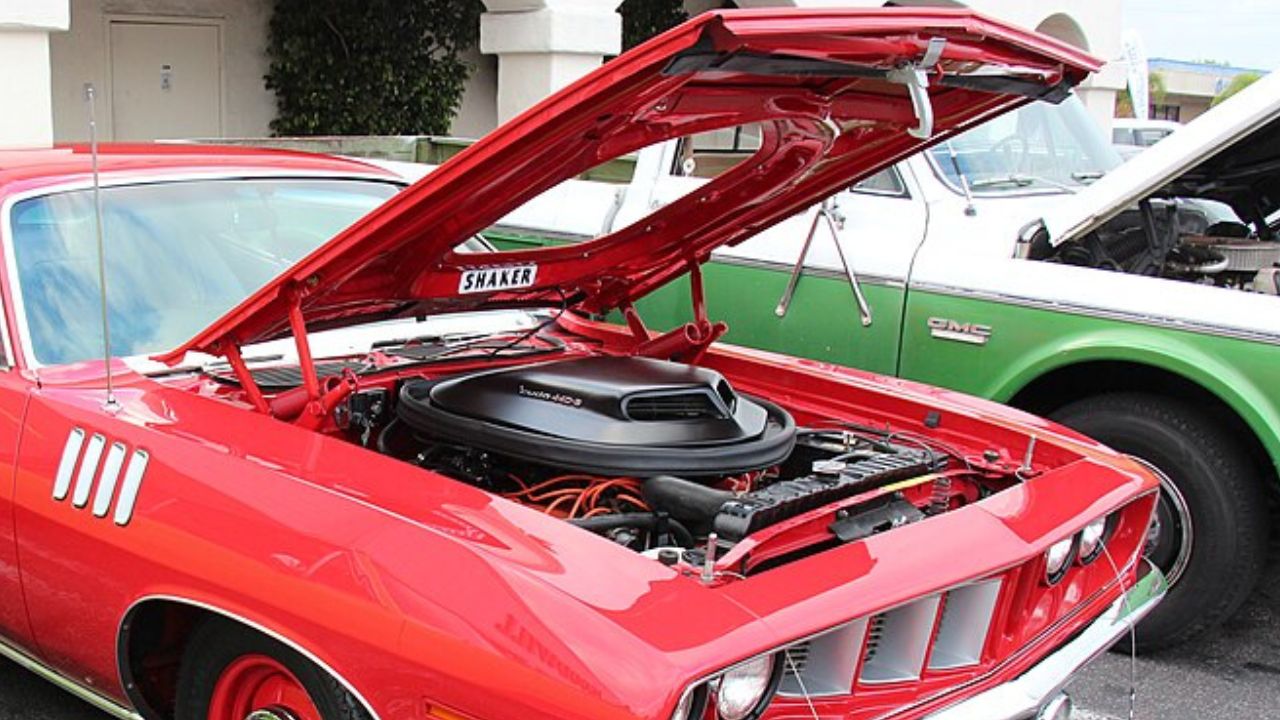
The 383 Magnum was one of Chrysler’s most widely recognized performance big-blocks and powered numerous Dodge and Plymouth models. Although produced in greater numbers than some Hemi engines, original high-performance examples are becoming more interesting because many were rebuilt with generic components. Collectors seek correct cylinder heads, intake manifolds, carburetors, exhaust manifolds, and dated blocks. The 383’s broad factory availability also makes it useful for historically accurate restorations. Its combination of performance, availability, and strong Mopar identity gives it enduring collector appeal.
Chrysler 340
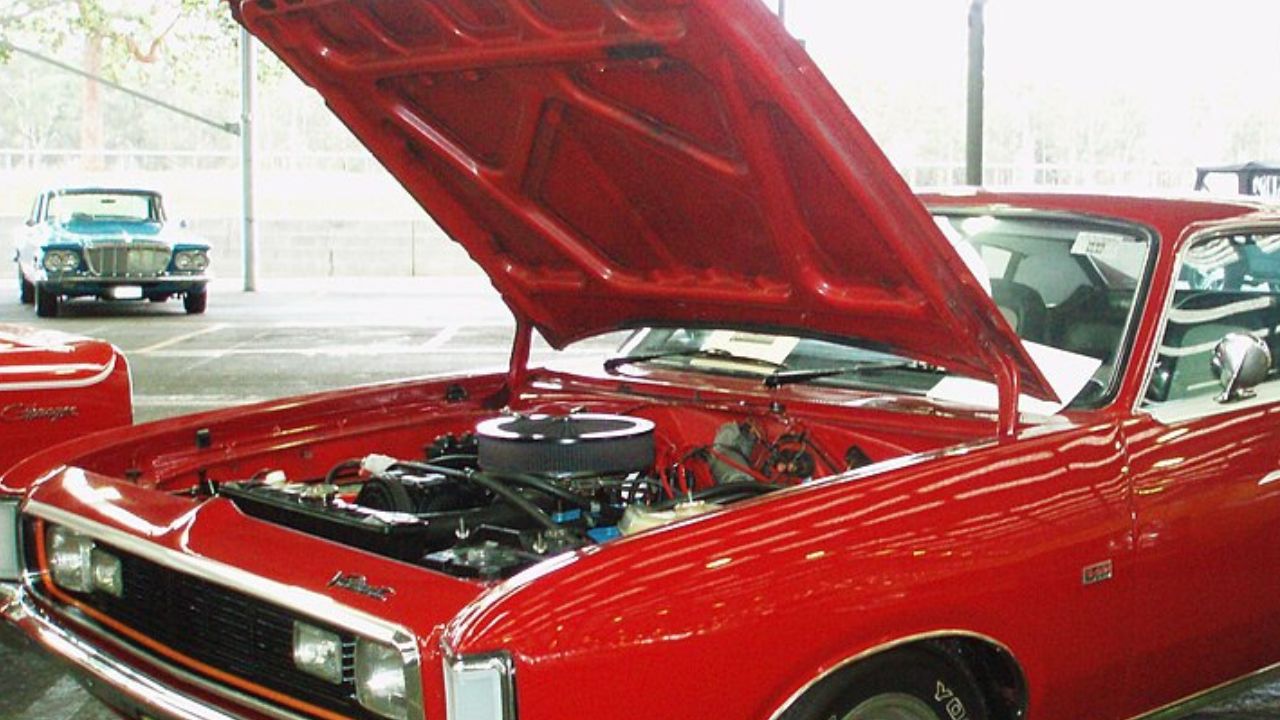
The Chrysler 340 is a small-block rather than a big-block, but it has become one of the most sought-after Mopar engines among muscle-car collectors. Designed specifically for performance, it featured a four-barrel carburetor, strong cylinder heads, and a performance-oriented valvetrain. Original engines are increasingly difficult to find because many were rebuilt or converted for racing. Collectors look for correct blocks, heads, intake manifolds, and carburetors. Its combination of relatively compact dimensions and strong factory performance makes the 340 especially important to authentic Mopar restorations.
Chrysler 360
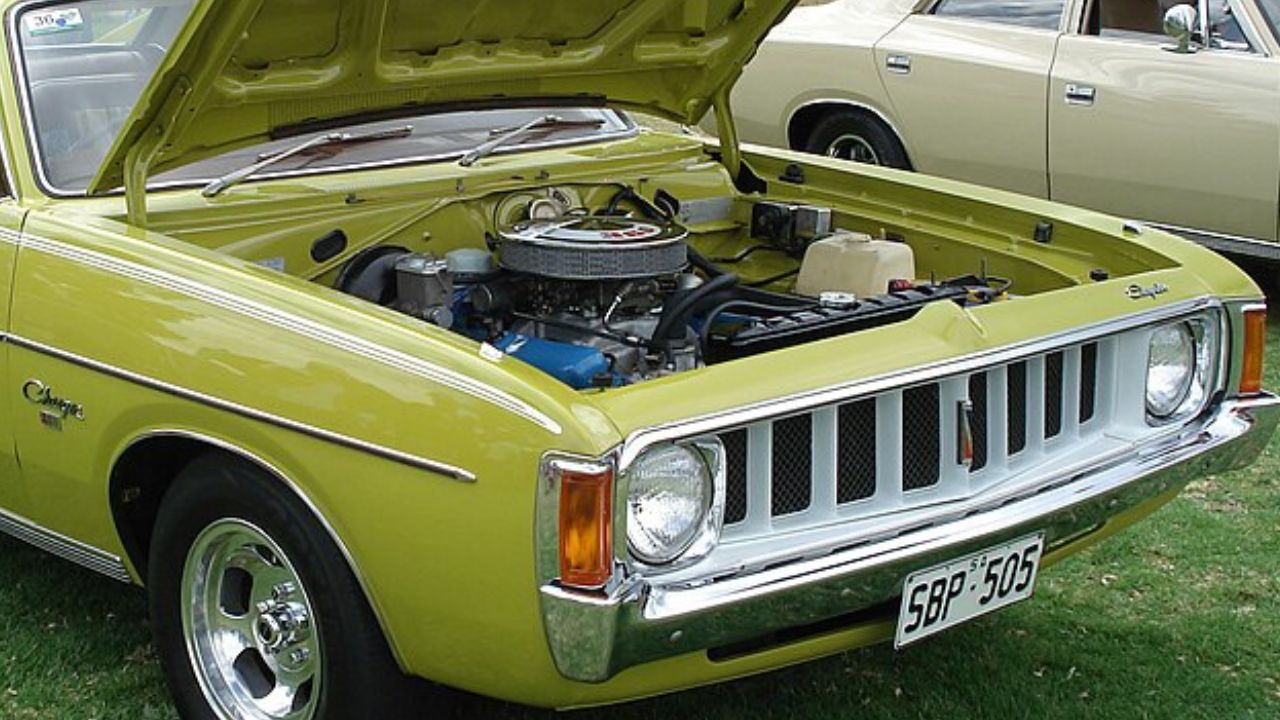
The Chrysler 360 became a major performance small-block during the 1970s and later remained popular in trucks and performance applications. Collectors increasingly seek early high-output versions because original factory components are disappearing through decades of rebuilding. Correct cylinder heads, intake manifolds, carburetors, and casting dates can help distinguish desirable configurations. The 360 is not as rare as the 426 Hemi, but its broad historical use makes authentic examples valuable for restorers. It remains one of the more practical collector engines for period-correct Mopar projects.
Dodge 426 Hemi
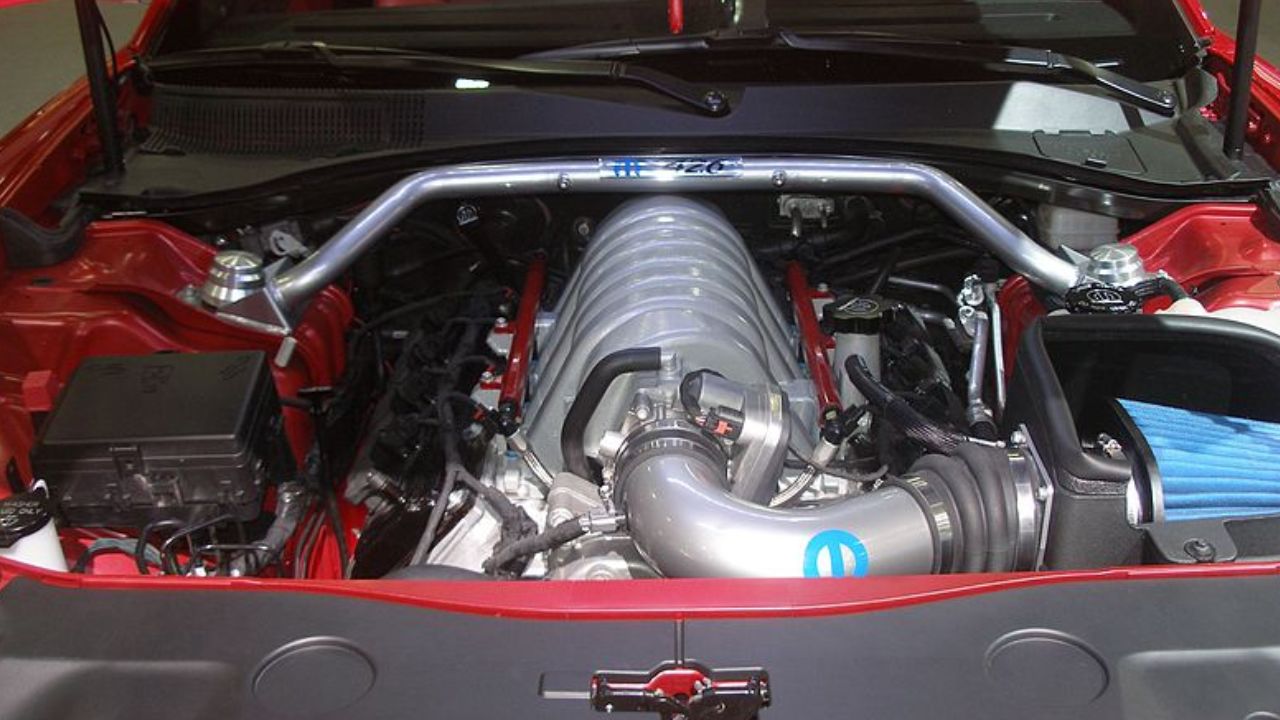
The Dodge 426 Hemi is another highly desirable collector engine with deep connections to the muscle-car and drag-racing eras. Original engines are difficult to find because many were raced or rebuilt. Collectors examine block casting numbers, date codes, cylinder heads, intake manifolds, carburetors, and accessory details. A complete original engine can be particularly important when restoring a Charger, Challenger, or Super Bee. The Hemi’s reputation ensures continued attention, but authentic components matter because numerous later rebuilds use replacement parts that do not accurately represent the factory configuration.
Pontiac 400 Ram Air IV
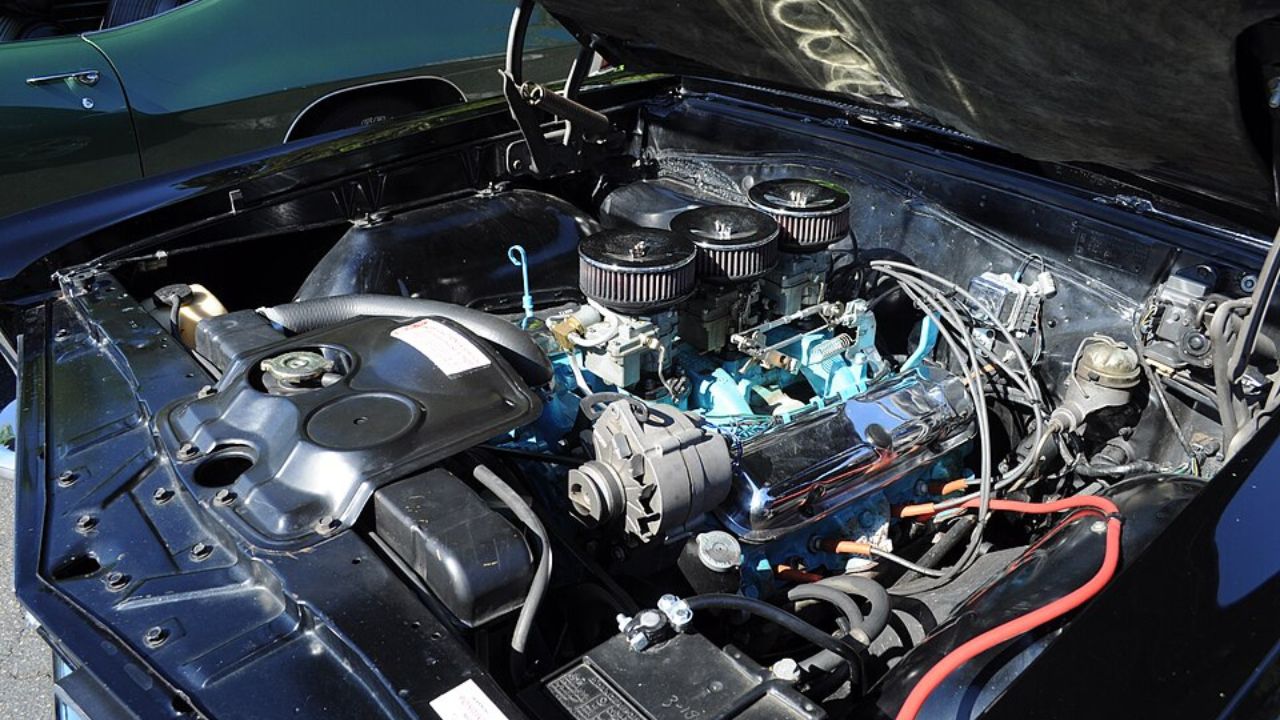
The Ram Air IV represents one of Pontiac’s most highly developed factory performance engines. Its large-port heads, aluminum intake manifold, and aggressive valvetrain made it a serious competition-oriented engine. Collectors particularly seek original heads, intake manifolds, exhaust manifolds, and correctly dated blocks. Many engines were modified for racing, making untouched examples uncommon. The Ram Air IV’s connection to GTOs, Firebirds, and Pontiac’s factory performance era gives it broad collector appeal. Correct components remain important because ordinary 400 parts can easily be mistaken for genuine Ram Air equipment.
More from Fast Lane Only
- Unboxing the WWII Jeep in a Crate
- 15 rare Chevys collectors are quietly buying
- 10 underrated V8s still worth hunting down
- Police notice this before you even roll window down
*Research for this article included AI assistance, with all final content reviewed by human editors.