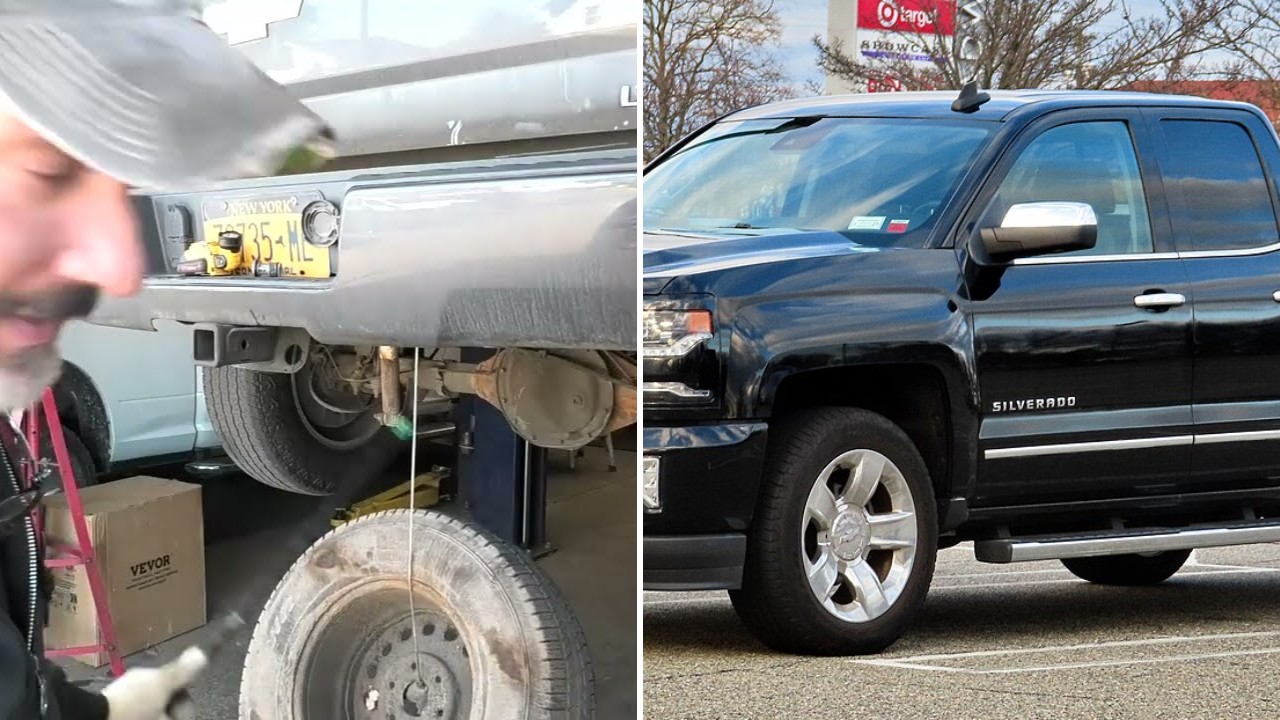
Few things sting like paying a big repair bill and getting your vehicle back in the same shape it went in. That is where the owner of an old Ford 7.3 diesel pickup found himself, and the shop in Utah that posts as @DavesAutoCenterCenterville says the truck reached them after more than $12,000 in work elsewhere.
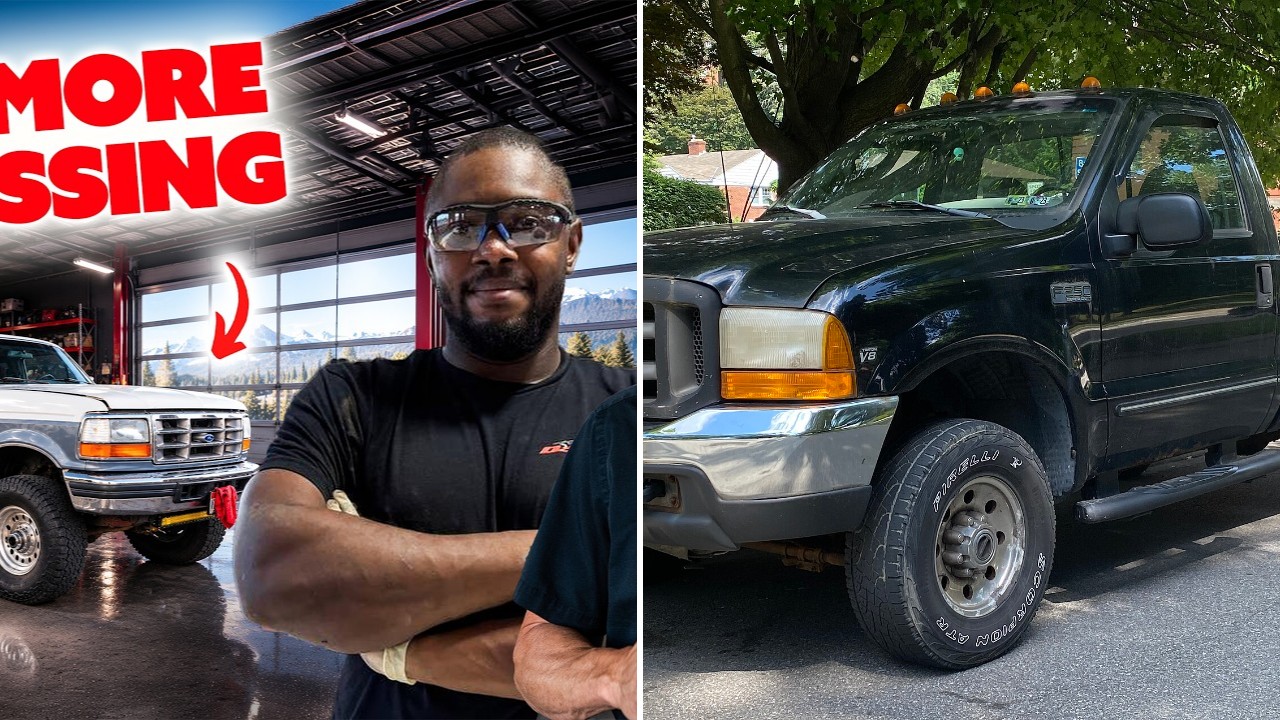
Shop owner Dave says the truck had been to a couple of shops, one of them a diesel shop, and it still barely ran. So he handed it to his newest technician, DQ, who says he has worked as a mechanic for about 10 years but had never worked on a 7.3.
A Stack Of Invoices And A Truck That Barely Runs
Before anyone picks up a wrench, the crew reads the paperwork. According to the invoices they go through on camera, earlier shops had replaced the injection pressure regulator, the camshaft position sensor, the alternator, the water pump, a pressure sensor and the injectors.
Even so, the truck lopes, misfires and puffs smoke when it finally starts. DQ also knows the mileage off the top of his head: 273,000. Dave praises him for it, comparing a mechanic who knows the miles to a doctor who knows a patient’s vital signs.
Dave also lays out the shop’s rule for the new hire.
“We never use a shotgun around here,” he says, explaining that he would rather find the one real fault than throw parts at a truck.
A Wrong O-Ring And A Pool Of Oil
The first thing the team spots is oil collecting in the valley of the engine. With the truck running, they watch it ooze from a pressure sensor on top of the engine, and Dave says that means the truck is losing high-pressure oil.
When they pull the sensor, they find someone had used an O-ring that did not fit and smeared silicone around it. Bits of the old O-ring were still sitting in the hole. A correct O-ring and a cleanup later, the leak is gone.
Glow Plugs And A Compression Test
Next comes the glow plug system, which a diesel like this needs to start in the cold. Using an amp clamp, DQ finds the circuit drawing only 25 amps, with only one bank of glow plugs working. He says it took him less than five minutes to confirm a glow plug problem.
Inside, things look worse. One connector is crushed, one glow plug has separated from its outer sheath and another is seized in the head. With a special removal tool and some patience, every plug comes out without breaking.
That opens the door to a compression test, and it brings bad news. Seven cylinders read between 320 and 360 psi, but cylinder four makes only 240 psi on three tries. A smoke test shows the air escaping into the crankcase, which points to the rings rather than the valves.
“Quit guessing on vehicles, guys,” Dave tells viewers.
A borescope look at the cylinder wall shows no obvious scoring. Still, Dave says the truck will never run right on seven healthy cylinders, and the engine needs a rebuild.
What To Ask Before Paying For More Diesel Parts
The shop’s approach is a handy checklist for anyone with an old diesel that won’t start or run right:
- Ask whether basic tests, like a glow plug check and a compression test, were done before parts were replaced.
- Keep every invoice, so the next shop can see what has already been tried.
- Make sure the shop knows the mileage and history before it starts guessing.
- Look for oil leaks around sensors and fittings, since a small leak can cause big running problems.
- Get the results in writing, ideally with photos or video, before you decide on a big repair.
Where The Ford 7.3 Diesel Stands Now
After hearing the results, the owner called back and paid a deposit for a replacement engine, according to the shop. That means DQ will soon pull his first 7.3, and Dave sends him off with a simple “good luck.”
For the owner, it is an expensive ending. Still, at least this time the money will go toward the actual problem.
More from Fast Lane Only