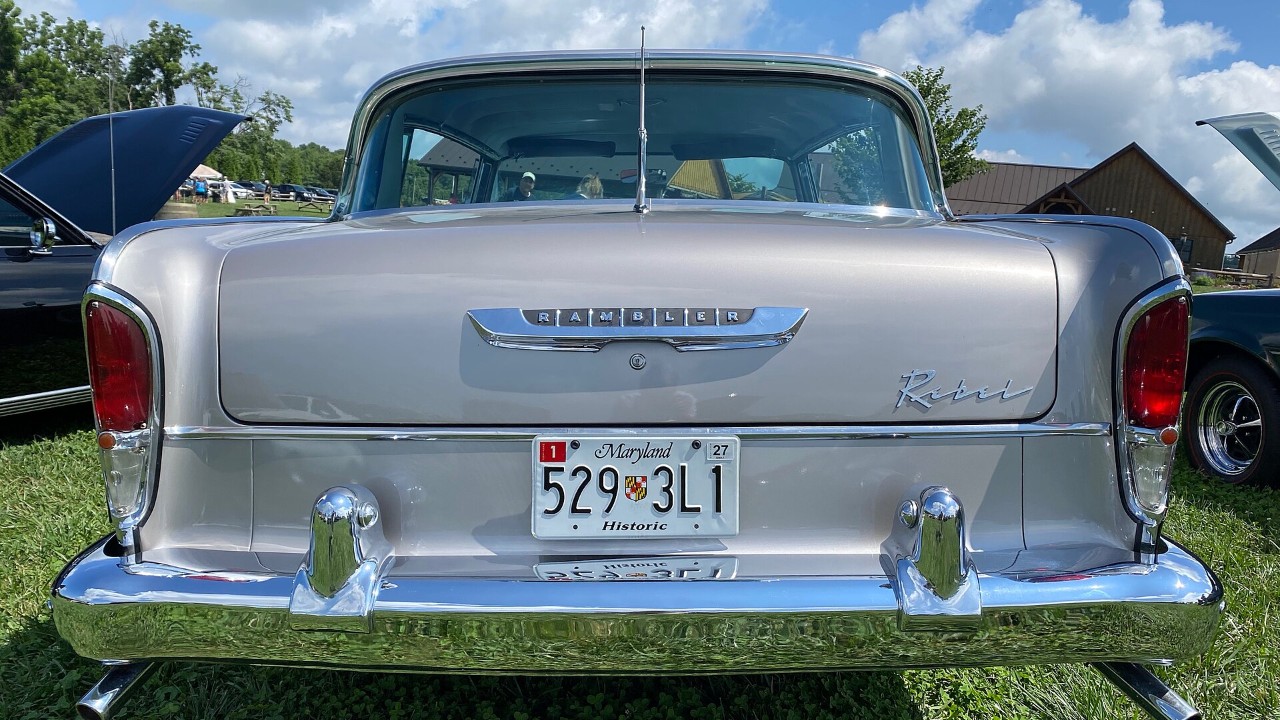
For 1957, American Motors built exactly 1,500 copies of a silver four-door hardtop with a 327 V8, and the Rambler Rebel became a factory hot rod in a family-car body. Most people remember Rambler for sensible compacts and thrifty wagons. That reputation is fair, but it hides a lot.
Over two decades, the Rambler name turned up on convertibles, fastbacks, bucket-seat hardtops and big-engine sedans. Many of them sold in small numbers. Others sold well when new but then vanished, because owners drove them hard and scrapped them when they wore out.
So these are our picks for 10 Ramblers we think are rarely seen today. Calling them rare is our take, and we will show the numbers where the records give them. Every year, engine and production figure comes from period histories, auction-house research and model records we read for this list.
1. 1957 Rambler Rebel
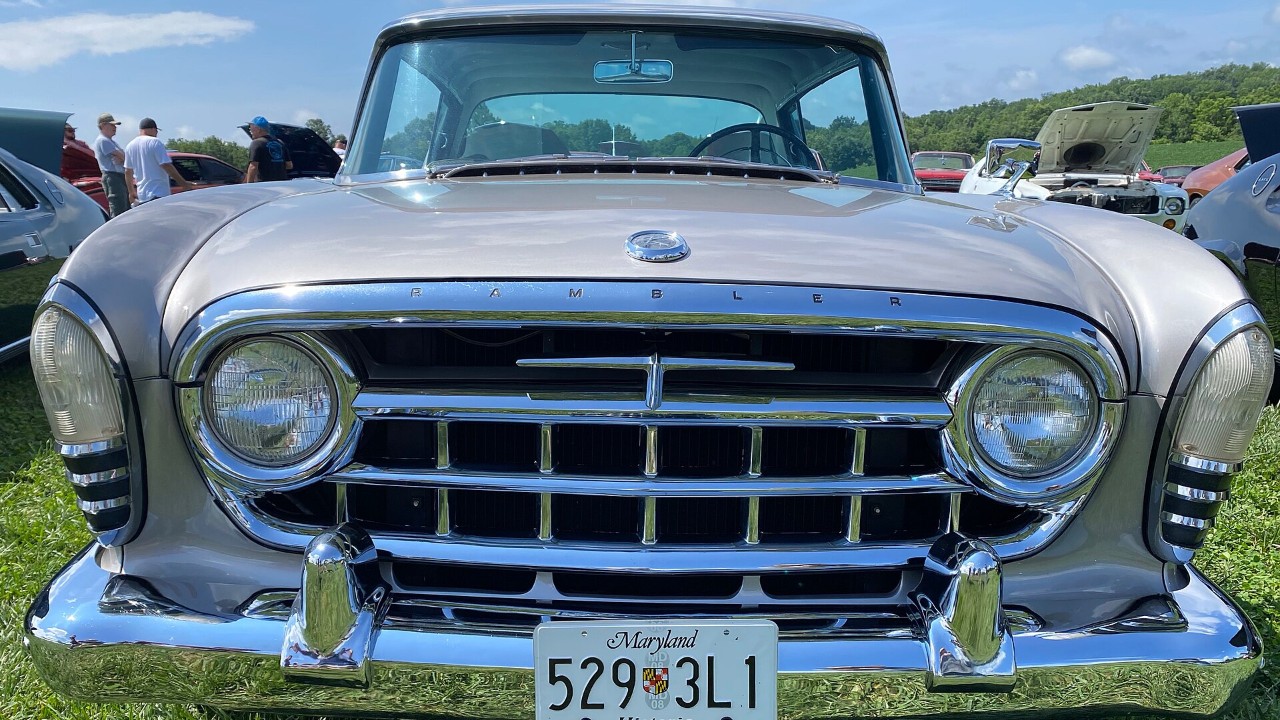
The first Rambler Rebel came in one body and one color. According to Mac’s Motor City Garage, it was a Custom four-door hardtop painted metallic silver with gold-anodized side trim. It listed at $2,786, and company records show exactly 1,500 were built.
Under the hood sat a 327-cubic-inch V8 rated at 255 hp, with a Carter four-barrel, solid lifters and 9.5:1 compression. That engine has no link to Chevrolet’s 327, despite the shared number. In a car of about 3,350 pounds on a 108-inch wheelbase, it worked. Motor Trend timed the Rebel at 7.5 seconds to 60 mph, which the magazine called the quickest American production sedan of 1957.
AMC had also planned a 288-hp version with Bendix Electrojector fuel injection. However, that system never reached buyers, as we explained in our look at the Rebel’s $395 Electrojector option. Our take: a 1,500-car run makes this the Rambler we would most like to stumble across.
2. 1961 Rambler American convertible
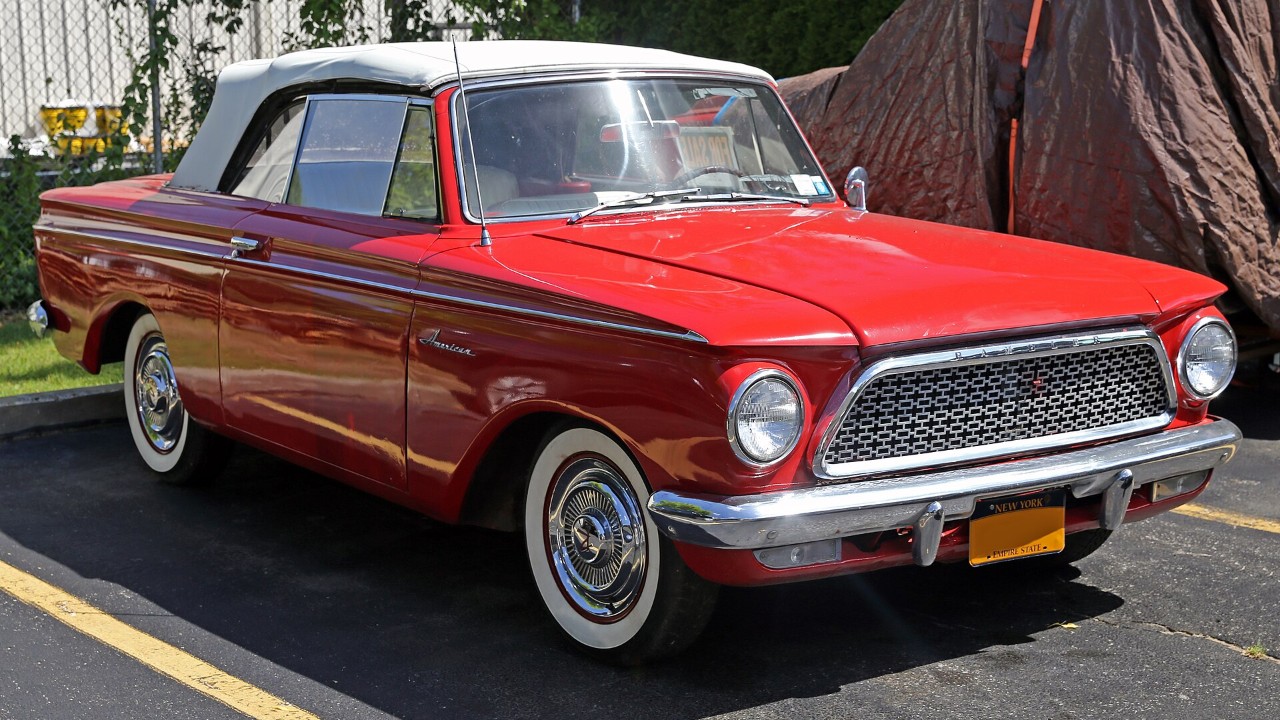
The Rambler American got a heavy restyle for 1961. With it came something the small Rambler had not offered since 1954: a convertible.
The engine story is unusual too. Base cars kept the old flathead six, while higher trims got an overhead-valve head on the same engine. So two 1961 Americans can look alike yet carry different cylinder heads. The records we read give no 1961 convertible count. For the following year, though, AMC built 125,678 Americans, and almost 13,500 of them were convertibles.
In our view, the boxy 1961 shape is the most charming American of all, and the convertible is its best form. Because these were cheap, practical cars, many simply got used up. That makes a tidy early drop-top a real find today.
3. 1950 Nash Rambler convertible
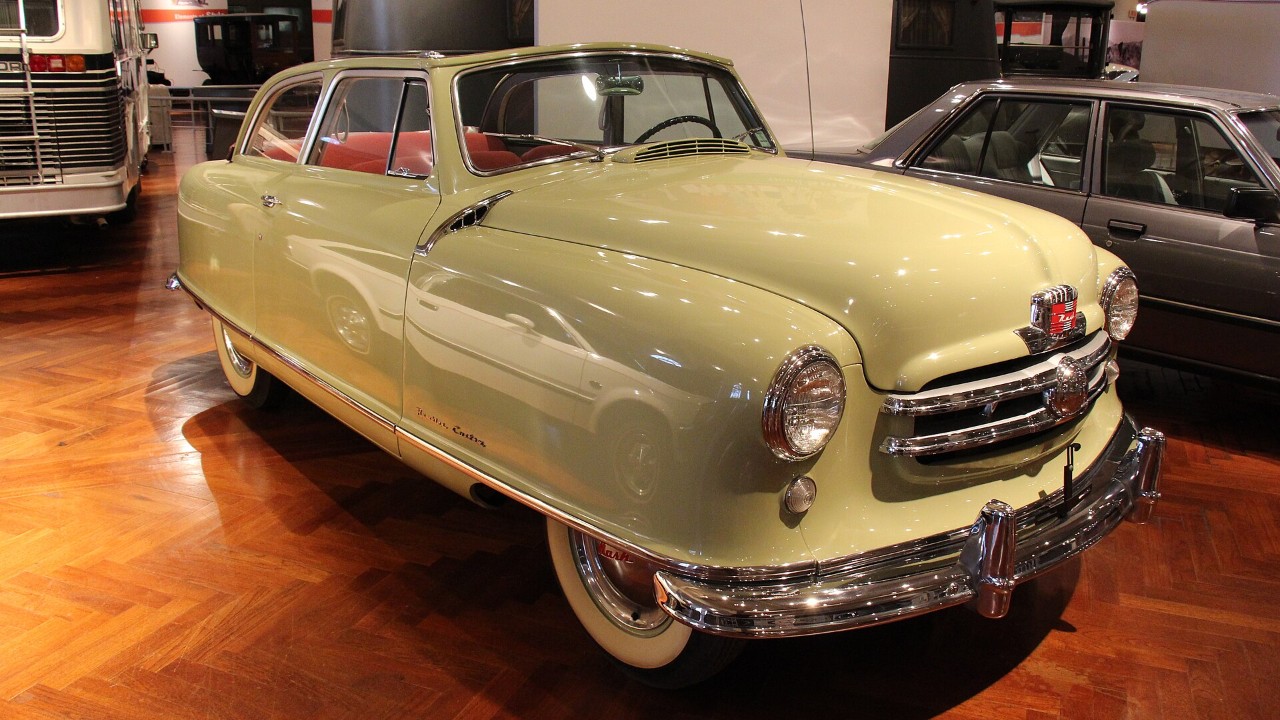
Before AMC existed, the Rambler started life as a Nash. Nash introduced it on April 13, 1950, partway through the model year, and offered just one body: a two-door convertible called the Landau. Its doors and side window frames stayed fixed while the canvas top slid back.
The car used unibody construction, which made it stiff enough to work as an open car without extra bracing. Power came from a 172.6-cubic-inch L-head six rated at 82 hp. Nash also priced it at $1,808 and loaded it with whitewall tires, full wheel covers, an electric clock and a pushbutton AM radio. Competitors charged extra for that equipment.
Even with a short model year, Nash sold 9,330 of these convertibles. Historian Bill Vance called the 1950 Rambler a historic car for its size and lineage. Our take: this is where the compact class really started, and that alone earns it a spot on any Rambler list. Strictly speaking it is a Nash, but every later Rambler traces back to it.
4. 1962 Rambler Ambassador 2-door sedan
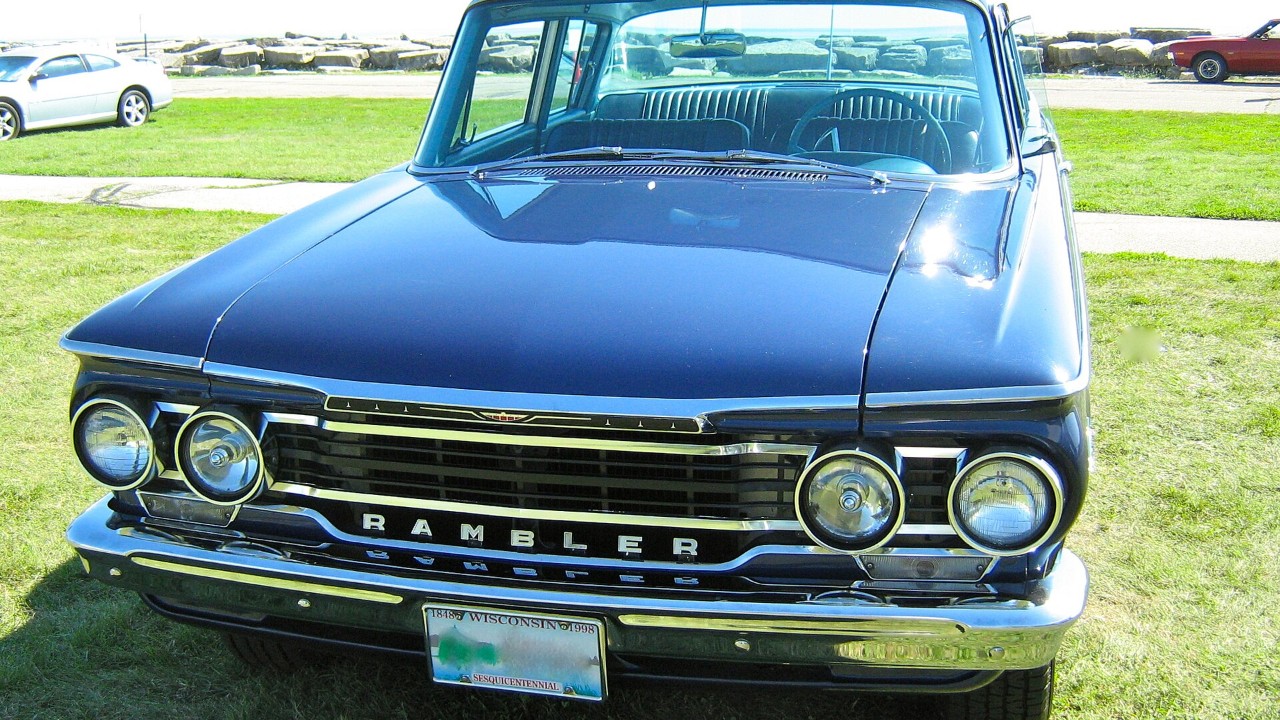
For 1962, AMC shrank its biggest car. The Ambassador moved onto the Rambler Classic’s body and 108-inch wheelbase, and it wore Rambler Ambassador badges. At the same time, a new two-door pillared sedan joined the range, which is the car we would hunt for.
The Ambassador kept one big advantage over its Classic cousin. It came with the 327 V8 as standard, while Classics that year were limited to sixes. Buyers could choose a 250-hp two-barrel version that ran on regular fuel or a 270-hp four-barrel version that needed premium. The new Ambassador 400 trim even brought vinyl bucket seats and shag carpet.
AMC built 36,171 Rambler Ambassadors for 1962, across all body styles. In our opinion, the two-door pillared sedan is the sleeper of the bunch: a compact body, a standard V8 and a plain roofline that few people notice. A two-door with the 270-hp engine is the one we would choose.
5. 1966 Rambler Rebel hardtop (right-hand drive)
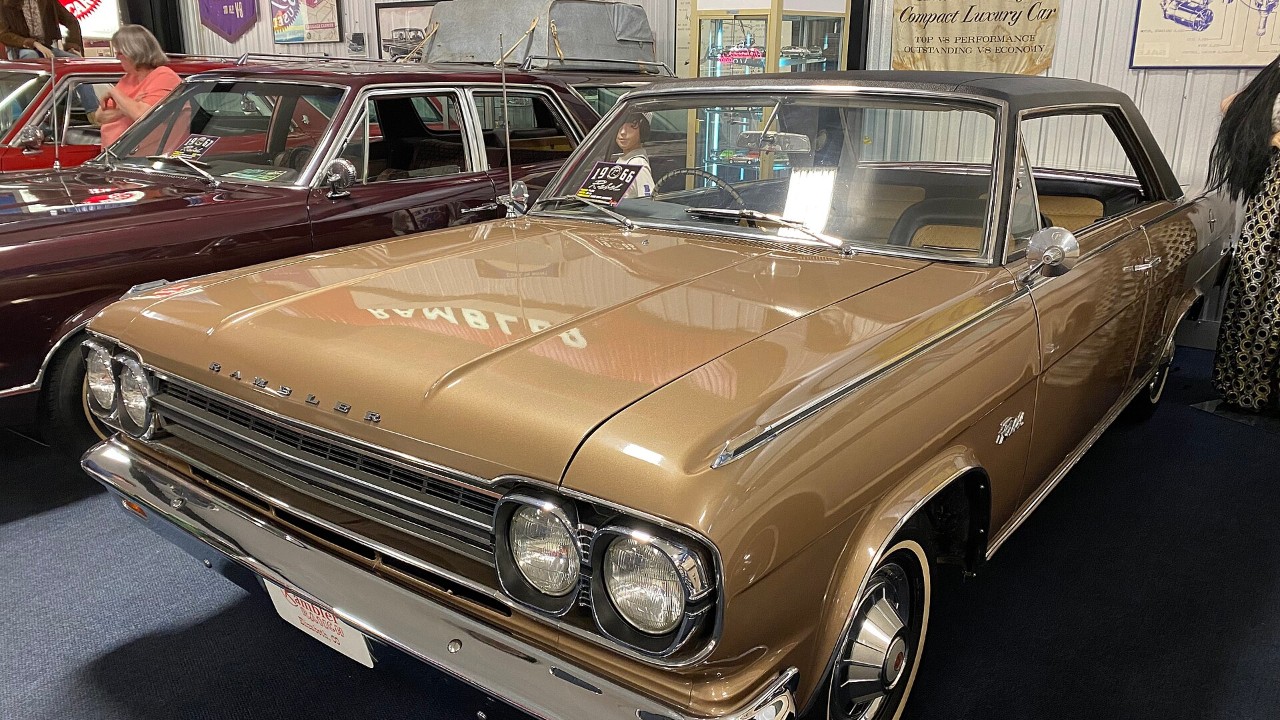
The Rebel name came back for 1966 on a two-door hardtop version of the Rambler Classic. It started at $2,523 with a 232-cubic-inch six. For just $65 more, buyers could add the 327 V8 rated at 270 bhp, and a Borg-Warner T-10 four-speed and dash-mounted tachometer sat on the options list.
AMC built 7,512 Rambler Rebel hardtops for 1966. Then, for 1967, the Rebel name spread to every AMC intermediate, so this one-year hardtop stands apart. The car shown here adds another twist, because it is a right-hand-drive example. Ramblers lived a second life in left-side-driving markets. As Curbside Classic’s history of Ramblers in the Southern Hemisphere explains, Australian Motor Industries began assembling Ramblers from Kenosha kits in October 1960.
New Zealand followed in 1964, when Campbell Motor Industries opened a plant in Thames. Our take: a 1966 Rebel hardtop is uncommon in any form, and a right-hand-drive car is the sort of oddball we would love to own. Before you buy one, though, ask for its history, because the paperwork tells you where it was built.
6. 1963 Rambler American 440-H
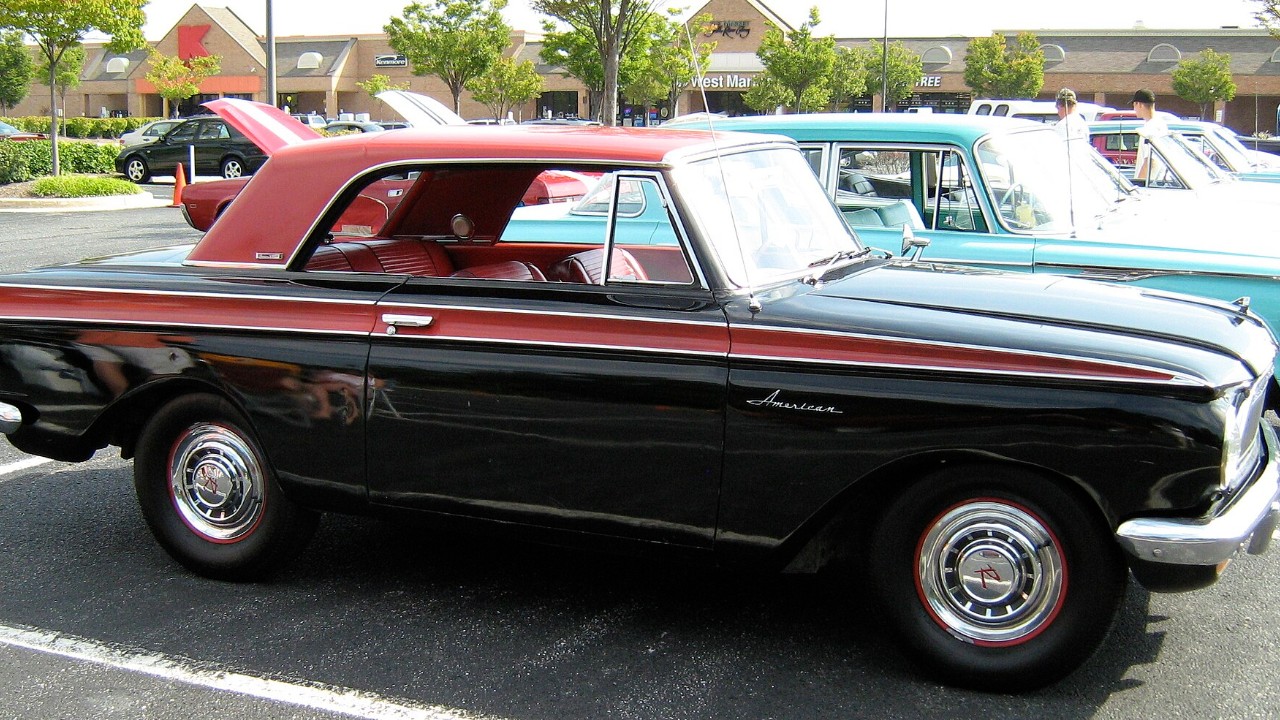
The 440-H was the dressed-up hardtop of the 1963 Rambler American range. It brought individually adjustable reclining front bucket seats and a center console. For a small, plain-looking compact, that was a surprising amount of style inside.
Power came from a 195.6-cubic-inch six rated at 138 hp. That was not muscle-car territory, but it gave the light American a bit of pep. The 1963 model was also the last year of the second-generation body. After that, the 1964 American arrived as an all-new design on a 106-inch wheelbase.
We could not find a 1963 production figure for the 440-H, so we will not guess at one. Even so, our view is simple. Sporty trims on cheap compacts tend to disappear, because owners rarely saved them. A 440-H with its buckets and console intact is a car we would take home without much thought.
7. 1963 Rambler Classic 770 Cross Country wagon
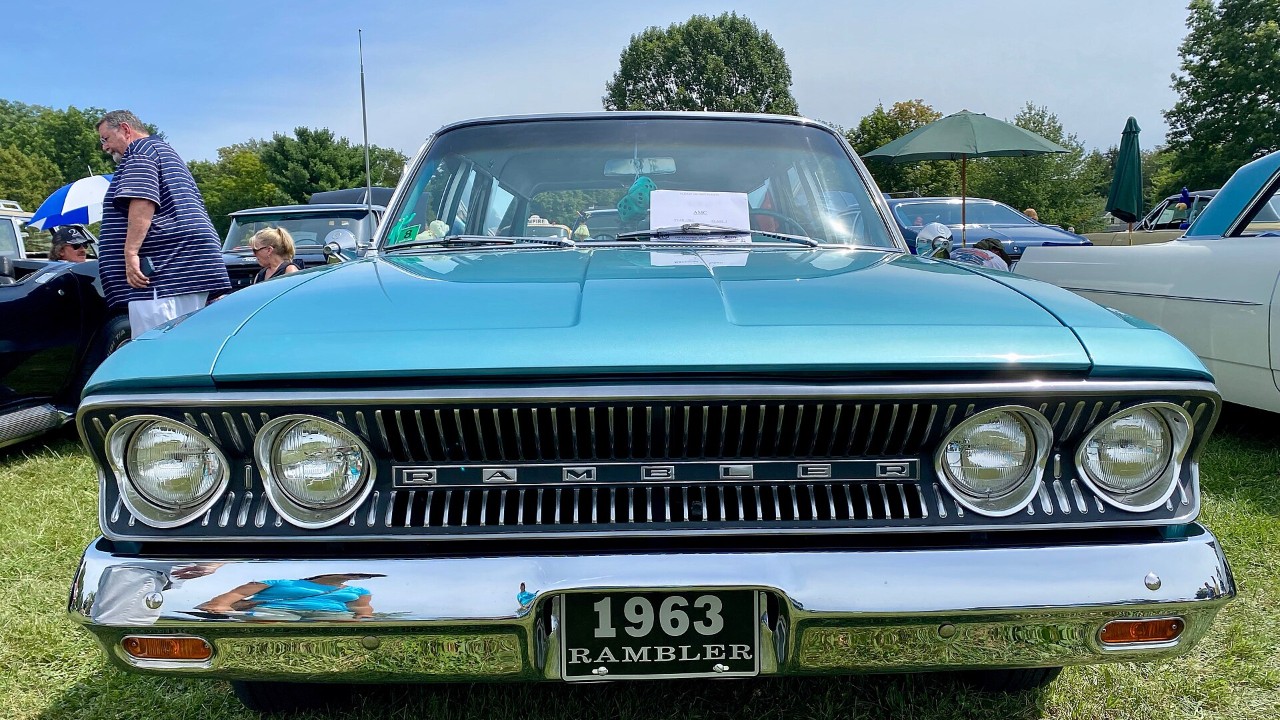
The 1963 Rambler Classic was AMC’s first all-new car since 1956, and it won Motor Trend’s Car of the Year award. It also used curved side glass, which was rare on popular-priced cars at the time. Its “Uniside” door surround came from a single steel stamping that replaced 52 parts.
The 770 was the top trim, and the Cross Country was the wagon. A Hagerty feature on the 1963 Classic 770 Cross Country notes that the V8 Classic arrived in February 1963 and cost about $100 more than a comparable six. Hagerty lists 4,399 V8-powered 770 wagons for the year. That is a small slice of the 464,000 Ramblers built for the model year.
Hagerty calls the 770 “an excellent suburban kid-hauler and grocery getter,” and we agree. Our take: family wagons rarely survive, because they live hard lives. A V8 Cross Country with that concave grille would be our pick for the most useful car on this list.
8. 1959 Rambler Ambassador
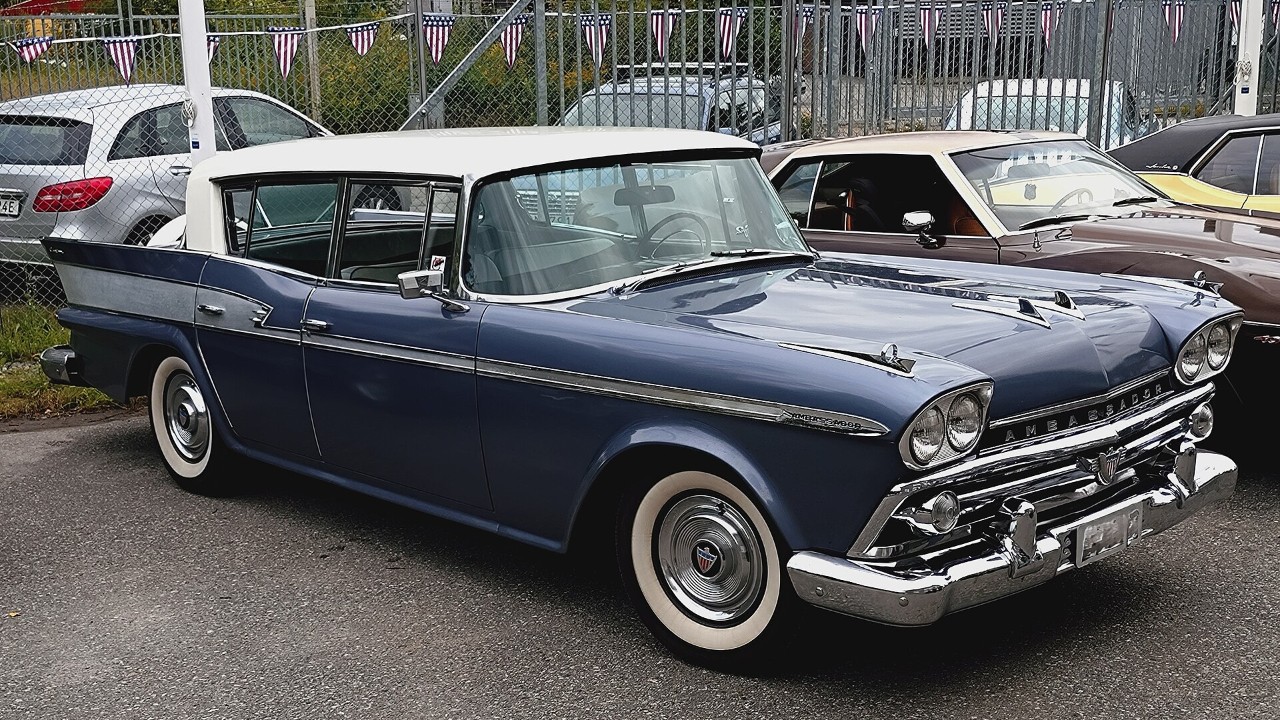
The early Ambassador was the long-wheelbase flagship of the Rambler range. It rode on a 117-inch wheelbase and aimed squarely at the mid-price class, alongside Pontiac and Mercury. That was a bold move for a brand built on economy cars.
The engine backed up the ambition. AMC’s 327 V8, in hydraulic-lifter form, made 270 hp and 360 lb-ft of torque in the Ambassador. In 1959, AMC built 23,769 of them, and nearly half were Custom four-door sedans. Meanwhile, only 578 hardtop station wagons left the factory that year.
In our opinion, the 1959 Ambassador is the forgotten Rambler flagship. Most people never connect Rambler with a big V8 cruiser in the Pontiac price range. If you find a hardtop wagon, you have found one of the 578, and that is a number worth bragging about.
9. 1967 Rambler American Rogue convertible
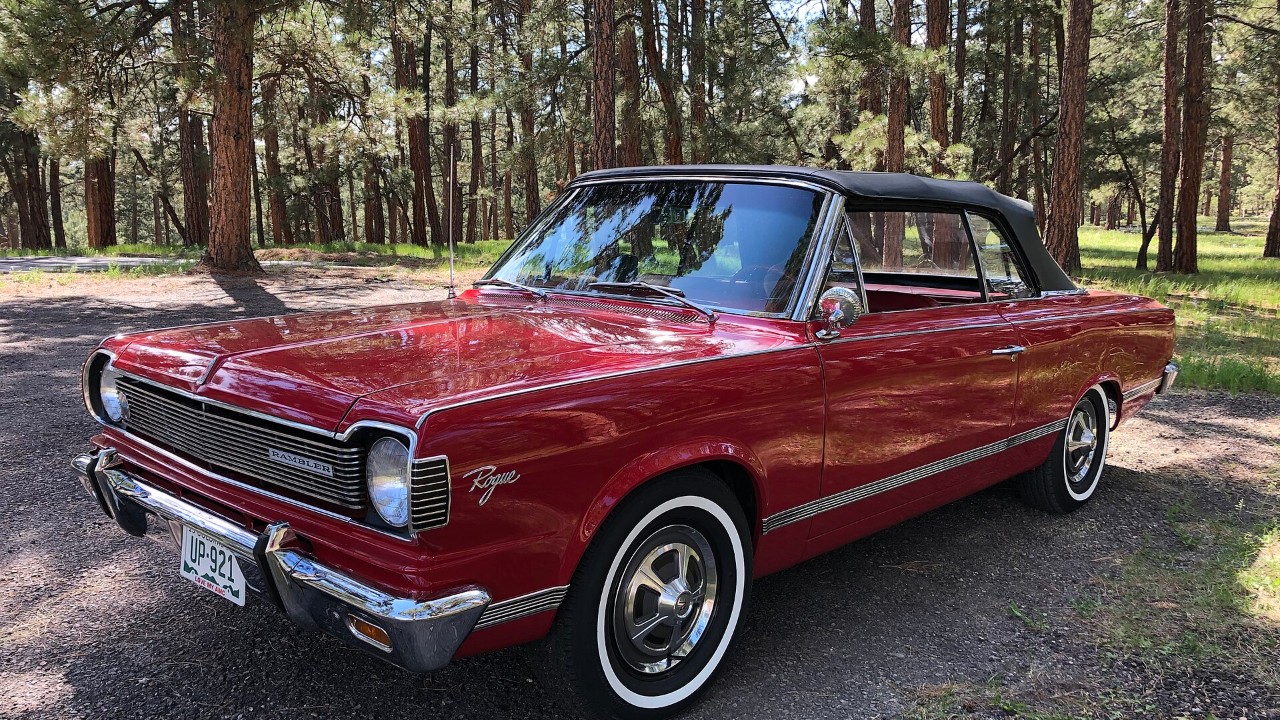
For 1967, the American convertible moved up to the Rogue trim, and it was also the last year AMC built an American convertible. Of the 69,912 Americans built that year, only 921 were Rogue convertibles. That is the smallest firm production figure for any car on this list.
The Rogue had already gained some muscle. In the middle of 1966, AMC introduced its 290-cubic-inch “Typhoon” V8 in a special Rogue. It came in 200-hp two-barrel and 225-hp four-barrel forms.
We have praised fun Ramblers before in 6 forgotten Ramblers that were pure blasts to drive. Our take on this one: a 921-car convertible with a V8 option is about as good as compact Ramblers get. Buy the best one you can find, because restoring a rare trim is rarely cheap.
10. 1965 Rambler Marlin
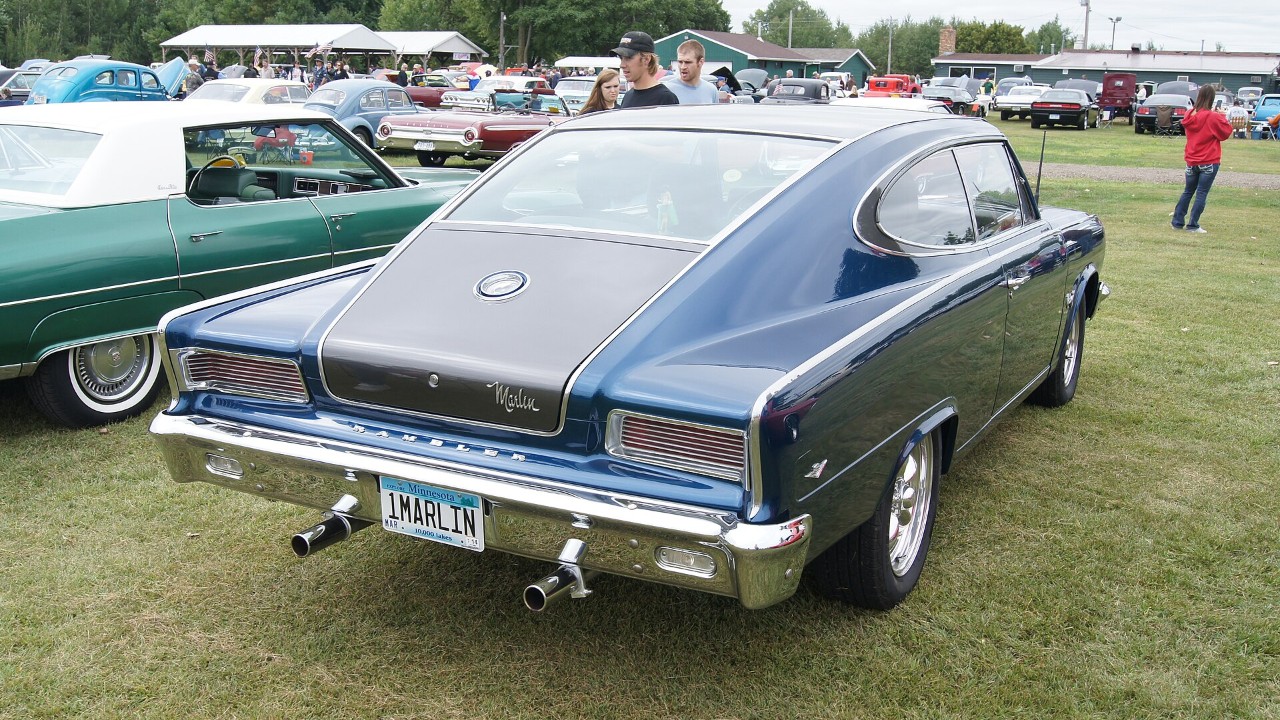
The Marlin’s fastback roof first appeared on the 1964 Rambler Tarpon show car, which used the compact American platform. For production, though, AMC moved the idea to the larger Classic. It announced the Marlin on February 10, 1965, and the car reached Rambler showrooms on March 19.
Dick Teague’s team gave it a roofline that swept from the windshield in one unbroken line. Reclining front bucket seats, engine-turned dash trim and front disc brakes came standard. The Marlin listed at $3,100, only $37 more than a bench-seat Classic 770 hardtop. Most buyers chose the 270-hp 327 V8, which took 42% of production. If you want the full design story, we covered how the 1965 Rambler Marlin showed American styling was changing.
AMC built 10,327 Marlins in that short first year. Then sales fell to 4,547 in 1966 and 2,545 in 1967. In our view, the 1965 car is the one to find, since it comes from the Marlin’s biggest and boldest year.
More from Fast Lane Only