Plymouth built its reputation on affordable transportation, but the brand also produced some surprisingly quick cars. Long before performance became a major selling point, Plymouth engineers found ways to combine lightweight bodies, strong engines, and simple mechanicals to create cars that could embarrass more expensive rivals. Some became famous muscle cars, while others faded into obscurity. These seven Plymouths delivered far more performance than their ordinary image suggested.
Plymouth Duster 340
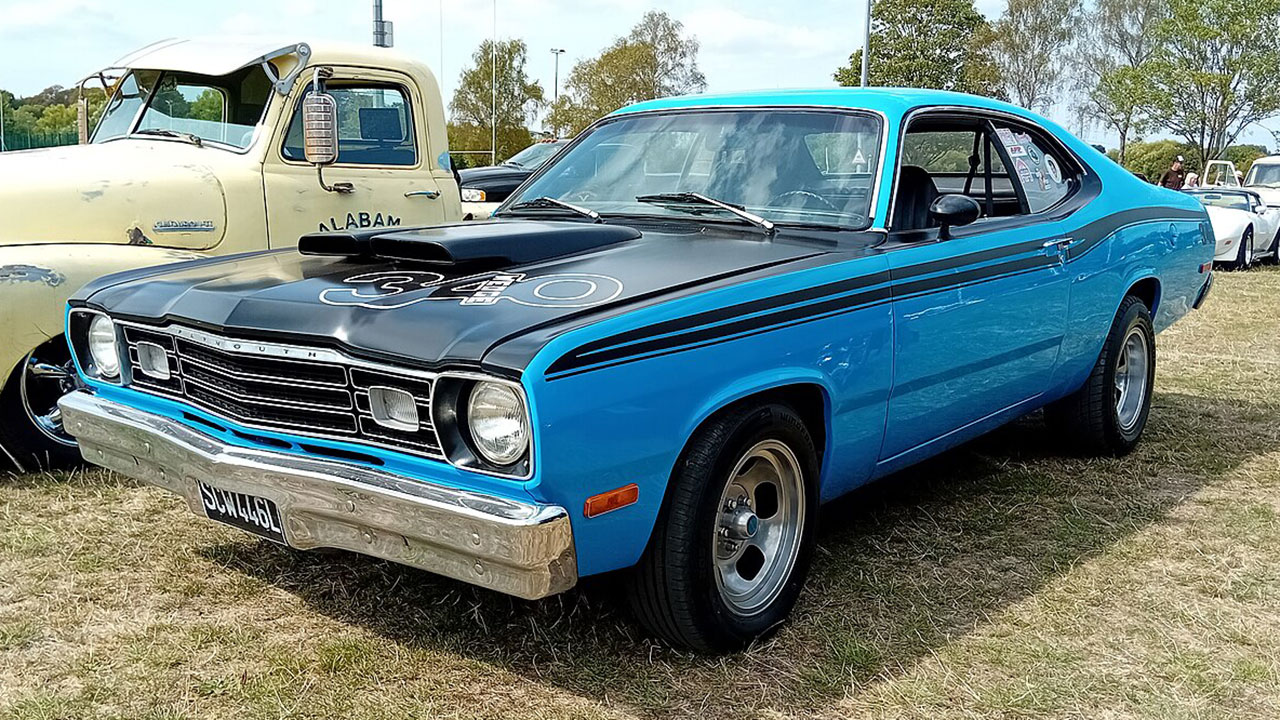
The Plymouth Duster 340 turned an inexpensive compact into a serious performance machine. Introduced for 1970, it combined the lightweight A-body platform with a 340-cubic-inch V8 rated at 275 horsepower and 340 lb-ft of torque. Four-speed and automatic transmissions were available, along with performance suspension and limited-slip gearing. With a low starting price compared with larger muscle cars, the Duster 340 offered an unusually strong performance bargain.
Plymouth Road Runner 340
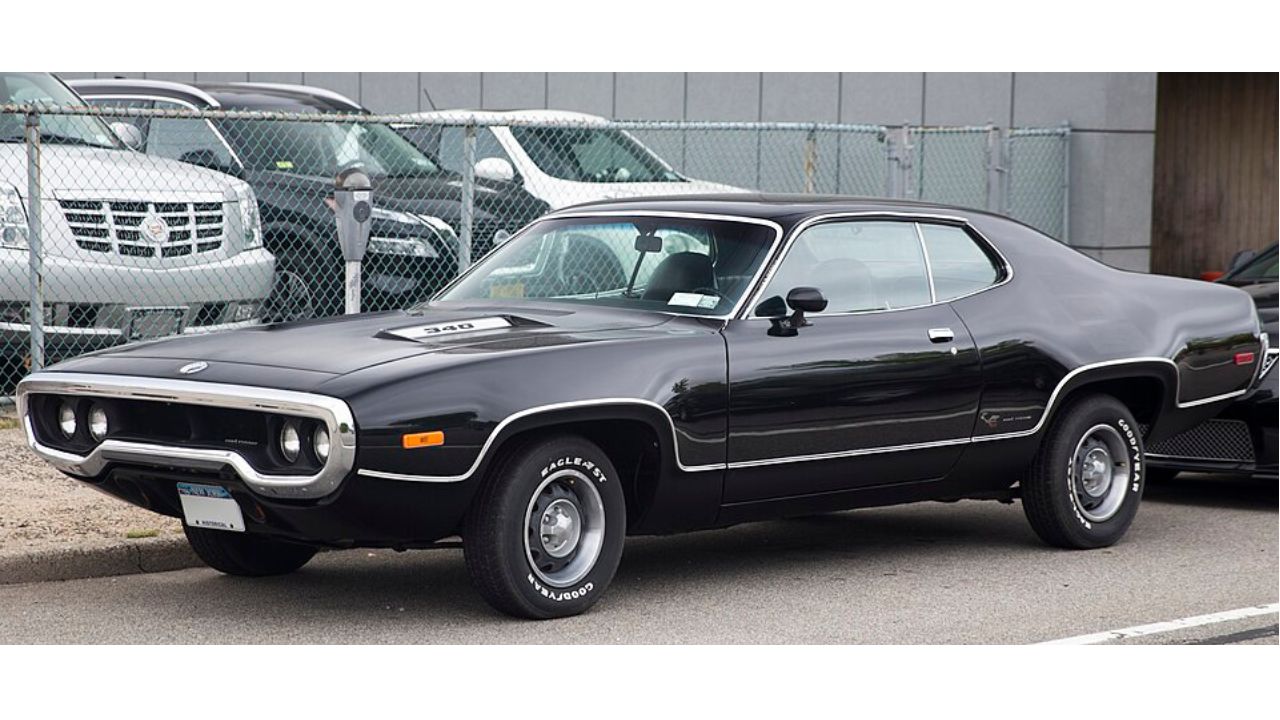
The Plymouth Road Runner 340 became an unlikely performance option during the early 1970s, when emissions and insurance pressures were weakening traditional big-block muscle. For 1971, the 340 produced a factory-rated 275 horsepower and gave the Road Runner a lighter, more responsive alternative to the larger engines. The 340 also weighed significantly less than the big-block options, helping preserve the Road Runner’s performance character.
Plymouth AAR ’Cuda
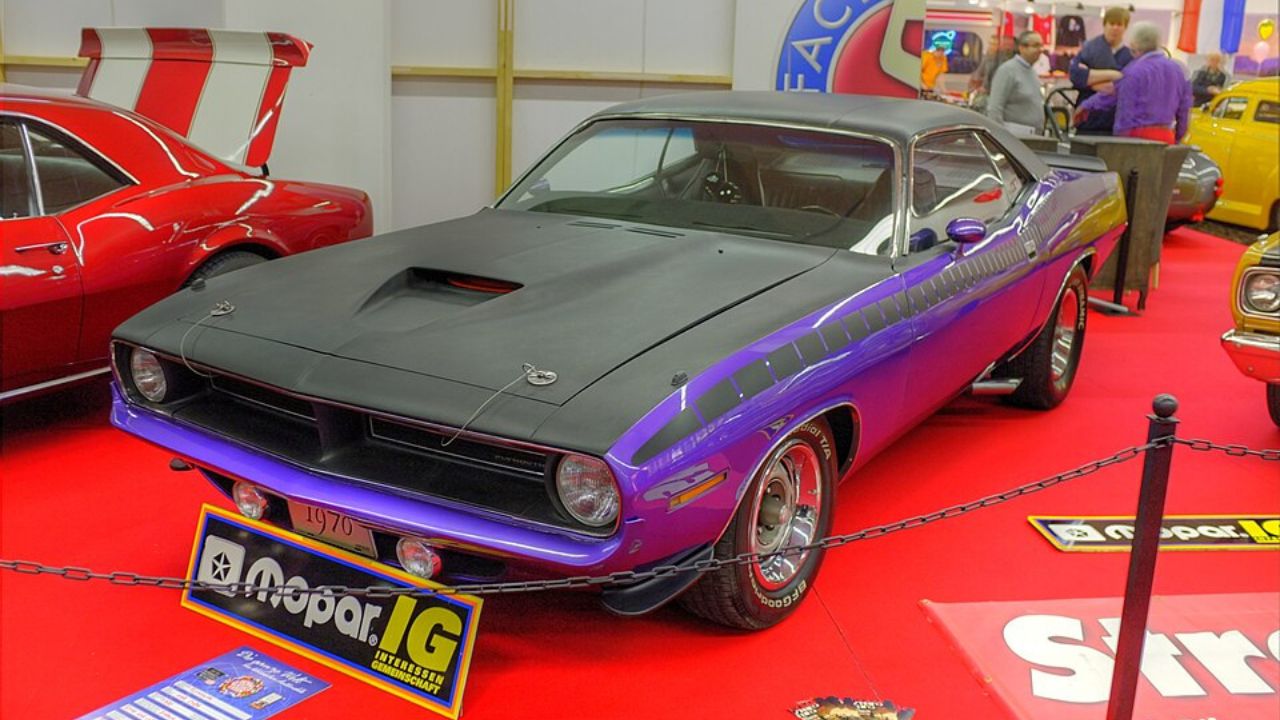
The Plymouth AAR ’Cuda was created around the same performance philosophy that produced the Dodge Challenger T/A. Its 340-cubic-inch V8 used three two-barrel carburetors and was rated at 290 horsepower, while the car received distinctive suspension, exhaust, and aerodynamic equipment. Built for the 1970 model year, it was part of Plymouth’s Rapid Transit System performance lineup. Today, the AAR ’Cuda is one of the most recognizable specialty Plymouths of the muscle-car era.
Plymouth GTX
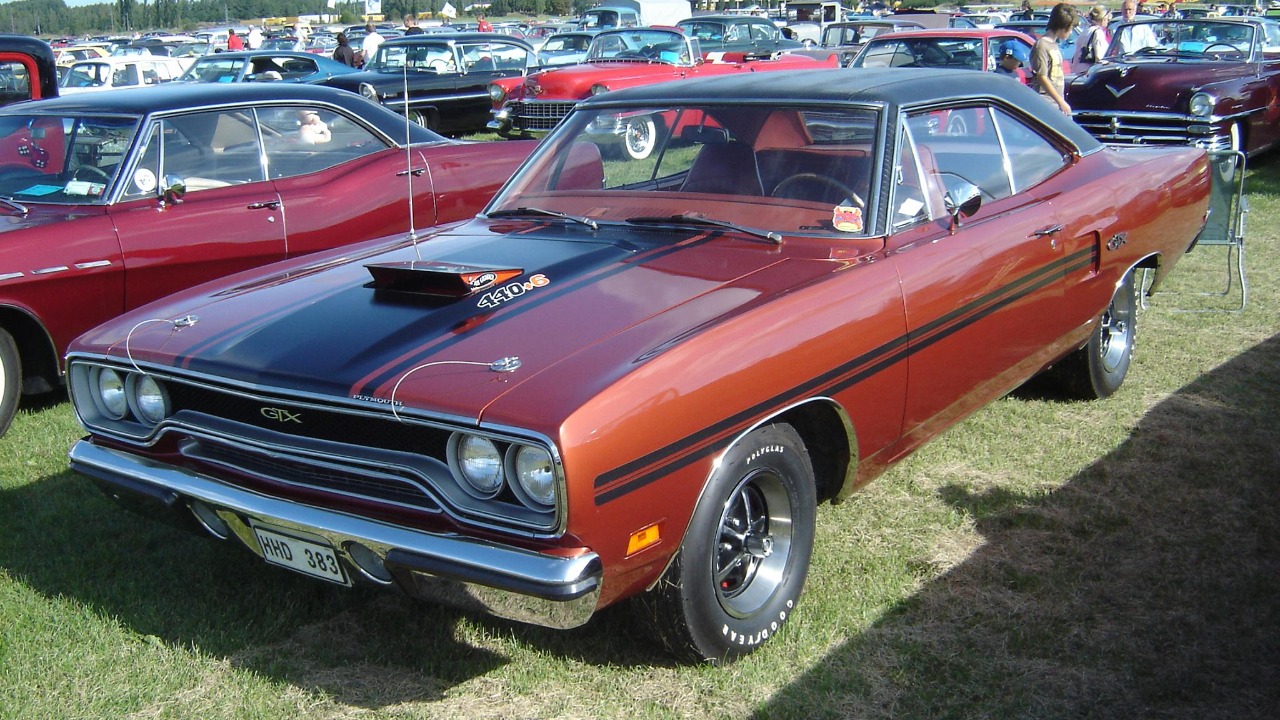
The Plymouth GTX was positioned above the Road Runner but was no less serious about performance. Introduced for 1967, it combined a more upscale interior with powerful V8 engines, including the 426 Hemi. By 1968–71, the GTX could be equipped with engines producing up to the era’s advertised 425-horsepower rating. Its combination of comfort and speed made it one of Plymouth’s most capable intermediate performance cars.
Plymouth Superbird
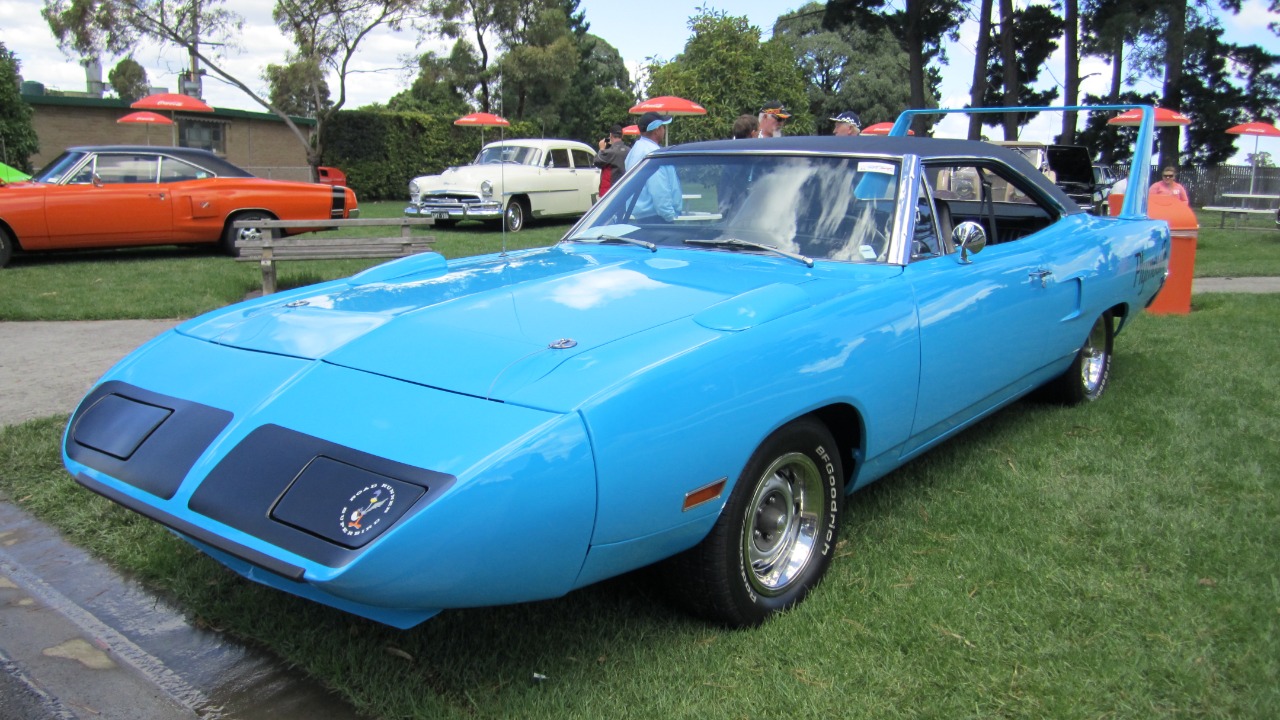
The Plymouth Superbird took Plymouth’s performance formula to an extreme with its enormous rear wing, aerodynamic nose cone, and NASCAR-inspired body modifications. Built for 1970, it could be ordered with the 440 Six Barrel or 426 Hemi, with the latter carrying a 425-horsepower rating. Only about 1,920 Superbirds were built, making this specialized Plymouth both extremely quick and exceptionally rare today.
Plymouth Barracuda
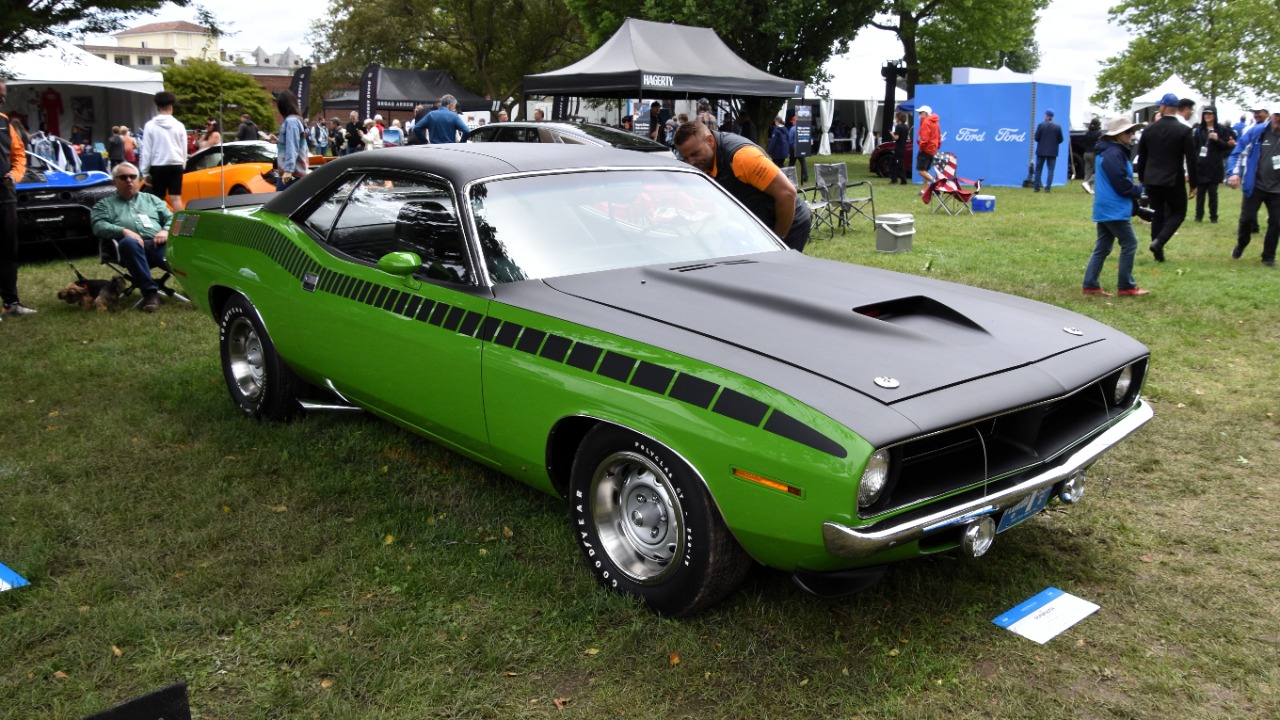
The Plymouth Barracuda became increasingly serious about performance as the 1960s progressed. The original compact could already be equipped with a 273 V8, while later versions gained larger engines including the 383 and eventually the 440. The redesigned 1970 ’Cuda could accept Plymouth’s most powerful engines, including the 426 Hemi, transforming the once-modest compact into a genuine muscle car.
Plymouth Road Runner
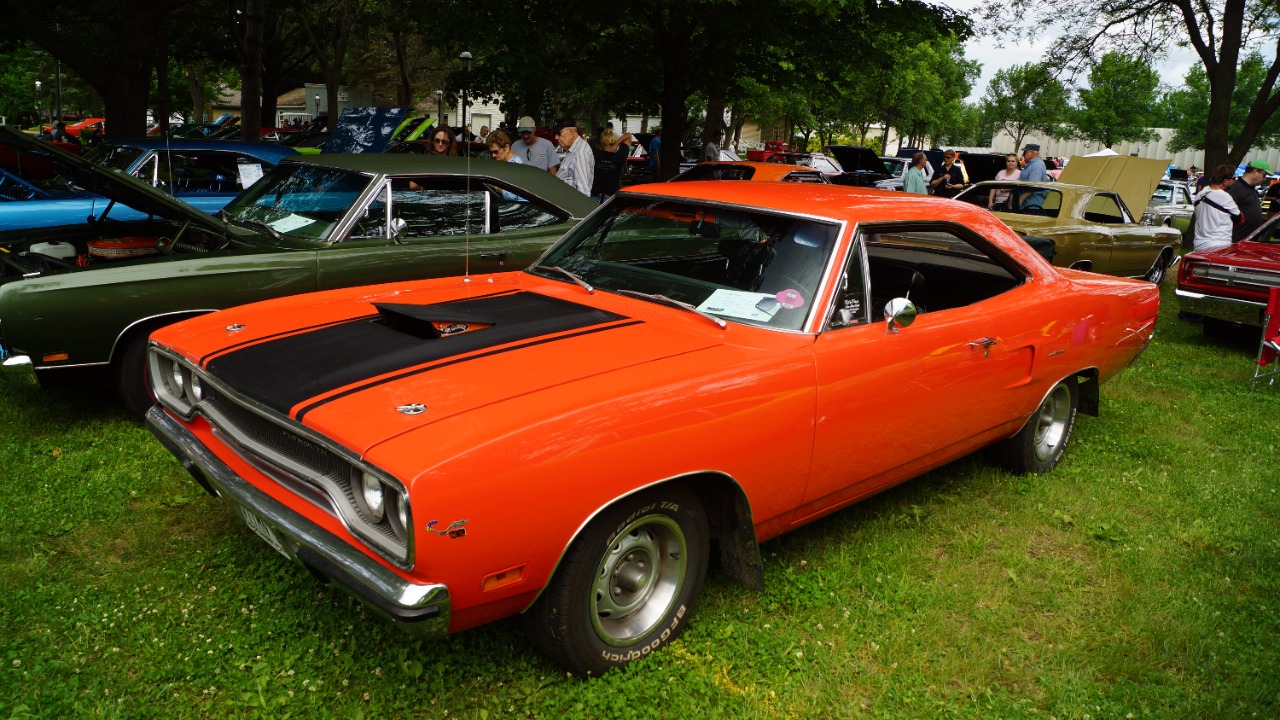
The original Plymouth Road Runner was designed to deliver maximum performance without the price and luxury equipment associated with the GTX. Introduced for 1968, it used a stripped-down B-body and offered the 383 V8, with the 426 Hemi and later 440 Six Barrel available for buyers seeking even more power. Its combination of relatively low weight, aggressive gearing, and affordable pricing made it one of the defining performance bargains of the muscle-car era.
More from Fast Lane Only
- Unboxing the WWII Jeep in a Crate
- 15 rare Chevys collectors are quietly buying
- 10 underrated V8s still worth hunting down
- Police notice this before you even roll window down
*Research for this article included AI assistance, with all final content reviewed by human editors.