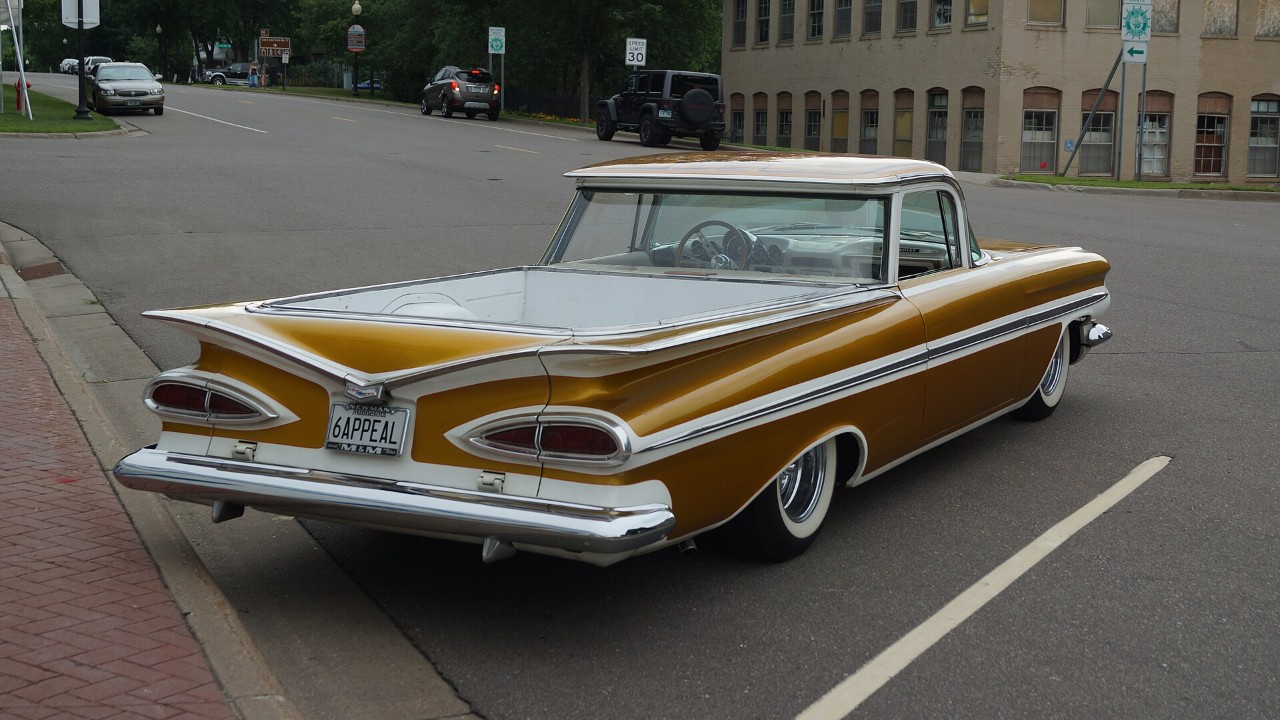
Chevrolet sold 22,246 copies of the 1959 Chevrolet El Camino in its first year, a few hundred more than Ford’s Ranchero managed in its own debut season. Then sales fell, and the car disappeared after 1960. Four years later it came back, and this time it stayed until 1987.
That long second run is the real story. The El Camino lived through big-block muscle, emissions rules and a move to Mexico. Along the way, plenty of ordinary versions did their work quietly while the SS cars got the headlines.
These are our picks for ten forgotten El Caminos that never seemed to quit. The “never quit” verdict is our opinion, based on the model’s 1964 to 1987 run. Meanwhile, the engines, years and production numbers come from model histories, Hagerty’s market research and period-correct examples.
1. 1959 Chevrolet El Camino Custom
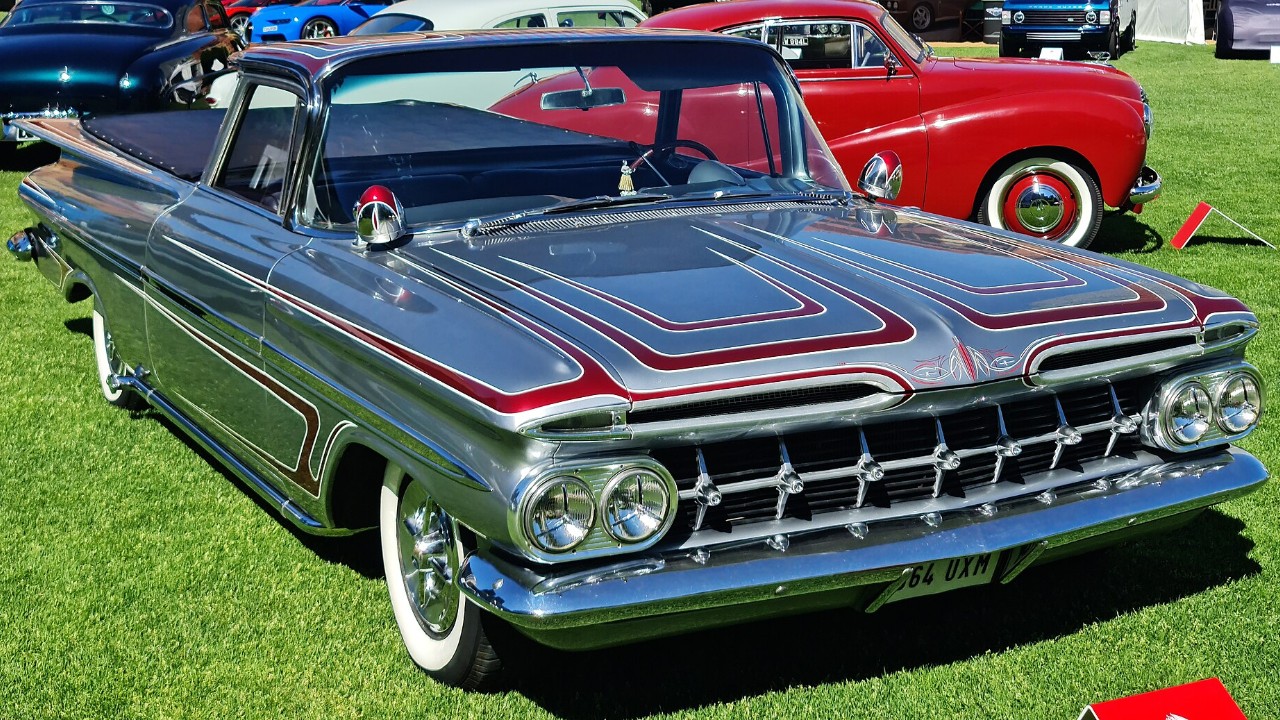
Chevrolet built the first El Camino on its new-for-1959 Brookwood two-door station wagon. Ford had launched the Ranchero two years earlier, so this was Chevrolet’s answer. The result was a two-door wagon front with a pickup bed behind the cab.
Engine choices ran wide. Buyers could pick a 283 Turbo-Fire V8 with two- or four-barrel carburetion, or 348 Turbo-Thrust V8s rated as high as 335 bhp. Chevrolet even offered 283 Ramjet fuel-injected V8s at 250 and 290 bhp.
Our take: the 1959 Chevrolet El Camino is the forgotten original because most people remember the Chevelle cars instead. In fact, its 22,246 first-year sales beat the 21,706 Rancheros Ford sold in 1957. That is a strong start for a car that lasted only two years in this form.
2. 1960 Chevrolet El Camino, first-gen
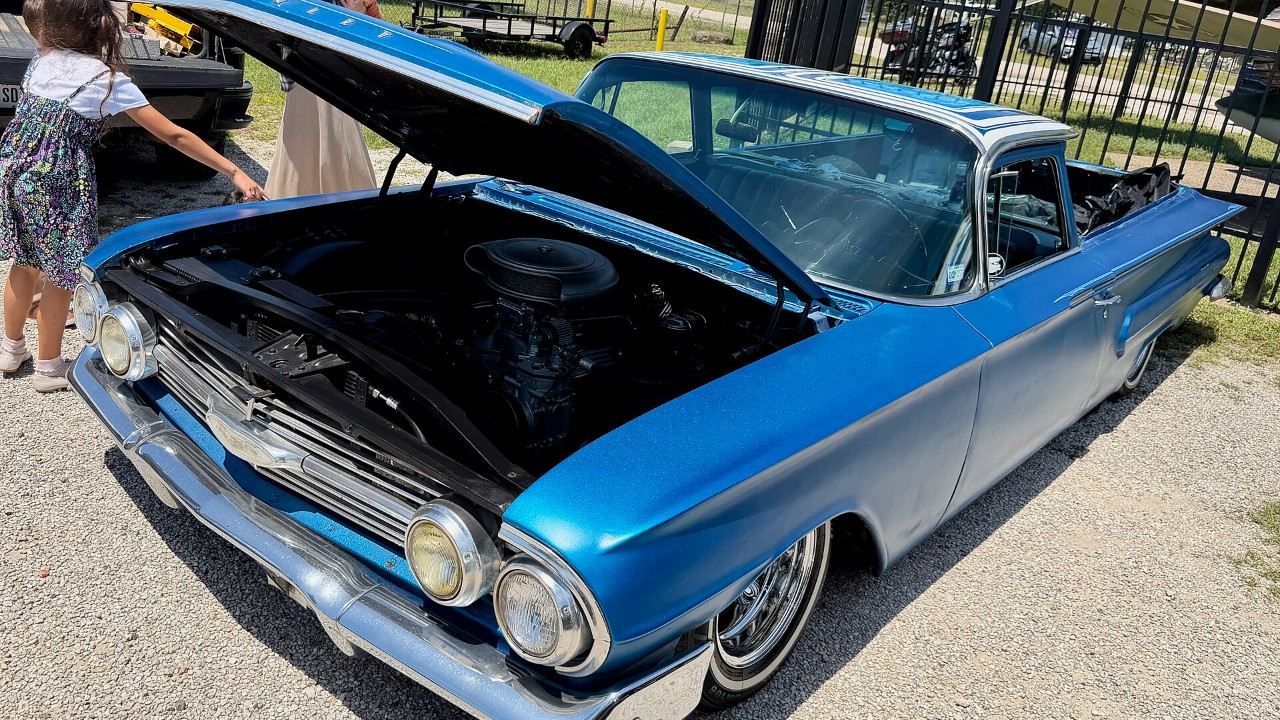
The second year brought fewer performance options. For 1960, the base 283 V8 carried a 170 bhp rating, and Chevrolet dropped the fuel-injected engines.
Pricing stayed simple. The six-cylinder model started at $2,366, and the V8 added $107. However, sales fell to 14,163 that year, while Ford moved 21,027 Rancheros on its new compact Falcon platform. As our story on the Ranchero arriving two model years before the El Camino explains, Ford had a head start the whole way.
In our view, the 1960 car deserves more credit than its sales suggest. Chevrolet discontinued the model after that season. Still, the idea survived long enough to return on a better platform.
3. 1965 Chevrolet El Camino 327
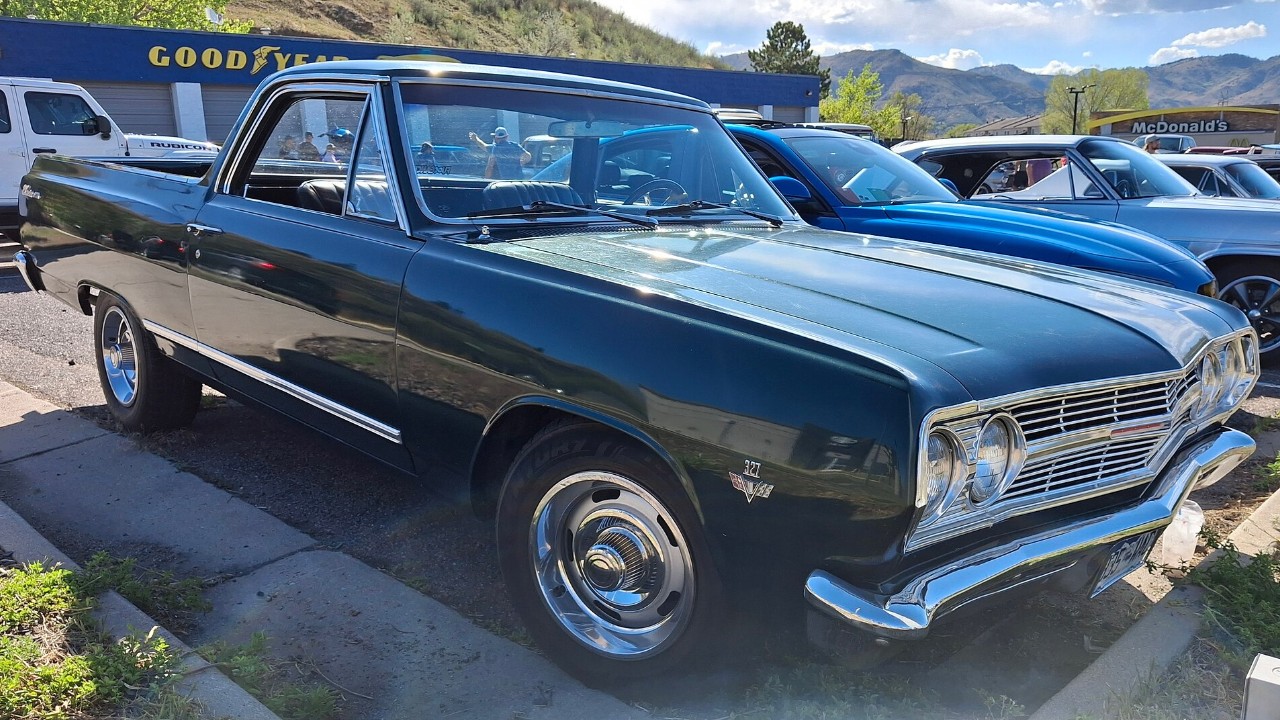
When the El Camino returned for 1964, it rode on the new Chevelle. It carried both Chevelle and El Camino badges, but Chevrolet marketed it as a utility vehicle. For 1965, it picked up the Chevelle’s facelift.
The 327 made this generation interesting. In 1964, Chevrolet offered 327 V8s at 250 and 300 hp. Then, for 1965, the L79 version of the 327 joined the list at 350 hp, a serious number for a car-based pickup.
Our take: the 327 cars are the sweet spot of the early Chevelle years. They are fast enough to enjoy and simple to keep running. According to Hagerty’s El Camino and Ranchero comparison, second-generation sales never fell below 32,000 a year.
4. 1967 Chevrolet El Camino, second-gen
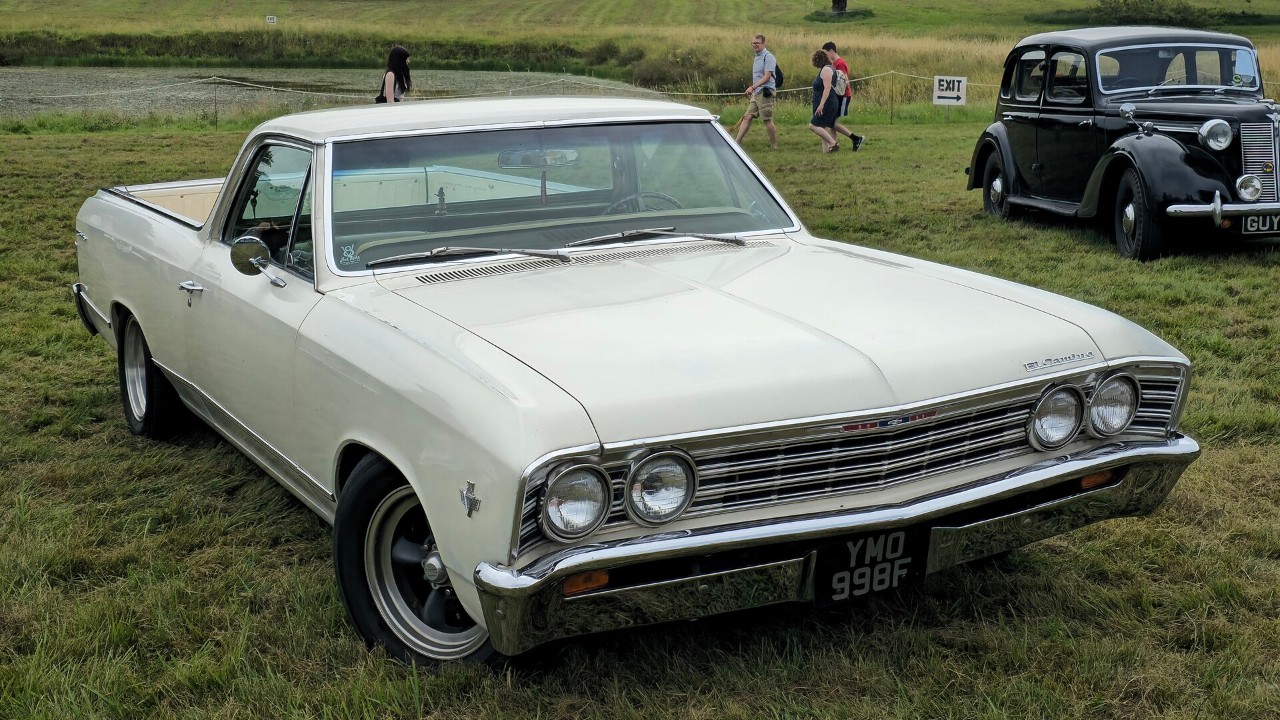
The 1966 El Camino got new sheet metal that matched the Chevelle exactly. That same year, Chevrolet added the 396 big-block, rated from 325 to 375 hp. By 1967, buyers could choose the L35, L34 or L78 versions of that 396.
There is one catch for shoppers. Chevrolet did not offer a factory El Camino Super Sport until 1968. As a result, many 1967 “SS396” El Caminos you see today are owner-built clones.
In our view, a 1967 car with honest base badges is the more interesting find. It shows the generation as most people bought it. If you want a big-block ’67, check the paperwork before you pay for an SS badge.
5. 1968 Chevrolet El Camino SS 396
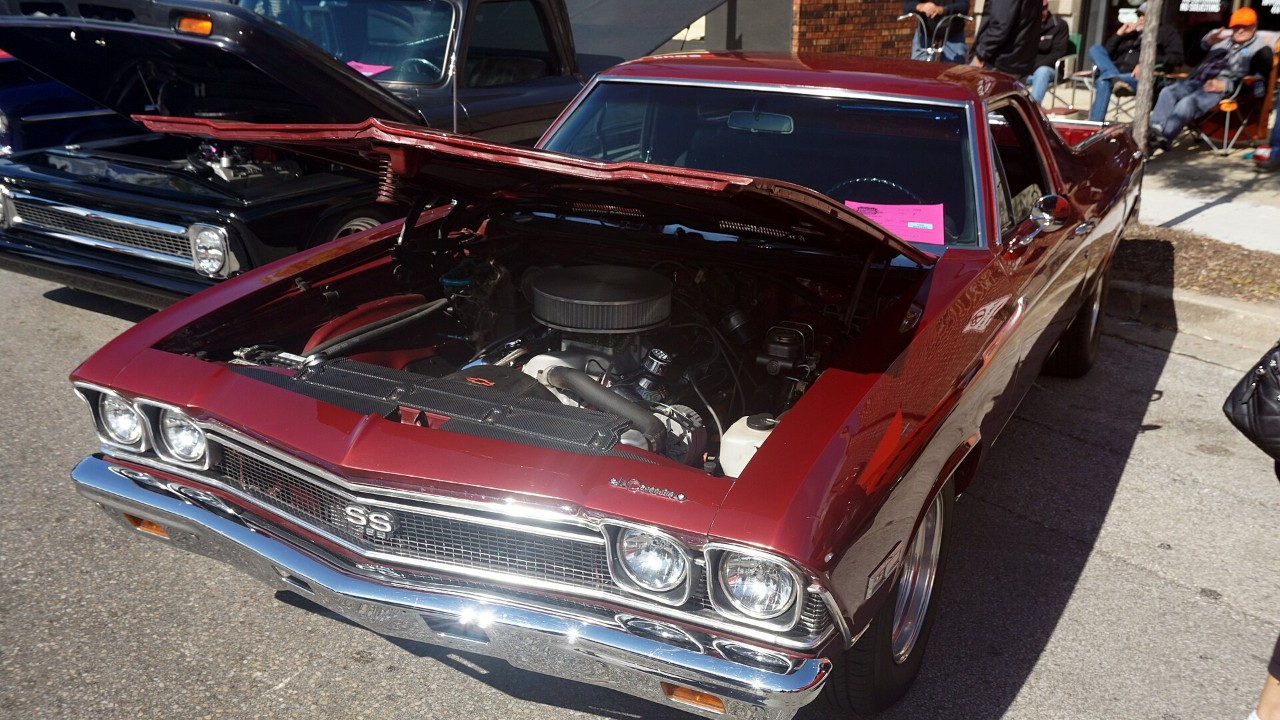
The third generation stretched to the 116-inch wheelbase of the Chevelle wagon and four-door sedan. For the first time, Chevrolet also sold a real SS396 El Camino. Its Turbo-Jet 396 came at 325 or 350 bhp, while the L78 at 375 bhp returned to the options list.
That made 1968 the year the El Camino officially joined the muscle car club. Chevrolet built 41,791 El Caminos that year, so the SS was a slice of a much bigger pie. For a different angle on these cars, see our list of El Caminos that looked like the future when new.
Our take: the 1968 SS 396 is the first factory performance El Camino, and that alone earns it a place. Because so many later cars wear SS badges, an original 1968 car with its documents tells the cleanest story.
6. 1970 Chevrolet El Camino SS, third-gen
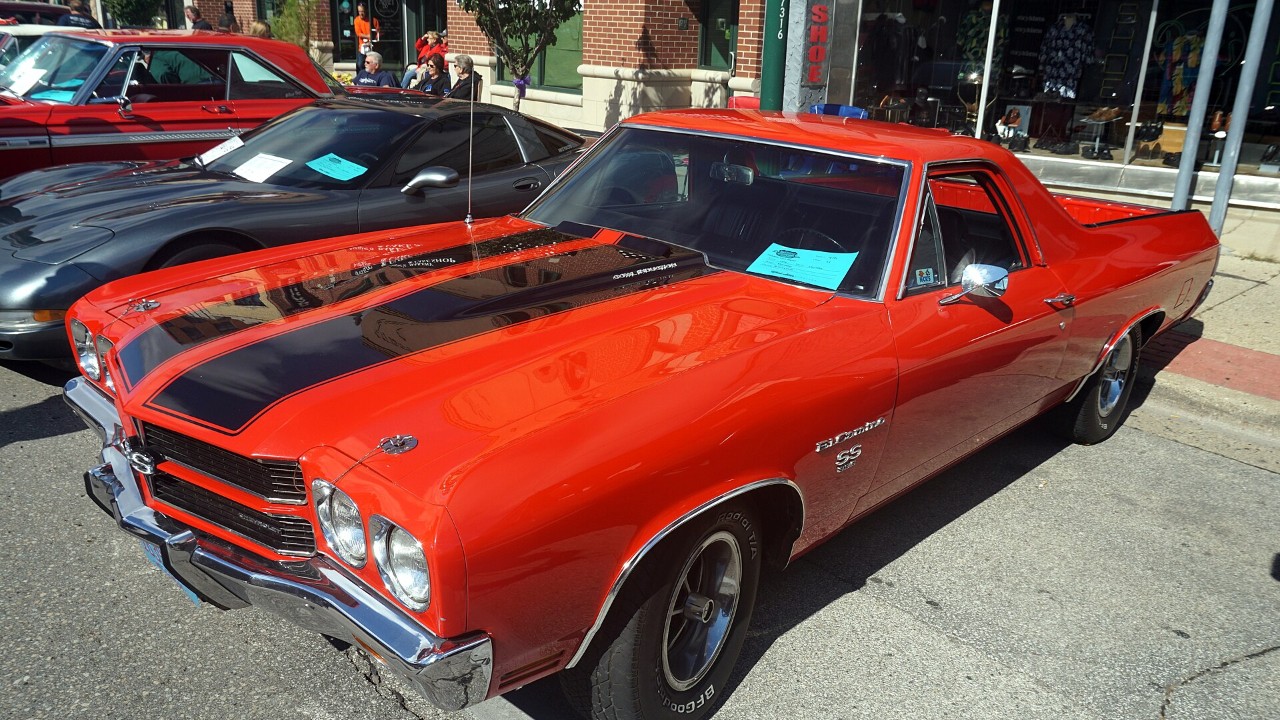
For 1970, the SS396 badge hid a slightly bigger engine. The “396” actually displaced 402 cubic inches. At the top of the range, Chevrolet offered the LS6 454, rated at 450 hp and 500 lb-ft of torque.
Hagerty notes that the 450-horsepower LS6 arrived in 1970 before new emissions laws cut power across the board. In other words, this was the peak year. The next model year already brought lower compression.
In our view, the 1970 SS is the high-water mark of the whole El Camino story. It is the one year when a car-based pickup could leave the factory with a 450-hp LS6. That brief window is exactly why it belongs on this list.
7. 1971 Chevrolet El Camino, third-gen
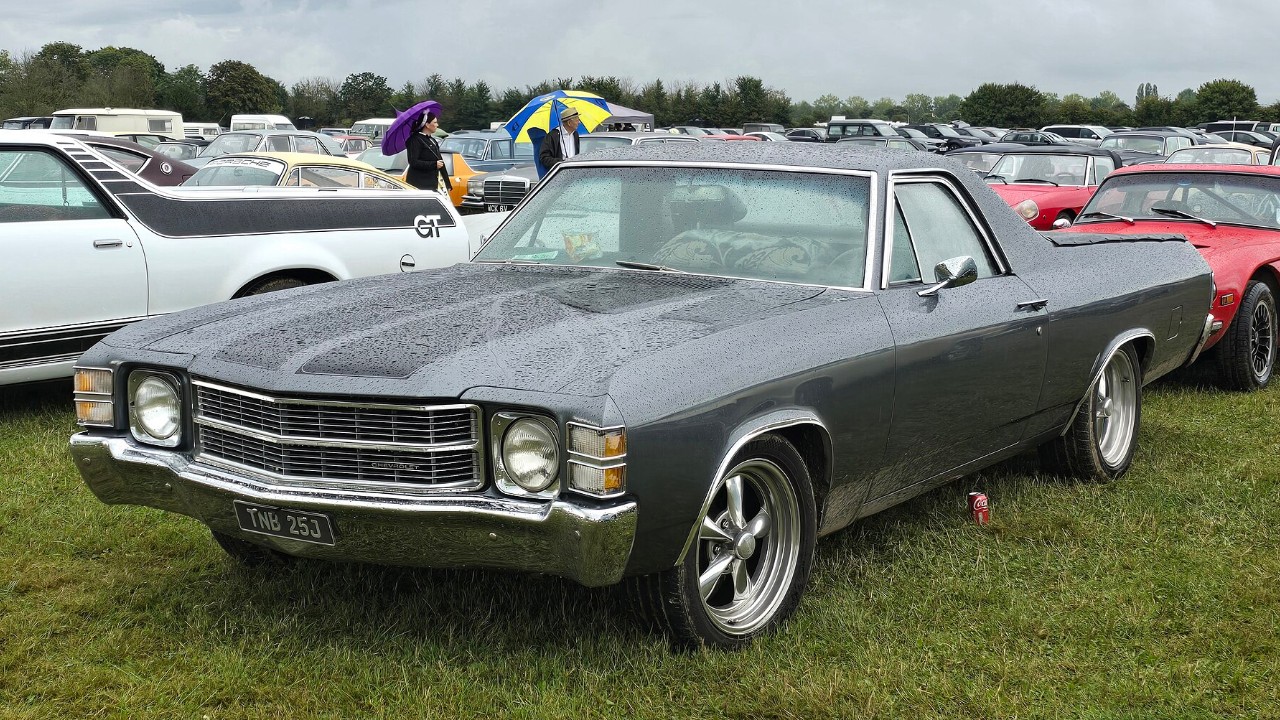
The 1971 El Camino shows how the rules changed the truck. Lower-octane unleaded fuel forced lower compression ratios, and GM added its A.I.R. smog pump. Chevrolet also dropped the LS6, leaving the LS5 454 at 365 gross hp.
Even so, buyers kept coming. GMC launched its own version, the Sprint, that same year. Sales kept rising too, and Hagerty reports that they reached 57,147 in 1972.
Our take: the 1971 car is the forgotten middle child, too late for the LS6 and too early for the big Colonnade body. Yet Hagerty’s research puts a 1969 to 1972 El Camino in excellent condition at a median of $25,100, well above a comparable Ranchero at $19,100.
8. 1973 Chevrolet El Camino, fourth-gen
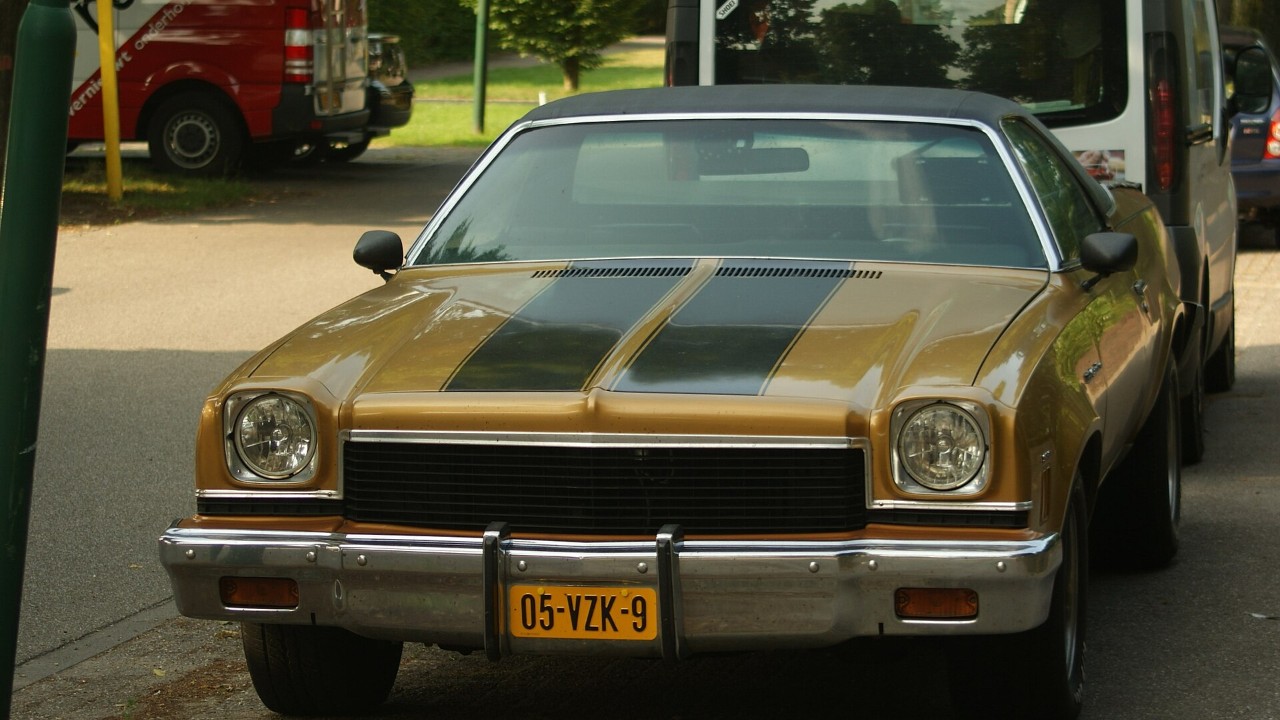
For 1973, the El Camino moved to the new Colonnade Chevelle with frameless door glass. This was the largest El Camino generation. Front disc brakes became standard, and the fuel tank grew to 22 gallons.
The engine list shows the era. A 307 two-barrel at 115 hp was the base V8, with 350s at 145 and 175 hp above it. The 454 four-barrel topped the range at 245 hp. In addition, buyers could order a wagon-style Estate package from 1973 to 1976.
In our view, the 1973 car proves the “never quit” idea. Big and down on power, it still sold strongly. Chevrolet built 64,987 El Caminos for 1973.
9. 1977 Chevrolet El Camino Conquista
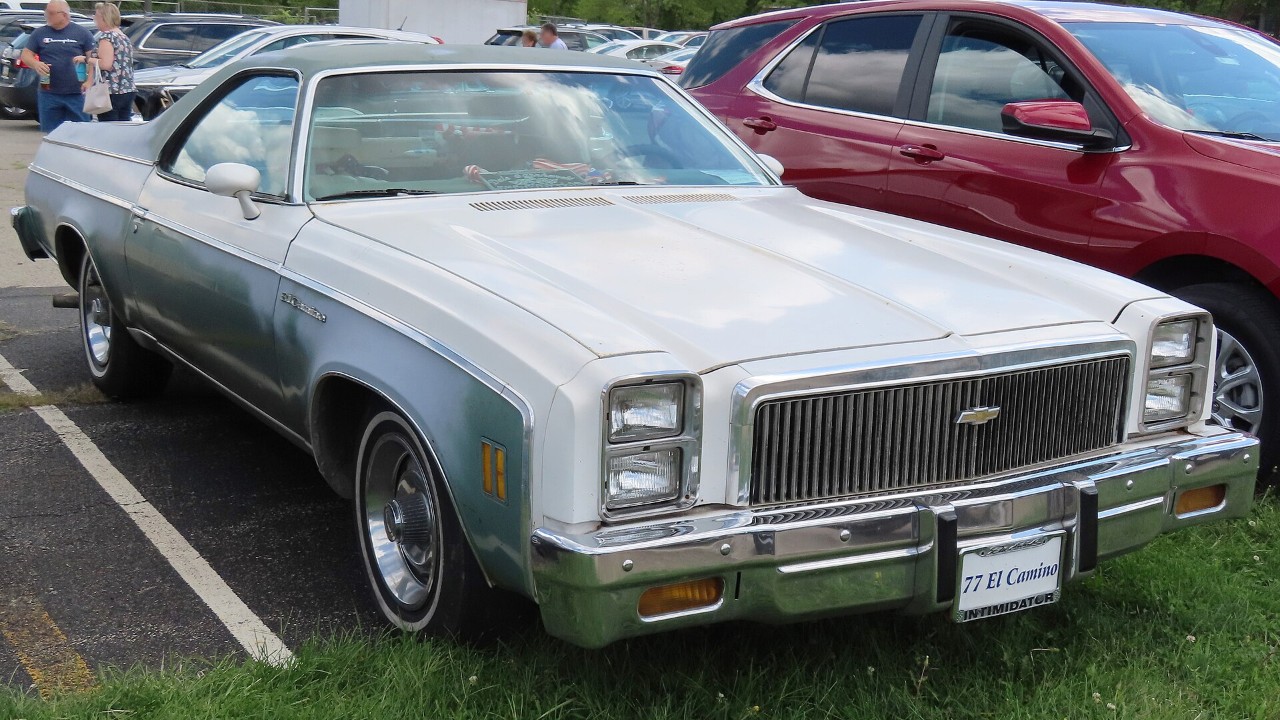
The Conquista was a dress-up package, not an engine option. Its order code was RPO D91. The package combined two-tone paint with special chrome moldings that separated the colors.
The 1977 car was the final year of the Colonnade body. By then the 454 was gone, since 1975 had been its last year in the El Camino. A 1977 El Camino Conquista featured by Barn Finds wore brown and tan two-tone paint over a 350 V8 and a three-speed automatic.
Our take: the Conquista is the El Camino at its most comfortable, chosen for looks rather than speed. It sold well too. Chevrolet built 54,321 El Caminos for 1977.
10. 1986 Chevrolet El Camino SS, fifth-gen
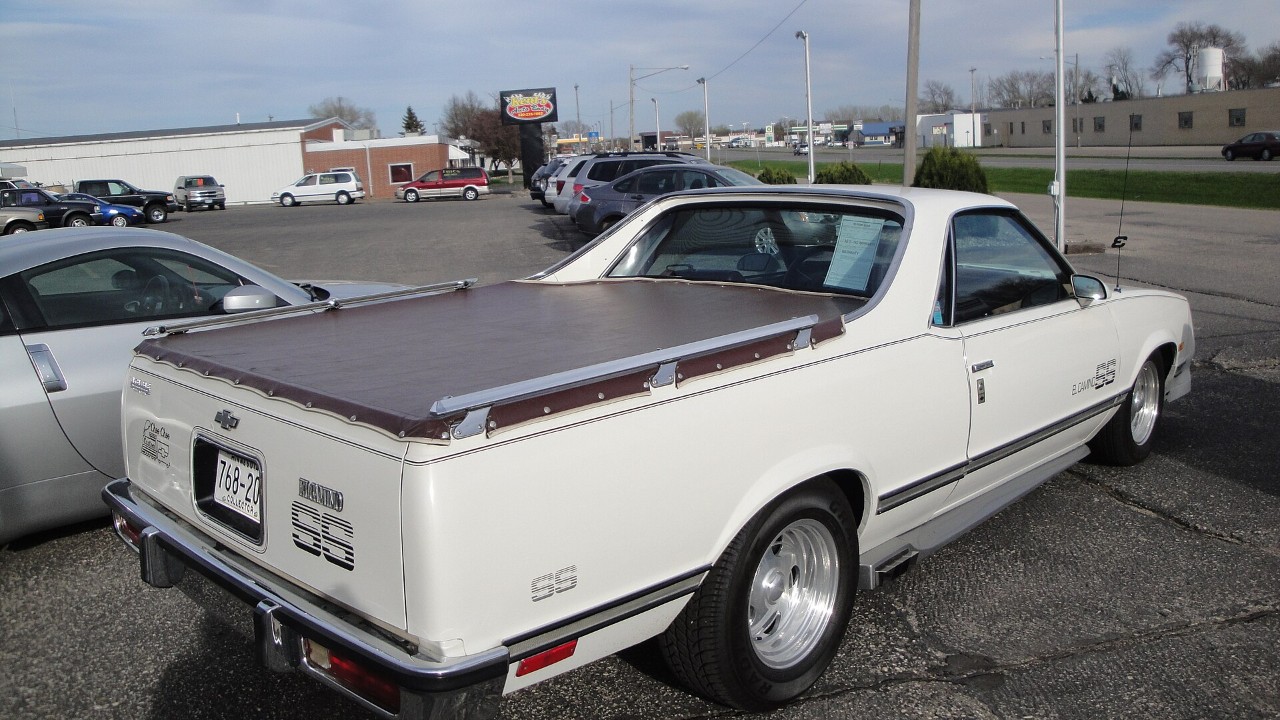
The last El Camino generation arrived for 1978 on its own chassis with a 117.1-inch wheelbase. Then, for 1985, production moved to Mexico, and a fuel-injected 4.3-liter V6 became the base engine. The Curbside Classic history of the final El Camino notes that late cars came from Ramos Arizpe.
The SS story gets confusing here. Factory Super Sports used the Z15 “SS Sport Decor” option. Meanwhile, Choo-Choo Customs of Chattanooga, Tennessee, sold a cosmetic SS-style conversion from 1983 to 1987.
In our view, a 1986 SS is the best way to own the end of the line. Check which kind of SS you are buying, because the two look alike. According to Hagerty, Chevrolet built nearly one million El Caminos in all. The final 1987 model year produced 13,743 of them.
More from Fast Lane Only