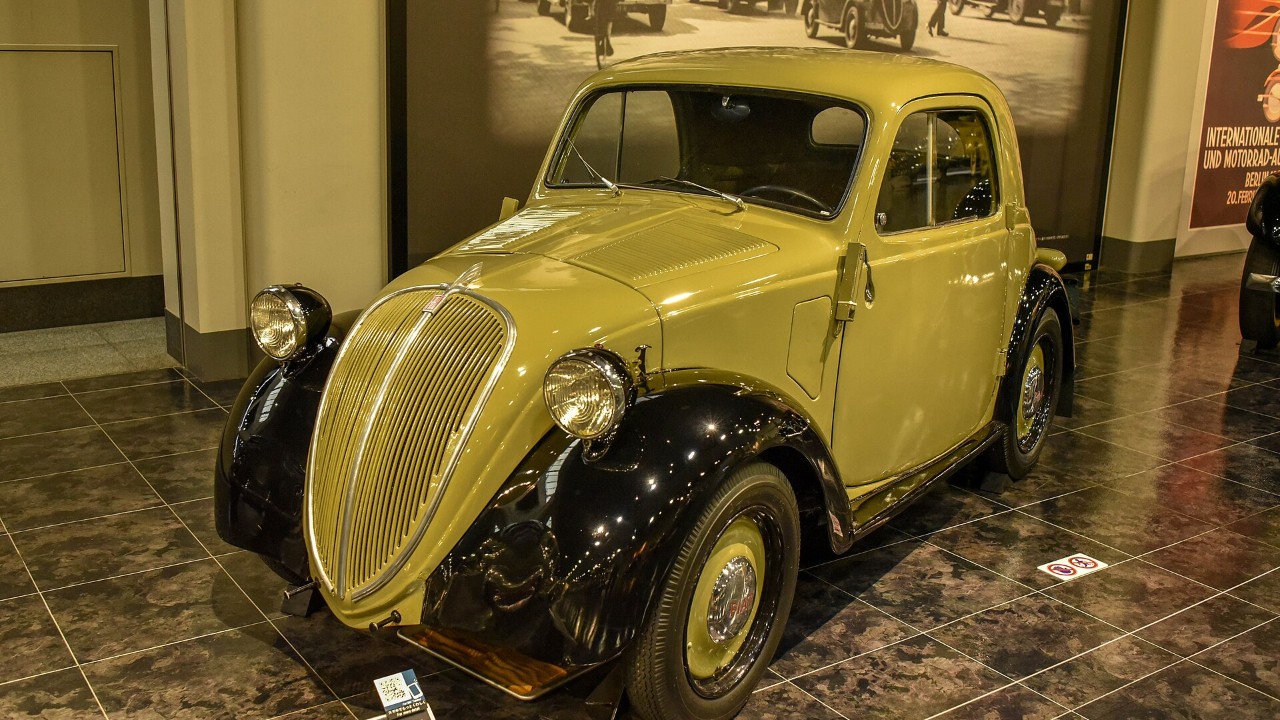
Fiat sold nearly 520,000 examples of the Fiat 500 Topolino between 1936 and 1955. That tiny car was Fiat’s take on a cheap people’s car, and it set a pattern the company kept for decades. The company built clever, cheap cars by the million, then slipped a few sporty and stylish ones in between.
However, those in-between cars are the ones people forget. Some wore bodies from Ghia or Pininfarina. Meanwhile, others hid twin-cam engines, Abarth tuning or a Chris Bangle shape under a plain badge. Most of them sold in Europe and never got the attention a Ferrari or an Alfa Romeo receives.
These are our picks, the Fiats we think earned far more credit than history gave them. The verdicts are our opinion, while the years, engines and figures come from period records, auction listings and buyer’s guides.
1. 1936 Fiat 500 Topolino
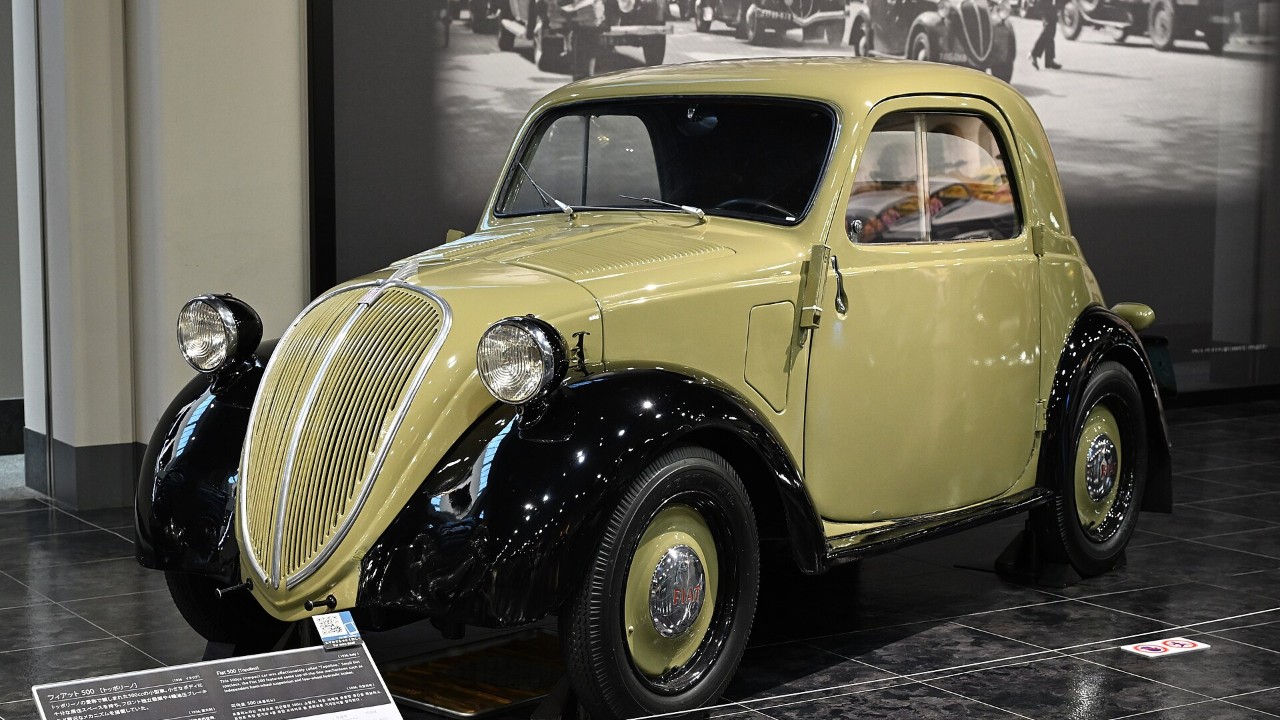
Oreste Lardone and Dante Giacosa designed the Fiat 500 Topolino, and its nickname means “little mouse” in Italian. It used a 569 cc water-cooled four-cylinder engine, side-valve at first and overhead-valve later. Output was about 13 hp, and top speed was about 53 mph.
At first, Fiat had hoped to sell it for 5,000 lire. In the end, the launch price came to 9,750 lire, and it later dropped to about 8,900. The range grew from the original saloon to a convertible saloon, a van and the wood-framed Giardiniera estate.
Our take: the Topolino gets overshadowed by the later Nuova 500, which is unfair. It came first and proved Fiat could make a real car very small. The name lives on, too, because Fiat now sells a modern Topolino, including the 2027 Topolino Open Air version.
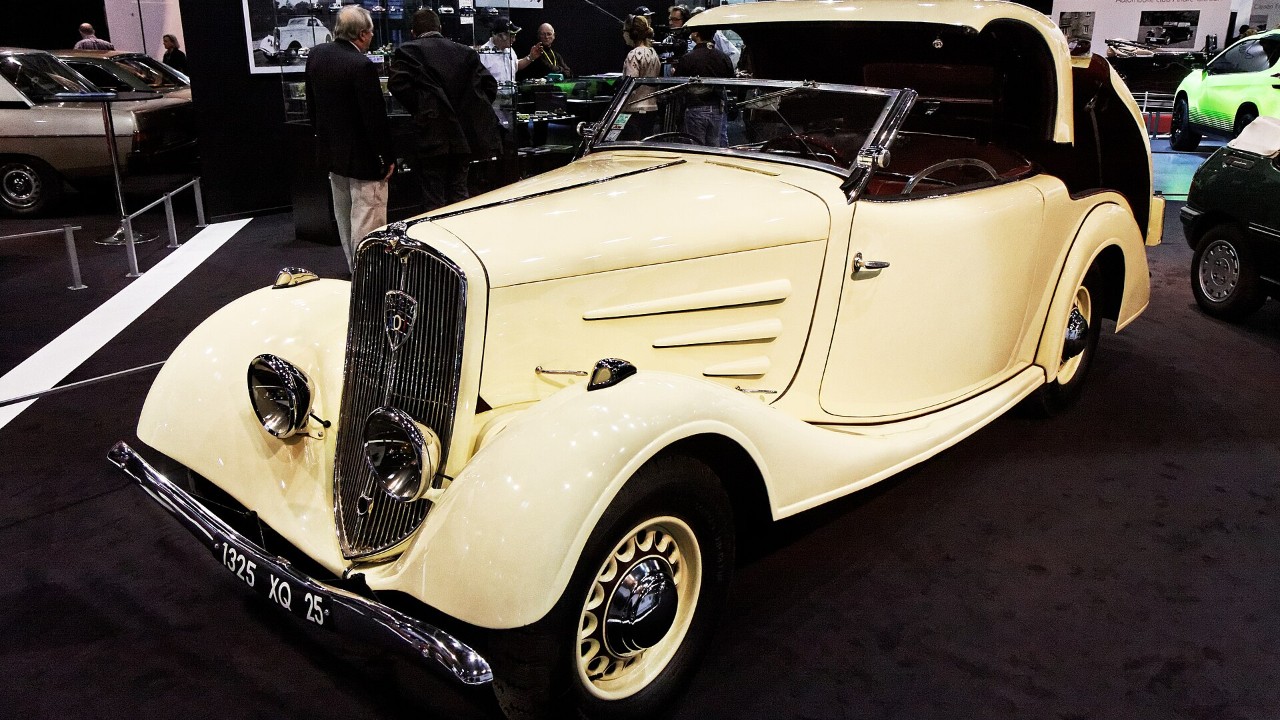
2. 1934 Fiat 508 S Balilla Sport Coppa d’Oro
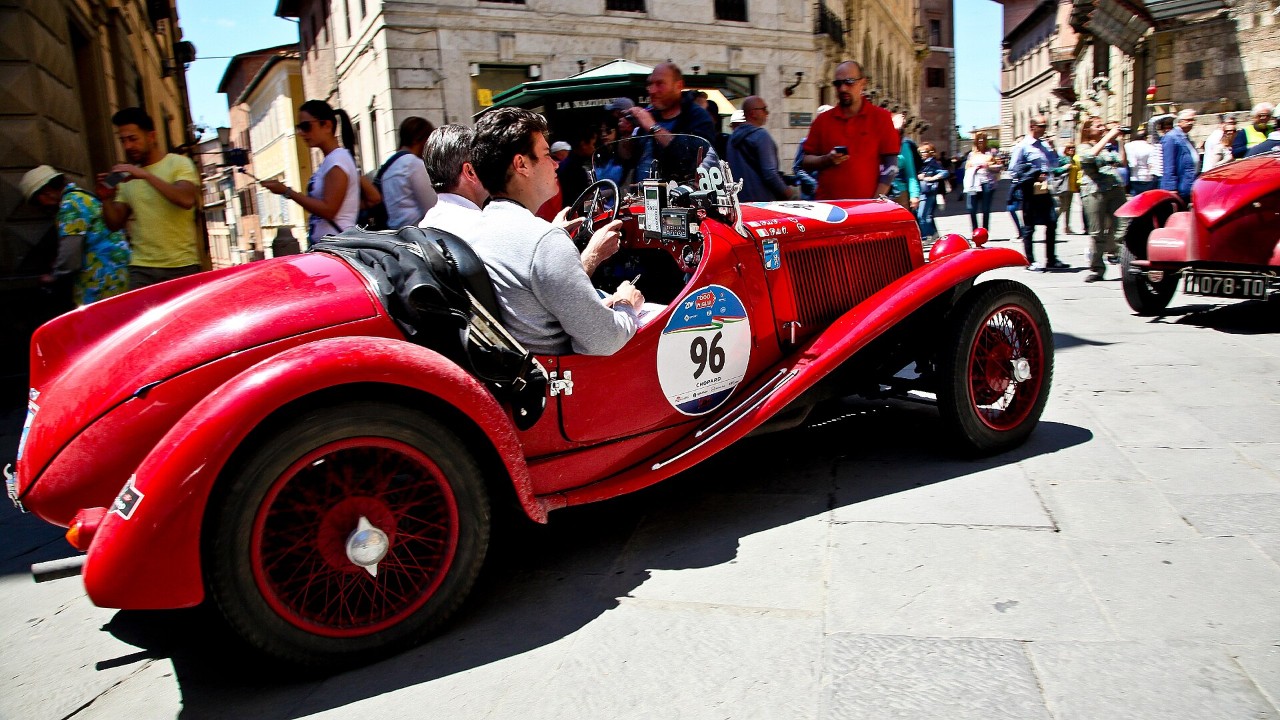
The Balilla took its name from the Genoese nickname of Giovanni Battista Perasso. As a boy in 1746, he threw stones at an Austrian officer and sparked a revolt. Fiat built about 113,000 Balillas, most with a 995 cc side-valve four rated at 20 hp and later 24 hp.
The 508 S Sport was a different animal. Ghia designed its “insect tail” spider body in 1933. At first, the cars made 30 hp and could reach about 69 mph. After the 1934 upgrade, its overhead-valve engine made 36 hp.
Collectors also call it the Fiat 508 Coppa d’Oro, and they prize it highly. In our view, this is the most beautiful Fiat of the 1930s. It also turned an economy car into a real sports car long before most makers tried that trick.
3. Fiat 1500 Cabriolet
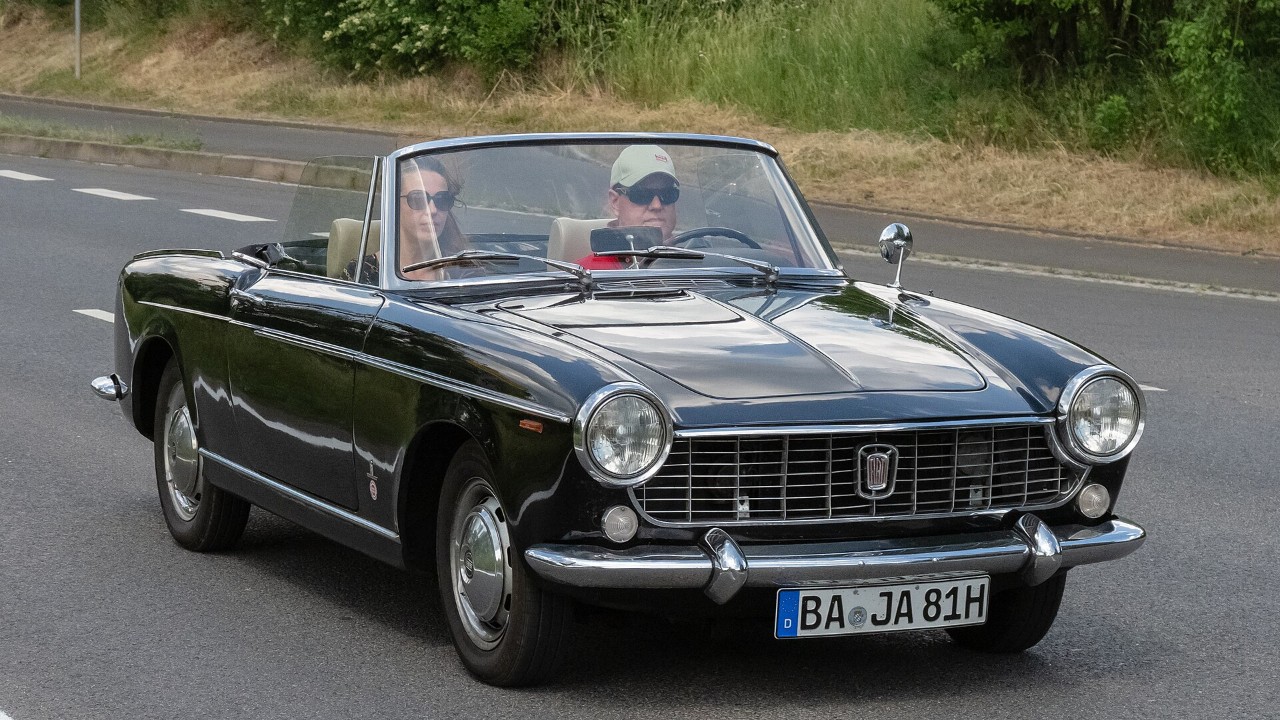
Fiat’s Pininfarina-bodied cabriolet ran from 1959 to 1966, and the company built 34,211 of them. The 1500 version arrived in November 1959 with a big surprise under the hood. Its 1,491 cc twin-cam came from OSCA, the Maserati brothers’ own company.
According to RM Sotheby’s listing for a 1961 Fiat-OSCA 1500 S, only 3,089 of the 34,211 cars had the OSCA twin-cam. That same car later sold for $66,000 in Arizona in 2014. Fiat credited Pininfarina with the design, though RM notes that Pininfarina strongly denied it.
From 1963, Fiat switched the 1500 to its own 1,481 cc pushrod engine and added front disc brakes. Our take: either version makes a lovely open car. However, the twin-cam cars are the ones to chase.
4. Fiat 2300 S Coupé Ghia
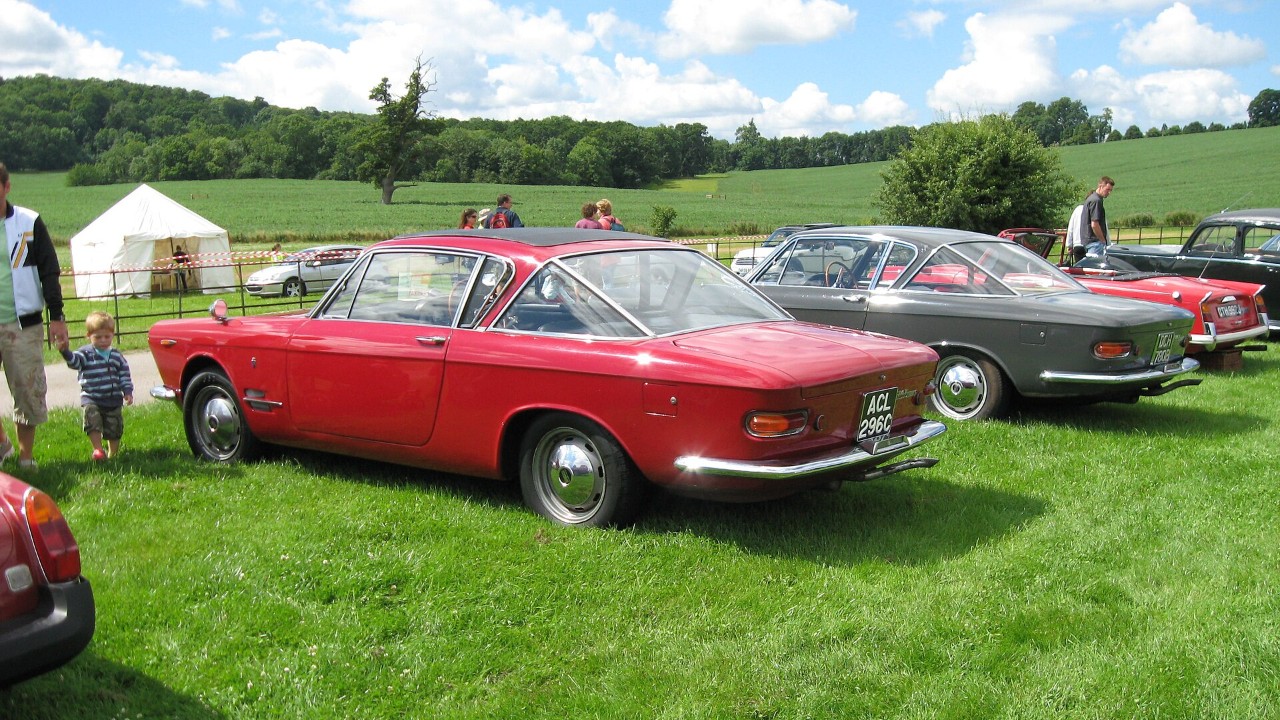
Sergio Sartorelli of Ghia drew the 2300 Coupé, and a prototype appeared at the 1960 Turin Motor Show. Ghia then handed production to OSI. Waits for a new car stretched up to 18 months.
The S version used two twin-choke carburetors and an engine tuned by Abarth. As a result, it made 136 hp on the Italian CUNA scale. Abarth also had a contract to give every 2300 S Coupé a 200 km test drive before delivery.
Fiat built around 7,000 of the 2300 Coupés in total. In our view, that makes this one of the most overlooked Italian grand tourers of the 1960s. It had the looks of a much pricier car and an engine with Abarth’s touch.
5. Fiat 1200 Granluce
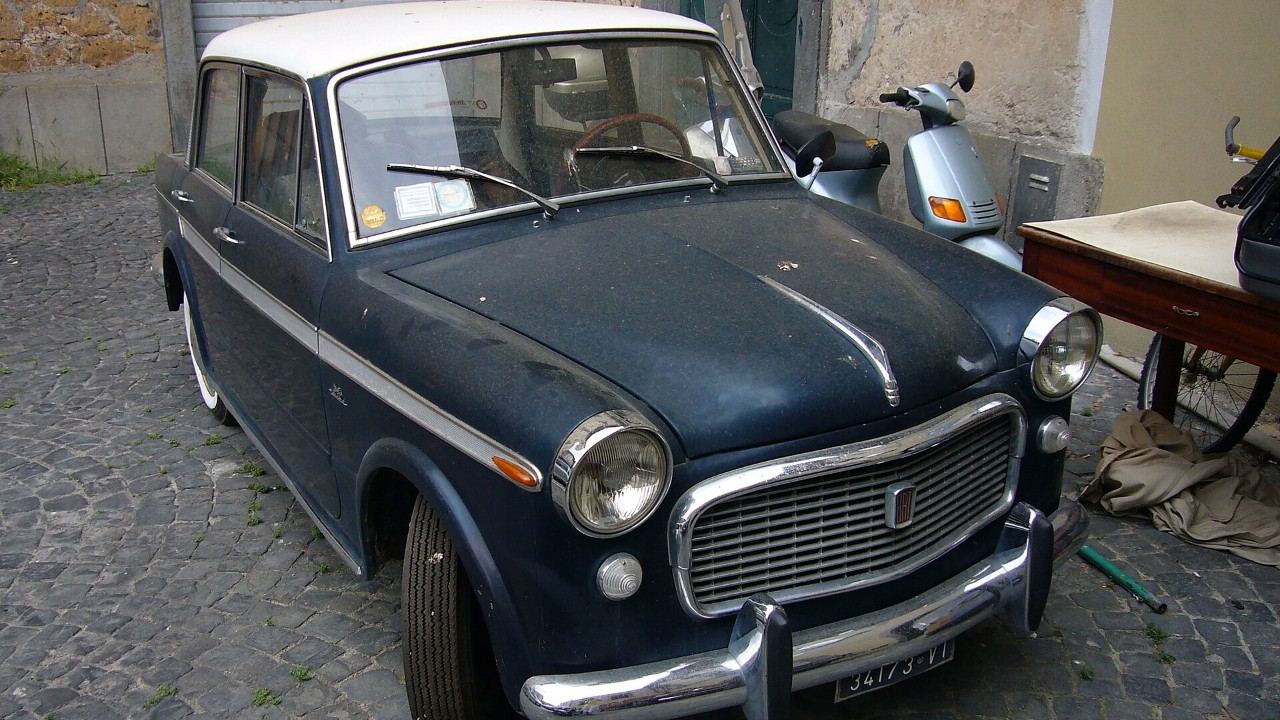
Fiat introduced the 1200 Granluce at the Turin Motor Show in November 1957. The name means “full-light,” and the car earned it. For example, it had a wider windshield, bigger side windows and a panoramic rear window.
Under the chrome, the Granluce used a 1,221 cc engine bored out from the 1100, rated at 55 PS. It also replaced the 1100 TV at the top of the range. Fiat built approximately 400,000 of them before the larger 1300 arrived in September 1961.
Our take: this is the kind of family Fiat nobody remembers, yet it sold in huge numbers. Its bright cabin and two-tone roof gave ordinary buyers a little glamour. Later, the 1100 D borrowed its body and engine in 1963, so the design kept working after its own badge faded.
6. 1972 Fiat 128 Sport Coupé
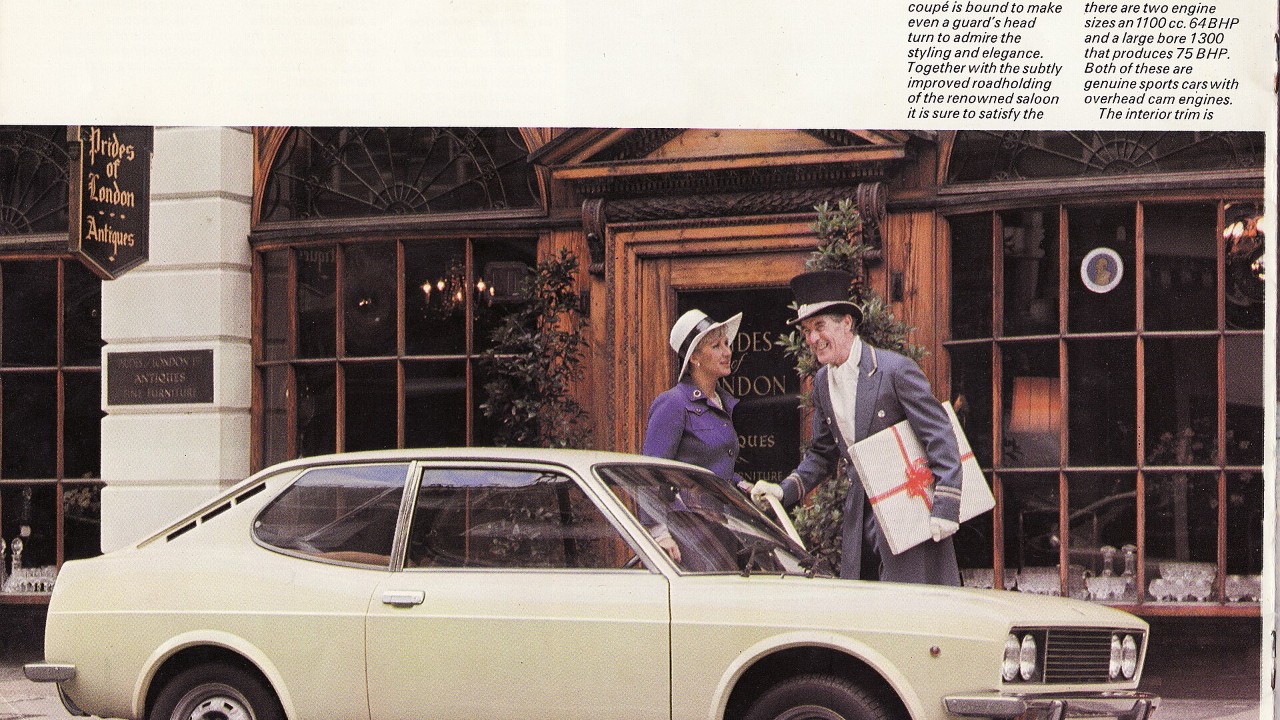
The 128 won European Car of the Year in 1970, with an engine designed by Aurelio Lampredi. Fiat added the Sport Coupé in November 1971. Buyers could pick S or SL trim, where SL stood for Sport Lusso.
First, the 1100 SL used a 1,116 cc engine with 64 PS at 6,000 rpm. Meanwhile, the 1300 SL had 1,290 cc and 75 PS at 6,600 rpm. Both used the 128’s transverse engine and front-wheel drive.
Fiat’s own X1/9 then stole its buyers, and the 128 3P Berlinetta took over in June 1975. In our view, the Sport Coupé lost to its sibling rather than to a rival. Today you can check out our list of Fiats that stop traffic for more of the family.
7. 1980 Fiat 127 Sport
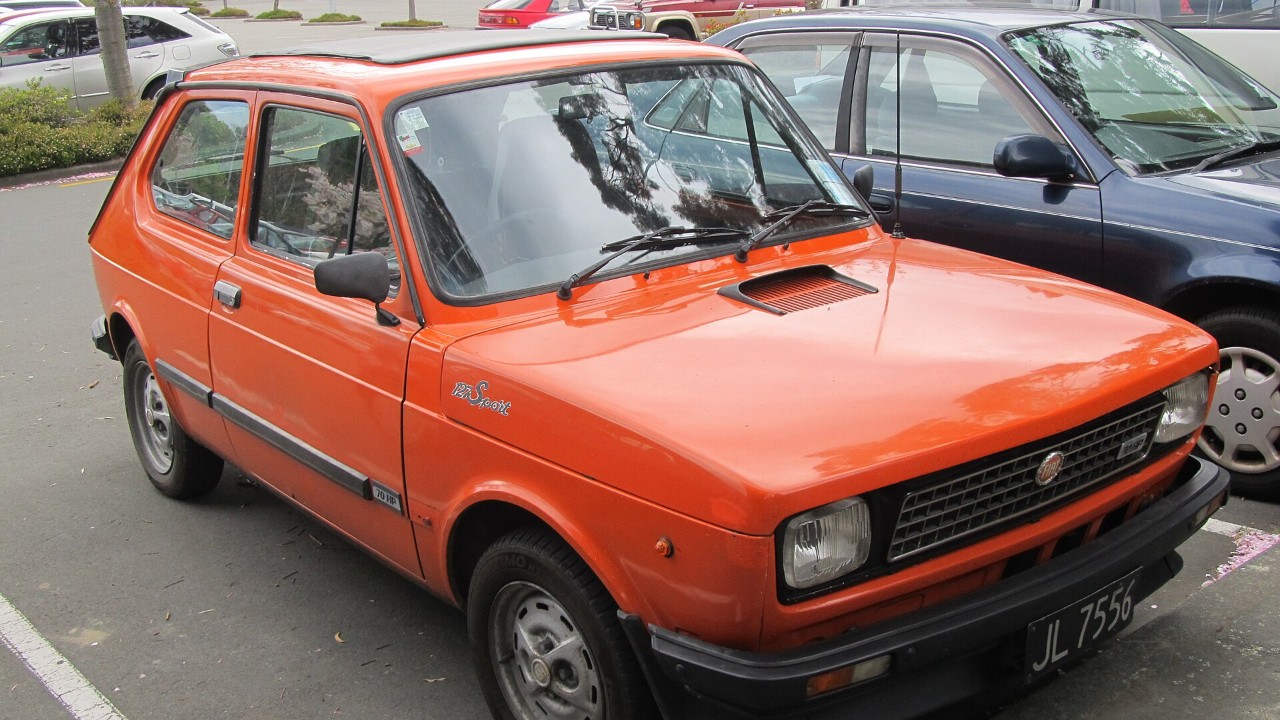
The 127 won European Car of the Year for 1972, and Fiat finished its millionth one by June 1974. Then the Sport version followed in June 1978. It used a 1,049 cc engine with an Abarth-revised cylinder head, larger valves and a twin-choke Weber carburetor.
That engine made 70 PS, which felt lively in such a small hatchback. Fiat also dressed it up with high-back sport seats, a rev counter and a three-piece stripe with “127 Sport” decals. Paint choices were black with orange stripes, silver with black, or orange with black.
For 1981, a 1,301 cc engine with 75 PS replaced the original. Our take: the 127 Sport was a hot hatch before many people used the term. It deserves a spot beside the Golf GTI in any history of the type.
8. Fiat 132 1800 Special
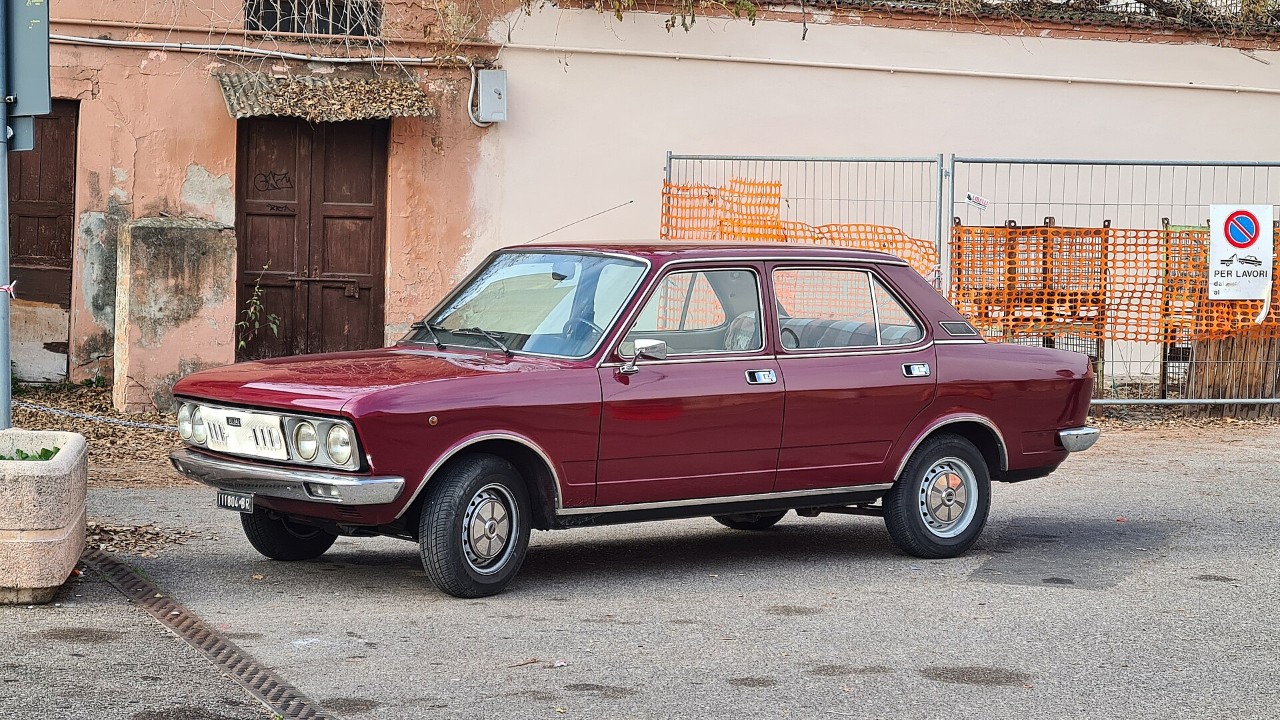
The 132 arrived in 1972 as the replacement for the Fiat 125. Fiat also fitted it with twin-cam engines as standard. The first series came in “normal” form with a 1600, or in Special trim with a 1600 or an 1800.
The 1800 made 105 PS at 5,600 rpm in its early form. Then, in January 1974, Fiat revised the front suspension and shocks. It also changed the grille, the taillights and the rear pillar.
After the Fiat 130 ended, the 132 became the brand’s flagship. It stayed in production until 1981, when the Argenta replaced it. In our view, a twin-cam family sedan like this deserves more fans than it has today. The 1800 Special is the version we would want.
9. Fiat Ritmo Abarth 130 TC
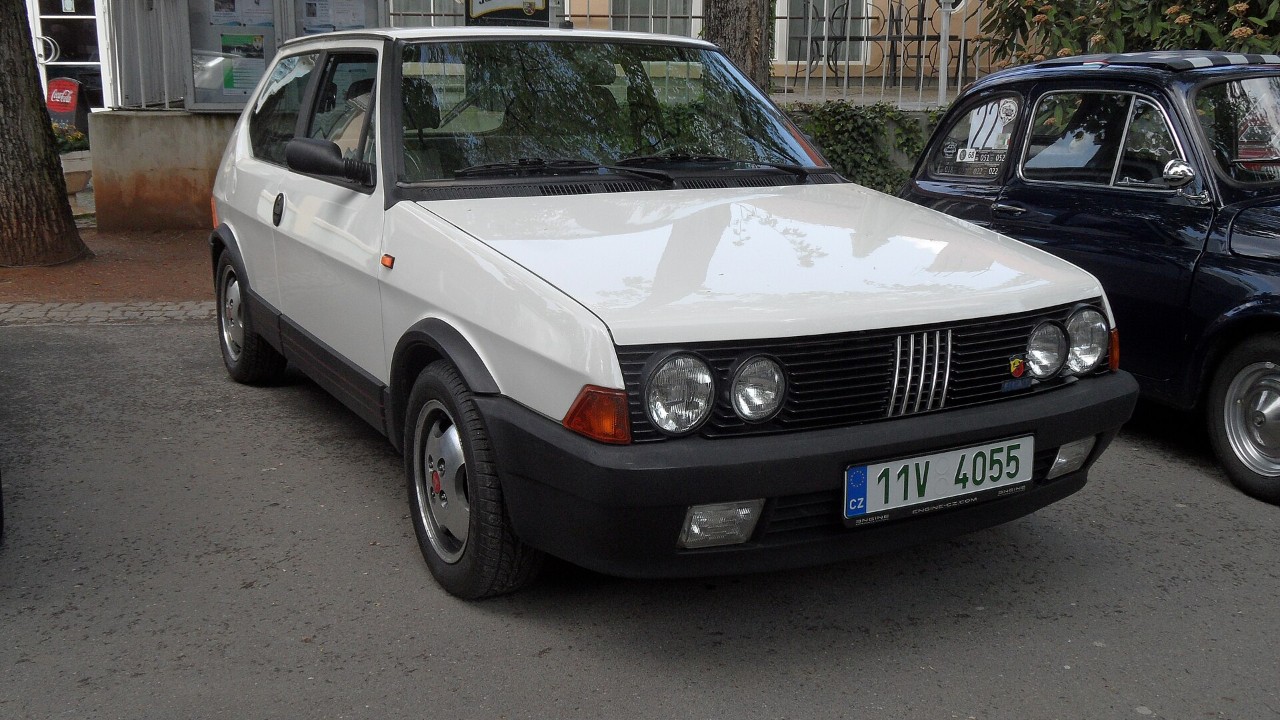
Fiat launched the Ritmo in April 1978, and export buyers knew it as the Strada. Robots assembled its bodyshells at Cassino, which inspired the slogan “Handbuilt by robots.” Fiat built 1,790,000 Ritmos before the Tipo replaced it.
The Abarth 130 TC was the hot one, introduced in 1983. Specifically, its 1,995 cc twin-cam made 130 PS. Abarth replaced the single carburetor of the earlier 125 TC with twin side-draught carburetors. It also fitted a close-ratio ZF five-speed gearbox.
The result could run from 0 to 62 mph in 7.8 seconds and reach about 121 mph. Our take: it ran with the best hot hatches of its day, but few people outside Italy remember it. That is a shame, because it was a true Abarth at a Fiat price. For more of the scorpion’s work, see the cars Abarth transformed.
10. 1992 Fiat Tipo 2.0 16V Sedicivalvole
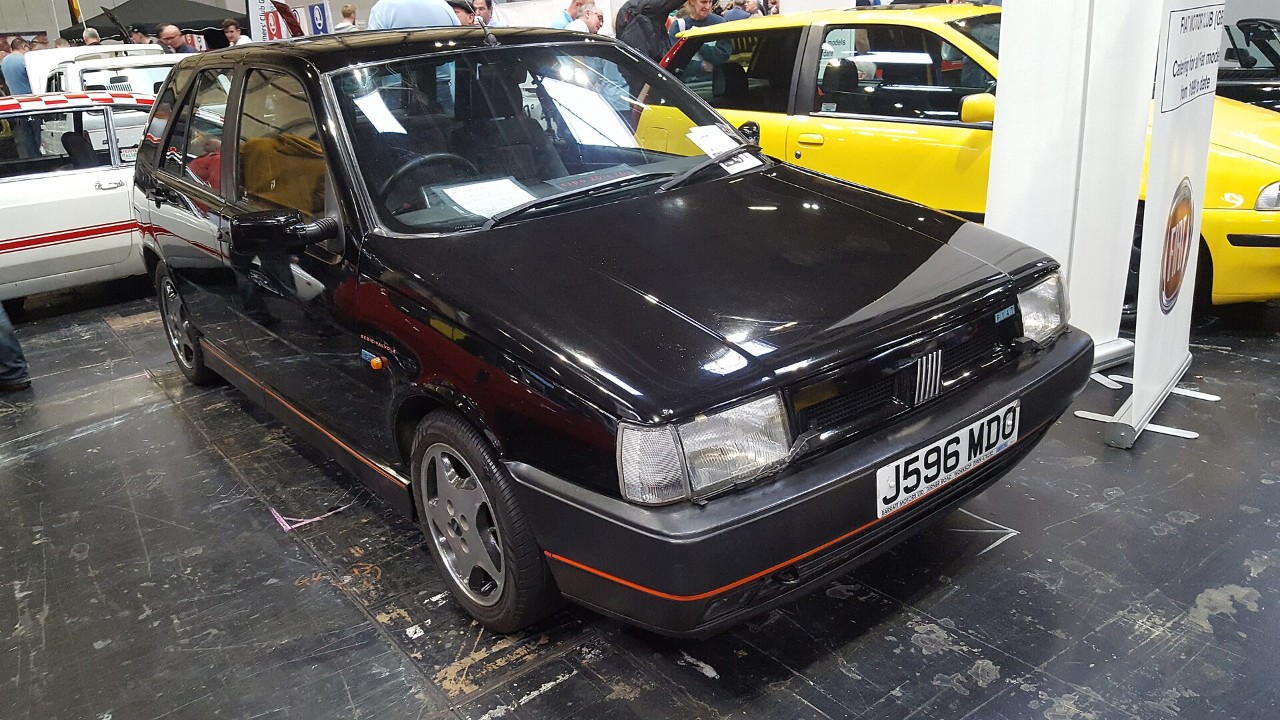
The Tipo won European Car of the Year for 1989. Fiat built it entirely from galvanized body panels to fight rust, and the I.DE.A Institute designed its boxy, roomy shape. Then, in 1991, the Sedicivalvole joined the range.
Its 1,995 cc twin-cam came from the Lancia Thema and made 148 PS at 6,250 rpm. As a result, top speed was around 130 mph. According to Hagerty UK, the press praised its handling and treated it as the hot hatch benchmark for a time.
Bad timing hurt it, though. It launched into a recession, and Fiat decided to import only 500 to Britain, Hagerty says. Barely 10 remain there now. In our view, few cars on this list deserved better luck.
11. 1998 Fiat Coupé 20V Turbo
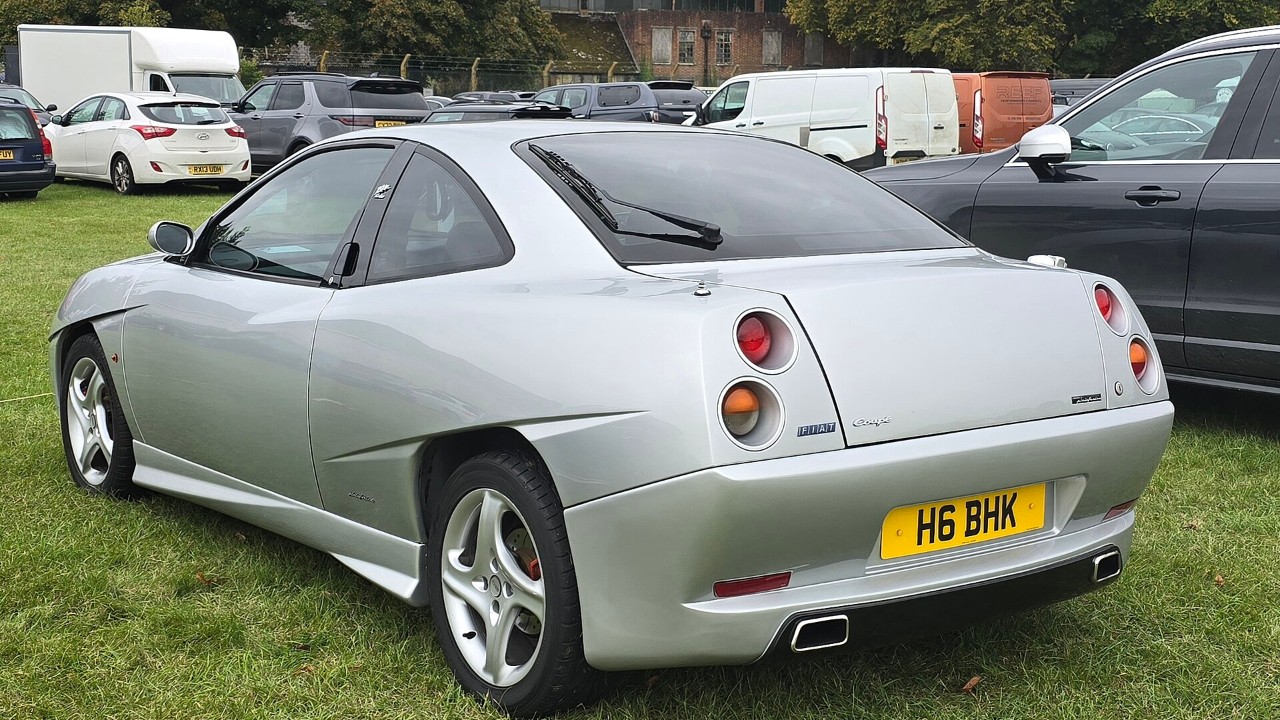
Fiat showed the Coupé at the Bologna Motor Show in December 1993. Chris Bangle styled the outside, while Pininfarina handled the interior. The 20V Turbo arrived in 1996 with a 1,998 cc turbocharged five-cylinder rated at 220 PS.
The 1998 Limited Edition added a six-speed gearbox, red-painted Brembo front calipers and Recaro seats with red leather inserts. In addition, each one carried a numbered badge. A Classics World buyer’s guide puts top speed at 155 mph with the six-speed and notes its painted metal dashboard.
Fiat ended production in December 2000 after 72,762 cars. Our take: the wheel-arch slashes and bubble headlights looked strange then. Today they look brave, and the five-cylinder turbo gives the Coupé real speed to match.
12. 1999 Fiat Panda 4×4
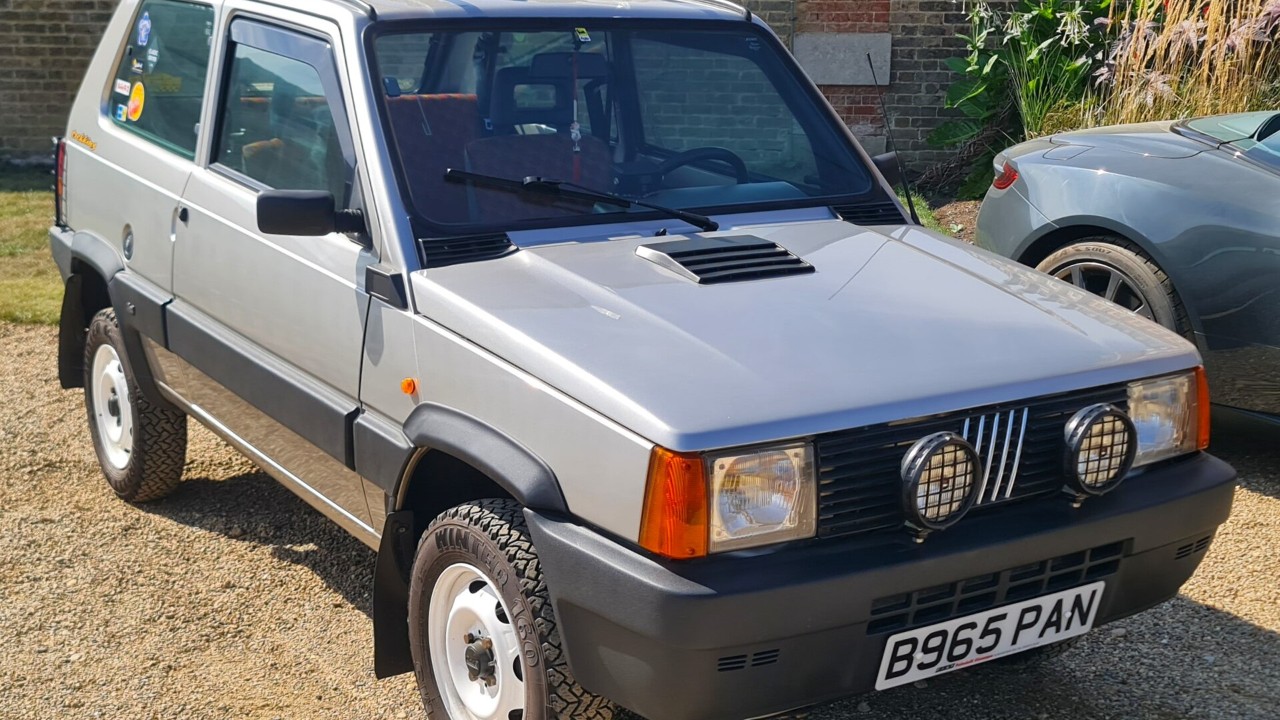
Giorgetto Giugiaro and Aldo Mantovani of Italdesign created the first Panda, which debuted at the Geneva Motor Show in March 1980. Three years later, in June 1983, the Panda 4×4 arrived. Austrian firm Steyr-Puch supplied its entire four-wheel-drive system.
At first, the 4×4 used a 965 cc engine with 48 hp. Fiat later moved it to a 999 cc FIRE engine. From 1992, the 4×4 used an 1,108 cc engine with 50 hp.
In our view, the Panda 4×4 is the most useful car Fiat ever made, a tiny box with real four-wheel drive. Overall, Fiat built approximately 4.5 million first-generation Pandas of all kinds. The final one left the line on September 5, 2003.
More from Fast Lane Only