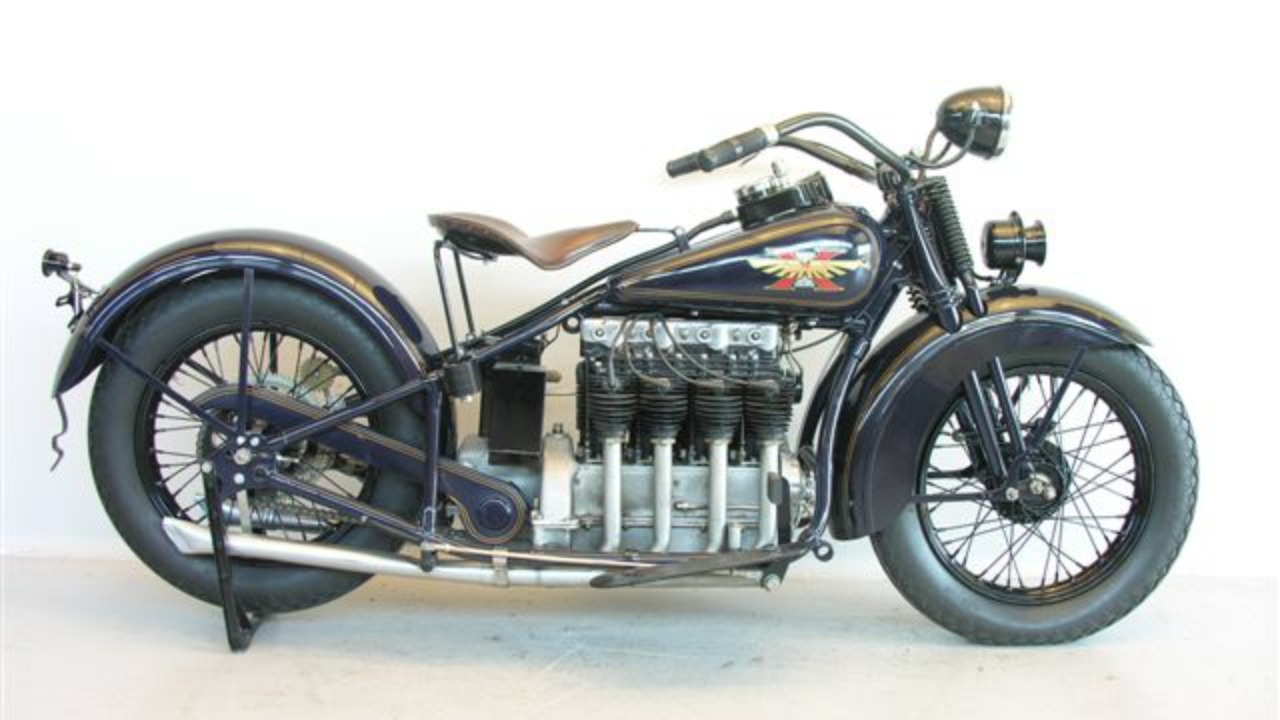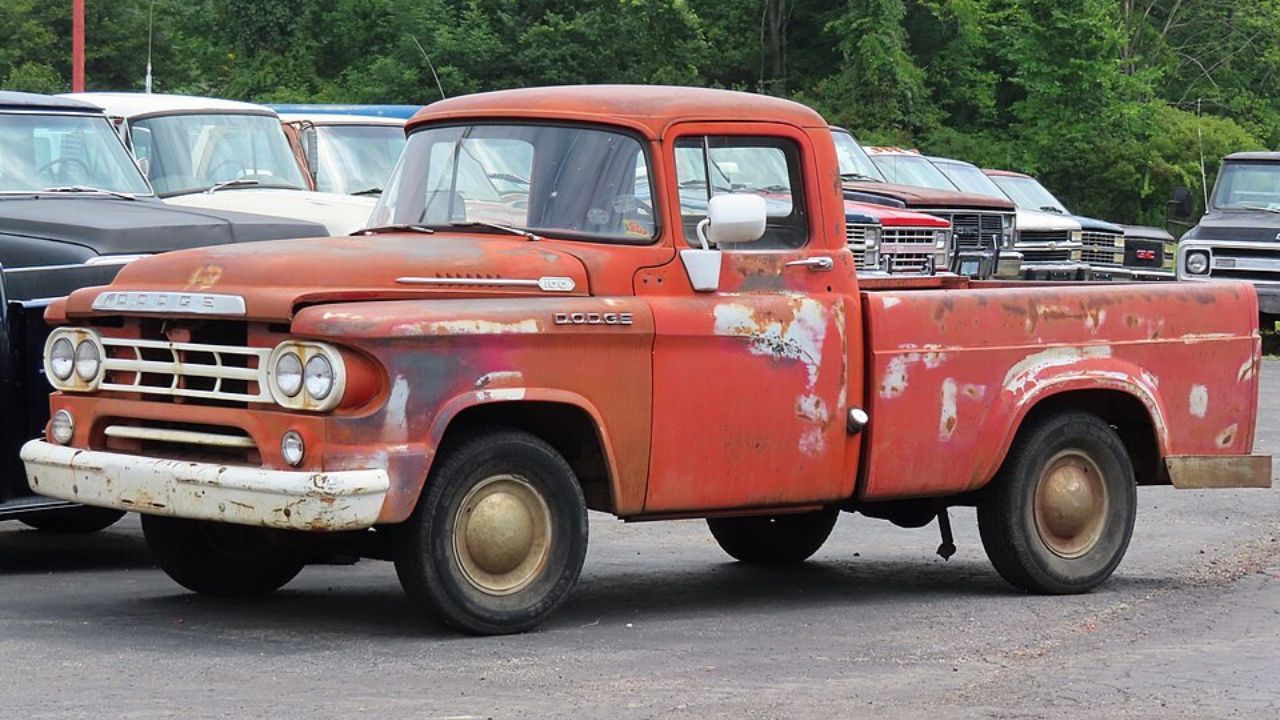
Some vintage pickups are everywhere at shows and cruise-ins, but a surprising number were built in low volumes, sold in limited regions, or simply worked themselves to death before anyone thought to preserve them. A few were quirky experiments, others were tough little workhorses from brands that didn’t always get national attention. Here are 18 classic trucks that many drivers have heard about but have rarely (or never) seen in person.
Crosley Farm-O-Road
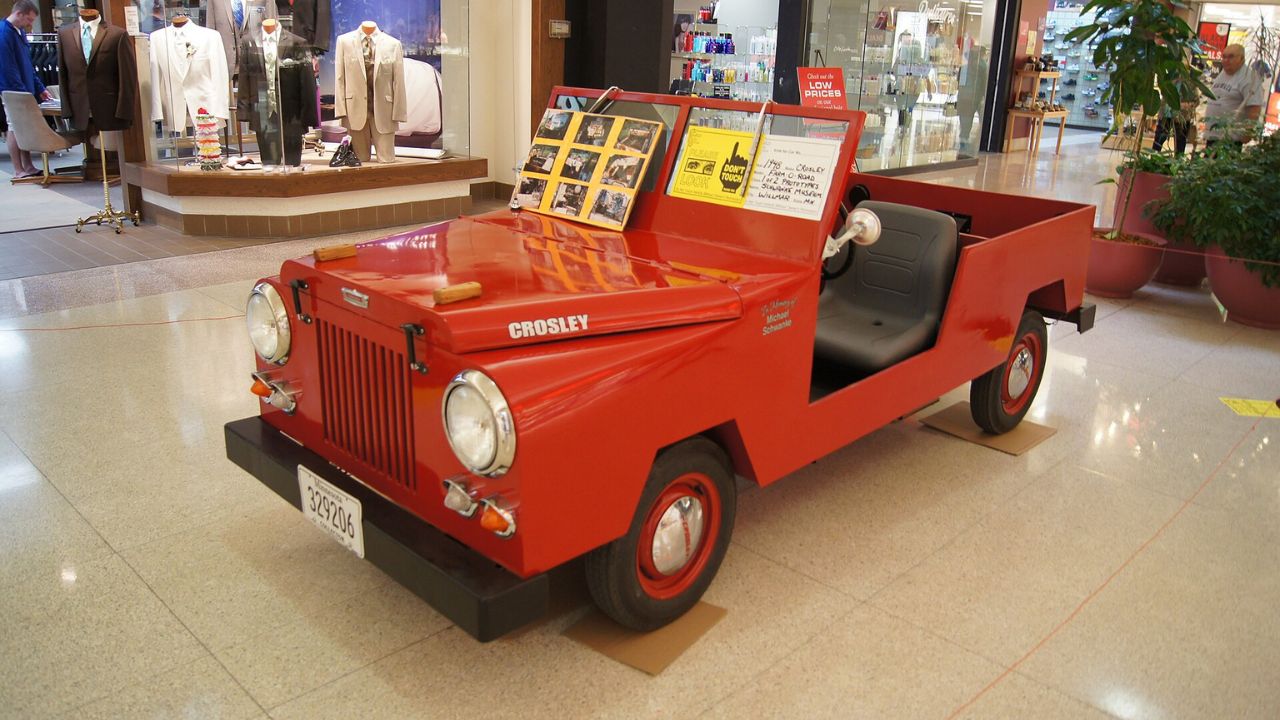
Crosley is better known for tiny cars, and that’s exactly why its pickup is so easy to miss today. The Farm-O-Road was a pint-sized utility truck with a simple, light-duty design aimed at farms and small businesses. Most were used hard and discarded, so survivors tend to be the kind of oddball you spot only at specialty microcar events.
Dodge D100 Sweptside
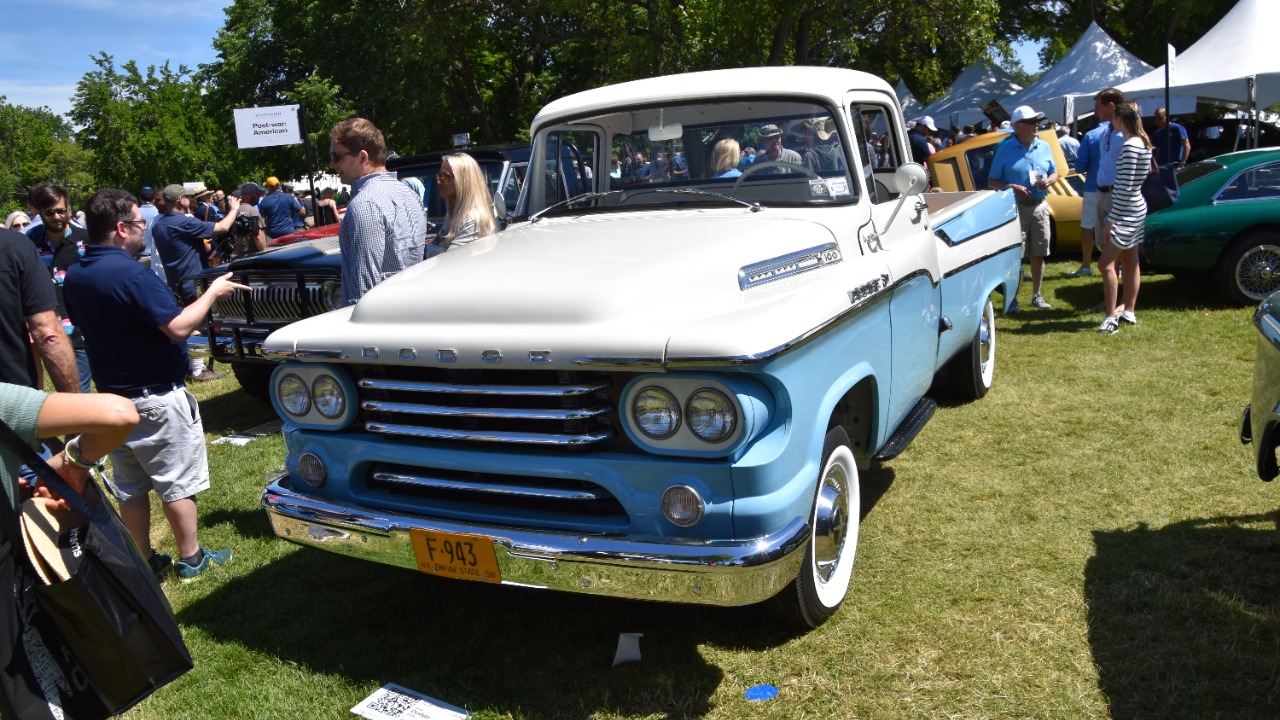
Dodge’s Sweptside is one of those “you have to see it to believe it” factory mashups: a standard pickup cab paired with finned stepside-style rear fenders inspired by the company’s station wagons. It was an attempt to give pickups a more stylized, car-like look at a time when truck buyers still prioritized function. Because it wasn’t produced in huge numbers and looked unconventional, it’s far less common than regular Dodge Sweptline-era trucks.
Chevrolet C/K Custom Sport Truck (CST)
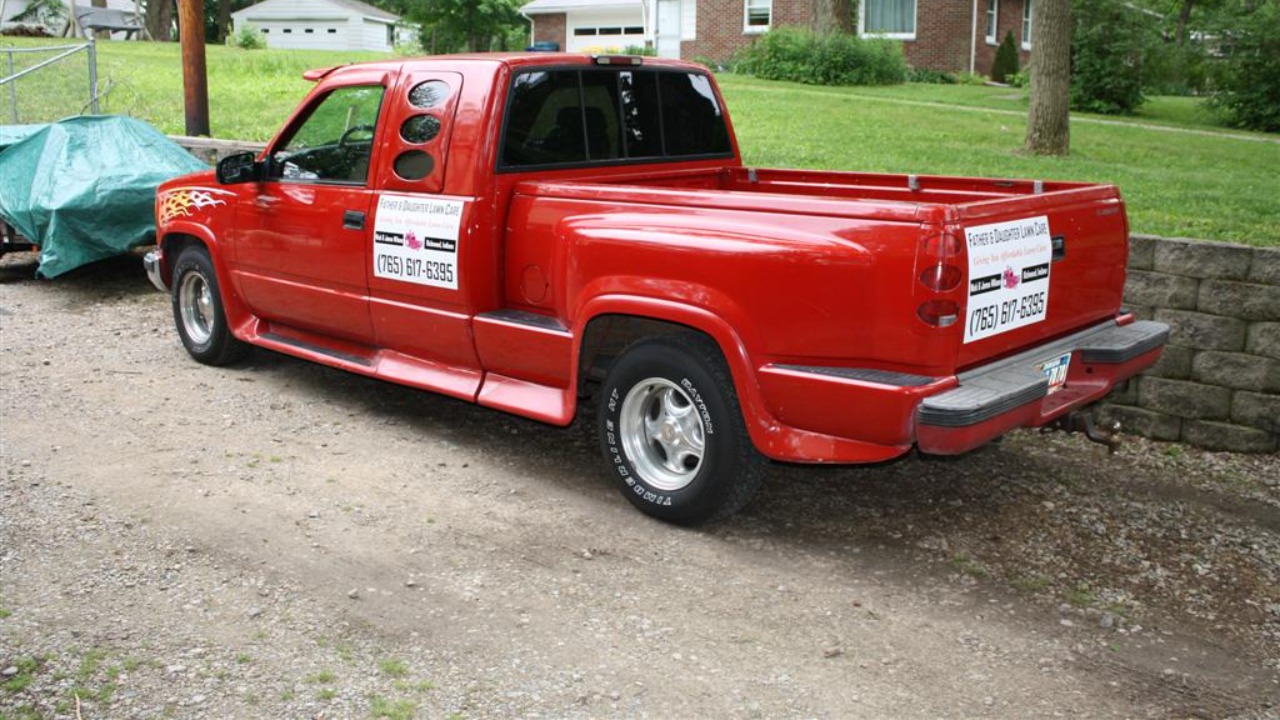
The CST package helped push the idea of a pickup as something you could option up like a passenger car. Depending on year and configuration, CST trucks could bring upgraded trim and a more comfortable interior than the average work spec. Many were still daily workers in their early life, so clean originals are much harder to encounter than a base-model C/K from the same period.
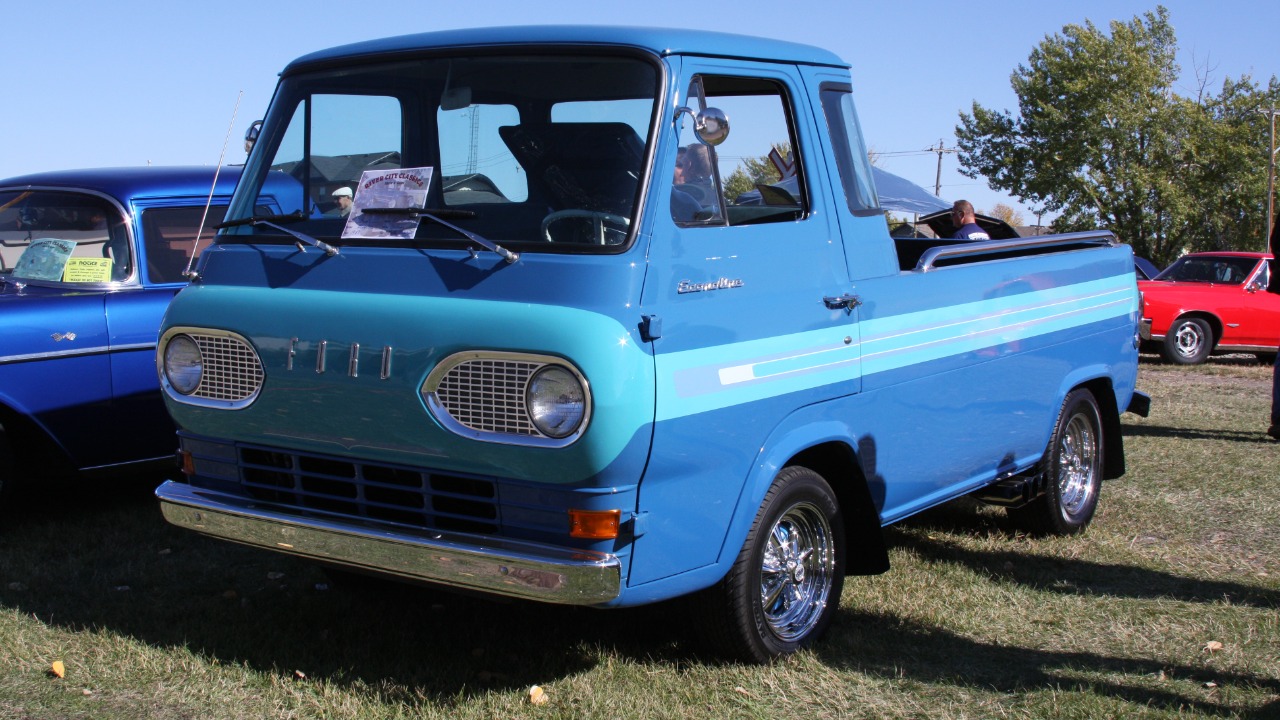
Ford Econoline Pickup
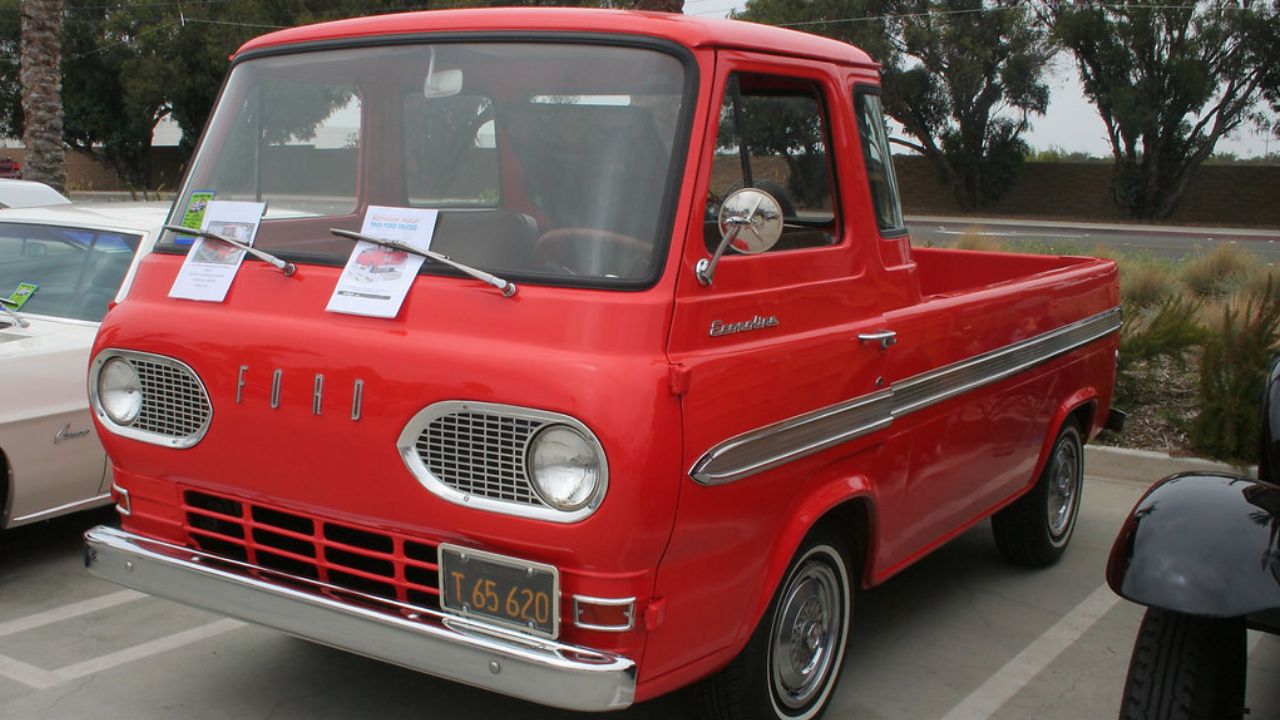
Ford’s cab-over Econoline pickup put the driver up front with the engine between the seats, maximizing bed length in a short overall footprint. It was practical in cities and for trades, but it never had the broad appeal of a conventional F-Series. Rust, hard service, and the odd driving position all contributed to their scarcity today.
International Harvester C-Series Travelette (4-door pickup)
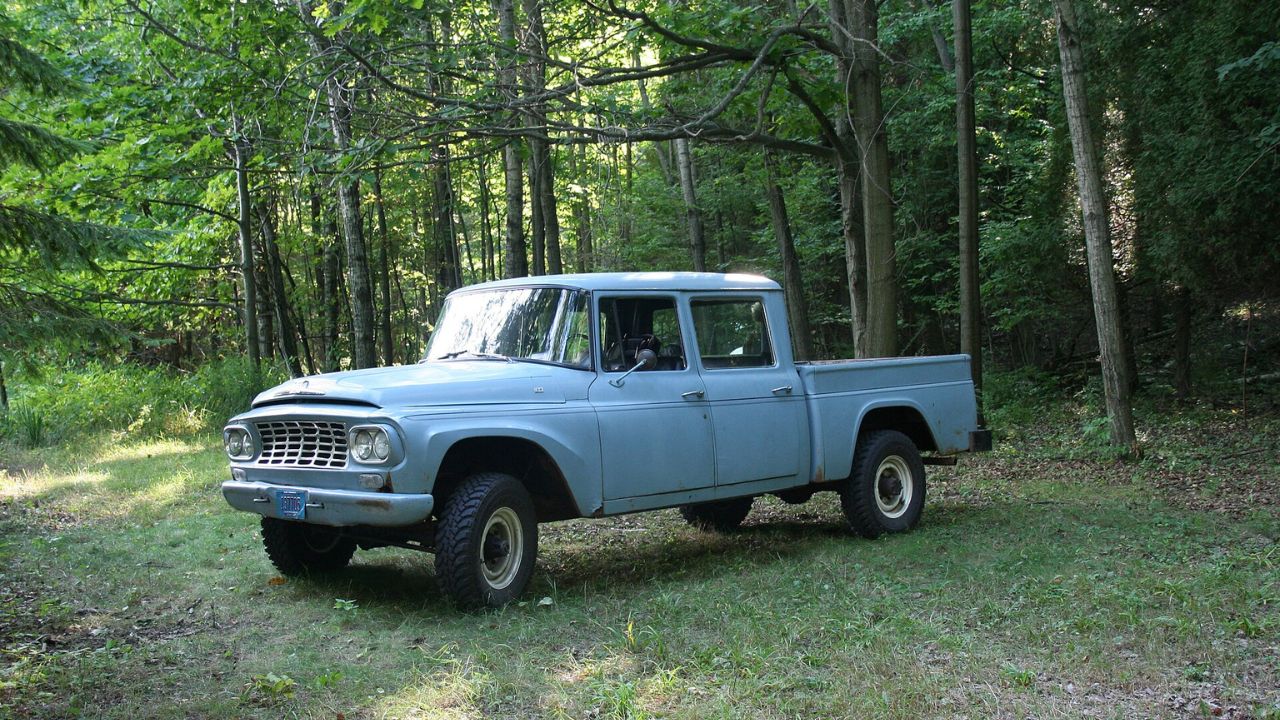
International was ahead of the curve with a four-door pickup at a time when most crew-cab-style trucks were niche. The Travelette was aimed at work crews and families who needed more seating without giving up a bed. They were commonly bought to be used, not collected, which is a big reason they’re rarely spotted outside dedicated IH circles.
Jeep FC-150 (Forward Control)
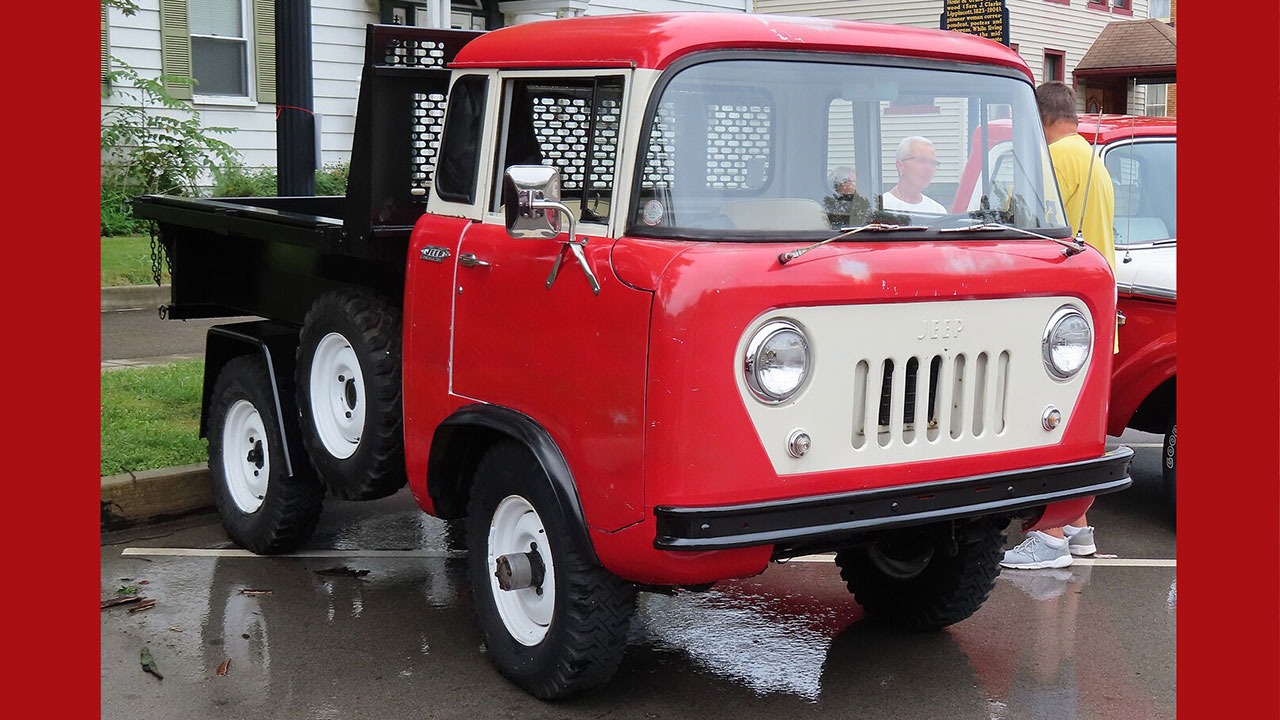
The Forward Control Jeep trucks are instantly recognizable because the cab sits over the front axle, giving them a bulldog stance. The FC-150 used Jeep mechanicals in a compact, utilitarian body that excelled in tight spaces and off-road situations. They were often put to work by municipalities and businesses, and that rough life means surviving examples tend to be few and very cherished.
Datsun 320 Pickup
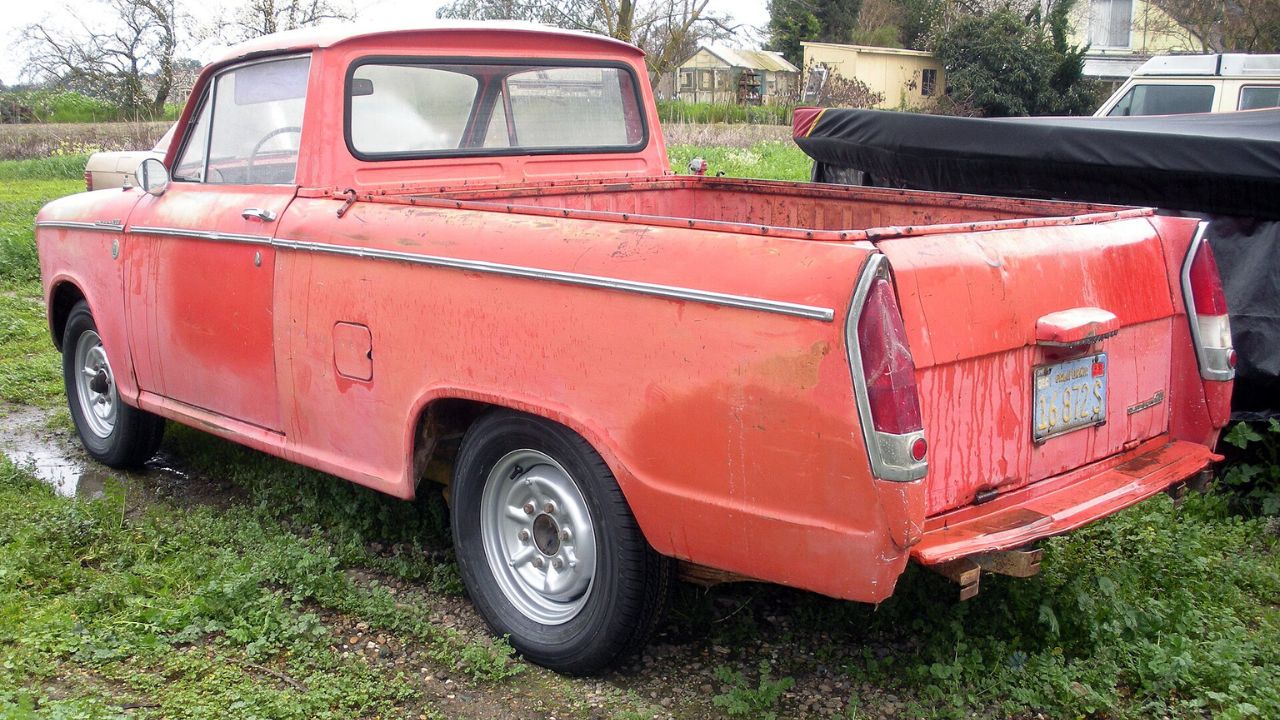
Before Datsun pickups became a familiar sight, the 320 was part of the brand’s early push into export markets with small, efficient trucks. It’s a compact, simple design that helped establish Japanese pickups in North America. Early imports like this were frequently used up and scrapped, so the 320 is far less common than later Datsun/Nissan trucks.
Mazda B-Series (early rotary-era pickups)
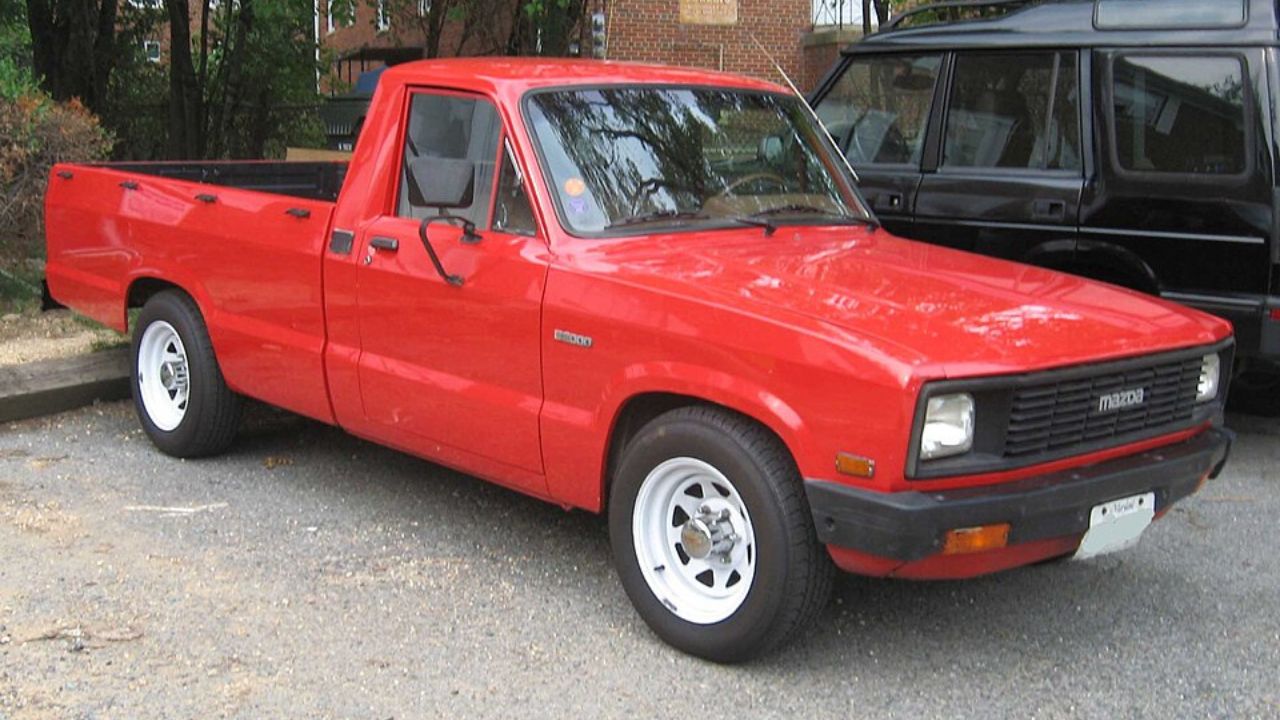
Mazda offered compact pickups in the late 1960s and early 1970s, and some markets even saw rotary-powered variants in this broader era of experimentation. The exact configurations varied by region, which adds to their “mythical” feel today. Because they were inexpensive utility vehicles when new, many simply didn’t survive long enough to become classics.
Studebaker Transtar (E-Series) Pickup
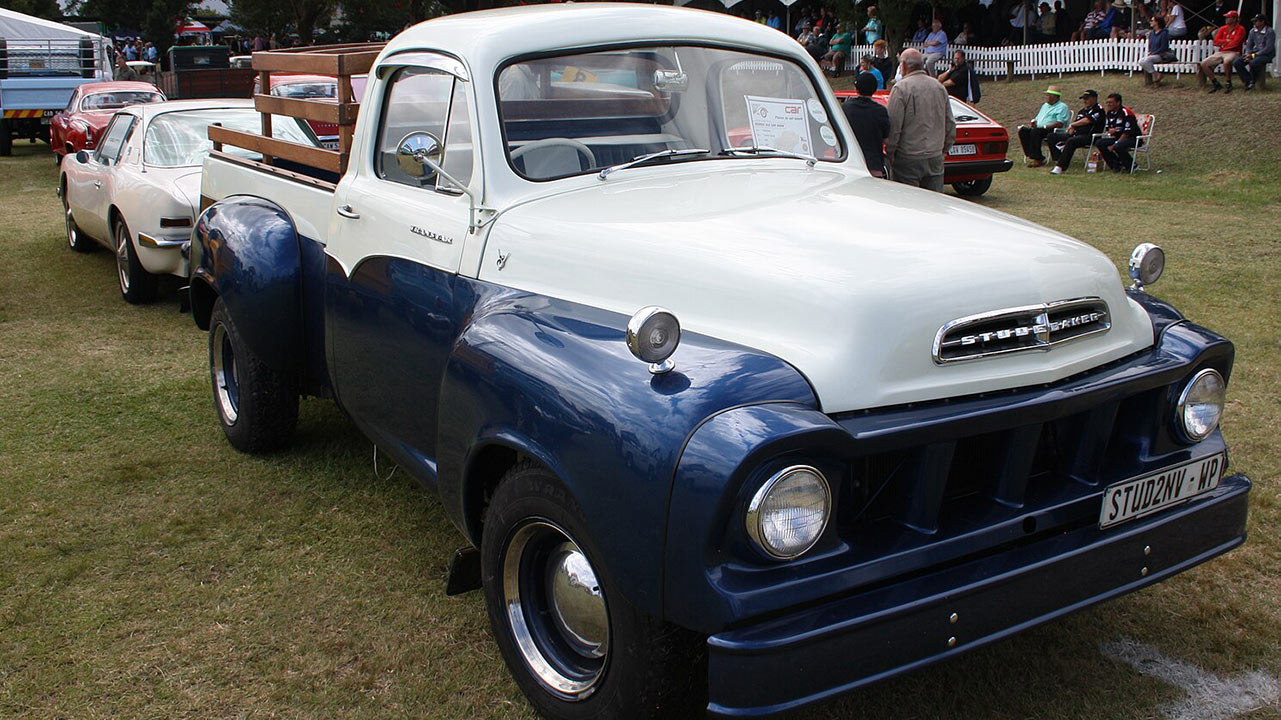
Studebaker’s late-’50s trucks had clean styling and a very different feel from the Big Three, but the company’s shrinking market presence limited how many were sold. The Transtar name spans different periods, and these 1957–1959 trucks are a distinct, under-seen slice of that history. If you spot one today, it’s often because someone specifically sought it out for its orphan-brand character.
Corvair 95 Rampside (Chevrolet)
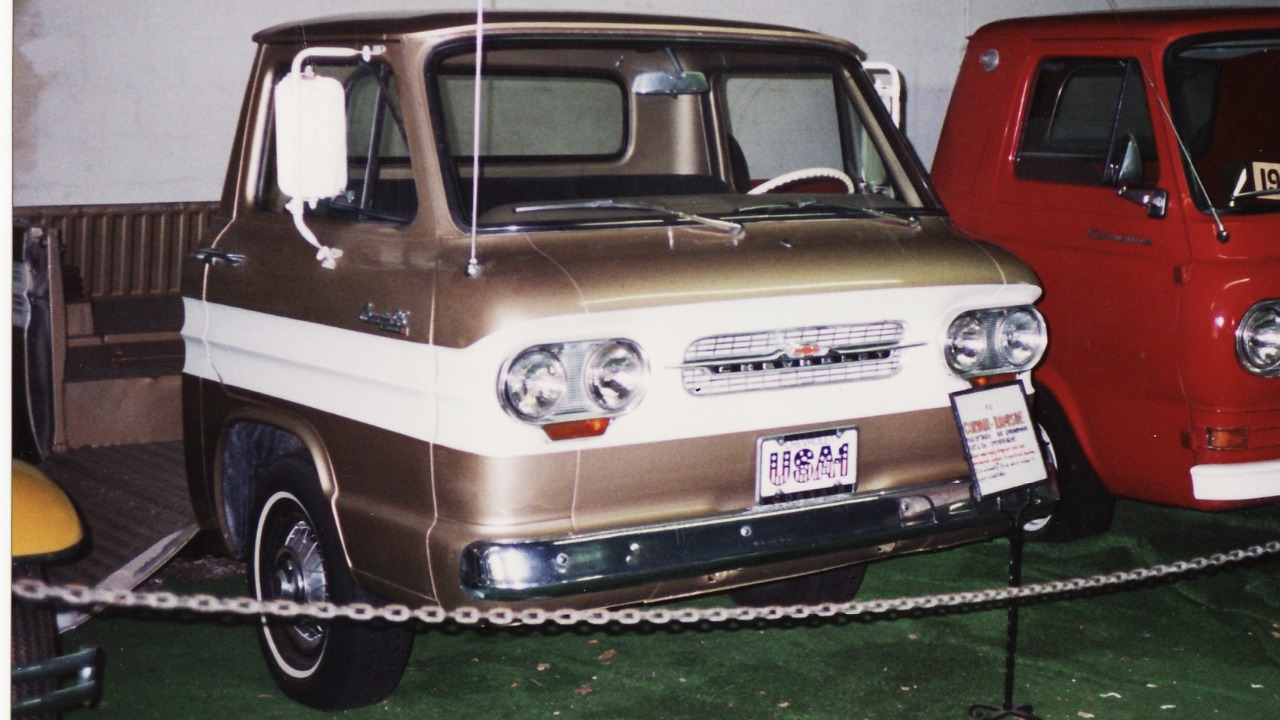
The Rampside combined rear-engine Corvair running gear with a pickup body and a side-loading ramp that’s still clever today. It was designed for deliveries and small businesses that wanted easy loading without a tall step up. The unusual layout and relatively low production compared with mainstream pickups make it a rare sight outside Corvair gatherings.
Corvair 95 Loadside (Chevrolet)
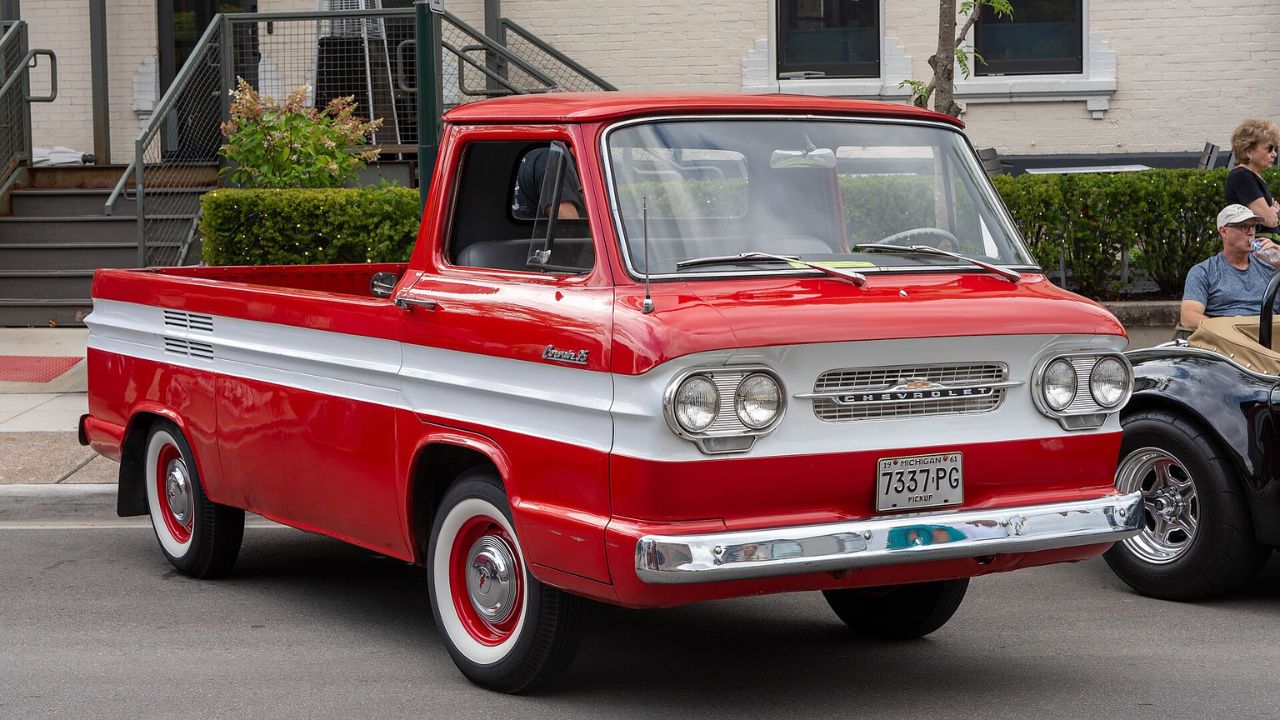
The Loadside is essentially the Rampside’s less-famous sibling, with a more conventional pickup bed instead of the side ramp. It arrived early in the Corvair 95 lineup and is seen far less often than the Rampside. Its rarity isn’t just about age—many buyers preferred the more versatile ramp configuration, leaving fewer Loadsides behind.
Ford F-100/F-250 Camper Special (period-specific packages)
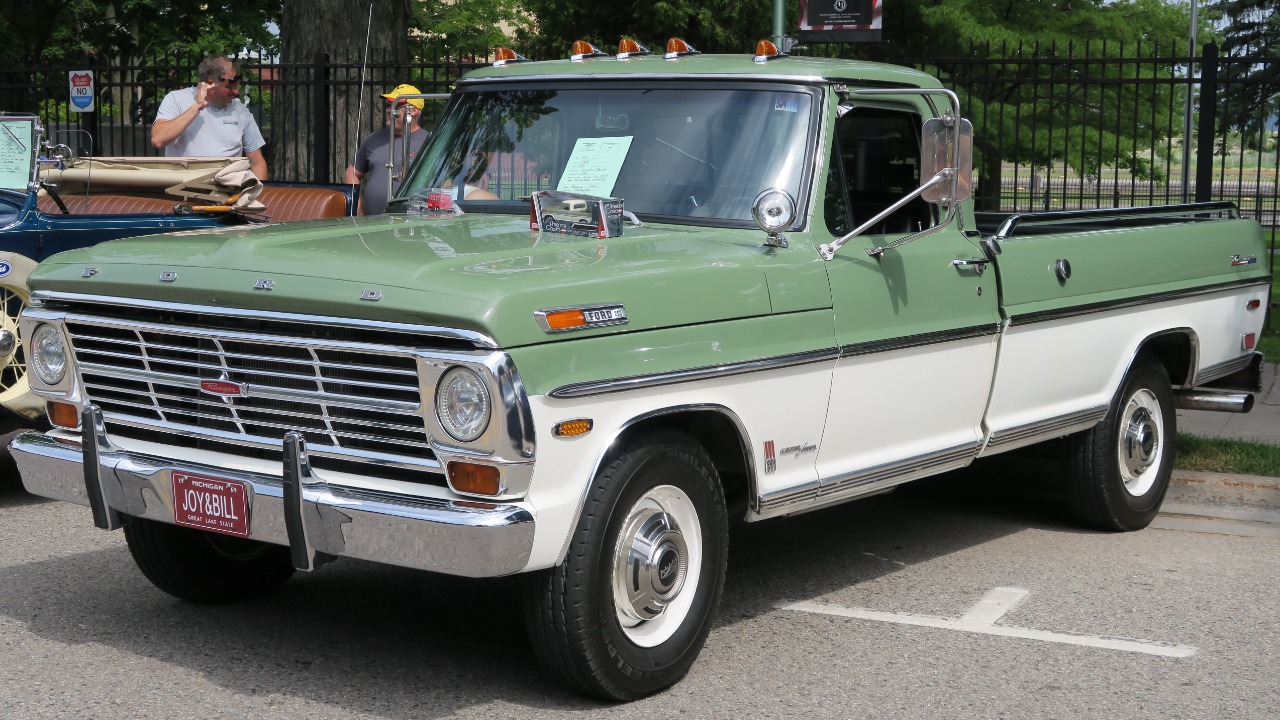
Camper-oriented packages became popular as slide-in truck campers took off, and Ford offered configurations intended to better handle that load. The details depended on year and spec, but the idea was consistent: make the pickup more suitable for hauling a camper safely and comfortably. Because these trucks often lived hard lives towing and traveling, truly preserved examples aren’t common.
Volkswagen Type 2 Single Cab Pickup
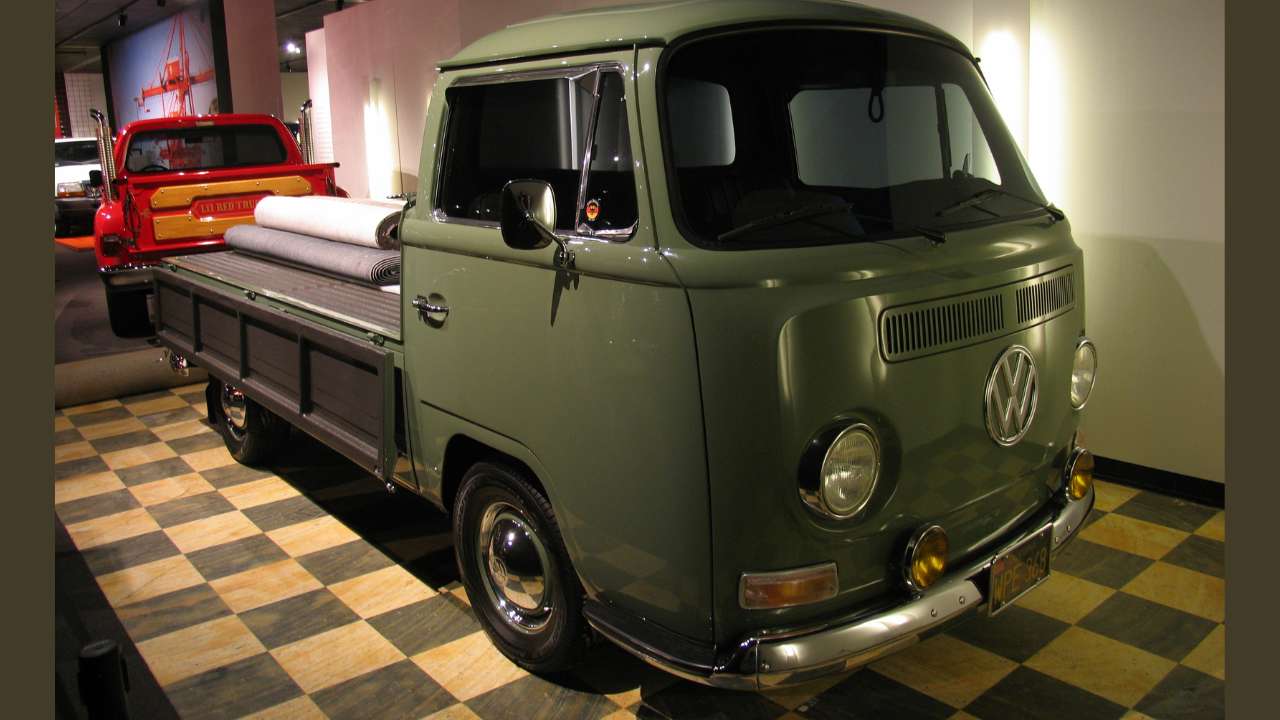
VW’s Single Cab looks familiar in silhouette, but early versions are much rarer than later buses and vans. These were working vehicles—contractor rigs, municipal trucks, and small-business haulers—so many were patched, modified, and eventually retired. Seeing an early Single Cab with correct details is a treat even for longtime VW fans.
Volkswagen Type 2 Double Cab Pickup
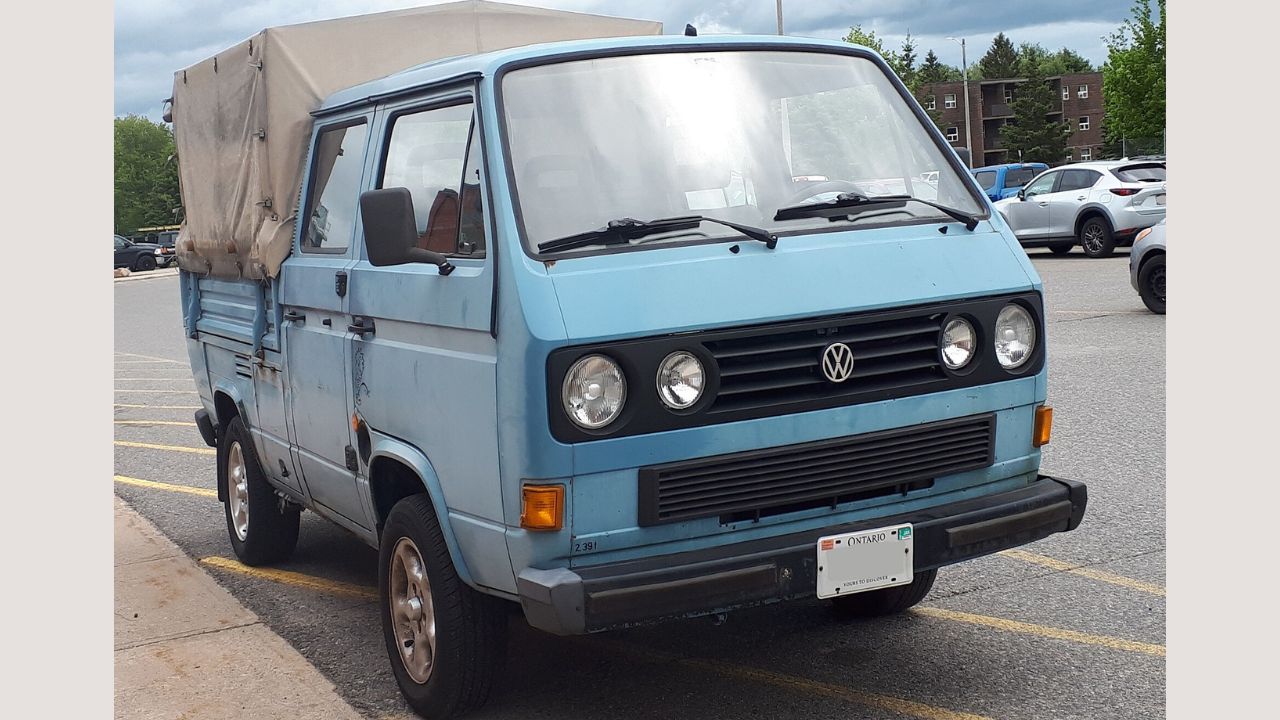
The Double Cab added a second row of seating, making it a practical crew hauler long before crew cabs became mainstream. They’re highly sought after now, which doesn’t automatically make them plentiful—many spent decades as jobsite workhorses. Original-spec examples can be tough to find because restorations often blend parts across years.
Toyota Stout (RK-series)
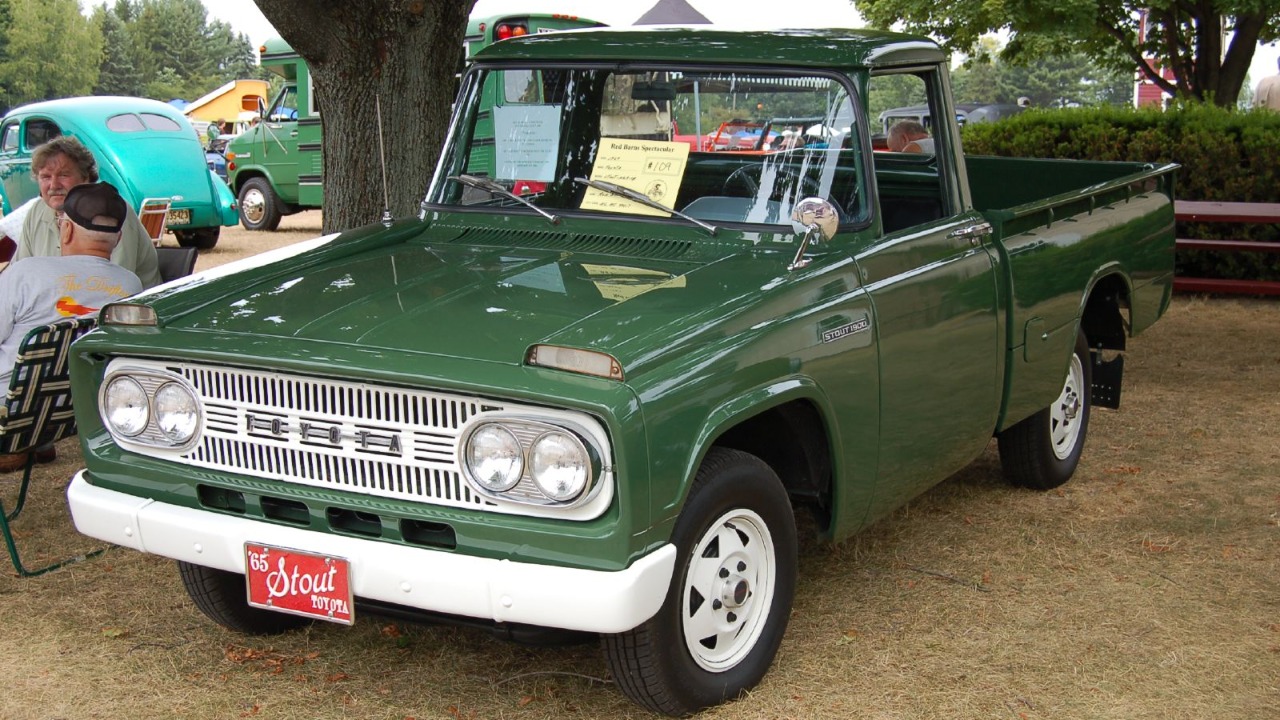
The Toyota Stout pre-dates the Hilux’s dominance and represents Toyota’s earlier approach to pickups—sturdy, straightforward, and sized differently than many compact trucks that followed. In some markets they were never especially common, and later Toyota pickups overshadowed them. As a result, the Stout tends to be something enthusiasts talk about more than they actually encounter on the road.
Mercedes-Benz L 319 Pickup/Platform Truck

Mercedes commercial vehicles from this era show up in photos and old fleet stories, but they’re rarely seen in casual modern traffic. The L 319 was part of Mercedes’ postwar light commercial lineup and could be configured in multiple body styles, including pickup-like and platform variants. Many stayed in Europe working for trades and municipalities, so sightings elsewhere are especially uncommon.
Škoda 1203 (commercial variants including pickup-style conversions)
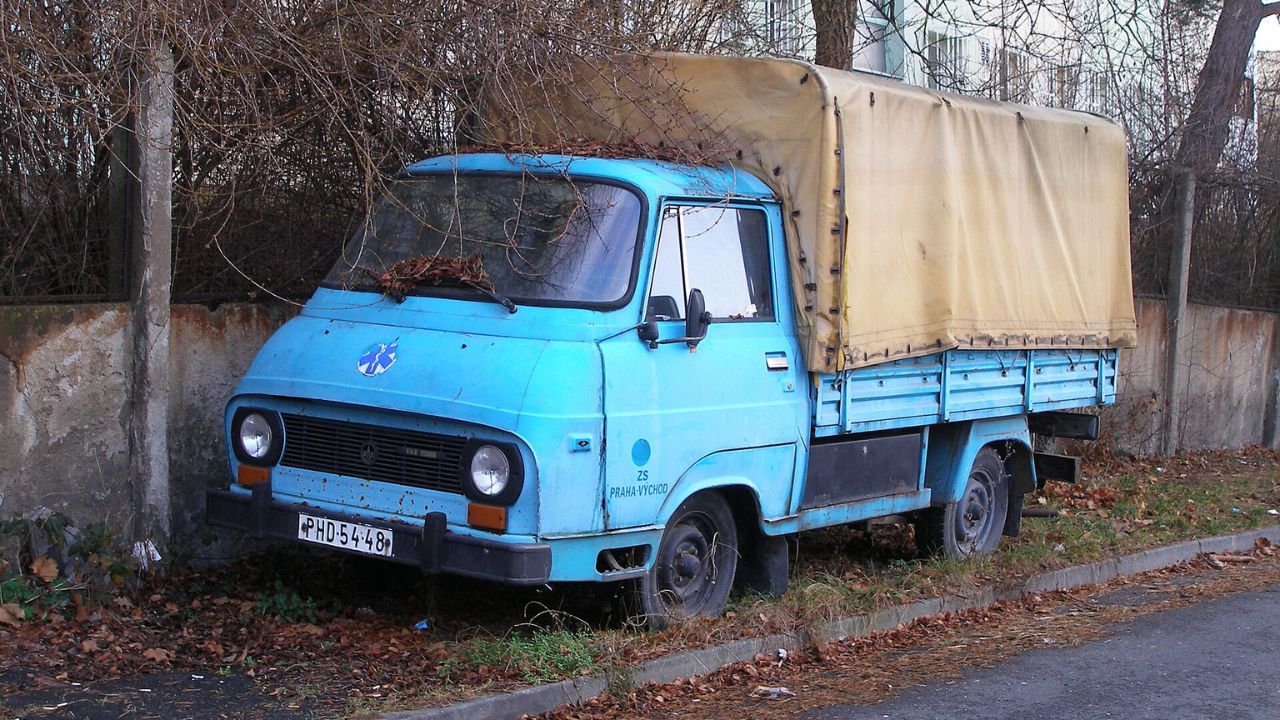
Eastern European commercial vehicles can be a blind spot for many enthusiasts, and Škoda’s 1203 platform is a good example. While best known as a van/minibus, pickup-style commercial adaptations and conversions existed in period depending on local needs. Outside its home region, it’s the kind of vintage work vehicle most drivers simply haven’t had the chance to see up close.
Holden Utility (ute) (Australia)
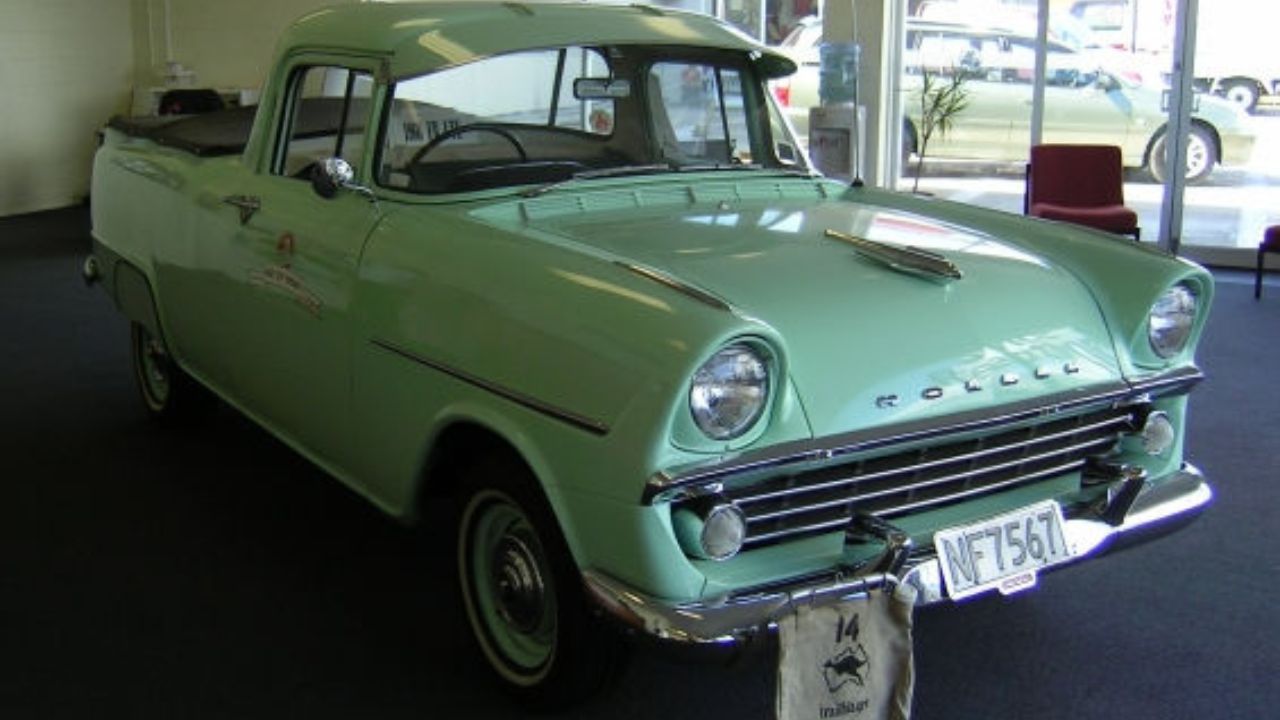
Australia’s Holden “utes” blended car fronts with a pickup bed, creating a uniquely practical vehicle category that didn’t have a direct equivalent in many other markets at the time. These were common tools for trades in Australia, but they’re far less common elsewhere unless imported by dedicated fans. When one shows up at a meet outside Australia, it tends to draw a crowd from people who’ve only seen them in magazines or online.
What makes these pickups so fascinating isn’t just rarity for rarity’s sake—it’s how clearly they reflect local needs, brand experiments, and the working lives that most trucks were built to endure. If you’re hunting for one in person, the best bets are marque-specific shows, commercial-vehicle gatherings, and smaller regional events where unusual survivors are more likely to appear. Even one sighting can change how you think about the history of the humble pickup.
More from Fast Lane Only
- Unboxing the WWII Jeep in a Crate
- 15 rare Chevys collectors are quietly buying
- 10 underrated V8s still worth hunting down
- Police notice this before you even roll window down
*Research for this article included AI assistance, with all final content reviewed by human editors.