Postwar roadsters helped define an era when driving was as much about style and character as getting from one place to another. From lightweight British two-seaters to elegant European sports cars, these open-top machines still attract attention wherever they appear. Many remain instantly recognizable, proving that good roadster design can age remarkably well.
Jaguar XK120
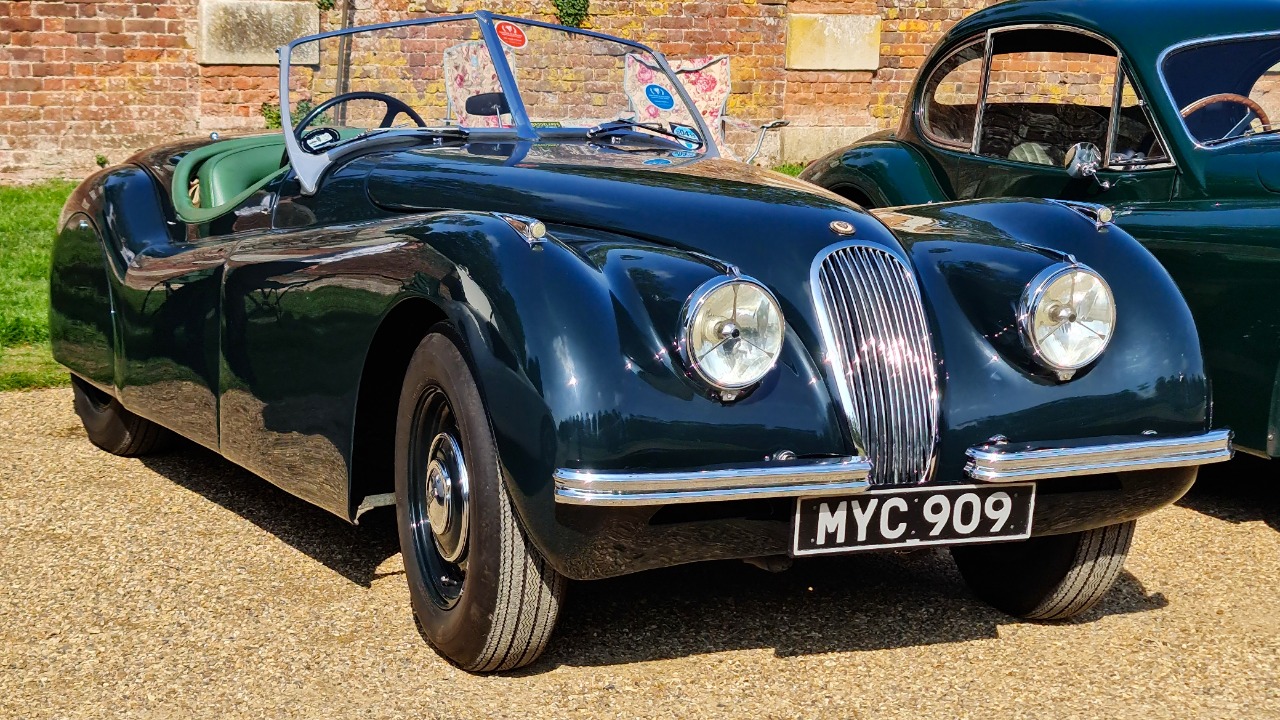
The Jaguar XK120 remains one of the most recognizable British sports cars of the postwar period. Its long hood, low body, sweeping fenders, and open cockpit gave it an unmistakable presence when new and still make it a favorite at classic-car events. The XK120 also combined elegant styling with genuine performance, giving Jaguar an important place in the international sports-car market. Even standing still, it looks fast, which explains why this roadster continues to draw crowds decades after its debut.
Porsche 356 Speedster
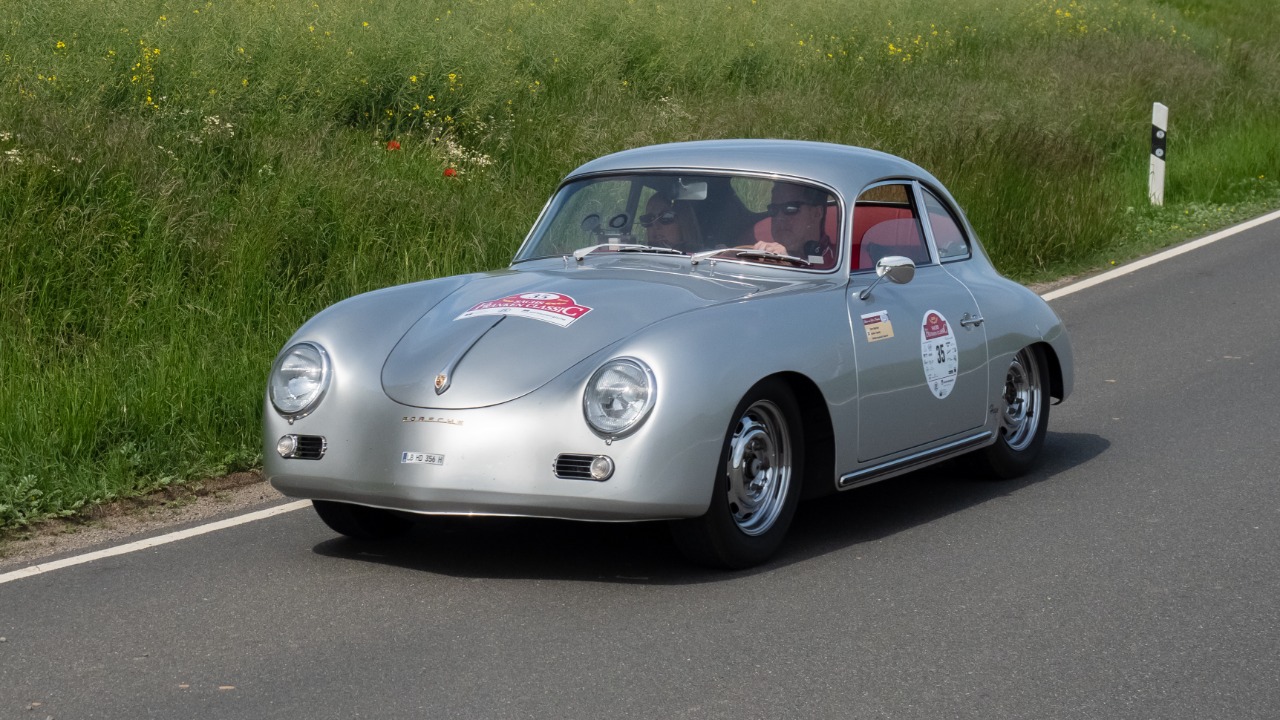
The Porsche 356 Speedster turned simplicity into an advantage. Its low windshield, compact proportions, simple cockpit, and rounded body gave it a distinctive appearance that remains instantly recognizable. The lightweight design also made the car engaging without needing enormous power. Today, the Speedster has become one of the most desirable early Porsches, but its appeal goes beyond collectibility. It captures the uncomplicated character of early postwar sports cars while carrying the unmistakable visual identity that would influence Porsche for decades.
Mercedes-Benz 190 SL
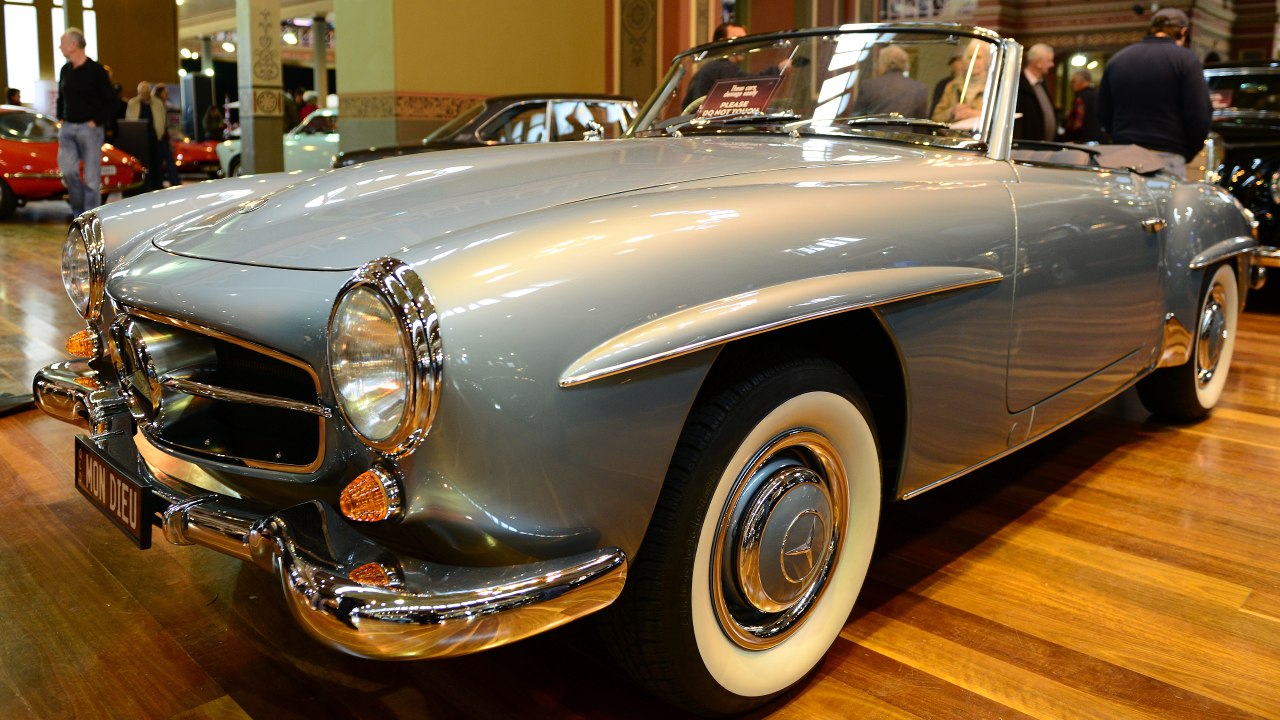
The Mercedes-Benz 190 SL brought much of the elegance associated with larger Mercedes roadsters into a smaller package. Its graceful body, upright grille, rounded fenders, and restrained detailing give it a timeless appearance. Unlike many sports cars of its period, the 190 SL emphasized sophistication as much as performance. That combination helped it appeal to buyers who wanted an open-top car that could look appropriate outside a hotel or on a winding road. Its elegant proportions still make it a standout at classic-car gatherings.
Austin-Healey 3000
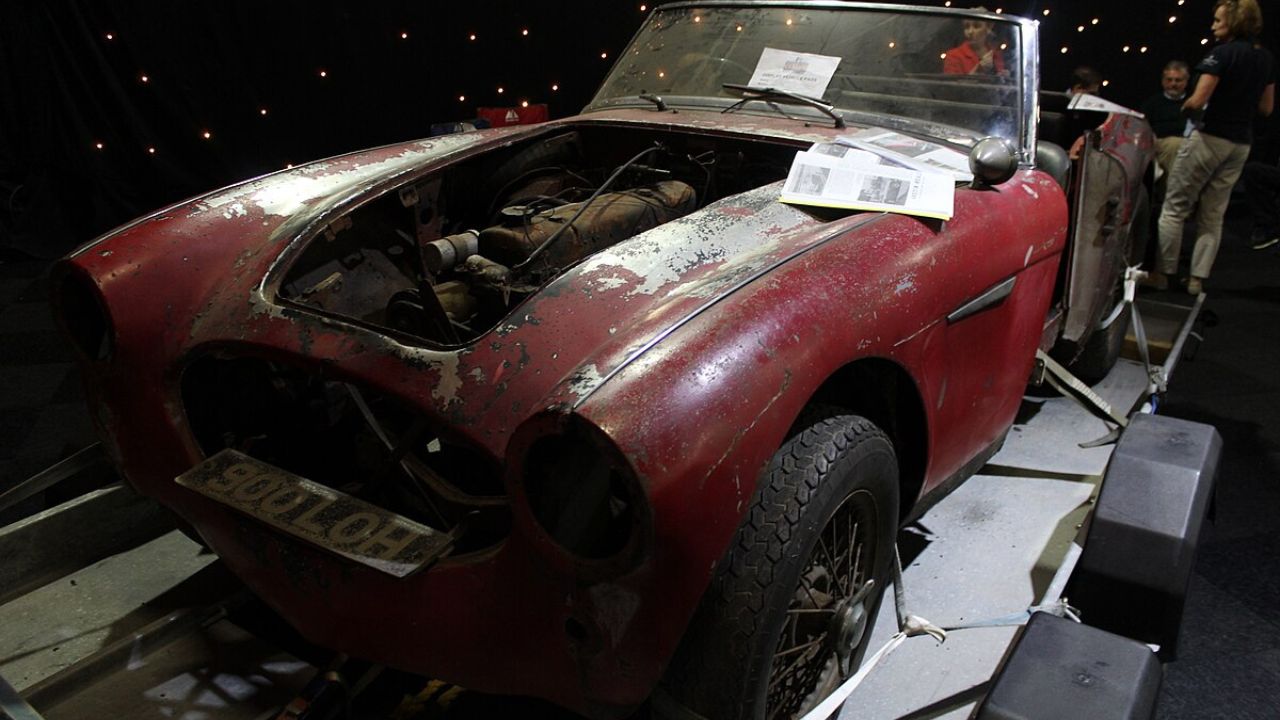
The Austin-Healey 3000 has the kind of appearance that immediately communicates classic British sports-car character. Its long hood, simple grille, wire wheels, and compact passenger compartment give it an unmistakable roadster profile. The car also developed a strong reputation among enthusiasts for its straightforward mechanical character and enjoyable driving experience. Today, seeing one in good condition is enough to attract attention from people who may not even be classic-car specialists. It remains one of the most recognizable British roadsters of its generation.
MG MGA
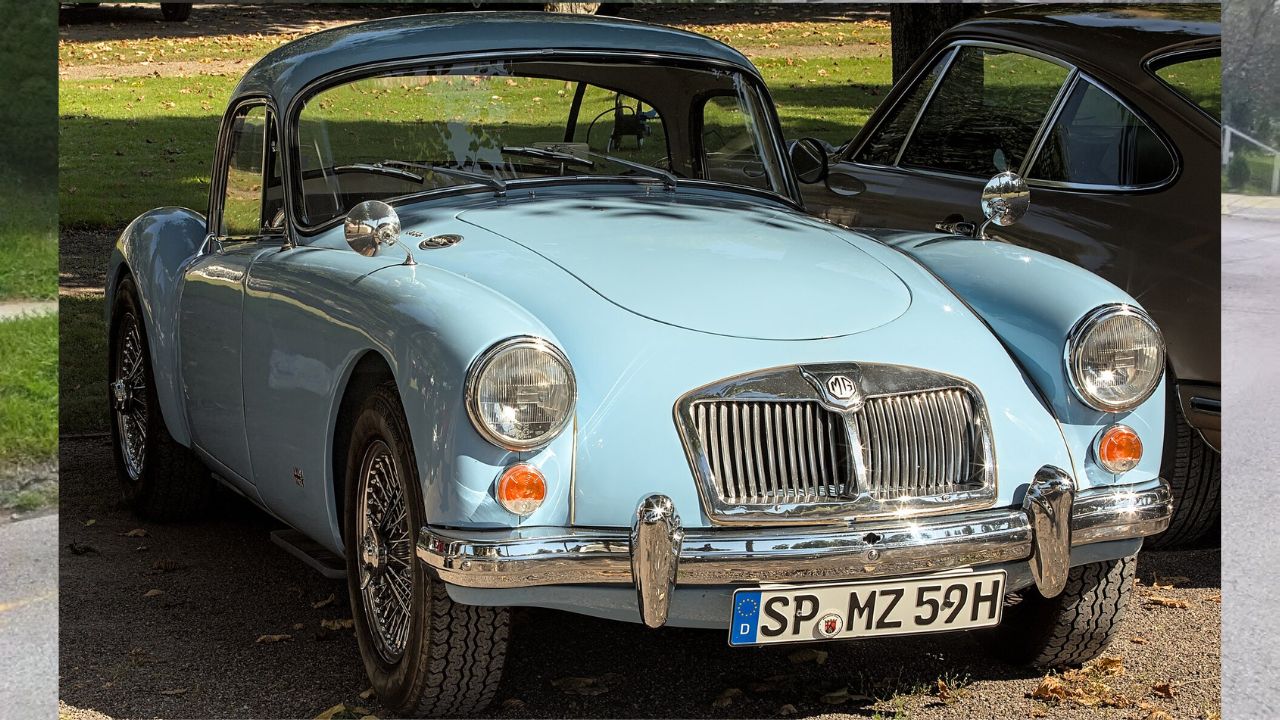
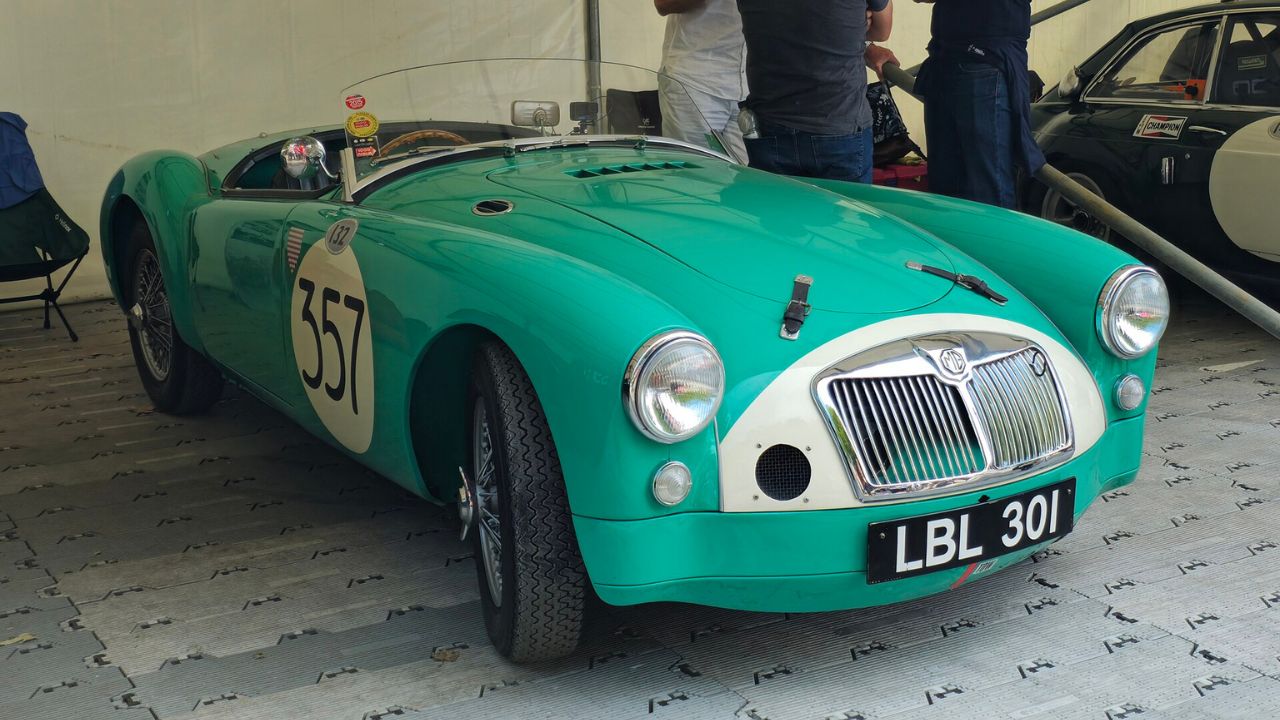
The MG MGA represented a major styling change for MG when it arrived. Compared with earlier MG sports cars, its smooth bodywork and streamlined fenders looked considerably more modern. The design remains attractive because it avoids excessive decoration and relies on clean proportions. Its compact dimensions also give it an approachable appearance that works especially well in an open-top configuration. Whether finished as a road-going example or prepared for historic competition, the MGA still has the visual presence that made it memorable when it was new.
Triumph TR3
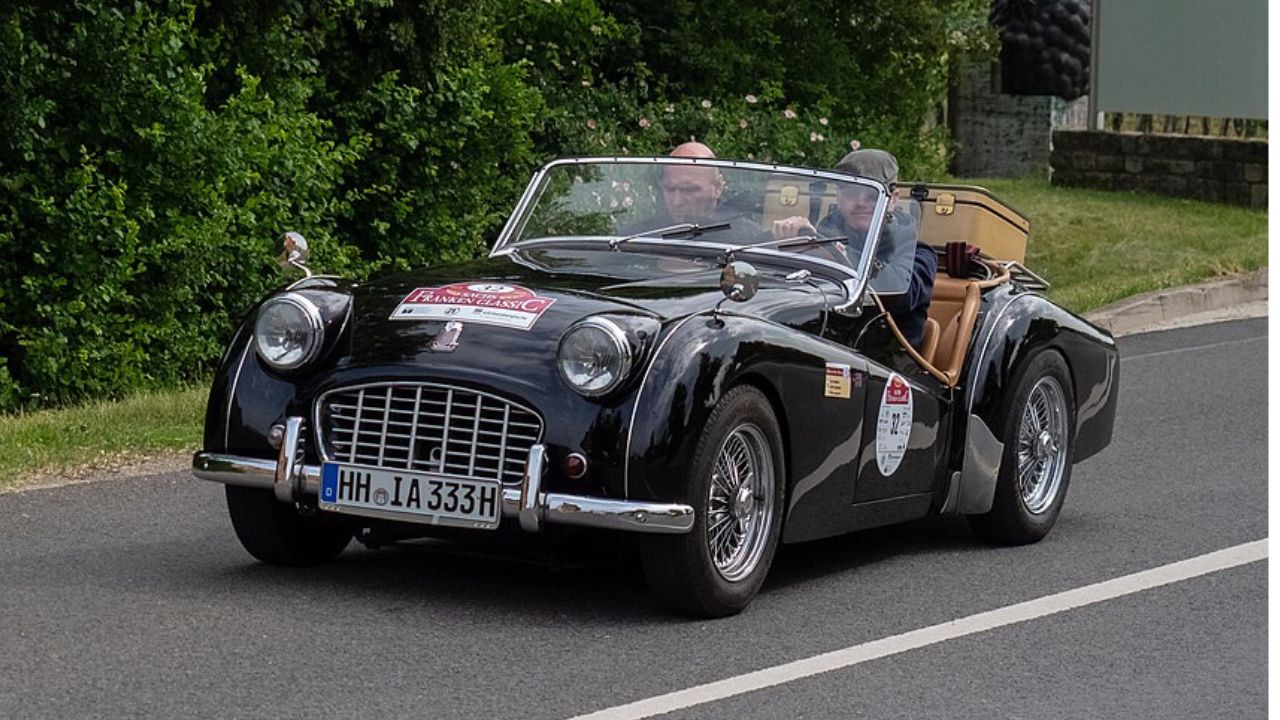
The Triumph TR3 has a wonderfully straightforward appearance that has aged well. Its broad grille, cut-down doors, exposed wheels, and low stance make it look purposeful without appearing overly complicated. The car was also closely associated with the classic British sports-car experience, combining an open cockpit with a relatively simple mechanical layout. A well-kept TR3 can still attract attention simply by arriving at a gathering. Its upright windshield and distinctive front end make it particularly easy to recognize among other vintage roadsters.
Chevrolet Corvette
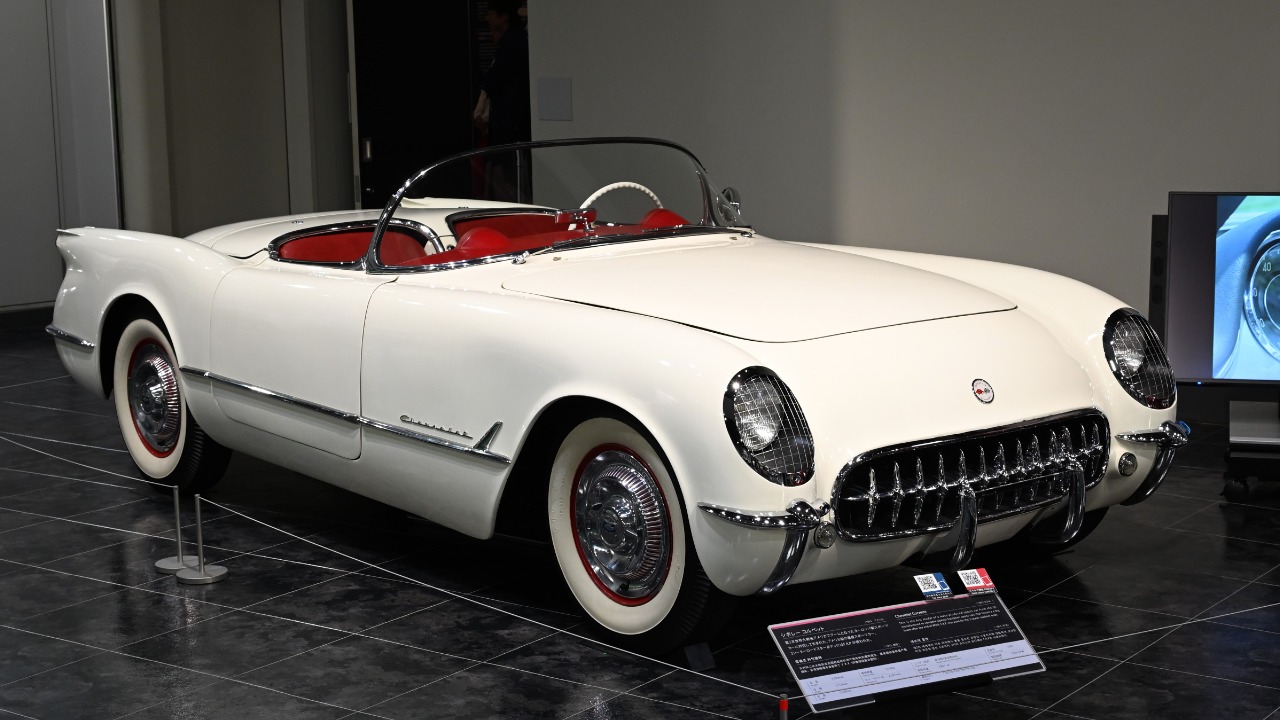
The early Chevrolet Corvette helped establish the American two-seat sports car as a serious automotive category. Its fiberglass body, rounded fenders, prominent grille, and open-top design gave it a character unlike conventional American sedans of the period. Later versions became increasingly powerful, but the basic Corvette formula remained instantly recognizable. Today, early Corvettes attract attention because they represent an important chapter in American automotive history. Their compact proportions and unmistakable styling still make them stand out among larger classic American cars.
Fiat 124 Spider
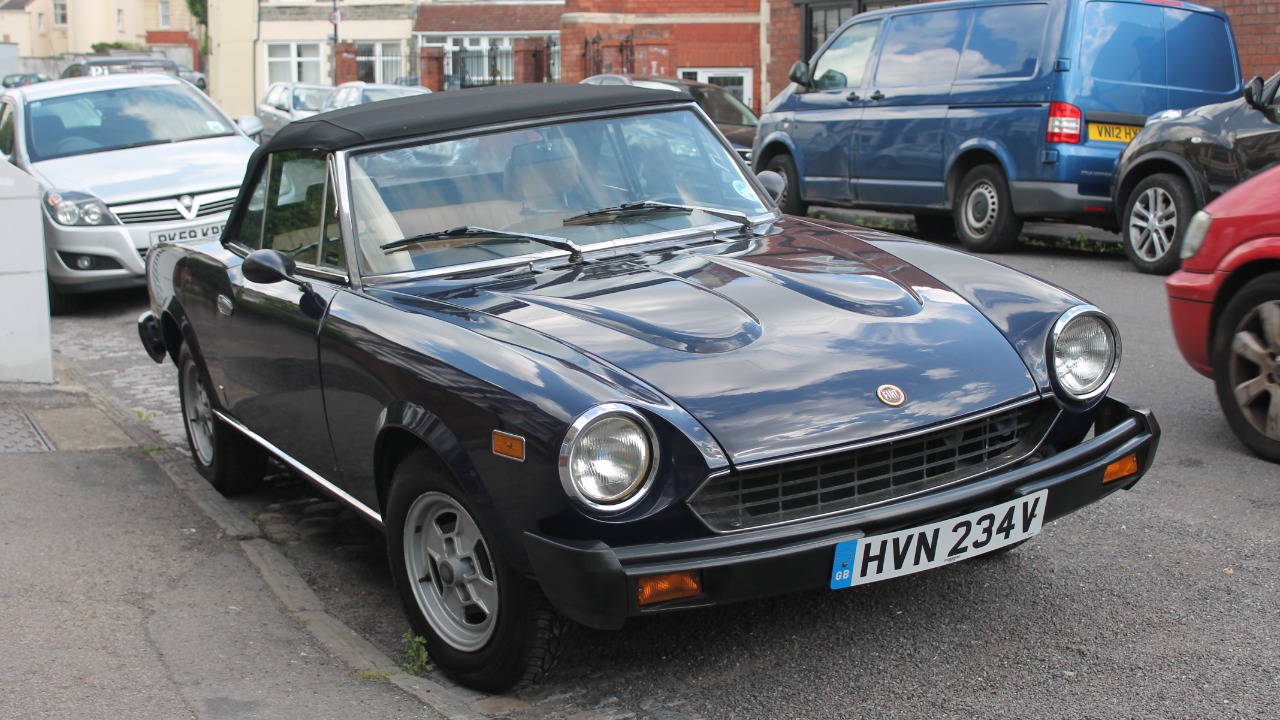
The Fiat 124 Spider brought Italian styling to a relatively accessible roadster. Designed with clean lines and balanced proportions, it looked sophisticated without being excessively dramatic. The compact body, long hood, and neatly integrated convertible top give it a profile that remains attractive today. Its association with Pininfarina also adds to its appeal among enthusiasts who appreciate classic Italian design. Unlike some larger and more extravagant European sports cars, the 124 Spider has an understated quality that makes its appearance age particularly gracefully.
Alfa Romeo Giulietta Spider
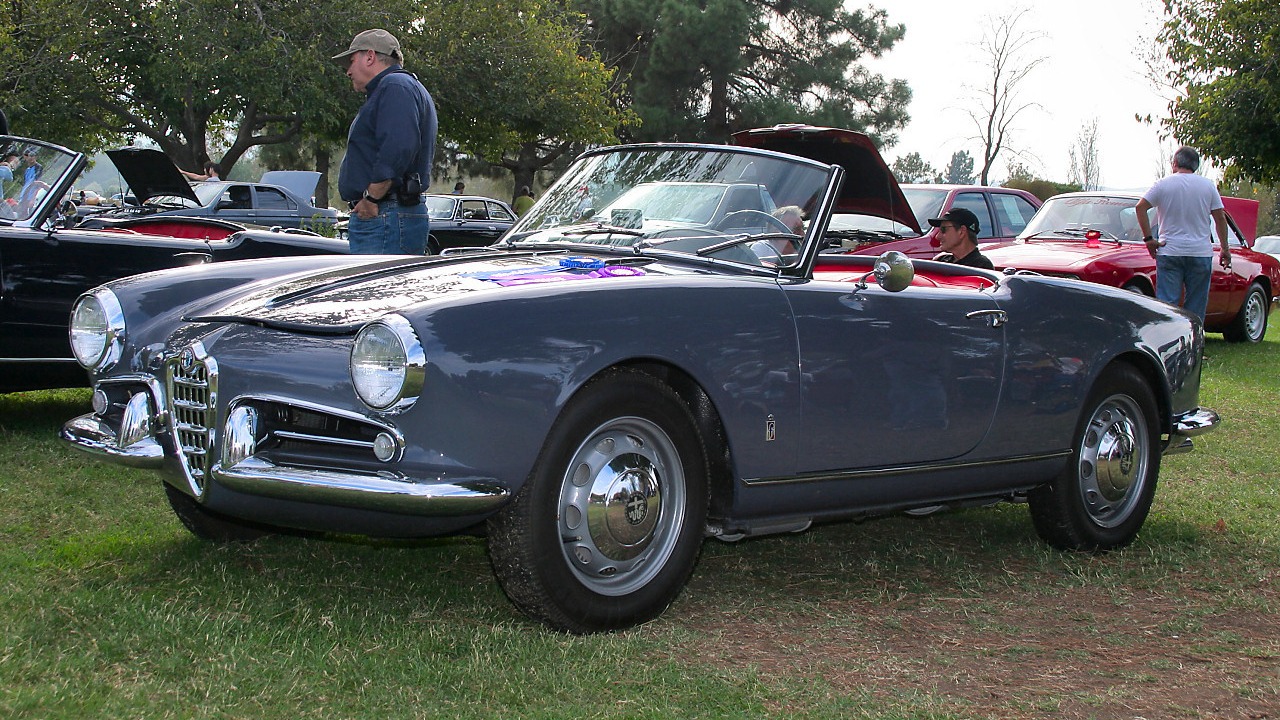
The Alfa Romeo Giulietta Spider is a classic example of how simple proportions can create an unforgettable design. Its small grille, rounded fenders, low hood, and compact body give it an elegant appearance from almost every angle. The roadster also carries the unmistakable character of postwar Italian automotive design, when lightweight sports cars became symbols of style and freedom. A well-preserved Giulietta Spider can easily become the focal point of a collection or car show because its shape remains distinctive without relying on excessive ornamentation.
BMW 507
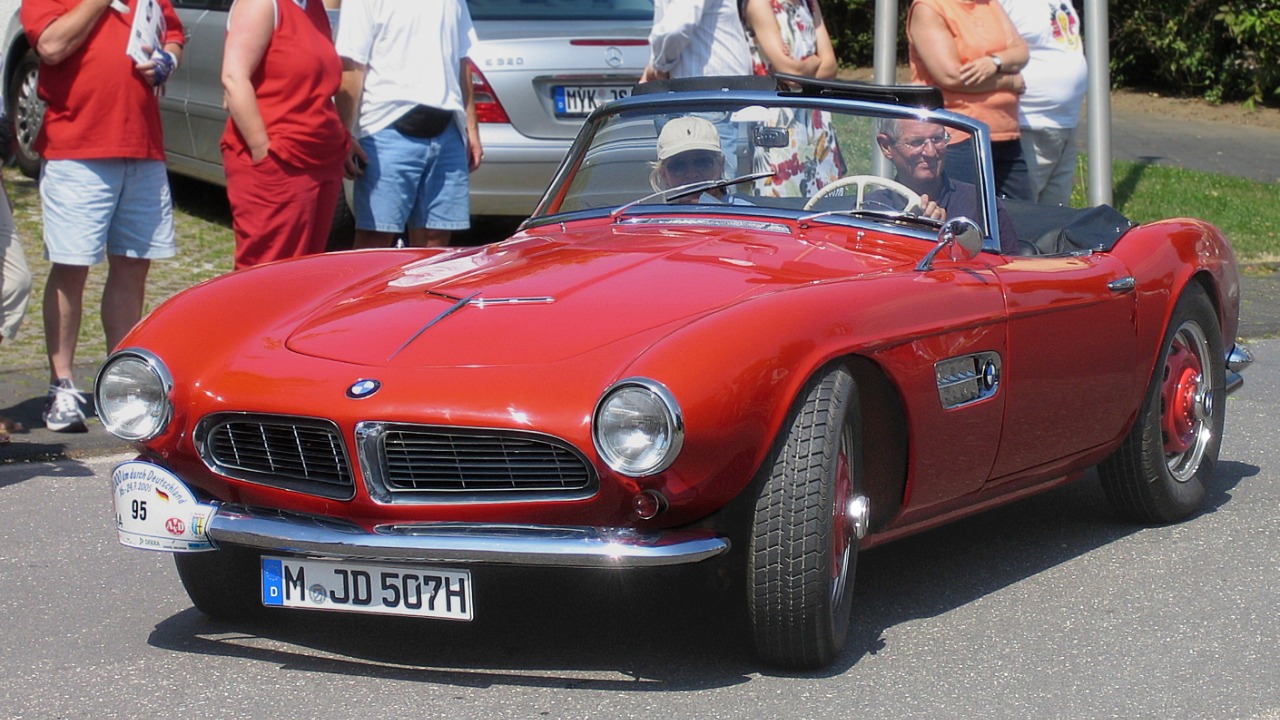
The BMW 507 is one of the most visually striking roadsters of the postwar era. Its long hood, low nose, side vents, sculpted fenders, and carefully balanced proportions give it an unmistakable presence. The design was created with a strong emphasis on elegance, making the car look more like a rolling piece of modernist sculpture than a conventional sports car. Because production numbers were limited, surviving examples are particularly rare. Even among expensive classics, the 507 has a shape that can stop people in their tracks.
Triumph TR4
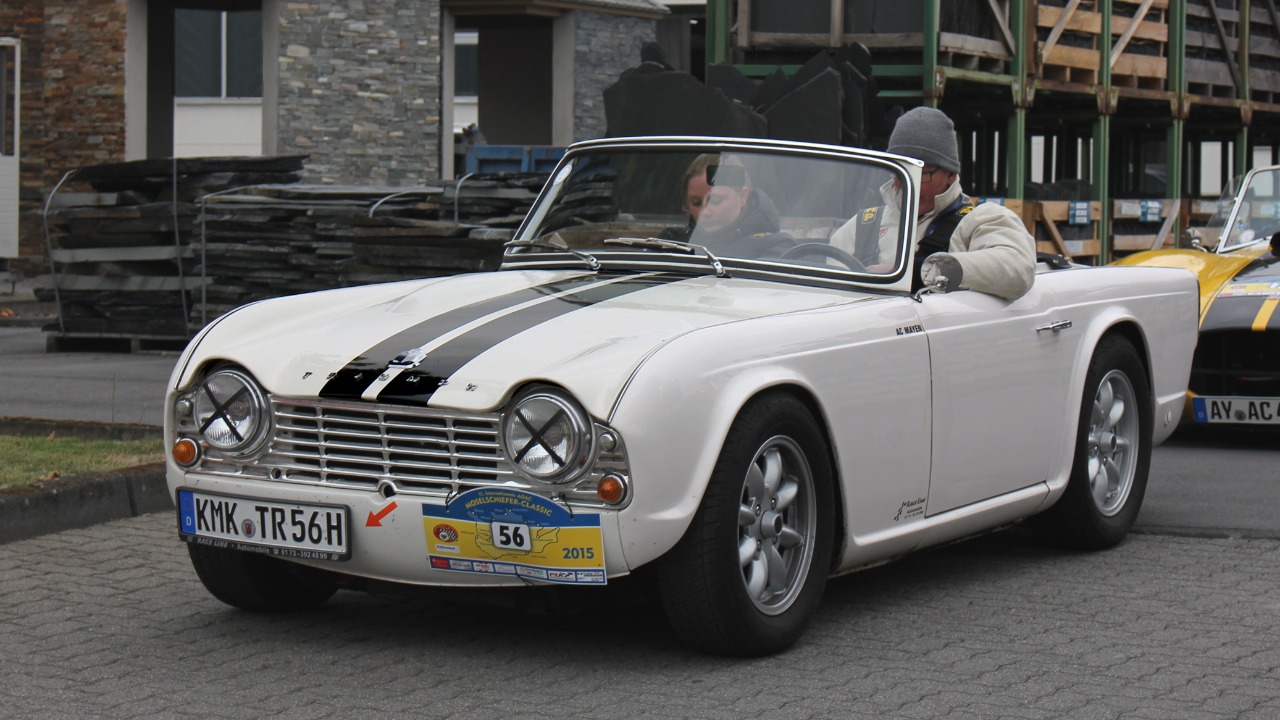
The Triumph TR4 gave the traditional British roadster formula a more modern appearance. Its straightened body lines, wider grille, and carefully integrated details made it look more contemporary than earlier Triumph models while retaining the familiar open-top character. The design also gave the car a stronger visual presence without making it appear oversized. Today, the TR4 remains popular because it sits at an interesting point between traditional British sports-car styling and the cleaner shapes that became common during the 1960s.
Austin-Healey Sprite
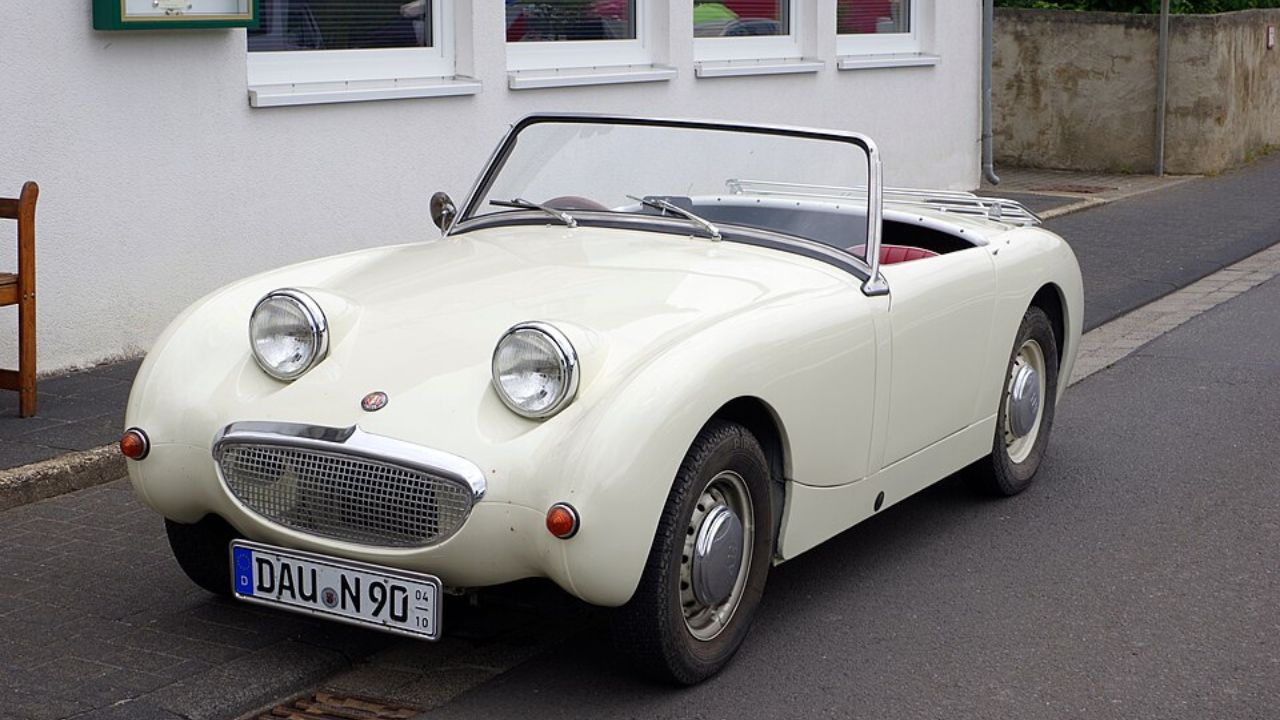
The Austin-Healey Sprite proved that a roadster did not need to be large or expensive to attract attention. Its tiny dimensions, rounded body, simple grille, and famously distinctive early headlights gave it a personality all its own. The car’s small size is a major part of its charm, especially when it appears alongside much larger classics. Today, Sprites remain popular with enthusiasts who appreciate lightweight sports cars and straightforward design. Few postwar roadsters have such an instantly recognizable combination of small size and cheerful character.
Jaguar XK140
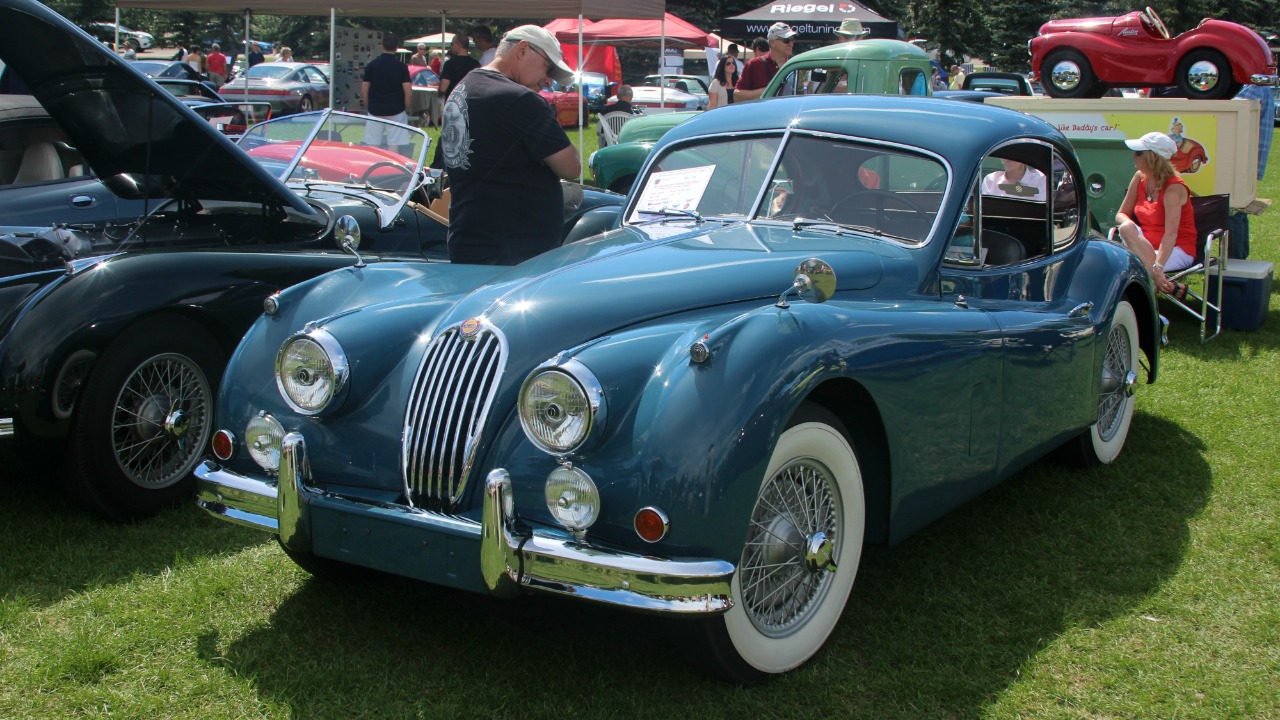
The Jaguar XK140 retained the elegant formula established by the XK120 while introducing a slightly more substantial and refined appearance. Its flowing fenders, long hood, upright grille, and low windshield give it the classic proportions enthusiasts expect from a Jaguar roadster. The car also has enough visual presence to stand out without looking excessive. For many collectors, the XK140 represents an appealing middle ground between the raw character of earlier sports cars and the greater comfort and refinement that would become increasingly important in luxury roadsters.
MG MGB
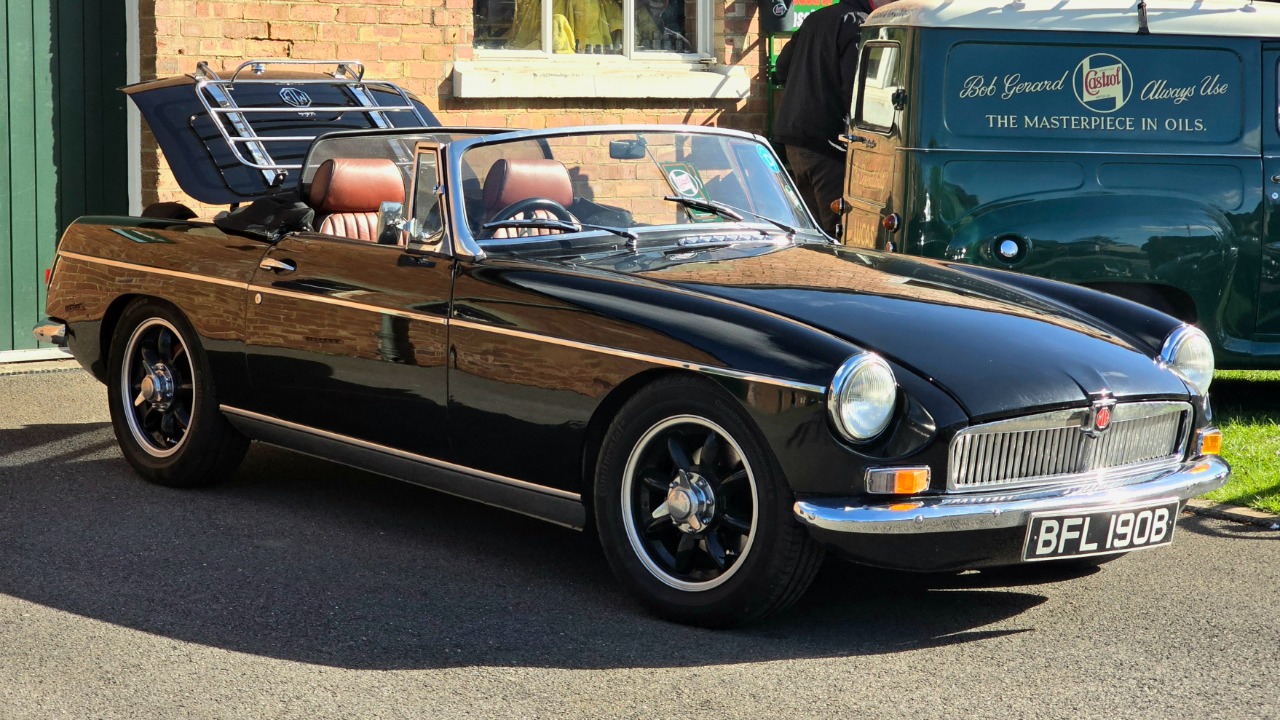
The MG MGB became one of the best-known British roadsters ever produced, and its straightforward styling remains a major part of its appeal. The simple grille, rounded fenders, compact cabin, and clean body lines give it an unmistakable profile. Unlike some rare classics, the MGB is still familiar to a wide audience, making it especially effective at attracting attention from both enthusiasts and casual observers. Its proportions also capture the classic British roadster formula without the visual complexity found on many larger sports cars.
Triumph TR6
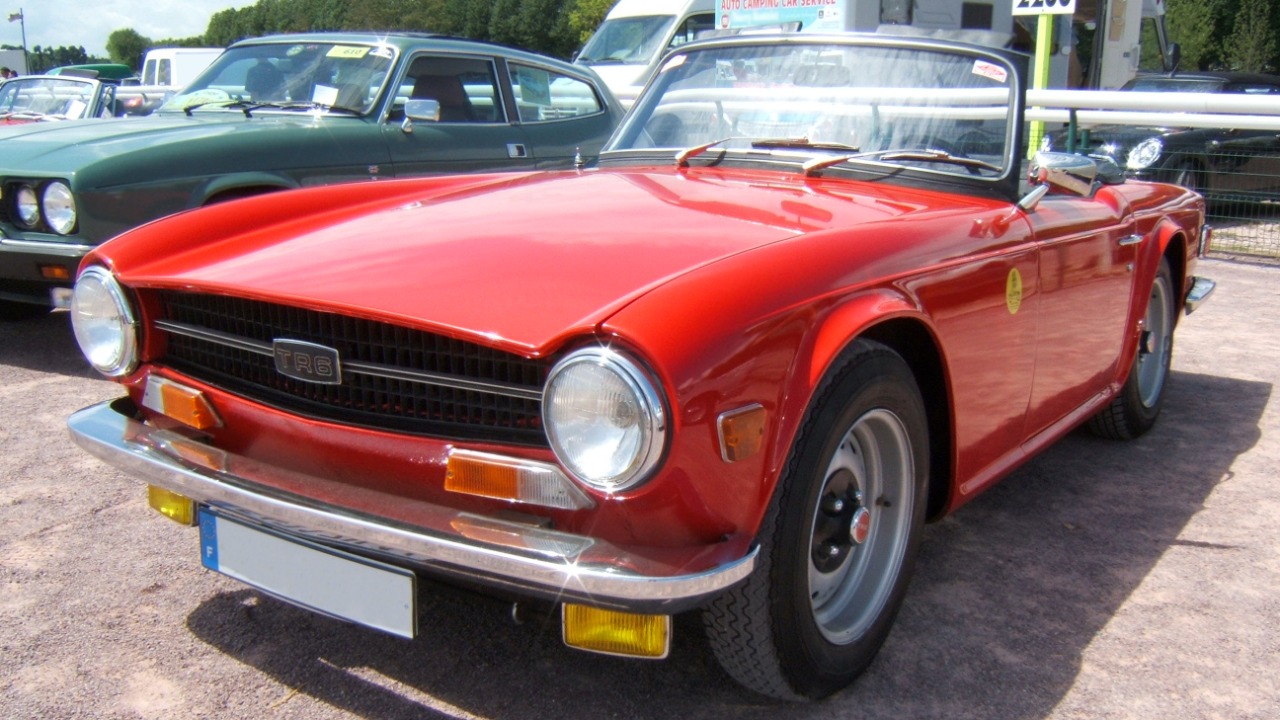
The Triumph TR6 combined traditional roadster proportions with a more muscular appearance. Its long hood, short rear deck, broad stance, and squared-off bodywork give it a particularly confident look. The design is less delicate than earlier Triumph roadsters, which helps explain why it still appeals to enthusiasts who prefer a tougher classic appearance. The TR6 also has a strong following among British-car fans, ensuring that a clean example rarely goes unnoticed at gatherings, rallies, or weekend drives.
Mercedes-Benz 280 SL
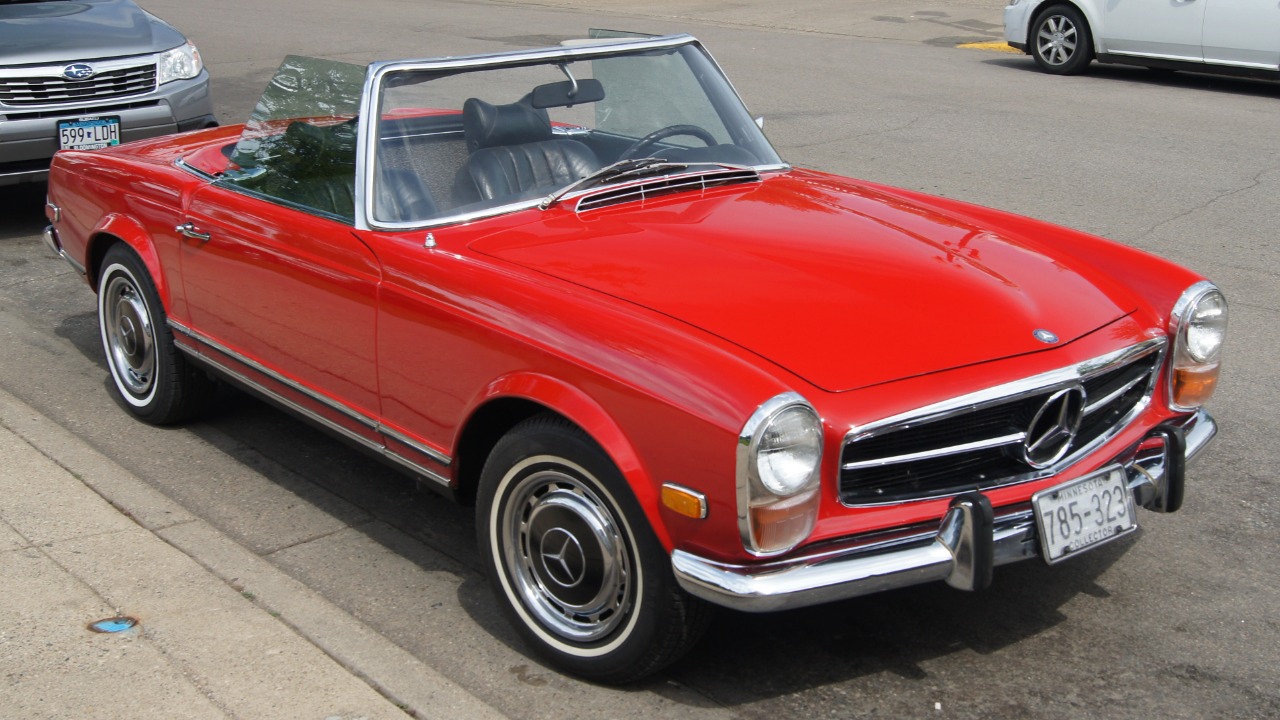
The Mercedes-Benz 280 SL, part of the famous Pagoda SL family, remains one of the most elegant roadsters of its era. Its distinctive roof design, upright grille, restrained chrome, and crisp body lines created a look that was sophisticated without being flashy. The roadster’s proportions have aged exceptionally well, and its styling is immediately recognizable even to people who are not dedicated Mercedes enthusiasts. Its combination of luxury, practicality, and open-air driving helped establish the SL as a long-running Mercedes-Benz tradition.
Sunbeam Alpine
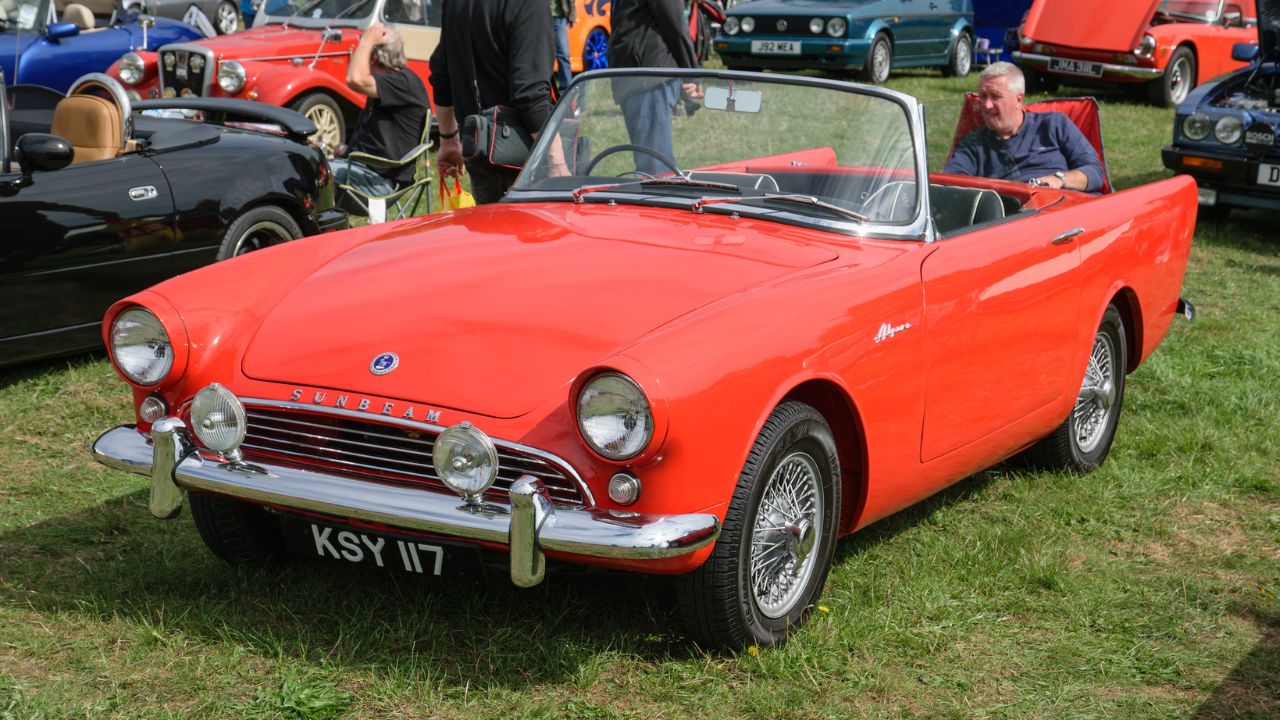
The Sunbeam Alpine brought a more practical interpretation of the British roadster to the market. Its clean bodywork, modest dimensions, and simple convertible layout made it easy to recognize without relying on extravagant styling. The Alpine also became associated with popular culture, giving the model an additional layer of nostalgia for many enthusiasts. Today, its restrained shape looks distinctly period-correct while remaining attractive. It is the kind of classic that can generate conversation precisely because it is less common than better-known British roadsters.
Lotus Elan
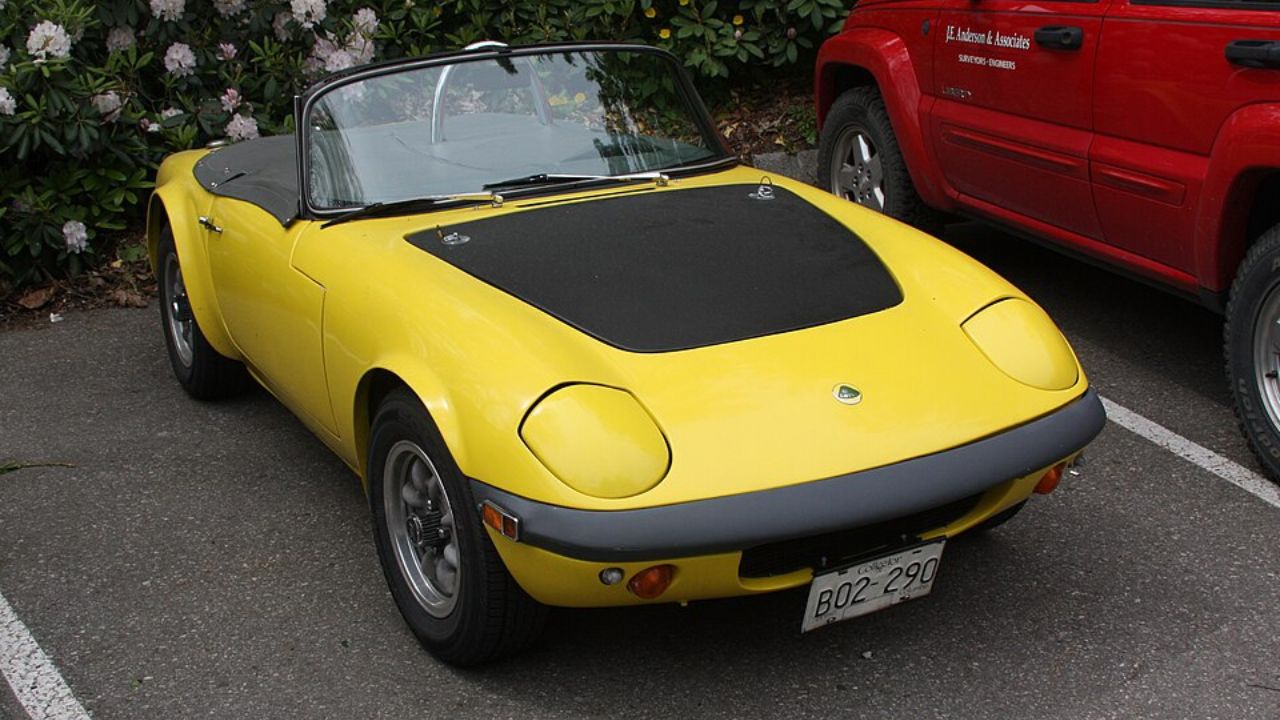
The Lotus Elan demonstrated how much visual character could come from a very small sports car. Its compact body, delicate fenders, low stance, and simple open cockpit reflect Lotus founder Colin Chapman’s focus on lightweight engineering. The Elan looks almost miniature beside many classic sports cars, but that is part of its appeal. Its clean design has aged remarkably well, and surviving examples remain highly desirable among enthusiasts who appreciate the combination of British roadster styling and lightweight performance.
Morgan Plus 4
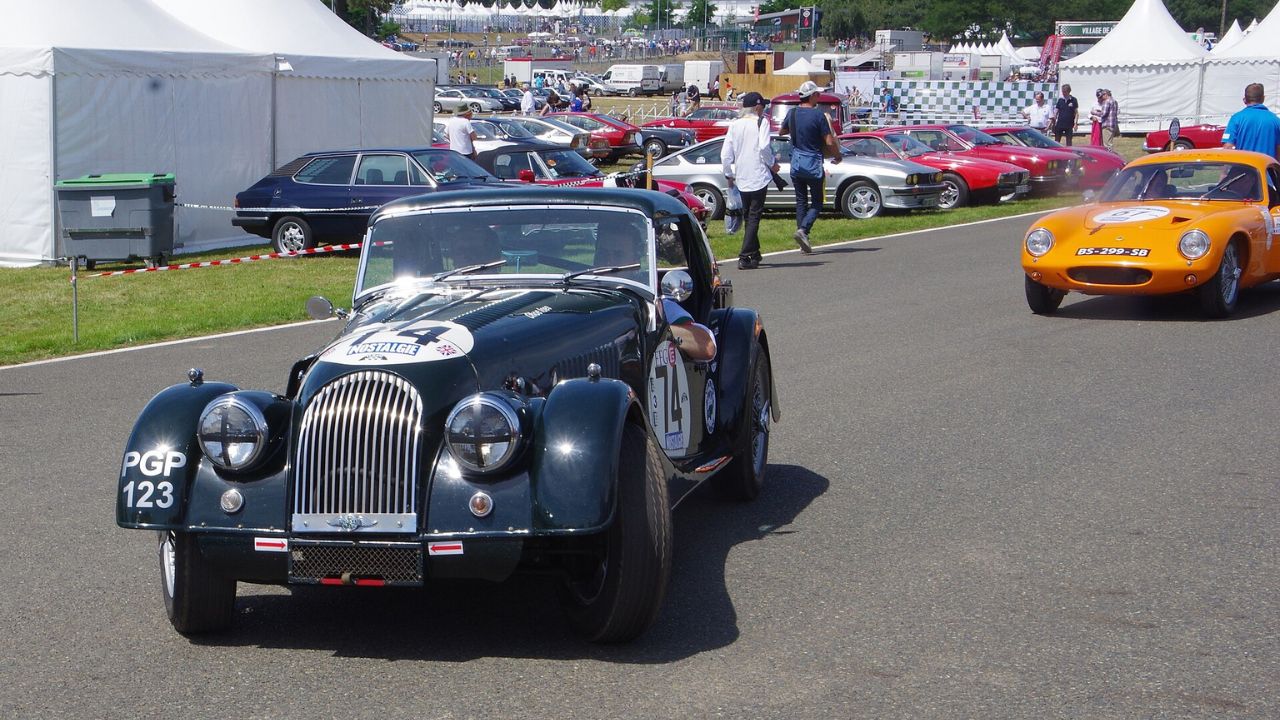
The Morgan Plus 4 looks as though it escaped from another era, which is exactly why it continues to turn heads. Its upright grille, separate fenders, exposed running boards, and traditional proportions preserve a style that most manufacturers abandoned long ago. The design has an unmistakable handcrafted character that separates it from more mass-produced roadsters. Even when surrounded by expensive and exotic classics, a Morgan tends to attract attention because it looks fundamentally different. Its traditional appearance has become one of its greatest strengths.
Alfa Romeo Spider
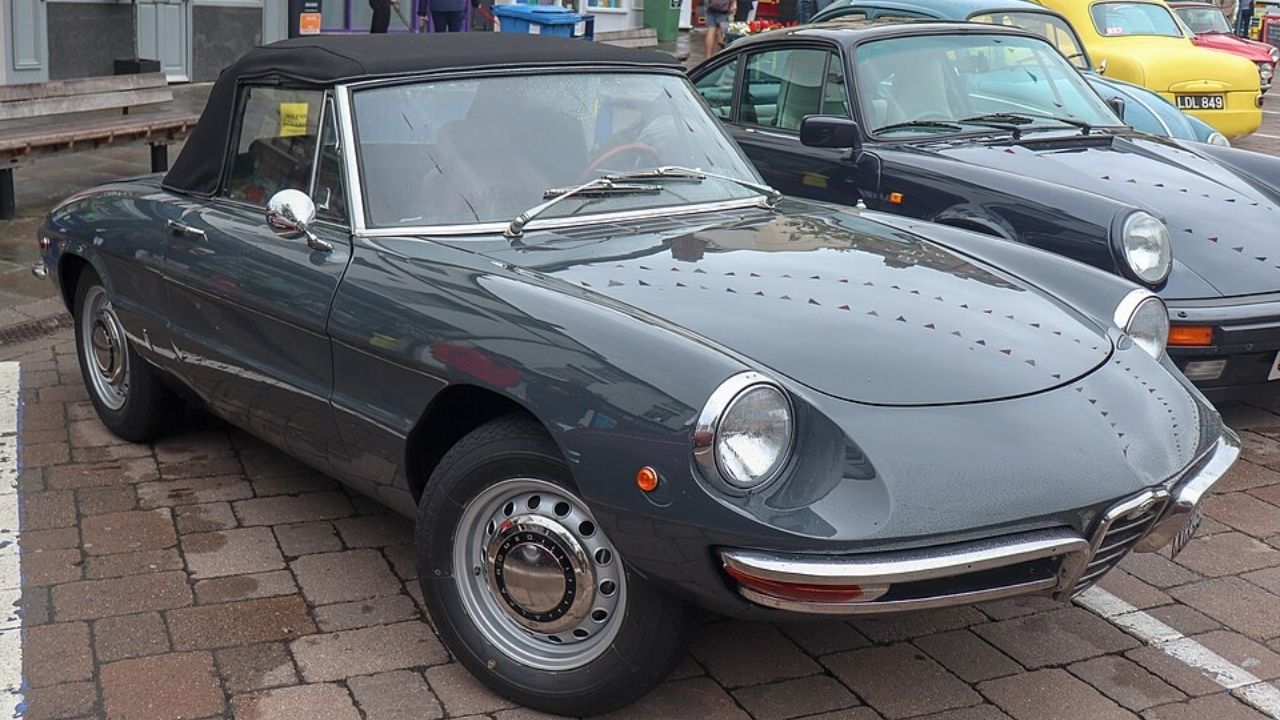
The Alfa Romeo Spider brought Italian styling and open-air driving together in a shape that became one of the most recognizable roadsters of its generation. Its long, low hood, rounded rear, slim body, and distinctive details give it an elegant presence without excessive ornamentation. The Spider also gained lasting cultural recognition through its appearance in popular film, adding to its nostalgic appeal. Today, a clean example can still command attention because its design captures the relaxed, stylish character many people associate with classic Italian motoring.
More from Fast Lane Only
- Unboxing the WWII Jeep in a Crate
- 15 rare Chevys collectors are quietly buying
- 10 underrated V8s still worth hunting down
- Police notice this before you even roll window down
*Research for this article included AI assistance, with all final content reviewed by human editors.