Turbocharging was once an unusual way to extract serious performance from relatively small engines. Some manufacturers experimented with boost long before turbocharged power became commonplace, creating cars that offered impressive acceleration without enormous displacement. These nine classics stand out for their clever engineering, distinctive character, and ability to remain respected decades after they first appeared.
Saab 900 Turbo
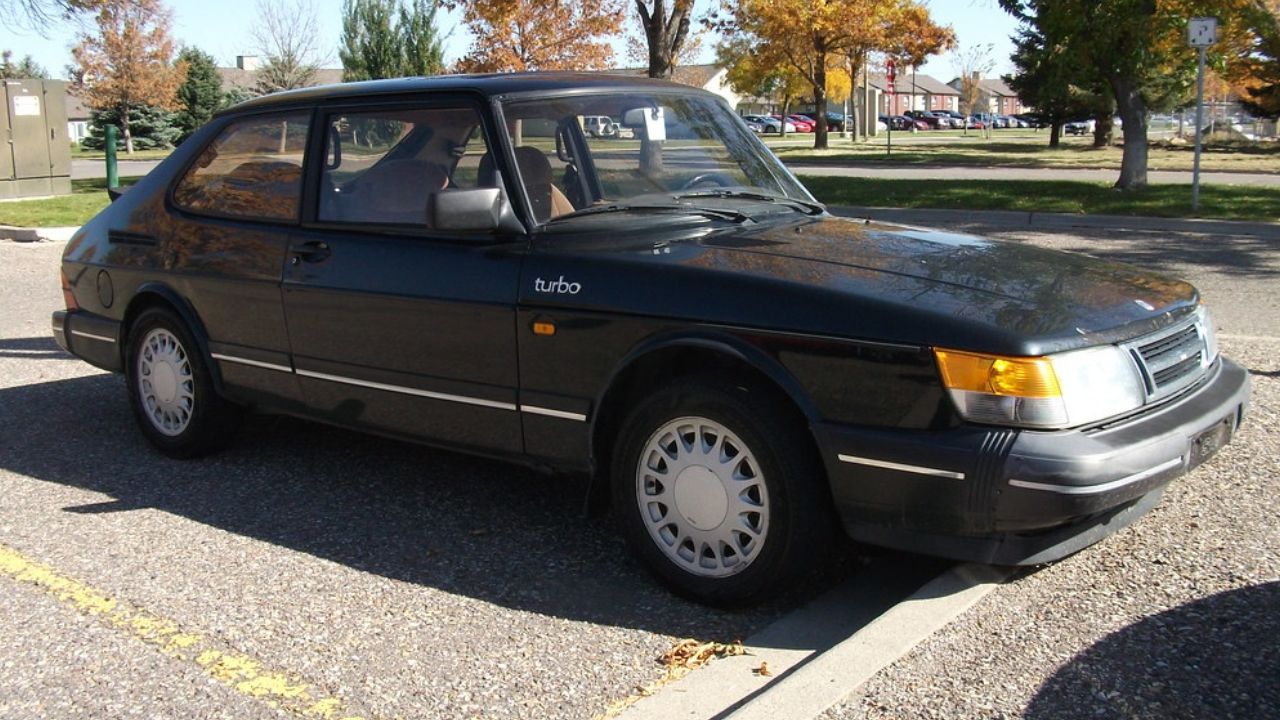
The Saab 900 Turbo combined Scandinavian practicality with genuinely impressive turbocharged performance. Its front-wheel-drive layout, distinctive body design, and flexible turbocharged engine gave it a personality unlike most contemporary sports cars. Saab also developed a reputation for thoughtful engineering and long-distance durability. Well-maintained examples remain highly desirable among enthusiasts who appreciate unusual engineering rather than simply chasing the most powerful numbers.
Porsche 944 Turbo
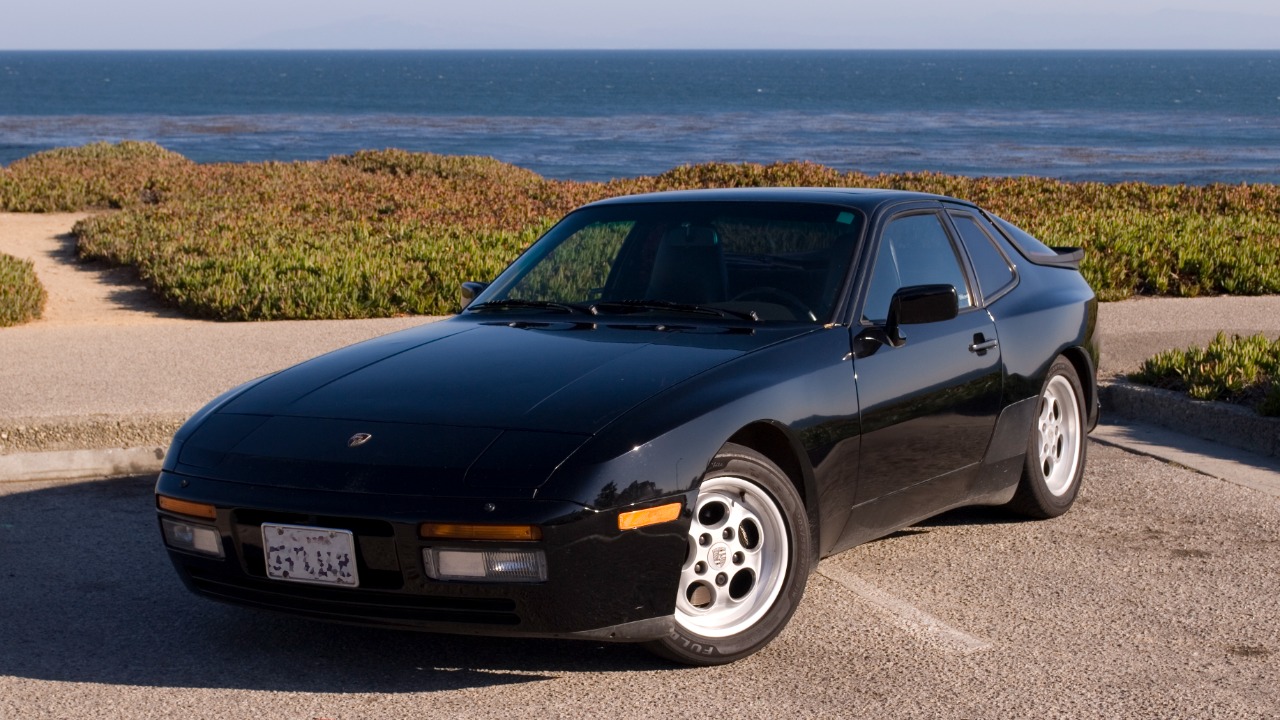
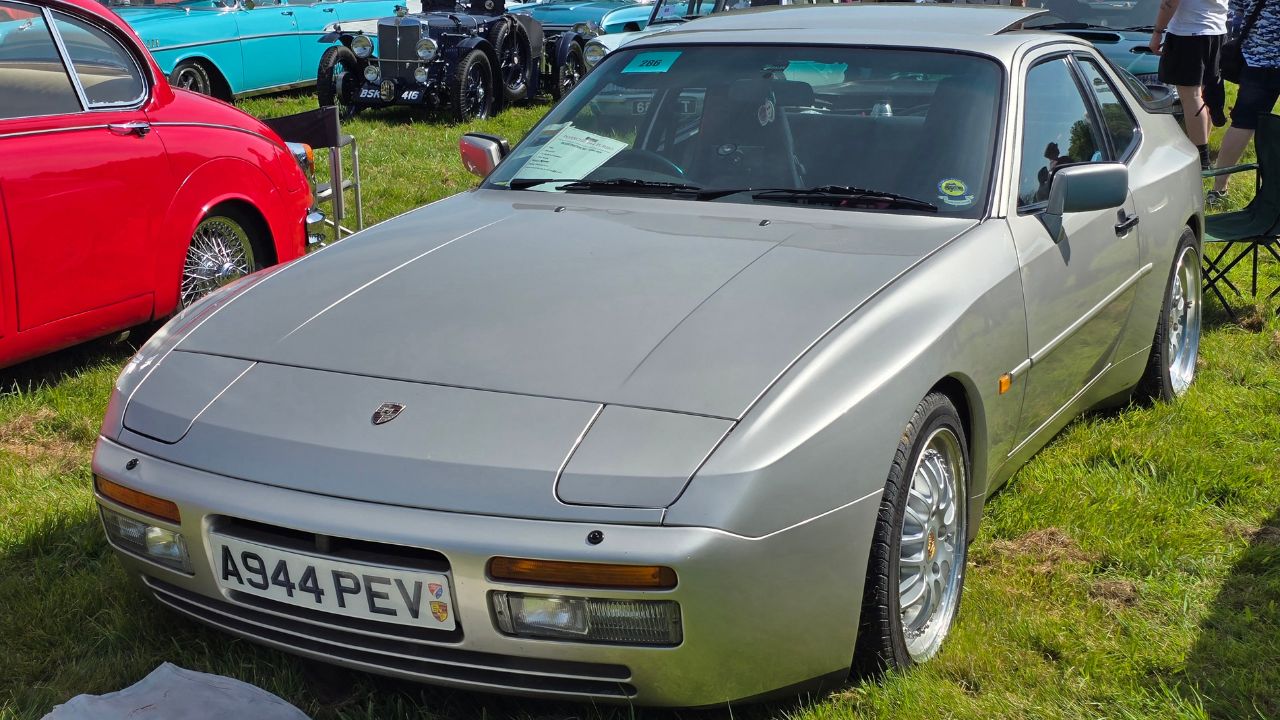
The Porsche 944 Turbo demonstrated how effectively a relatively compact engine could deliver serious performance through forced induction. Its turbocharged four-cylinder engine was paired with balanced rear-wheel-drive handling and a transaxle layout that helped distribute weight effectively. The result was a sports car that could be both fast and composed. Today, the 944 Turbo remains one of the more respected performance cars from Porsche’s 1980s era.
Buick Regal Turbo

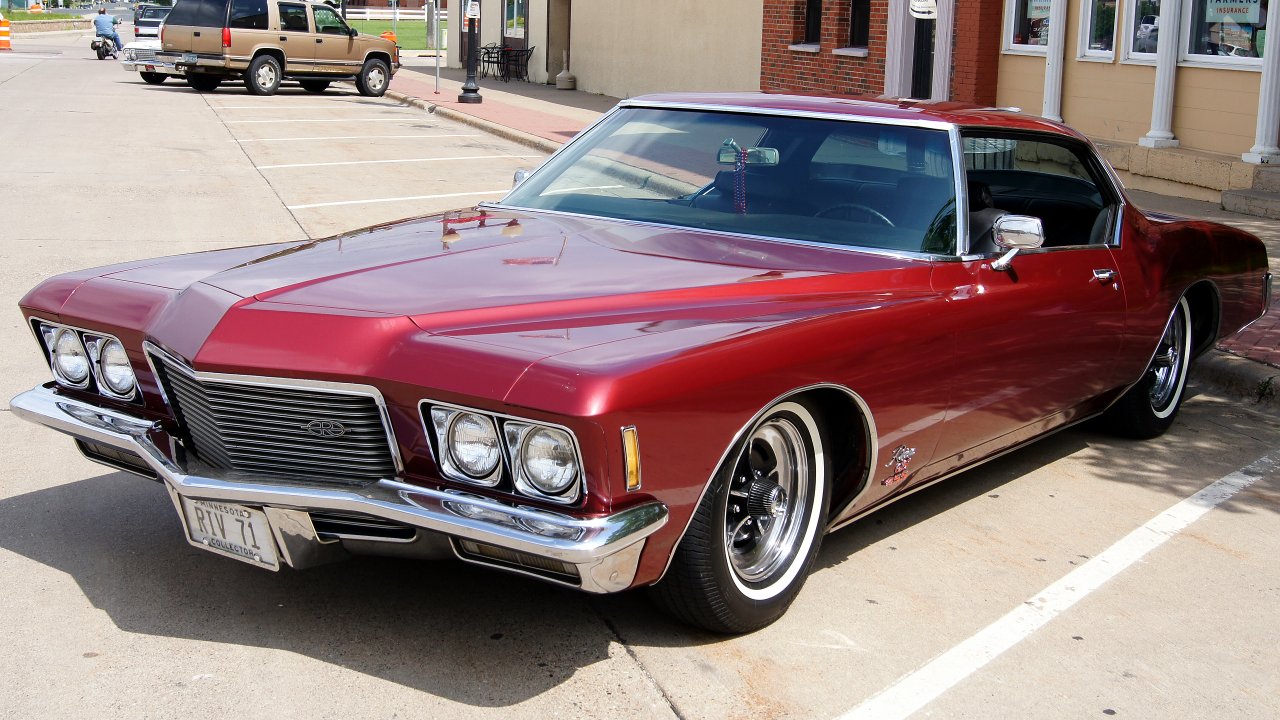
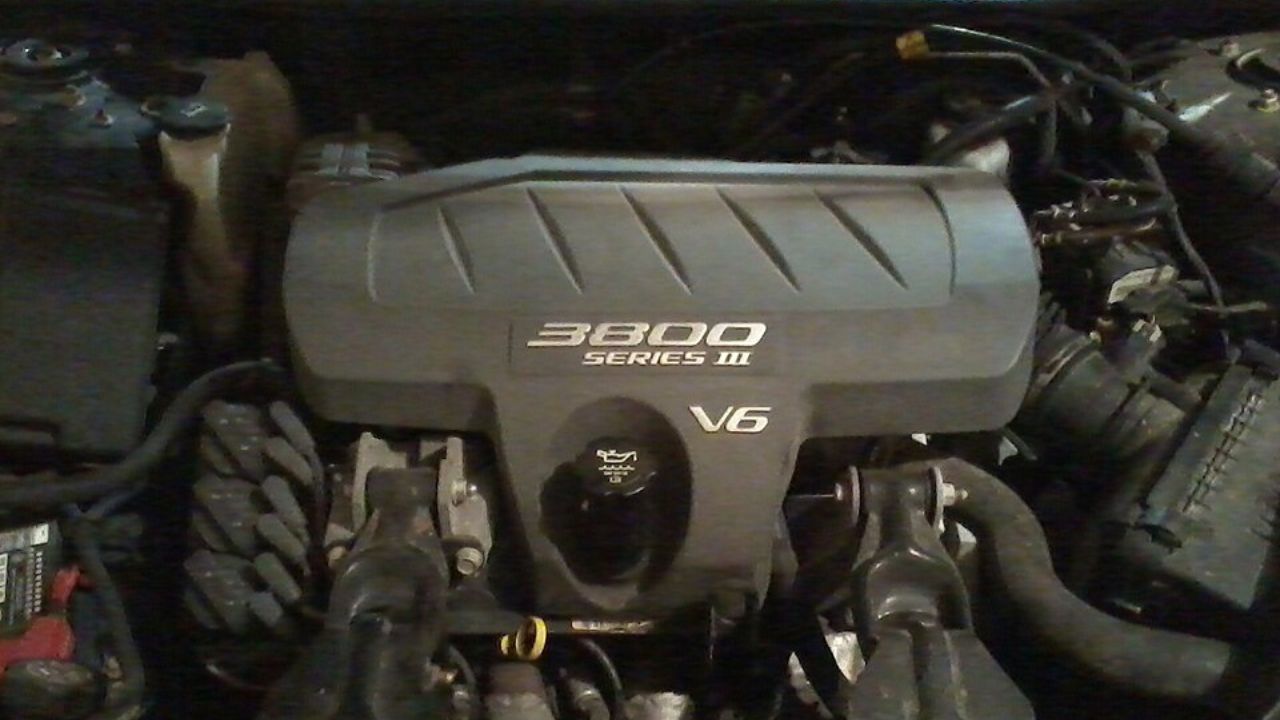
The Buick Regal Turbo proved that a large American coupe did not need a massive V8 to deliver strong performance. Its turbocharged V6 produced impressive torque while offering a different approach to performance during an era of tightening emissions and fuel-economy requirements. The Regal became particularly memorable for bringing turbocharged power into an unexpected package. Today, surviving examples are valued for their combination of American styling and innovative forced-induction technology.
BMW 2002 Turbo
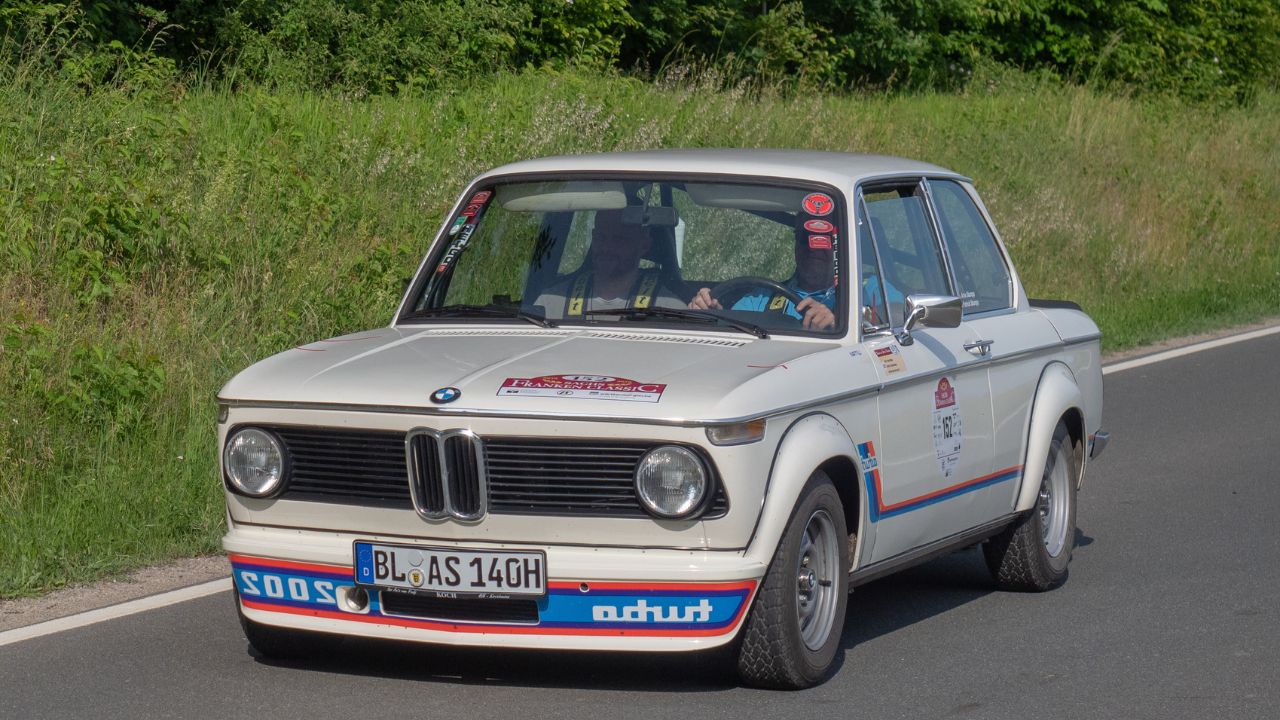
The BMW 2002 Turbo was one of Europe’s earliest production performance cars to embrace turbocharging in a serious way. Its compact body, rear-wheel-drive chassis, and turbocharged four-cylinder engine created an unusually focused driving machine. Production was limited, which makes surviving examples especially significant. The 2002 Turbo helped demonstrate that forced induction could provide genuine performance without requiring a large engine, an idea that would become central to later BMW performance models.
Mitsubishi Starion
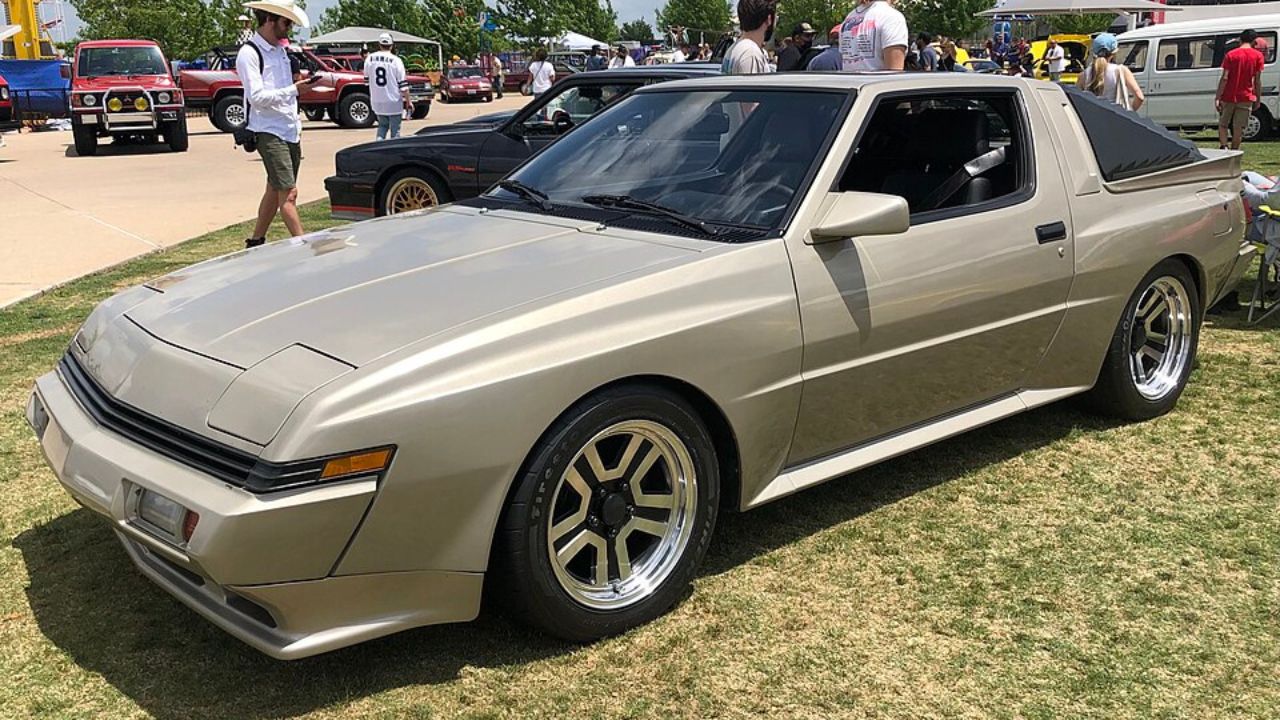
The Mitsubishi Starion became one of Japan’s most distinctive turbocharged performance coupes of the 1980s. Its rear-wheel-drive chassis, wide stance, and turbocharged engine gave it serious sporting credentials, while available intercooling and electronic engine management reflected rapidly advancing technology. Although it never achieved the fame of the Supra or RX-7, the Starion developed a dedicated following. Its combination of technology and sharp styling makes it increasingly interesting to collectors.
Ford Sierra RS Cosworth
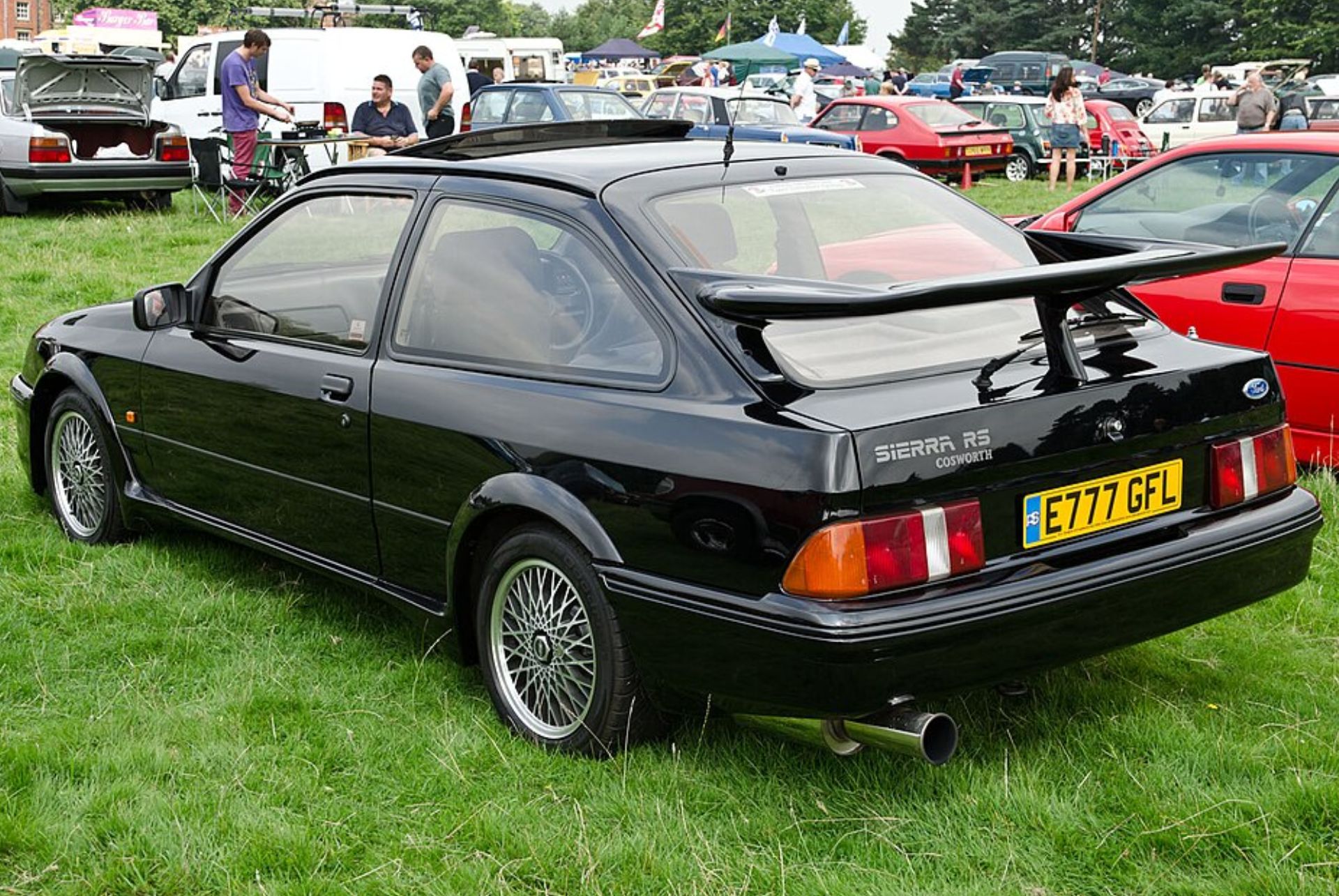
The Ford Sierra RS Cosworth became a legendary European performance car thanks to its turbocharged engine, rear-wheel-drive chassis, and aggressive aerodynamic design. Developed with motorsport in mind, it demonstrated how turbocharging could transform a relatively practical Ford into a serious performance machine. Its racing success further strengthened its reputation. Today, original examples are highly sought after because they combine everyday-car roots with genuine competition-bred engineering.
Volvo 242 Turbo
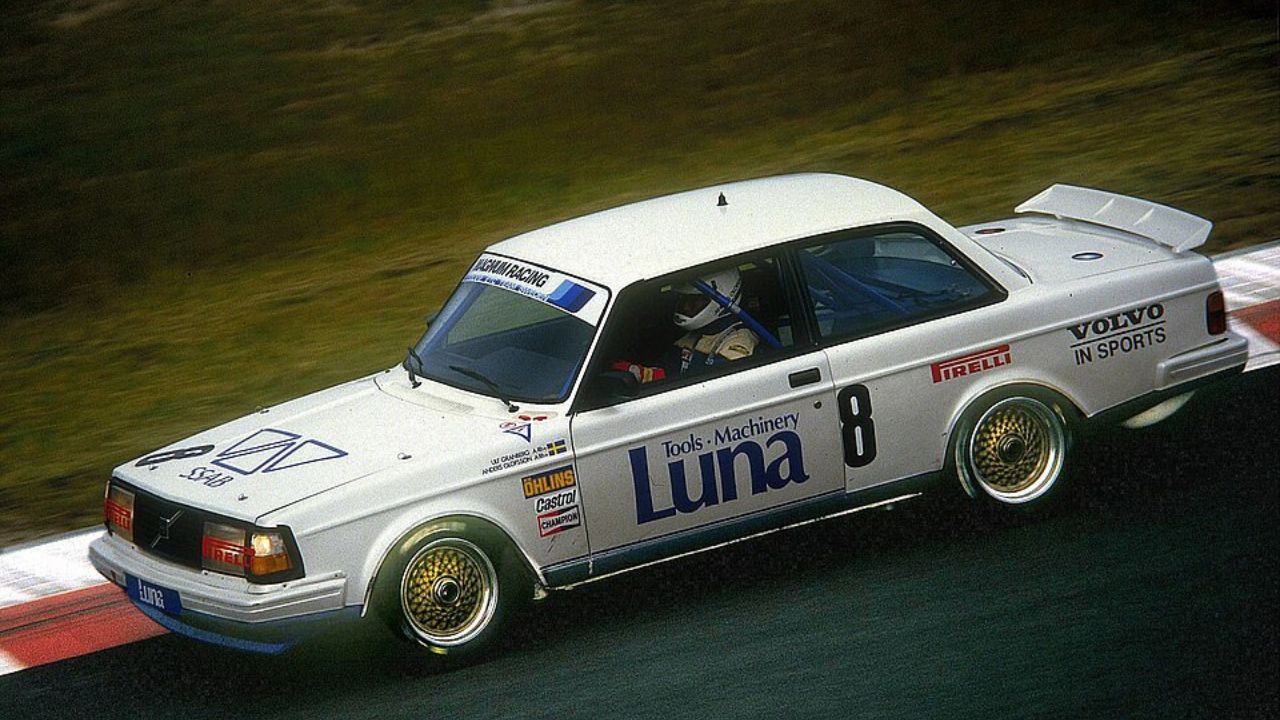
The Volvo 242 Turbo challenged the stereotype that Volvo cars were built only for conservative transportation. Its turbocharged four-cylinder engine gave the boxy two-door sedan surprisingly strong performance, while the sturdy rear-wheel-drive chassis provided a solid foundation for enthusiasts. Motorsport involvement also helped establish the model’s performance credentials. The 242 Turbo remains a cult favorite because its understated appearance hides a much more serious mechanical personality.
Renault 5 Turbo
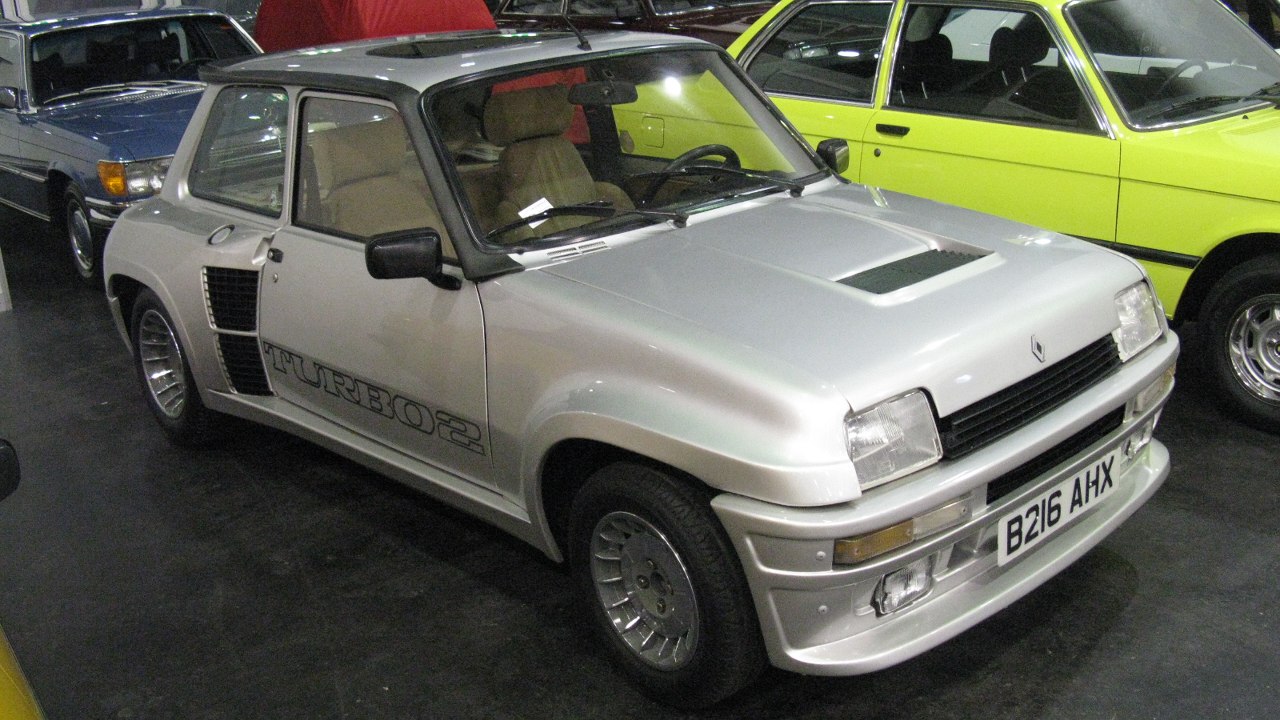
The Renault 5 Turbo took turbocharging to an extreme by transforming a small economy hatchback into a mid-engine performance machine. Its compact body concealed a turbocharged engine positioned behind the driver, creating a radically different driving experience. Developed with rallying in mind, it became one of the most memorable European performance cars of its era. Its unusual engineering and limited production have made surviving examples highly prized among collectors.
Toyota Supra Turbo
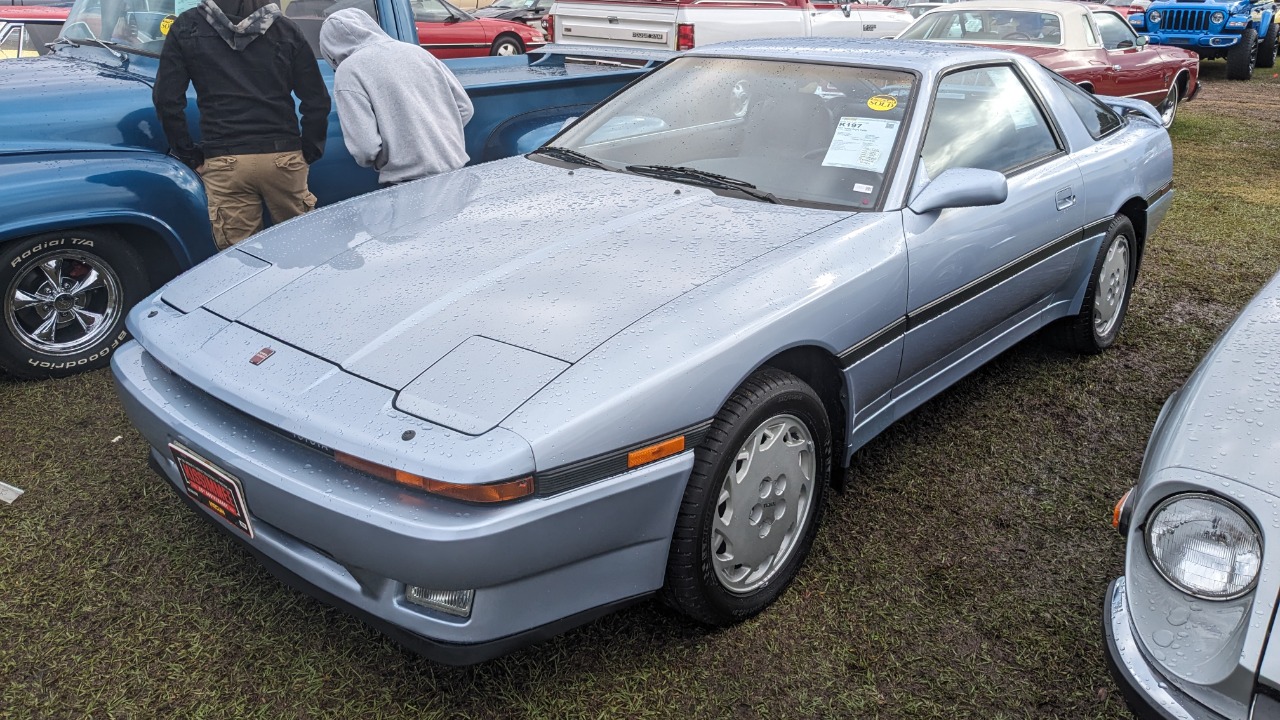
The Toyota Supra Turbo became one of the most recognizable Japanese turbocharged performance cars of the late 20th century. Its turbocharged inline-six delivered strong power while Toyota’s reputation for engineering quality helped give the car exceptional long-term appeal. The Supra’s robust drivetrain also made it popular with performance enthusiasts and tuners. Today, desirable turbocharged examples can command significant attention because of their performance reputation and growing collector status.
More from Fast Lane Only
- Unboxing the WWII Jeep in a Crate
- 15 rare Chevys collectors are quietly buying
- 10 underrated V8s still worth hunting down
- Police notice this before you even roll window down
*Research for this article included AI assistance, with all final content reviewed by human editors.