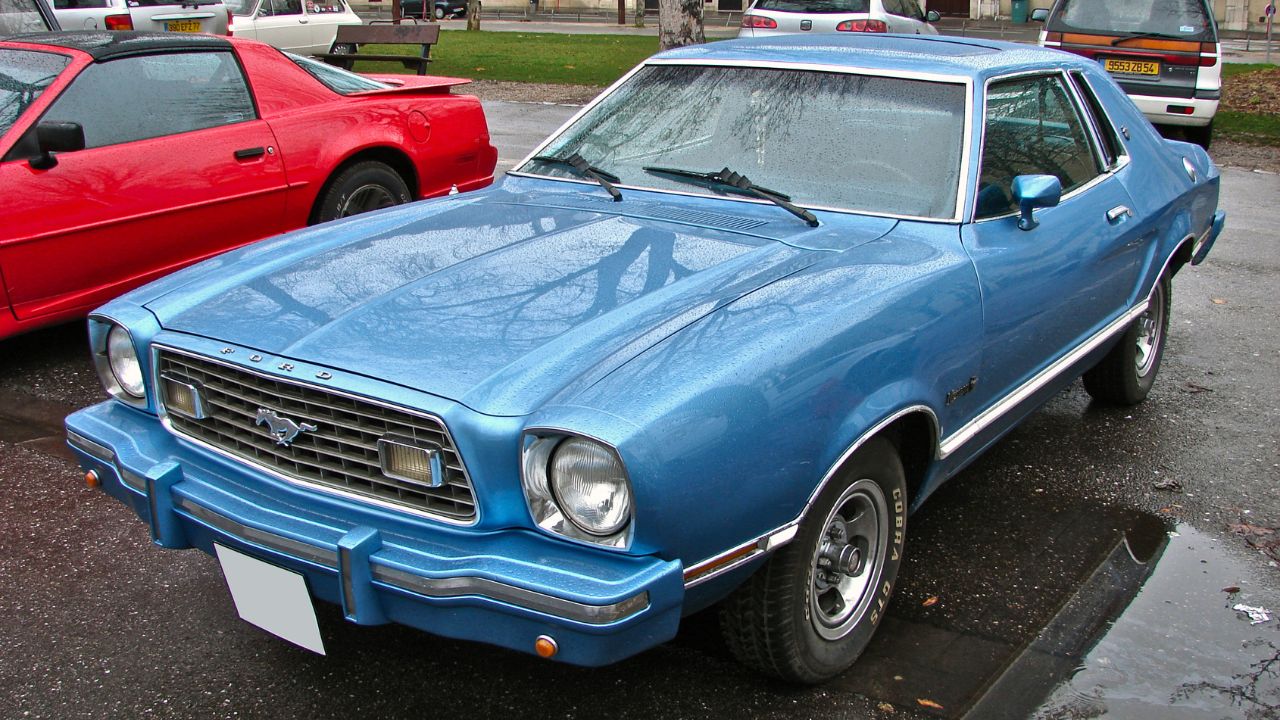
Some pickups earn their reputations by doing the same hard jobs for decades without asking for much in return. They haul, tow, work off-road, and rack up enormous mileage while owners keep finding reasons to hold onto them. These 20 trucks became known for their toughness, simple engineering, and ability to keep working long after newer vehicles took their place.
Toyota Hilux
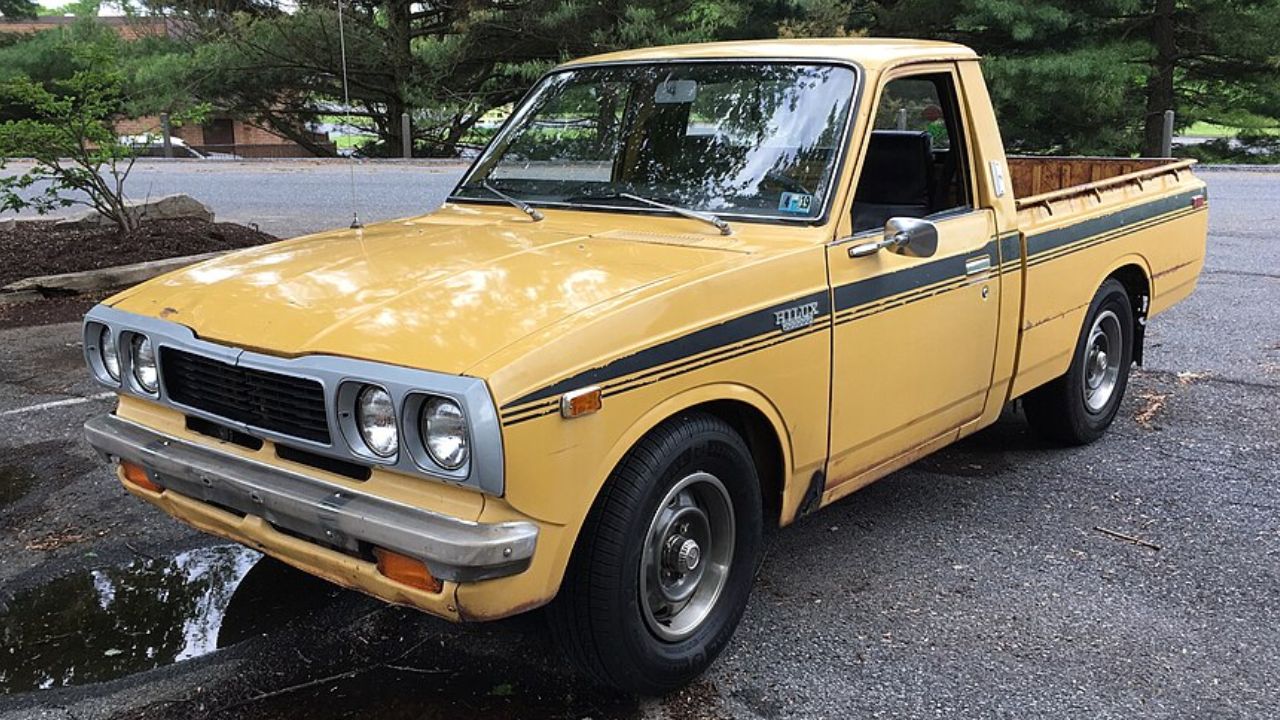
The Toyota Hilux has built a worldwide reputation for surviving conditions that would leave many trucks struggling. Its straightforward design, durable chassis, and proven engines made it a favorite for demanding work. Older examples are especially admired because they could be repaired and maintained without excessive complexity. Finding a neglected Hilux that is still running is hardly unusual.
Toyota Tacoma
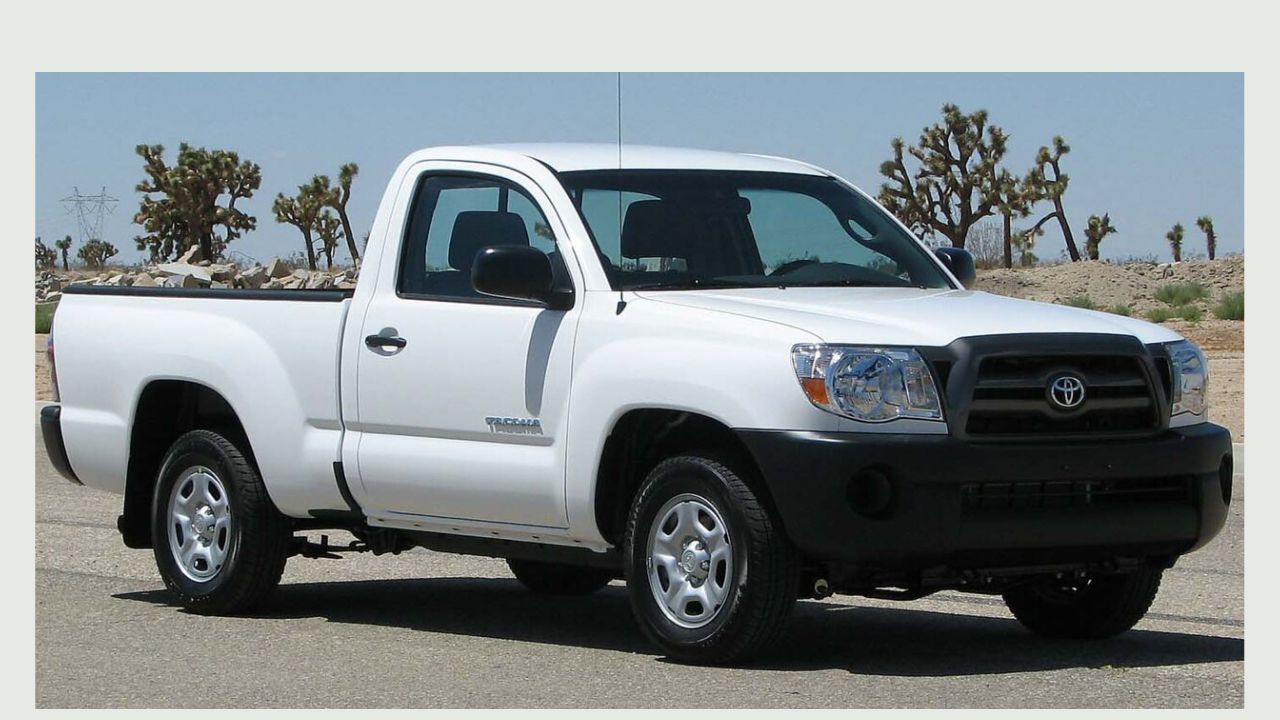
The Tacoma became one of America’s most trusted midsize pickups thanks to its durable construction and reputation for long-term reliability. Older examples regularly remain on the road after years of hauling, commuting, and off-road use. The truck’s relatively compact size also makes it useful in places where full-size pickups can feel cumbersome.
Ford F-150
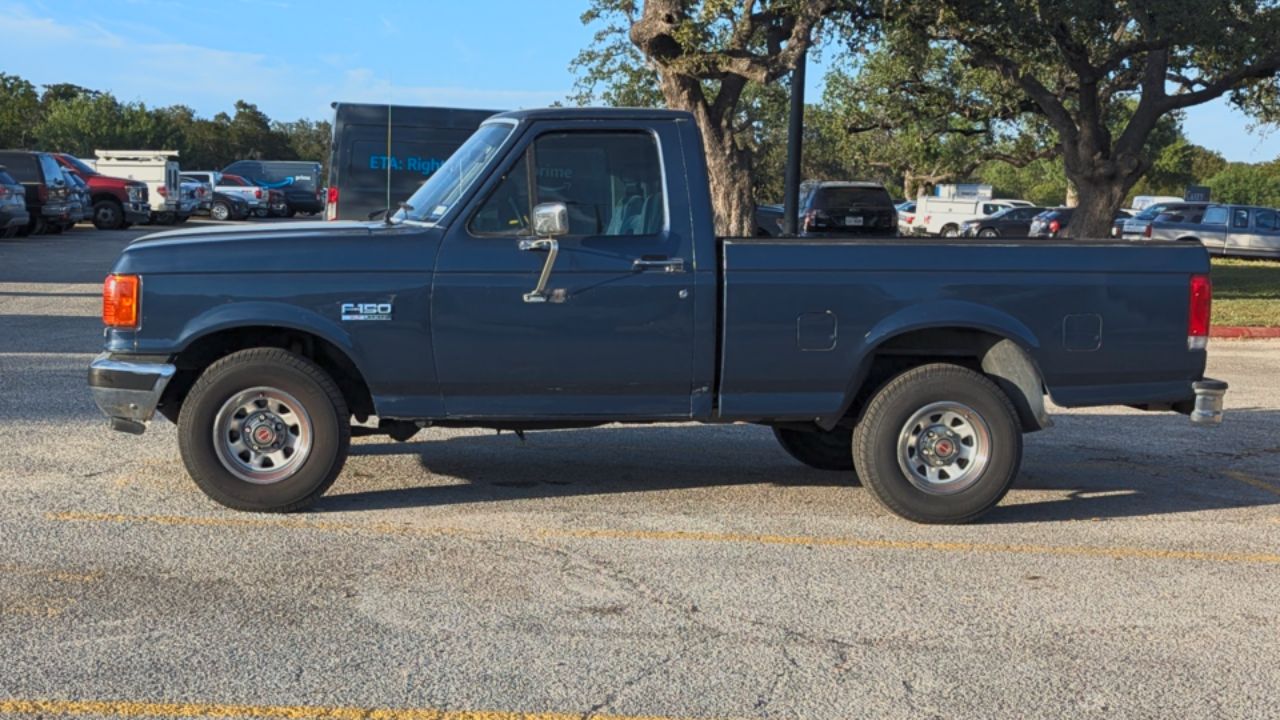
The F-150 has spent decades proving that a pickup doesn’t need exotic engineering to remain useful for years. Its enormous popularity means parts and knowledge are easy to find, while generations of proven engines and drivetrains have earned strong reputations. Plenty of older F-150s continue working long after their original owners expected them to.
Chevrolet C/K
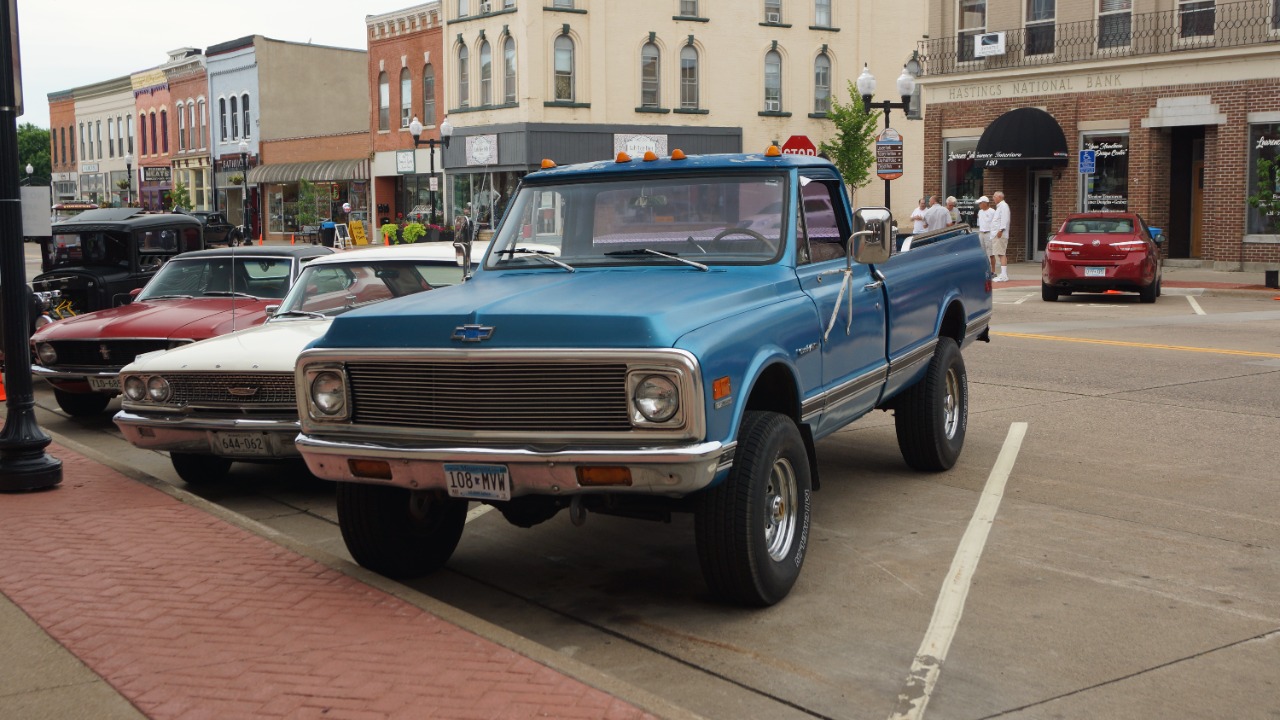
The Chevrolet C/K series became a staple of American farms, job sites, and everyday driving. Its traditional body-on-frame construction and simple mechanical layout helped make it durable and straightforward to repair. Many surviving examples have spent decades doing actual work rather than sitting in collections. That history makes a running C/K especially impressive today.
GMC Sierra
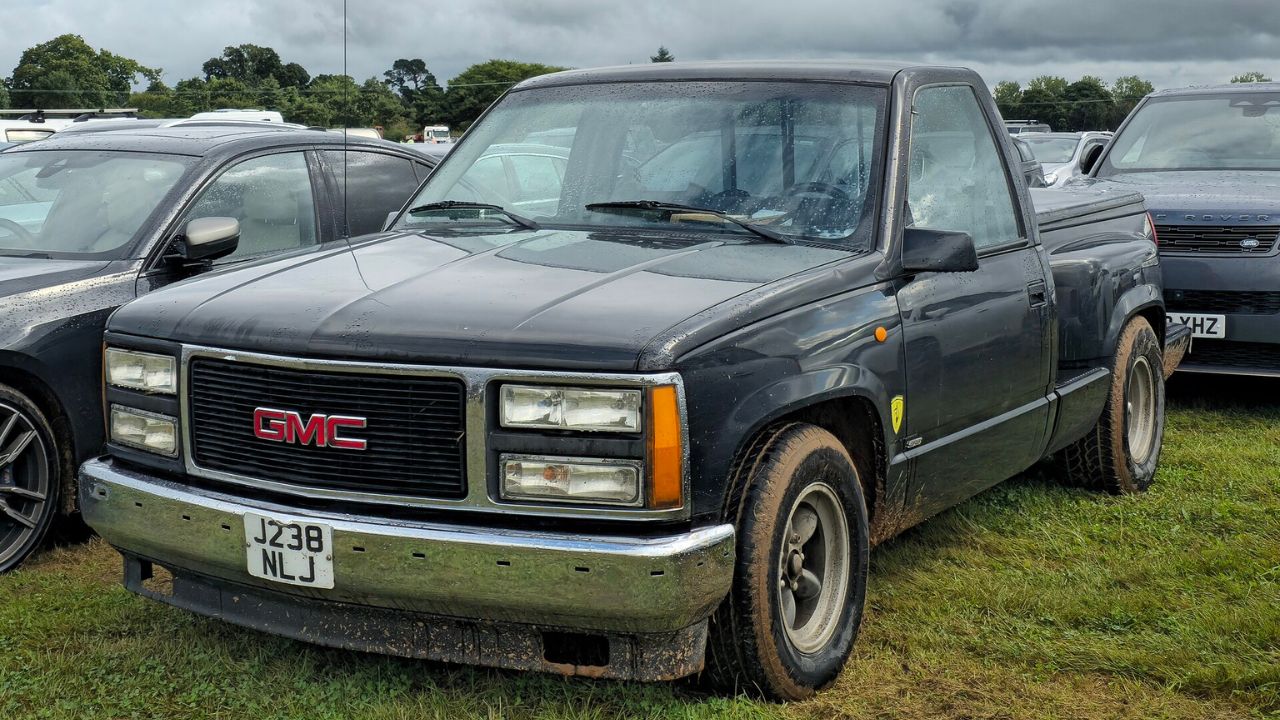
The Sierra has long shared much of its mechanical foundation with Chevrolet’s full-size pickups, giving it a similar reputation for durability. Older Sierras were often purchased as work trucks and subjected to serious use. The ones that remain today have frequently earned their survival through years of maintenance and hard work rather than gentle treatment.
Ford F-250
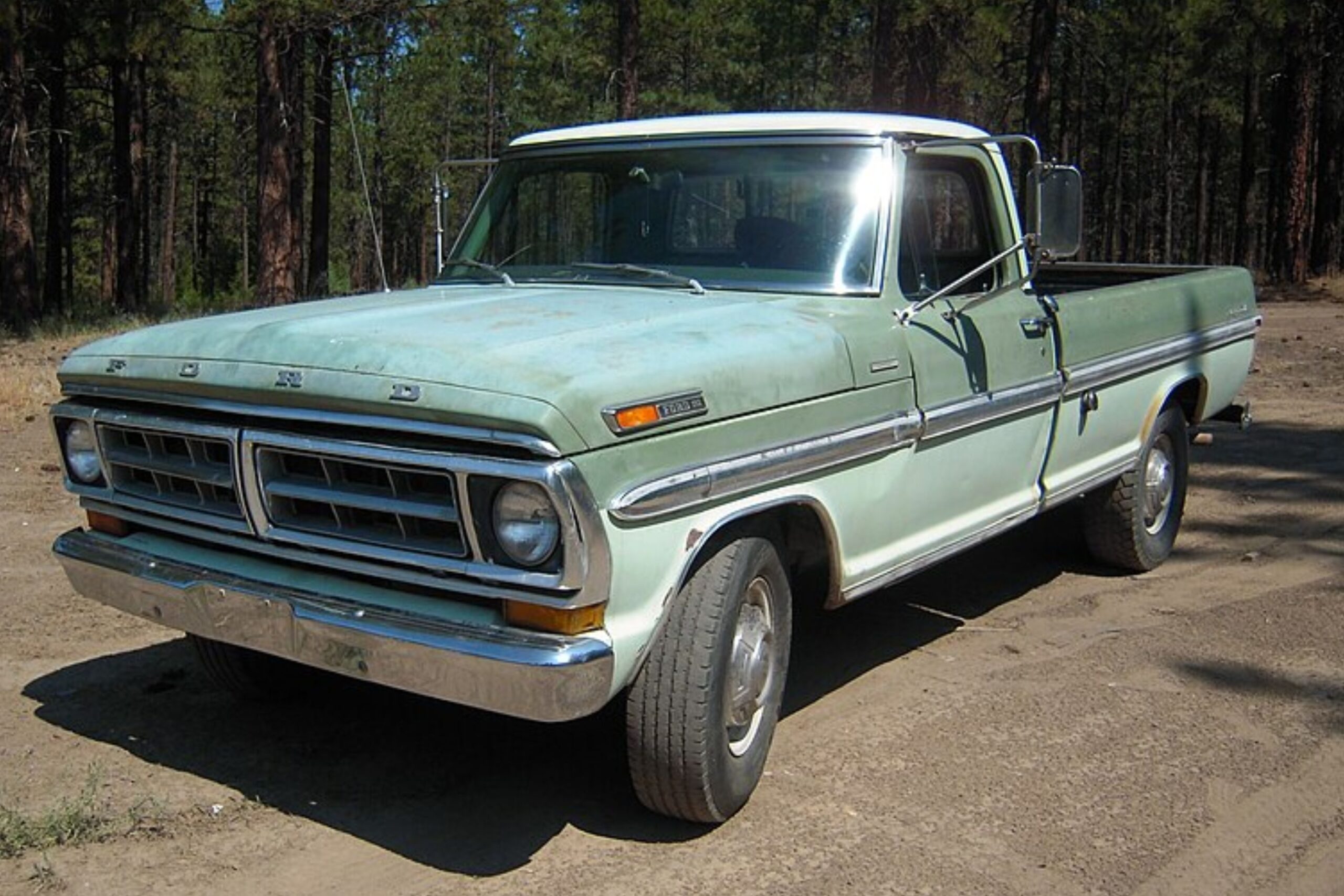
The F-250 occupies the sweet spot for owners who need more capability than a half-ton truck without stepping into the largest heavy-duty models. Generations of F-250s have been used for towing, construction, agriculture, and general work. Their sturdy frames and powerful engines helped many survive decades of demanding service.
Chevrolet Silverado
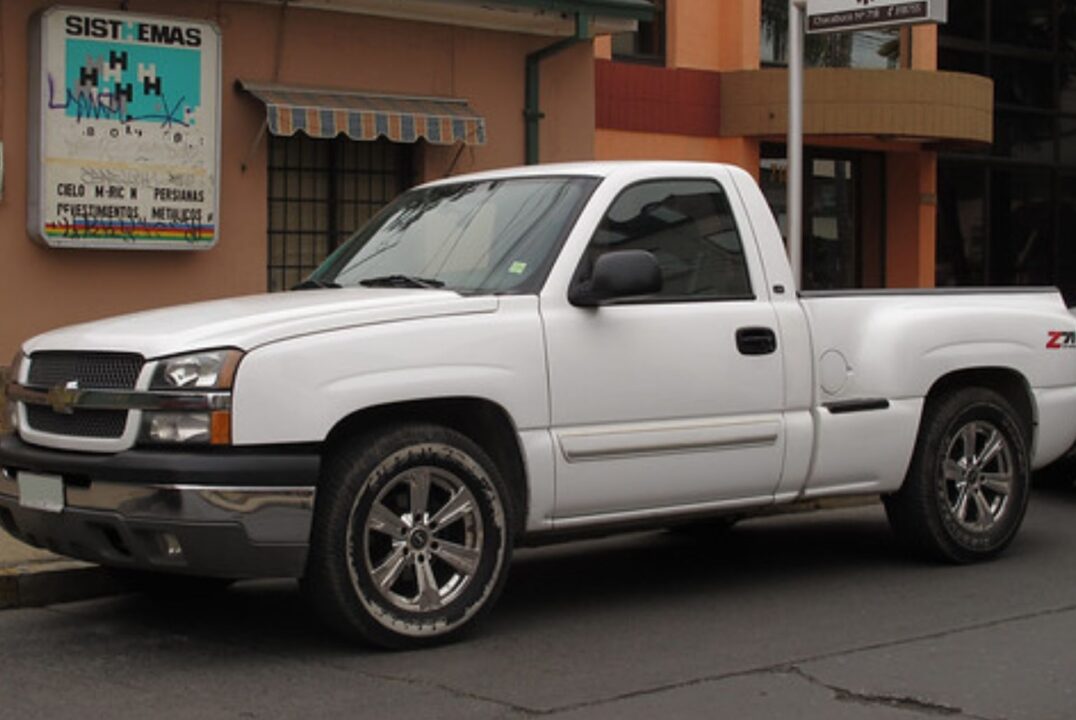
The Silverado inherited a long tradition of dependable Chevrolet pickups and quickly became a familiar sight on American roads. Its broad range of engines and configurations allowed owners to choose exactly how much truck they needed. Older Silverados remain common because many were built for work and maintained with the expectation that they would stay useful for years.
Nissan Hardbody
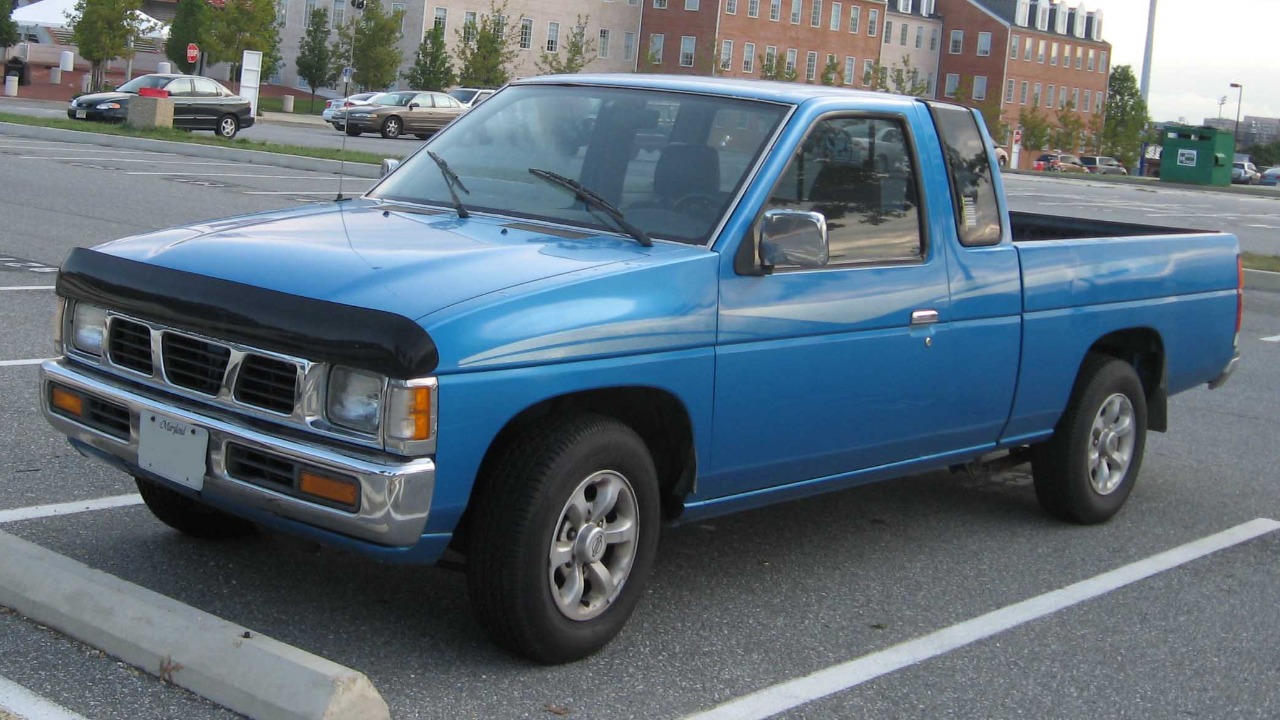
The Nissan Hardbody earned a reputation for being one of those compact pickups that simply refused to give up. Its straightforward mechanical design and rugged construction made it popular with owners who wanted a basic truck rather than a rolling luxury suite. High-mileage examples remain beloved because they deliver useful pickup capability without unnecessary complication.
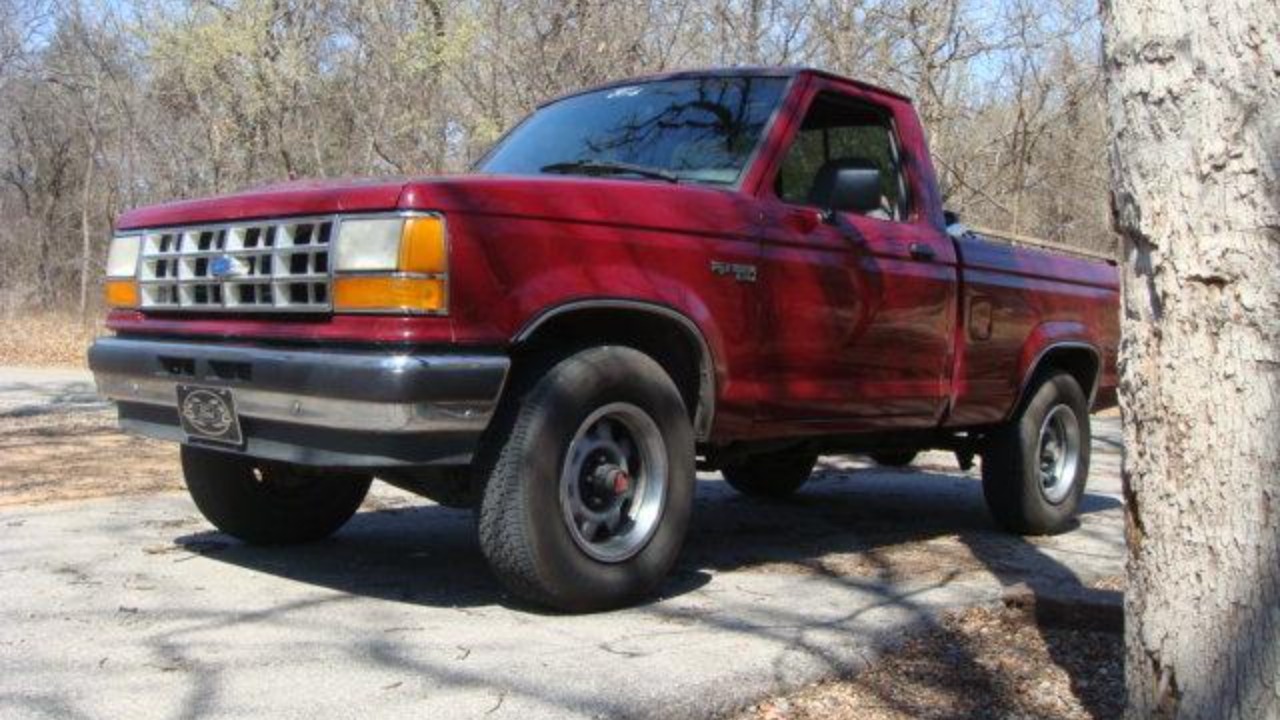
Ford Ranger
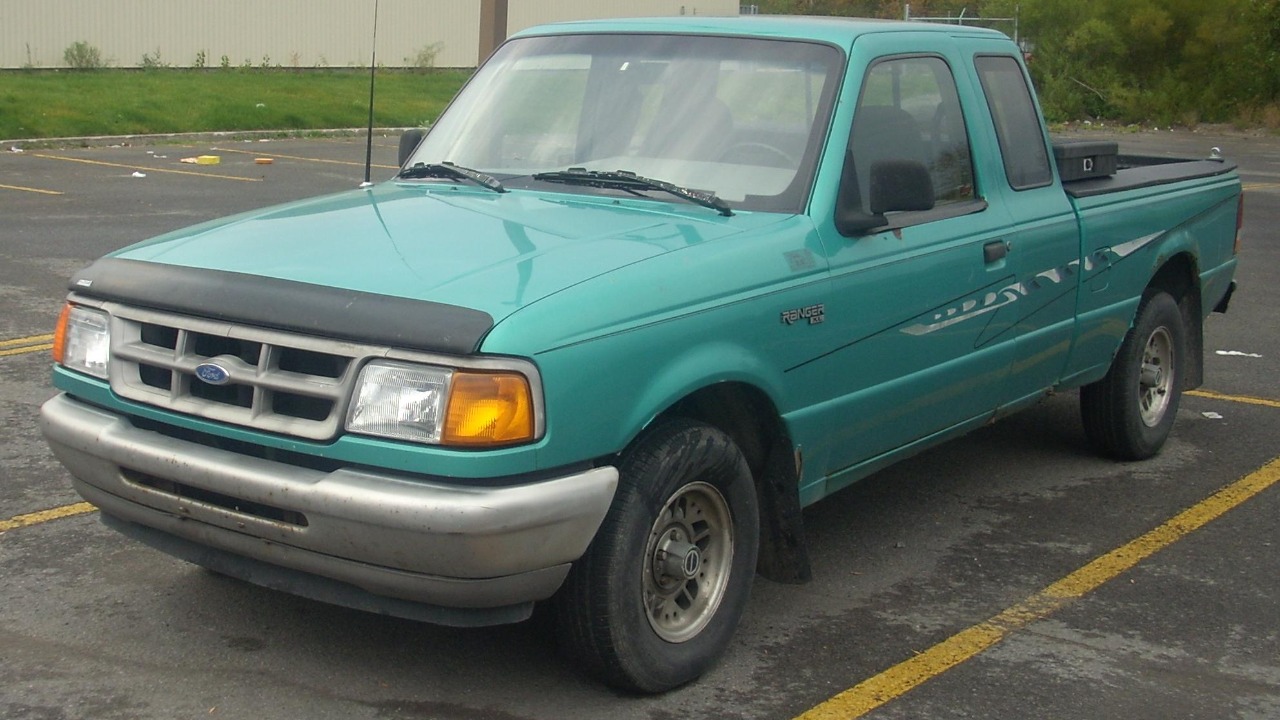
The Ranger has long appealed to buyers who want a practical pickup without the size of a full-size truck. Earlier generations were particularly simple and durable, making them popular with tradespeople and everyday drivers. Many were driven hard but remained useful for years. Their compact dimensions also give them an advantage that larger modern trucks can’t easily match.
Chevrolet S-10

The S-10 brought Chevrolet’s pickup formula into the compact-truck market and became a common sight across America. Its relatively simple construction made it easy to maintain, while four-cylinder and V6 engines gave buyers practical choices. Many were used as work trucks, daily drivers, and utility vehicles. Surviving examples remain a favorite among fans of old-school compact pickups.
GMC Sonoma
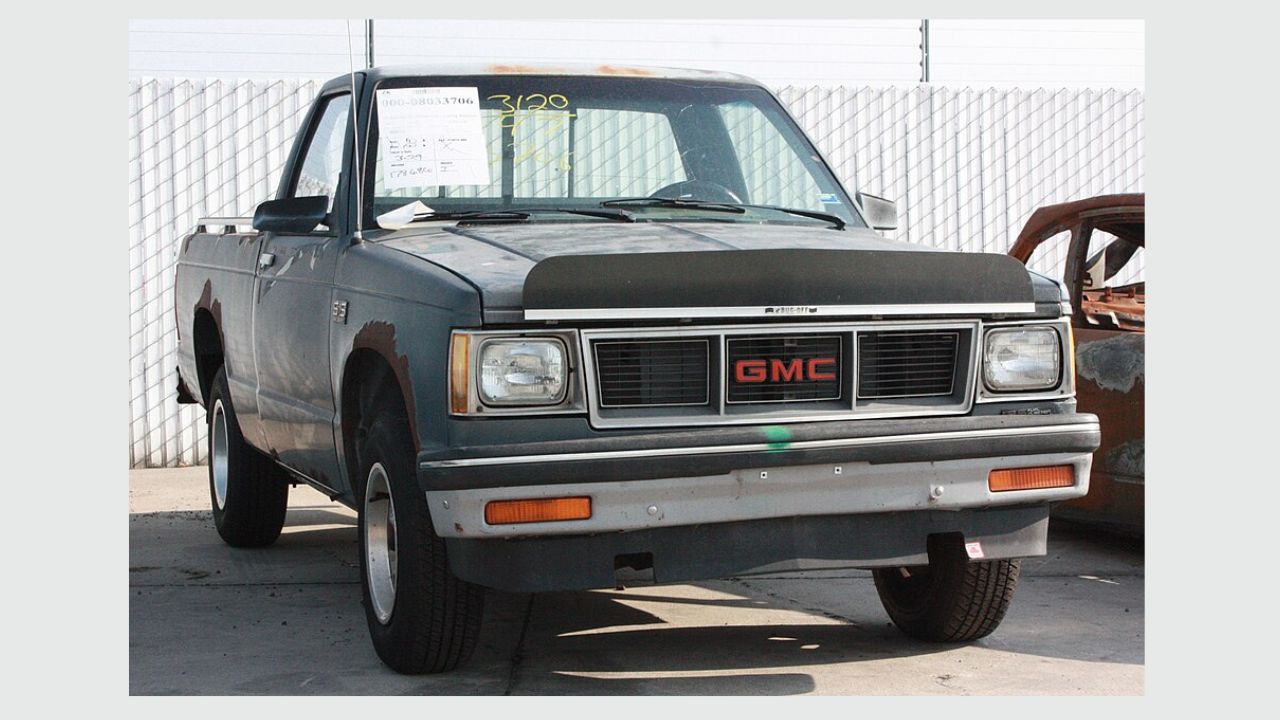
The Sonoma shared much of its mechanical foundation with the Chevrolet S-10 but carried GMC’s slightly different styling and branding. It became popular with buyers who wanted a smaller truck that could handle everyday jobs without the bulk of a full-size pickup. Well-kept examples have become harder to find, especially those that escaped years of rust and abuse.
Dodge Ram 2500
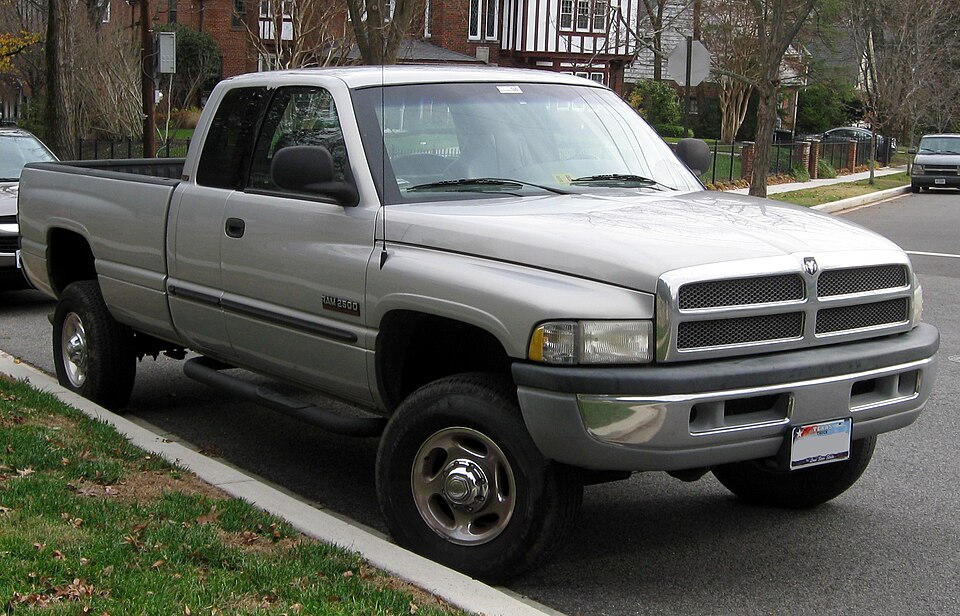
The Ram 2500 developed a loyal following among owners who needed serious towing and hauling ability. Heavy-duty construction and powerful engine options made it particularly useful for demanding work. Older examples are often kept going because owners know how capable they remain. A well-maintained Ram 2500 can continue working long after newer trucks have changed hands.
Dodge Dakota
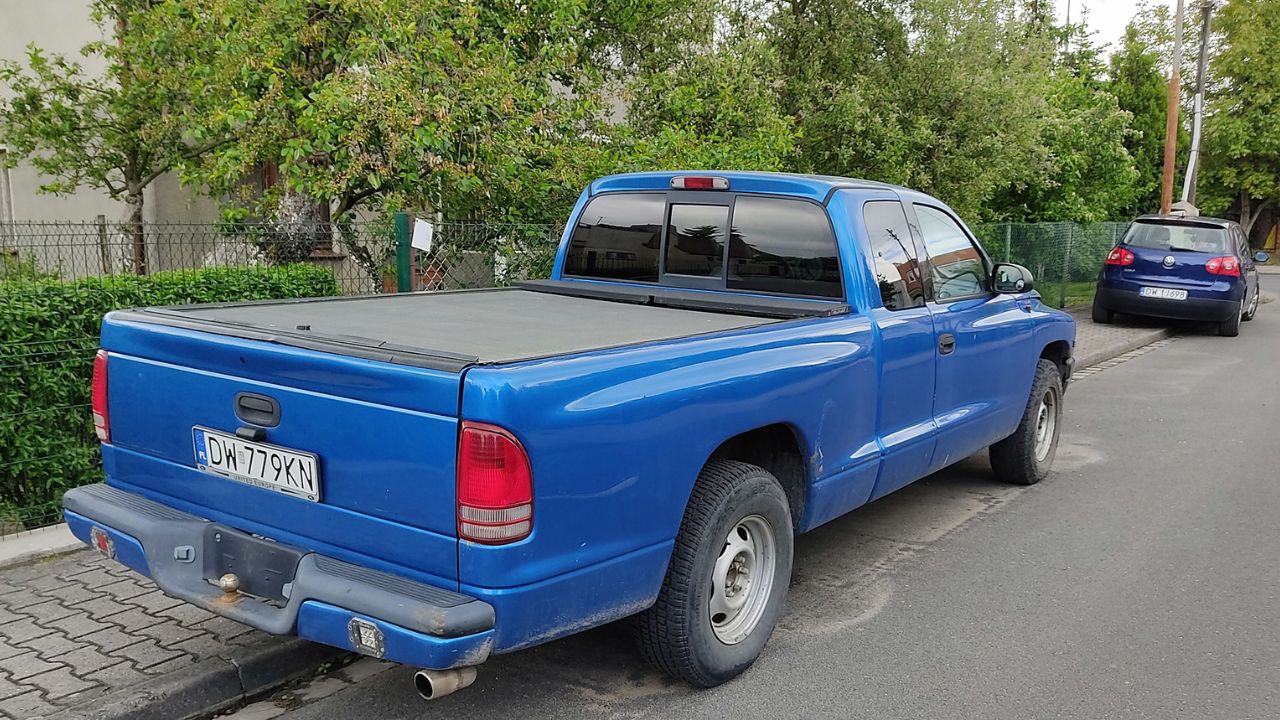
The Dakota filled an unusual space between compact and full-size pickups. It offered more capability than many smaller trucks without becoming as large as a traditional full-size model. Its practical dimensions and available V8 power made it particularly appealing. Owners who kept theirs maintained often found little reason to replace them with something larger.
Nissan Frontier
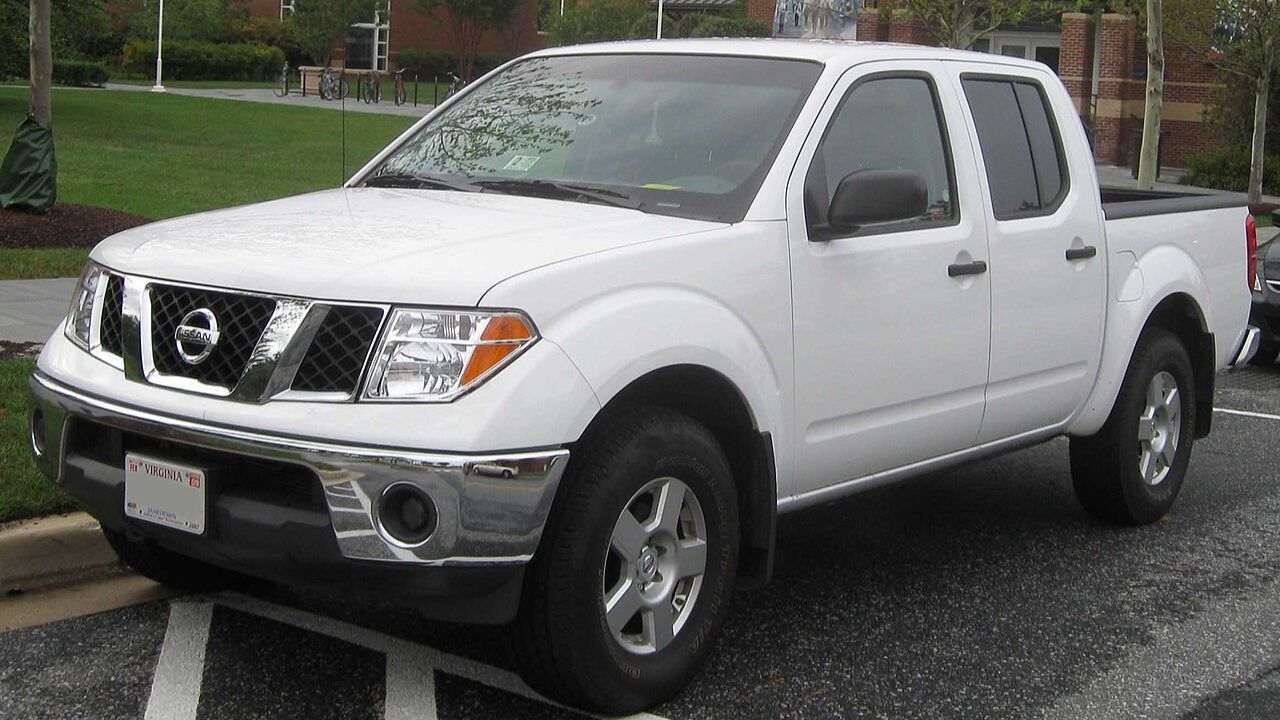
The Frontier continued Nissan’s tradition of building straightforward midsize pickups that could handle daily work without unnecessary drama. Its body-on-frame design and available four-wheel drive gave it genuine utility. Older Frontiers remain popular with owners who value durability and simplicity. They can also be easier to live with than increasingly oversized full-size pickups.
Toyota Tundra
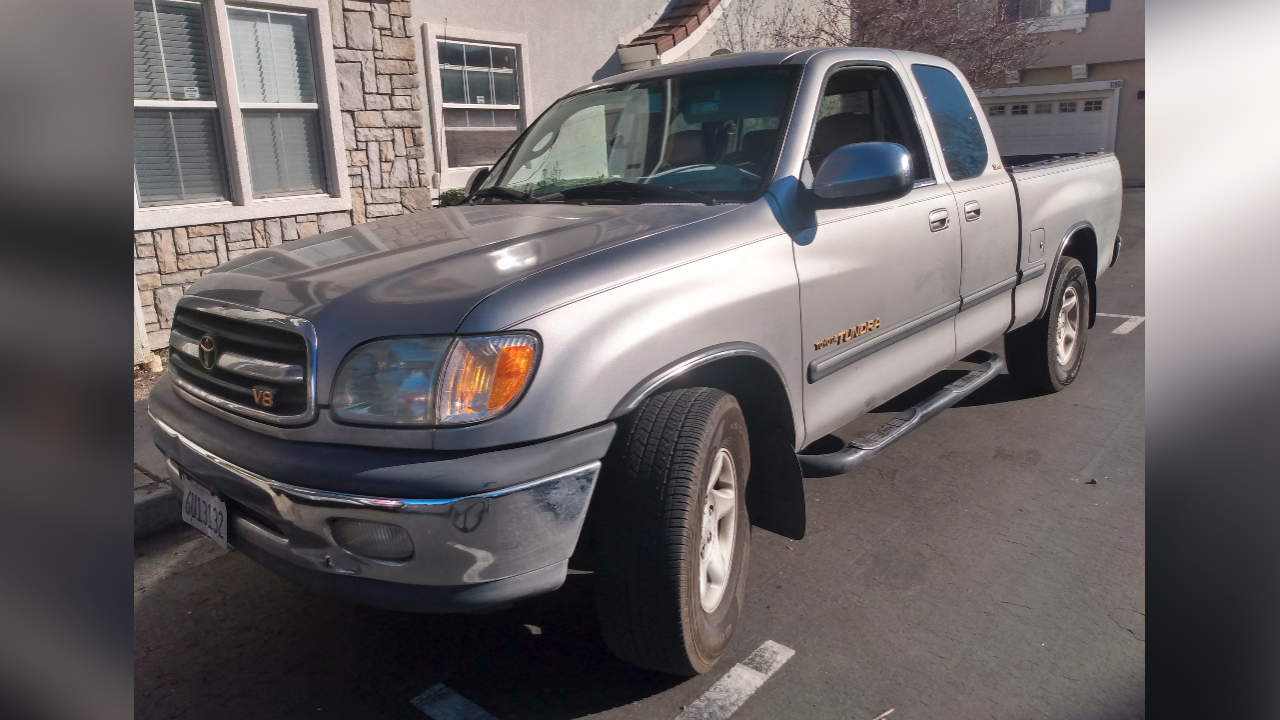
The Tundra proved Toyota could compete seriously in the full-size American pickup market. Its reputation for dependable engines and drivetrains helped attract buyers who planned to keep their trucks for many years. Earlier examples are particularly respected for their longevity. Owners who maintain them properly often see little reason to replace a truck that still does the job.
Ford F-350
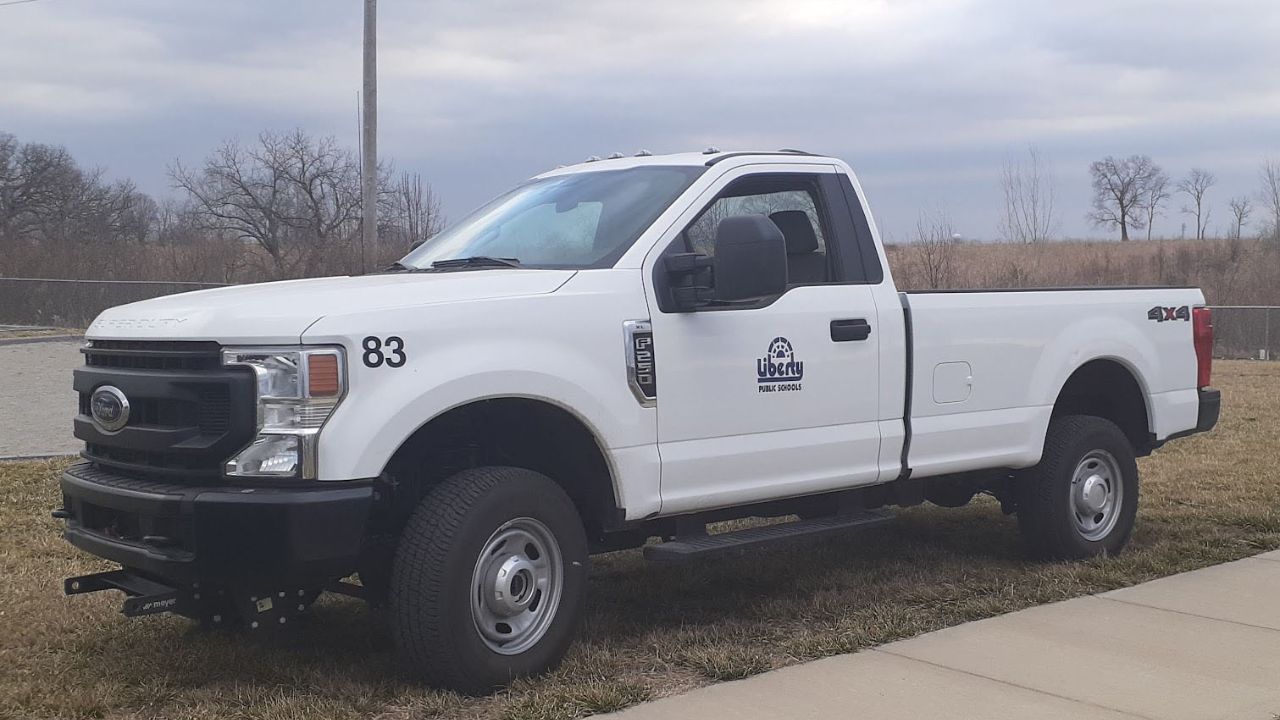
The F-350 was built for owners who genuinely needed heavy-duty capability. Whether used for towing equipment, hauling materials, or working on a farm, it could handle jobs beyond the reach of lighter pickups. Its heavy-duty chassis and drivetrain gave it considerable staying power. Many older examples continue working because their owners simply refuse to retire them.
Chevrolet Colorado
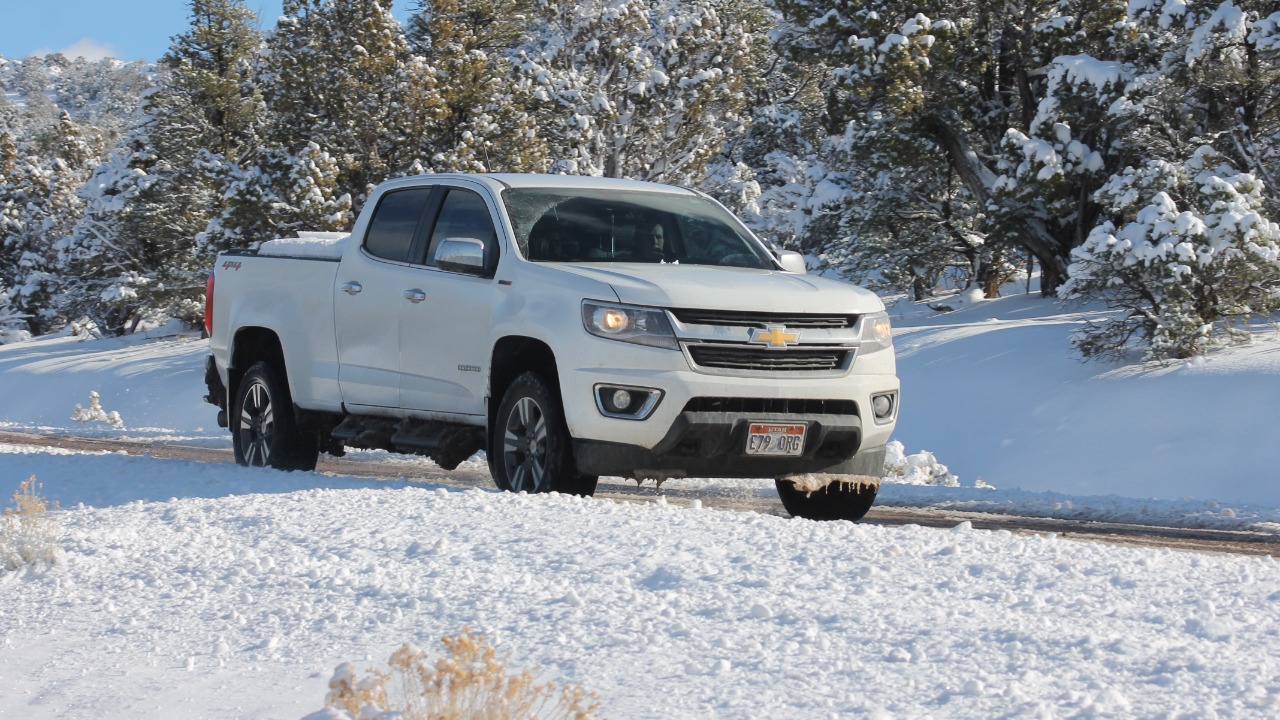
The Colorado gave Chevrolet a modern midsize pickup for buyers who didn’t need a full-size truck. Earlier generations offered practical dimensions, useful payload capability, and available four-wheel drive. Many owners appreciate their balance of utility and everyday drivability. A well-maintained Colorado can remain a dependable workhorse without the size and complexity of a heavy-duty pickup.
GMC Canyon
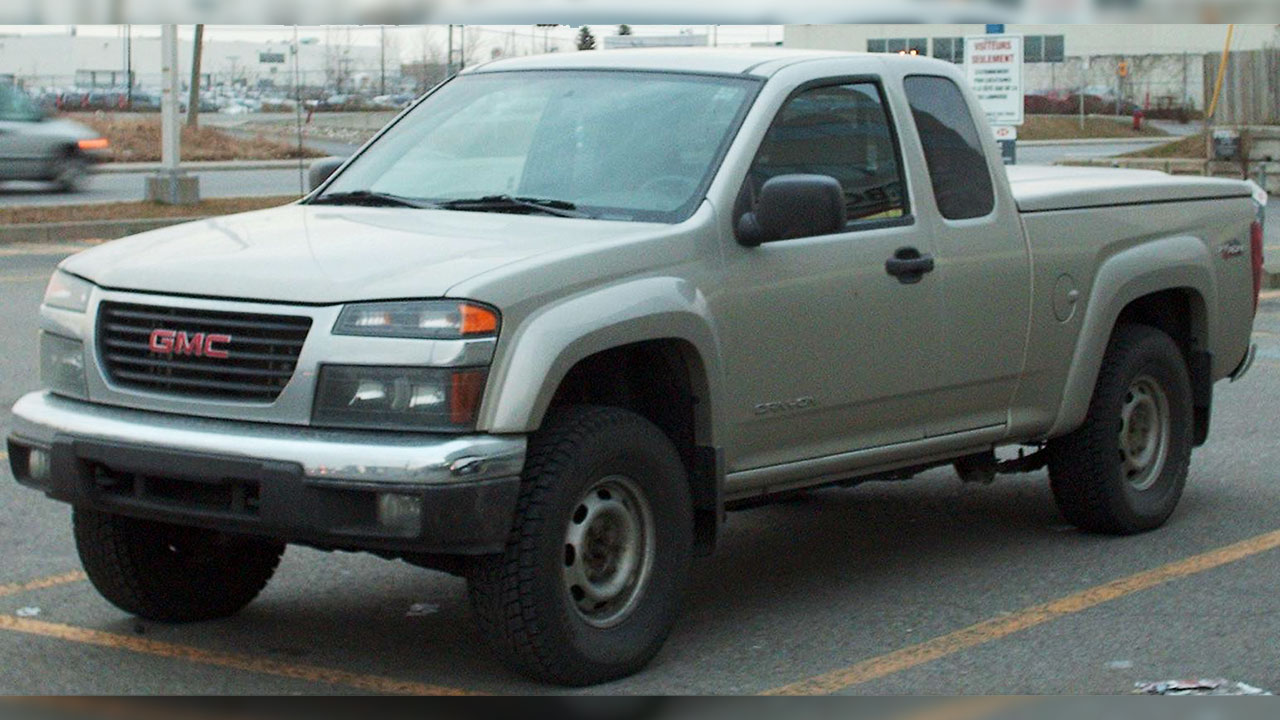
The Canyon shares its basic platform with the Colorado while offering GMC’s styling and equipment approach. It provides enough capability for many jobs without becoming excessively large. Owners who use their trucks for light hauling, towing, and outdoor activities can get years of service from them. That versatility has helped the Canyon build a loyal following.
Jeep Comanche
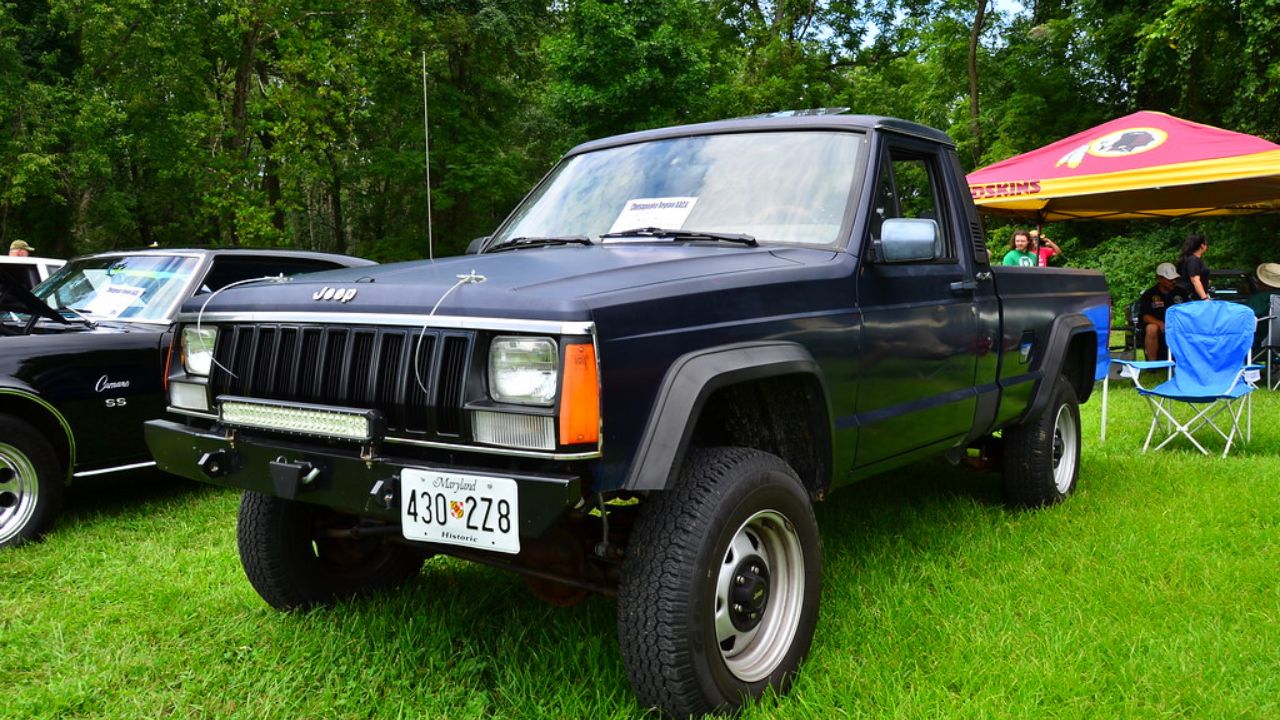
The Comanche was one of Jeep’s most interesting pickup experiments, combining a compact truck body with the brand’s familiar rugged character. Four-wheel-drive versions could handle rough terrain while the simple mechanical layout made maintenance manageable. Production ended decades ago, yet surviving Comanches still attract devoted owners. Finding a clean one today is becoming increasingly difficult.
Chevrolet Avalanche

The Avalanche blurred the line between pickup and SUV with its unusual midgate design and enclosed passenger compartment. It offered useful cargo flexibility while retaining the ability to tow and haul. Its unconventional layout made it different from traditional pickups, but that practicality earned it a loyal following. Clean examples are increasingly appreciated by owners who want something genuinely versatile.
More from Fast Lane Only
- Unboxing the WWII Jeep in a Crate
- 15 rare Chevys collectors are quietly buying
- 10 underrated V8s still worth hunting down
- Police notice this before you even roll window down
*Research for this article included AI assistance, with all final content reviewed by human editors.