Pontiac had a knack for dropping cars that didn’t always look revolutionary on day one, then suddenly felt like they were everywhere—on drag strips, in high school parking lots, and later in collectors’ garages. Sometimes it was a clever options package, sometimes a new engine family, and sometimes a design that aged into its role. Here are 20 Pontiacs that built their reputations fast, often with a quieter start than you’d expect.
1964 Pontiac GTO
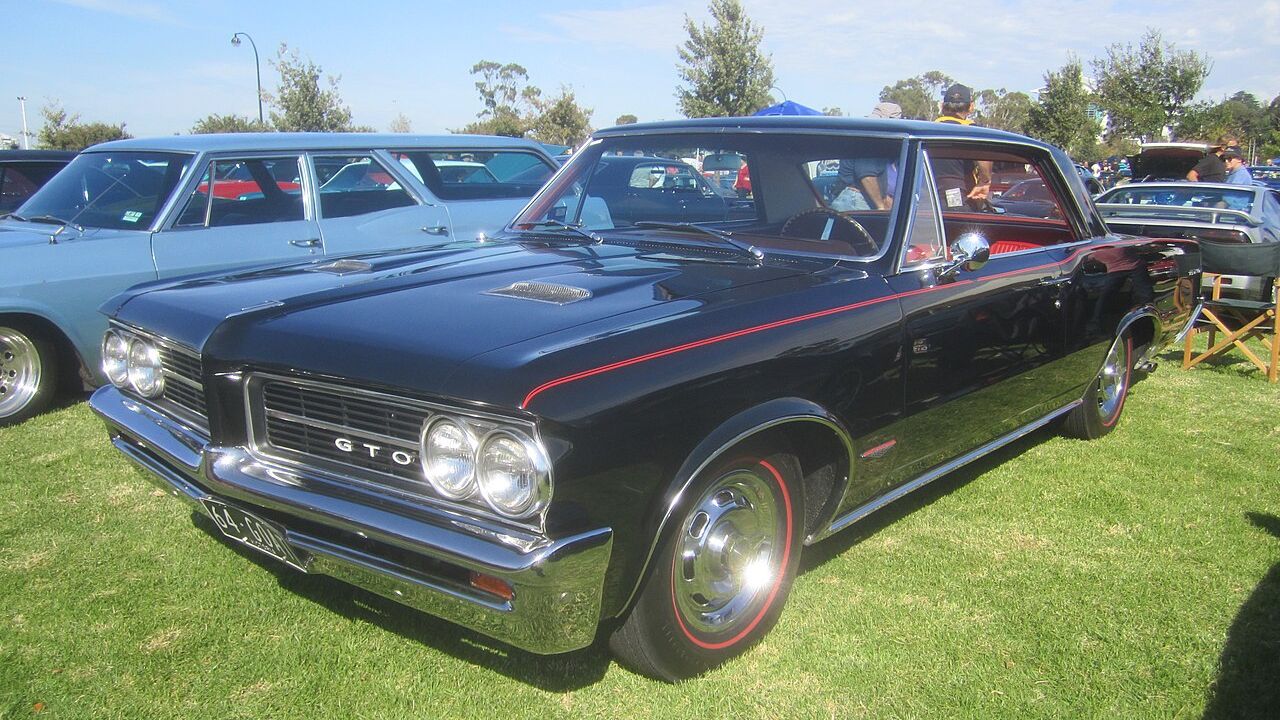
The original GTO began as an option package on the Tempest/LeMans, which is part of why it initially flew under the radar. Stuffing a 389 V8 into Pontiac’s midsize platform created a template that quickly caught on across Detroit. Once the magazines and drag strips got hold of it, the “muscle car” conversation changed almost overnight.
Its early success wasn’t just about horsepower—it was about how the whole package felt youthful and street-ready. Pontiac’s marketing leaned into that vibe, and the GTO became a cultural marker as much as a model designation.
1977 Pontiac Firebird Trans Am
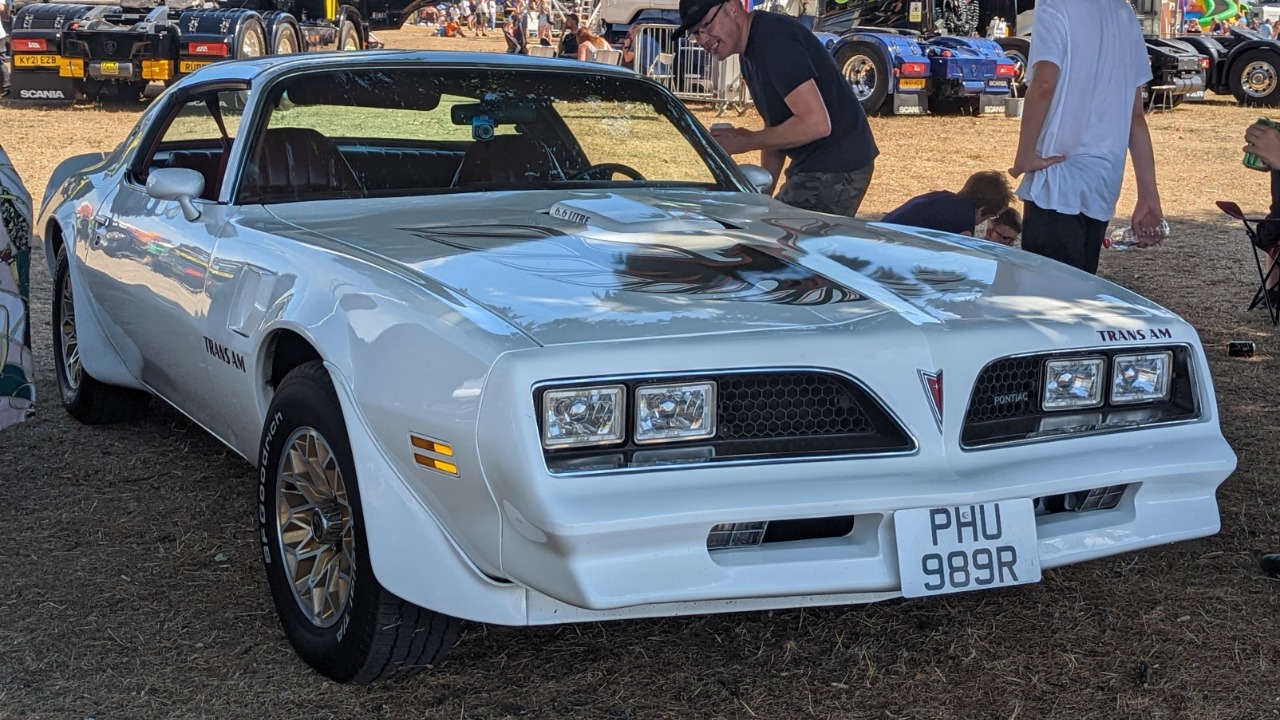
The second-gen Trans Am had been around for years, but 1977 is the one most people picture thanks to pop-culture exposure and the model’s bold graphics. Pontiac’s “screaming chicken” hood decal and wide stance made it instantly recognizable. Even as emissions-era power figures dipped, the Trans Am’s image skyrocketed.
It’s a good reminder that icons aren’t always crowned by dyno sheets alone. The 1977 Trans Am turned styling, presence, and attitude into a brand unto itself.
1969 Pontiac Firebird Trans Am
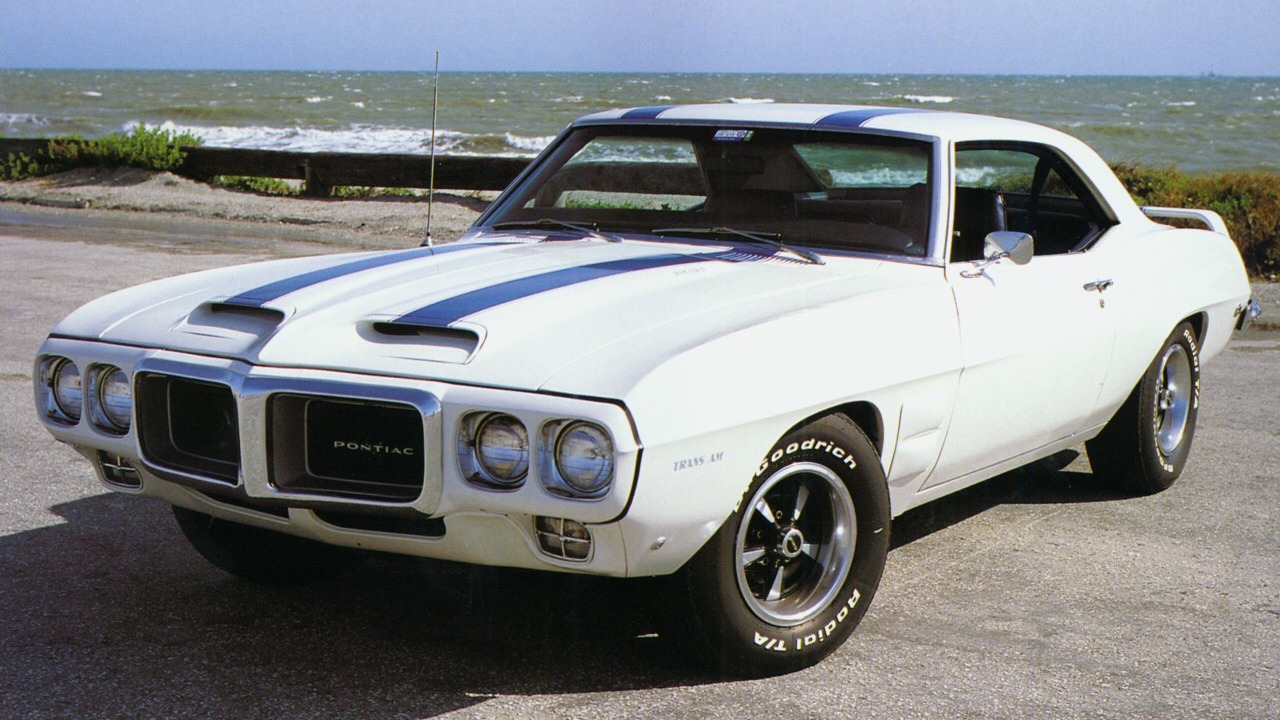
Pontiac introduced the Trans Am as a focused performance variant of the Firebird, and 1969 models are especially prized today. Built with road-racing intent and a distinctive look, it didn’t start as a mass-market hit. Over time, it became one of the key origin points for Pontiac’s performance identity in the pony car wars.
The early Trans Am’s scarcity and purpose-built aura helped it “arrive” later as collectors connected the dots. It’s the kind of car that felt niche—until it didn’t.
1965 Pontiac Catalina 2+2

The full-size 2+2 package gave the Catalina a more performance-oriented edge, pairing big-body comfort with serious V8 power. It’s often overshadowed by the GTO, but the formula appealed to drivers who wanted speed without giving up space. In period, it was a subtle way to get a very quick Pontiac without the flashiest branding.
As enthusiasts dug deeper into Pontiac’s mid-’60s lineup, the 2+2’s blend of muscle and practicality earned it more attention. It’s a quiet favorite that became louder with time.
1959 Pontiac Bonneville
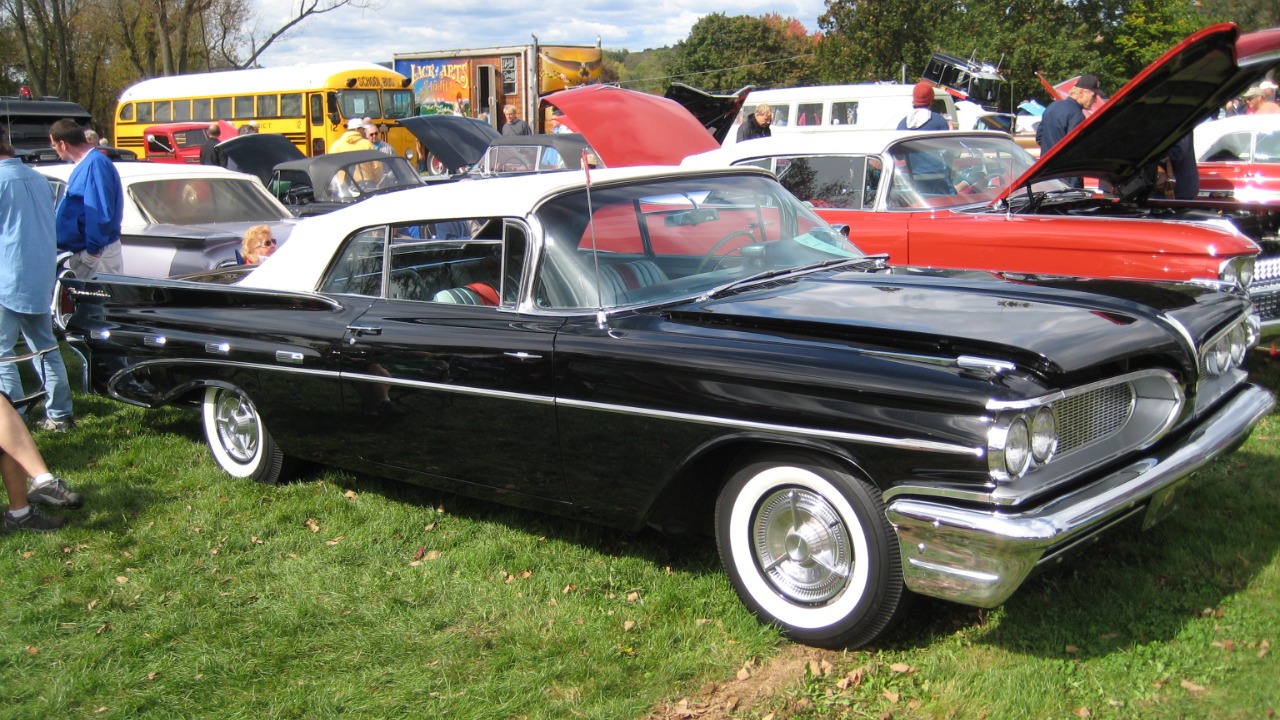
By the late ’50s, Pontiac was climbing out of a conservative reputation, and the Bonneville helped lead that change. The 1959 styling is peak Jet Age, and Pontiac’s performance image was strengthening thanks to the division’s V8 development and motorsport ties. What looked like a big cruiser also carried real enthusiast credibility for its era.
Today it reads as a turning-point Pontiac: upscale, expressive, and fast enough to back up its attitude. That mix is exactly how icons are born.
1963 Pontiac Grand Prix
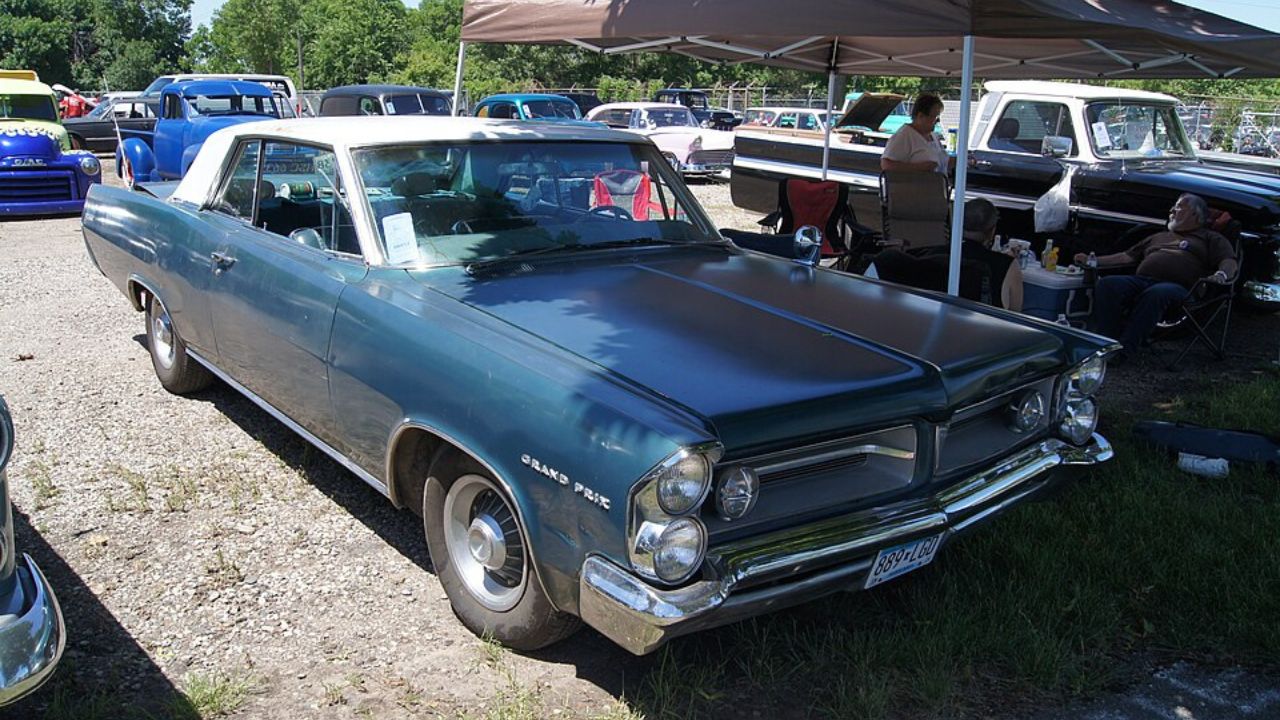
The early ’60s Grand Prix gave Pontiac a personal-luxury coupe with a strong performance undercurrent. It wasn’t marketed as a street brawler, but it had the engines and chassis to feel confident at speed. The long-hood proportions and upscale interior helped it stand out in a crowded GM showroom.
As the personal-luxury segment matured, enthusiasts started to credit the Grand Prix as one of the cars that set the tone. It’s a cornerstone that didn’t need to shout.
1973 Pontiac Grand Am
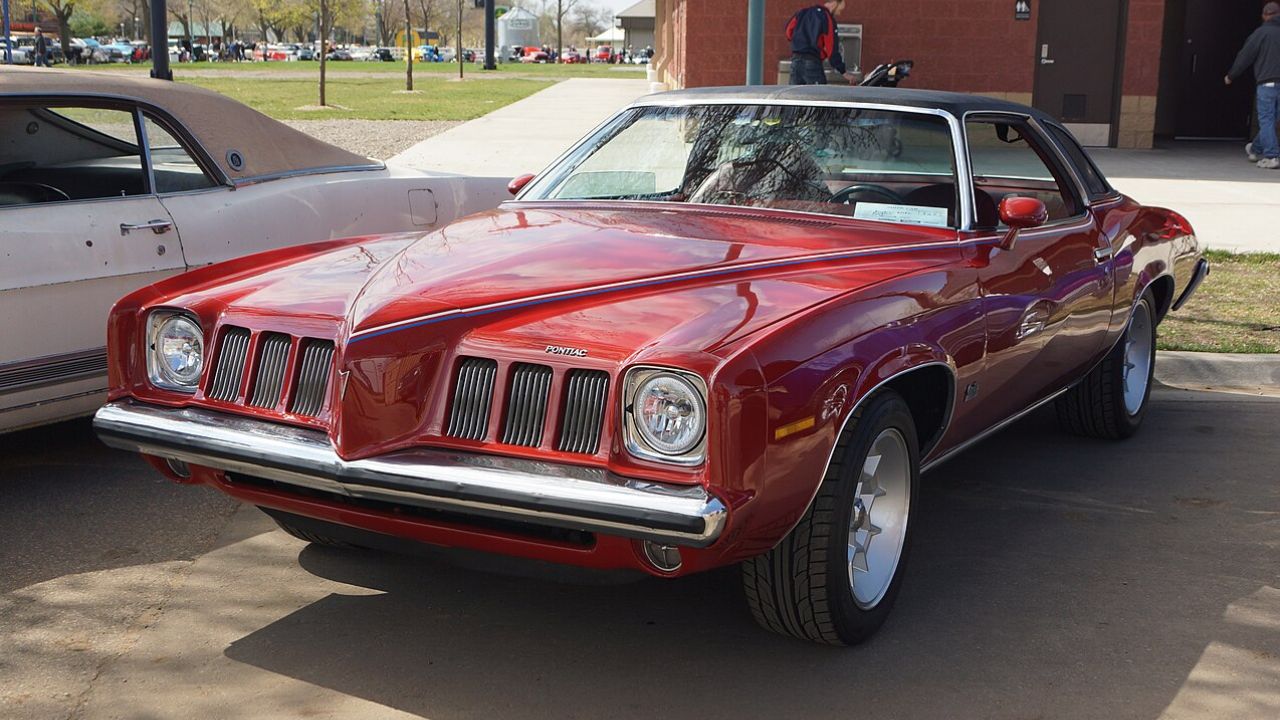
When Pontiac revived the “Grand Am” name in the early ’70s, it aimed for a European-flavored American coupe with available V8 power and sharper road manners. The styling and intent made it feel different from typical midsize fare. It never dominated sales charts, but it developed a loyal following that grew over time.
That “driver’s Pontiac” reputation is why the 1973–1975 Grand Am has become a conversation starter at shows. It’s an icon in the way cult classics are icons.
1961 Pontiac Tempest
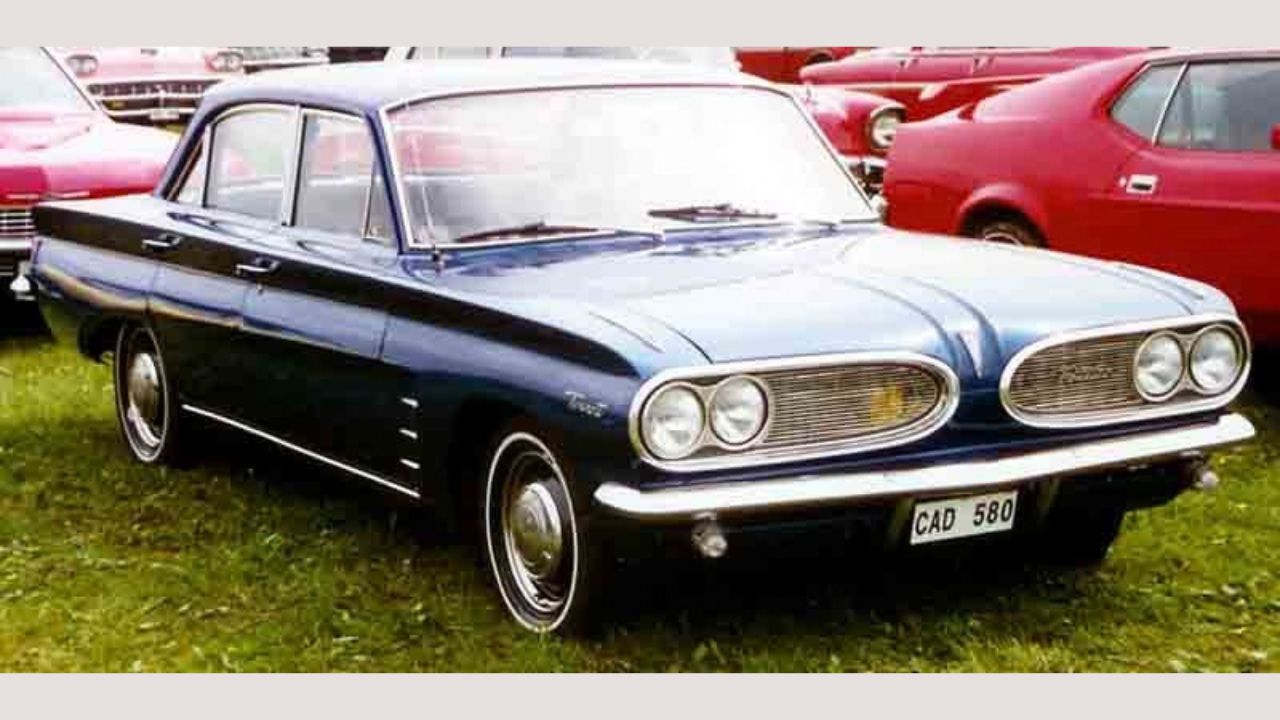
The 1961 Tempest was unusually engineered by Detroit standards, featuring independent rear suspension and a rear transaxle layout. It arrived as a compact-ish car with surprising sophistication, even if buyers didn’t immediately frame it that way. The oddball engineering is exactly what later made it memorable.
Enthusiasts now appreciate how much Pontiac tried to innovate during this period. The Tempest’s legacy got stronger as people realized how unconventional it really was.
1963 Pontiac LeMans
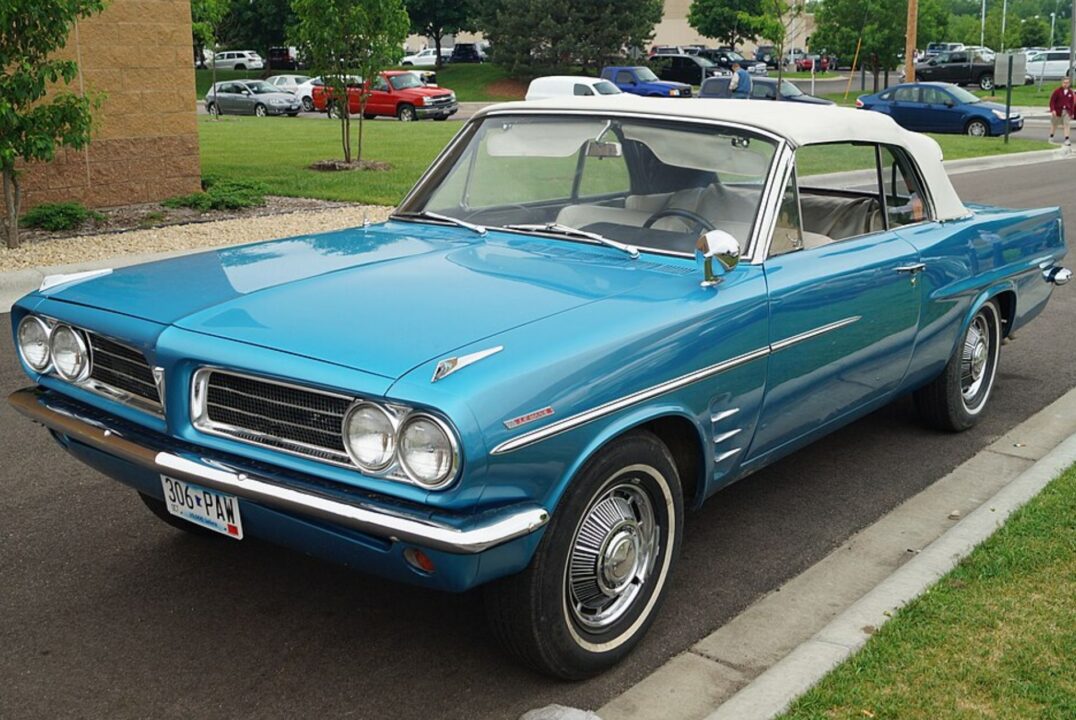
The LeMans name appeared as a sportier trim within the Tempest line, setting the stage for what would become the GTO story. In 1963, it already hinted at Pontiac’s youth-market push with buckets and a more spirited image. It didn’t need to be the star to become important.
Once the GTO arrived, earlier LeMans models gained “prequel” status. That connection helped the 1963 LeMans feel more iconic in hindsight.
1970 Pontiac GTO (The Judge)
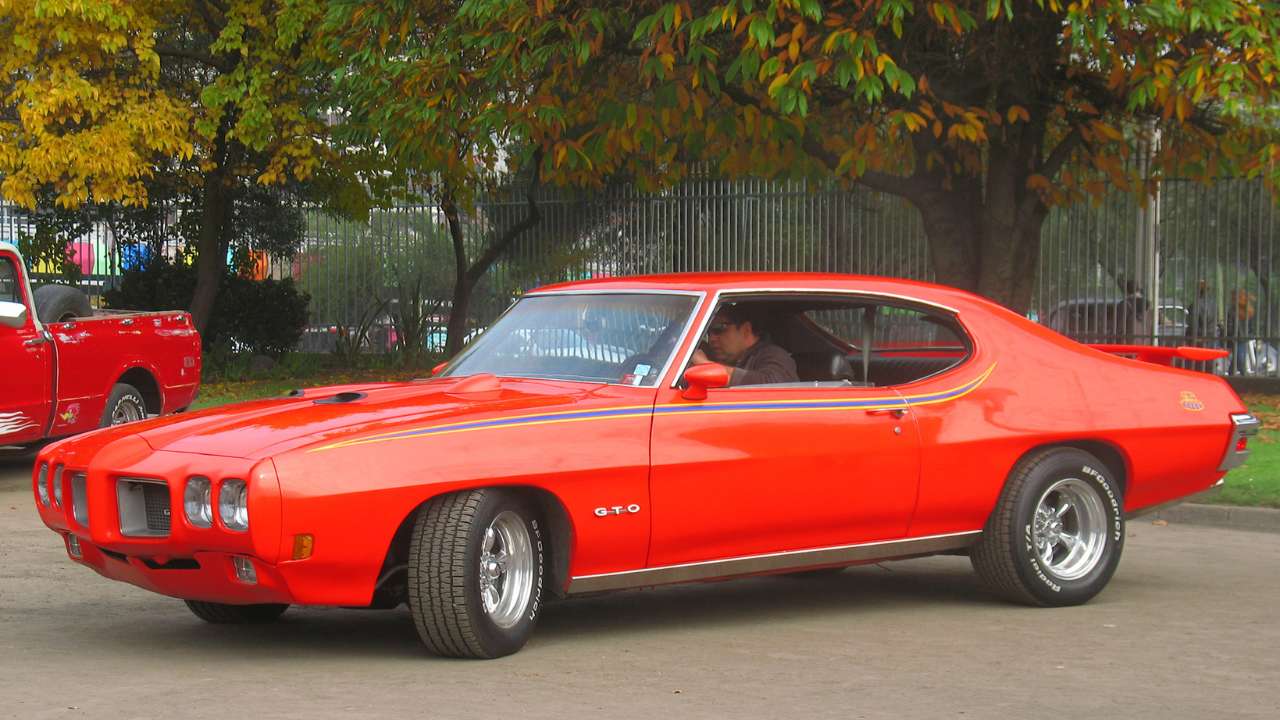
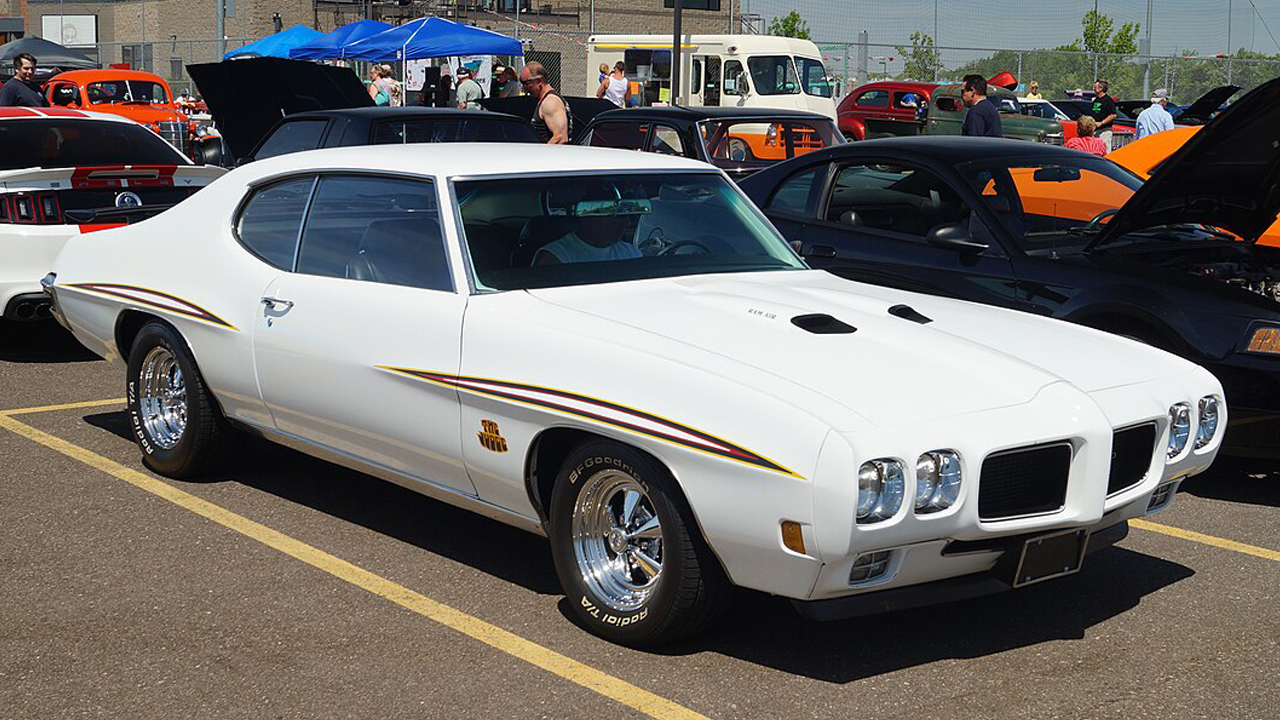
By 1970, The Judge package had become a defining part of the GTO’s personality—bright colors, bold graphics, and serious performance options. While not every buyer wanted the extroverted look, the cars that were built left a lasting impression. The Judge reputation has only grown stronger in the collector era.
The 1970 model year is often remembered for the way Pontiac balanced style and substance. It’s an icon that can be recognized from across a parking lot.
Pontiac GT-37
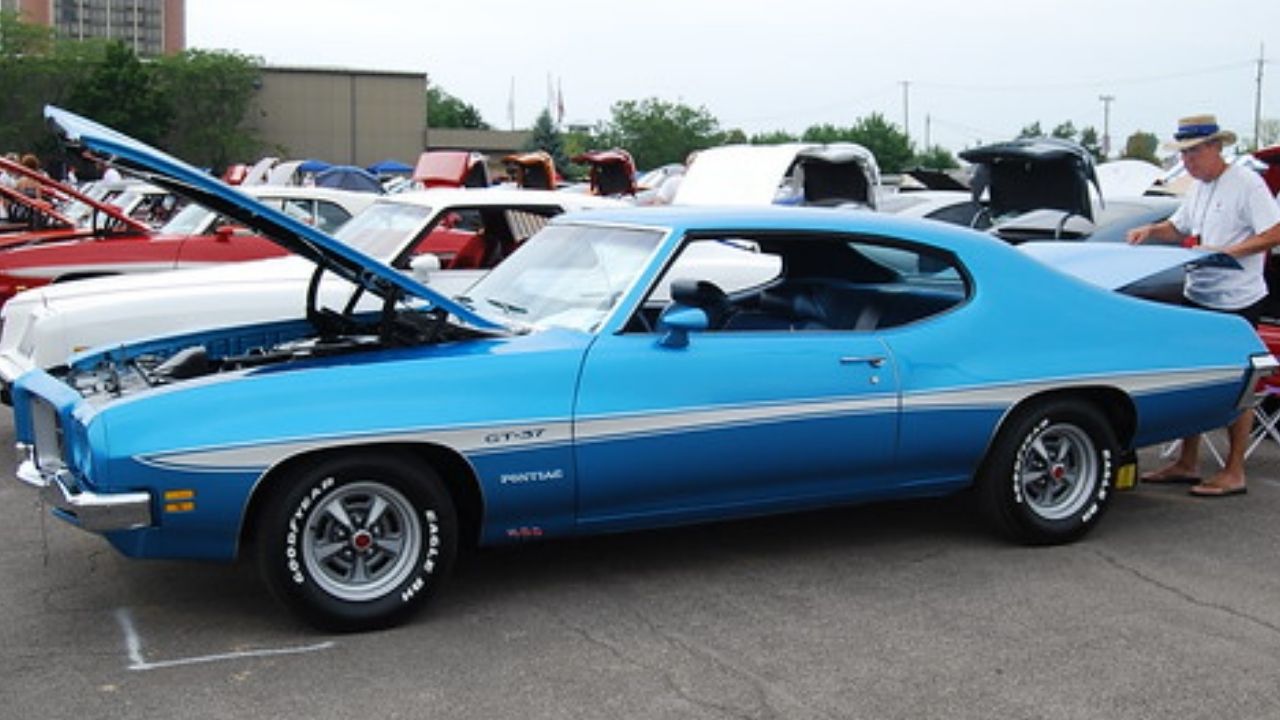
The GT-37 is one of Pontiac’s more underappreciated attempts to keep performance accessible as the market changed. Based on the compact-ish T-37, it offered sporty intent in a smaller package than the traditional muscle flagships. It’s the kind of model that didn’t dominate headlines, but it appealed to enthusiasts who noticed the details.
As interest in “budget muscle” grew, the GT-37’s profile rose. It’s now a neat find precisely because it wasn’t always on everyone’s radar.
1969 Pontiac Grand Prix SJ
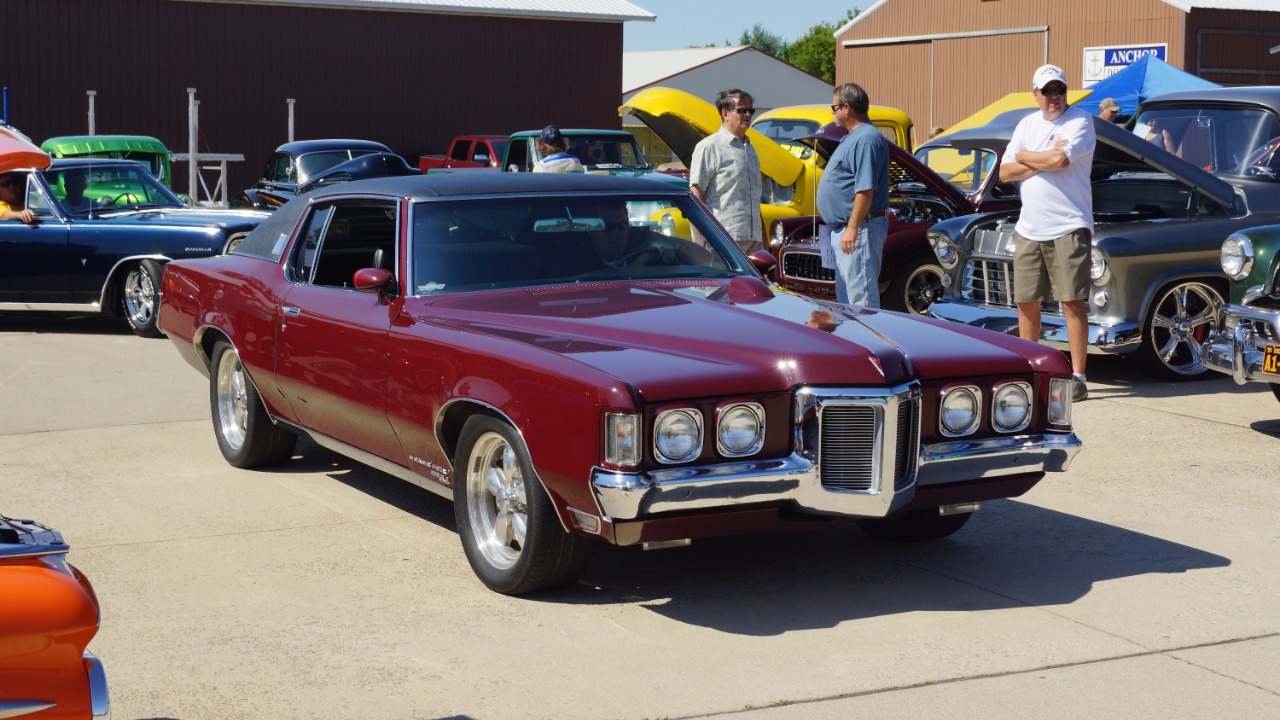
The redesigned 1969 Grand Prix leaned hard into long-hood styling and upscale performance, and the SJ designation signaled a higher-trim, more premium experience. It’s a personal-luxury car that still feels purposeful, not floaty. That combination helped it stand out as tastes shifted in the late ’60s.
Collectors have increasingly recognized how influential this generation was. It’s a reminder that “iconic” can mean refined, not just rowdy.
1984 Pontiac Fiero
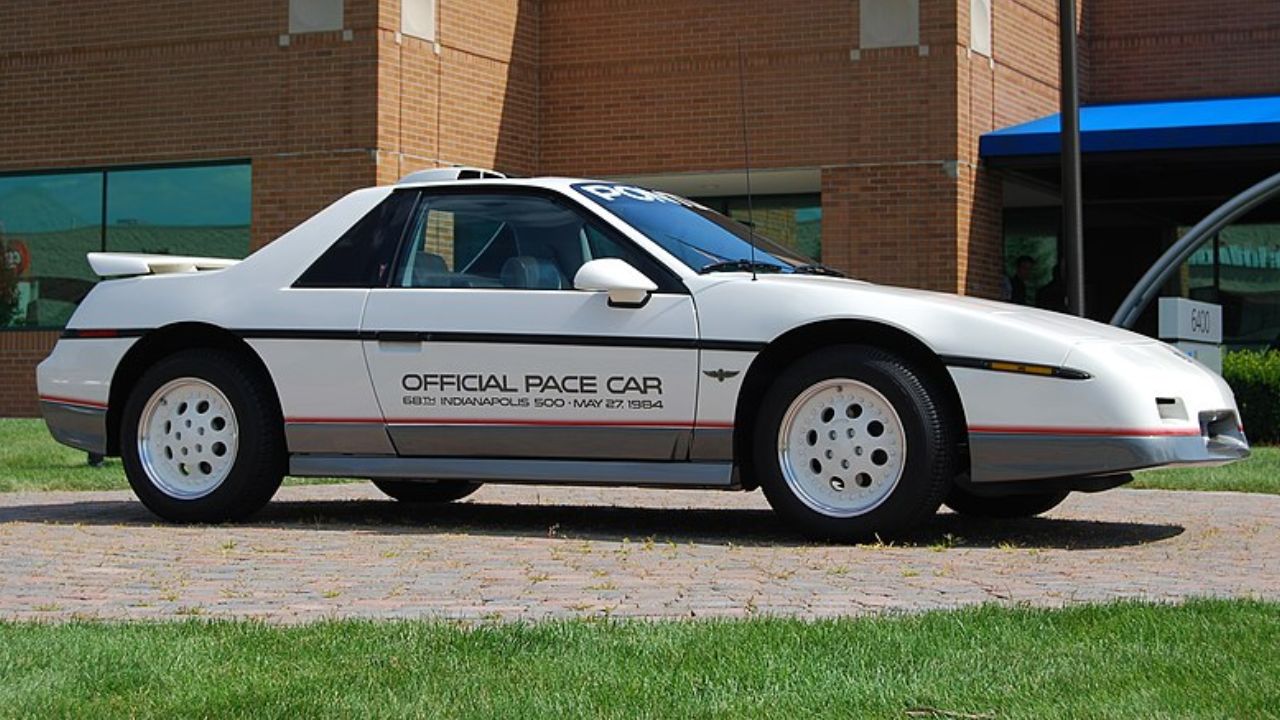
The Fiero arrived as a small, mid-engine Pontiac that looked like nothing else in mainstream American showrooms. Early cars emphasized efficiency and commuting more than outright speed, which surprised some shoppers. Still, the layout and styling made it instantly memorable.
As the platform evolved and the story of what Pontiac was trying to do became clearer, the Fiero’s reputation improved. It’s now a defining ’80s Pontiac, quirks and all.
1989 Pontiac Turbo Trans Am

To pace the Indianapolis 500, Pontiac created the Turbo Trans Am using a turbocharged V6 borrowed from the Buick/GM performance toolbox of the era. It looked like a regular Trans Am to casual observers, which is part of the appeal. Underneath, it delivered a very different kind of performance than the usual V8 expectations.
Its limited-run nature and Indy connection helped it become a quick-blooming modern collectible. It’s an icon for people who love sleeper credentials with factory backing.
1997 Pontiac Grand Prix GTP

The supercharged Grand Prix GTP brought serious street performance to a front-drive package, using GM’s 3.8-liter V6 with forced induction in a sporty coupe-sedan shape. It fit the late-’90s appetite for quick, comfortable daily drivers that still felt special. Owners loved the torque and the tuning potential.
As the era gets reappraised, the GTP keeps gaining appreciation. It’s one of those cars that went from “common sight” to “hey, you don’t see those anymore” surprisingly fast.
2004 Pontiac GTO
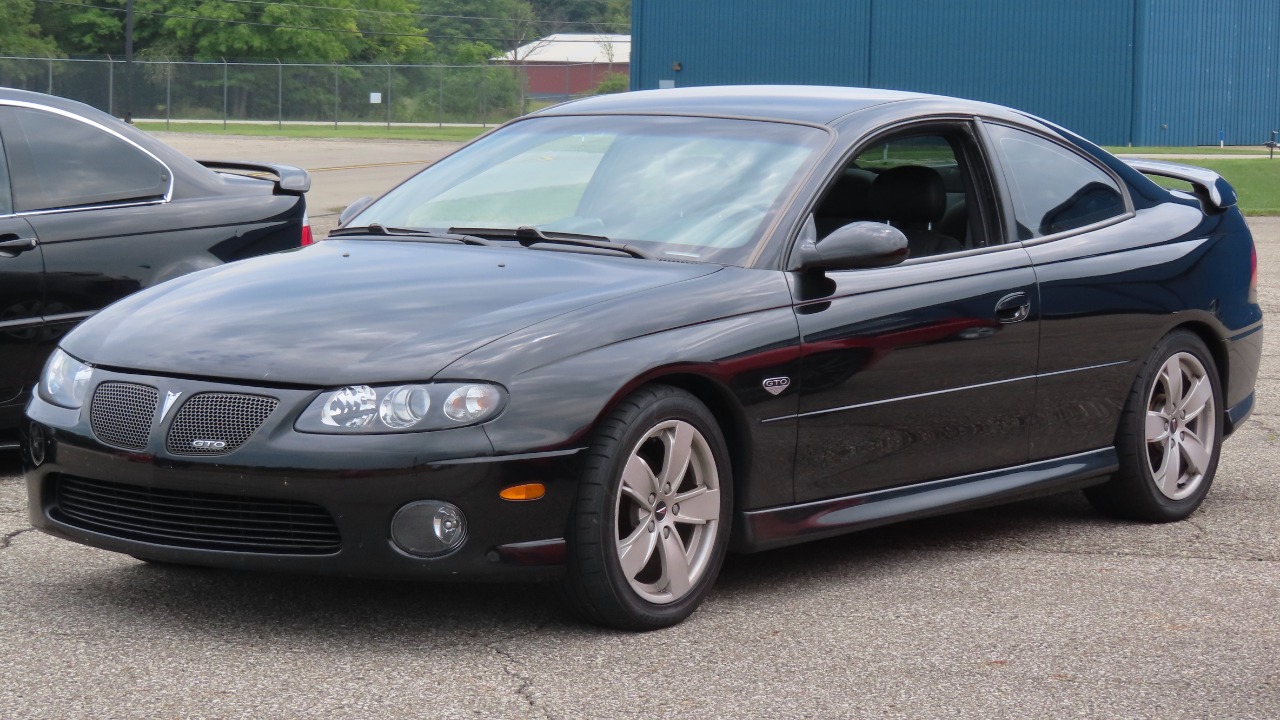
Pontiac’s early-2000s GTO was a modern muscle coupe based on the Holden Monaro, bringing V8 power and understated styling. Some expected more visual drama, but the restrained look made it a genuine sleeper in traffic. Over time, that subtlety became part of its charm.
Enthusiasts now credit it for delivering real performance in a relatively clean package. It’s a car that became cooler as people stopped demanding it be a throwback caricature.
2006 Pontiac GTO
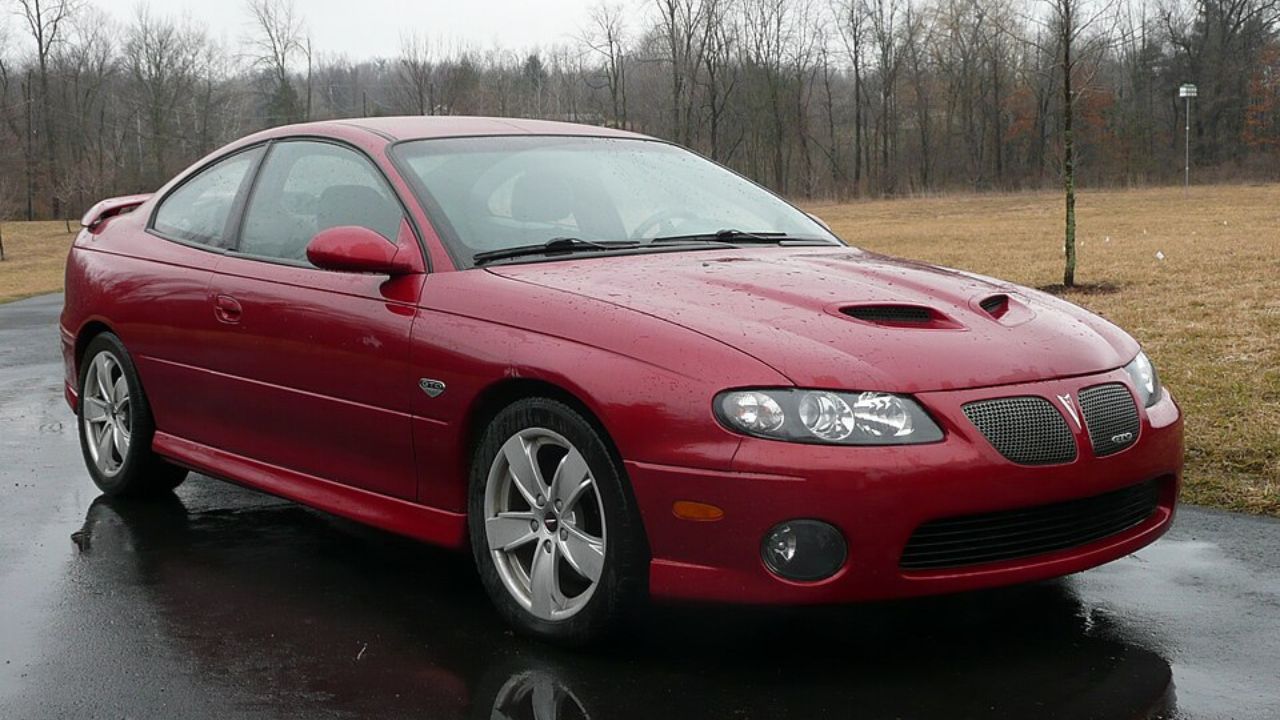
By 2006, the GTO had matured with refinements and stronger performance credentials, closing out its run with a more polished feel. It still didn’t rely on wild styling cues, which kept it from instant mass appeal. But drivers who wanted a fast, comfortable V8 coupe knew what it was.
As values and interest rise, the 2006 model year benefits from being the final iteration. Final-year cars often get their own spotlight, and this one fits the pattern.
Pontiac Grand Prix GXP
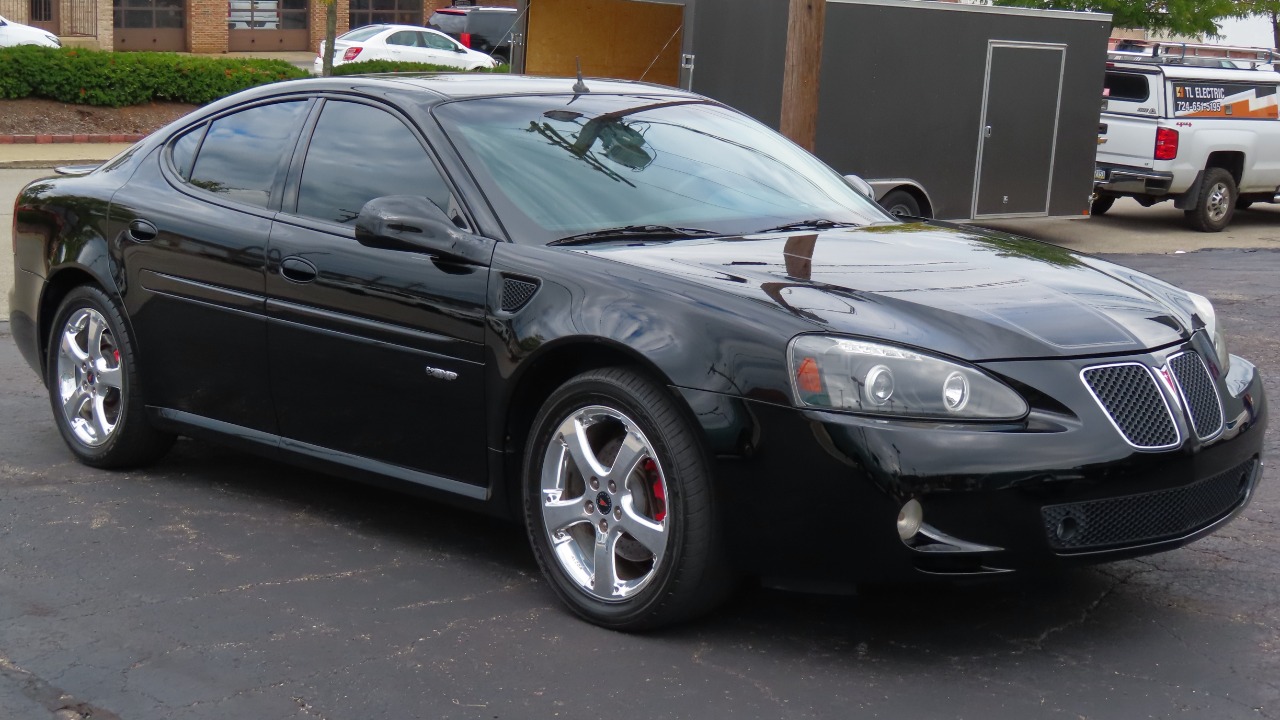
The Grand Prix GXP pushed the nameplate into a different lane by offering V8 power in a full-size front-drive performance sedan. It was an unusual engineering and marketing move for the segment. That oddity—paired with real-world thrust—made it stand out.
It’s increasingly recognized as one of Pontiac’s last big swings at affordable performance. The “why did they do that?” factor is exactly what makes it memorable today.
Pontiac Bonneville GXP
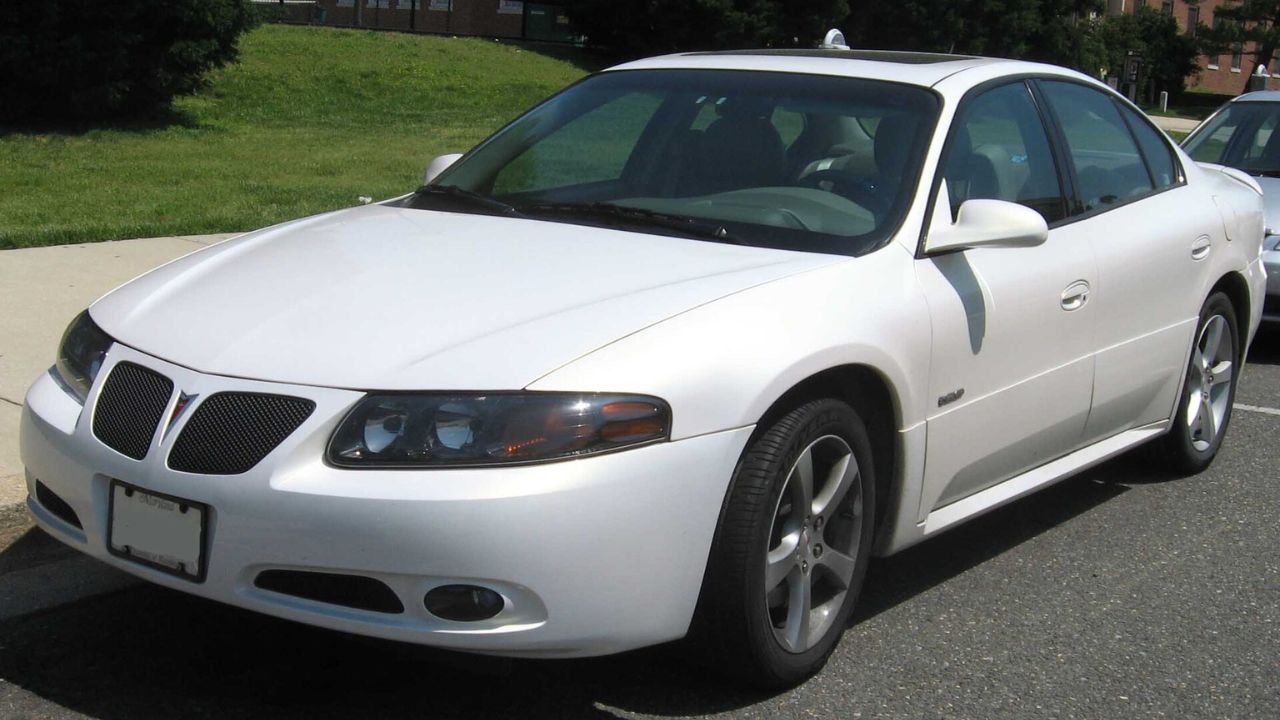
The Bonneville GXP gave Pontiac’s big sedan a performance halo, mixing a more aggressive personality with a higher-output V8 than typical Bonneville trims. It wasn’t a volume seller, and many buyers still thought of the Bonneville as a comfortable cruiser. That mismatch kept it somewhat hidden in plain sight.
Now it’s appreciated as a late-era Pontiac with real character. It’s a sleeper flagship that’s become more interesting with age.
Pontiac G8 GXP
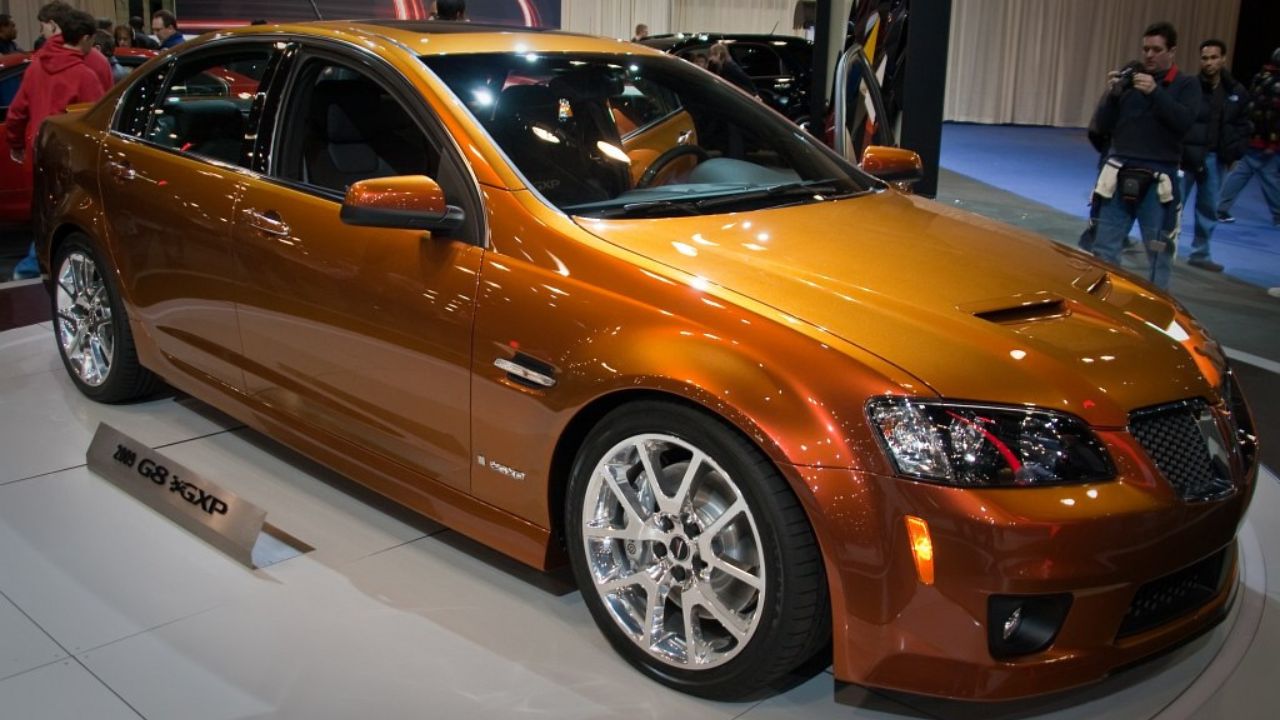
The G8 arrived late in Pontiac’s life, but it made a strong impression as a rear-drive sport sedan derived from Holden’s global architecture. The GXP variant, with V8 power, quickly earned respect among enthusiasts who wanted a modern American-style performance four-door. It didn’t have years to build a legacy in dealerships, so its reputation formed fast.
Today it’s often cited as evidence of where Pontiac could’ve gone if the timing had been different. Some cars become icons through longevity; the G8 GXP did it through impact.
Pontiac’s best “overnight” icons often weren’t instant bestsellers—they were cars that nailed a feel, an engineering idea, or a look
More from Fast Lane Only
- Unboxing the WWII Jeep in a Crate
- 15 rare Chevys collectors are quietly buying
- 10 underrated V8s still worth hunting down
- Police notice this before you even roll window down
*Research for this article included AI assistance, with all final content reviewed by human editors.