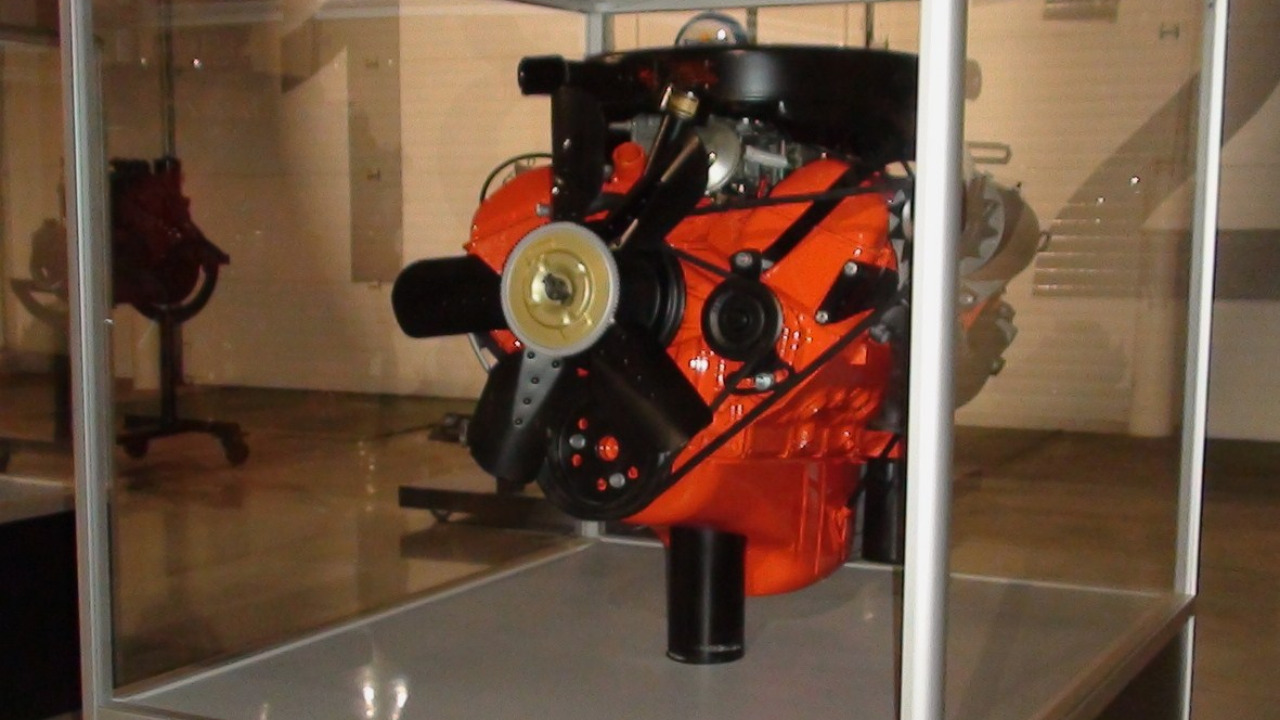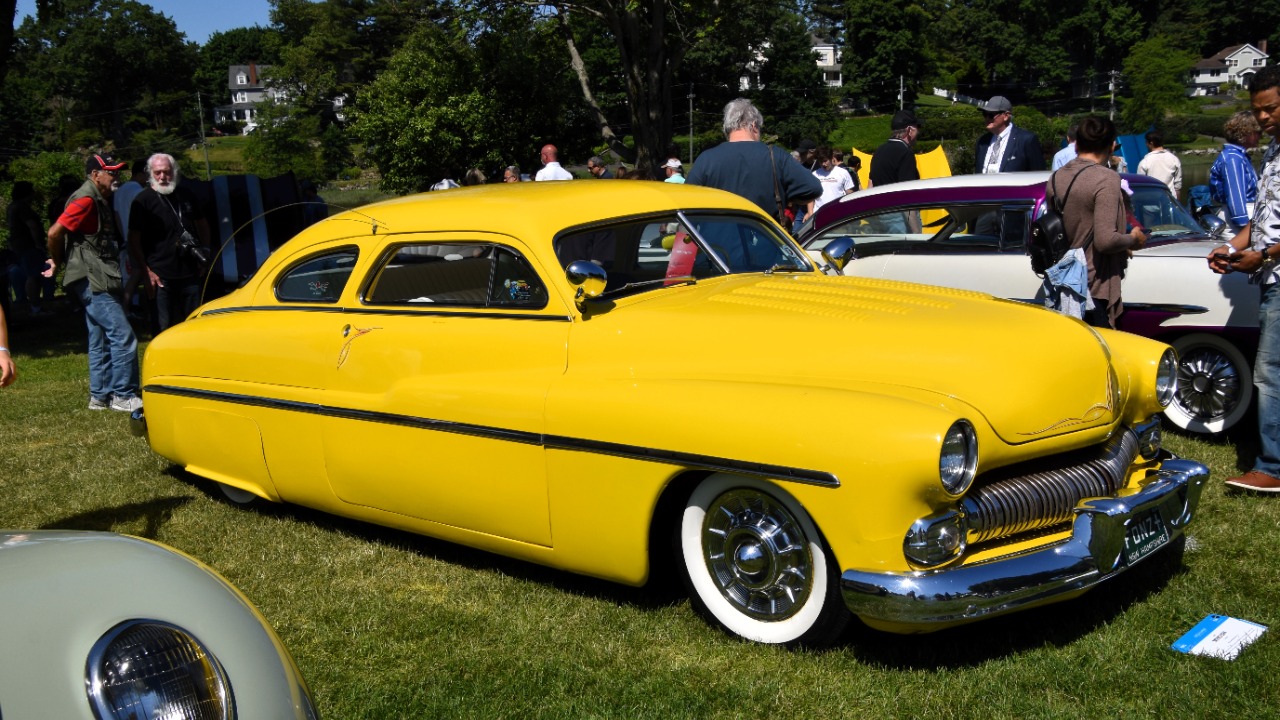
Some trucks became famous for towing, hauling, and off-road strength, while others quietly disappeared despite doing the same work. These forgotten pickups and utility trucks often lacked the marketing, styling, or popularity of better-known rivals. Their reputations faded, but their practical designs, durable drivetrains, and hardworking nature made them valuable machines for farms, businesses, and demanding daily use.
Ford F-100
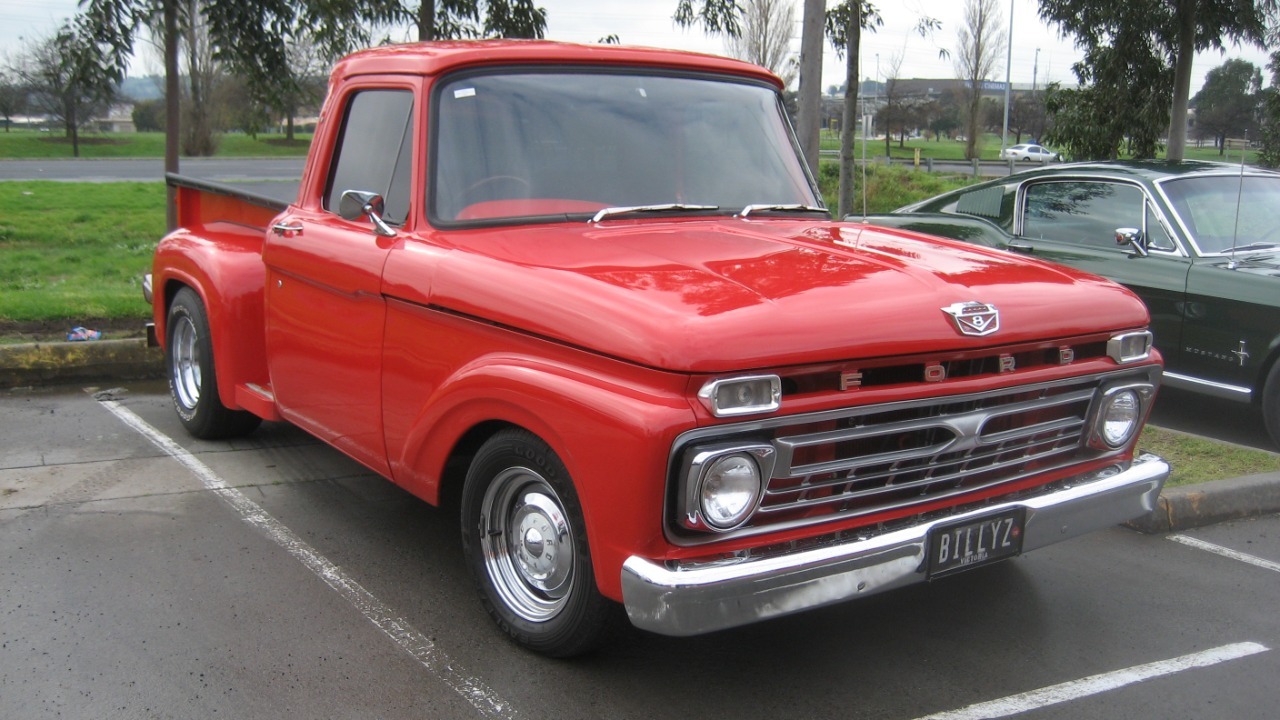
The Ford F-100 spent decades working as a dependable everyday pickup before later generations of trucks became much larger and more complicated. Its straightforward construction made it useful for farms, construction sites, and small businesses. Many versions offered durable inline-six or V8 engines paired with simple drivetrains that could tolerate regular hauling. Because so many were used as work vehicles rather than collectibles, countless F-100s eventually disappeared. Surviving examples reveal how capable a relatively simple half-ton truck could be when properly maintained.
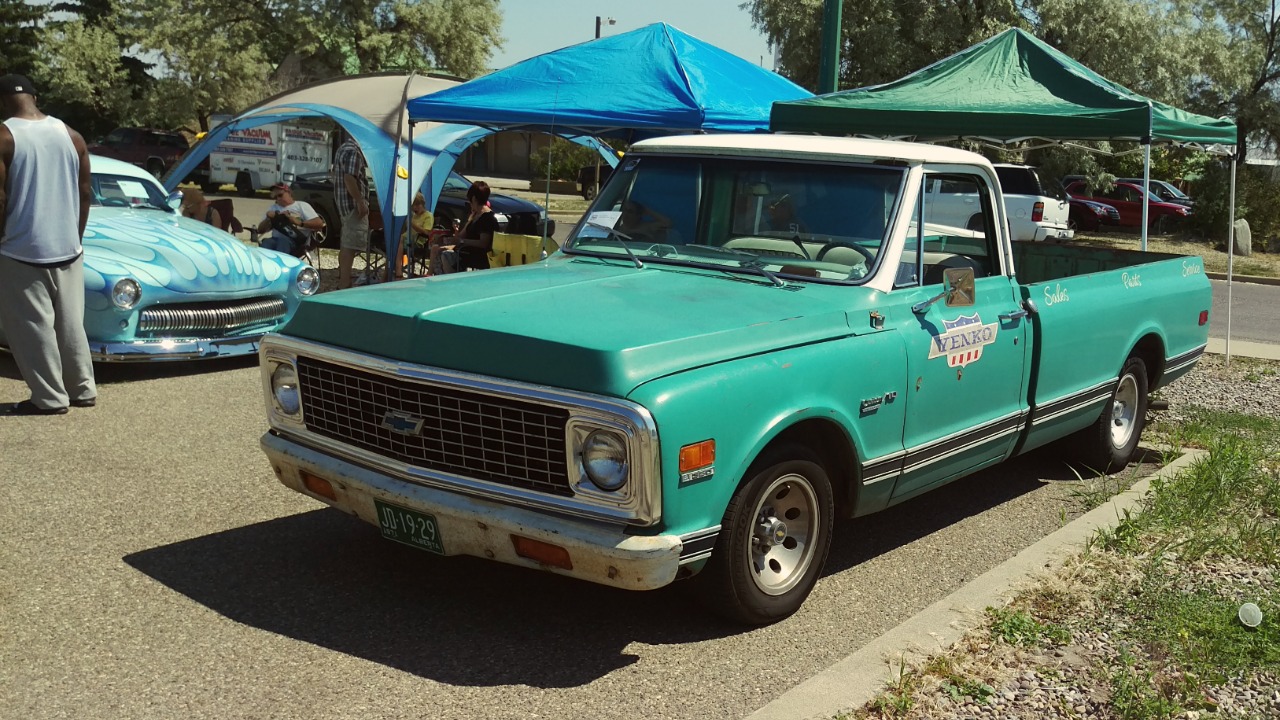
Chevrolet C10
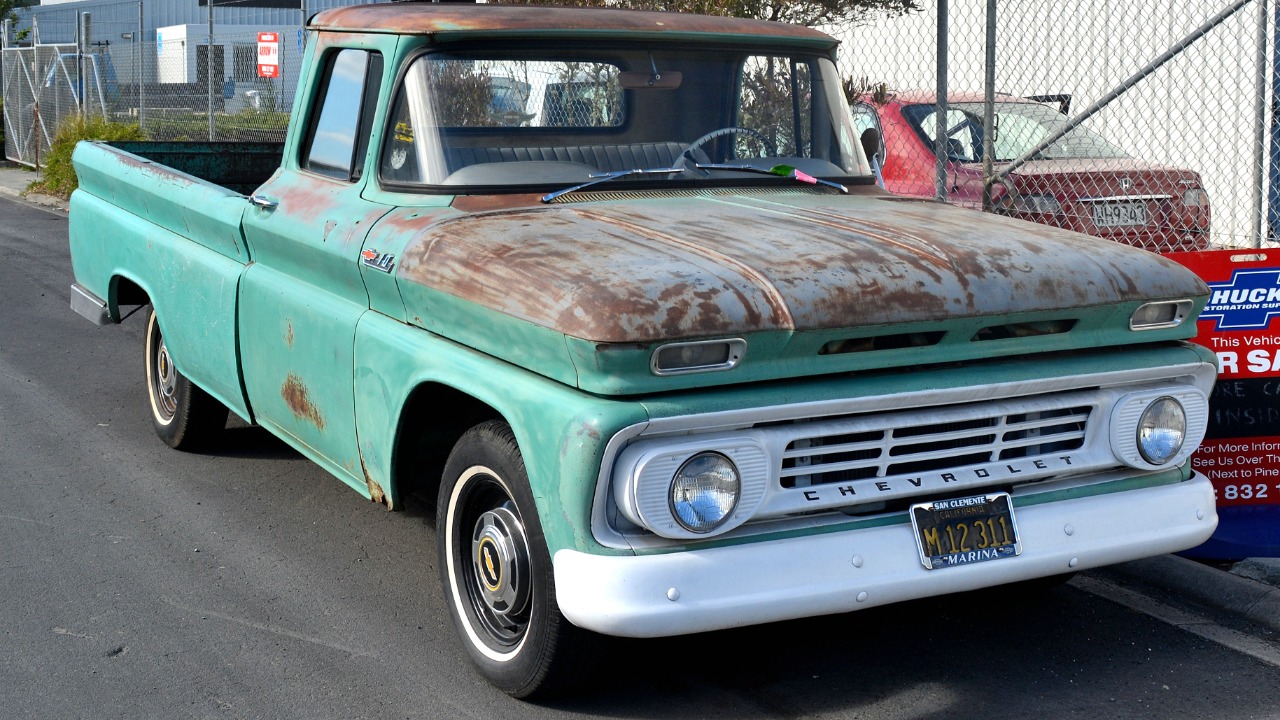
The Chevrolet C10 was one of the most common working pickups in America, but its popularity sometimes overshadows how much actual work these trucks performed. Available engines ranged from economical six-cylinders to capable V8s, while the sturdy chassis could handle everyday hauling duties. C10s served farmers, contractors, delivery businesses, and families for decades. Many were eventually worn out rather than preserved. Their simple mechanical design, strong aftermarket support, and useful payload capacity helped make the C10 a dependable workhorse long before it became a popular classic.
GMC C15

The GMC C15 shared much of its basic architecture with Chevrolet’s C10 but often receives less attention from collectors. It was designed as a practical light-duty pickup capable of handling regular hauling, farm work, and business use. Depending on the year, buyers could choose from six-cylinder and V8 engines, along with different bed and drivetrain configurations. Many GMC pickups accumulated high mileage before being retired. Today, a solid C15 can remind enthusiasts that GMC produced plenty of hardworking trucks that never received the same recognition as Chevrolet.
Dodge D100
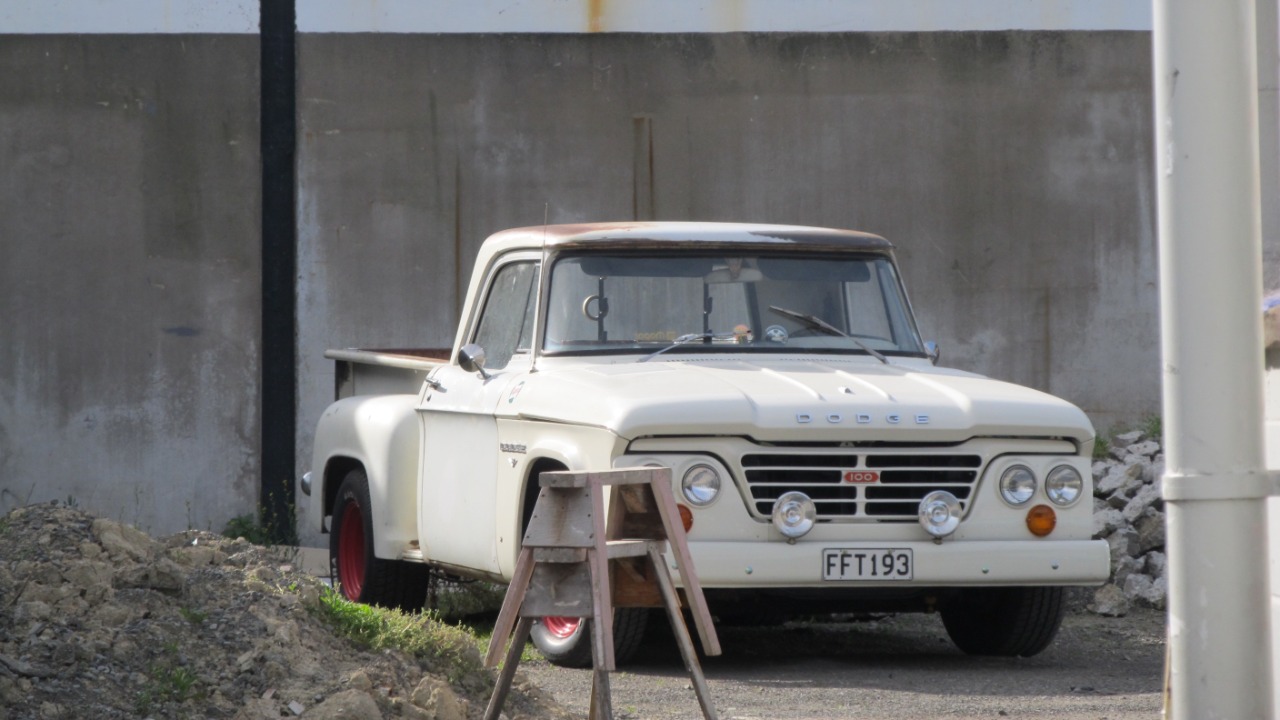
The Dodge D100 was a straightforward half-ton pickup that competed with Ford and Chevrolet during decades when trucks were expected to perform genuine working duties. Its available V8 engines provided useful torque, while the simple body-on-frame construction made the truck suitable for farms, workshops, and businesses. The D100 was rarely treated as a collectible when new, meaning many examples worked until they were no longer economical to repair. That history makes surviving trucks interesting because they represent the practical side of Dodge’s pickup lineup.
International Harvester 1200
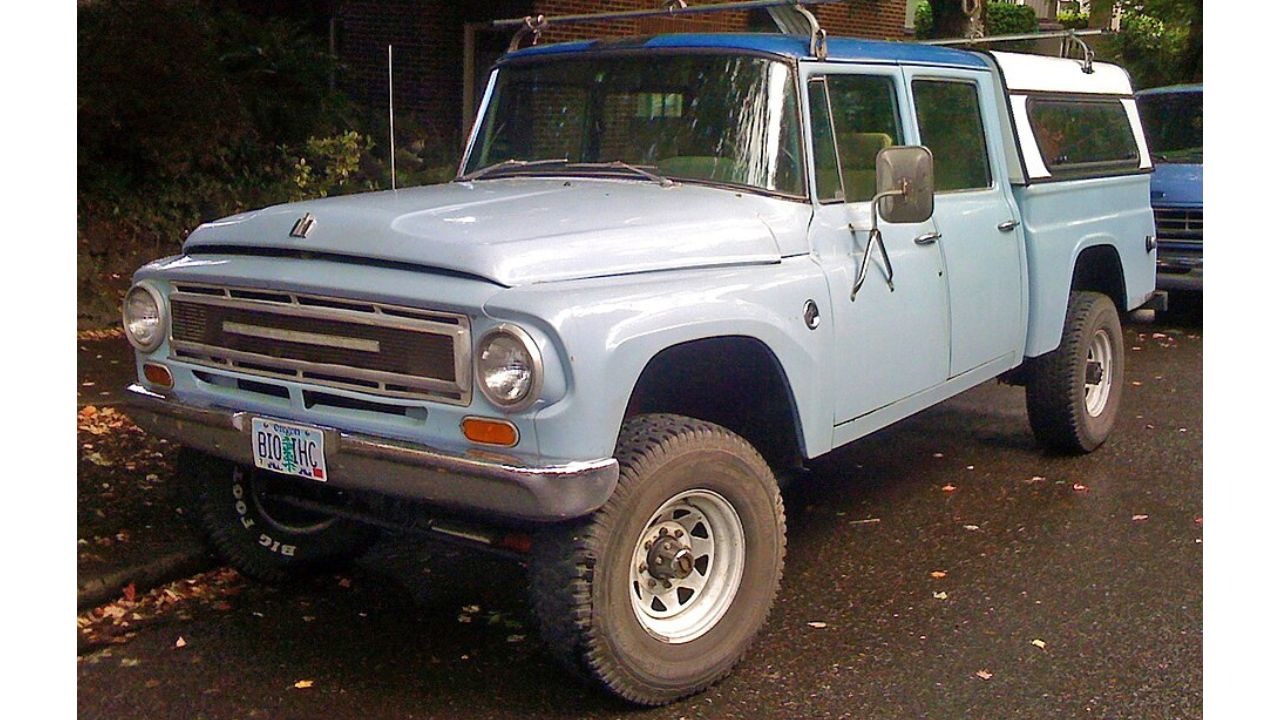
The International Harvester 1200 was built with serious utility in mind rather than flashy styling. Its rugged construction and available four-wheel-drive configurations made it useful for agricultural work, utility service, and rough terrain. International Harvester had extensive experience building commercial and agricultural equipment, and that engineering philosophy influenced its light trucks. Many examples were subjected to hard working lives and eventually disappeared. A surviving 1200 demonstrates why International pickups earned respect among owners who needed a truck for difficult jobs rather than simply transportation.
Ford Ranchero
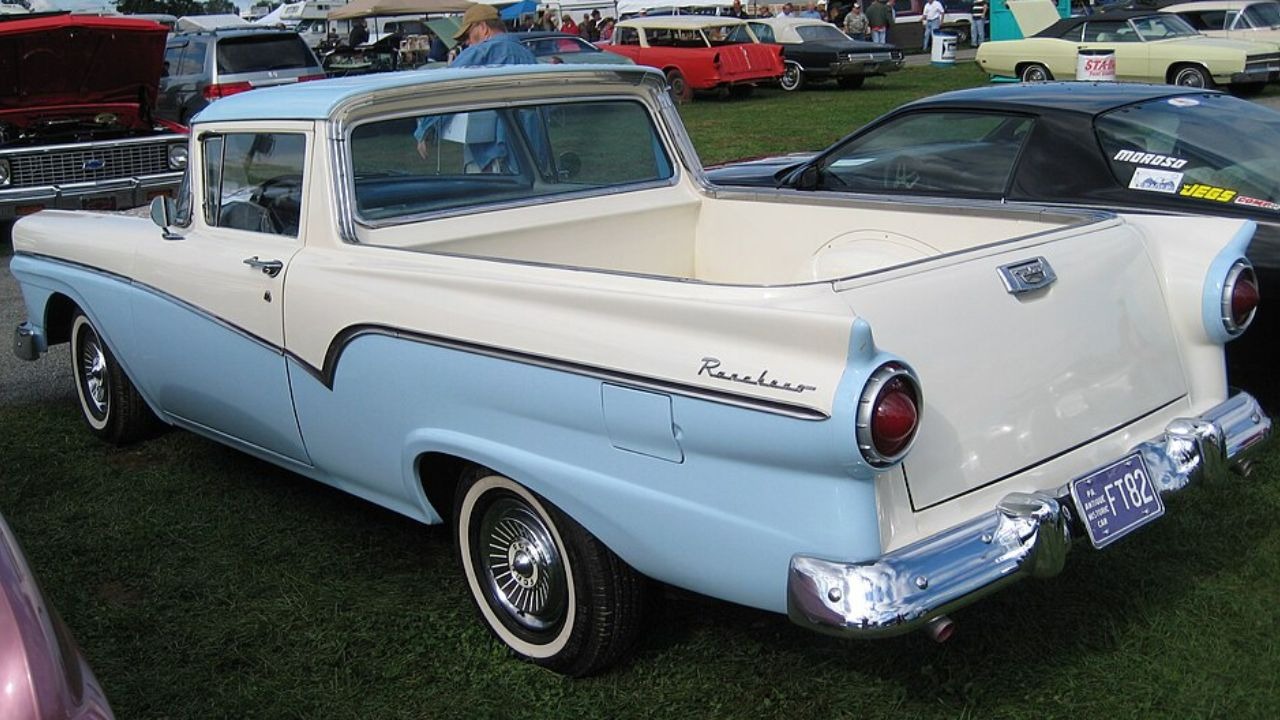
The Ford Ranchero occupied an unusual position between a passenger car and a pickup, but its open cargo bed gave it genuine working ability. Depending on the generation, it could carry tools, supplies, parts, and other loads while retaining car-like road manners. V8 options also gave some versions impressive performance. Rancheros were frequently used by tradespeople and small businesses, where practicality mattered more than collector value. Many were modified or worn out over time, leaving well-preserved examples much less common than their former popularity suggests.
Chevrolet El Camino
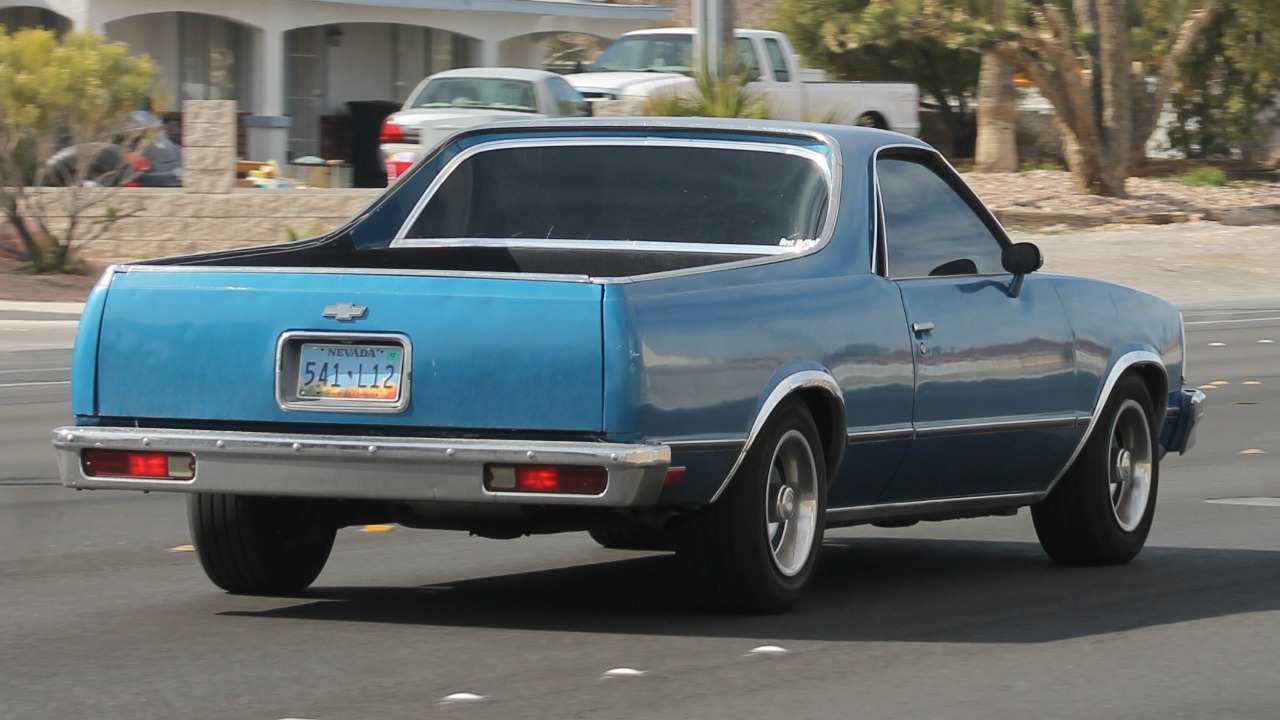
The Chevrolet El Camino was another unusual vehicle that blended passenger-car comfort with pickup utility. Its cargo bed could handle tools, equipment, and light loads, while available V8 engines gave certain versions strong performance. Although many owners treated the El Camino as a stylish personal vehicle, it remained useful enough for tradespeople and small businesses. Years of exposure, modifications, and hard use reduced the surviving population. The El Camino’s reputation today often centers on style, but its original versatility made it a surprisingly capable working machine.
Jeep Gladiator
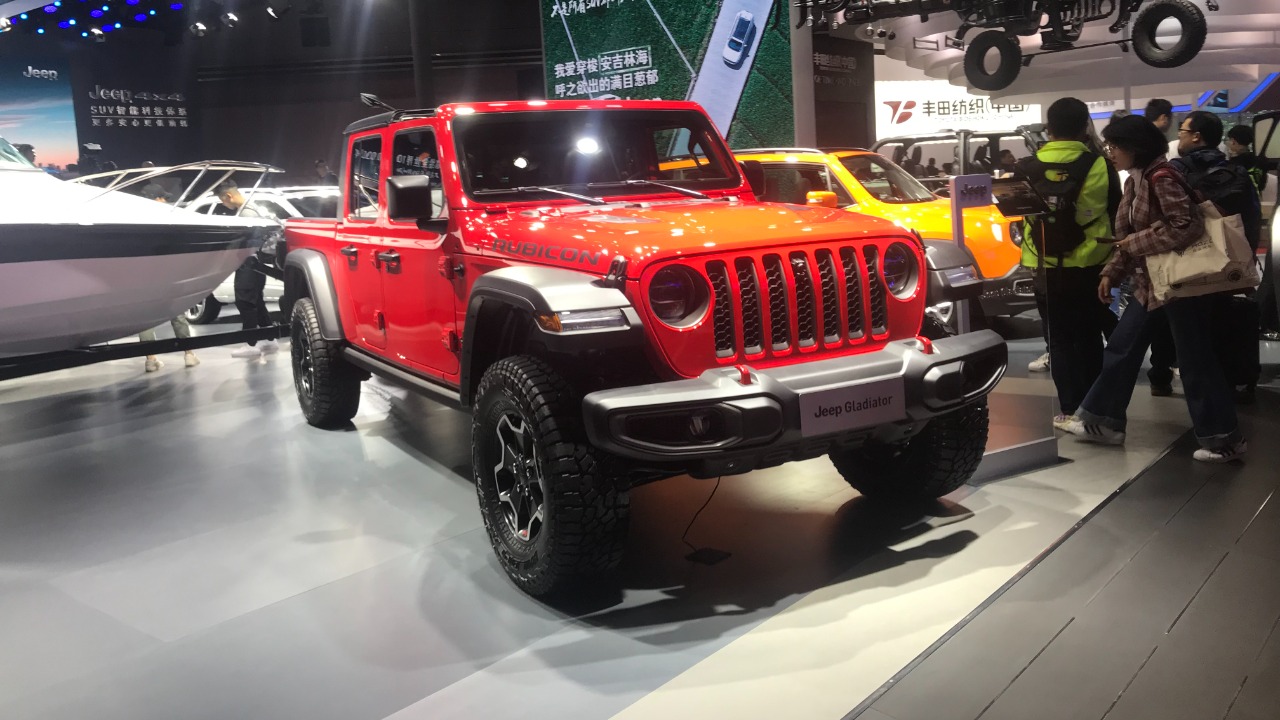
The original Jeep Gladiator brought Jeep’s off-road engineering into a full-size pickup format. Its rugged chassis and four-wheel-drive capability made it useful for farms, forestry, construction, and utility work where ordinary pickups could struggle. Large inline-six and V8 engines were available during its production life, providing substantial capability for its era. Gladiators often spent their working lives in harsh environments, which contributed to rust and mechanical deterioration. Surviving examples now demonstrate how Jeep once offered a serious truck alongside its famous utility vehicles.
Jeep J10
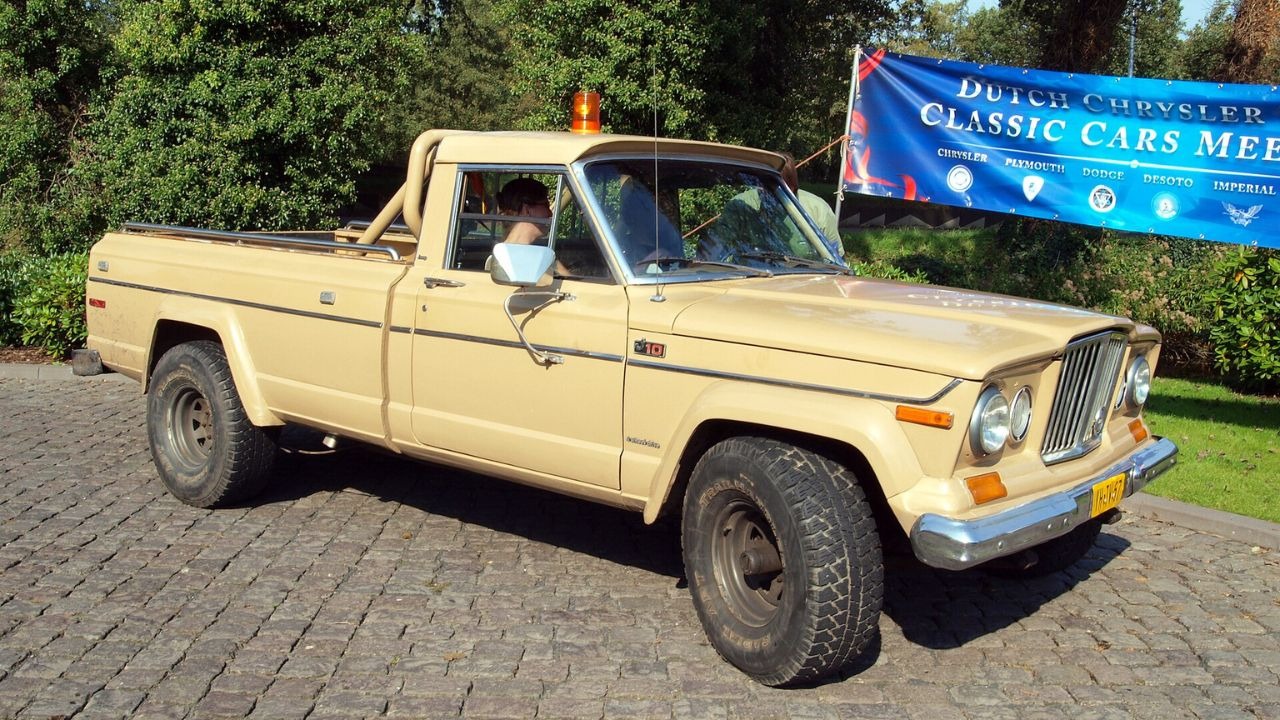
The Jeep J10 was a full-size pickup designed around utility rather than mainstream popularity. Four-wheel drive, solid axles, and available six-cylinder or V8 engines gave it the ability to handle difficult roads and demanding work. It was particularly useful for rural owners, hunters, contractors, and people who needed traction away from paved roads. The J10 never achieved the sales volume of Ford or Chevrolet pickups, and many were worked hard until they disappeared. Its combination of ruggedness and relative rarity makes surviving examples especially interesting today.
Toyota Stout
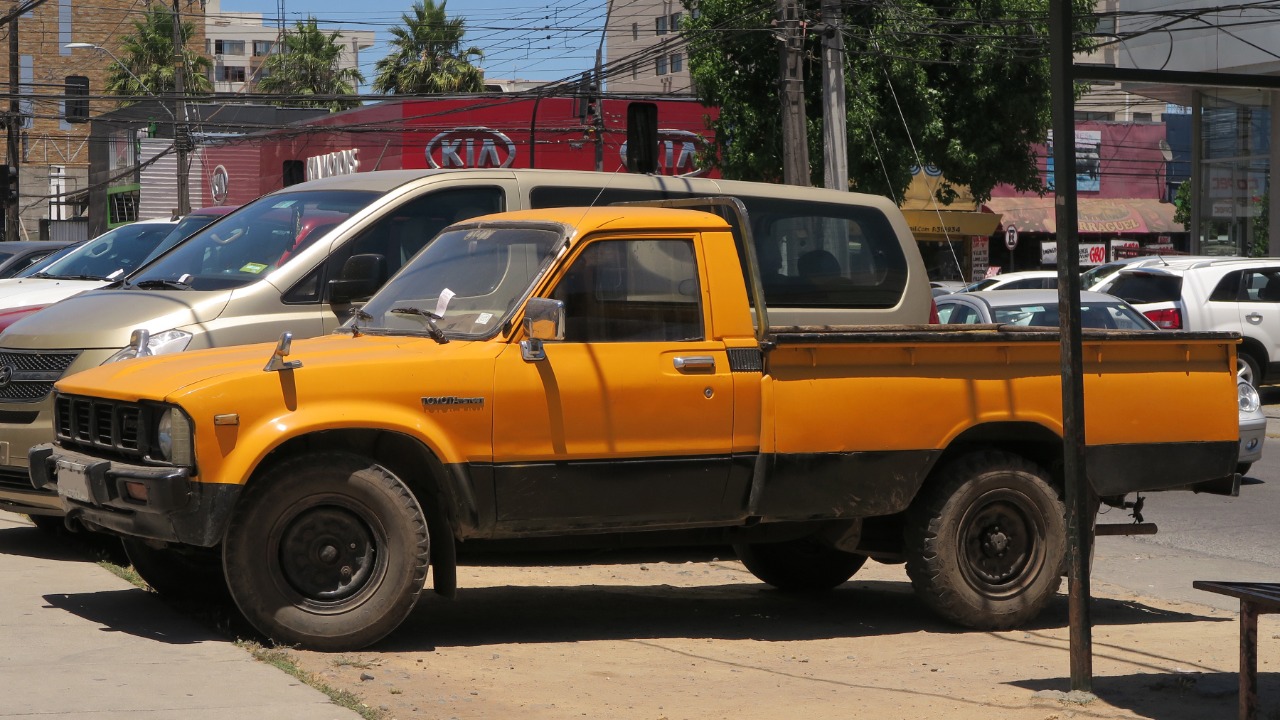
The Toyota Stout was an early Japanese pickup that established Toyota’s reputation for practical utility in markets outside Japan. Its compact dimensions made it easier to operate in crowded areas, while its simple mechanical design was suited to commercial work. The Stout could be used for deliveries, agriculture, and small-business hauling without the size and fuel requirements of American full-size pickups. Many worked for years in demanding conditions. Because relatively few reached some international markets, surviving examples are now much harder to encounter than later Toyota pickups.
Nissan 720
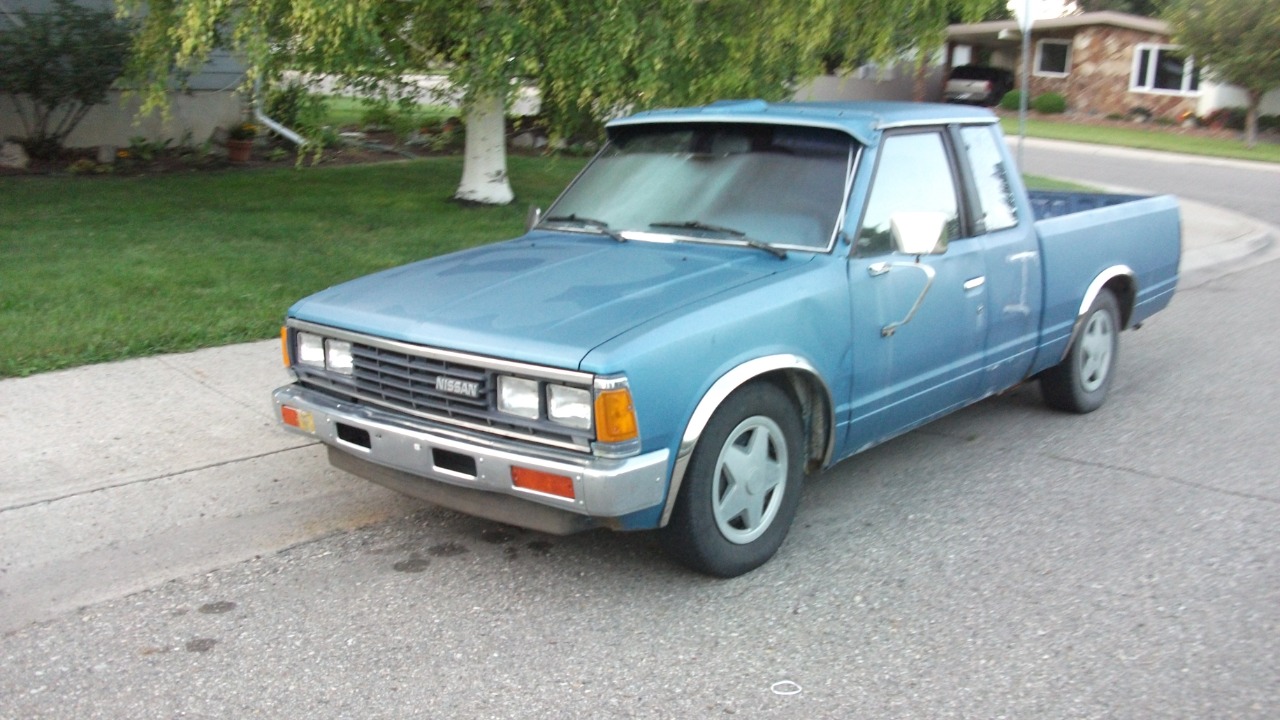
The Nissan 720 became a familiar compact pickup during the 1980s, but its modest appearance hides how useful these trucks were. Available four-cylinder engines provided adequate power while keeping the truck relatively economical. Four-wheel-drive versions added useful capability for farms, trails, and rough roads. The simple mechanical layout also made routine maintenance accessible. Many 720s were inexpensive work vehicles and accumulated years of hard use before being discarded. Their disappearance has made clean examples increasingly interesting to enthusiasts who remember compact pickups as practical tools.
Mazda B-Series
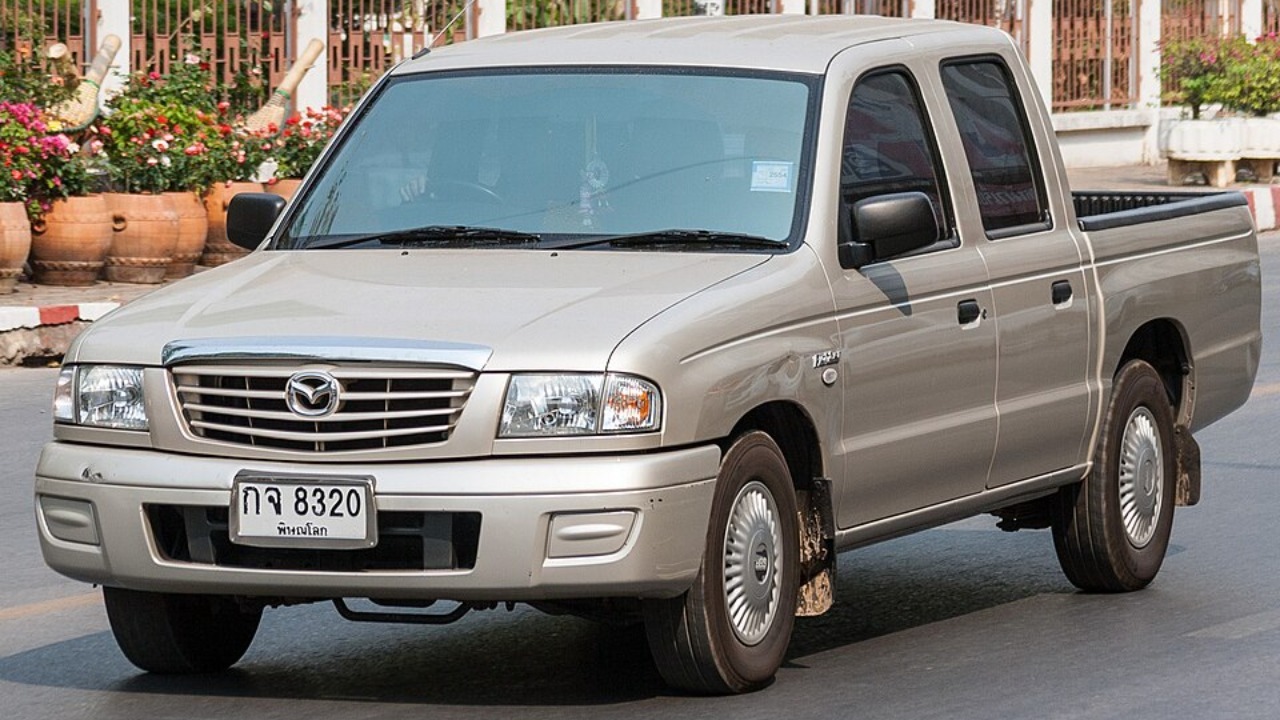
The Mazda B-Series pickup quietly built a reputation for being a practical compact truck. Its relatively small size made it useful for city work, farms, and light hauling, while four-cylinder engines kept operating costs manageable. Four-wheel-drive versions provided additional capability without requiring the size of a full-size American truck. Many B-Series pickups were used until their bodies rusted or mechanical repairs became uneconomical. Their simple construction and useful cargo capacity helped them survive demanding everyday work, even though they rarely received the attention given to larger pickups.
Isuzu Pup
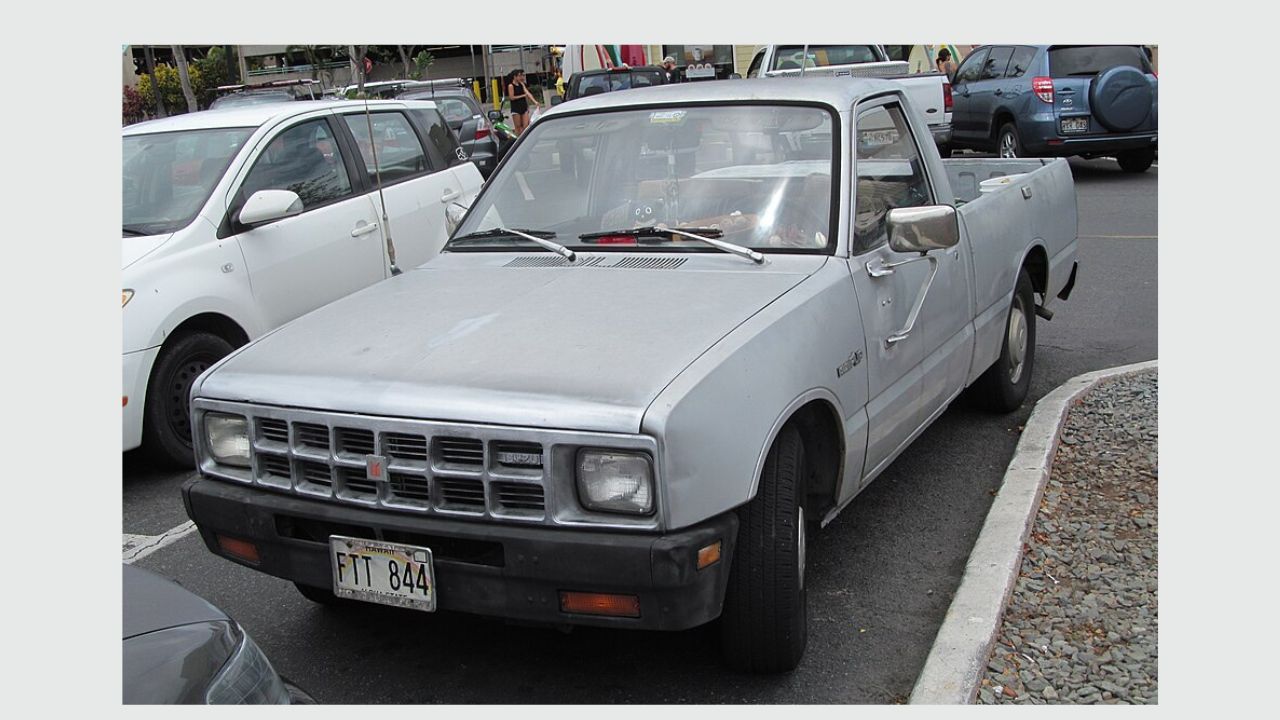
The Isuzu Pup was a compact pickup that focused heavily on practicality and economy. Its small-displacement engines and lightweight construction made it inexpensive to operate, while the truck’s cargo bed provided useful capability for small loads. Some versions offered four-wheel drive for additional versatility. The Pup became particularly useful for owners who needed a basic work truck without the size or fuel consumption of a full-size model. Many were eventually worn out through commercial and personal use, making original survivors increasingly difficult to find.
Chevrolet LUV
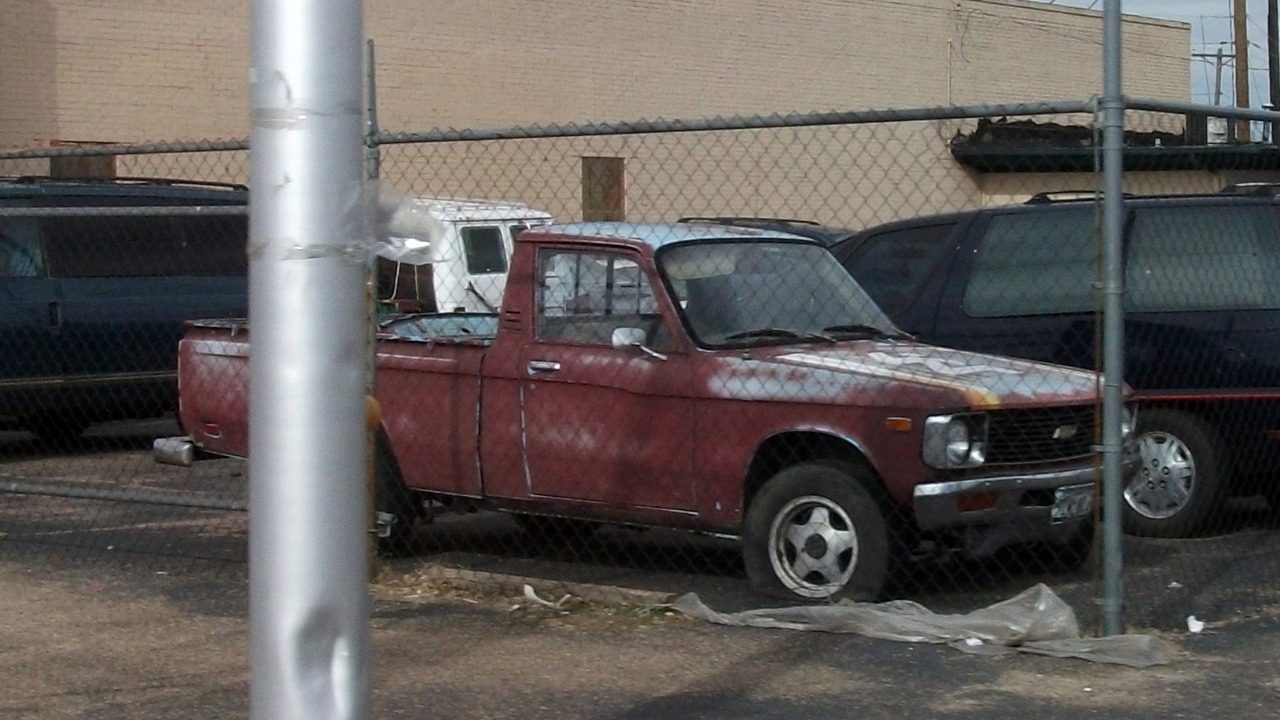
The Chevrolet LUV was one of the early compact pickups sold by Chevrolet to compete in a growing market for smaller, more economical trucks. Its compact body and efficient engine made it practical for light-duty work, while its pickup bed provided genuine utility. It could not match the towing capacity of larger domestic trucks, but that was not its purpose. The LUV appealed to owners who needed an affordable work vehicle with manageable dimensions. Years of use eliminated many, leaving relatively few original examples today.
Ford Courier
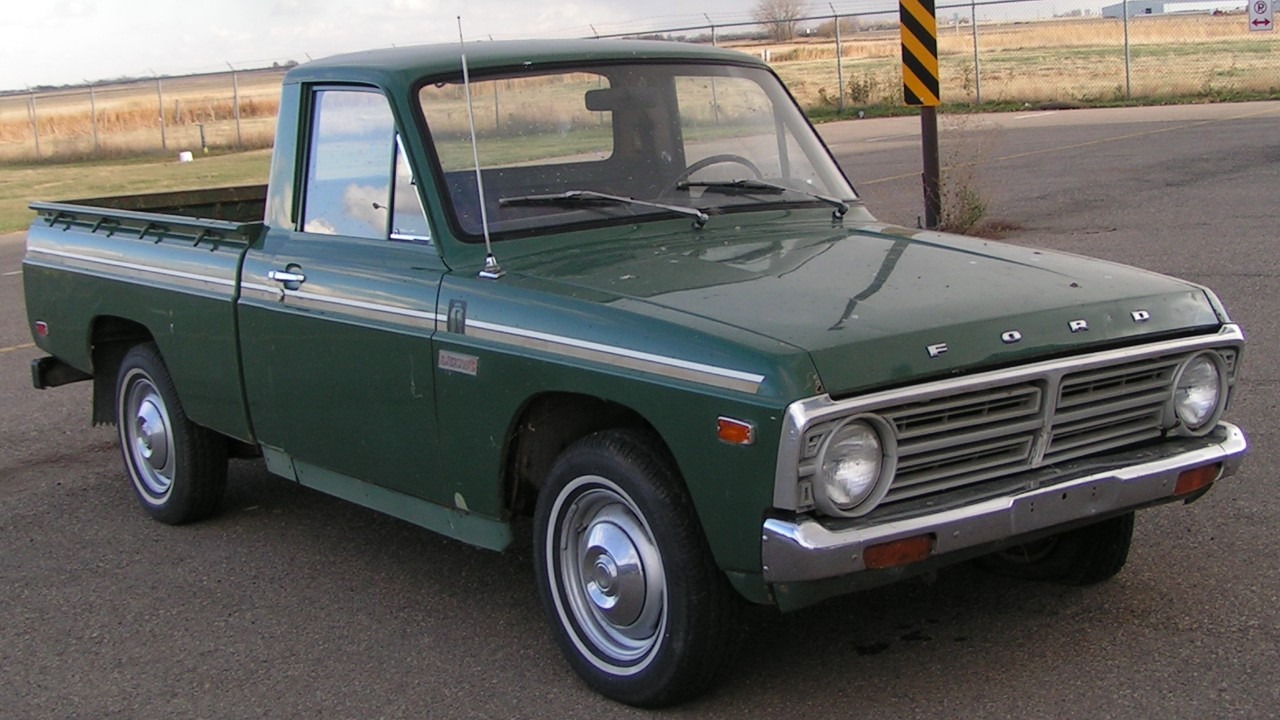
The Ford Courier gave Ford a compact pickup during a period when smaller trucks were becoming increasingly popular. Its modest dimensions made it useful for urban deliveries, small farms, and light-duty hauling, while its efficient powertrain helped reduce operating costs. Although it lacked the size and towing capacity of an F-Series, the Courier served a different purpose effectively. Many were purchased specifically as inexpensive working vehicles and eventually worn out. Its modest reputation today overlooks how useful the little pickup could be in everyday service.
GMC Sonoma
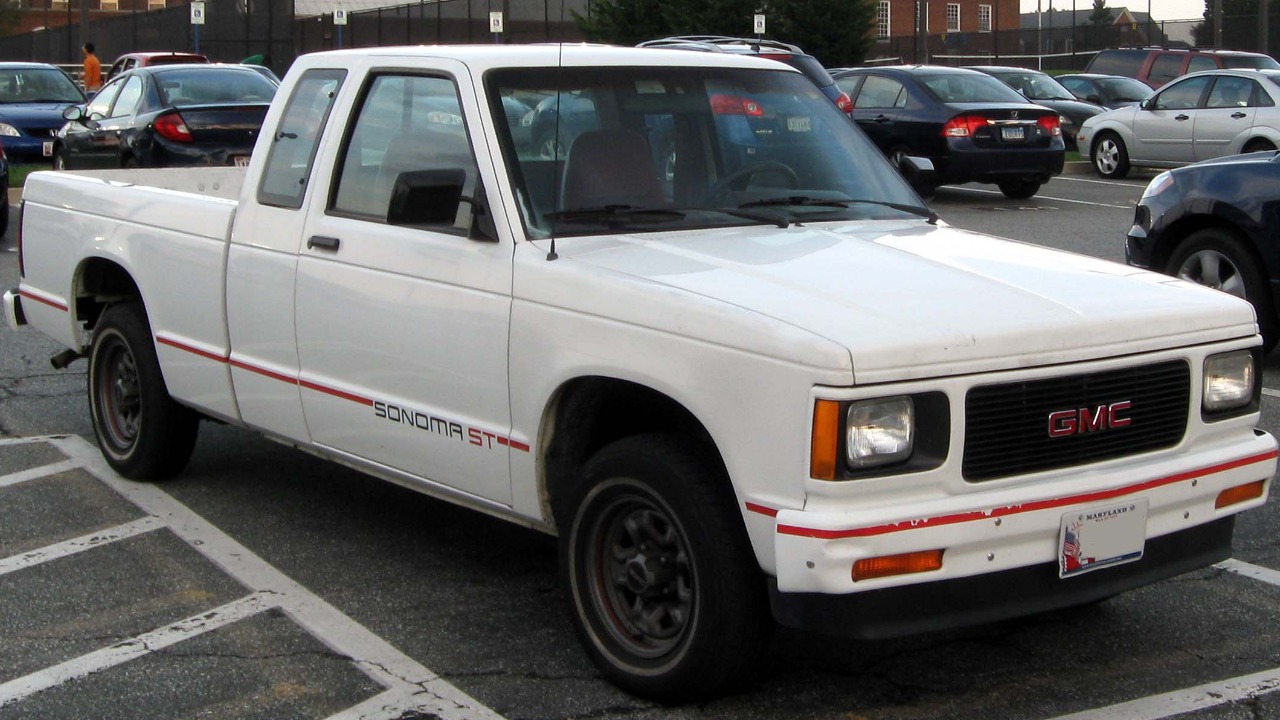
The GMC Sonoma served as a compact and later midsize alternative to GMC’s larger pickups. Its smaller footprint made it practical for everyday transportation while still providing a useful cargo bed. Four-cylinder and V6 engines offered different balances of economy and performance, while four-wheel-drive versions expanded its usefulness on rough roads. Many Sonomas served contractors, tradespeople, and small businesses. Because they were commonly treated as inexpensive tools rather than future collectibles, clean early examples are now much less common than their former numbers might suggest.
Ford Courier Pickup
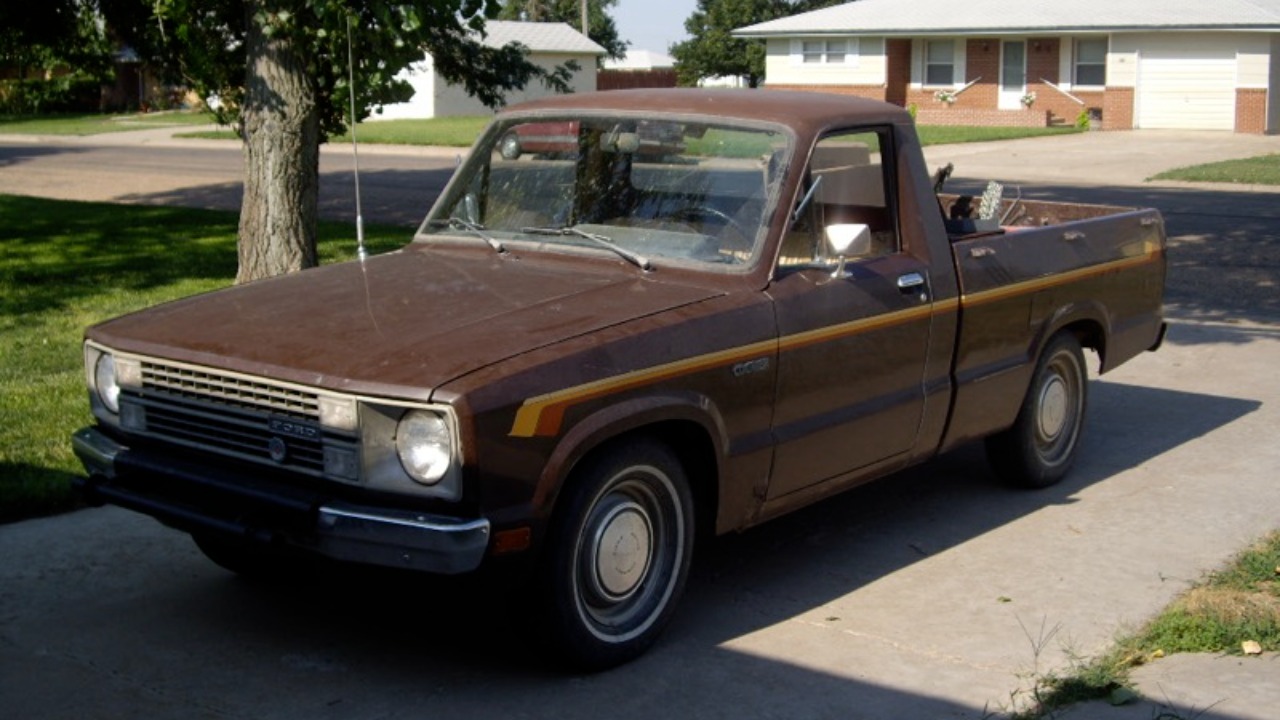
The Ford Courier’s compact format made it particularly useful for owners who needed a practical truck without the dimensions of a full-size pickup. Its straightforward mechanical layout and economical engine made it suitable for deliveries, small farms, and everyday hauling. The truck could maneuver easily in tight areas while still carrying useful loads. Many examples were worked hard and maintained only as long as repairs remained affordable. That working history explains why the Courier is now much less common than other Ford trucks from the same period.
Chevrolet S-10
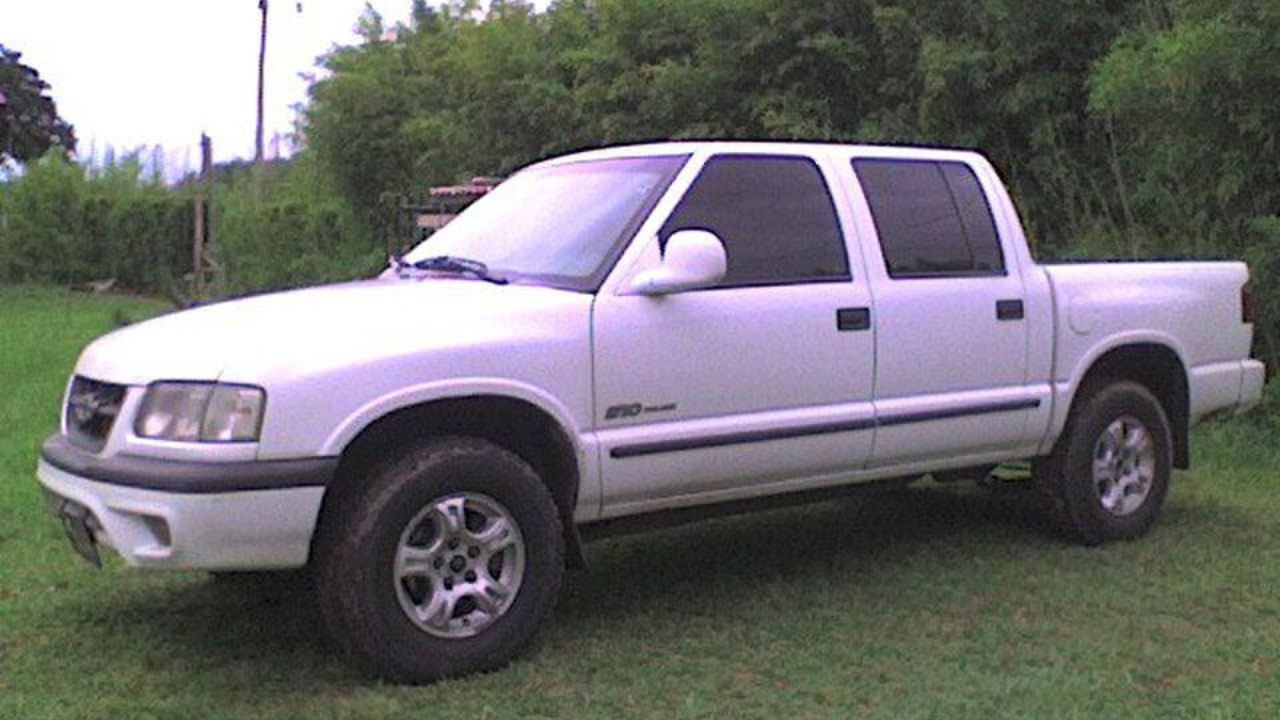
The Chevrolet S-10 helped establish the compact pickup as a serious alternative to full-size trucks. Its smaller body was easier to maneuver and generally more economical, while available four-cylinder and V6 engines provided enough capability for many everyday jobs. Four-wheel-drive versions could also handle rough terrain and light off-road work. S-10s became common fleet and personal vehicles, but many were used heavily by contractors and businesses. Rust, high mileage, and accidents eventually removed many from service, making original examples increasingly interesting today.
Ford Ranger
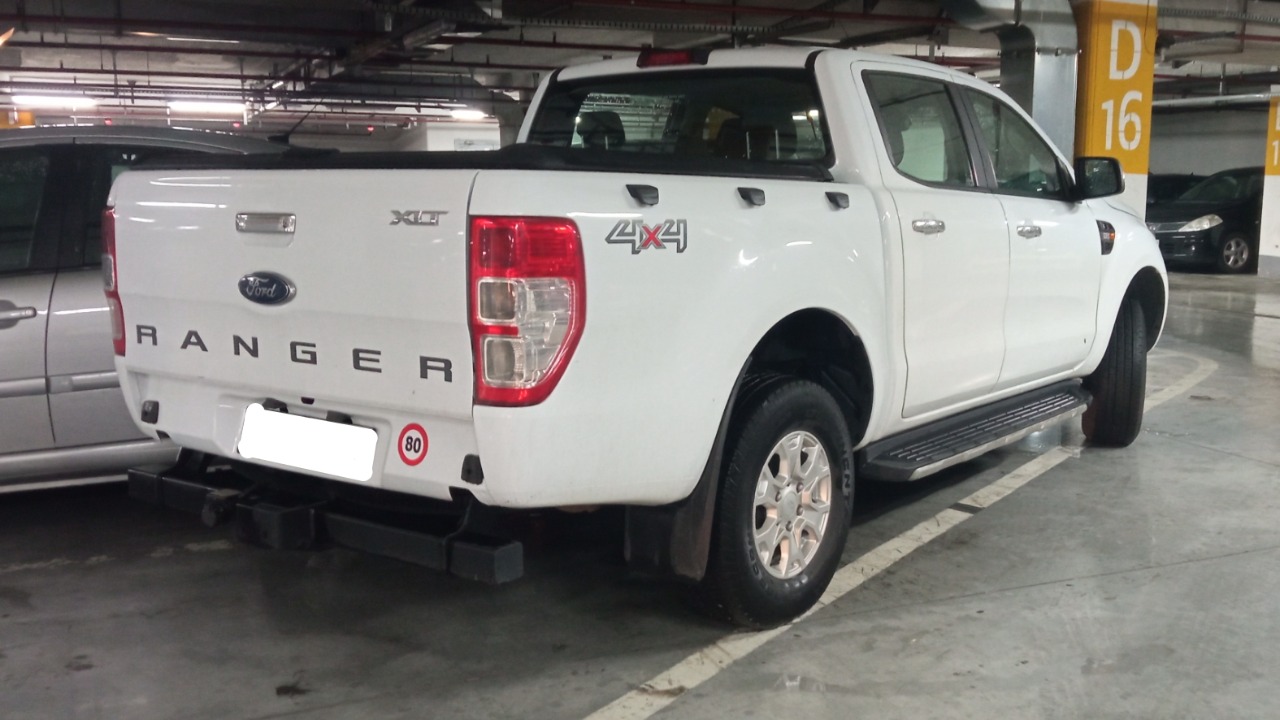
The early Ford Ranger proved that a compact pickup could serve as a genuine working vehicle rather than merely a smaller lifestyle truck. Its compact dimensions, simple engines, and available four-wheel drive made it useful for farms, trades, deliveries, and recreational work. Owners could choose configurations suited to different loads and driving conditions. Many Rangers accumulated substantial mileage because they were inexpensive to operate and maintain. Their popularity as work vehicles also meant that countless examples were eventually worn out, leaving fewer clean original trucks today.
Dodge Dakota
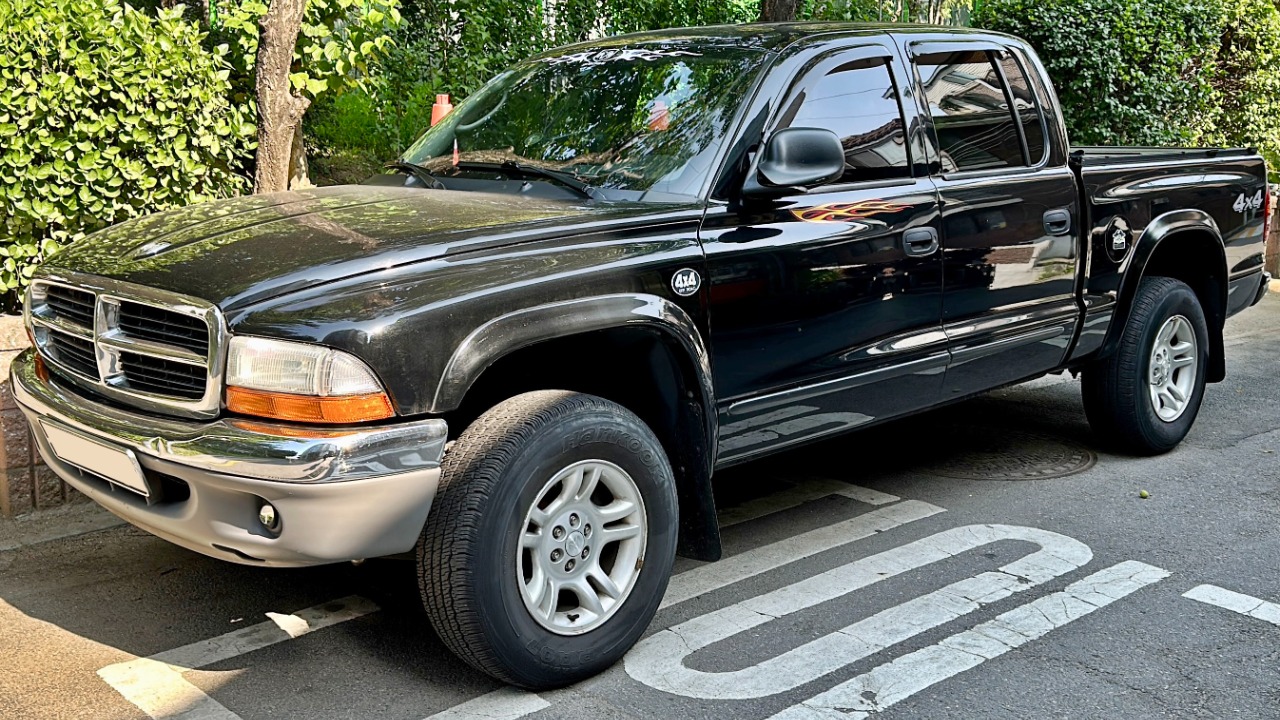
The Dodge Dakota occupied an important middle ground between compact and full-size pickups. Its larger dimensions and available V8 power gave it more capability than many compact competitors while keeping it easier to handle than a full-size truck. This made the Dakota useful for contractors, small businesses, and owners who needed moderate towing and hauling ability. Its practical nature meant many were used extensively rather than preserved. The Dakota’s reputation today often focuses on its unusual size, but its real achievement was providing useful truck capability without going fully full-size.
Studebaker Champ
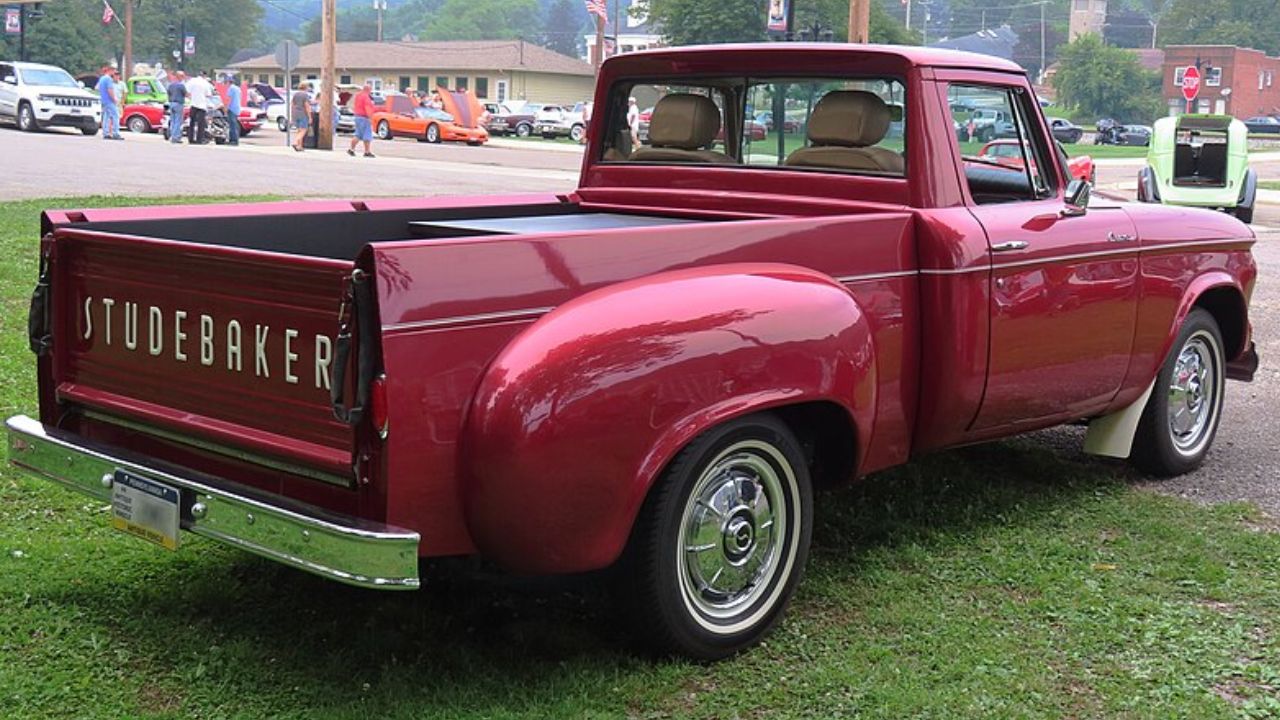
The Studebaker Champ was a practical pickup that combined a traditional truck chassis with styling influenced by Studebaker’s passenger cars. It was offered with six-cylinder and V8 engines, giving owners useful power for everyday hauling and farm work. The Champ was not as widely sold as competing Ford and Chevrolet pickups, which limited its long-term recognition. Many examples spent their lives doing ordinary work instead of being preserved. Today, surviving Champs show how Studebaker built a capable pickup that deserved more attention than it received.
More from Fast Lane Only
- Unboxing the WWII Jeep in a Crate
- 15 rare Chevys collectors are quietly buying
- 10 underrated V8s still worth hunting down
- Police notice this before you even roll window down
*Research for this article included AI assistance, with all final content reviewed by human editors.