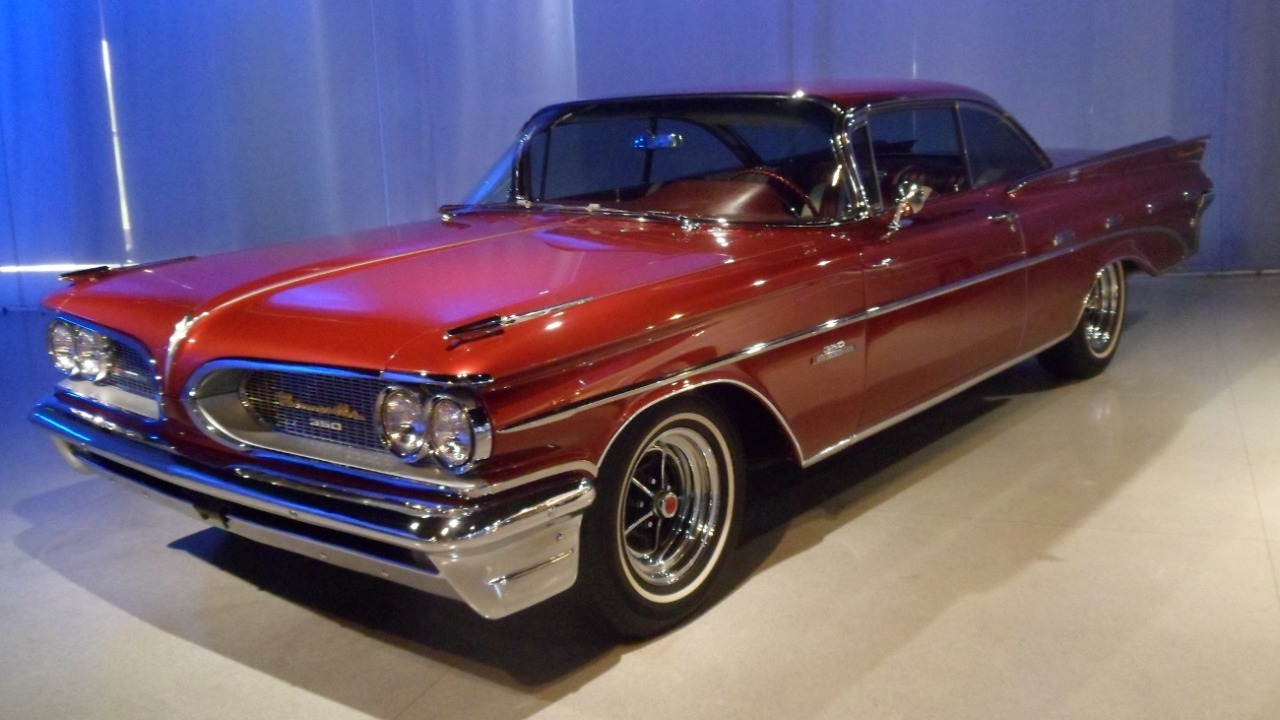
The years after World War II brought a wave of cars that looked more exciting and felt more powerful than buyers had come to expect. Better engines, lighter bodies, and increasingly ambitious styling transformed ordinary family cars into surprisingly capable performers. These postwar classics may not all have been outright muscle cars, but behind the wheel, many delivered a sense of speed that made their rivals seem tame.
Chevrolet Corvette
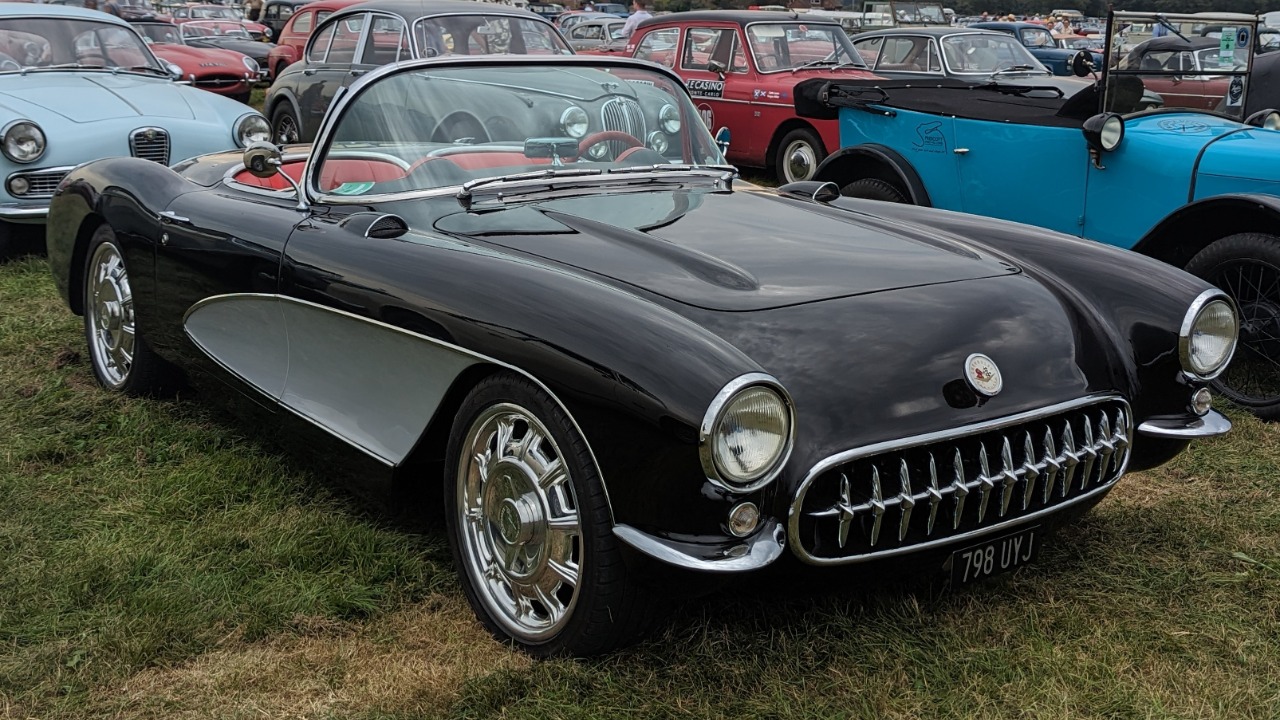
The Chevrolet Corvette quickly established itself as America’s answer to European sports cars. Its lightweight fiberglass body and compact two-seat layout gave it a very different character from Chevrolet’s larger family cars. As stronger V8 engines arrived, the Corvette became increasingly quick, but even early examples felt special because of their low seating position and responsive proportions. The combination of open-air driving, distinctive styling, and genuine performance made the Corvette seem far more exotic than many cars in its price range.
Ford Thunderbird
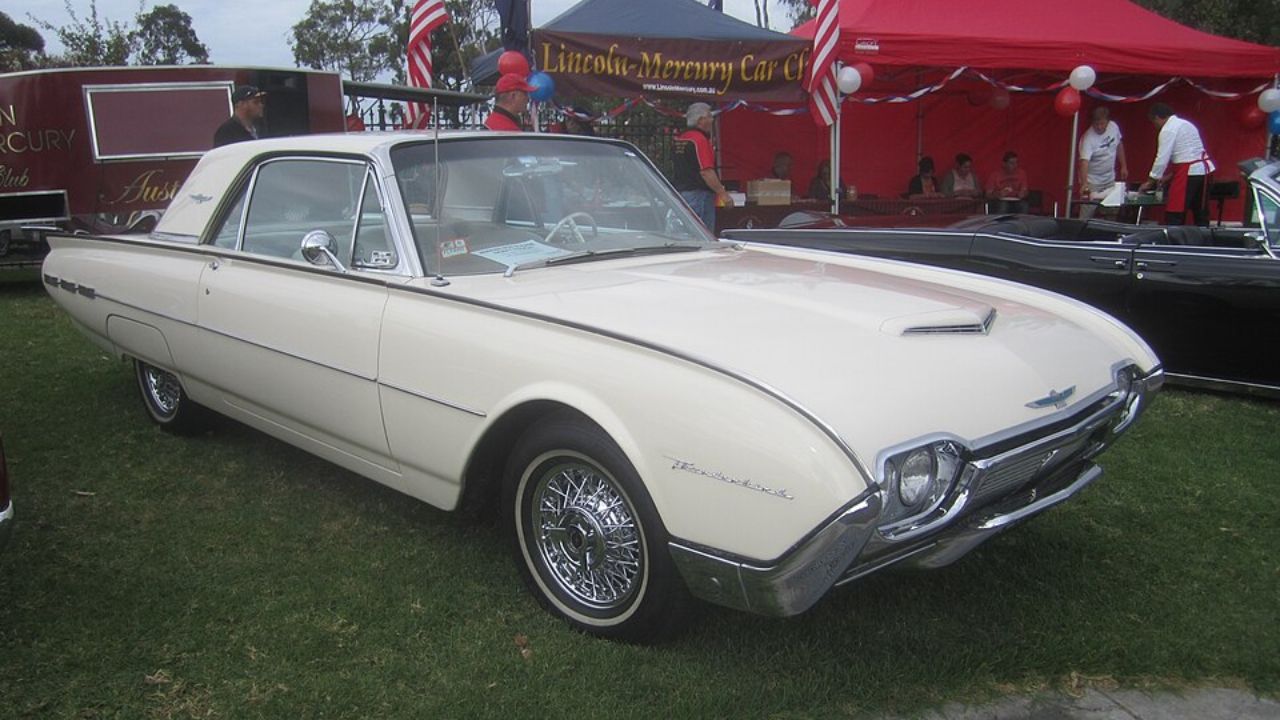
The Ford Thunderbird brought a sports-car image to a much broader audience. Its sleek two-seat body, relatively compact proportions, and available V8 made it feel considerably quicker than ordinary American cruisers. It also offered a level of comfort that many traditional sports cars could not match. That combination helped create the personal-luxury formula that would influence American cars for years. A Thunderbird could cruise effortlessly but still provide enough power to make its driver feel like they were behind the wheel of something special.
Pontiac Bonneville
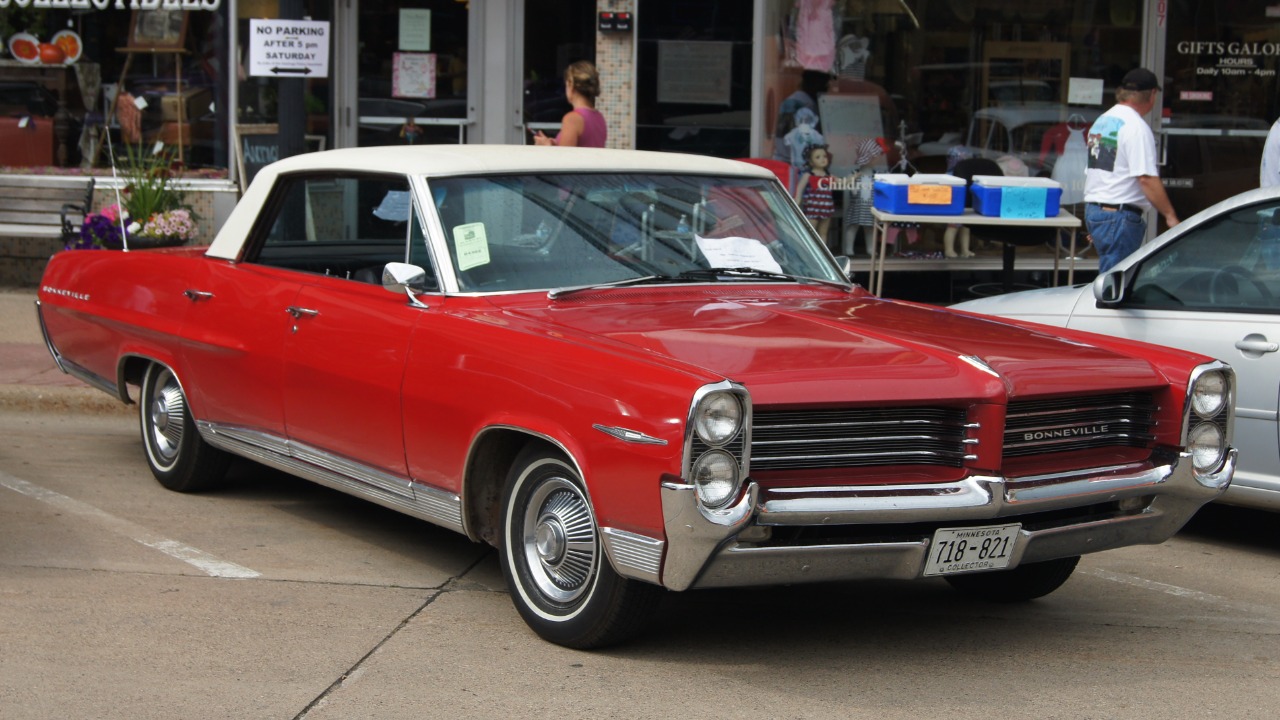
The Pontiac Bonneville was a large car, but Pontiac gave it a performance-oriented personality that separated it from many full-size competitors. Powerful V8 engines, distinctive styling, and a relatively sporty image made the Bonneville surprisingly lively for its size. Drivers could enjoy plenty of straight-line performance without giving up the space and comfort of a large American car. Its substantial body actually added to the sensation, because the car could gather speed while feeling smooth and effortless rather than frantic.
Buick Wildcat
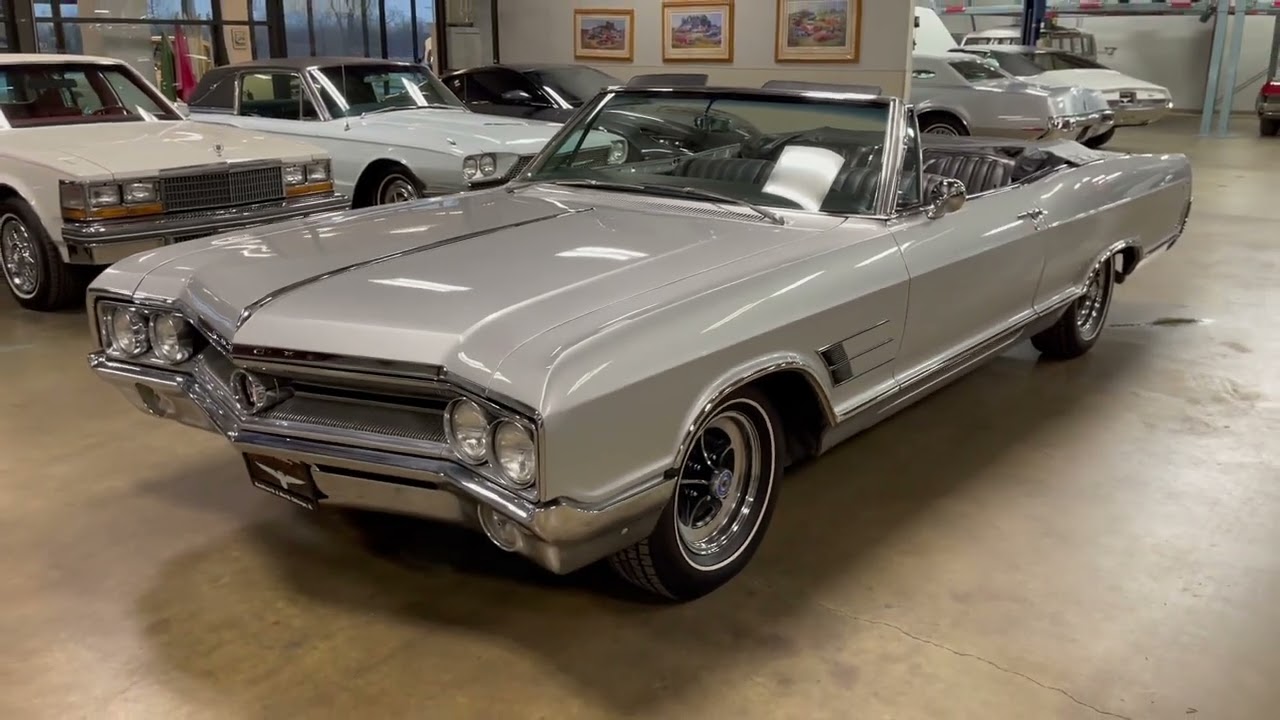
The Buick Wildcat was built to give Buick’s traditional luxury image a stronger performance edge. Large V8 engines provided substantial torque, allowing the car to accelerate with authority despite its considerable size. The Wildcat also had styling that looked more aggressive than many other Buicks. That combination gave drivers the impression that they were getting much more performance than expected from a luxury-oriented car. Today, the Wildcat remains an interesting example of how American manufacturers blended comfort and muscle.
Oldsmobile Starfire

The Oldsmobile Starfire brought a sporty personality to a brand better known for comfortable full-size cars. Its sleek body, compact proportions, and powerful V8 gave it more attitude than many ordinary Oldsmobiles. The Starfire could look elegant while still delivering the kind of acceleration that made it feel genuinely lively. It also remained relatively uncommon compared with more familiar Oldsmobile models. For drivers who wanted something different, the Starfire offered a convincing combination of style and performance.
Chevrolet Bel Air
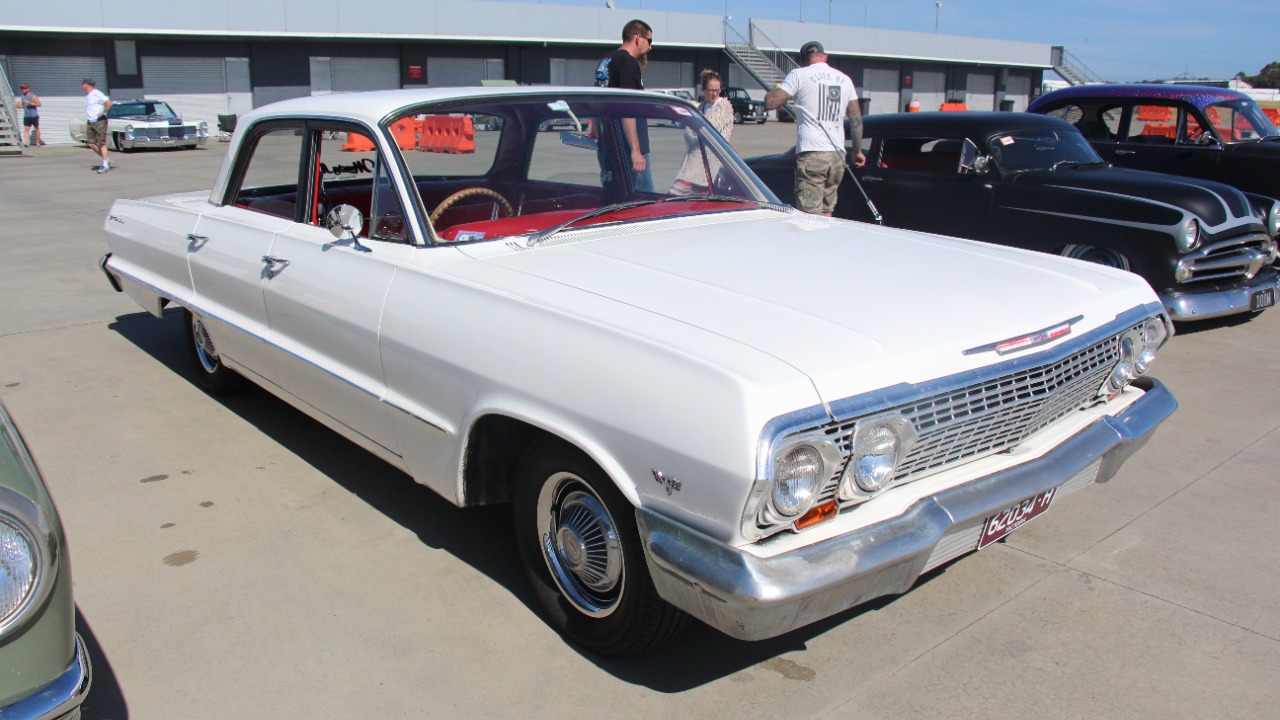
The Chevrolet Bel Air is remembered primarily for its styling, but certain versions had plenty of performance underneath that famous chrome. V8 power transformed the car from a stylish family cruiser into something much more energetic, particularly as Chevrolet developed increasingly powerful engines. The Bel Air’s broad body and comfortable ride could disguise how quickly some versions accelerated. That contrast was part of the appeal. It looked like a glamorous cruiser but could move with surprising authority when the driver asked for it.
Ford Fairlane
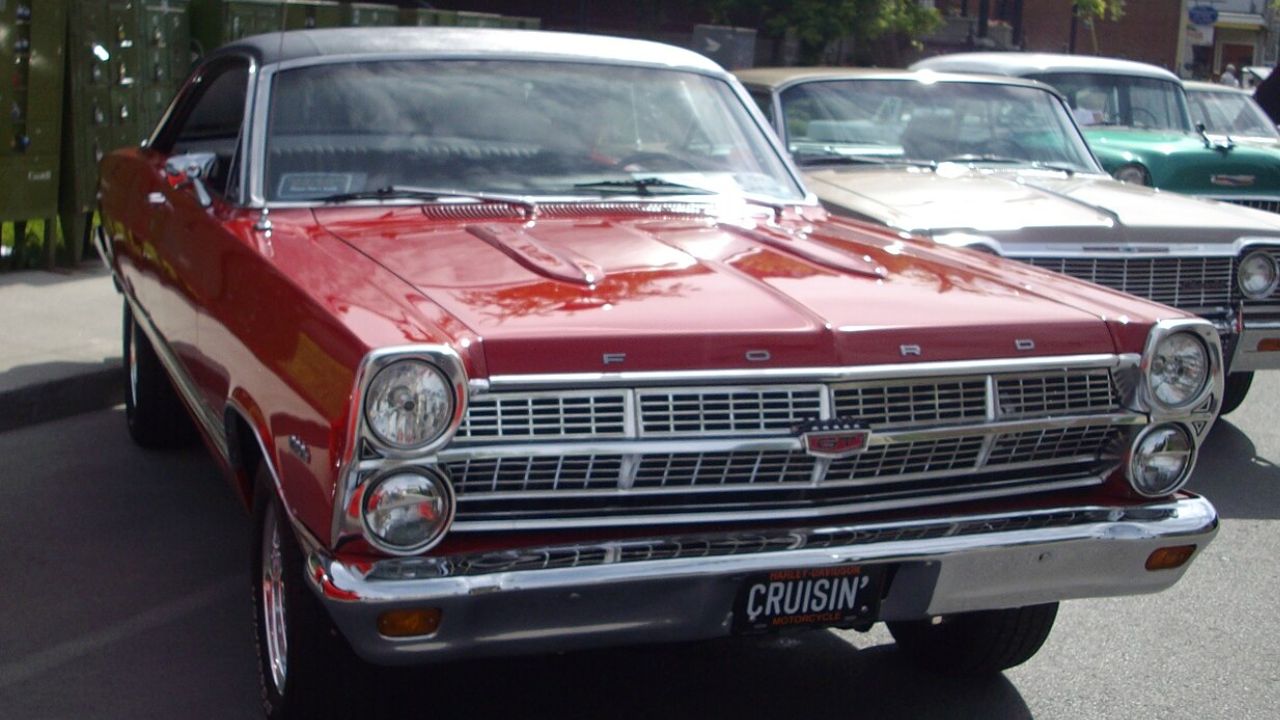
The Ford Fairlane occupied the middle ground between compact cars and full-size Fords, giving it useful proportions for performance. Available V8 engines made certain versions substantially quicker than their conservative appearance suggested. The Fairlane could also be ordered in sportier configurations that emphasized its performance potential. Its combination of manageable size and substantial power made it an interesting alternative to larger muscle cars. Today, collectors appreciate Fairlanes because they capture the period when midsize American cars were becoming serious performers.
Mercury Monterey
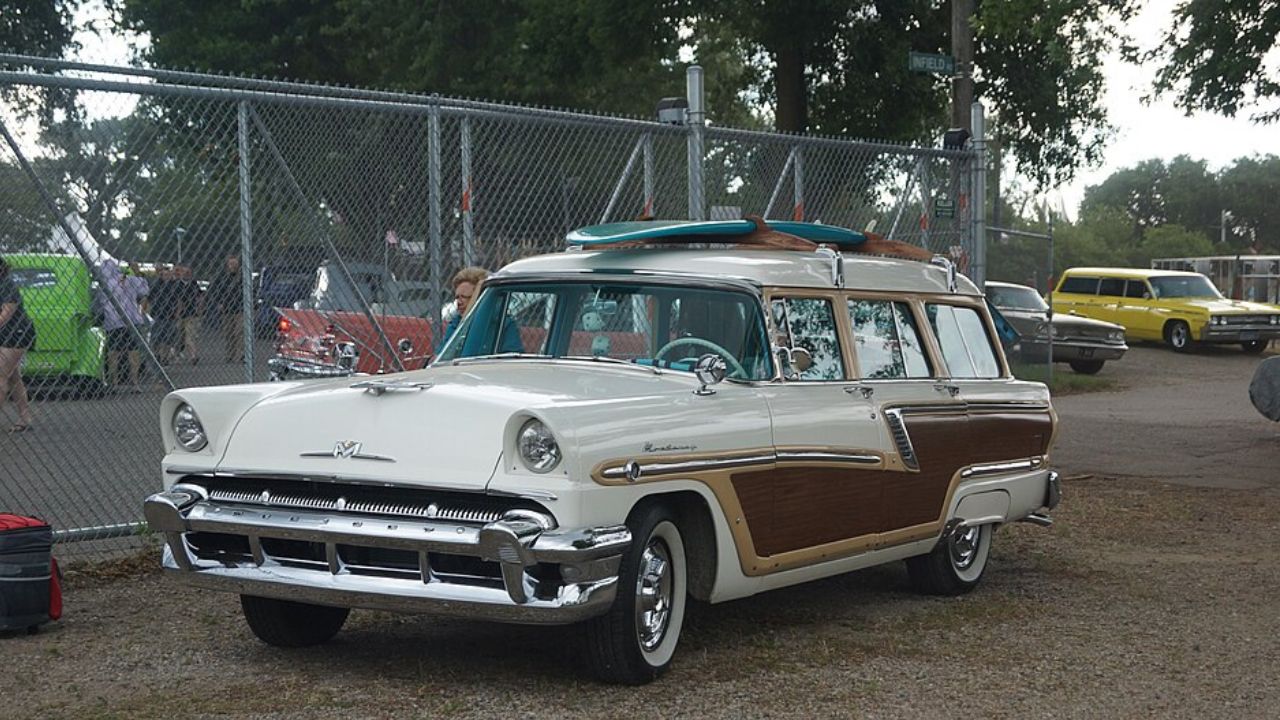
The Mercury Monterey offered a more upscale interpretation of Ford’s full-size formula, but its available V8 engines gave it plenty of muscle. Its substantial body, broad stance, and smooth power delivery created a surprisingly effortless feeling of speed. The Monterey was designed more as a comfortable cruiser than a dedicated sports car, which makes its performance character even more interesting. A well-preserved example provides a glimpse at a time when even luxury-oriented American cars could have substantial performance under the hood.
Pontiac Catalina

The Pontiac Catalina became increasingly performance-oriented as Pontiac developed its image around powerful engines and sporty styling. Its full-size dimensions did not prevent it from delivering strong acceleration, particularly with larger V8s. The car also had a distinctive grille and body shape that gave it more visual attitude than many family sedans. Behind the wheel, the Catalina could feel much quicker than its size suggested. It was a classic example of Pontiac turning a large family car into something with genuine performance appeal.
Chevrolet Impala
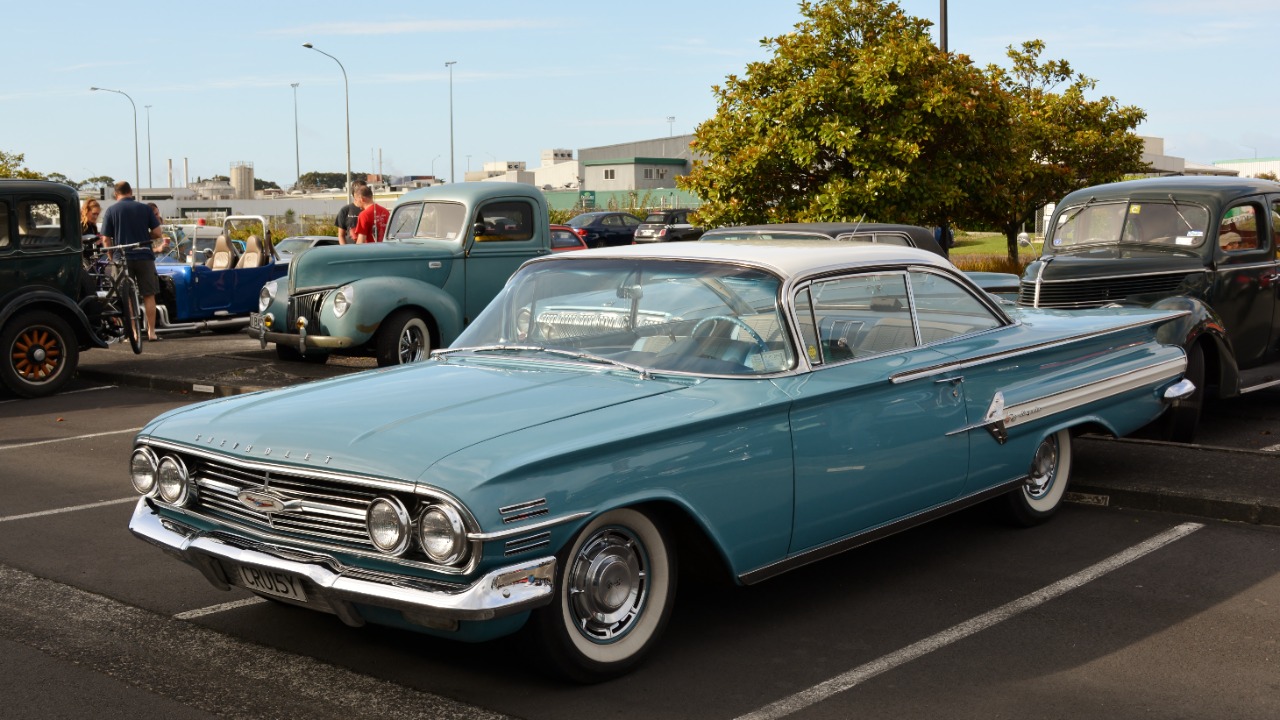
The Chevrolet Impala became one of America’s most popular full-size cars, but certain configurations offered enough power to make them surprisingly quick. Large V8 engines and rear-wheel drive gave the car strong straight-line ability, while the broad body and comfortable suspension kept the experience relaxed. That combination made the Impala feel effortless rather than aggressive. The car could carry a family comfortably and still deliver impressive acceleration, which helped make high-performance versions particularly memorable.
Mercury Marauder
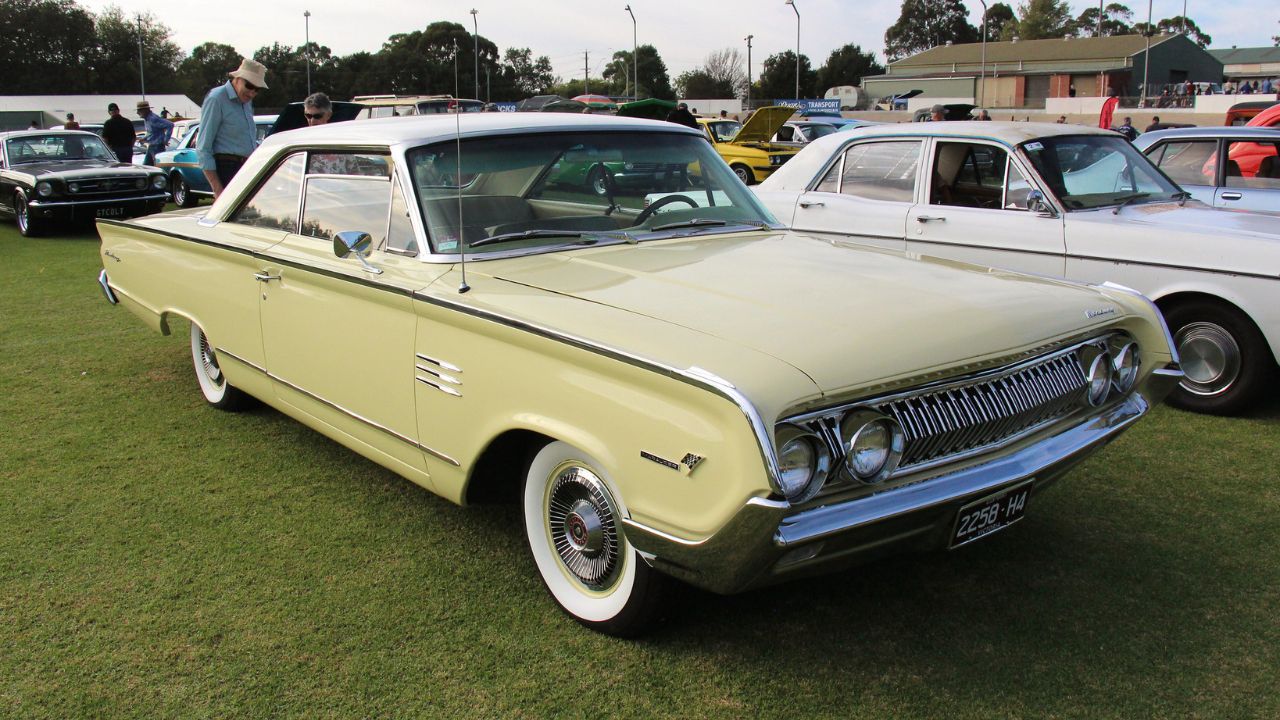
The Mercury Marauder was designed to give the brand’s large cars a more serious performance image. Its long body and formal styling concealed powerful V8 options, creating the kind of sleeper-like character that could surprise drivers of smaller cars. The Marauder’s size made its acceleration especially impressive because it moved a substantial amount of metal with authority. It never became as famous as Ford’s most recognizable performance models, but that relative obscurity is part of what makes it interesting today.
Chrysler 300
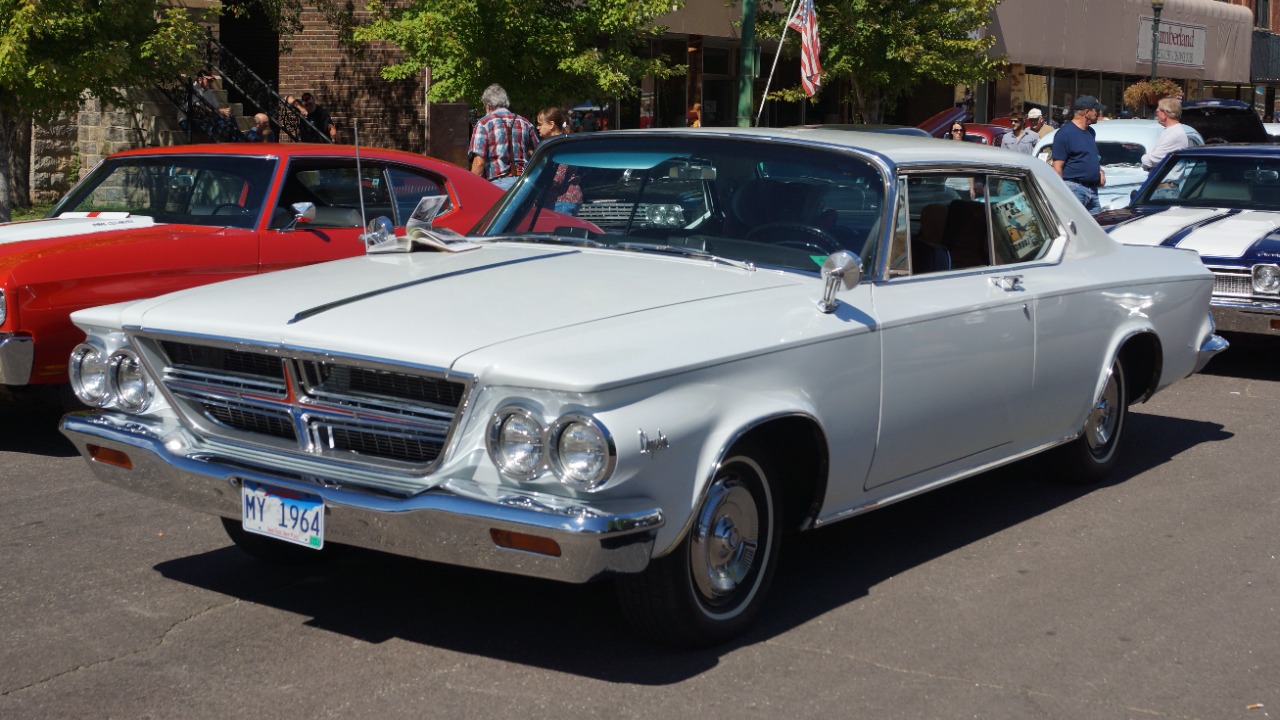
The Chrysler 300 established a reputation for combining luxury-car comfort with serious V8 performance. Its clean styling and substantial body did not immediately reveal just how much power was available underneath. Strong acceleration became one of the model’s defining characteristics, helping Chrysler create a performance image that was unusual for a large luxury car. The 300 demonstrated that a comfortable American cruiser could also behave like a serious performance machine when equipped with the right engine.
Dodge Coronet
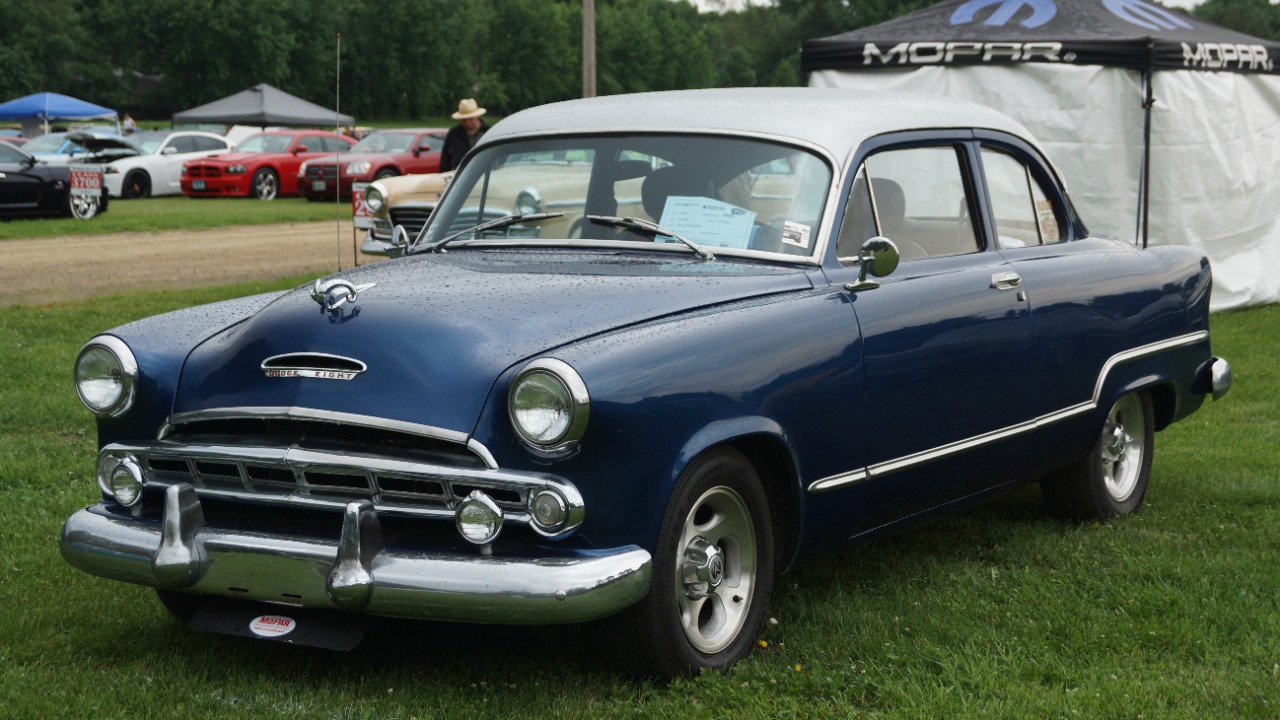
The Dodge Coronet evolved into a surprisingly capable performance car as Dodge expanded its engine offerings. Its midsize dimensions made it a useful platform for big power, while V8 options gave certain versions considerably more acceleration than their ordinary appearance suggested. The Coronet also became available in performance-oriented configurations that further strengthened its reputation. It was one of the cars that helped bridge the gap between conventional family transportation and the muscle-car era that followed.
Plymouth Fury
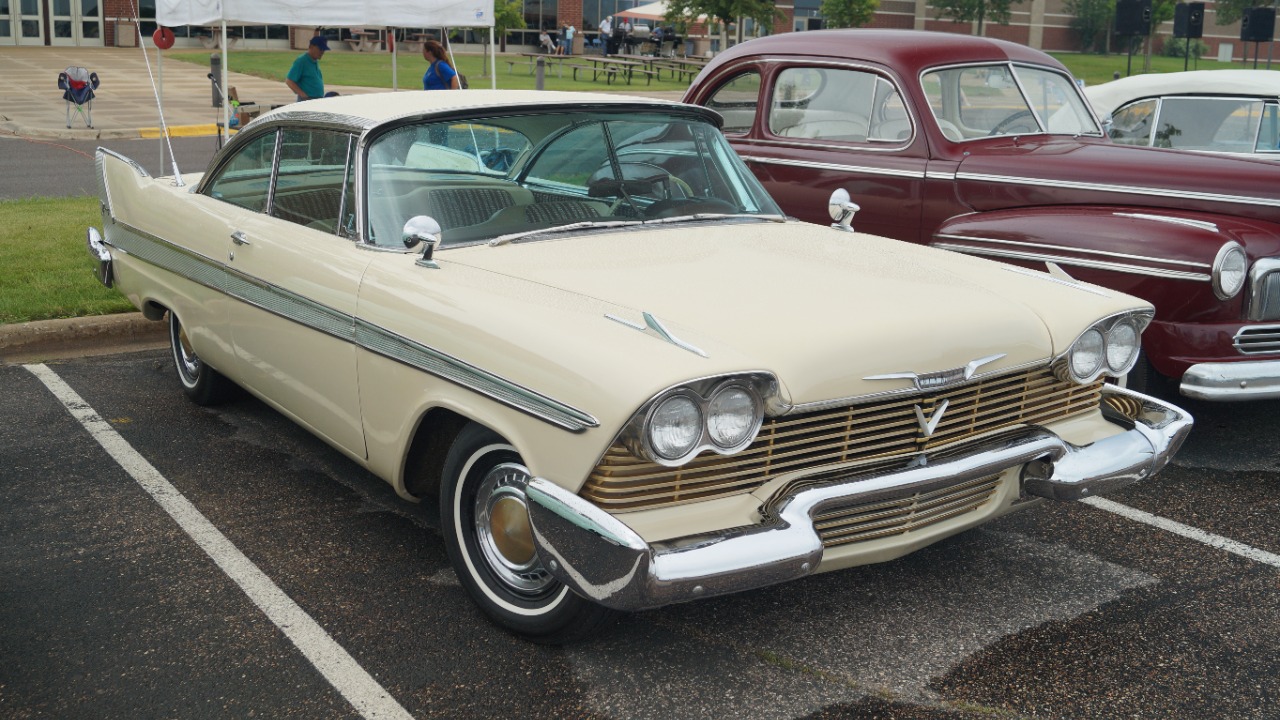
The Plymouth Fury developed from a stylish postwar American car into a model with increasingly serious performance credentials. Its distinctive bodywork attracted attention, while available V8 engines gave certain versions enough power to feel genuinely quick. The Fury could be a comfortable family car one moment and a strong highway performer the next. Its combination of large-car comfort and available power reflected an era when manufacturers could offer substantial engines without requiring buyers to choose a dedicated sports car.
Studebaker Hawk
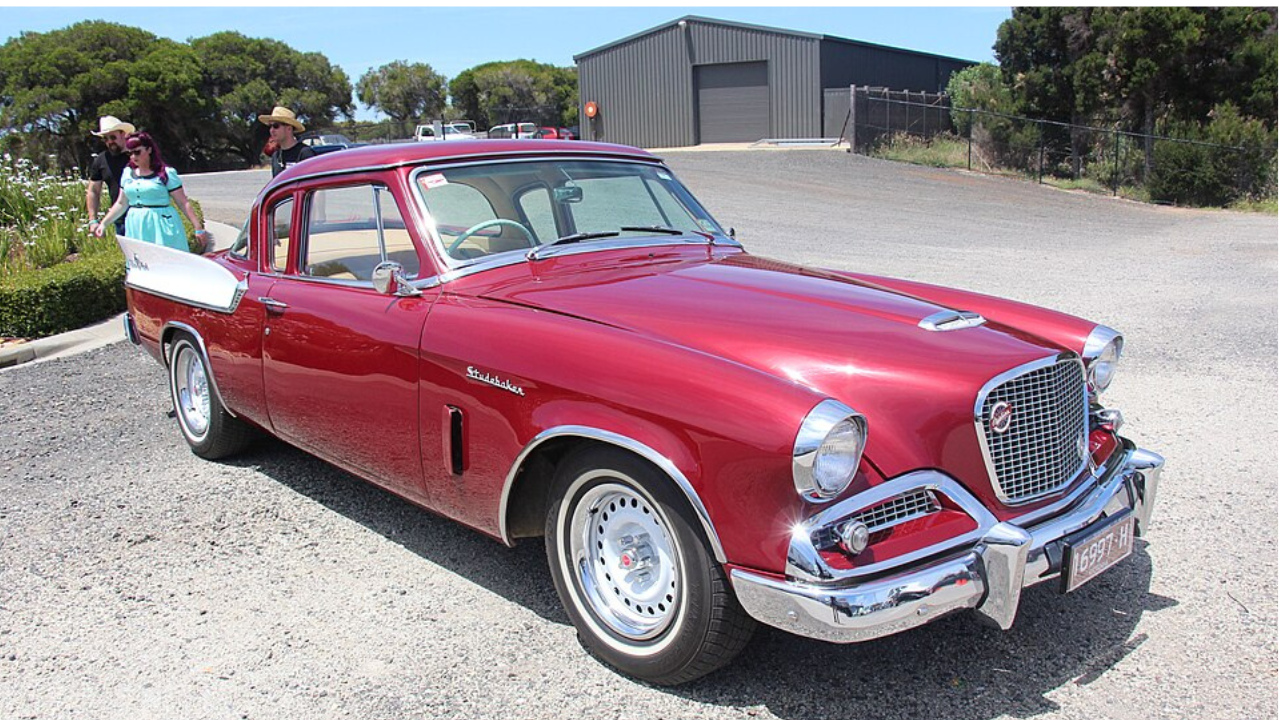
The Studebaker Hawk was one of the most distinctive American performance cars of its period. Its low roof, long hood, fastback-inspired rear body, and dramatic proportions gave it a much sportier appearance than many domestic competitors. V8 power added credibility to the styling, while the car’s relatively compact dimensions helped it feel more responsive than larger American cruisers. The Hawk’s unusual design also made it stand out from the increasingly familiar Ford and Chevrolet performance cars.
Mercury Comet
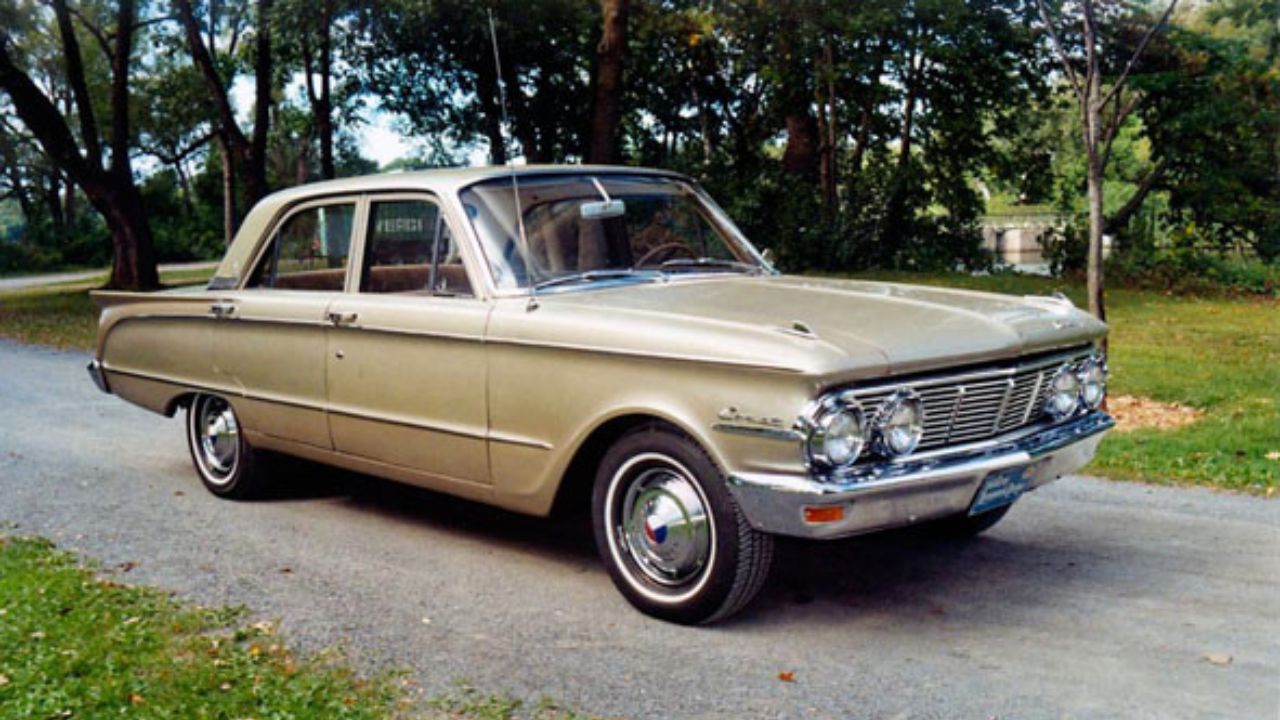
The Mercury Comet started as a compact car, but its small size eventually made it an appealing foundation for performance. V8-powered versions could deliver surprising acceleration because they did not have to move the same amount of weight as larger American cars. The Comet’s restrained appearance also made its performance less obvious. That sleeper quality is one reason enthusiasts still find certain versions appealing. It demonstrated that serious performance did not always require a massive body or an extravagant appearance.
Buick Special

The Buick Special became an interesting performance proposition because of its relatively compact dimensions and available V8 engines. Buick’s lightweight aluminum V8 helped give early examples a distinctive combination of manageable size and responsive performance. The Special was not marketed with the same aggressive image as later muscle cars, but it could feel surprisingly energetic compared with larger family cars. Its understated appearance also made its performance less predictable. Today, it remains an appealing example of Buick’s engineering experimentation.
Oldsmobile 88
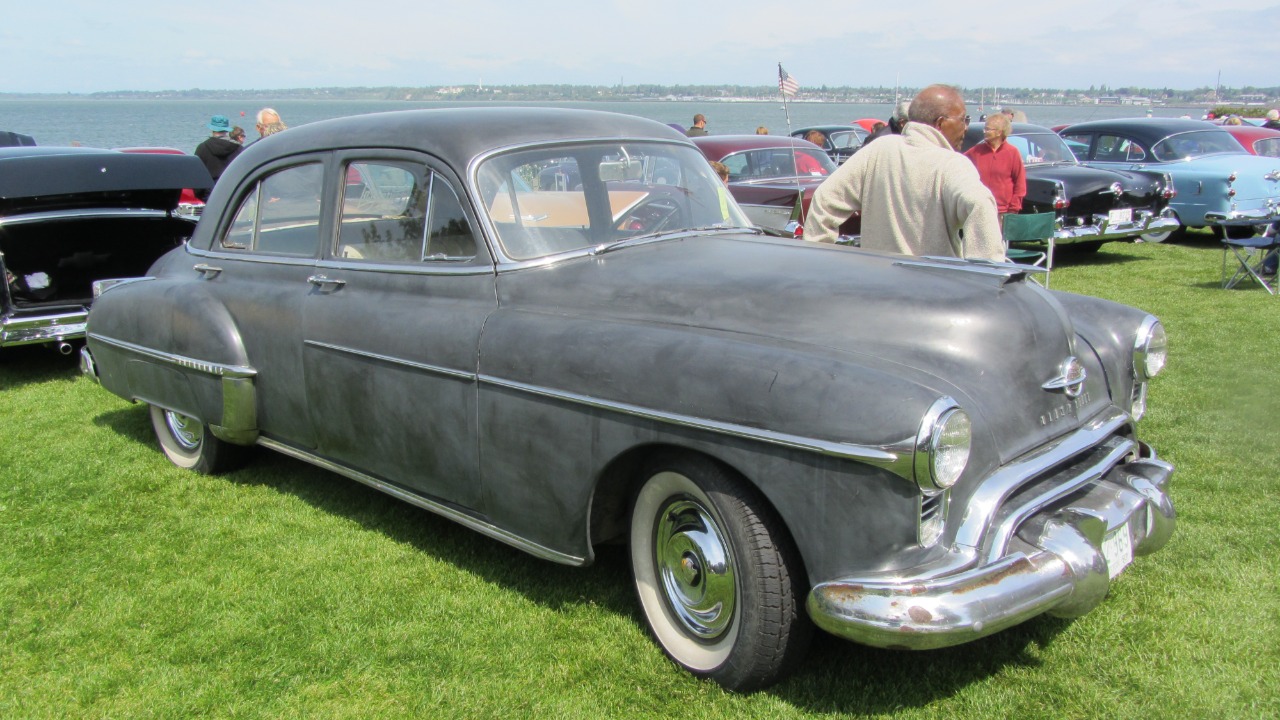
The Oldsmobile 88 helped establish the idea that a relatively affordable full-size car could offer impressive performance. Its V8 power and lighter body compared with some larger Oldsmobiles gave it a useful performance advantage. The combination of strong acceleration, comfortable seating, and a relatively accessible price made the 88 an important model in Oldsmobile’s history. Drivers could enjoy genuine V8 performance without stepping into a specialized sports car, making the car feel faster and more exciting than its family-car image suggested.
Ford Galaxie
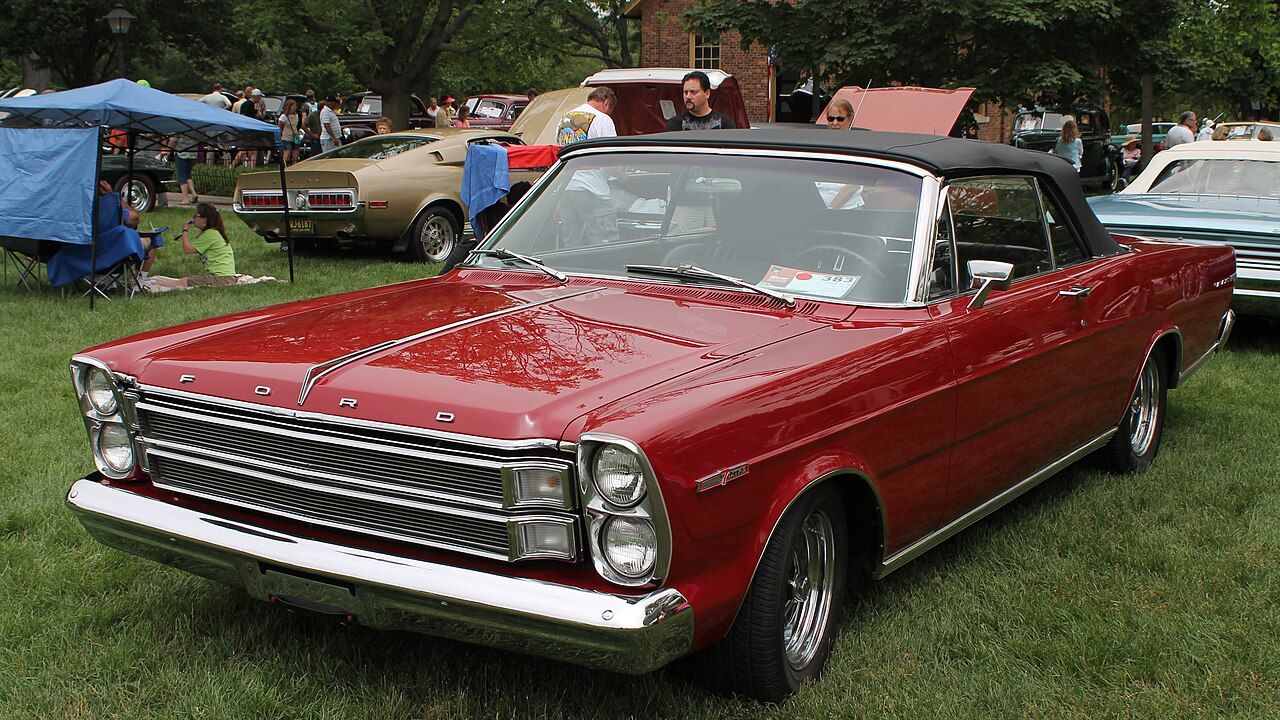
The Ford Galaxie was a large American car, but Ford offered increasingly powerful engines that turned certain versions into formidable performers. The combination of a long body and substantial V8 created an effortless sense of acceleration that was very different from the frantic feeling of a small sports car. High-performance versions could be genuinely quick, while ordinary models still benefited from strong torque. The Galaxie’s ability to combine enormous size with serious straight-line speed made it one of the most memorable full-size cars of its era.
AMC Rambler
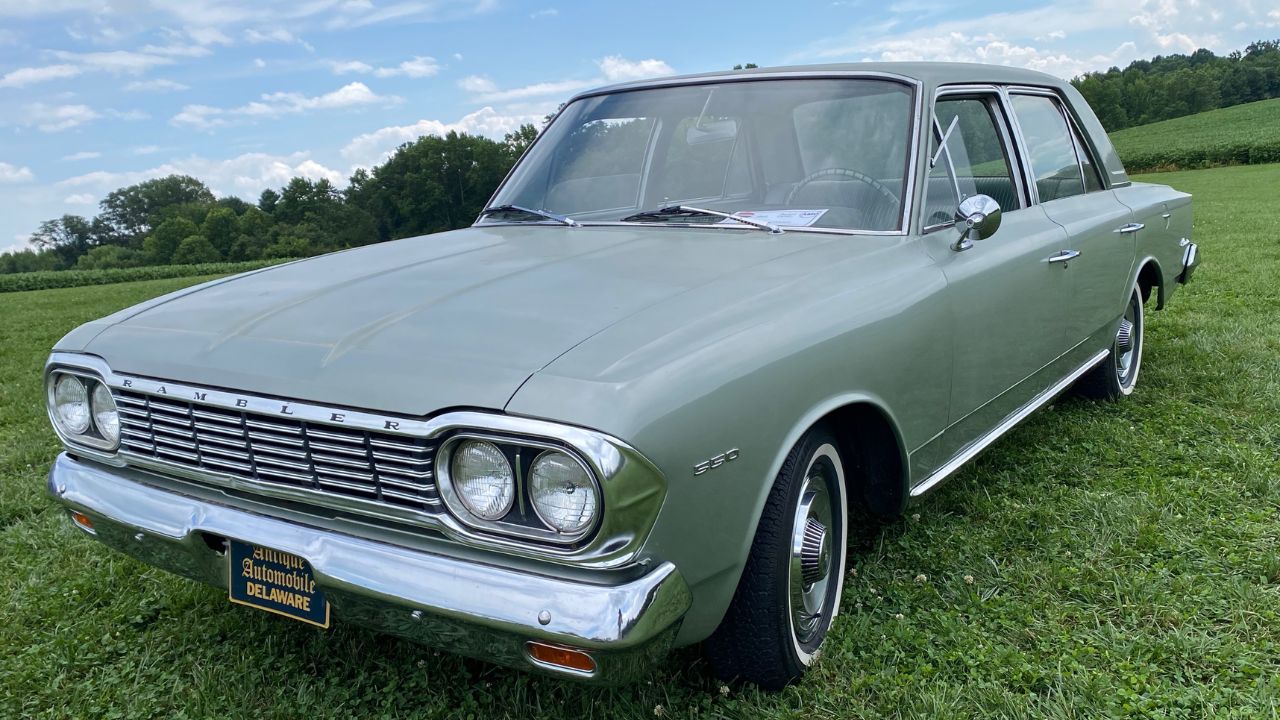
The AMC Rambler showed that a smaller American car could provide a surprisingly lively alternative to the dominant full-size models. Its more compact dimensions and efficient packaging gave it an advantage in weight and maneuverability, while later versions offered increasingly capable engines. The Rambler was often viewed as sensible transportation rather than a performance machine, which made its quicker versions especially surprising. It helped demonstrate that speed did not always have to come from building the biggest car with the biggest engine.
More from Fast Lane Only
- Unboxing the WWII Jeep in a Crate
- 15 rare Chevys collectors are quietly buying
- 10 underrated V8s still worth hunting down
- Police notice this before you even roll window down
*Research for this article included AI assistance, with all final content reviewed by human editors.