Roadsters have always occupied a special corner of the automotive world, but some are far less familiar than the usual British and German favorites. Limited production, unusual engineering, or simply poor sales left many of these open-top cars largely forgotten. For today’s drivers, spotting one in traffic can be a genuine surprise.
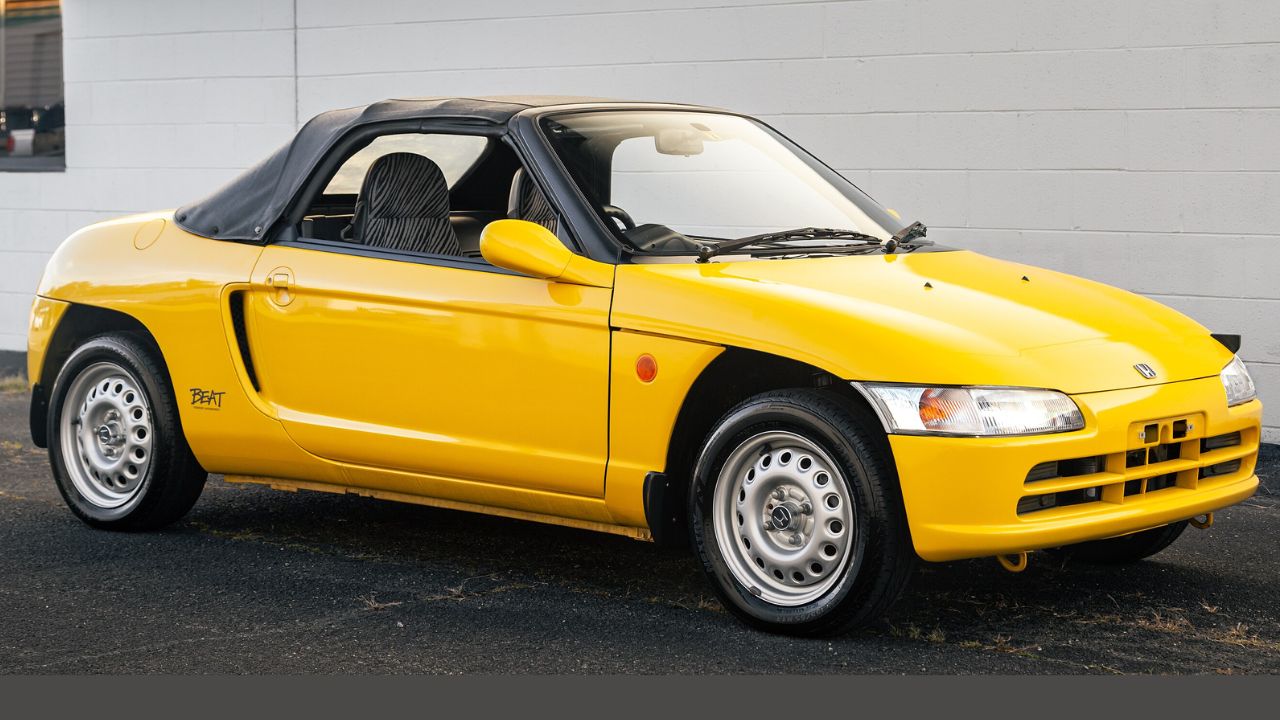
Honda Beat

The Honda Beat was a tiny Japanese roadster built around a simple but clever formula. Its mid-mounted three-cylinder engine, rear-wheel drive, and extremely compact dimensions made it feel more like a scaled-down sports car than an ordinary kei car. The Beat was sold primarily in Japan, which explains why many drivers elsewhere have never encountered one. Its unusual proportions and lightweight character have since made it a favorite among enthusiasts who appreciate small cars with plenty of personality.
Suzuki Cappuccino
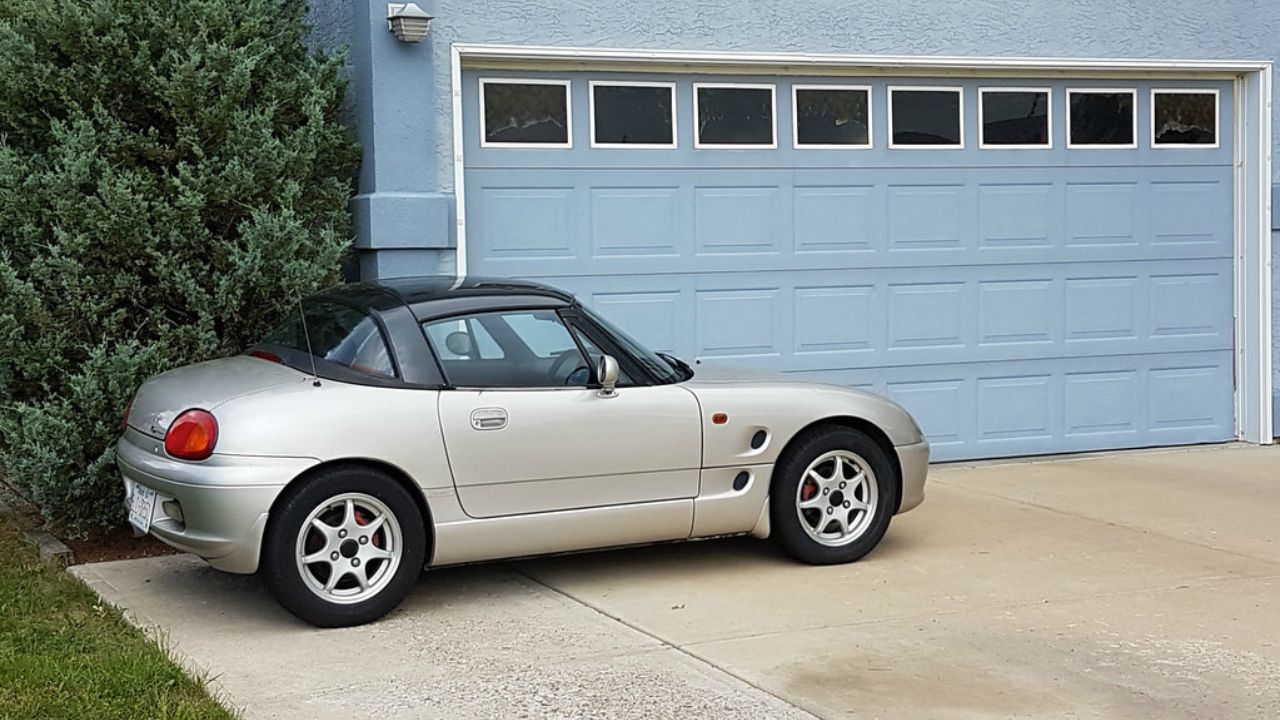
The Suzuki Cappuccino was another tiny Japanese roadster that stayed largely within its home market. Despite its small engine, it offered rear-wheel drive, a lightweight chassis, and a removable roof arrangement that gave owners several ways to enjoy open-air driving. Its compact dimensions made it particularly entertaining on narrow roads. Because relatively few reached other countries through official channels, the Cappuccino remains unfamiliar to most drivers, even though enthusiasts have long appreciated its clever packaging.
Autozam AZ-1
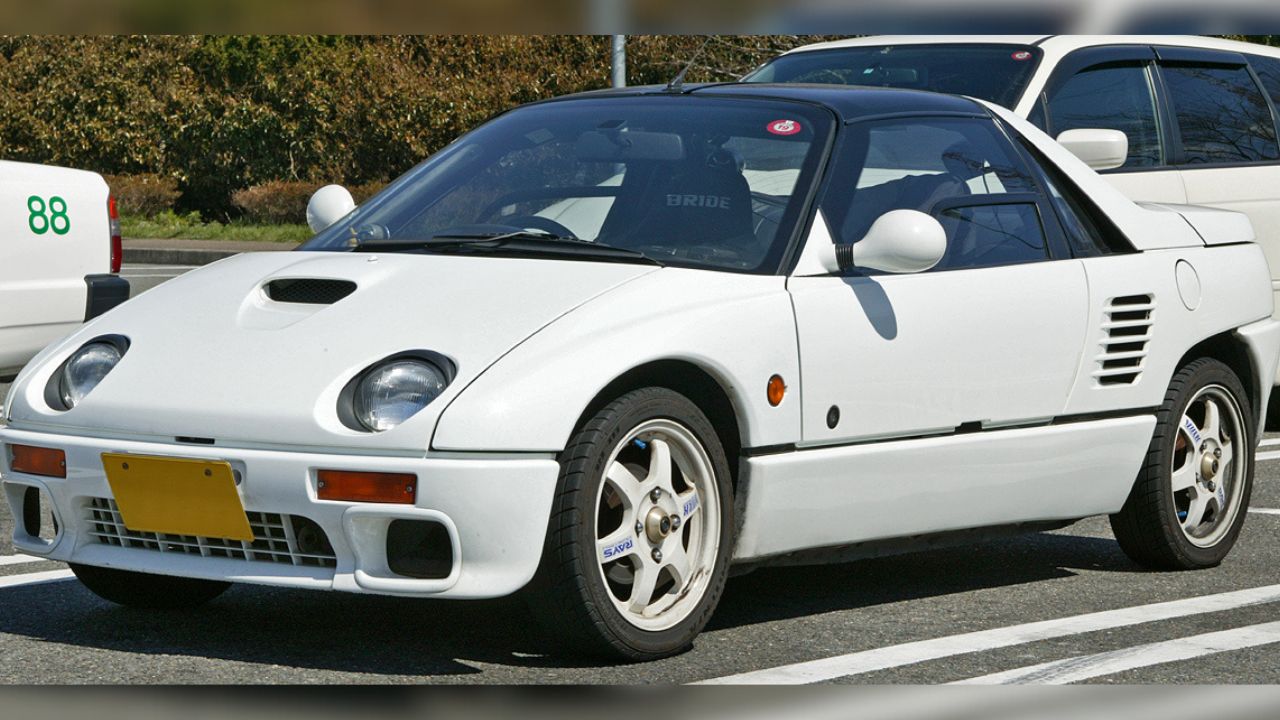
The Autozam AZ-1 is one of Japan’s most unusual lightweight sports cars. Its tiny mid-engine layout and gullwing doors give it an appearance that seems more exotic than its kei-car classification suggests. Mazda’s Autozam brand sold the AZ-1 in limited numbers, which helped make it a rare sight even in Japan. Outside the country, it is considerably harder to encounter. Its distinctive shape and unusual engineering have turned it into a cult favorite among small-car enthusiasts.
Daihatsu Copen
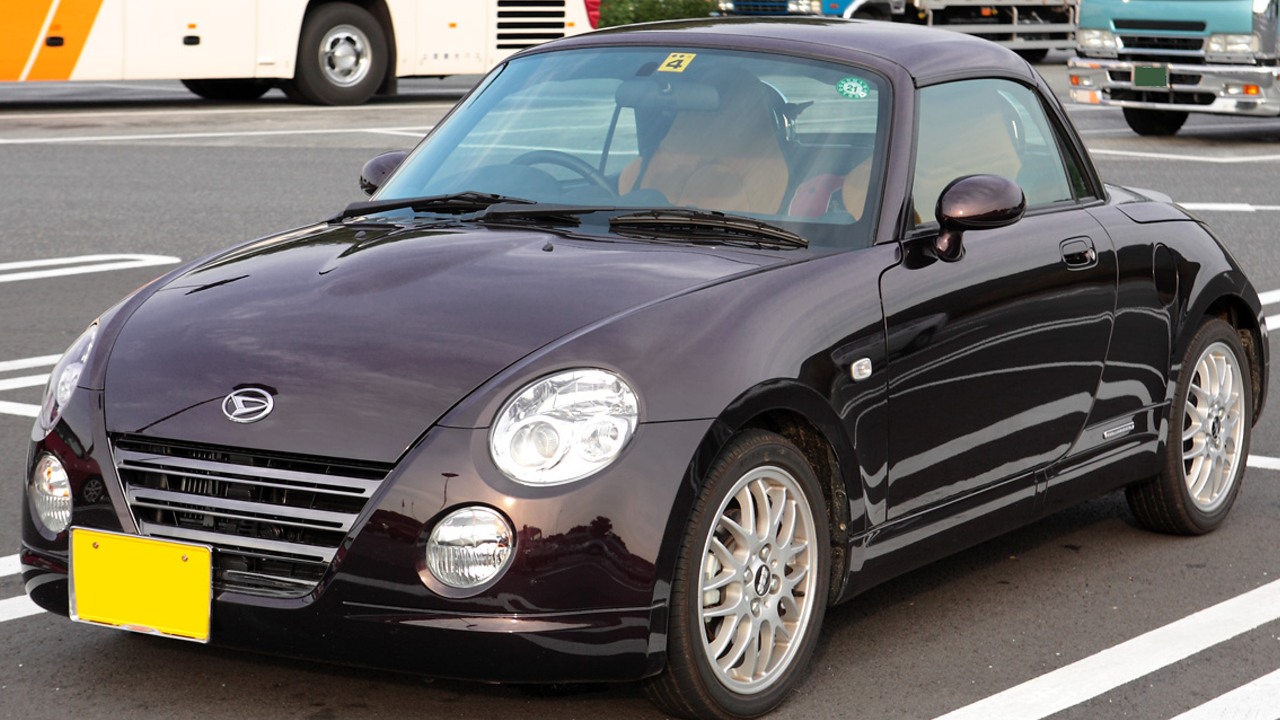
The original Daihatsu Copen brought a surprising amount of personality to the tiny roadster segment. Its small turbocharged engine provided enough performance for its lightweight body, while the compact dimensions made it easy to enjoy on tight roads. A power-operated folding hardtop added another unusual feature for such a small car. Although later generations reached more markets, the earliest Copen remains unfamiliar to many drivers, especially those who never encountered Japan’s kei-car scene.
Daihatsu Leeza Spider
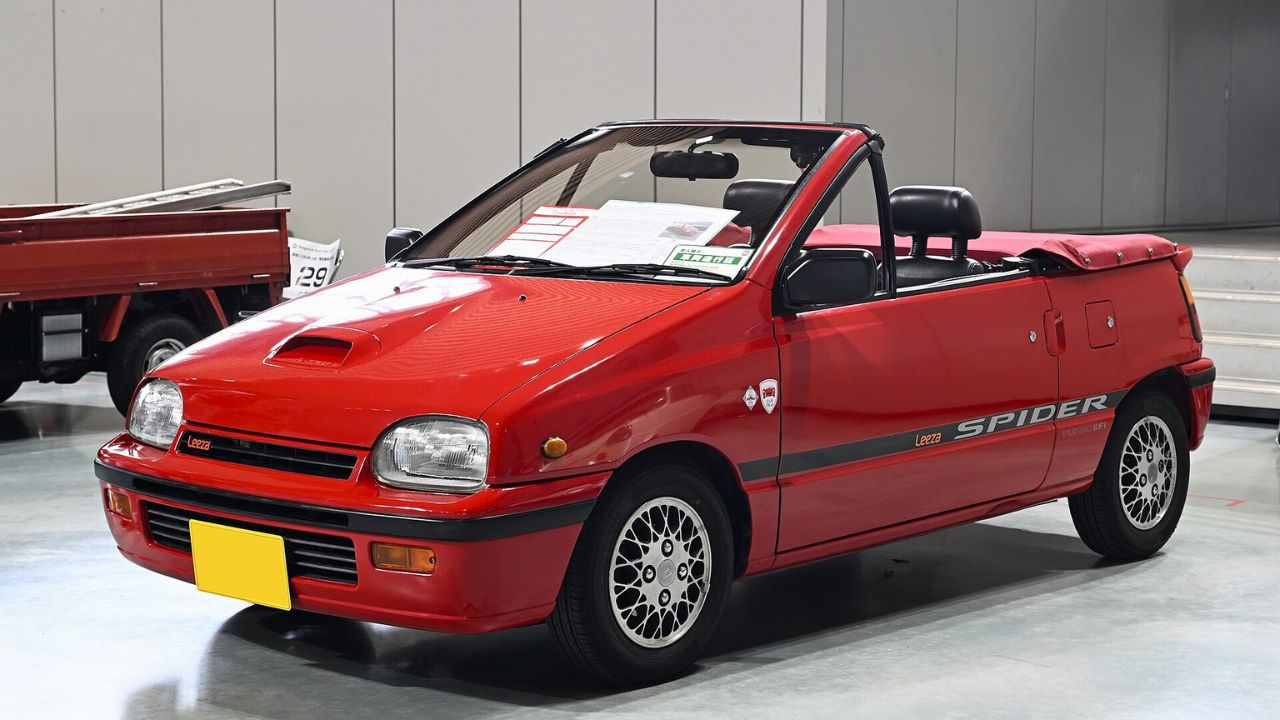
The Daihatsu Leeza Spider was an especially unusual attempt to turn a tiny kei car into an open-top two-seater. Its compact body and lightweight construction allowed it to remain within Japan’s small-car regulations while giving buyers something far more playful than an ordinary city car. Production numbers were limited, and the model never became a common sight outside Japan. Today, even many dedicated enthusiasts have never encountered one in person.
Toyota Sports 800
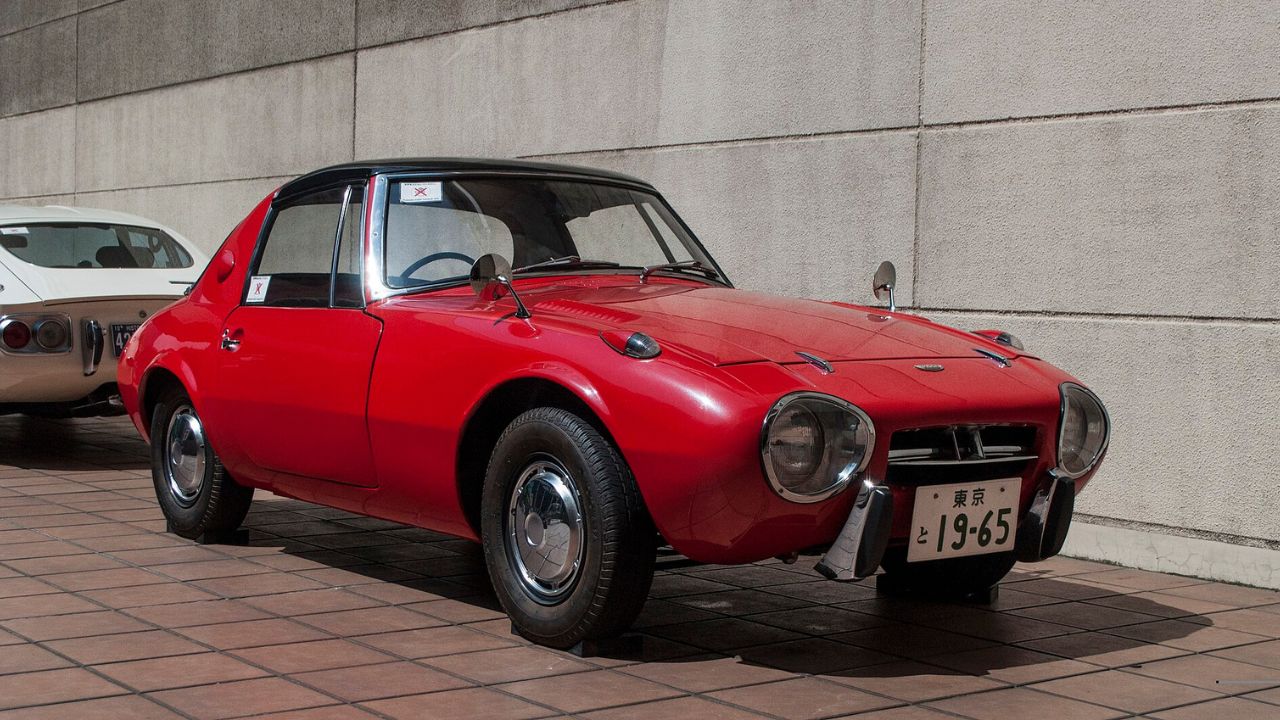
The Toyota Sports 800 was one of Japan’s earliest lightweight sports cars and looks remarkably small by modern standards. Its compact two-seat body, lightweight construction, and efficient engine allowed it to deliver enjoyable performance without requiring a large powerplant. The removable roof panels also gave it an open-air character. Because it was produced in relatively limited numbers during the 1960s, surviving examples are uncommon today and largely unfamiliar to drivers who did not grow up around Japanese classics.
Mazda Roadster Coupe
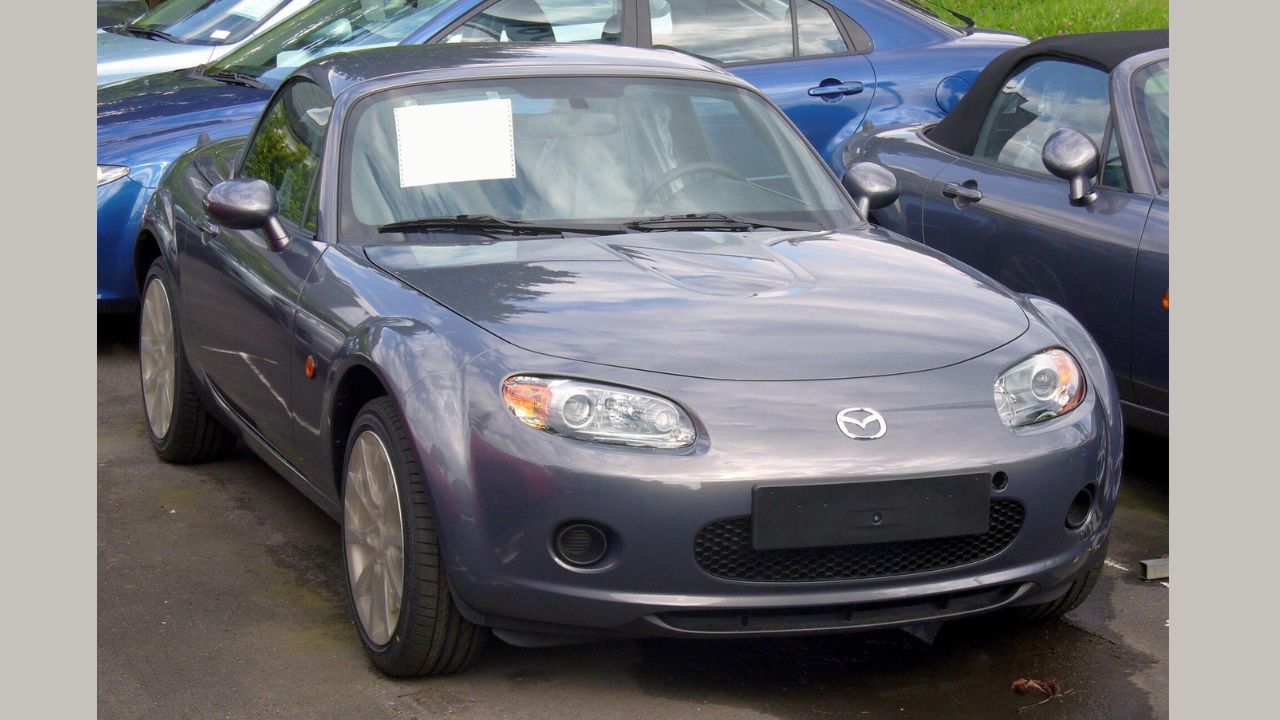
The Mazda Roadster Coupe was a limited-production hardtop version of the MX-5 that never achieved the visibility of the standard convertible. Its fixed roof gave the familiar roadster a different appearance and a more unusual place in the MX-5 lineup. Because production was limited, finding one outside enthusiast circles can be difficult. Drivers may recognize the basic shape immediately but still have no idea they are looking at one of the rarer versions.
Nissan Figaro
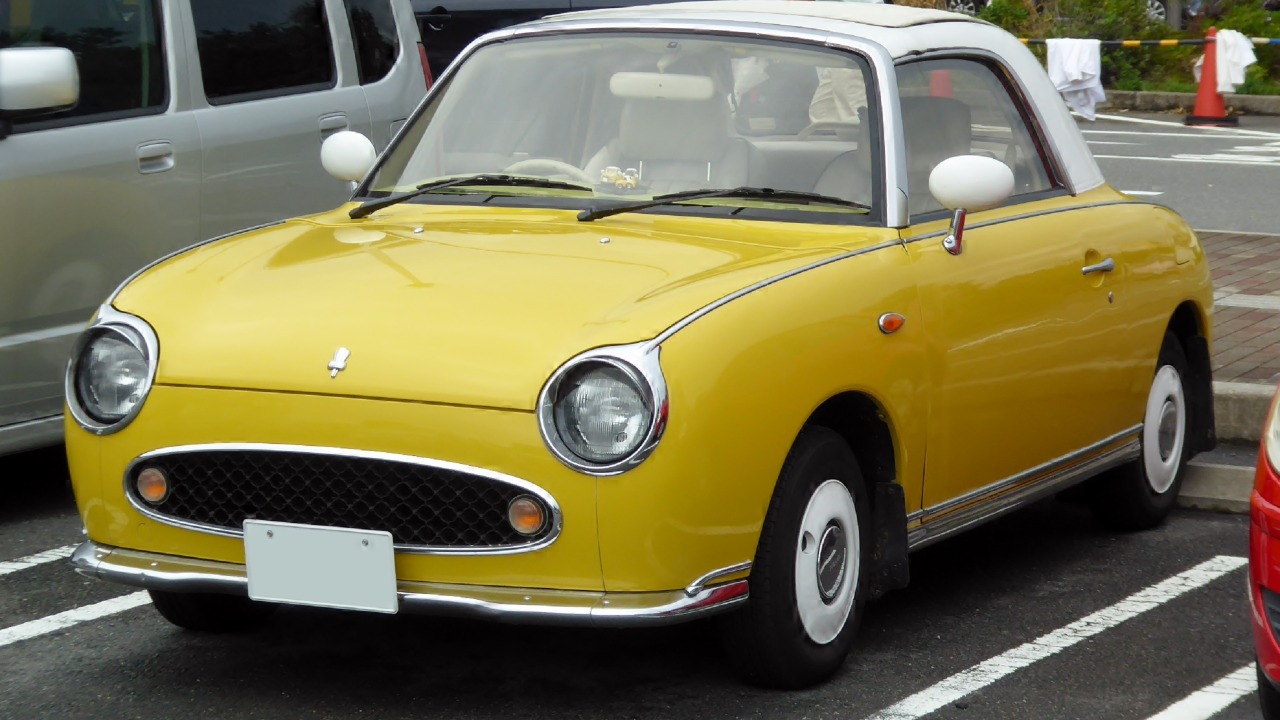
The Nissan Figaro was technically a compact retro-styled convertible rather than a conventional sports roadster, but its tiny dimensions and open-air design made it a memorable Japanese specialty car. Its pastel colors, rounded body, and unusual interior gave it an identity unlike almost anything else on the road. Nissan produced it in limited numbers, and its original market focus was Japan. As a result, many drivers have seen photographs of a Figaro without ever encountering one in person.
Isuzu VehiCROSS Open Concept
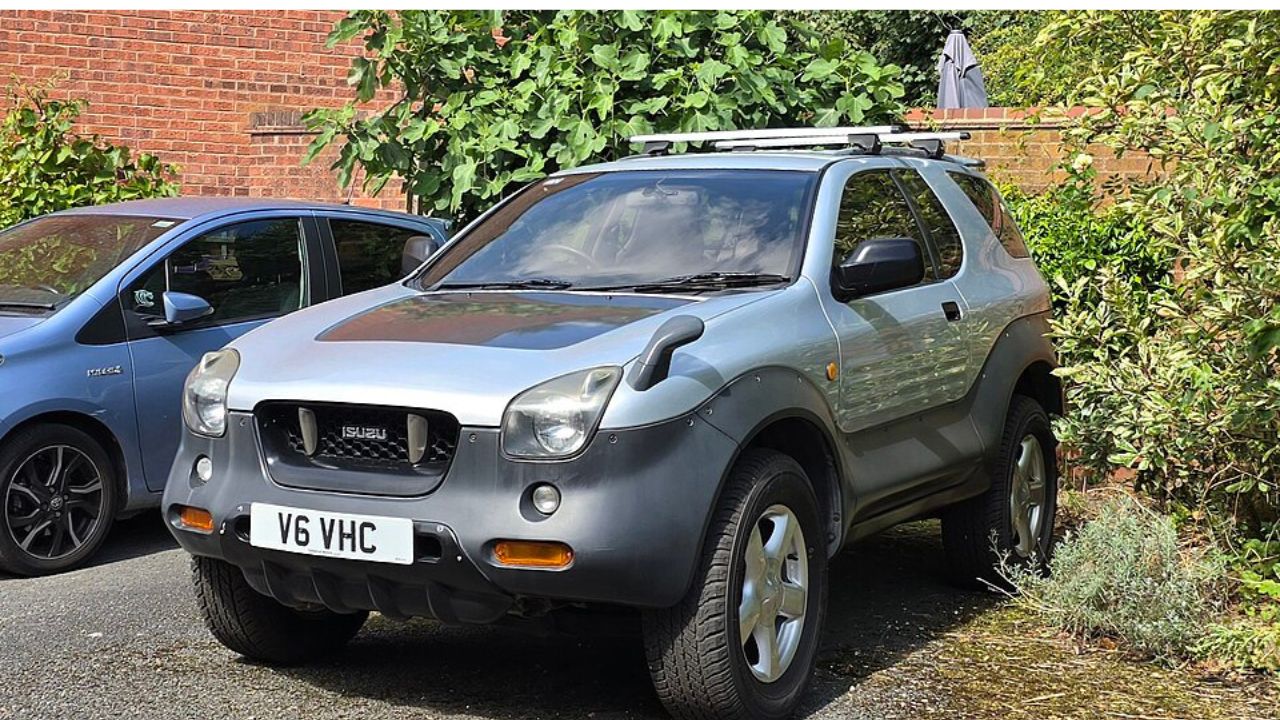
The Isuzu VehiCROSS was primarily an SUV, but Isuzu experimented with an open-top concept that demonstrated just how unconventional the company was willing to be. The concept’s unusual proportions and exposed cabin made it dramatically different from ordinary road-going vehicles. It never became a regular production roadster, which makes it extremely unlikely that most drivers will ever see one outside a show or collection. Its rarity is part of what makes the design so fascinating.
Daihatsu Midget II
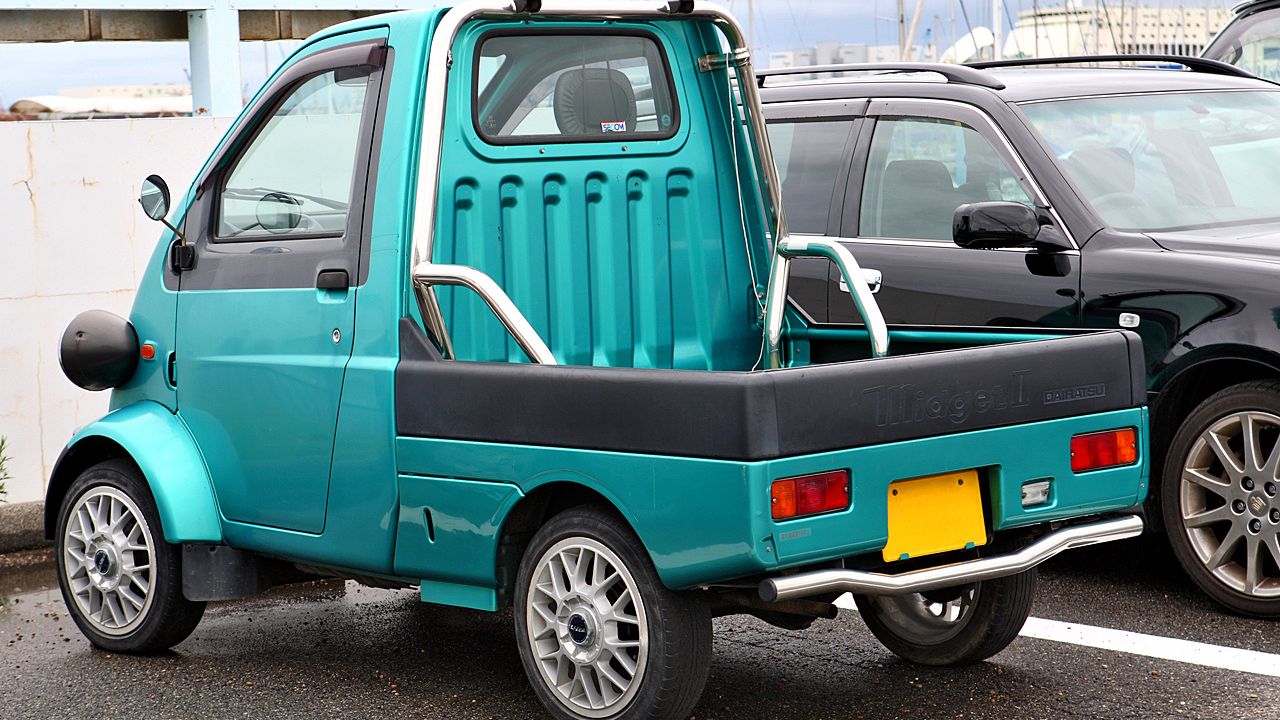
The Daihatsu Midget II is technically a tiny commercial vehicle, but certain open configurations blur the line between utility vehicle and miniature roadster. Its extremely compact body and exposed or semi-open cabin give it a personality unlike conventional cars. Designed primarily for Japan’s dense urban environment, it was never intended for widespread export. Outside specialist collections, encountering one is extraordinarily unusual, making it one of the strangest small vehicles many drivers will ever see.
Nissan 100NX Convertible
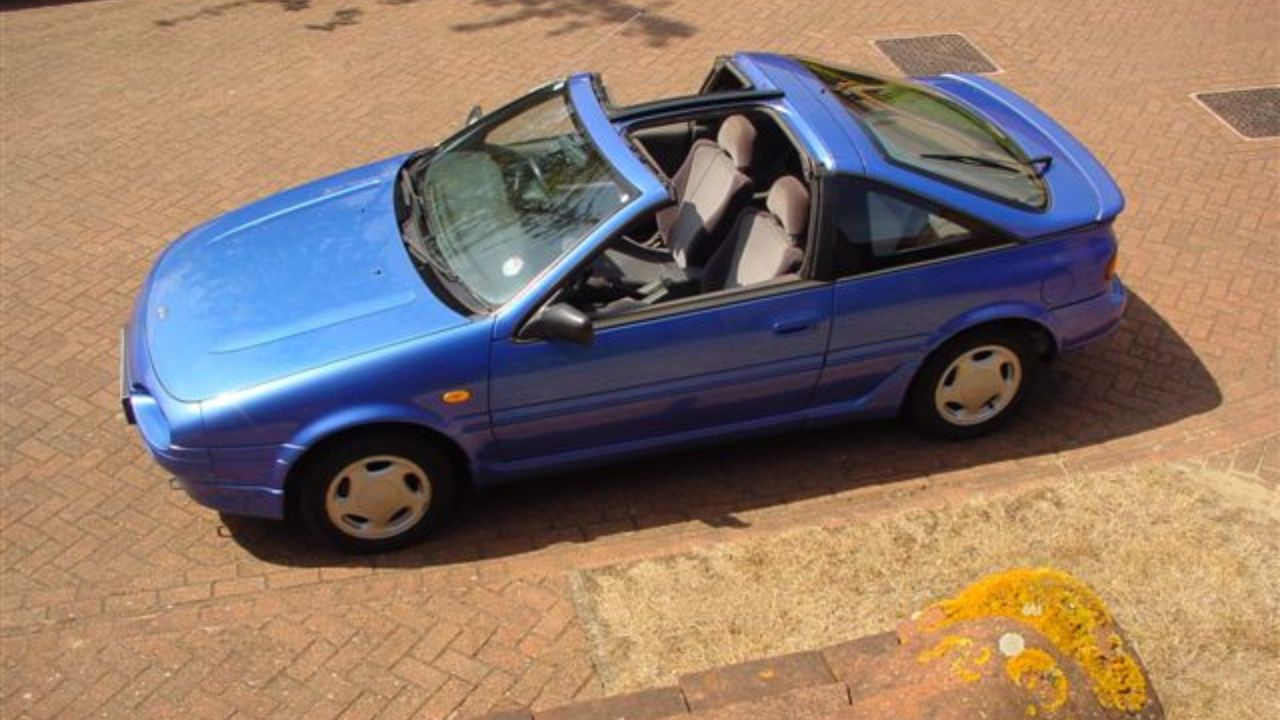
The Nissan 100NX is better known as a compact sports coupe, but limited open-top conversions make the convertible versions considerably less familiar. The basic car already had an unusual design, and removing the roof gave it an even more distinctive appearance. Because these versions were never common, most drivers know the 100NX only as a coupe. A genuine open-top example can therefore attract attention from enthusiasts who recognize how unusual the configuration is.
Opel Speedster
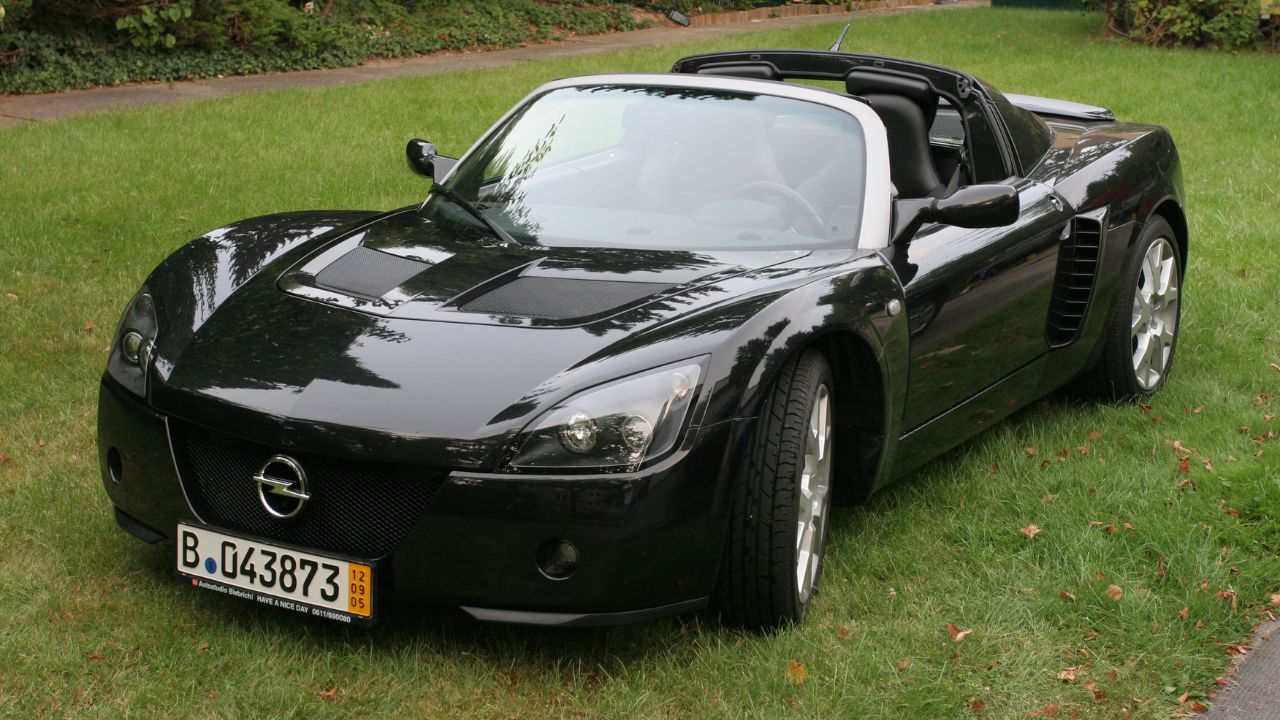
The Opel Speedster was a lightweight mid-engine sports car that looked dramatically different from Opel’s more familiar models. Its low body, exposed wheels, and minimalist cabin gave it the proportions of a much more expensive exotic. Built in limited numbers, the Speedster remained relatively obscure even in Europe. Its rarity outside enthusiast circles makes it particularly easy to mistake for a custom-built sports car rather than a factory production model.
Vauxhall VX220
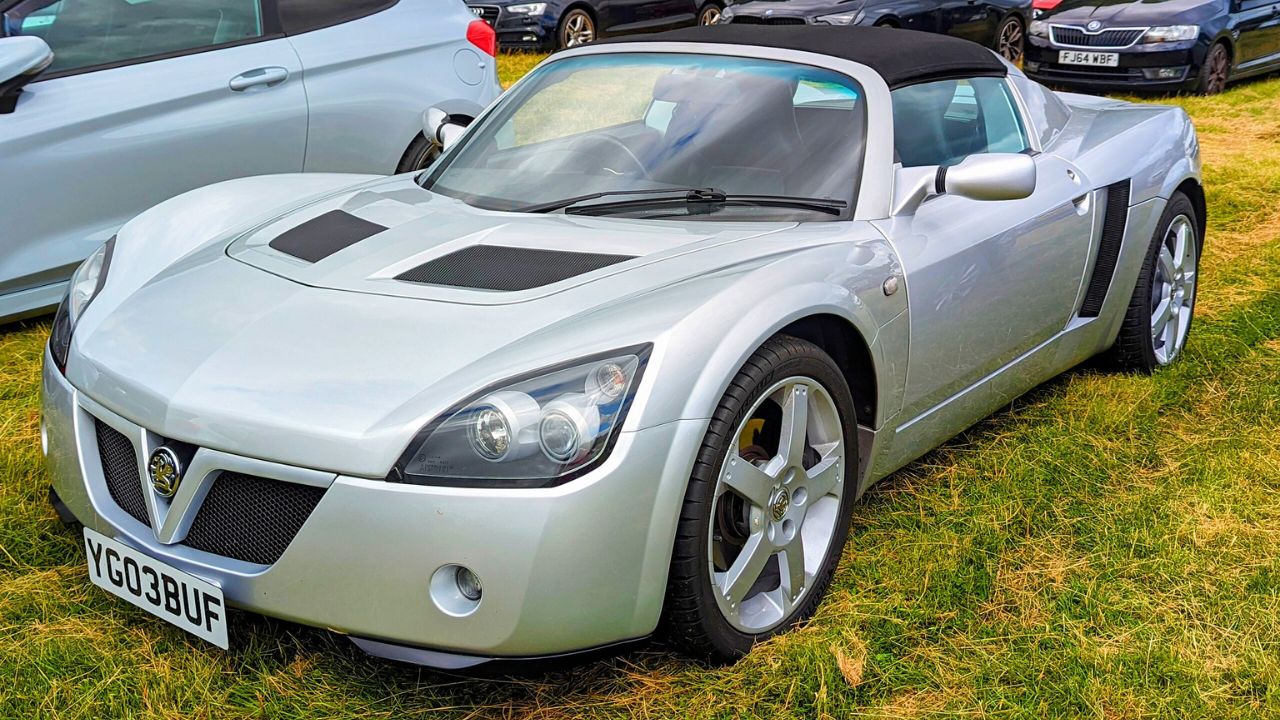
The Vauxhall VX220 was the British-market counterpart to the Opel Speedster and shared its lightweight mid-engine architecture. Its sharp styling and low weight gave it serious sports-car credentials without relying on a huge engine. Because Vauxhall was primarily a British-market brand, the VX220 remained largely invisible to drivers elsewhere. Even in Britain, its relatively limited production means many motorists have never encountered one outside photographs or specialist events.
Smart Roadster
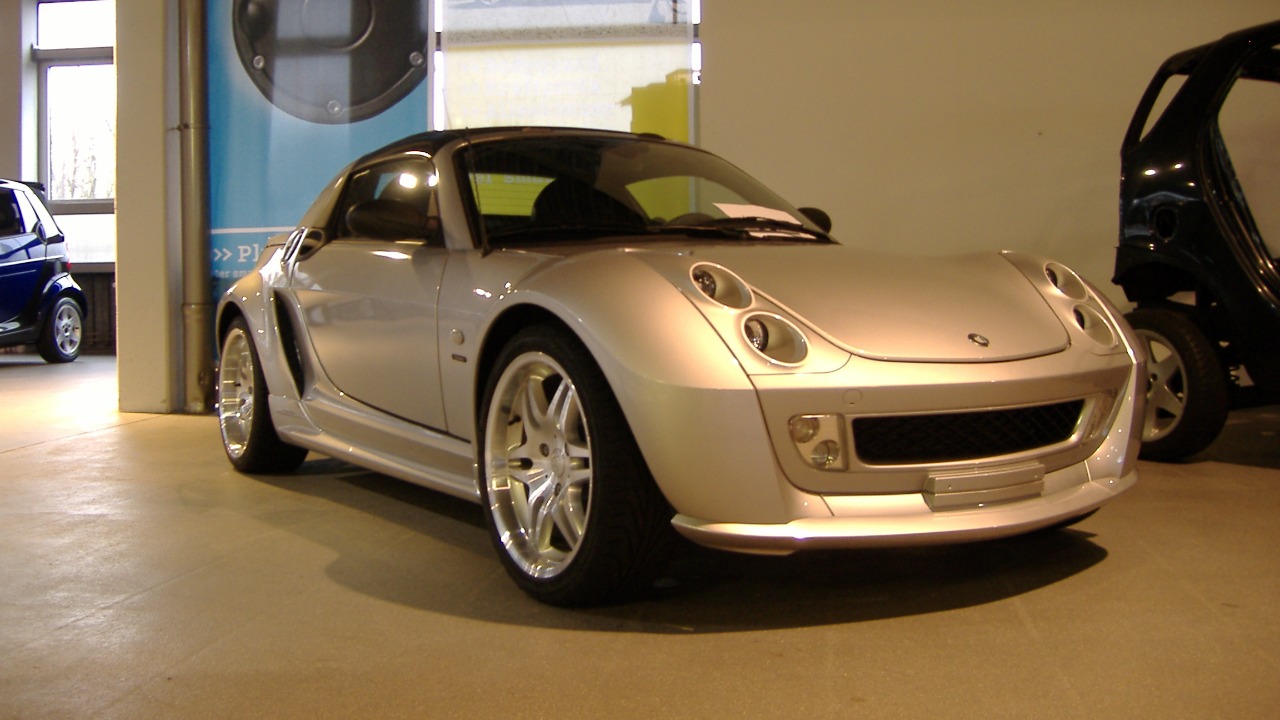
The Smart Roadster took the company’s tiny-car philosophy and applied it to a lightweight two-seat sports car. Its compact dimensions, rear-mounted engine, and low body gave it a distinctive driving character. The unusual automated manual transmission divided opinion, but the roadster’s lightness and styling made it memorable. Production lasted only a short time, which contributed to its rarity. Today, many drivers know the Smart brand but have never seen its little roadster.
Renault Wind
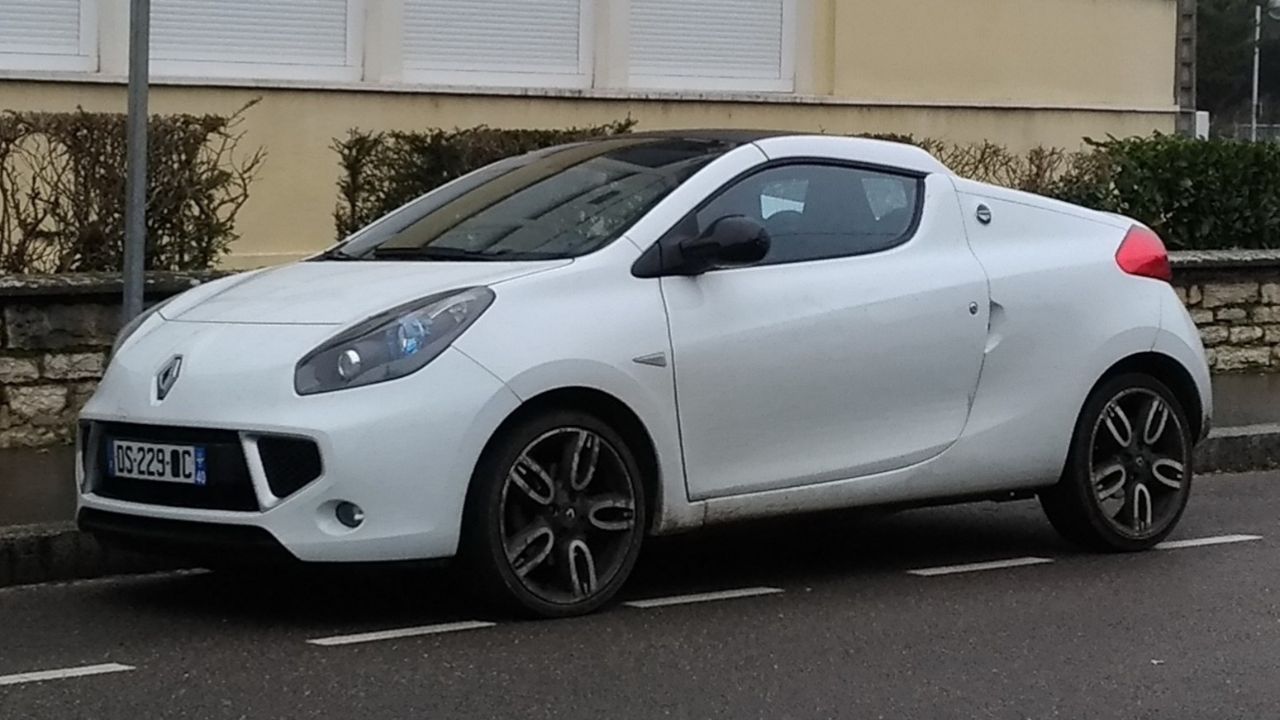
The Renault Wind was an unusual two-seat convertible that used a powered roof mechanism unlike most conventional roadsters. Its short body and upright styling gave it a distinctive appearance, while its compact dimensions made it easy to maneuver. Renault produced relatively few examples, and the model never became a major success. That limited exposure has made it an increasingly unfamiliar sight. Drivers who encounter one today may struggle to identify it as a factory-built model.
Peugeot 207 CC Roadster
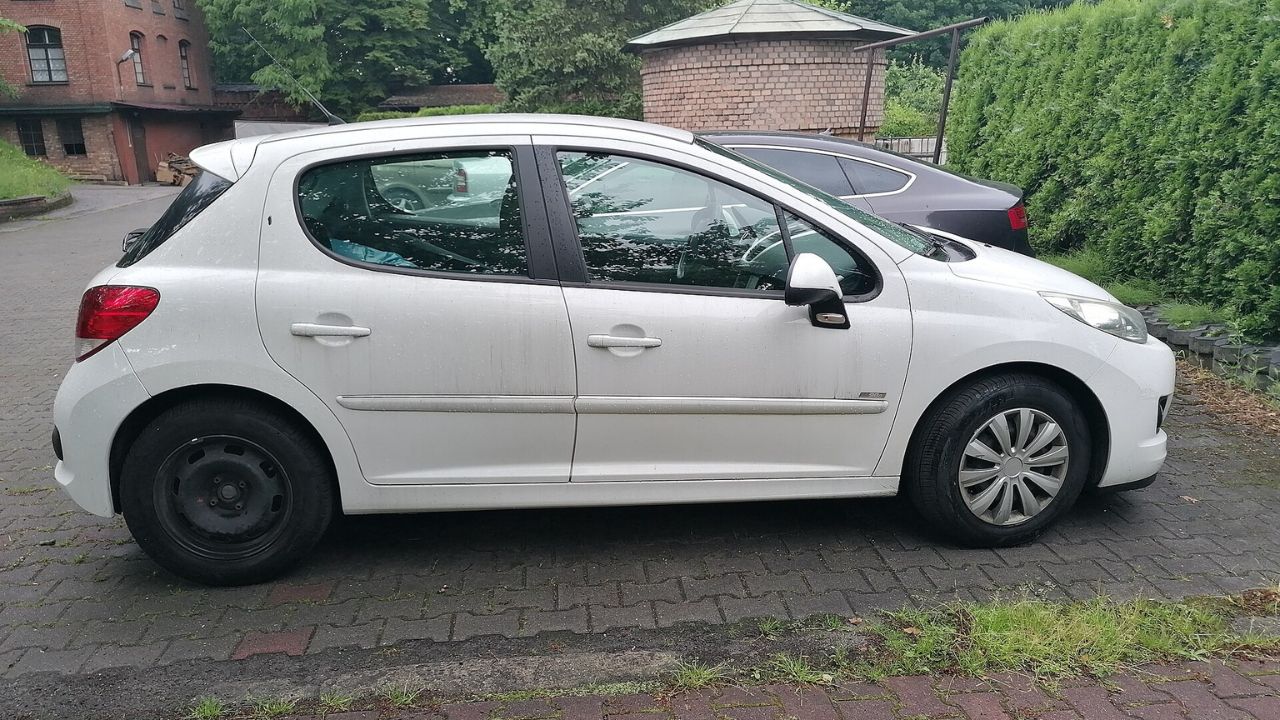
The Peugeot 207 CC combined a small coupe body with a folding hardtop, creating a compact convertible with a more unusual profile than a traditional roadster. It was more common in Europe than in many other markets, but its limited global presence means plenty of drivers have never seen one. The car offered everyday practicality alongside open-air driving, making it an interesting example of Europe’s long-running fascination with compact convertibles.
Fiat Barchetta
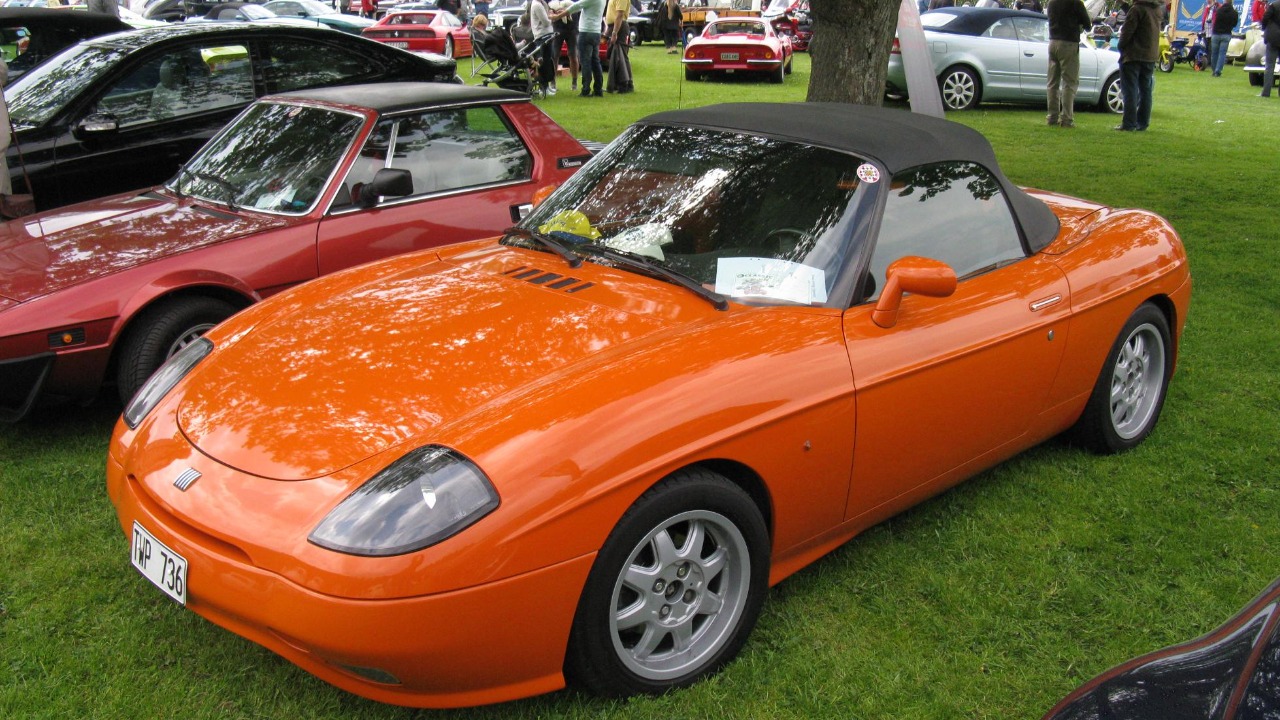
The Fiat Barchetta was a small Italian roadster with distinctive rounded styling and front-wheel drive. That layout separated it from many traditional rear-wheel-drive sports cars, but its light body and responsive character still gave it a genuine roadster feel. Production numbers were modest, and the car was never widely sold in every major market. Today, spotting a Barchetta can be surprisingly difficult, even in areas where older European cars remain common.
Alfa Romeo GTV Spider

The Alfa Romeo GTV Spider shared much of its mechanical foundation with the GTV coupe but gained an open-top body that gave it a completely different personality. Its sharp styling and Italian character helped it stand apart from more conservative convertibles. Although it was available in several European markets, it remained relatively uncommon elsewhere. Many drivers know the Alfa Romeo name but have never encountered one of these distinctive Spiders in person.
Daihatsu Rocky Soft Top
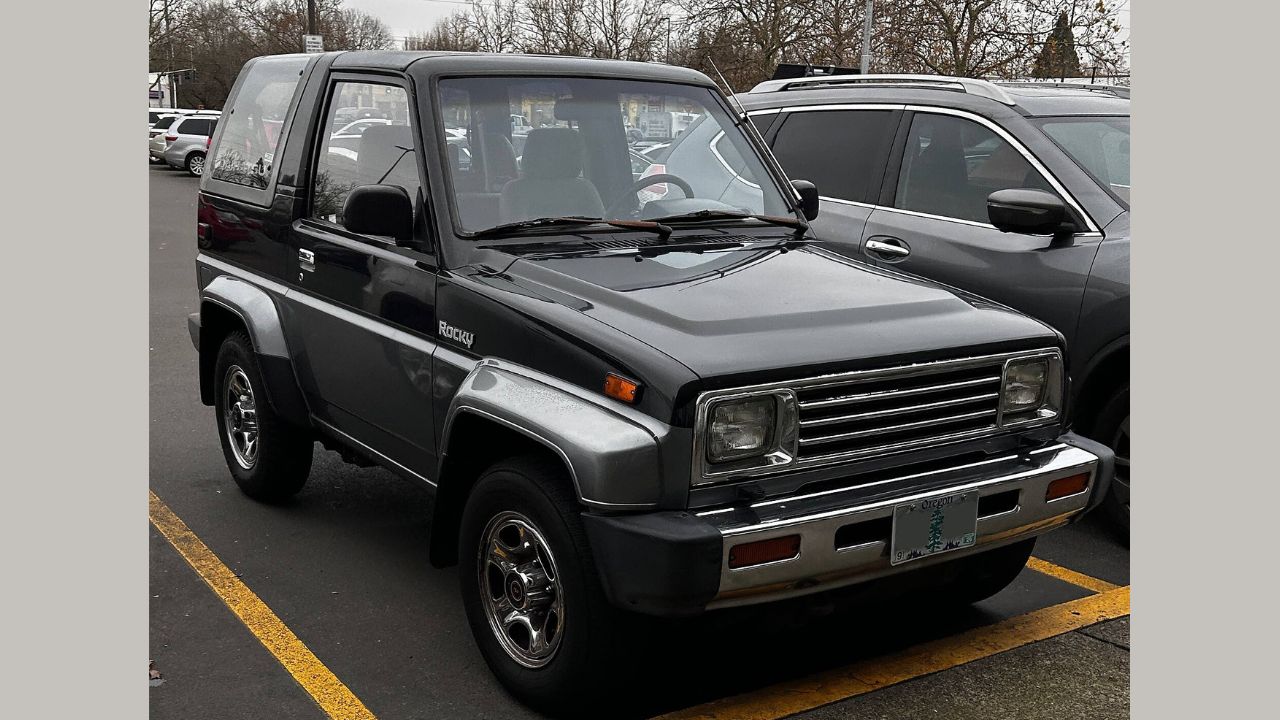
The Daihatsu Rocky is best known as a compact off-roader, but early soft-top versions gave it an open-air character that placed it in a very different category from conventional SUVs. Its small footprint and rugged construction made it useful on narrow trails and rough roads. Because many examples were sold in specific markets and were never common everywhere, the soft-top version remains unfamiliar to many drivers. It is an unusual reminder that open-air motoring has taken many forms.
Lotus 2-Eleven
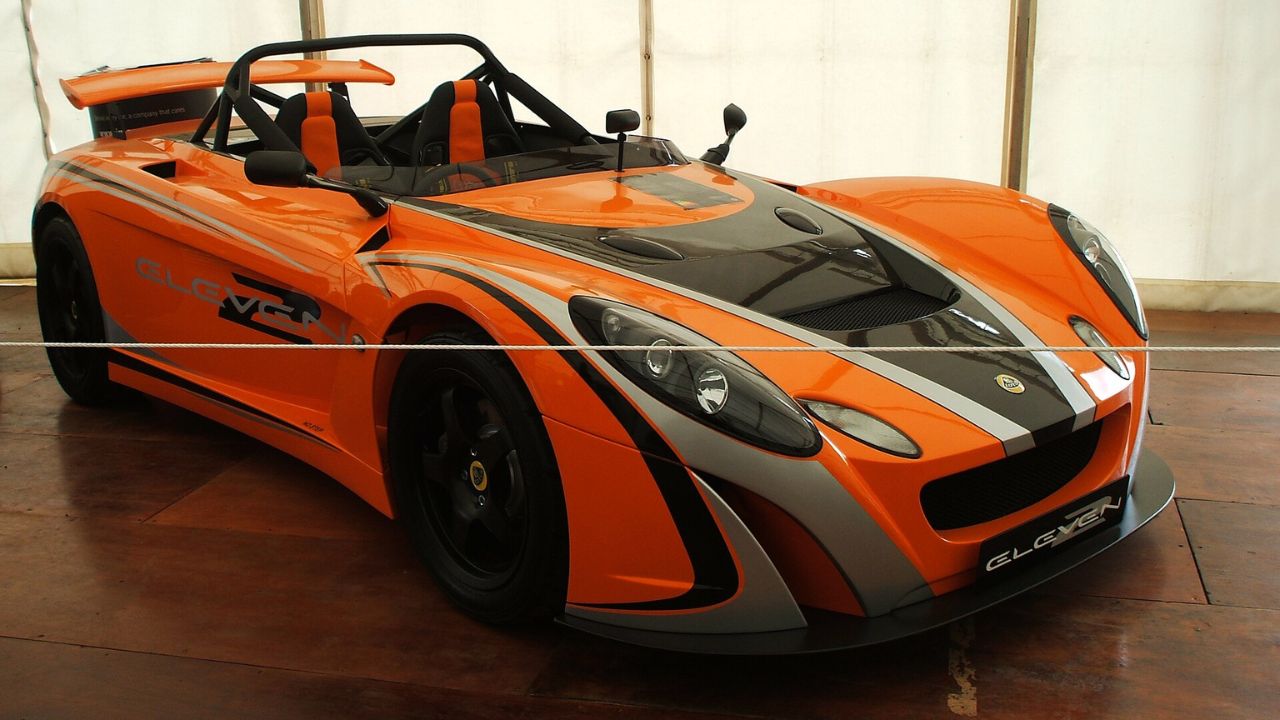
The Lotus 2-Eleven takes the roadster concept to an extreme by prioritizing low weight and track performance over comfort. Its open cockpit, lightweight construction, and aggressive bodywork make it look more like a competition machine than an ordinary road car. Production was limited, and its specialized nature kept it away from mainstream buyers. For most drivers, seeing one on a public road would be a rare event, particularly outside Lotus enthusiast circles.
More from Fast Lane Only
- Unboxing the WWII Jeep in a Crate
- 15 rare Chevys collectors are quietly buying
- 10 underrated V8s still worth hunting down
- Police notice this before you even roll window down
*Research for this article included AI assistance, with all final content reviewed by human editors.