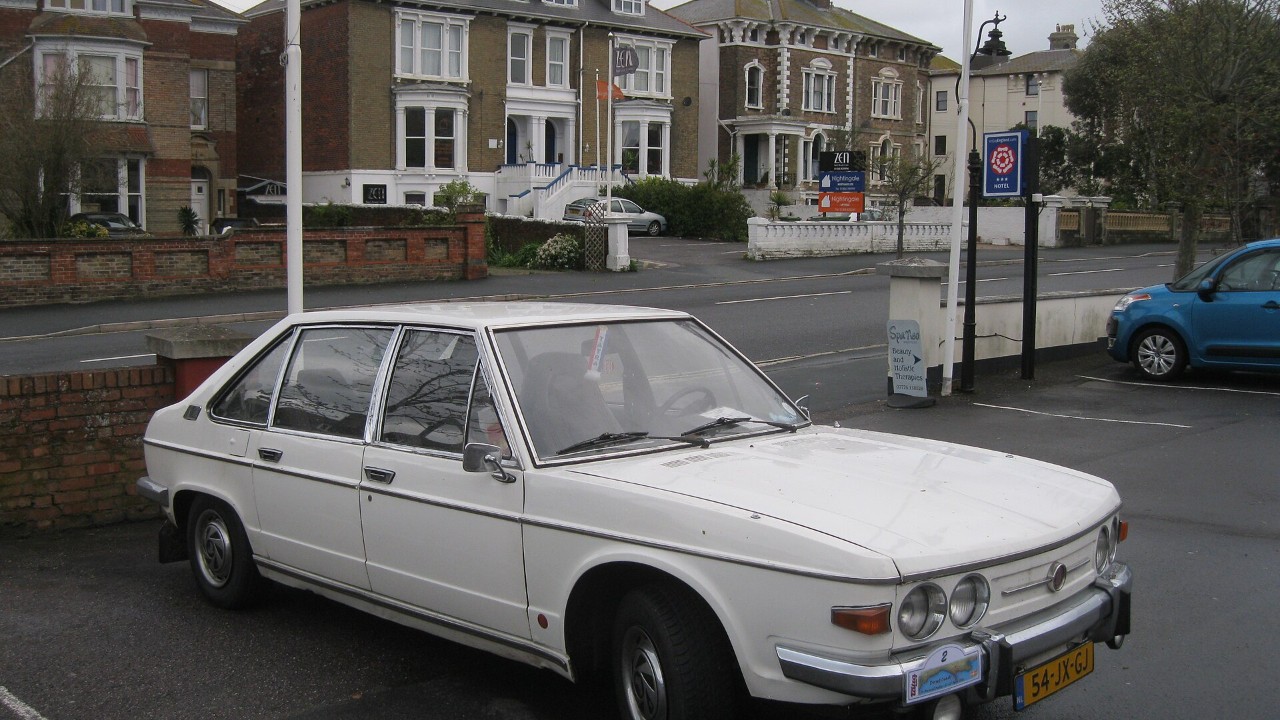
The Tatra T613 carried an air-cooled V8 in its tail and an Italian body by Vignale, and Tatra built it for officials in Communist Czechoslovakia. Most Americans will never see one move. Yet the Tatra T613 stayed in production into the 1990s.
Rear engines once looked like the future. At the time, builders from Prague to Tokyo hung the motor behind the back wheels. A few sold by the hundreds of thousands, but in our view few of them ever became a common sight in America.
These are our picks for seven rear-engine cars that almost no one has seen, and by that we mean on American roads. Some sold in big numbers at home, so this is about how rarely you meet them here, not about rarity. The verdicts are our opinion, while the facts come from museum records, maker histories and model archives.
1. 1977 Tatra T613
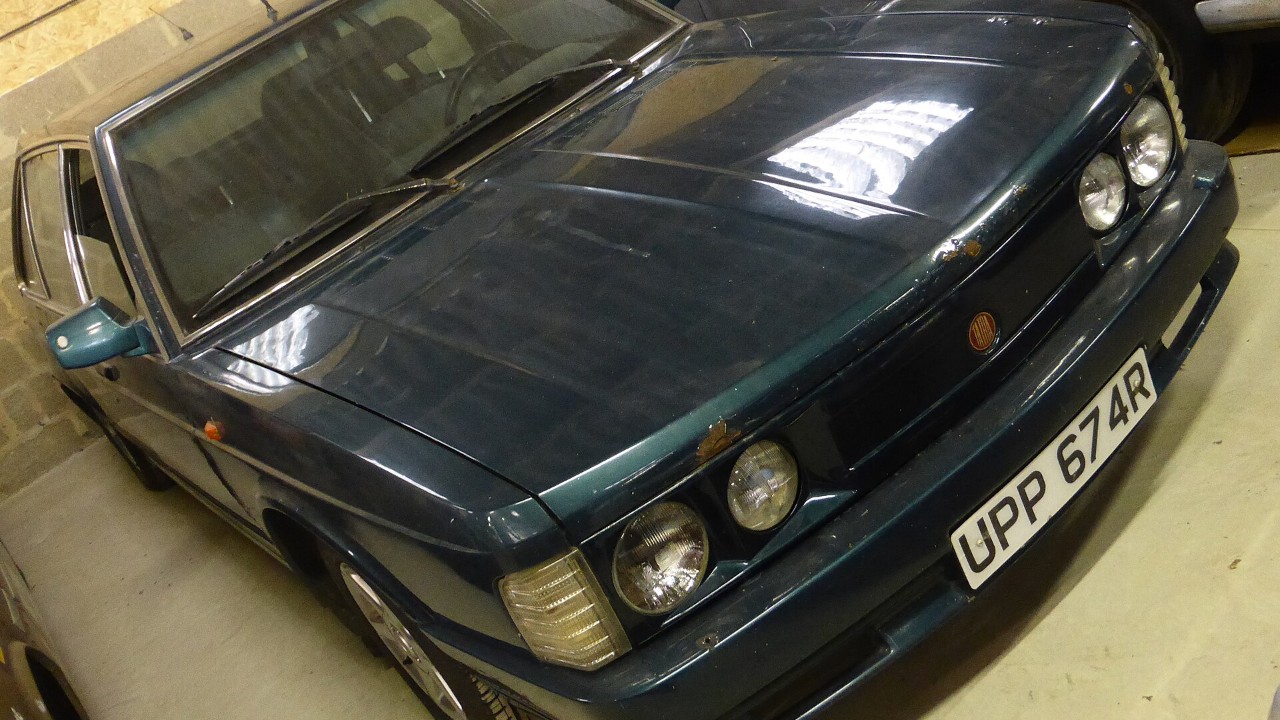
Design work on the T613 began in the late 1960s, as a new flagship for officials in Communist countries. According to the Lane Motor Museum, it was the first Tatra styled outside the factory. It was also the first Tatra with its engine above the rear axle.
That engine was an air-cooled 3.5-liter V8 with dual overhead cams on each bank. In carbureted form, it also made 168 PS. Output peaked in the late 1970s at about 1,500 cars a year, so a 1977 car comes from the busiest stretch. However, sales fell fast after the Communist government in Czechoslovakia collapsed, and Tatra made only 11 cars in 1996.
The museum puts total production at 11,009. Our take: that is a small number, especially for a big four-door. A Tatra T613 is a luxury sedan with its V8 in the back, and we would love to hear one start.
2. 1967 Hino Contessa 1300 Coupe
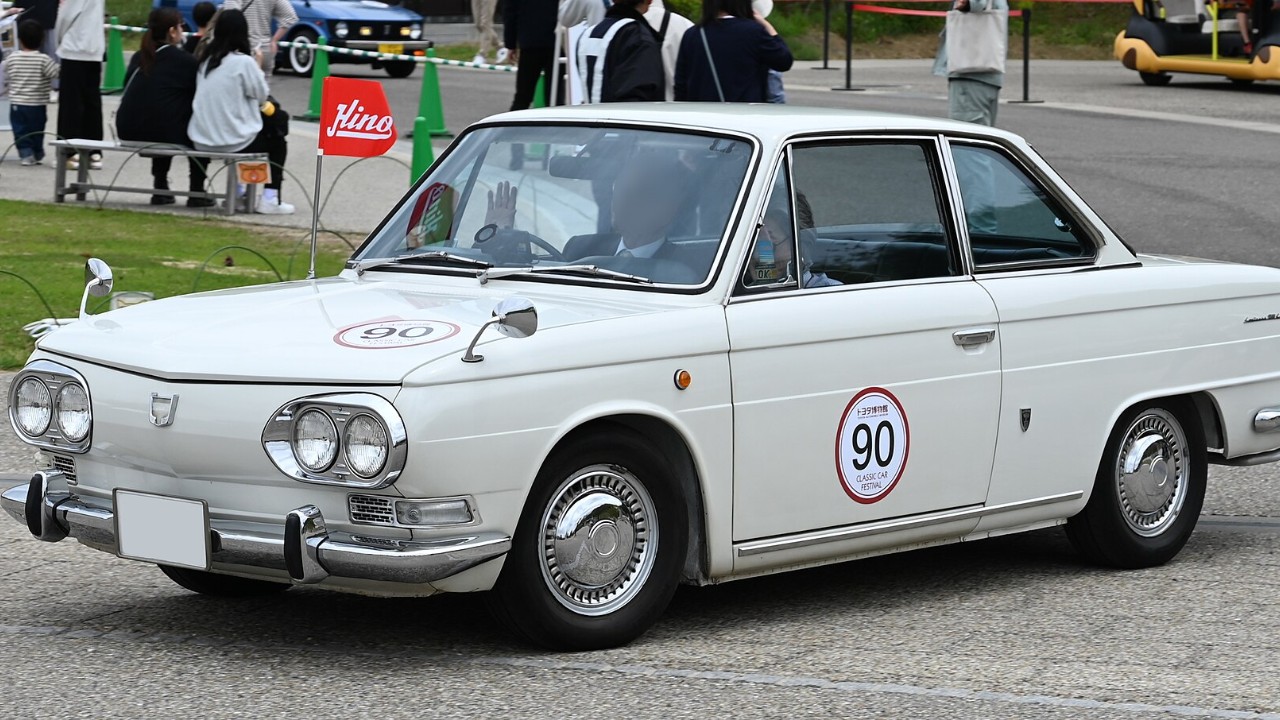
Hino built the Contessa from 1961 to 1967, and its mechanical roots went back to the Renault 4CV. Hino had built the 4CV under license, so the Contessa’s drivetrain and suspension grew from that car. Giovanni Michelotti then penned the 1300 Coupe. In fact, he had sold a very similar design to Triumph for its 1300.
The Coupe used a 1,251 cc four-cylinder in the tail, rated at 55 PS. From November 1965, a twin-carburetor 1300S made 65 PS. Hino built 55,027 second-series Contessas, and only 3,868 of them were Coupes. Then, in late 1966, Hino formed an alliance with Toyota, and series production stopped in March 1967.
The car even had a racing moment in the United States. Pete Brock’s BRE team prepared Contessa sedans, and one took a surprise victory at the 1966 LA Times Grand Prix. In our view, the Coupe is the prettiest Japanese rear-engine car of its era.
3. Škoda 110 R Coupé
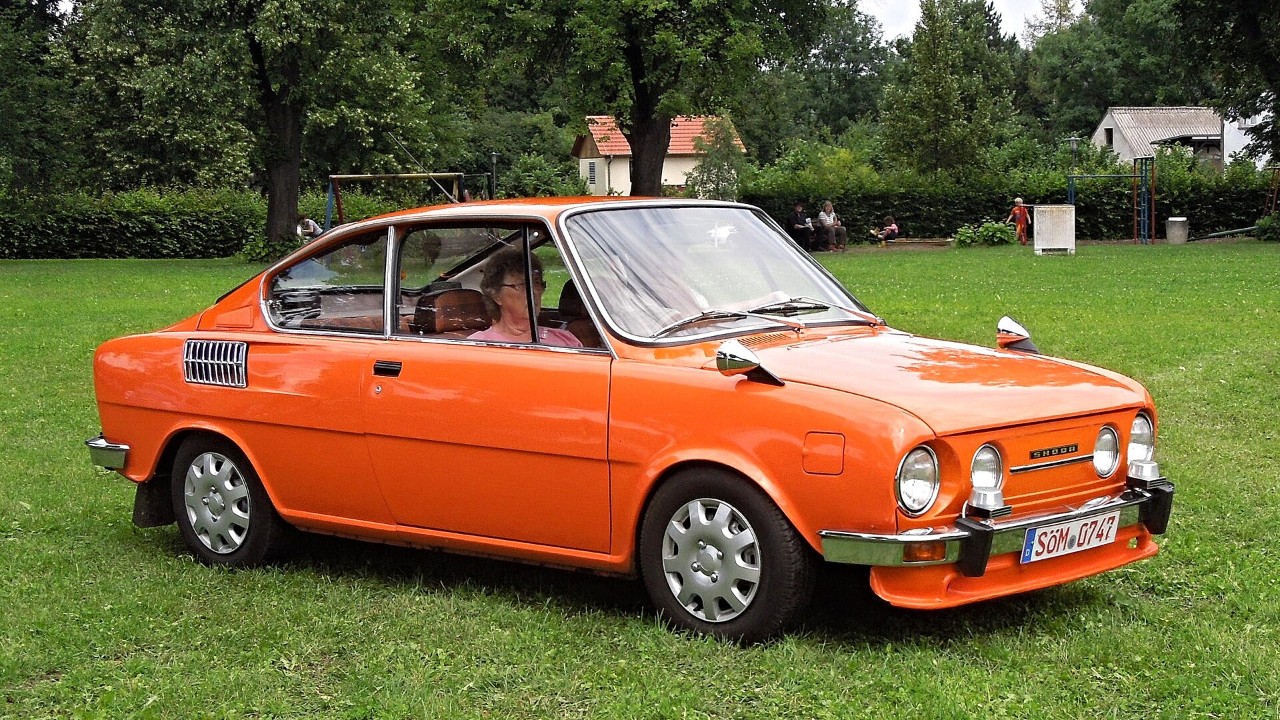
Škoda showed the 110 R on September 5, 1970, at the Engineering Fair in Brno. The coupe used a 1,107 cc rear-mounted four with twin carburetors and 52 hp. Meanwhile, top speed was 145 km/h. The basic car cost 78,000 Czechoslovak crowns, which Škoda says equaled about 40 months’ wages.
Even so, this was not a rare car at home. According to Škoda’s own history of the 110 R, the Kvasiny plant built 57,085 coupes between 1970 and 1980. Exports came first, too, because 93 percent of the 1973 output left the country.
The coupe also fathered the 130 RS, which Škoda calls the “Porsche of the East.” That car won its class at the 1977 Monte Carlo Rally. Our take: the 110 R is a charming way to own a piece of that story, and it would turn every head at an American cars-and-coffee.
4. Renault Alpine A310

Alpine built the A310 from 1971 to 1984. It used a fiberglass body over a tubular steel backbone chassis, and the engine sat lengthwise in the rear. The early cars used Renault four-cylinder engines, including a twin-Weber 1600 rated at 124 PS. In total, Alpine built 2,340 four-cylinder cars through 1976.
Then the car changed character. From 1976, a 2,664 cc PRV V6 with 150 PS took over, and Robert Opron restyled the body. The V6 version proved much more popular, with 9,276 built by 1984. Meanwhile, a Pack GT Boulogne kit pushed a 2,849 cc V6 to 193 PS.
Alpine has not forgotten the car, as our story on the one-off A310 Vision explains. In our opinion, the A310 is the French answer to a 911 that most Americans never got to compare.
5. 1962 Renault Caravelle
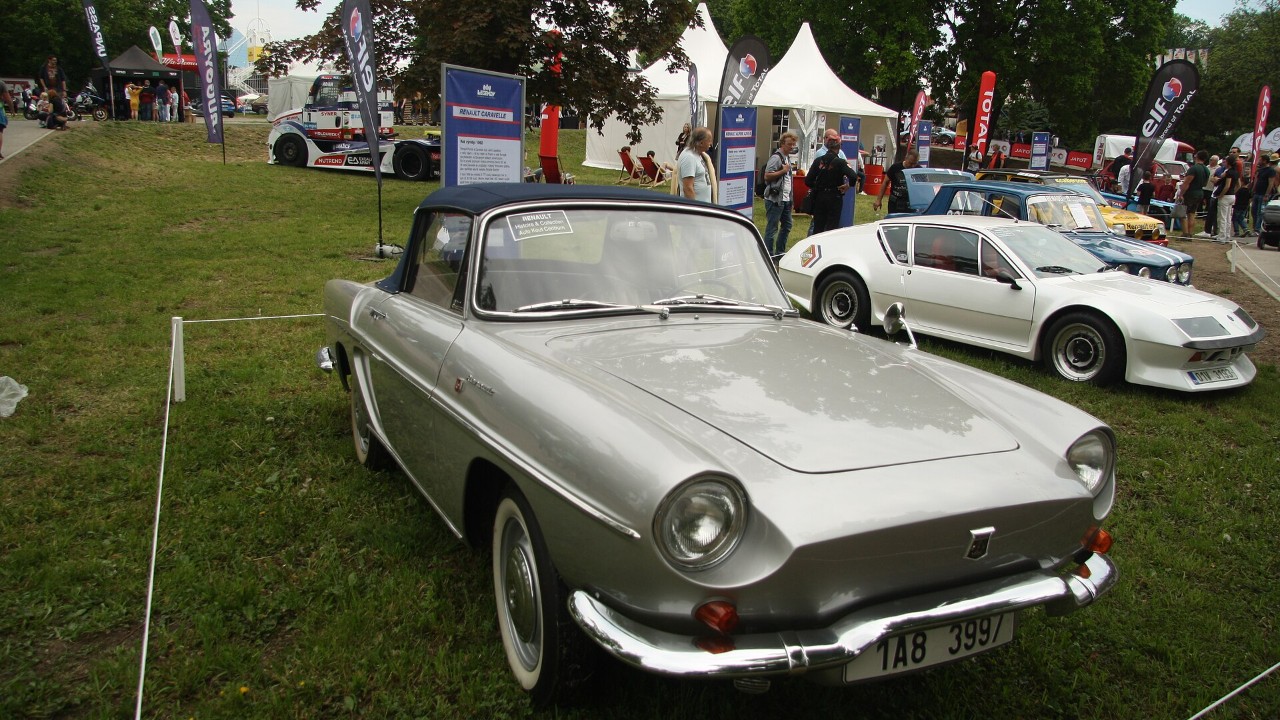
Renault first showed this car as the Floride at the 1958 Paris Motor Show. However, Renault’s U.S. dealers felt the Floride name was unsuitable for 49 of the 50 states. So it wore the Caravelle name in North America and Britain from the start. In 1962, the Caravelle name spread to every market.
The 1962 update brought real changes, too. First, a 956 cc engine shared with the Renault 8 raised output to 48 hp. A four-speed gearbox also became standard, along with disc brakes on all four wheels. Pietro Frua drew the shape at Ghia, Chausson built the bodies, and Brissonneau and Lotz assembled the cars at Creil.
We have covered more of the brand’s U.S. story in our list of Renaults sold new in America. Our take: four-wheel discs on a small rear-engine car in 1962 make the Caravelle far more interesting than its gentle looks suggest.
6. 1948 Tucker 48
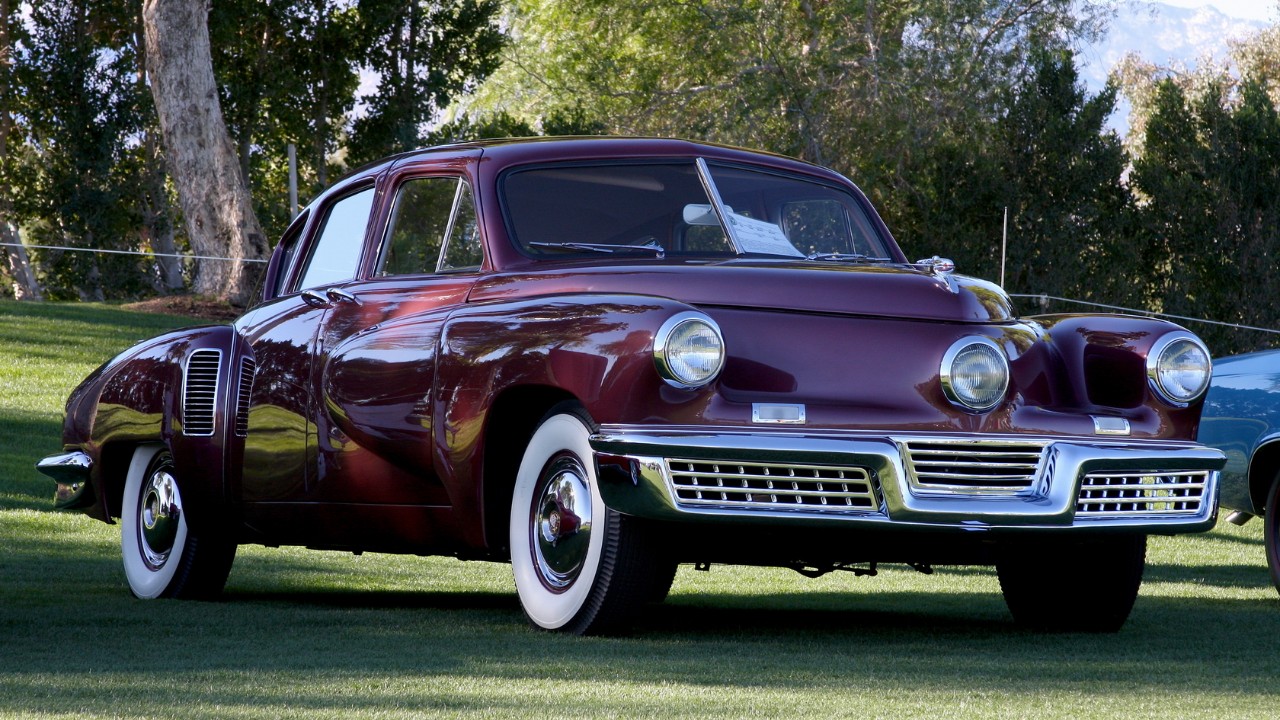
Preston Tucker’s company built 51 cars in all, counting the prototype known as the “Tin Goose.” The car often goes by “Torpedo,” yet that name belonged to the prototype and never went on the production model. Its rear-mounted flat-six was a Franklin O-335 from Air Cooled Motors, with 334 cubic inches and 166 hp.
Tucker’s engineers converted that air-cooled engine to water cooling, a story we told in our piece on the Tucker 48’s flat-six. The car also had a center third headlight that turned once the steering passed 10 degrees. Even so, the company ceased all operations on March 3, 1949.
If you want to see several at once, the AACA Museum in Hershey, Pennsylvania calls its Cammack Tucker Gallery the world’s most extensive Tucker collection. In our view, that is the best way to meet a car most people only know from photos.
7. 1970 Subaru 360
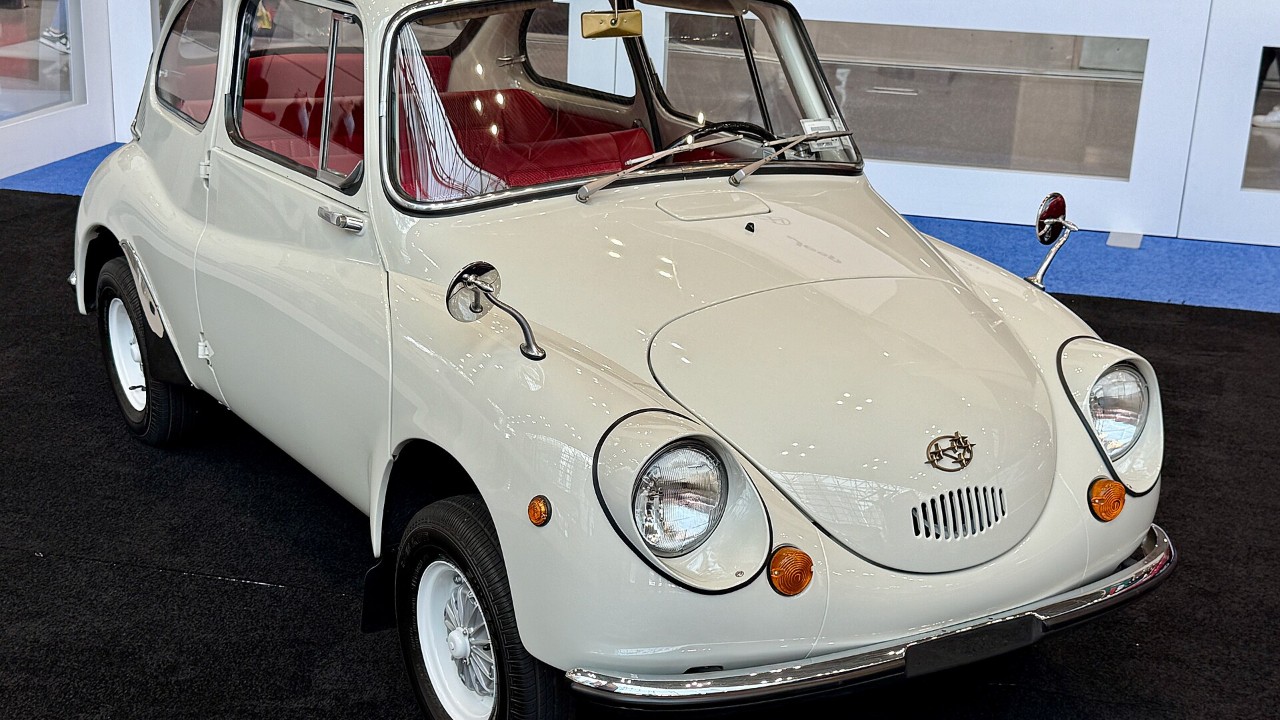
American buyers met this tiny Subaru at a sticker price of $1,297. Malcolm Bricklin brought it over from 1968, and his ads called it “Cheap and Ugly.” We admire that honesty. In the end, roughly 10,000 crossed the Pacific.
The car itself ran from 1958 to 1971. Its 356 cc twin hung across the tail, and at first it made just 16 PS. By August 1968, however, output had climbed to 25 PS. Then, in April 1969, Consumer Reports gave it a “Not Acceptable” rating over safety and power.
Subaru built about 392,000 in all, so this is not a rare car. Our take: a 1970 Subaru 360 is a cheerful reminder of where a giant brand began. Few people here have ever seen one, and even fewer have driven one.
More from Fast Lane Only