A check engine light that comes and goes is easy to ignore. It flickers on, it goes away, and life goes on until the day it stays on and your truck can’t pass inspection.
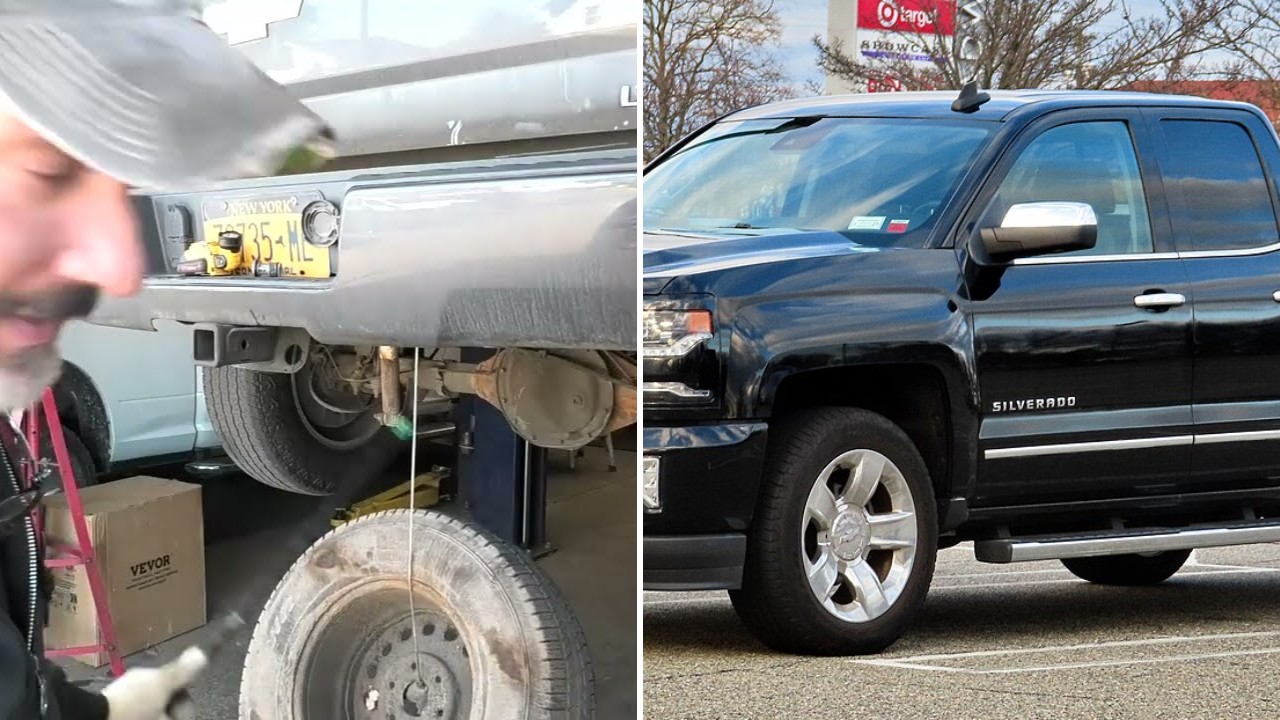
That is where one 2016 Chevrolet Silverado 1500 owner ended up before taking the truck to the mechanic behind @SouthMainAuto. The owner told the shop the light had been coming and going for years, and another shop hadn’t been able to say what was wrong.
“Customer says lights been coming on and off for a few years but has decided to finally stay on steady.”
Codes That Pointed One Way
The Silverado has the 5.3-liter V8 and needed an inspection sticker. The mechanic pulled three codes. Two pointed to lost communication with the fuel pump driver module, and one to fuel pump flow performance, which he suspected was just a side effect of the first problem.
He also noticed the fuel pump sounded like it was screaming when the key was turned on. His scan tool showed the low-pressure fuel system sitting at roughly 80 to 100 psi, when he says it should be closer to 60.
His read: the engine computer couldn’t talk to the fuel pump module, so the module couldn’t control the pump.
A Plan For Wiring Tests
He printed wiring diagrams, traced the two data lines between the engine computer and the module, and laid out a plan to check power, ground and communication, including resistance tests at a connector under the truck.
He admits he expected the module to look fine. The frame had been treated with an undercoating, and the truck looked well cared for underneath. So he made one more stop before breaking out the meter: a plain look at the part.
One Look Was Enough
The module, mounted near the spare tire, had a problem nobody needed a meter to see.
“You’re not supposed to see the circuit board.”
Its cover was compromised, the board was showing, and the mechanic says it was physically smoked. Once the module was on the bench, he pointed out green corrosion, a broken surface-mount resistor and a damaged transistor. He also noted the connector had no protective grease, which suggested his shop was the first to unplug it.
A new module came from Chevrolet. He checked GM’s service information and found it needs no programming, so it could go straight in. The mounting bolts, which he expected to snap, came out without a fight.
Clearing The Check Engine Light The Right Way
With the new module installed, the pump sounded calmer, and fuel pressure settled where it belonged. The light didn’t go out right away, though. The truck had to pass its own self-tests over several key cycles first.
He let the modules go to sleep between tries and restarted the truck until every test passed. The light went out, and all eight readiness monitors showed complete, so the truck could get its sticker without another drive cycle.
“We used our eyeballs and we got her done.”
Lessons For Anyone With A Coming-And-Going Light
- An intermittent warning light is still a warning. Get the codes read and saved while they’re there.
- Don’t clear codes just before a shop visit. The history helps the technician.
- Ask for a visual inspection of the part the codes point to before paying for deeper diagnostics.
- Parts mounted under a truck take road salt and water. Undercoating helps the frame but may not protect electronics.
Where Things Stand
The Silverado left the shop with no check engine light, a completed set of readiness monitors and the fix done in a single visit. The mechanic says he would have looked underneath sooner if he weren’t filming, but he prefers showing the process as it happens.
More from Fast Lane Only