Some cars become fascinating not simply because they are rare, but because the circumstances surrounding their production were unusual. Limited runs, unexpected cancellations, factory decisions, and complicated development stories can turn an obscure model into a lasting collector mystery.
Chevrolet Corvette ZL1
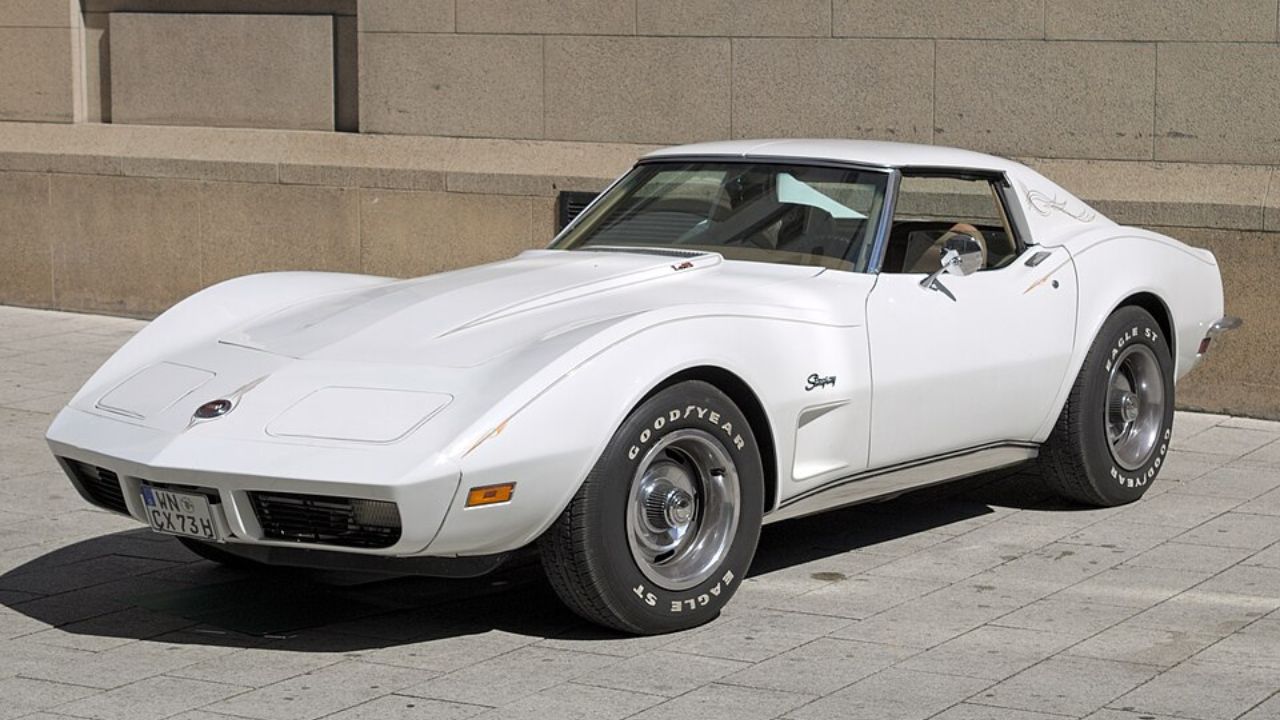
The Chevrolet Corvette ZL1 became legendary because Chevrolet built an exceptionally small number of examples with its all-aluminum 427 engine. The engine was developed with serious competition in mind and offered extraordinary performance potential. Because production was extremely limited and the option was expensive, very few cars were equipped this way. Surviving examples are now among the most significant early Corvettes.
Ford GT40
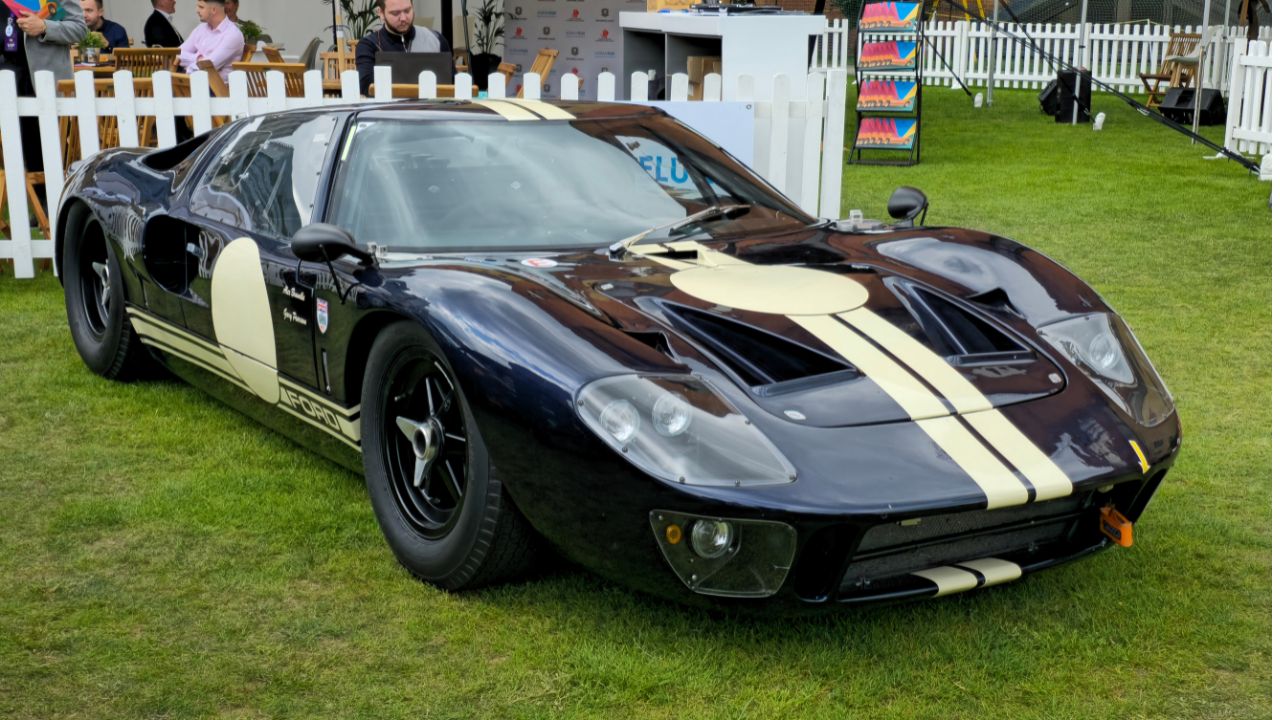
The Ford GT40 began as Ford’s determined response to Ferrari’s dominance in international endurance racing. Rather than becoming an ordinary production sports car, it evolved into a specialized competition machine. Its eventual success at Le Mans turned the GT40 into an icon. The limited number of road-going and competition examples makes its production history particularly compelling to collectors.
Plymouth Superbird
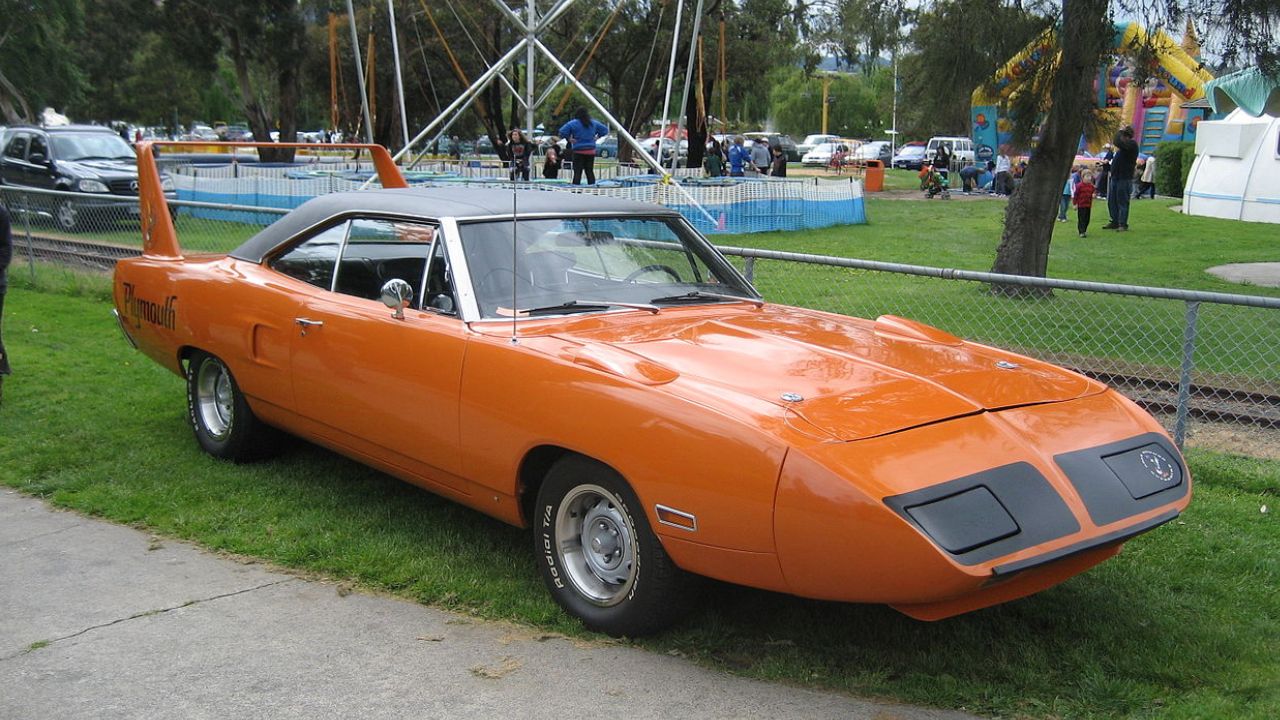
The Plymouth Superbird was created primarily to homologate aerodynamic equipment for NASCAR competition. Its enormous rear wing, pointed nose, and aerodynamic bodywork made it unlike almost anything else sold by Plymouth. Production was limited, and many examples were initially difficult to sell because of their unusual appearance. Today, that same styling makes the Superbird one of the most recognizable Mopar classics.
Chevrolet Vega Cosworth

The Chevrolet Vega Cosworth was an ambitious attempt to bring a sophisticated European-style engine into an American compact car. Its dual-overhead-camshaft four-cylinder was developed with Cosworth engineering involvement. Production remained limited compared with ordinary Vegas, and many examples disappeared over the years. The unusual combination of an economy-car body and advanced engine makes its production story especially interesting.
Buick GNX
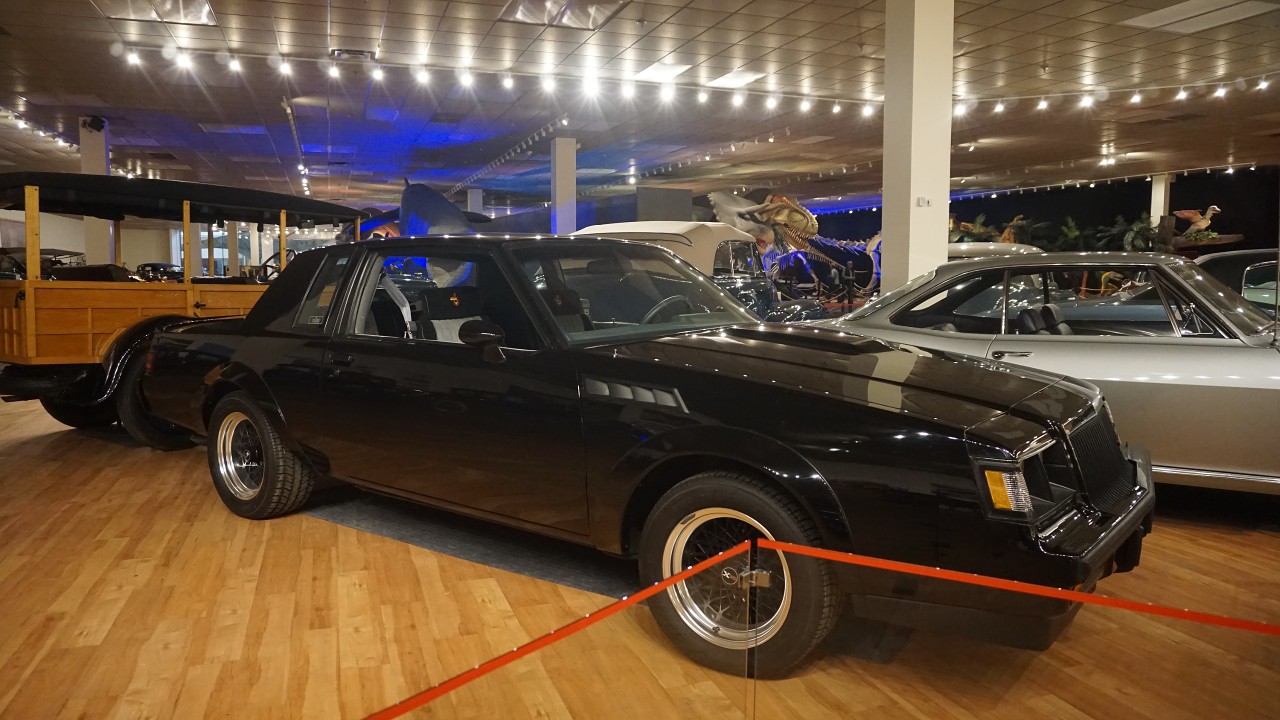
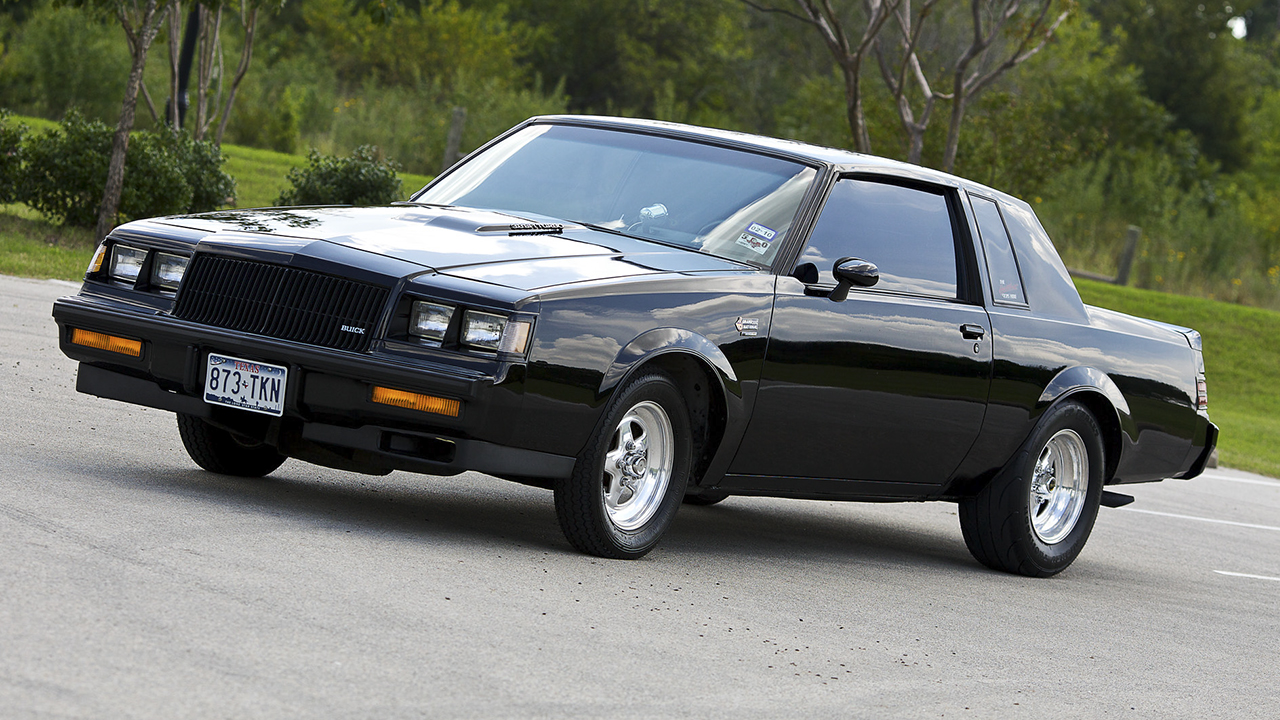
The Buick GNX represented the dramatic final evolution of Buick’s turbocharged Regal performance program. Developed with help from McLaren Performance Technologies and ASC, it featured extensive chassis and powertrain upgrades. Production was intentionally limited, making the GNX considerably rarer than an ordinary Grand National. Its combination of understated styling and serious performance helped create its legendary status.
Dodge Viper

The Dodge Viper began as a bold concept that Chrysler unexpectedly decided to turn into a production sports car. Its enormous V10 engine, lightweight body, and minimal driver aids created a radically different experience from most American performance cars. Early production numbers were limited, and the model quickly developed a reputation for being difficult to tame. Its unusual path from concept to production remains one of Chrysler’s most memorable performance stories.
More from Fast Lane Only
- Unboxing the WWII Jeep in a Crate
- 15 rare Chevys collectors are quietly buying
- 10 underrated V8s still worth hunting down
- Police notice this before you even roll window down
*Research for this article included AI assistance, with all final content reviewed by human editors