Throughout automotive history, certain vehicles have not only captured the imagination of the public but have also paved the way for future innovations. From mass production techniques to groundbreaking designs, these cars have redefined what we expect from our vehicles. Here are eight American vehicles that represented the future in their day.
Ford Model T: Revolutionizing Mass Production
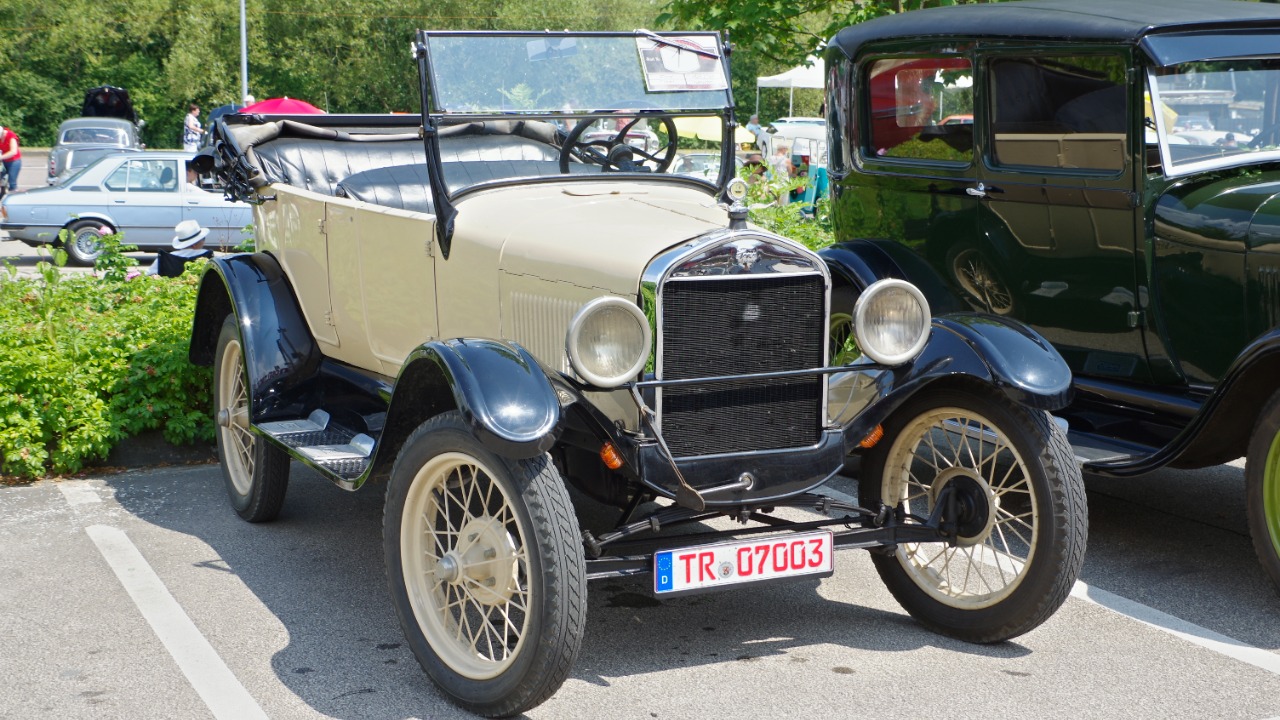
The Ford Model T, produced from 1908 to 1927, is often credited with launching the era of affordable automobiles. Introduced by Henry Ford, it implemented assembly line production, drastically reducing manufacturing time and costs. This innovation made car ownership accessible to the average American, transforming society and mobility. By producing over 15 million units, the Model T set the standard for mass production in various industries.
The influence of the Ford Model T extends beyond its production techniques; it also ignited a cultural shift towards personal transportation. By providing a reliable and affordable vehicle, it encouraged suburban expansion and changed the American landscape forever. Its legacy is evident in today’s production methods and continues to inspire manufacturers globally. For further insights, check out this book.
Chrysler Airflow: The Birth of Streamlined Design
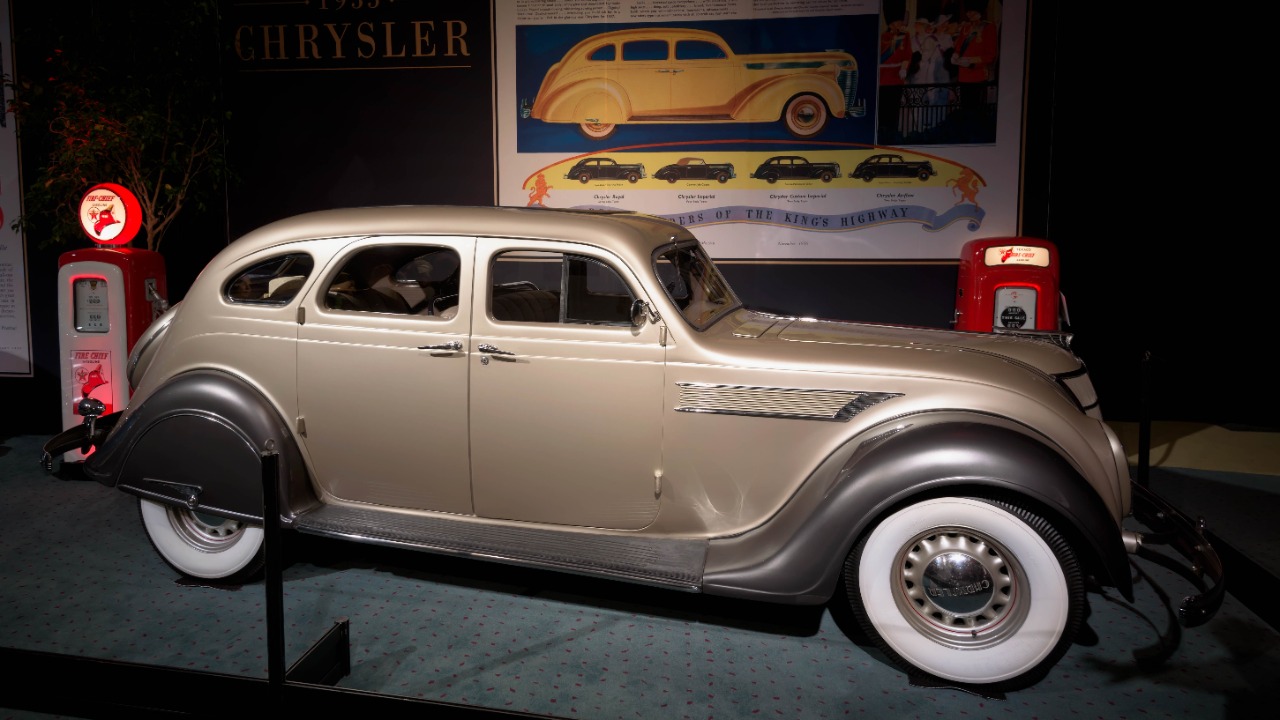
Launched in 1934, the Chrysler Airflow is a significant milestone in automotive design, marking the transition to streamlined aesthetics. Its distinctive shape not only turned heads but also improved aerodynamics, enhancing fuel efficiency. The Airflow’s design philosophy influenced future models and set a precedent for modern automobile styling.
Despite its innovative design, the Airflow faced mixed reviews during its initial run, primarily due to its departure from traditional car shapes. However, it laid the groundwork for future designs that embraced aerodynamics and functionality. The Chrysler Airflow remains an essential reference point in automotive history, showcasing how design can shape public perception and usage. Explore more about this visionary vehicle at this source.
Chevrolet Corvair: The Compact Car for a New Era
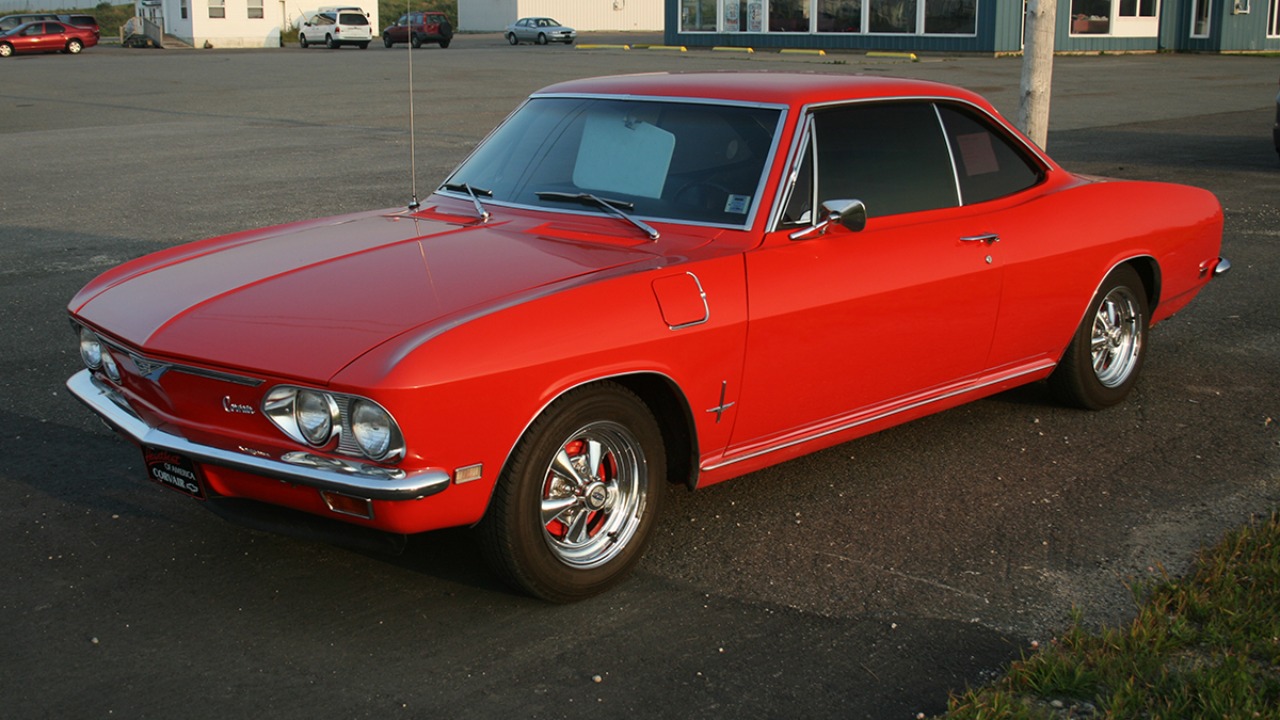
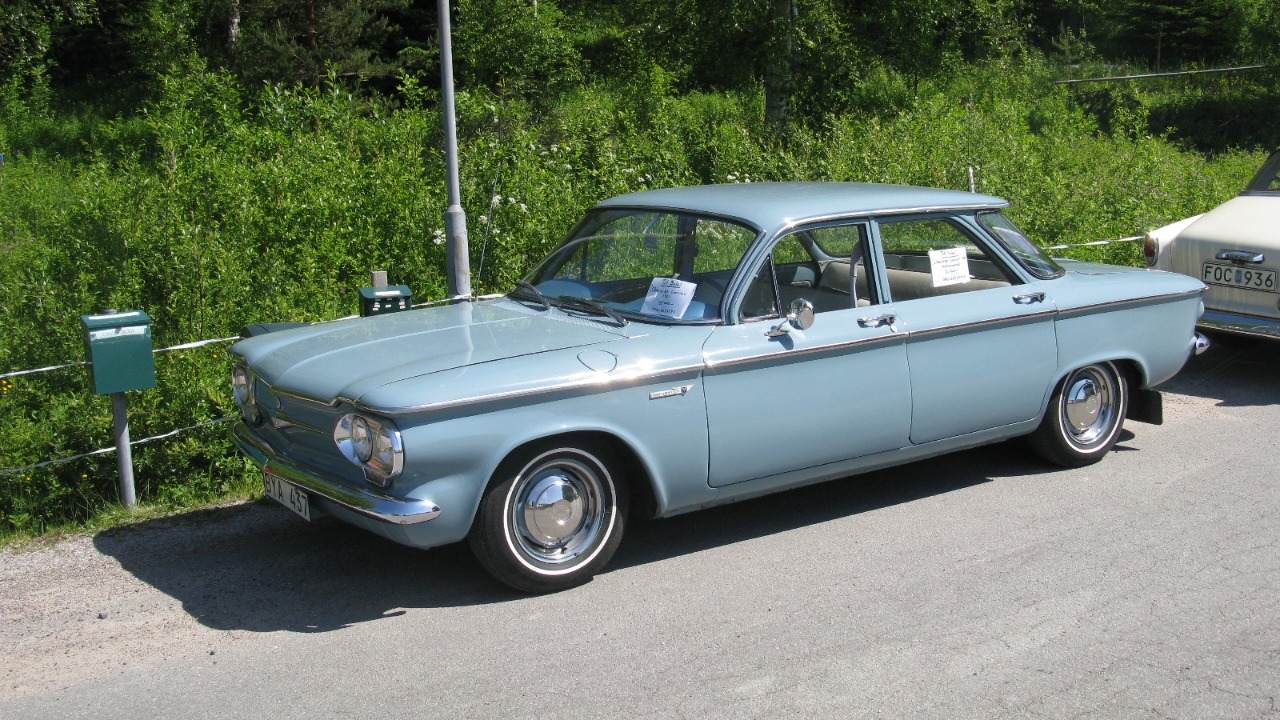
Introduced in 1960, the Chevrolet Corvair was America’s first mass-produced compact car, designed to compete with European imports. Its rear-engine layout and innovative suspension system offered a unique driving experience that diverged from traditional American sedans. The Corvair’s design not only made it economical but also appealed to a demographic seeking smaller, more efficient vehicles.
Despite its initial success, the Corvair faced scrutiny due to safety concerns raised in Ralph Nader’s book “Unsafe at Any Speed.” This criticism led to changes in automotive safety regulations and highlighted the importance of consumer advocacy in the automobile industry. The legacy of the Corvair continues to resonate, as modern cars increasingly focus on efficiency and compactness to meet evolving consumer demands.
VW Beetle: The People’s Car and Its American Influence
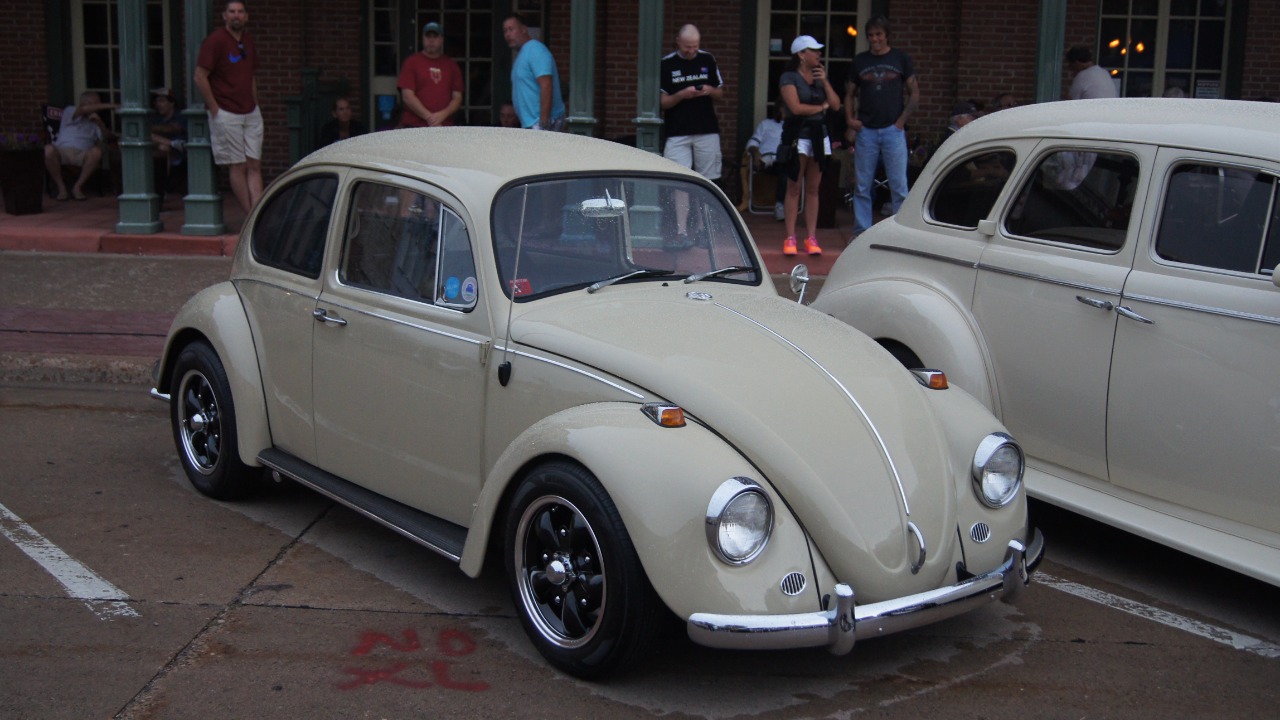
The Volkswagen Beetle, although originally a German design, made significant waves in the American market after its introduction in the late 1940s. Known as the “People’s Car,” it embodied practicality and affordability, appealing to a broad audience. Its unique design and reliability made it a favorite among American consumers, particularly during the 1960s.
The Beetle’s impact on American car culture was profound, influencing not only consumer preferences but also automotive design. By the time production ceased in the U.S. in 1979, the Beetle had become an iconic symbol of the counterculture movement. It represents how a foreign design could reshape American expectations of what a car could be. For those interested in its lasting influence, consider exploring this feature.
Pontiac GTO: The Rise of the Muscle Car
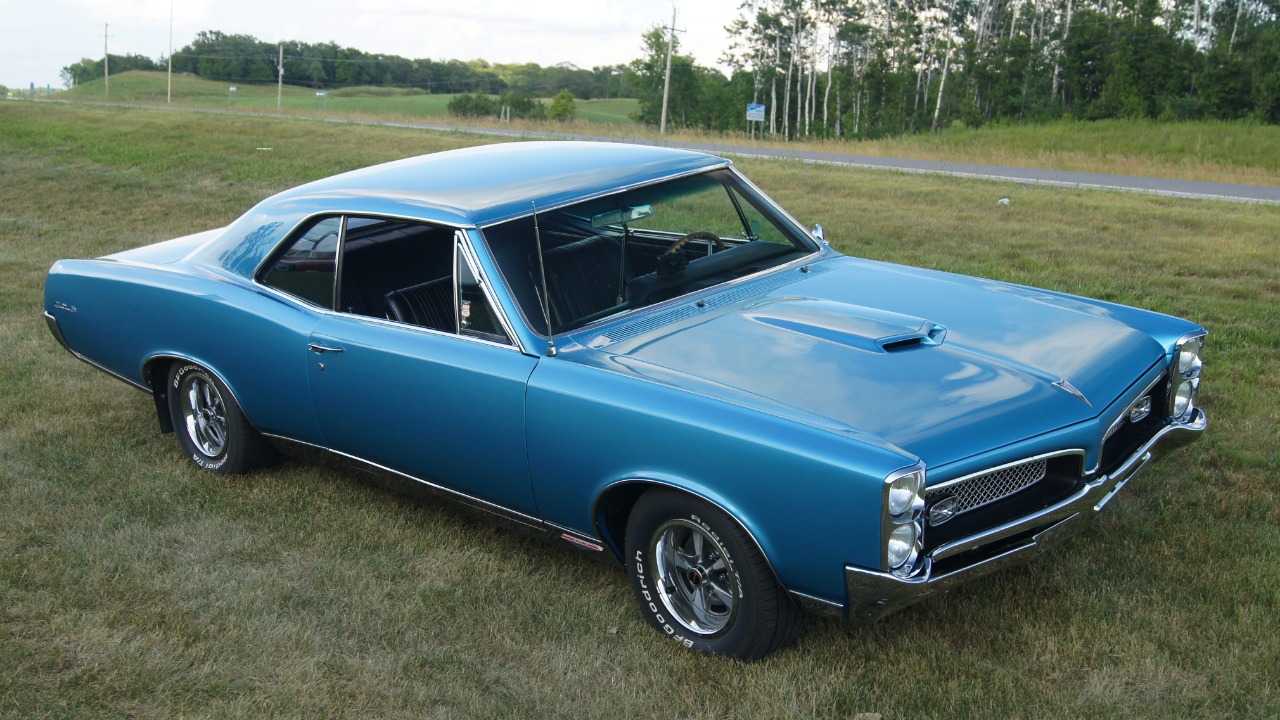
Introduced in 1964, the Pontiac GTO is often credited with igniting the muscle car craze in America. By combining a powerful V8 engine with a lightweight body, the GTO offered an exhilarating driving experience that appealed to a generation of car enthusiasts. It represented a shift towards performance-oriented vehicles, paving the way for future muscle cars.
The GTO’s success was not merely due to its power; it also captured the spirit of the 1960s, a decade characterized by rebellion and freedom. The model became a cultural icon, featured in music and movies, symbolizing youthful exuberance. Its legacy continues to influence automotive performance and design, reminding us of a time when power and style reigned supreme.
Tesla Roadster: Pioneering the Electric Vehicle Revolution
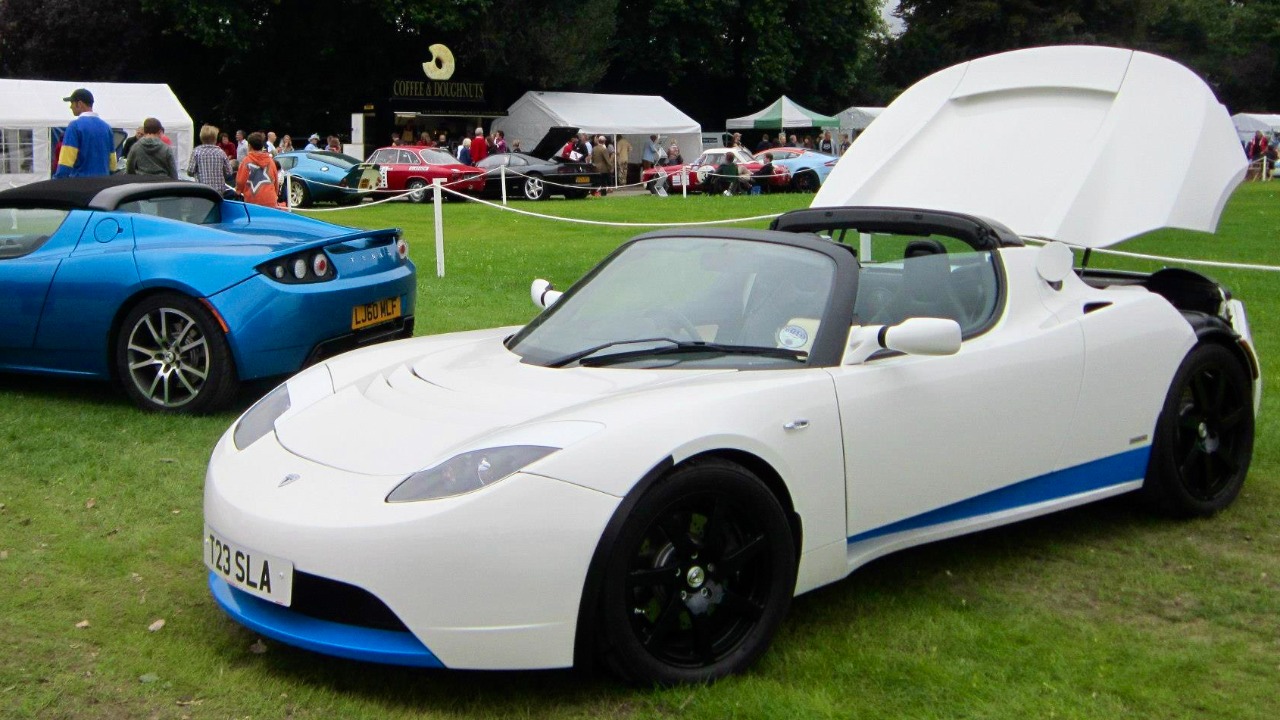
Released in 2008, the Tesla Roadster marked a significant moment in automotive history, as it was the first highway-legal electric vehicle to use lithium-ion battery cells. With a 0-60 mph time of just 3.7 seconds, it challenged the notion that electric cars were slow and unexciting. The Roadster’s success demonstrated that electric vehicles could combine performance and sustainability.
The impact of the Tesla Roadster extends beyond its impressive specifications; it has reshaped the automotive industry’s approach to electric vehicles. Tesla’s innovations have led to improvements in battery technology and charging infrastructure, driving other manufacturers to enter the electric vehicle market. For a comprehensive overview of current trends in electric cars, visit this report.
DeLorean DMC-12: A Visionary Design Ahead of Its Time
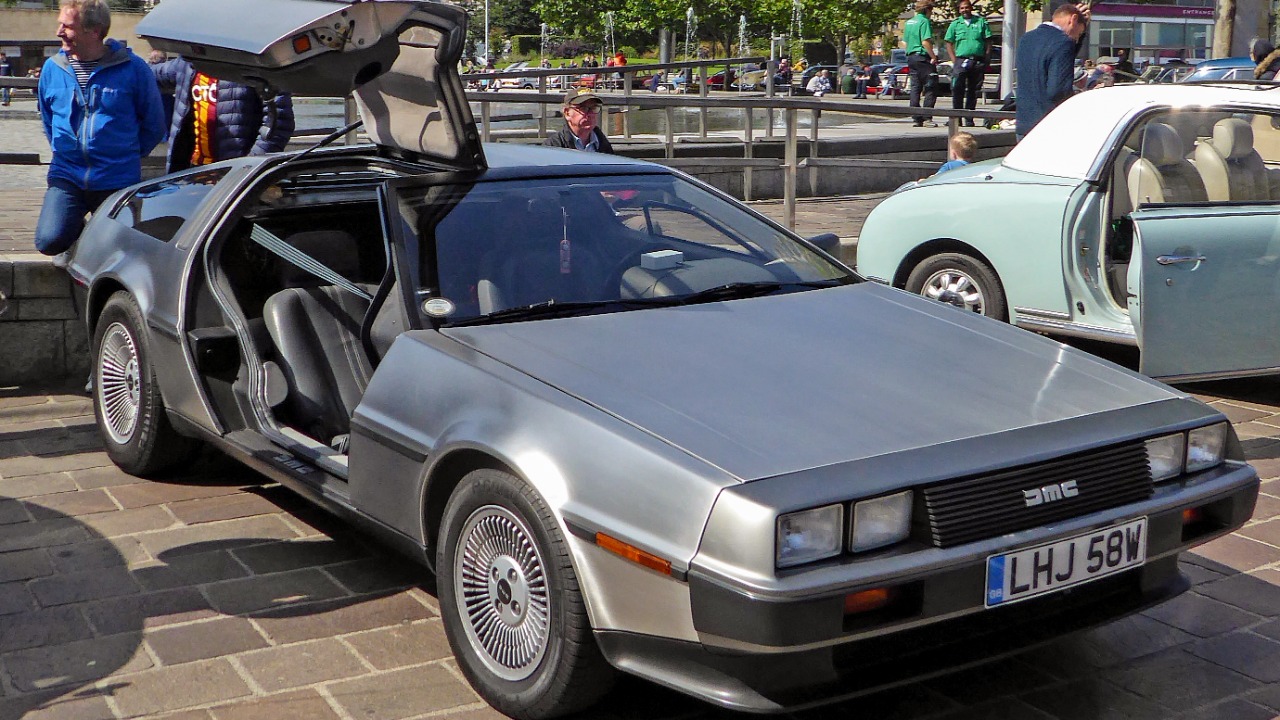
Unveiled in 1981, the DeLorean DMC-12 is perhaps best known for its futuristic design and gull-wing doors. However, it also represented a significant leap in automotive engineering with its stainless steel body and innovative composite materials. Although production was limited, the DMC-12 captured the imagination of car enthusiasts and the film industry, thanks to its iconic role in the “Back to the Future” franchise.
The DMC-12’s failure to achieve commercial success was attributed to various factors, including production issues and economic challenges. Nonetheless, its design and engineering innovations continue to influence automotive aesthetics and engineering. The DeLorean remains a symbol of ambition and creativity in automotive history, showcasing what could have been in the world of automotive design.
Ford F-150 Lightning: The Future of Electric Trucks
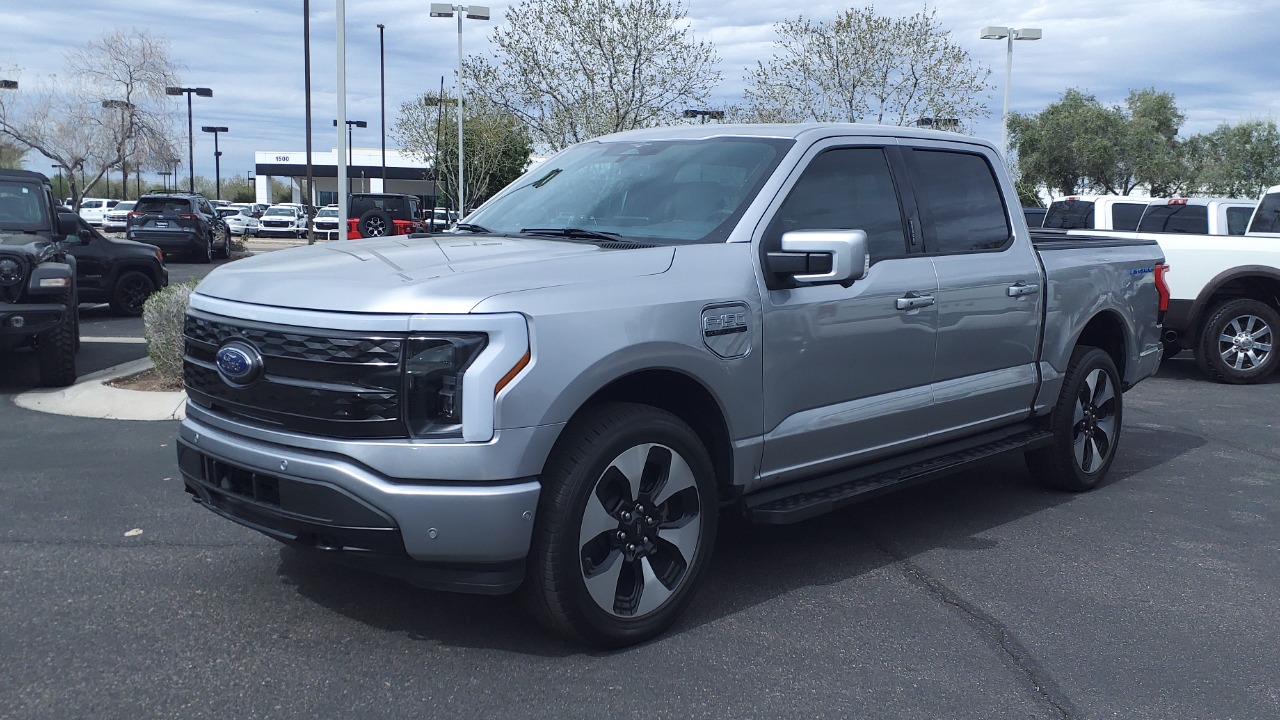
Launched in 2022, the Ford F-150 Lightning represents the next chapter in the legacy of America’s best-selling truck. This all-electric version of the iconic F-150 combines the functionality and power associated with the brand while introducing modern electric vehicle technology. With features like an impressive range and rapid charging capabilities, the F-150 Lightning is designed to meet the needs of contemporary truck owners.
The F-150 Lightning not only showcases Ford’s commitment to sustainability but also exemplifies how traditional manufacturers can adapt to changing consumer demands. With increasing interest in electric trucks, the Lightning is poised to influence not just the truck segment but the entire automotive industry. It stands as a testament to the future of transportation, merging utility with cutting-edge technology.
More from Fast Lane Only
- Unboxing the WWII Jeep in a Crate
- 15 rare Chevys collectors are quietly buying
- 10 underrated V8s still worth hunting down
- Police notice this before you even roll window down
*Research for this article included AI assistance, with all final content reviewed by human editors.