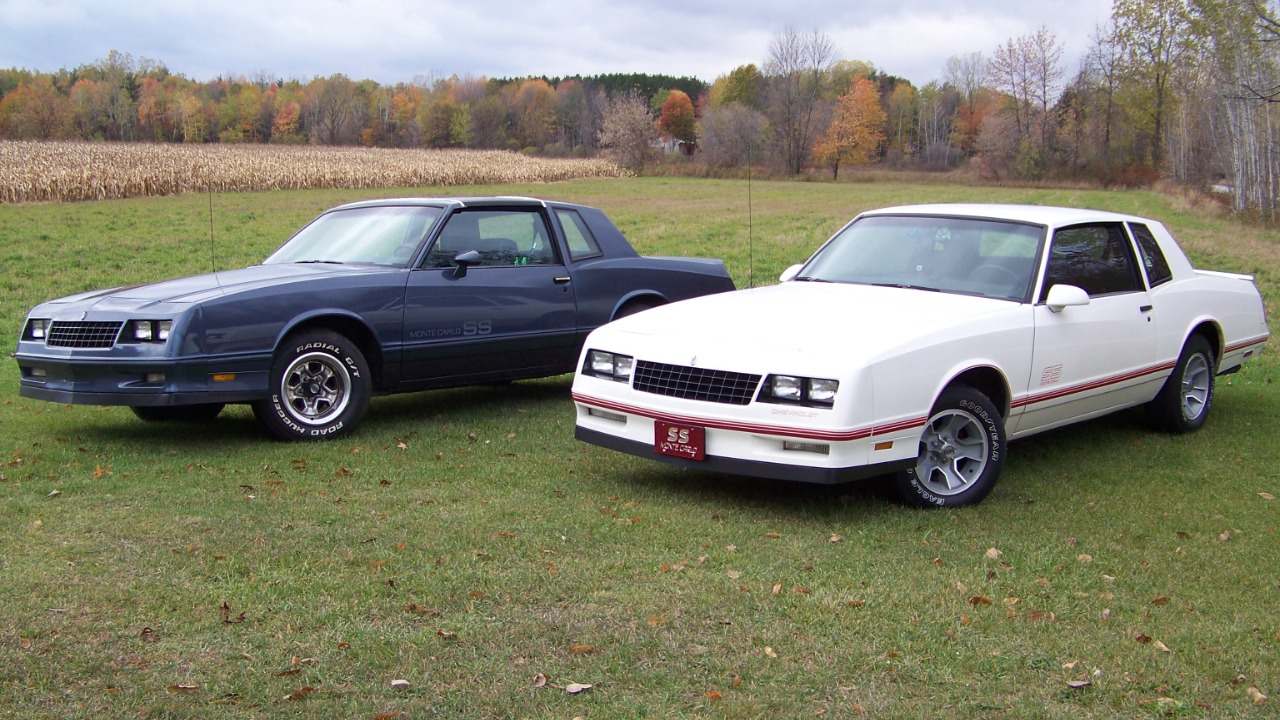
Performance cars have long been the heart and soul of the automotive industry, captivating enthusiasts with their speed, handling, and character. While many models have faded into obscurity, a select few still hold the potential to reignite passion among drivers. Here, I present nine forgotten performance cars that deserve another chance to shine on the roads.
Mazda RX-7
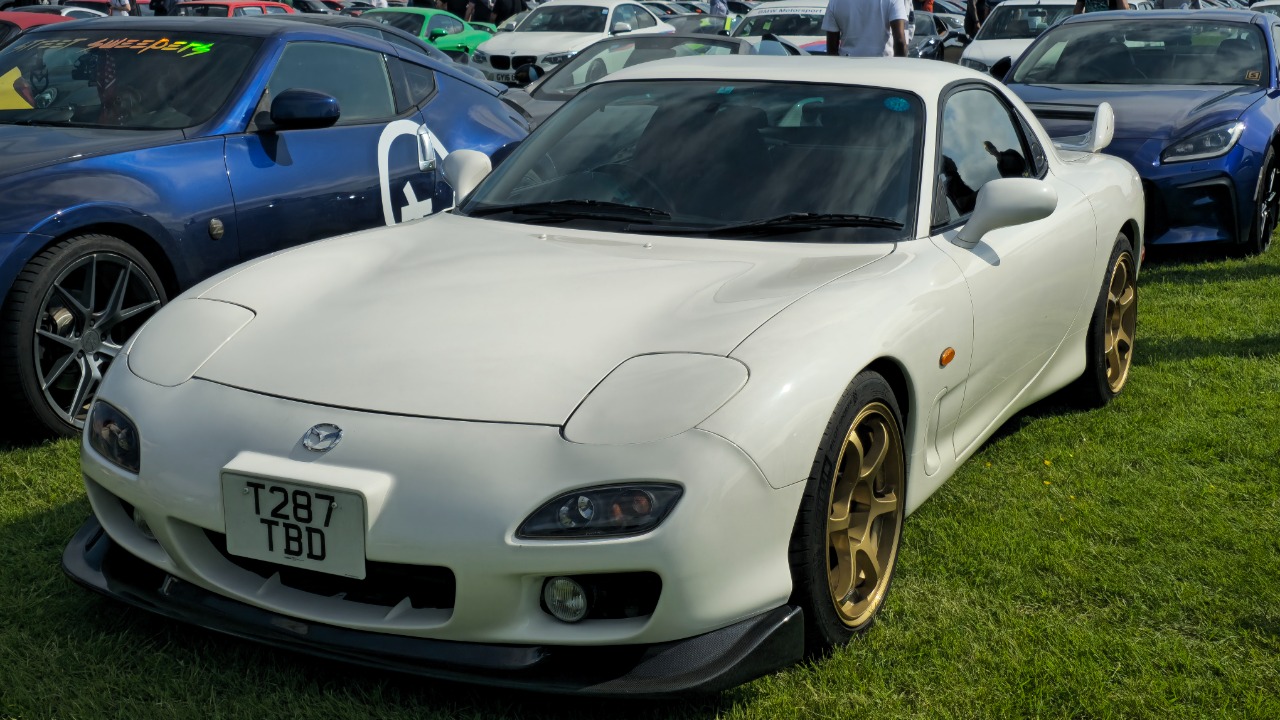
The Mazda RX-7, particularly the third generation produced from 1992 to 2002, is a true icon in the world of performance cars. Renowned for its lightweight design and superb handling, the RX-7 utilizes a unique rotary engine that sets it apart from traditional piston engines. With a peak output of around 280 horsepower, it delivers exhilarating acceleration and a thrilling driving experience. Despite its age, the RX-7 has a dedicated fanbase, and many enthusiasts believe it deserves a modern revival. A contemporary RX-7 could combine the legendary rotary engine with cutting-edge technology and performance enhancements, appealing to a new generation of car lovers.
Restoring the RX-7 to production could tap into nostalgia while leveraging modern engineering. Companies like Mazda have already hinted at the possibility of reviving the rotary engine concept. Imagine a sleek, lightweight coupe that combines the RX-7’s spirit with today’s performance benchmarks. Such a revival could not only honor the legacy of the RX-7 but also introduce a new chapter in Mazda’s storied history.
Ford SVT Cobra
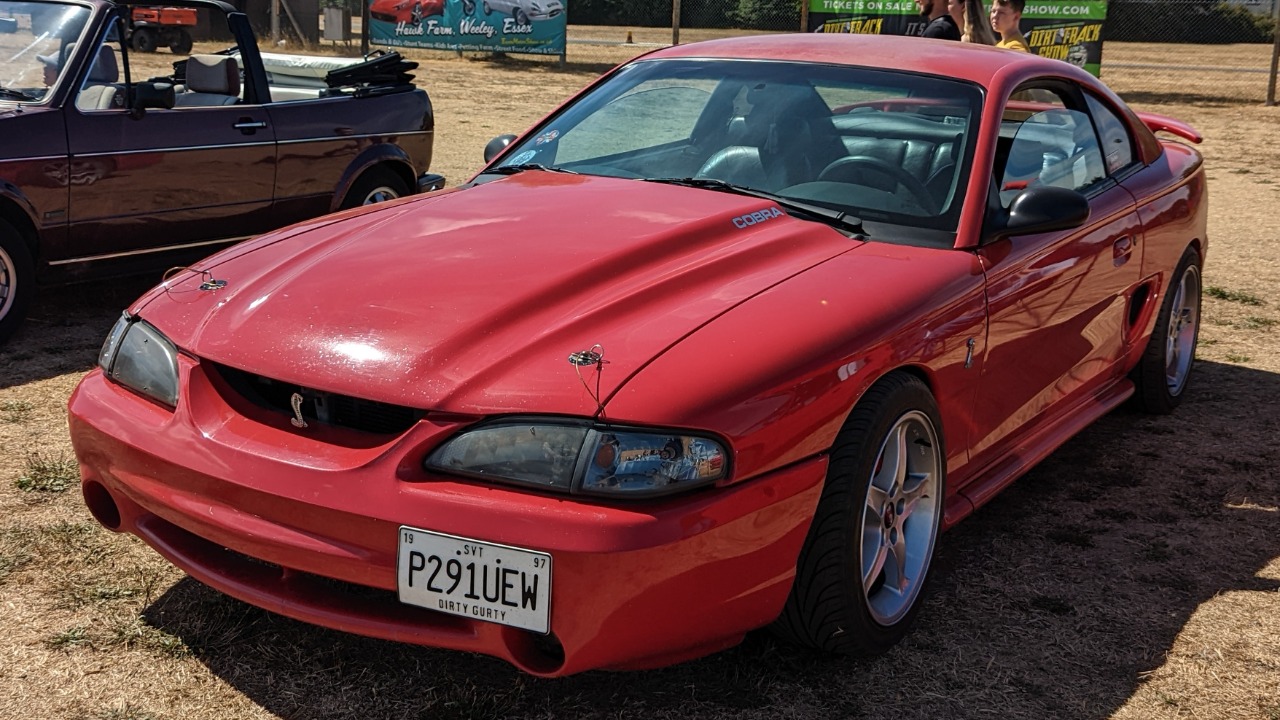
The Ford SVT Cobra, particularly the models produced in the late 1990s to early 2000s, is a powerhouse that many enthusiasts still remember fondly. With its supercharged V8 engine, the SVT Cobra delivered an impressive 320 horsepower in its final iteration, offering exhilarating performance that challenged its contemporaries. The Cobra was not just about raw power; it also featured refined handling and aggressive styling that made it a standout on the road. Unfortunately, the SVT lineup was discontinued, leaving a void in the performance segment that has yet to be filled.
A modern resurrection of the SVT Cobra could inject new life into the Ford lineup. With advancements in technology and performance, a new Cobra could feature a turbocharged V8, advanced suspension systems, and connectivity options that appeal to tech-savvy drivers. The legacy of the SVT Cobra is strong, and reviving it could celebrate Ford’s performance heritage while attracting a new audience. Enthusiasts can only hope that Ford will recognize the potential for a Cobra comeback.
Nissan 240SX
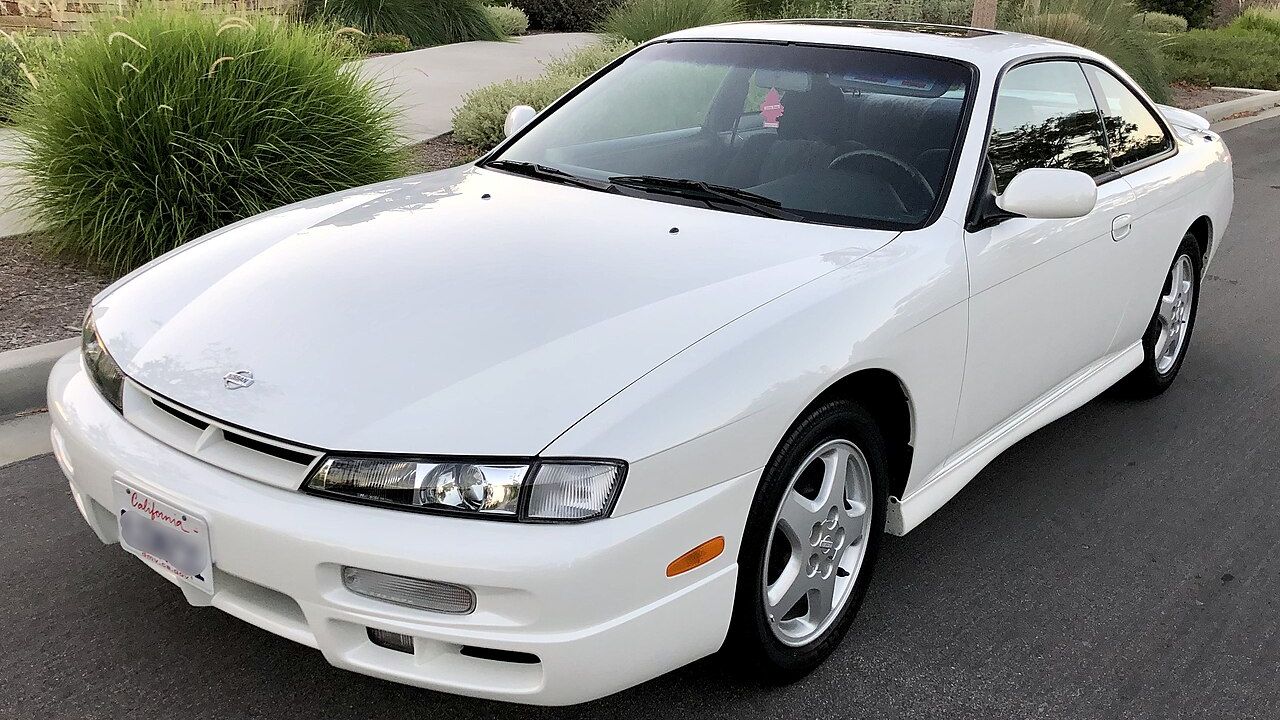
The Nissan 240SX, particularly in its S13 and S14 generations from the late 1980s through the 1990s, holds a special place in the hearts of drift enthusiasts and tuners. With a lightweight chassis and rear-wheel-drive layout, the 240SX was a blank canvas for modifications. It became a favorite in the drifting community, thanks to its balance and agility. While production ceased in the early 2000s, the 240SX’s legacy continues to thrive in the aftermarket scene, with many owners heavily customizing their vehicles.
A modern version of the 240SX could capitalize on its rich history while updating its technology and performance. Imagine a sleek coupe featuring a turbocharged four-cylinder engine, advanced aerodynamics, and modern infotainment options. Such a revival could not only honor the original but also introduce new enthusiasts to the joys of rear-wheel drive and drifting. Nissan could explore this concept further, especially considering the ongoing interest in platforms like the 240SX within the car community.
Mitsubishi Lancer Evolution
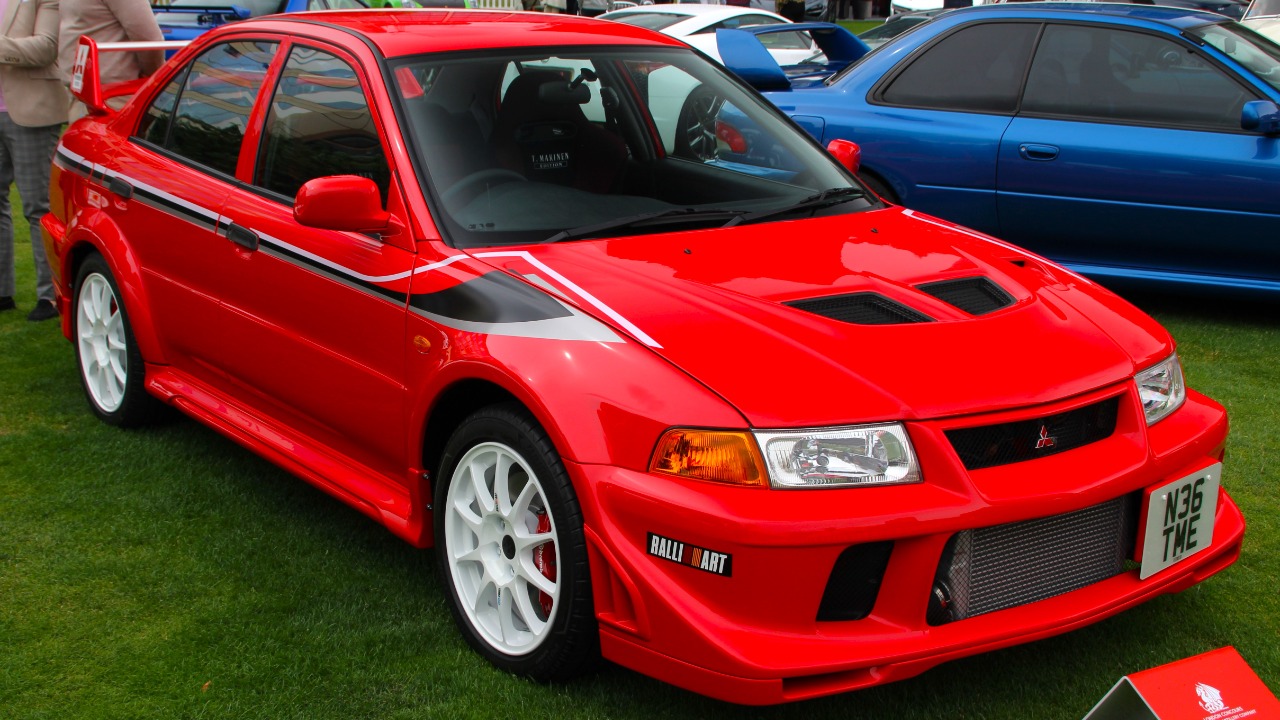
The Mitsubishi Lancer Evolution, or simply “Evo,” captivated enthusiasts with its rally-inspired performance and all-wheel-drive prowess. The last model, the Evo X, was produced until 2016 and left a significant void in the performance sedan market. Known for its turbocharged four-cylinder engine and razor-sharp handling, the Evo was a favorite among those who sought a blend of speed and agility. The Evo’s departure marked the end of an era for a vehicle that had become synonymous with motorsport success and street cred.
Reviving the Lancer Evolution could bring back the excitement that so many fans cherished. A new Evo could incorporate modern technology like hybrid powertrains, improving efficiency while maintaining performance. With the growing interest in performance hatchbacks and sedans, Mitsubishi should consider reintroducing the Evo, perhaps even collaborating with motorsport teams to ensure it stays true to its roots. The Evo’s legacy could easily be transformed into a new chapter of innovation and excitement for motorsport and everyday drivers alike.
Pontiac Firebird Trans Am
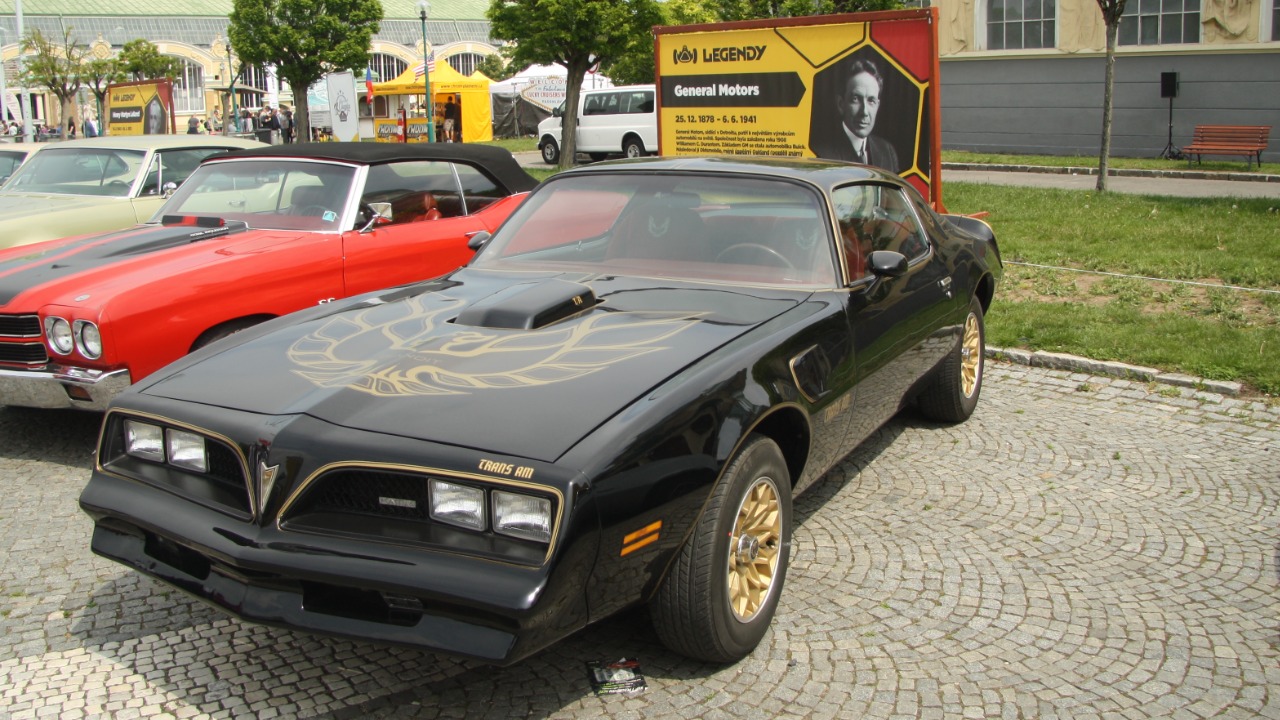
The Pontiac Firebird Trans Am represents a golden era of American muscle cars, standing out with its aggressive styling and powerful engines. Produced from the late 1960s until 2002, the Trans Am became a symbol of performance and rebellion. Its iconic “screaming chicken” hood decal and V8 engine options made it a favorite among enthusiasts. Unfortunately, the discontinuation of the Pontiac brand left many fans longing for the return of this classic muscle car.
A modern Trans Am could leverage retro styling cues while incorporating advanced engine technology and fuel efficiency. Imagine a sleek coupe featuring a supercharged V8 or even a hybrid powertrain, marrying performance with environmental responsibility. The Trans Am’s heritage could appeal to a new generation of muscle car enthusiasts while honoring its storied past, ensuring that this beloved nameplate is not forgotten.
Subaru SVX
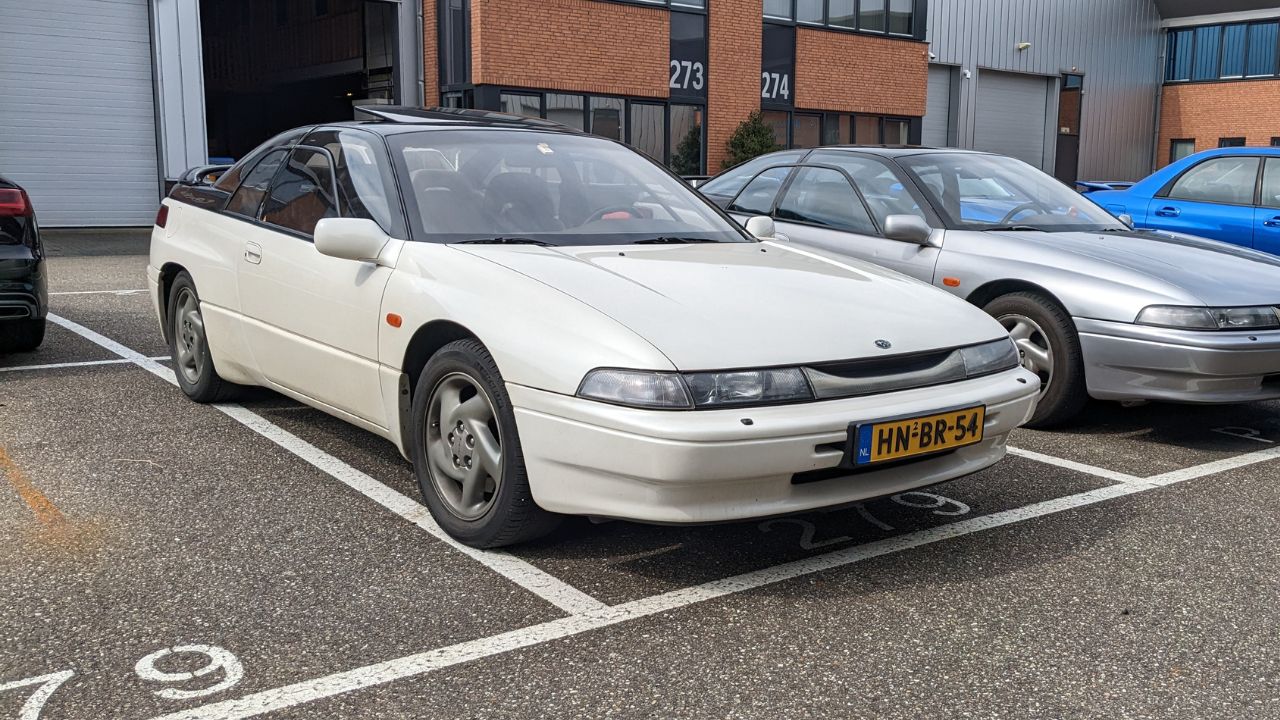
The Subaru SVX, produced between 1991 and 1997, was a unique entry in the world of performance cars. With its distinctive design and innovative features, the SVX was ahead of its time. It combined a flat-six engine with all-wheel drive, offering a smooth and powerful driving experience. Unfortunately, its quirky styling and high price point led to limited sales, and it was discontinued after just six years.
Reviving the SVX could tap into a niche market that appreciates unique designs and performance. A modern iteration could feature an updated flat-six engine, advanced safety features, and modern technology to appeal to today’s drivers. Subaru has a strong performance heritage, and bringing back the SVX could reignite interest in the brand’s performance capabilities. Its unique character could be a major selling point, especially as consumers look for something different in a crowded market.
Toyota Celica GT-Four
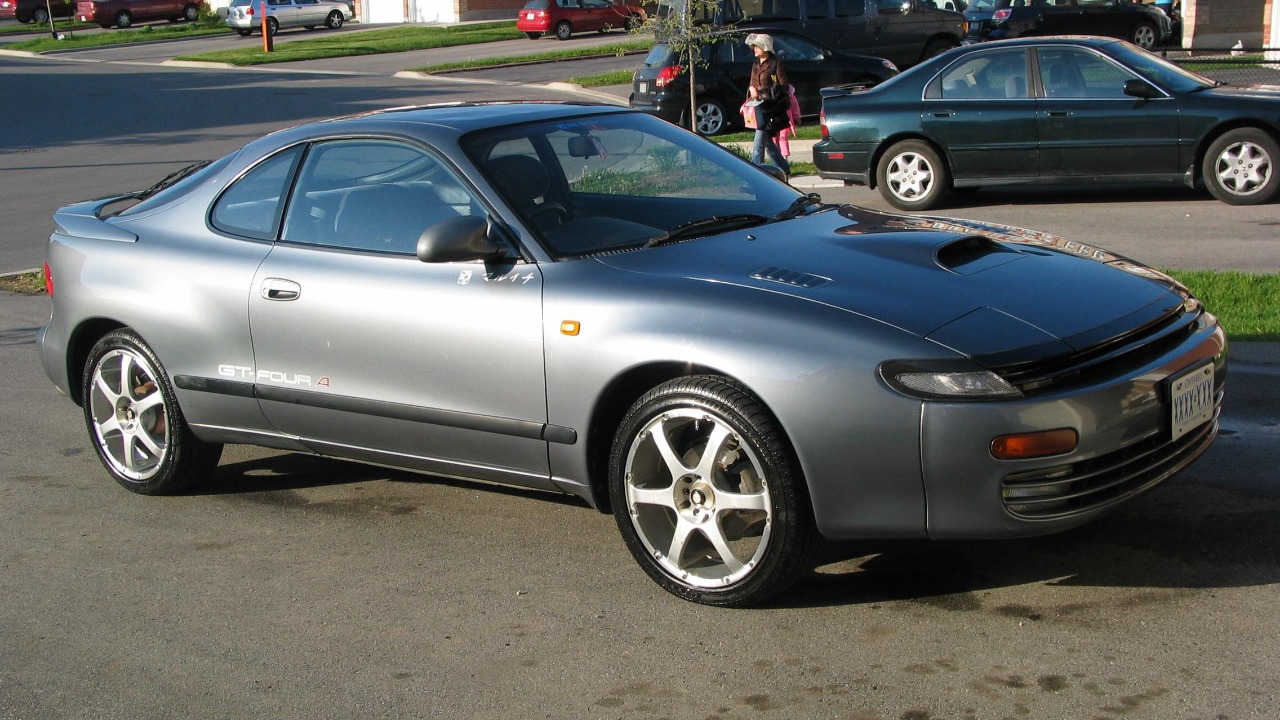
The Toyota Celica GT-Four, particularly the ST185 and ST205 models from the early 1990s, is a legendary name in the world of rally cars. With its turbocharged engine and all-wheel-drive system, the GT-Four dominated the World Rally Championship, showcasing Toyota’s engineering prowess. It offered thrilling performance and a sporty design that appealed to a wide range of drivers. However, the Celica line was eventually discontinued, leaving behind a rich legacy.
A revival of the Celica GT-Four could embrace modern technology while paying homage to its rally roots. Toyota could develop a new version equipped with a turbocharged engine, modern suspension, and advanced driving aids. Such a model would not only attract fans of the original but also appeal to a new generation interested in performance and all-wheel drive. The enduring popularity of rally-inspired vehicles makes the GT-Four a prime candidate for revival.
Dodge Neon SRT-4
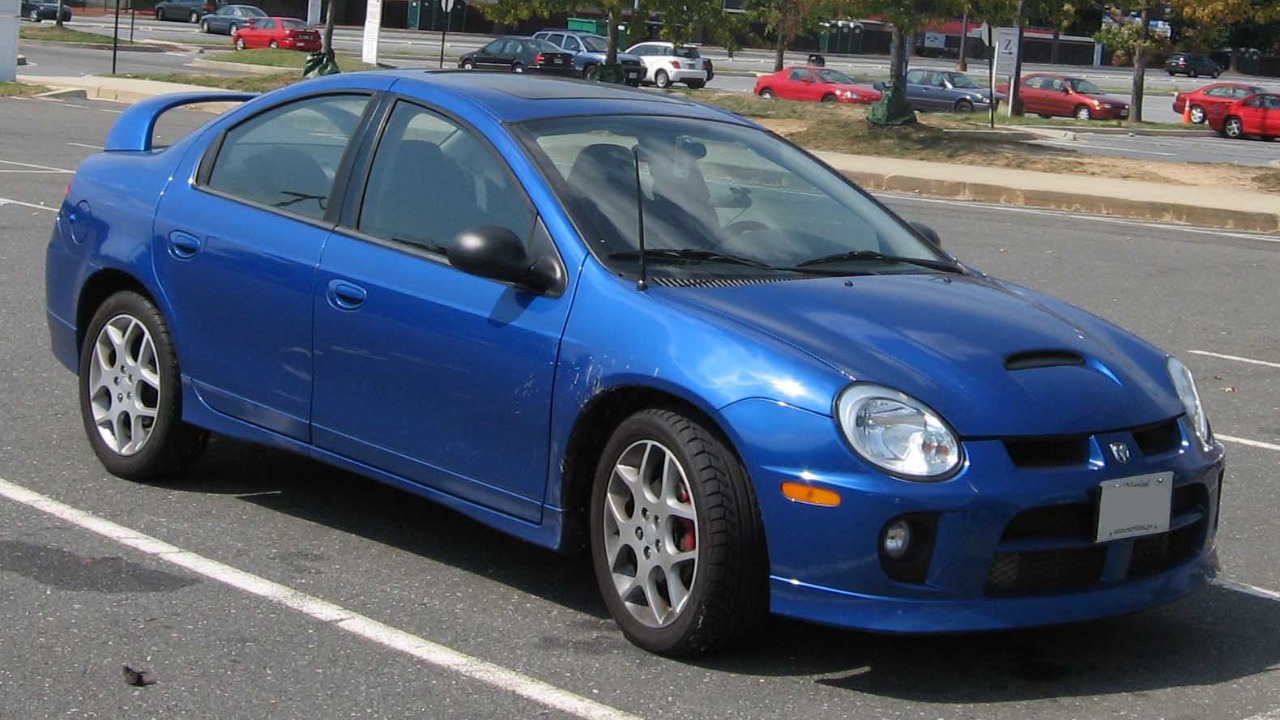
The Dodge Neon SRT-4, produced from 2003 to 2005, was a compact performance car that offered a surprising amount of fun for its price. With a turbocharged four-cylinder engine producing 230 horsepower, the SRT-4 was known for its zippy acceleration and sharp handling. It quickly gained a following among young enthusiasts looking for an affordable performance option. However, after just a few years, production ceased, leaving many fans yearning for a return.
A modern SRT-4 could bring back the spirit of the original while incorporating contemporary performance enhancements. Imagine a new version with a turbocharged engine, lightweight chassis, and advanced technology that appeals to today’s drivers. The SRT-4 has a strong legacy in the world of affordable performance cars, and reviving it could cater to an audience eager for a fun, budget-friendly option. Dodge could capitalize on this nostalgia and create a new chapter for the SRT brand.
Chevrolet Monte Carlo SS
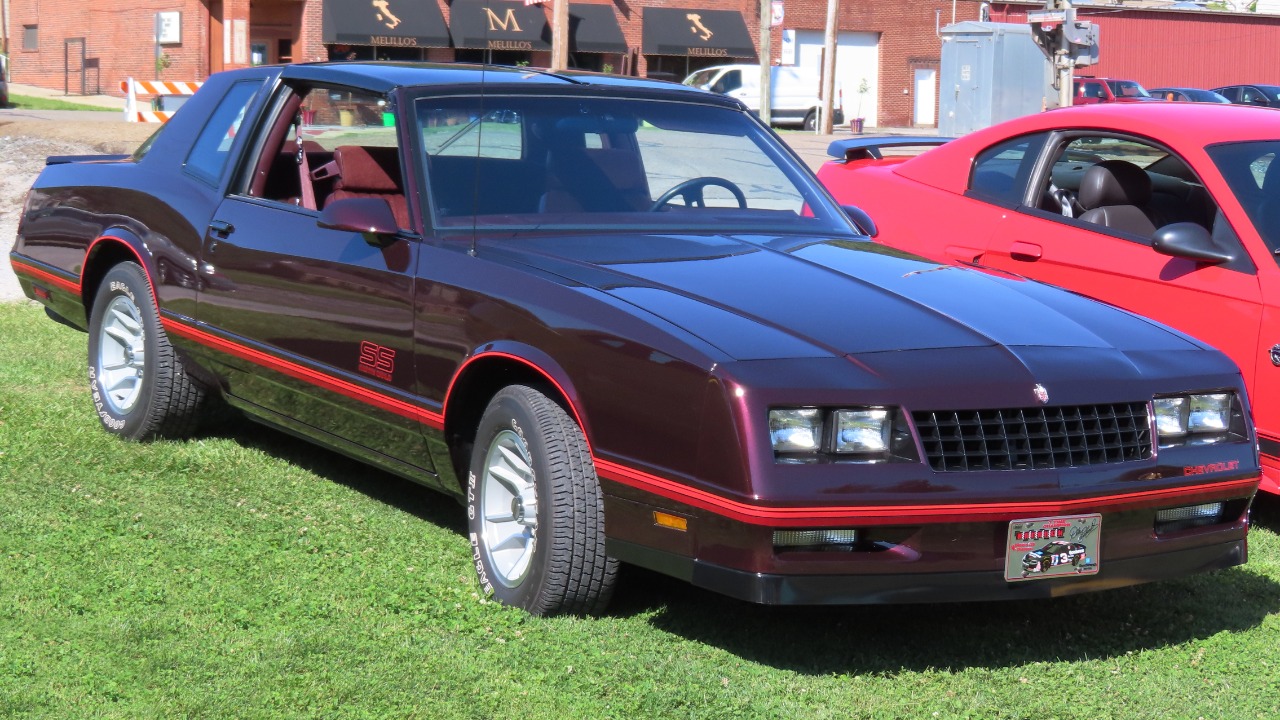
The Chevrolet Monte Carlo SS, particularly the models from the 1980s and early 2000s, was a beloved name in the world of American muscle cars. With its bold styling and V8 engine options, the Monte Carlo SS captured the hearts of many enthusiasts. Known for its performance on both the street and the track, it became a staple in the muscle car community. However, the discontinuation of the Monte Carlo in 2007 left a significant gap in the market.
A revival of the Monte Carlo SS could combine classic design elements with modern performance technology, appealing to both nostalgic fans and a new generation of drivers. Picture a sleek coupe featuring a powerful V8 engine, advanced safety features, and modern infotainment options. Chevrolet could tap into the rich history of the Monte Carlo SS while creating a compelling option for muscle car enthusiasts. The potential for a Monte Carlo revival is certainly there, and it could reignite the passion for classic American muscle cars.
More from Fast Lane Only
- Unboxing the WWII Jeep in a Crate
- 15 rare Chevys collectors are quietly buying
- 10 underrated V8s still worth hunting down
- Police notice this before you even roll window down
*Research for this article included AI assistance, with all final content reviewed by human editors.