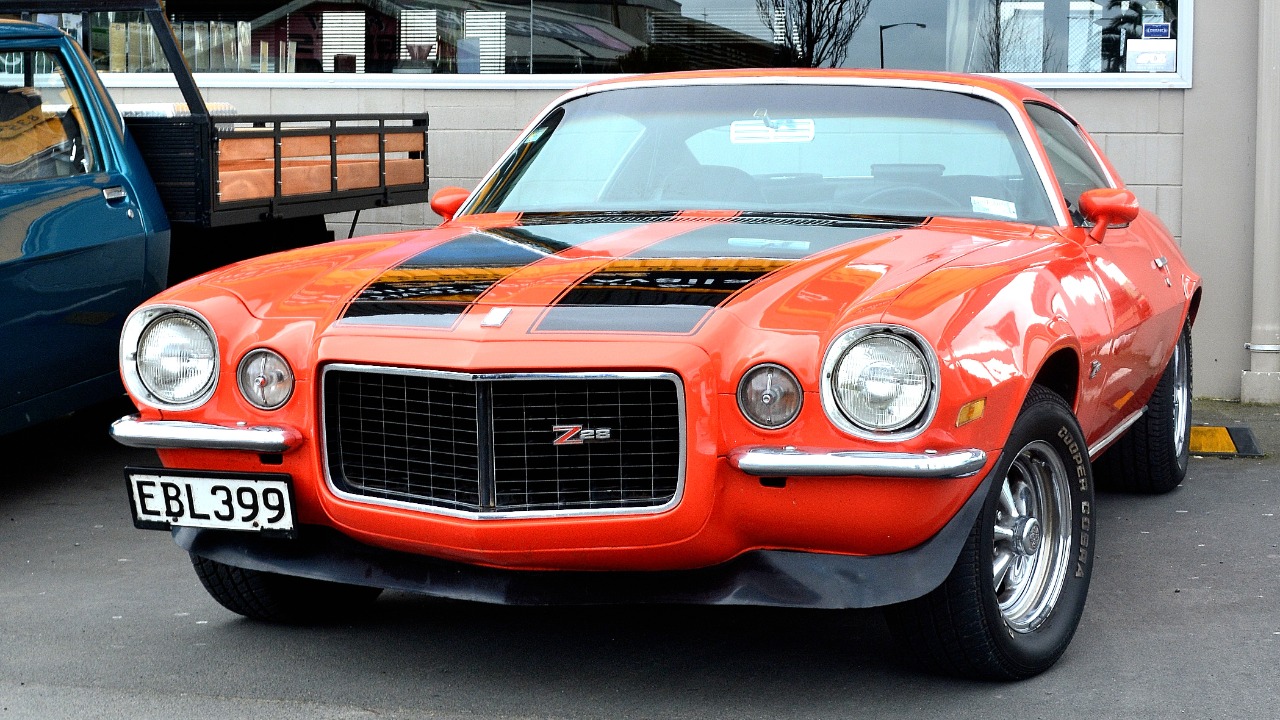
The 1970s were a challenging decade for performance cars, and many Chevrolet models were overlooked when new because of changing emissions regulations, fuel concerns, and shifting buyer preferences. As years passed, however, enthusiasts began appreciating these cars for their styling, historical significance, and unique place in Chevrolet’s evolution, turning former underdogs into respected classics.
Chevrolet Laguna S-3
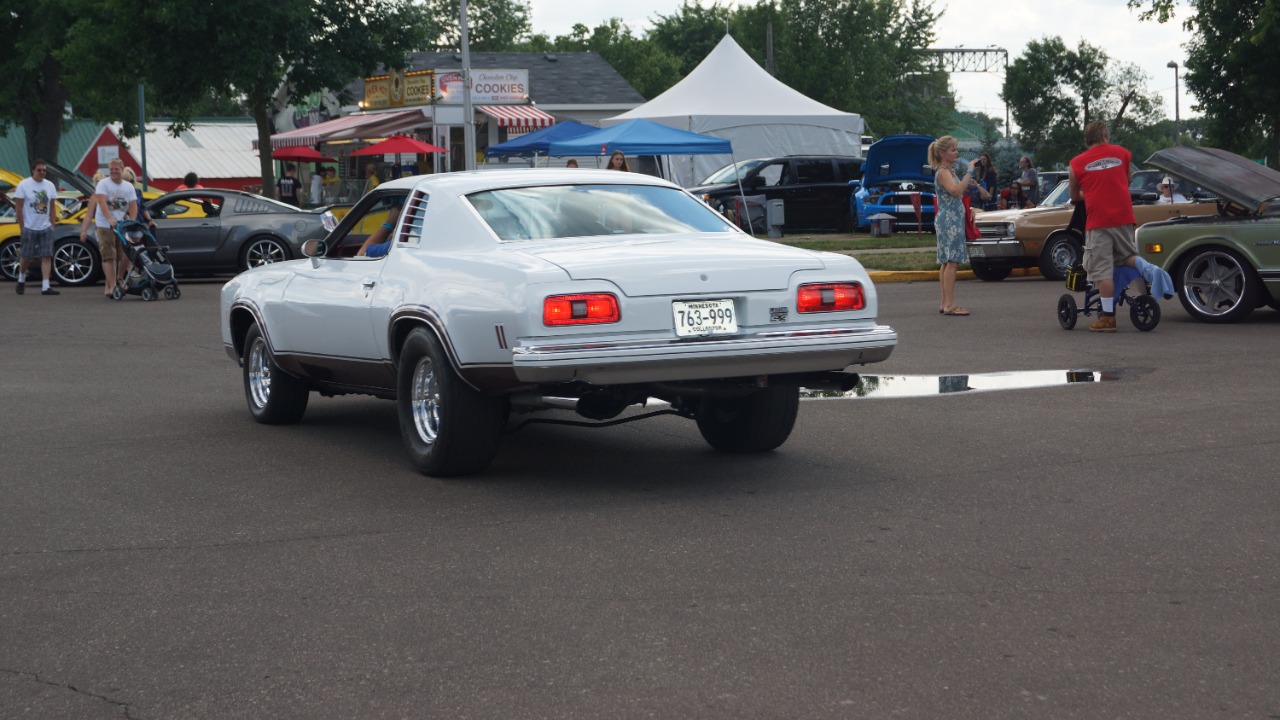
The Chevrolet Laguna S-3 spent years living in the shadow of the Chevelle, despite offering distinctive styling and strong NASCAR connections. Its aerodynamic front end helped influence stock car racing development during the decade. Mechanics appreciated its durable V8 options and straightforward GM engineering. As collectors began looking beyond traditional muscle car icons, the Laguna S-3 gained respect for representing Chevrolet’s effort to maintain performance credibility during a difficult automotive era.
Chevrolet Monte Carlo Landau
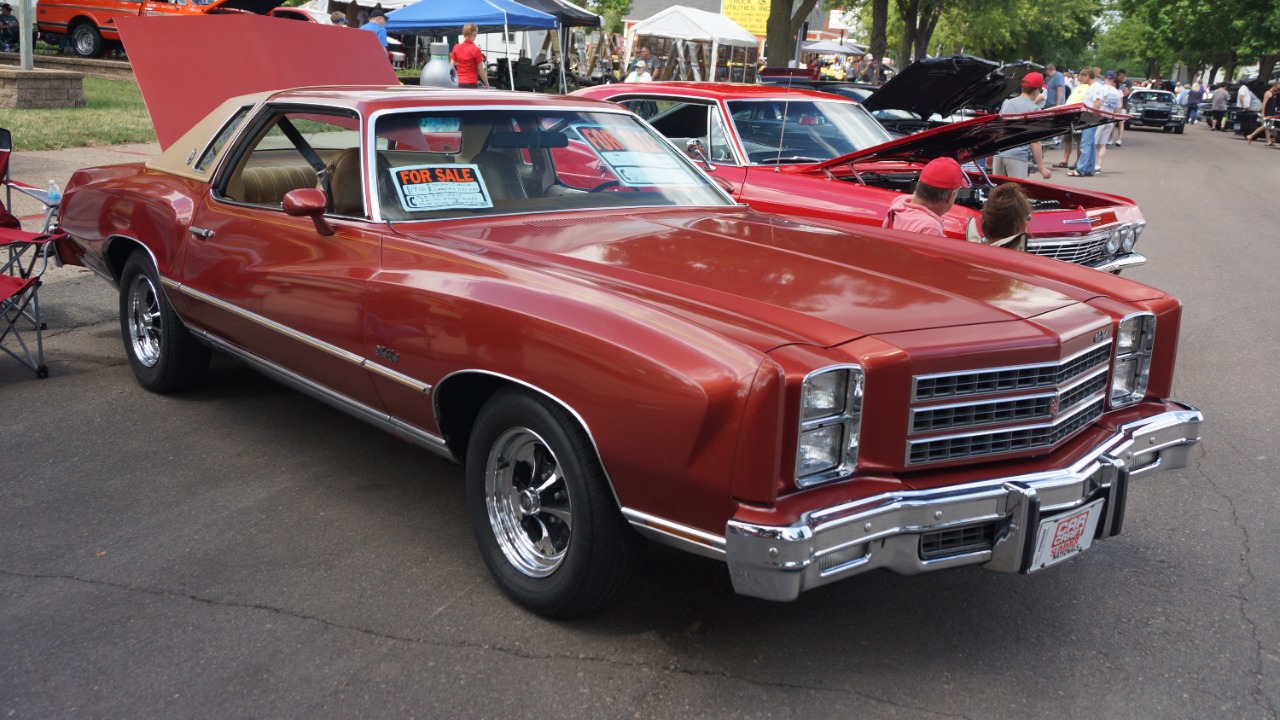
The Chevrolet Monte Carlo Landau was once viewed primarily as a stylish cruiser rather than a serious collector car. Over time, enthusiasts began appreciating its elegant proportions, comfortable ride, and available V8 performance. Mechanics respected its reliable drivetrains and shared components with other GM models. Today, surviving examples are increasingly admired because they capture the blend of luxury and performance that defined much of Chevrolet’s 1970s lineup.
Chevrolet Nova SS
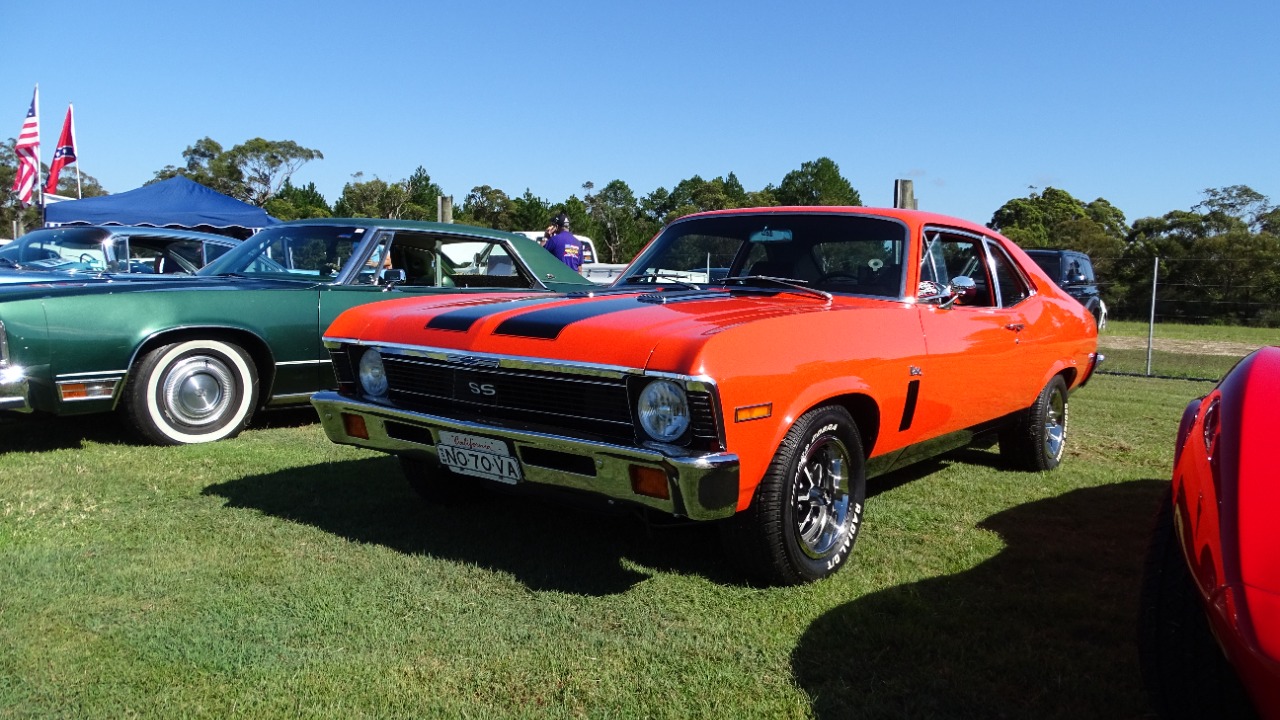
The Chevrolet Nova SS continued carrying muscle car traditions into the 1970s even as performance standards changed dramatically. While later Nova SS models lacked the firepower of earlier versions, they remained attractive, lightweight, and enjoyable to drive. Mechanics appreciated their simplicity and strong aftermarket support. Over the years, collectors developed greater appreciation for these cars because they represent one of Chevrolet’s final links to the original muscle car formula.
Chevrolet Vega Cosworth
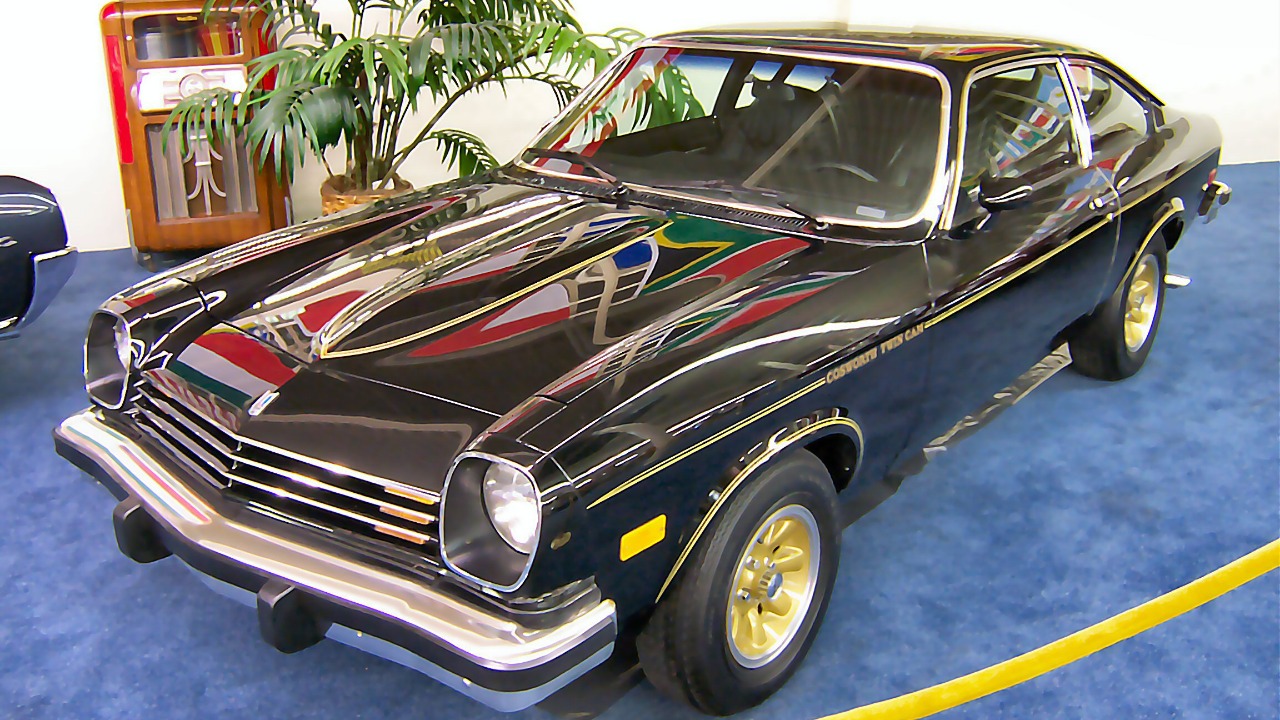
The Chevrolet Cosworth Vega was misunderstood when new, largely because buyers expected more performance from its advanced engineering. Featuring fuel injection and a sophisticated twin-cam engine, it was remarkably innovative for its time. Mechanics admired the technical ambition behind the project. Decades later, enthusiasts recognize the Cosworth Vega as an important and unusual chapter in Chevrolet history, helping it earn significantly more respect than it originally received.
Chevrolet El Camino SS
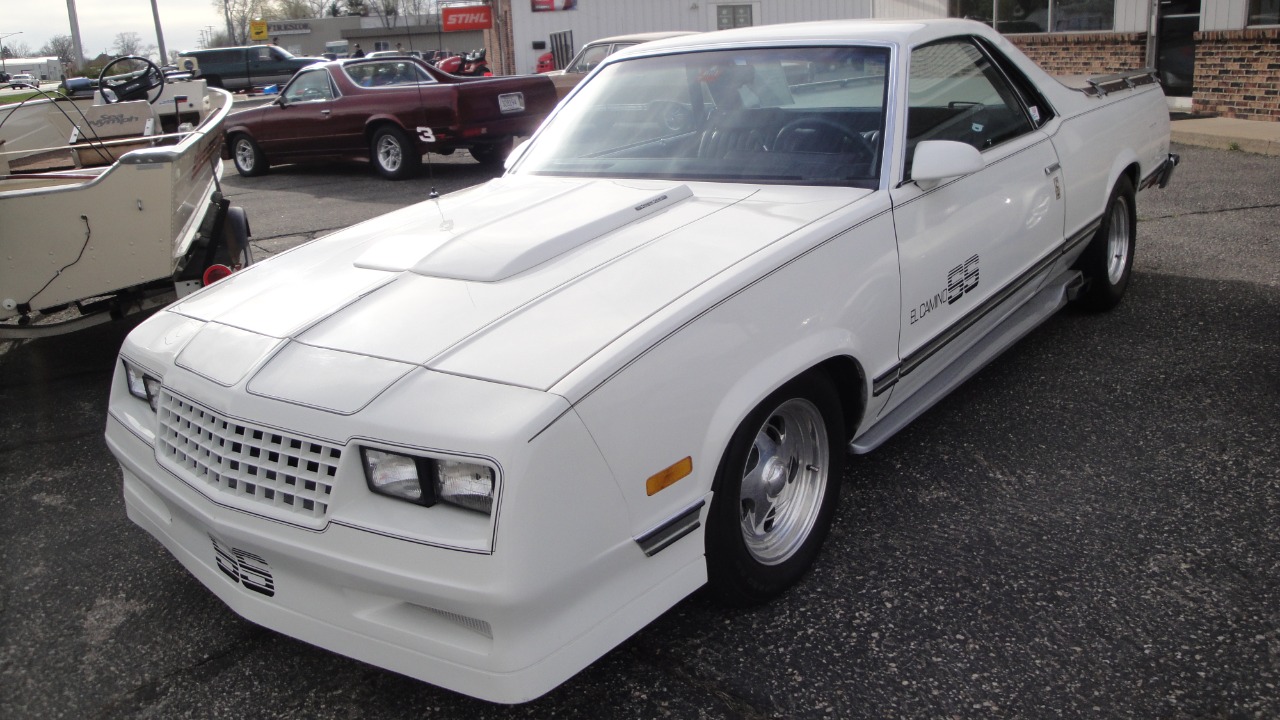
The Chevrolet El Camino SS combined pickup practicality with passenger-car comfort and available V8 power. During the 1970s, it often received less attention than Chevrolet’s coupes, but its versatility helped build a loyal following. Mechanics appreciated its durable drivetrains and easy serviceability. As collector interest expanded beyond traditional muscle cars, the El Camino SS gained recognition for offering a uniquely American combination of utility and performance.
Chevrolet Camaro Z28
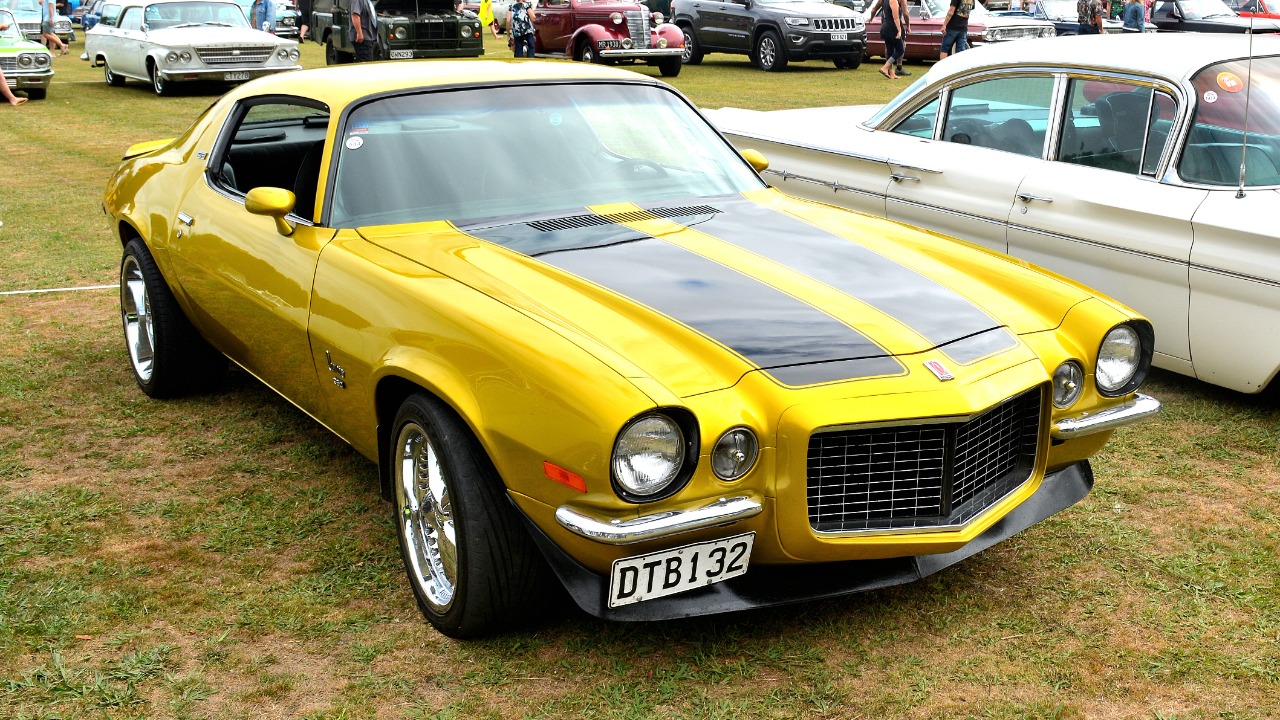
The Chevrolet Camaro Z28 survived the decade by adapting to increasingly strict regulations while preserving much of its performance image. Though horsepower declined from earlier years, the car’s handling, styling, and road presence remained impressive. Mechanics respected the durability of its small-block V8 engines. Modern collectors appreciate the 1970s Z28 because it successfully carried Chevrolet’s performance tradition through one of the industry’s most challenging periods.
Chevrolet Malibu Classic
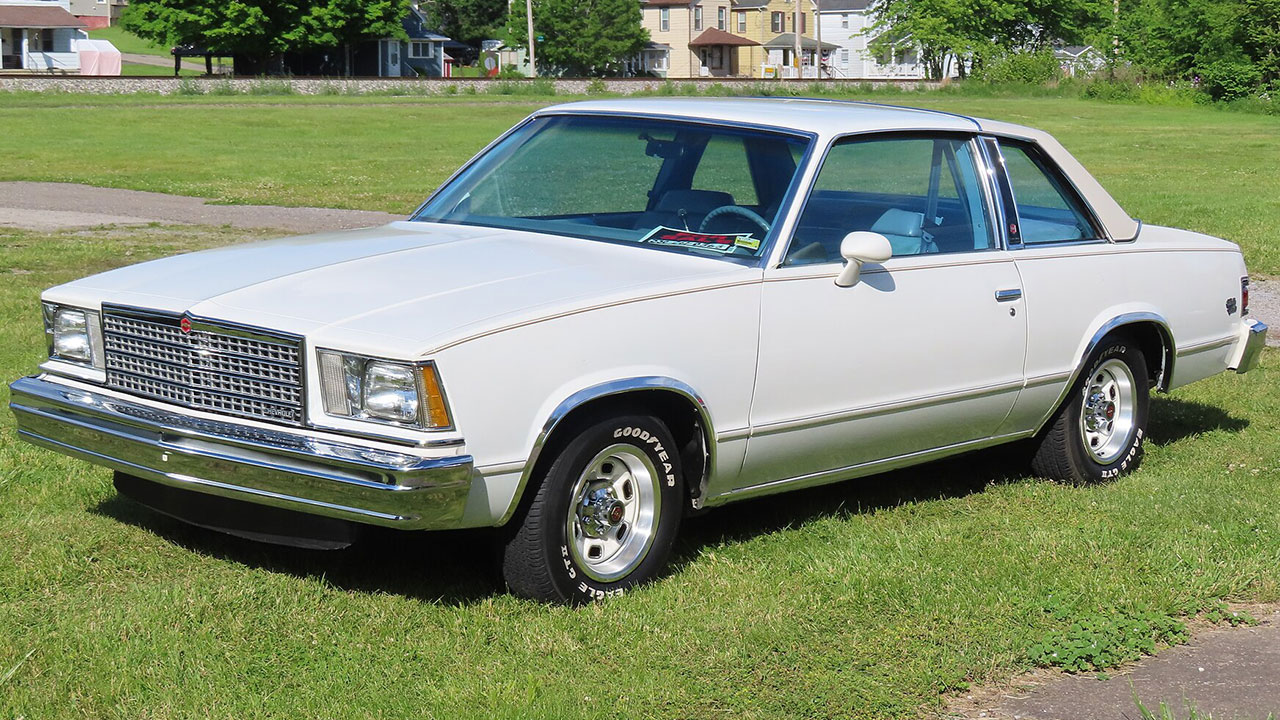
The Chevrolet Malibu Classic was originally purchased by many families seeking comfort and practicality rather than collectibility. However, its clean styling, rear-wheel-drive platform, and available V8 engines have earned increasing admiration among enthusiasts. Mechanics appreciate the car’s simple construction and broad parts availability. As surviving examples become less common, the Malibu Classic is gaining respect as a representative example of Chevrolet’s mainstream 1970s design philosophy.
Chevrolet Caprice Classic Coupe

The Chevrolet Caprice Classic Coupe embodied the era’s preference for comfort, smoothness, and highway cruising ability. Although performance was not its primary mission, available V8 engines provided respectable power for such a large vehicle. Mechanics admired the durability of its full-size platform and dependable drivetrains. Collectors increasingly appreciate the Caprice Classic Coupe because it represents a disappearing era of large American automobiles built with style, presence, and comfort as top priorities.
More from Fast Lane Only
- Unboxing the WWII Jeep in a Crate
- 15 rare Chevys collectors are quietly buying
- 10 underrated V8s still worth hunting down
- Police notice this before you even roll window down
*Research for this article included AI assistance, with all final content reviewed by human editors