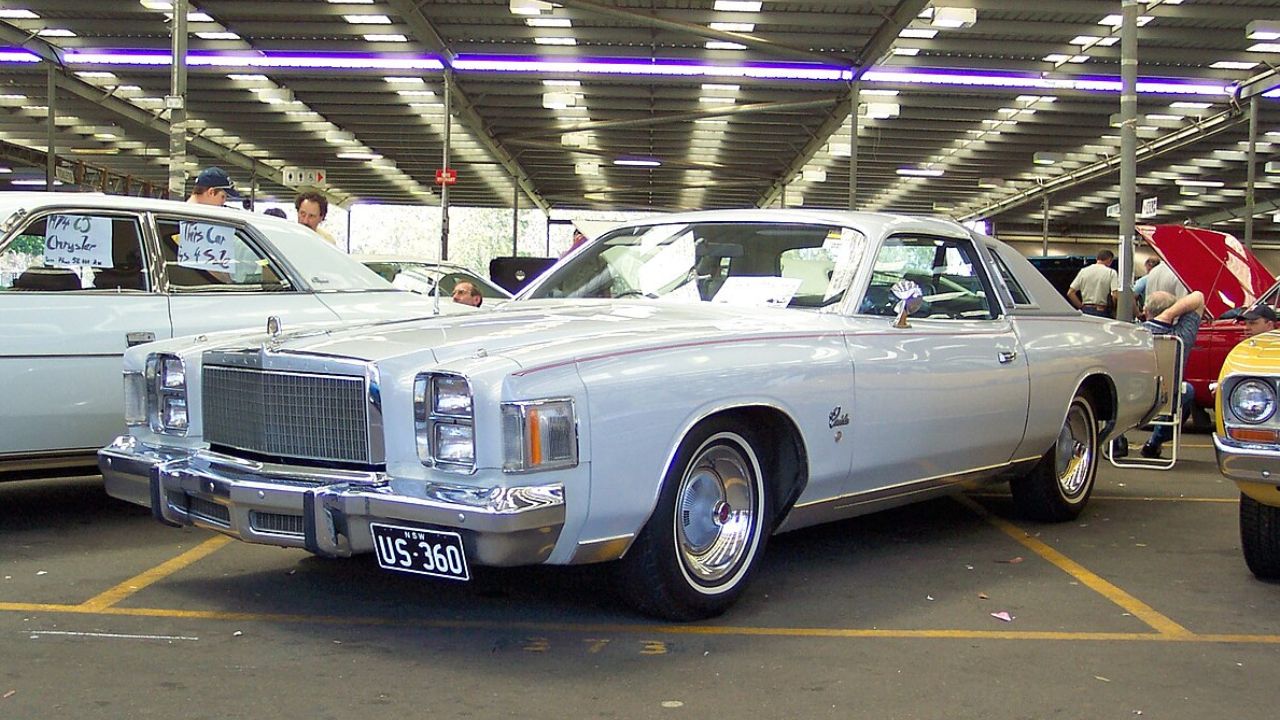
The 1978 Chrysler Cordoba emerged as a symbol of personal luxury in an era when American automakers were grappling with economic challenges and shifting consumer preferences. Its unique blend of style, comfort, and marketing savvy propelled it to remarkable success, making it a significant player in the automotive landscape of the late 1970s.
Historical Context of the 1970s Automotive Industry
The 1970s were a tumultuous decade for American automakers. Economic challenges, particularly the oil crises of 1973 and 1979, forced manufacturers to rethink their strategies. Rising fuel prices and a growing awareness of fuel efficiency led consumers to shift their preferences toward smaller, more economical vehicles. This shift in consumer behavior posed a significant challenge for a company like Chrysler, which had built its reputation on larger, more powerful cars. Additionally, increased competition from foreign manufacturers, especially from Japan and Europe, further complicated the landscape, as these automakers offered compact cars that appealed to the changing preferences of American buyers.
Chrysler was in a precarious financial position before the launch of the Cordoba. Sales were slipping, and the company required a successful model to regain market share. The Cordoba was developed during this challenging period, representing a strategic pivot towards personal luxury. Chrysler aimed to create a vehicle that would not only appeal to traditional Chrysler buyers but also attract a new demographic looking for comfort and style amid economic uncertainty. This focus on personal luxury would become a defining characteristic of the Cordoba’s identity.
Design and Features of the Cordoba
The design of the Chrysler Cordoba was a bold statement in the personal luxury segment. With its distinctive styling, the Cordoba featured a long hood, short rear deck, and a wide stance, giving it an imposing presence on the road. The car’s exterior was characterized by elegant lines and a luxurious grille, which set it apart from its contemporaries. Inside, the Cordoba offered plush interiors adorned with premium materials such as rich leather and real wood accents, creating an inviting atmosphere for drivers and passengers alike.
One of the key selling points of the Cordoba was its range of personalized options, allowing buyers to tailor their vehicles to their preferences. This attention to customization appealed to consumers who valued individuality and comfort. Compared to competitors like the Ford Thunderbird and the Chevrolet Monte Carlo, the Cordoba’s luxurious features and attention to detail gave it a unique edge. The car’s emphasis on comfort and style resonated with a market seeking not just transportation, but a personal statement of success and sophistication.
Marketing Strategy and Brand Positioning
The marketing strategy employed by Chrysler for the Cordoba was instrumental in its success. The company created memorable advertising campaigns that emphasized luxury and sophistication. The most iconic of these was the series of commercials featuring actor Ricardo Montalbán, who famously described the Cordoba as a vehicle that offered “the finest things in life.” This campaign effectively positioned the Cordoba as a premium product, appealing to affluent consumers who desired a car that matched their lifestyle.
Targeting a demographic that included middle- to upper-class buyers, Chrysler tailored its marketing efforts to attract customers who valued elegance and refinement. The advertisements highlighted the Cordoba’s luxurious features, while also tapping into the aspirational nature of car ownership. By reshaping public perception of Chrysler from a traditional American automaker to a brand synonymous with luxury, the Cordoba was able to carve out a significant niche in the automotive market.
Performance and Specifications
The performance of the Chrysler Cordoba was designed to meet the expectations of consumers looking for both power and efficiency. The car was available with a range of engine options, including a 5.2-liter V8 and a more powerful 5.9-liter V8, providing drivers with the power they sought while still being mindful of fuel efficiency. Although the Cordoba was not primarily marketed as a performance vehicle, its smooth ride and responsive handling made it an enjoyable car to drive.
Consumer feedback indicated that the Cordoba delivered a comfortable driving experience, with many owners appreciating its quiet cabin and refined road manners. Compared to other personal luxury cars of the time, the Cordoba stood out for its balance of performance and comfort. Reviews from automotive publications praised its spacious interior and luxurious features, solidifying its reputation as a desirable choice for buyers seeking a personal luxury vehicle.
Cultural Impact and Popularity
The Cordoba transcended its role as just a car; it became a cultural icon during the late 1970s. Its appearances in films and television shows helped cement its status as a symbol of success and prestige. For instance, the Cordoba was featured in various popular TV series and movies, further embedding it into the American cultural fabric. The car’s luxurious image was often associated with successful characters, reinforcing the idea that owning a Cordoba was a marker of social status.
Anecdotes from owners and enthusiasts further illustrate the Cordoba’s significant cultural impact. Many owners fondly recall their experiences with the vehicle, often highlighting the admiration they received from friends and family. The Cordoba was not just a mode of transportation; it represented achievement and sophistication. As such, it captured the imagination of a generation that sought to express its individuality through the vehicles they drove.
Sales Success and Market Reception
The sales performance of the Chrysler Cordoba was remarkable, particularly in the context of the economic challenges facing American automakers. In its debut year, the Cordoba sold over 150,000 units, making it one of Chrysler’s most successful models at the time. This strong sales figure was attributed to its competitive pricing, which was set to attract buyers looking for a luxury vehicle without the exorbitant price tag often associated with such cars.
Factors contributing to the Cordoba’s popularity included its appealing design, luxurious features, and effective marketing campaigns. The Cordoba’s availability in various trim levels allowed customers to choose a model that fit their budget and preferences, further broadening its appeal. Its success laid the groundwork for future Chrysler vehicles, establishing a template for how luxury could be integrated into the American automotive market.
Challenges and Criticisms
Despite its successes, the Chrysler Cordoba faced several challenges and criticisms over the years. Increased competition from foreign luxury automakers, particularly from Japan, began to erode its market share. Brands like Toyota and Honda introduced models that offered comparable luxury features with better fuel efficiency, appealing to a growing segment of environmentally conscious consumers. This competition put pressure on Chrysler to innovate and adapt to the changing market landscape.
Critics also raised concerns regarding the Cordoba’s quality and reliability. While many owners were satisfied with their vehicles, some reported issues related to build quality and performance. These criticisms began to affect consumer perceptions, as buyers became more discerning about the reliability of the vehicles they purchased. Additionally, changing regulations and environmental concerns prompted Chrysler to rethink the design and production of the Cordoba, further complicating its legacy in the automotive industry.
Legacy of the Cordoba in Automotive History
The legacy of the Chrysler Cordoba is significant, influencing subsequent models in the Chrysler lineup and shaping expectations for luxury vehicles in America. Its success prompted the automaker to continue exploring the personal luxury segment, leading to the development of other notable models. The Cordoba established a standard for comfort and style that resonated with American consumers, inspiring future designs that sought to combine luxury with practicality.
In a broader context, the Cordoba’s impact can be seen as a reflection of changing consumer preferences during a pivotal time in automotive history. It helped shift the perception of American cars from being solely focused on power to embracing a more holistic view of luxury that included comfort, style, and personalization. As such, the Cordoba remains a noteworthy chapter in the story of American automotive innovation and luxury.
The story of the 1978 Chrysler Cordoba serves as a reminder of the importance of adapting to consumer preferences and economic conditions in the automotive industry. As modern automakers navigate an ever-changing landscape, the lessons learned from the Cordoba’s success can provide valuable insights into creating vehicles that resonate with buyers. Its enduring appeal continues to captivate car enthusiasts and serves as a symbol of a transformative era in American automotive history.
More from Fast Lane Only