Today’s vehicles are packed with digital displays, touch-sensitive controls, driver-assistance systems, and software updates that would have seemed unimaginable a few decades ago. While those technologies bring undeniable benefits, they can also make the driving experience feel less direct. Many classic cars took the opposite approach, relying on straightforward engineering, intuitive controls, and mechanical simplicity. These nine classics serve as reminders that a great car doesn’t need to overwhelm its driver with technology.
1978 Ford Fairmont
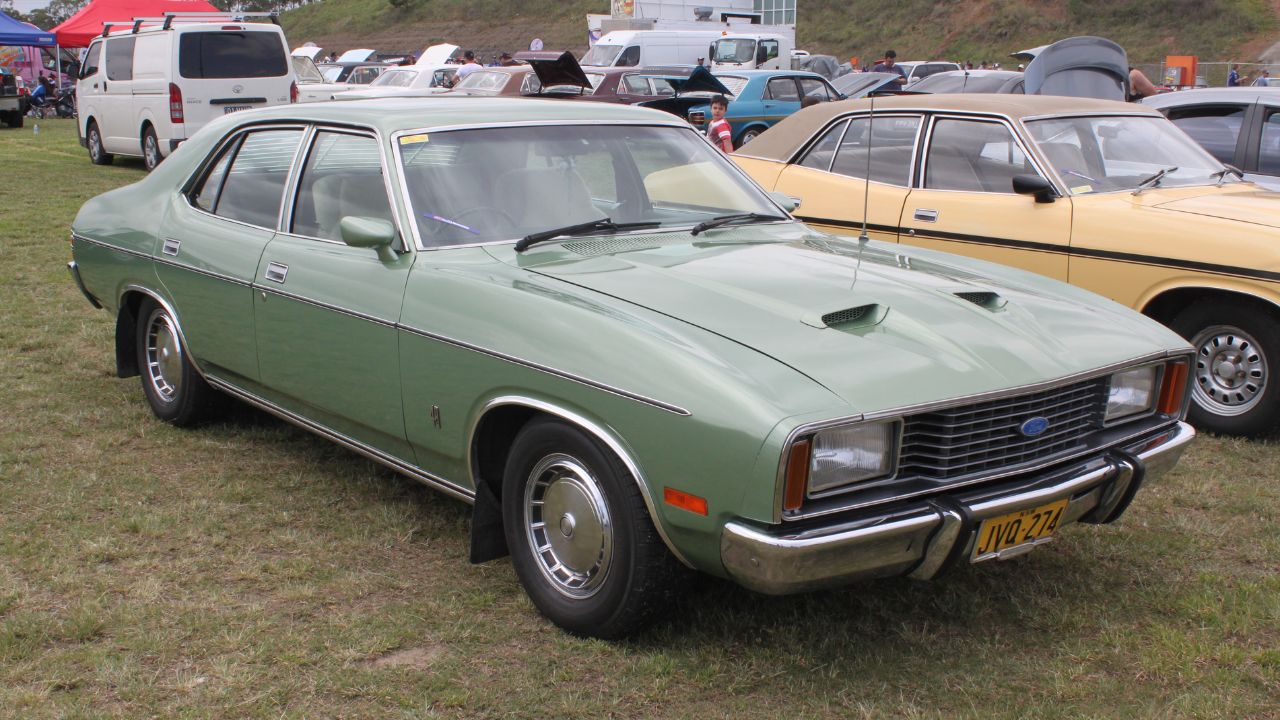
The Ford Fairmont arrived with no intention of dazzling buyers with flashy styling or cutting-edge gadgets. Instead, it focused on practical transportation built around Ford’s revolutionary Fox platform. Its controls were simple, the engine choices were dependable, and routine maintenance could often be handled with basic tools. That straightforward design helped make the Fairmont one of Ford’s most important cars, while its mechanical simplicity later turned it into a favorite among racers and restoration enthusiasts alike.
1969 Saab 99
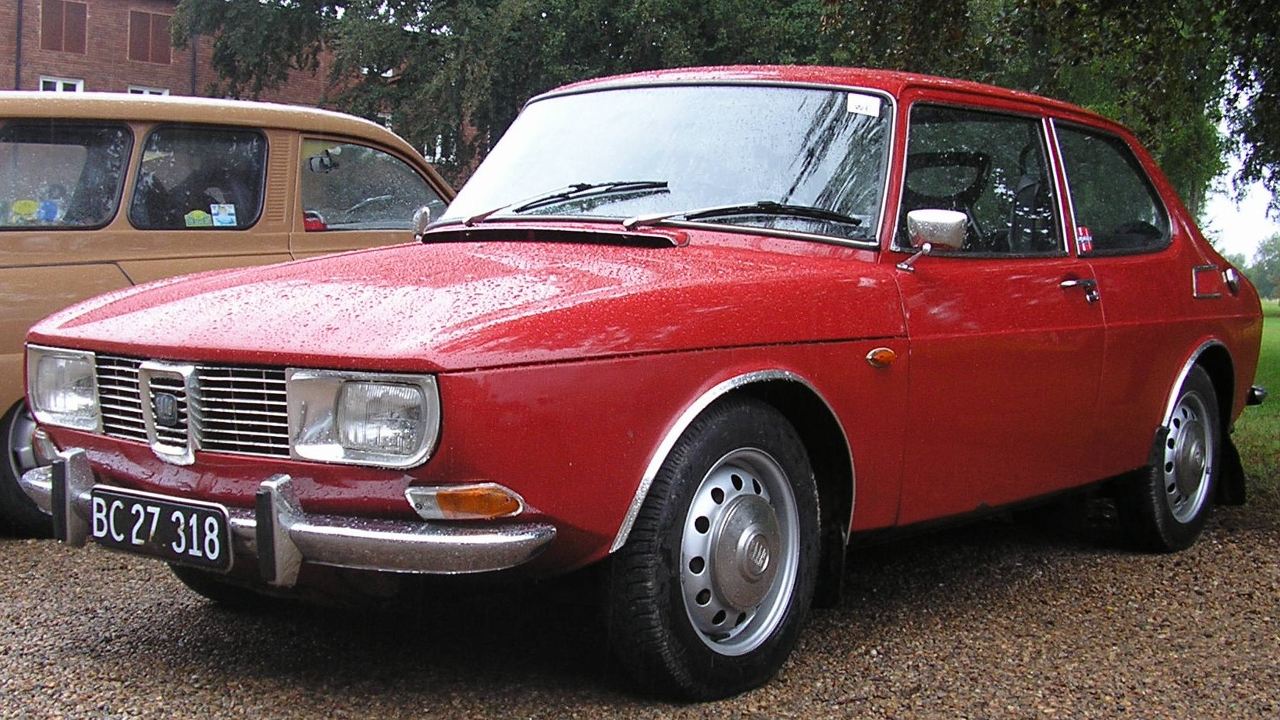
The Saab 99 demonstrated that thoughtful engineering could accomplish more than endless features. Everything inside the cabin was arranged with the driver in mind, from the comfortable seating position to the logical placement of switches and gauges. Its front-wheel-drive layout, durable construction, and emphasis on safety reflected practical innovation instead of unnecessary complexity. Even decades later, the Saab 99 feels refreshingly honest, proving that intelligent design often ages better than flashy technology.
1974 Mercury Capri

Driving the Mercury Capri is a reminder that enjoyment doesn’t require selectable drive modes or electronic suspension settings. Built by Ford of Europe, the Capri relied on balanced handling, lightweight construction, and rear-wheel drive to create an engaging experience. The uncluttered dashboard and responsive controls encouraged drivers to focus on the road instead of navigating digital menus. It remains an excellent example of how simplicity can make a sports coupe even more rewarding.
1972 Mazda RX-3
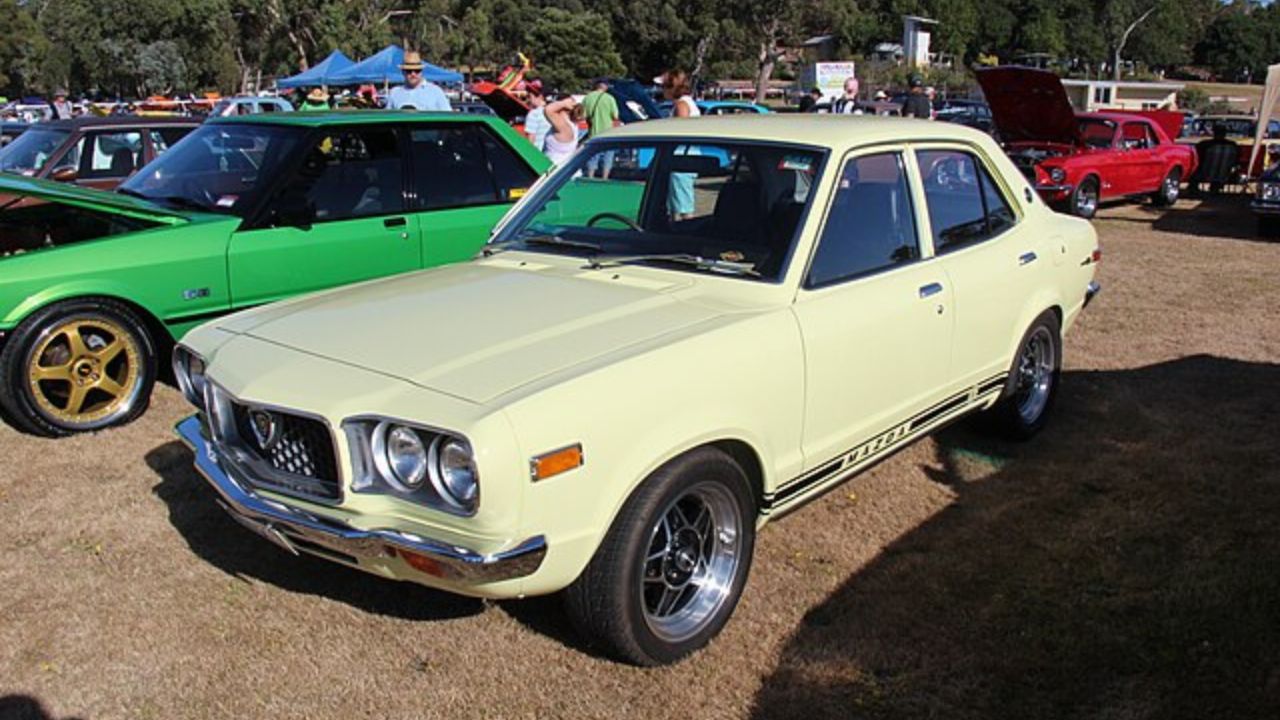
The Mazda RX-3 approached performance from a completely different angle with its compact rotary engine and lightweight chassis. Rather than relying on electronics to create excitement, the RX-3 rewarded drivers with responsive steering, a free-revving engine, and balanced handling. Its straightforward mechanical layout gave enthusiasts a direct connection to the car that many modern vehicles struggle to replicate. The result was a driving experience built around feel instead of software.
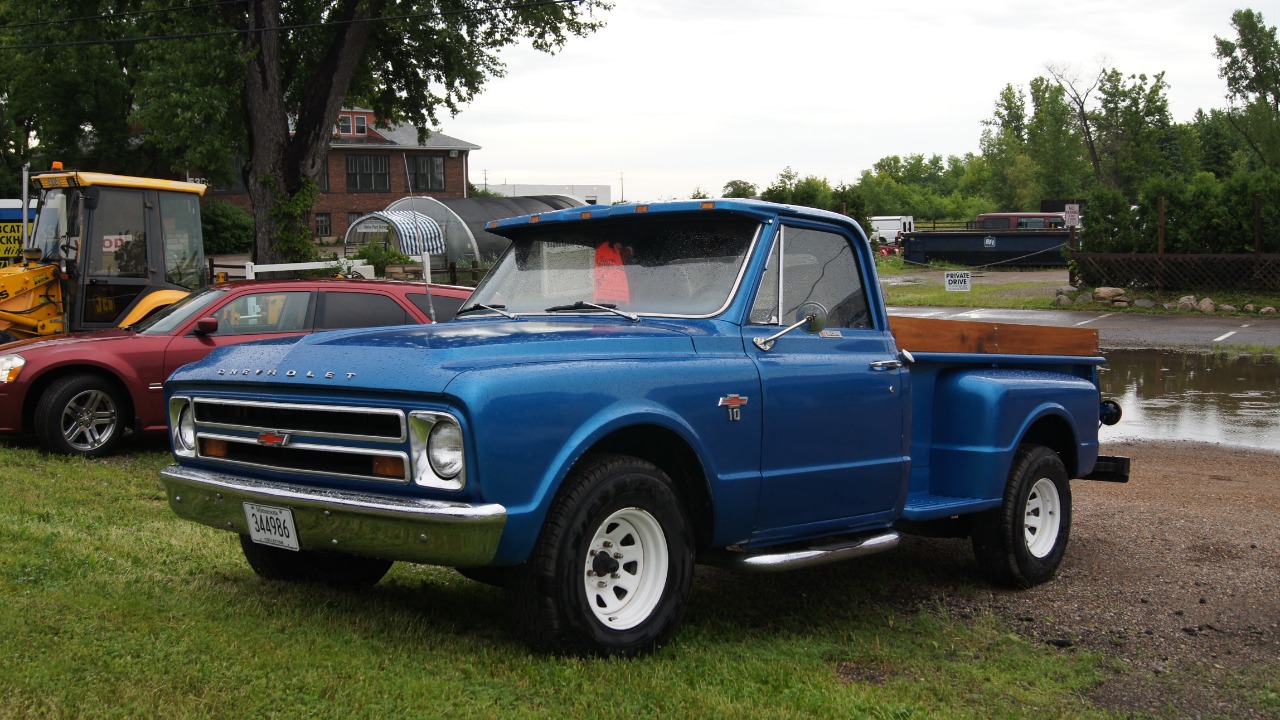
1967 Chevrolet C10
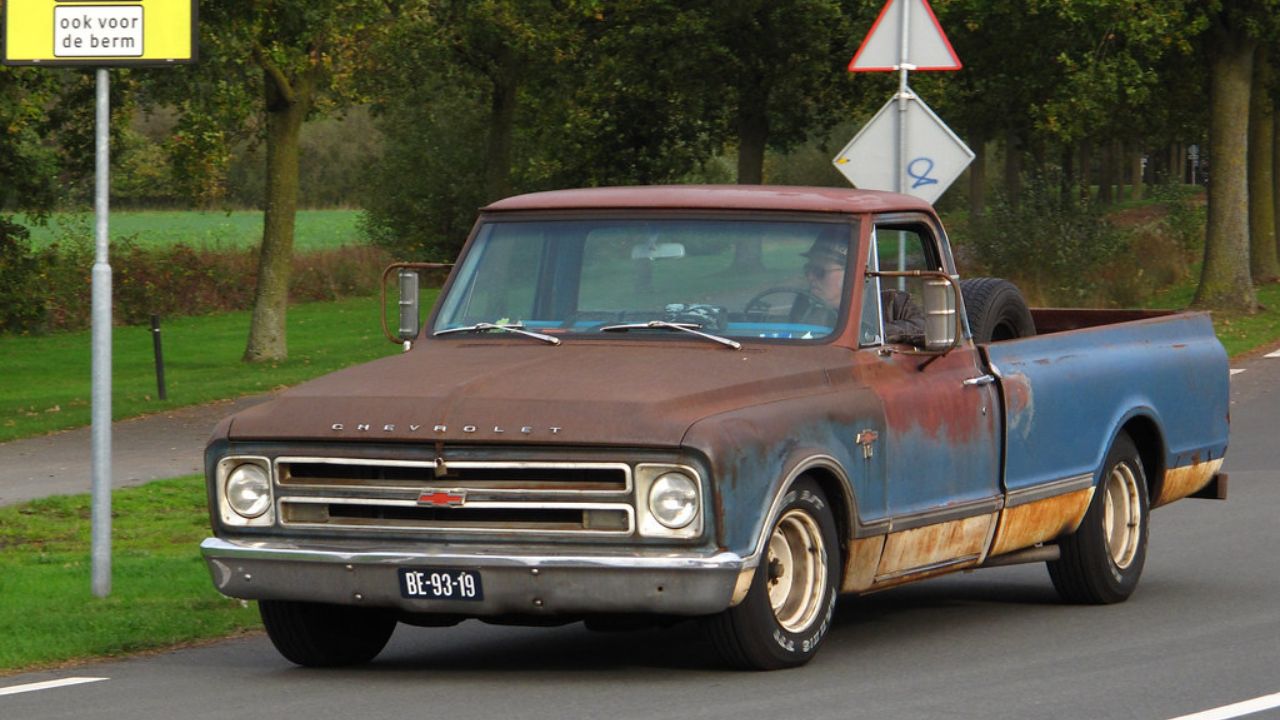
The 1967 Chevrolet C10 showed that a pickup truck could be durable without becoming overly complicated. Its dependable engines, sturdy chassis, and uncomplicated suspension made it equally capable on farms, construction sites, and family driveways. Owners appreciated being able to understand and repair nearly every part of the truck without specialized equipment. That ease of ownership remains one of the reasons the C10 continues to enjoy enormous popularity among collectors and restorers.
1971 Volkswagen K70

Although the Volkswagen K70 represented a major engineering shift for the company, it stayed true to a philosophy of practical simplicity. The front-mounted water-cooled engine, front-wheel-drive layout, and spacious cabin focused on making everyday driving easier rather than more complicated. Large windows provided excellent visibility, while the clean dashboard avoided unnecessary distractions. Looking back, the K70 feels remarkably modern in its usability without depending on electronic technology.
1969 Ford XL
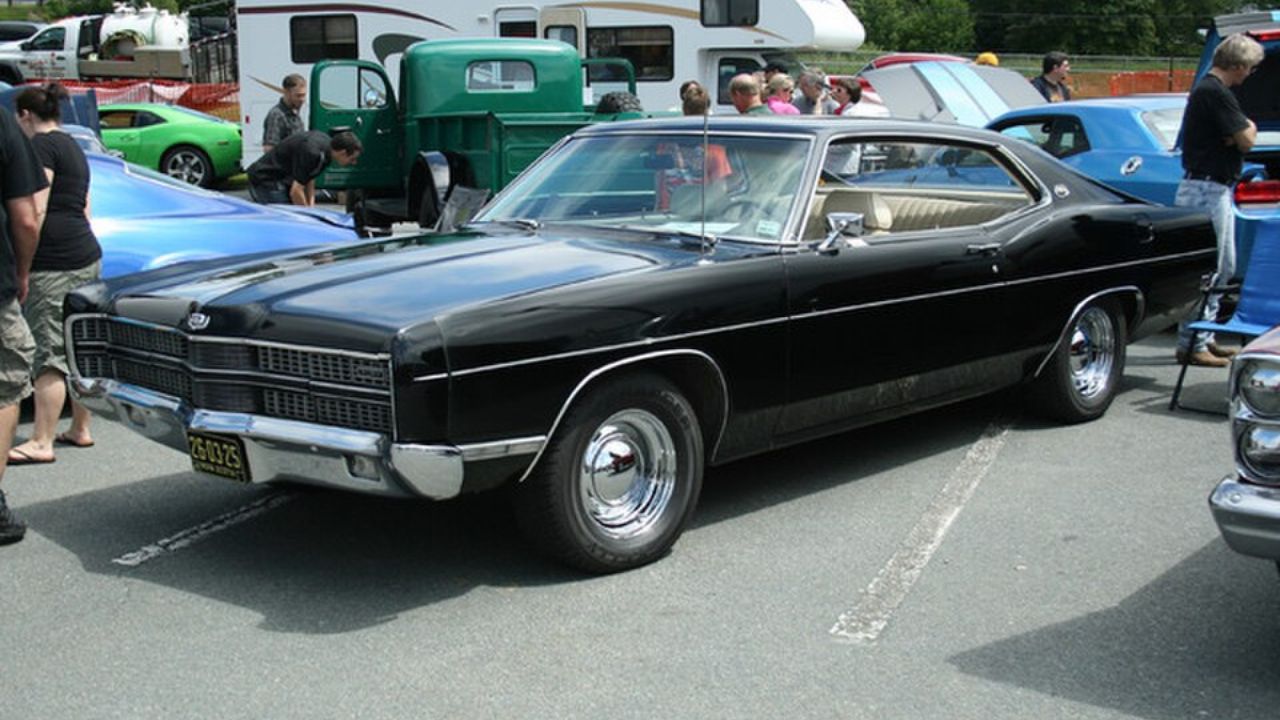
The Ford XL offered buyers everything they needed for comfortable long-distance travel without unnecessary distractions. Spacious seating, smooth V8 power, and intuitive controls made it easy to settle in and enjoy the drive. Whether equipped with a 390 or the legendary 428 Cobra Jet, the XL emphasized effortless performance over gimmicks. Its straightforward engineering also contributed to its long-term durability, helping many examples survive long after more complicated vehicles disappeared.
1984 Dodge Rampage
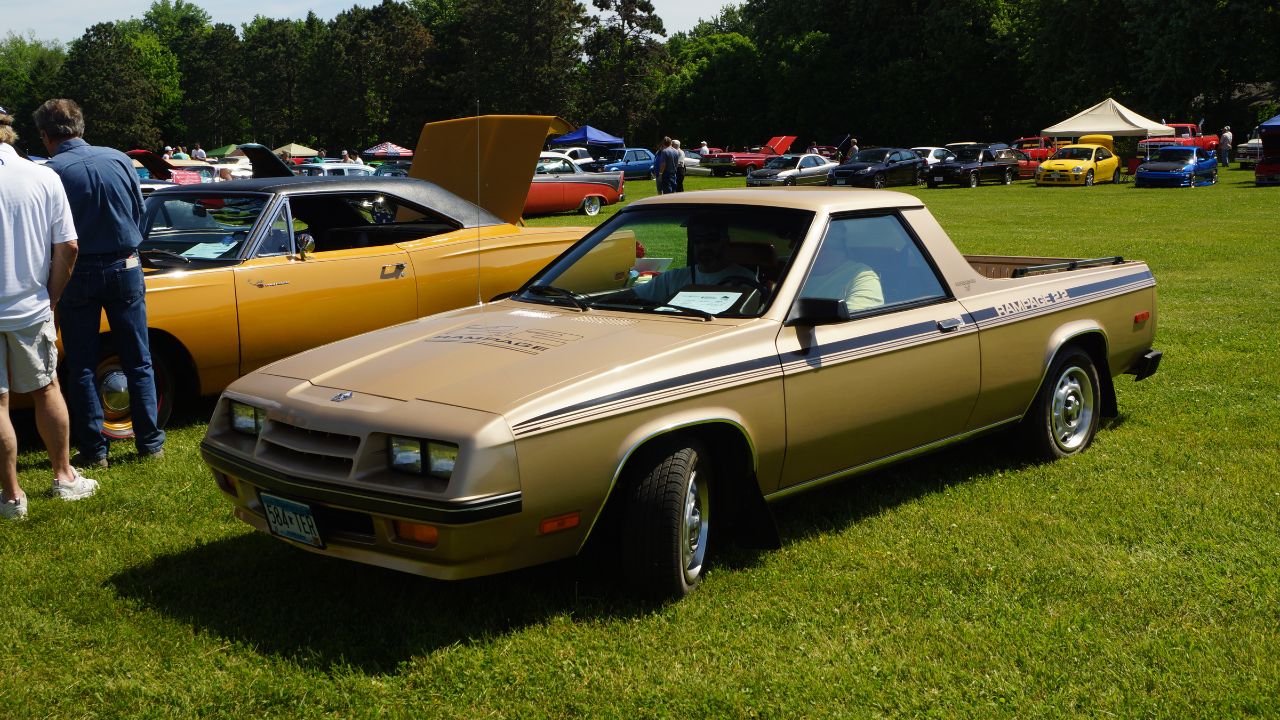
The Dodge Rampage proved that utility could come in a remarkably uncomplicated package. Sharing much of its engineering with Chrysler’s compact passenger cars, it delivered comfortable handling, respectable fuel economy, and a practical cargo bed that suited everyday needs. Without complicated four-wheel-drive systems or oversized dimensions, the Rampage excelled at the tasks many owners actually faced. Its clever simplicity makes it feel surprisingly relevant even by today’s standards.
1975 Chevrolet Cosworth Vega
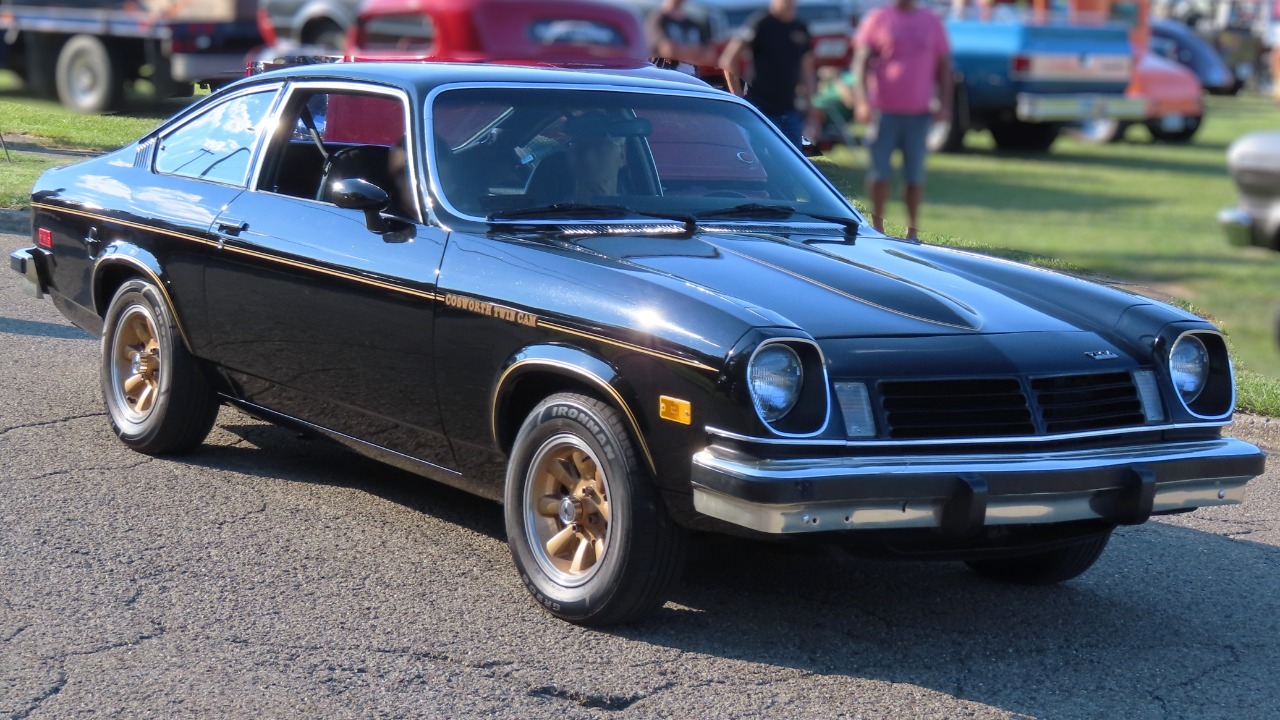
The Cosworth Vega featured advanced engineering for its era, but it never buried the driving experience beneath layers of electronic intervention. Its twin-cam engine, lightweight construction, and precise steering created a car that rewarded attentive drivers rather than masking mistakes. Chevrolet demonstrated that innovation didn’t have to make a car more confusing to own or operate. Decades later, the Cosworth Vega remains an appealing reminder that sophisticated engineering and mechanical simplicity can exist side by side.
More from Fast Lane Only