The 1950s were a transformative decade for the automotive industry, marking the dawn of new designs, technologies, and driving experiences. As the United States embraced the open road, iconic vehicles emerged, shaping not just individual preferences but also the culture of the time. From personal luxury cars to bold family cruisers, these vehicles captured the spirit of a generation and left an enduring legacy on the highways.
Ford Thunderbird: The Birth of the Personal Luxury Car
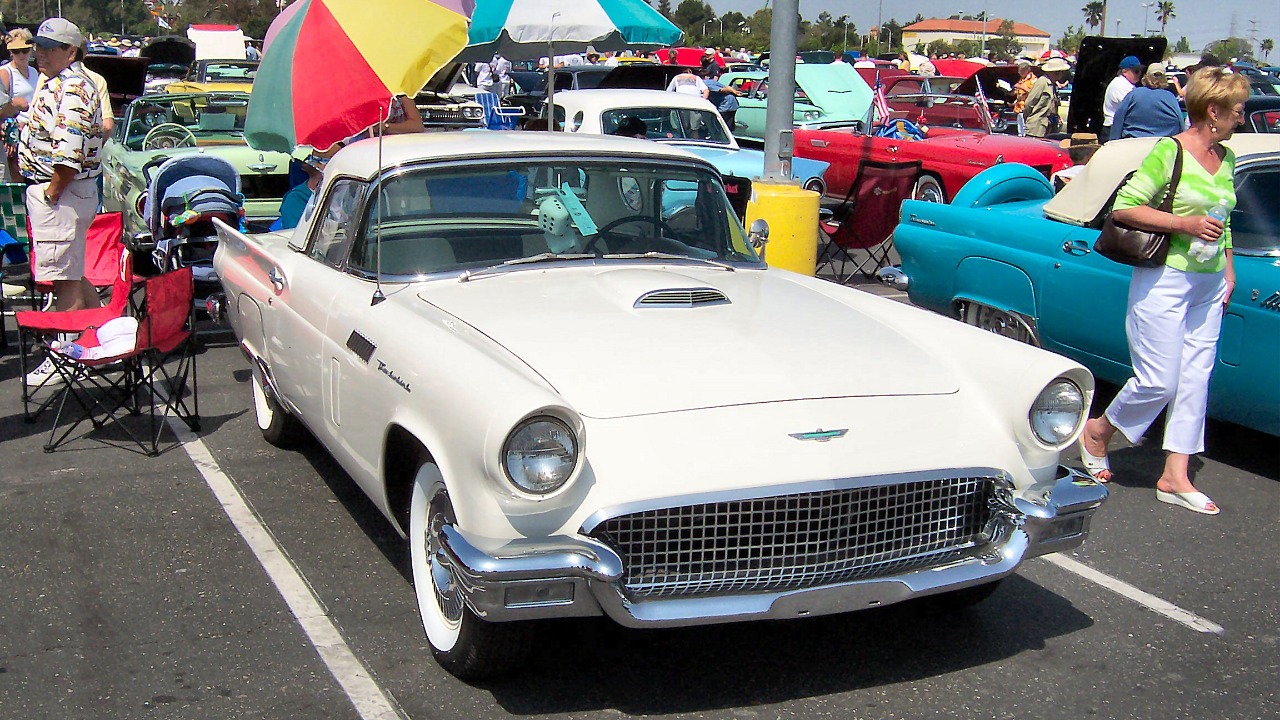
Launched in 1955, the Ford Thunderbird was a game-changer, introducing the concept of the personal luxury car to the American public. Featuring a sleek design with a low silhouette and a powerful V8 engine, the Thunderbird appealed to a new class of drivers seeking both style and performance. Its luxurious interior, equipped with plush seats and advanced features for the time, set a new standard for comfort.
The Thunderbird quickly became an icon, signifying wealth and sophistication. Its success paved the way for competitors, leading to a surge in stylish, high-performance vehicles. The 1957 model, often regarded as the most desirable, showcased tailfins and a distinctive grille, further solidifying its place in automotive history. For those looking to explore more about its impact, you can check out this detailed analysis.
Chevrolet Bel Air: A Classic American Icon

The Chevrolet Bel Air, introduced in the early 1950s, quickly became synonymous with classic Americana. Its bold, chrome-laden exterior and spacious interior made it a favorite among families and car enthusiasts alike. The 1955 model, often highlighted for its two-tone paint jobs and distinctive tailfins, is particularly revered. The Bel Air combined style with performance, featuring a powerful V8 engine option that allowed for an exhilarating driving experience.
With its popularity, the Bel Air became a staple in American pop culture, appearing in countless films and television shows. Its timeless design continues to inspire car restorers and collectors today. The Bel Air’s influence is evident in modern interpretations and classic car events, making it more than just a vehicle, but a symbol of a vibrant era in automotive history.
Chrysler 300: The King of the Highways

Debuting in 1955, the Chrysler 300 was known as “The King of the Highways,” a fitting title for a car that combined luxury with extraordinary performance. It featured a powerful Hemi V8 engine, making it one of the fastest production cars of its time. The 300’s sleek design, characterized by its bold front grille and elegant lines, attracted attention on every road it graced.
Chrysler’s marketing campaign emphasized the vehicle’s performance, positioning it as a serious contender in the automotive world. The 300 not only offered speed but also luxury, with a plush interior laden with advanced technology for the era. The Chrysler 300’s legacy continues, influencing luxury sedans today, and it remains a celebrated classic among enthusiasts. For further insights, you can check out this detailed feature.
Volkswagen Beetle: The People’s Car Revolution

The Volkswagen Beetle, often dubbed “the people’s car,” became one of the most recognizable vehicles of the 1950s. With its distinct rounded shape and rear-engine layout, the Beetle offered an affordable and reliable option for families and individuals alike. Launched in Germany before World War II, it gained immense popularity in the U.S. during the 1950s as the post-war economy boomed.
This compact car was not just practical; it became a cultural phenomenon, symbolizing freedom and the counterculture movement. Its quirky design and efficient performance made it a beloved choice among young drivers, and it became a staple at events like the Woodstock Festival. The Beetle’s impact is still felt today, as it paved the way for modern compact cars.
Pontiac Bonneville: Performance Meets Style
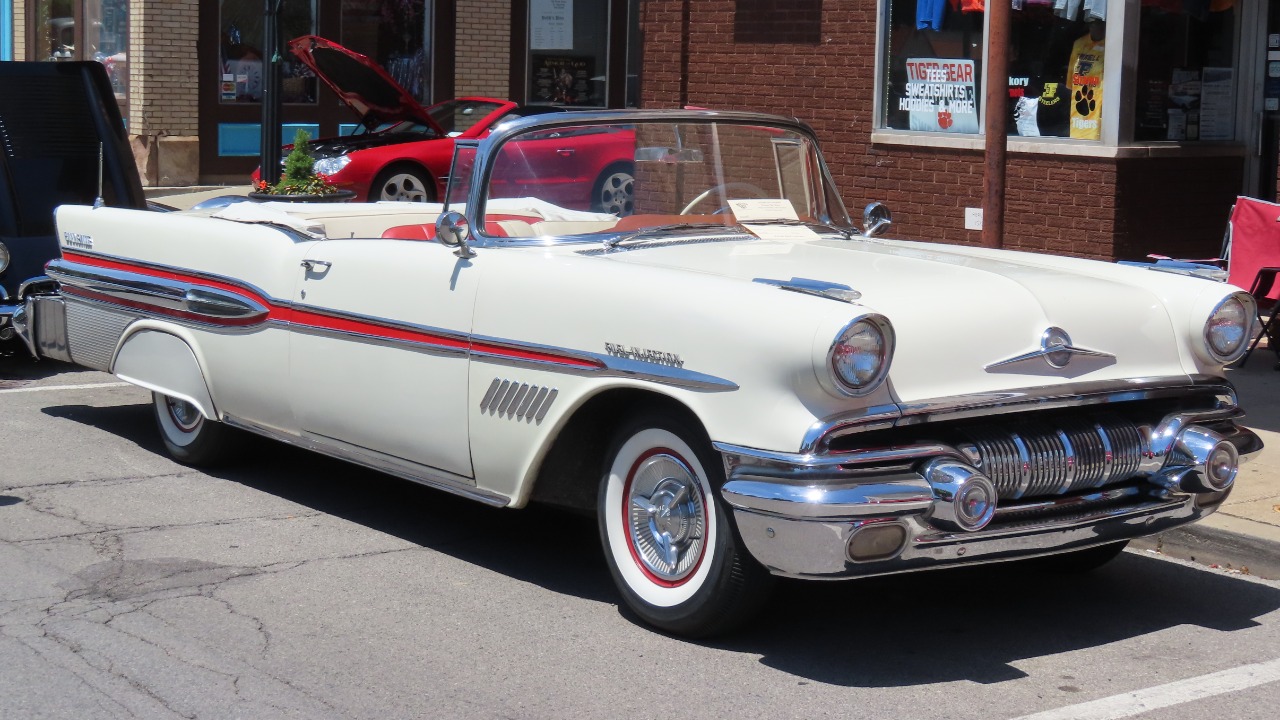
Introduced in 1957, the Pontiac Bonneville was designed as a high-performance luxury vehicle. It featured a robust V8 engine and sporty styling, making it a favorite among those who desired both speed and sophistication. The Bonneville’s unique design included a distinctive front grille and sleek lines, which appealed to a younger demographic looking for style on the road.
This model was particularly successful in the performance market, often participating in motorsport events. Pontiac’s marketing emphasized its sporty characteristics, leading to a devoted fan base. The Bonneville’s blend of performance and luxury set a precedent for future Pontiac models and solidified its status as a classic American muscle car.
Buick Roadmaster: The Ultimate Family Cruiser
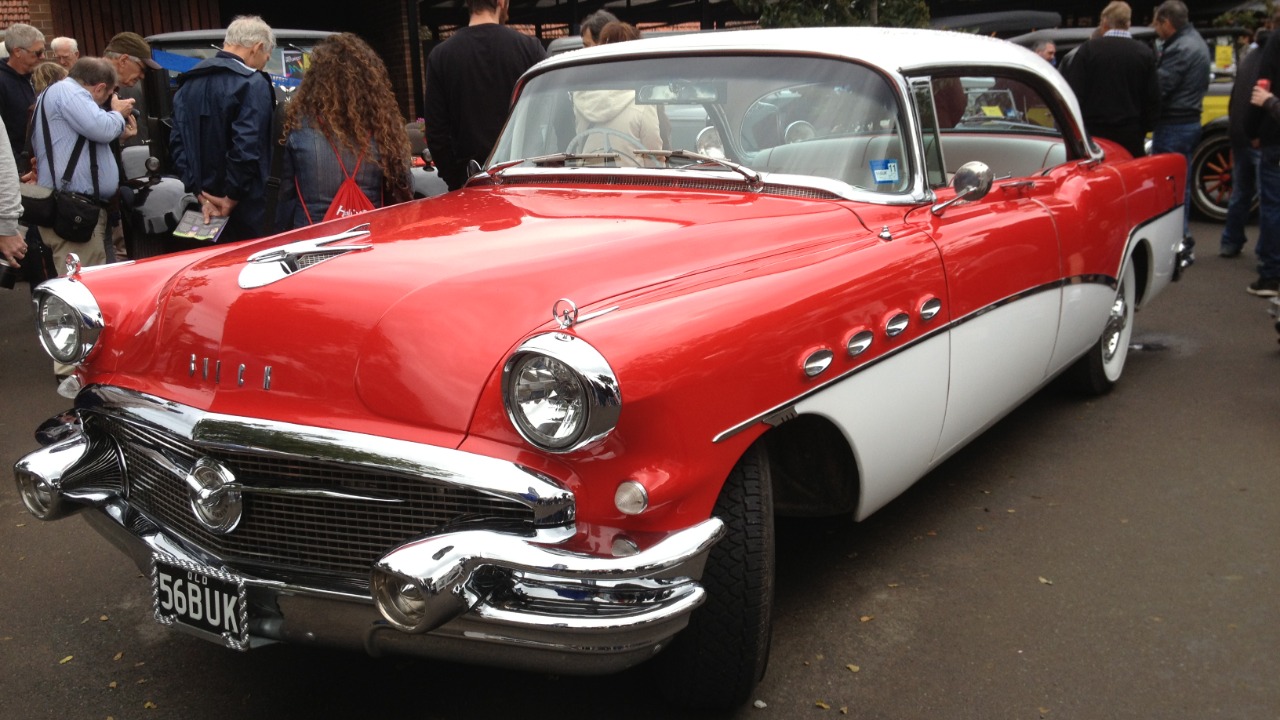
The Buick Roadmaster, a full-size luxury car, epitomized the family cruiser of the 1950s. Known for its spacious interior and comfortable ride, it became a popular choice for families embarking on road trips across America. The 1956 model was particularly noted for its impressive design, featuring chrome accents and a commanding presence on the road.
What set the Roadmaster apart was its powerful engine options, providing both performance and reliability. It was also equipped with advanced features for its time, such as power windows and air conditioning, making it a sought-after vehicle. The Roadmaster’s legacy continues, as it remains a beloved classic among collectors and enthusiasts, showcasing Buick’s commitment to comfort and style.
Studebaker Golden Hawk: A Unique Blend of Power and Design
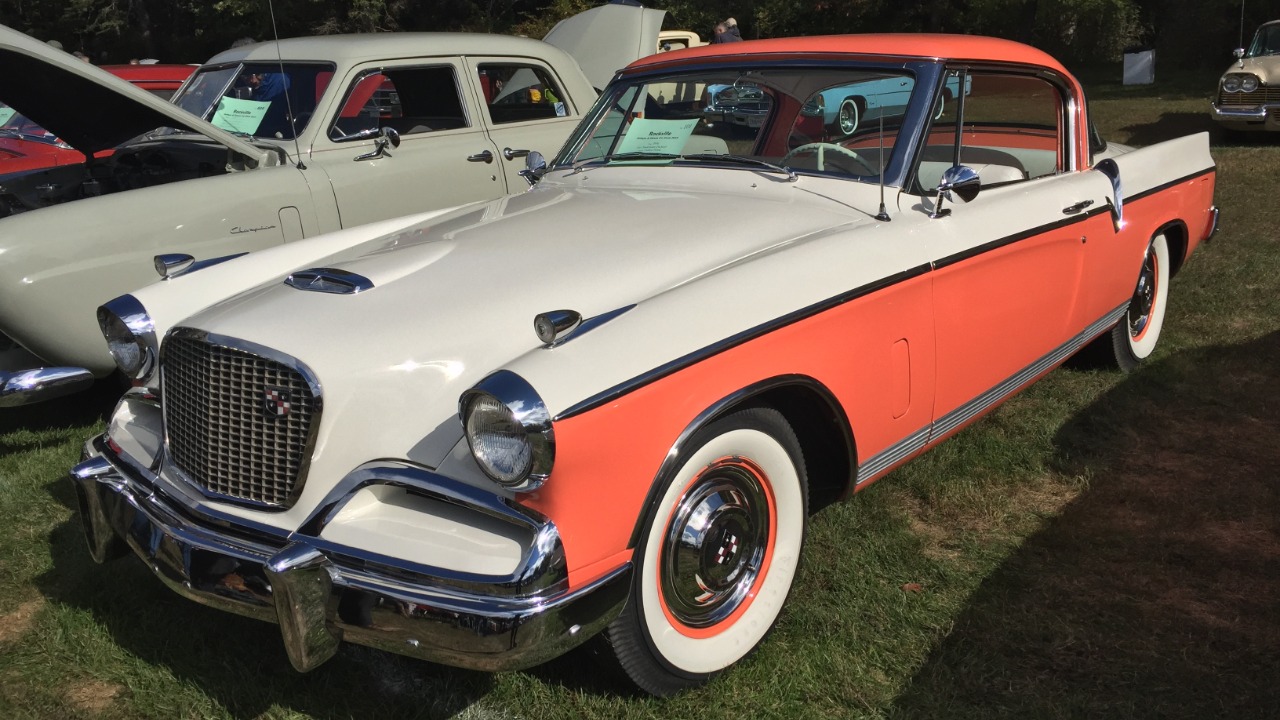
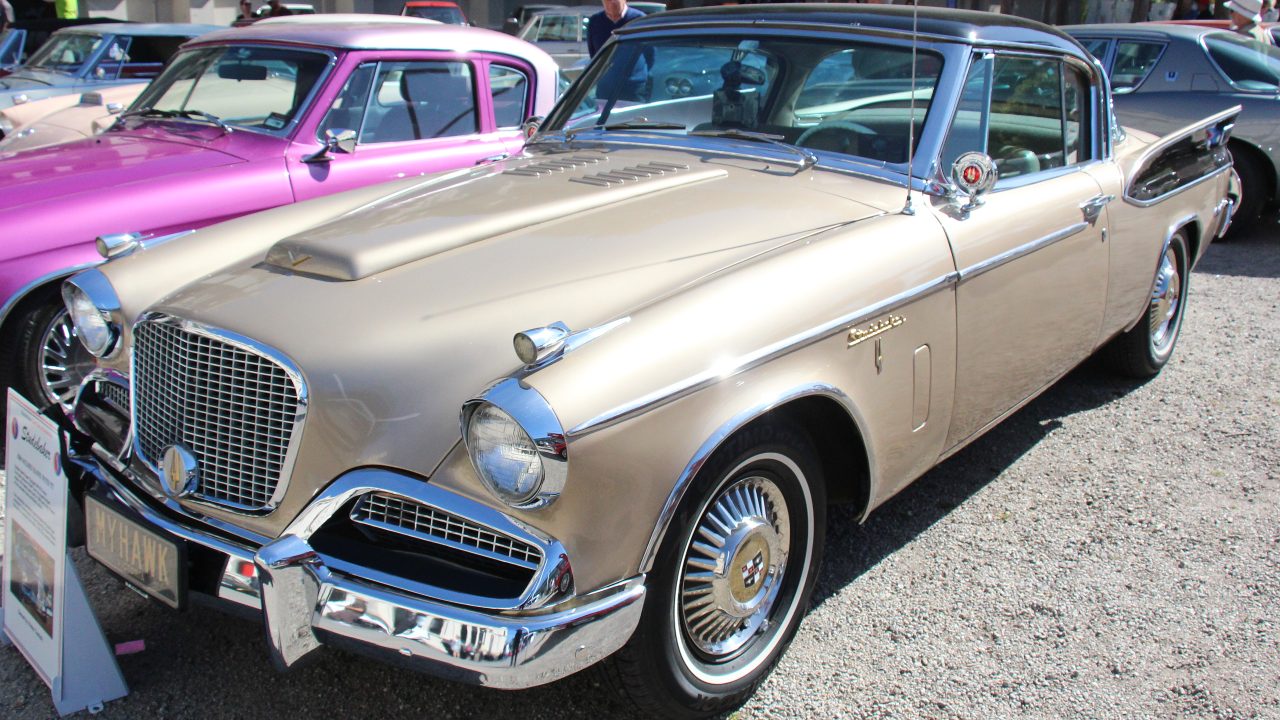
The Studebaker Golden Hawk, produced from 1956 to 1958, was a remarkable example of mid-century American automotive design. Combining a powerful supercharged V8 engine with a distinctive, stylish body, the Golden Hawk stood out on the highways. Its streamlined silhouette and bold features captured the essence of 1950s innovation and flair.
Though often overshadowed by larger manufacturers, the Golden Hawk garnered a loyal following, particularly among those who appreciated its unique aesthetic and performance capabilities. Its rarity today makes it a prized possession among classic car collectors. The Golden Hawk remains a testament to Studebaker’s creativity and engineering prowess during a vibrant era in automotive history.
Dodge Royal: Bold Design and Performance
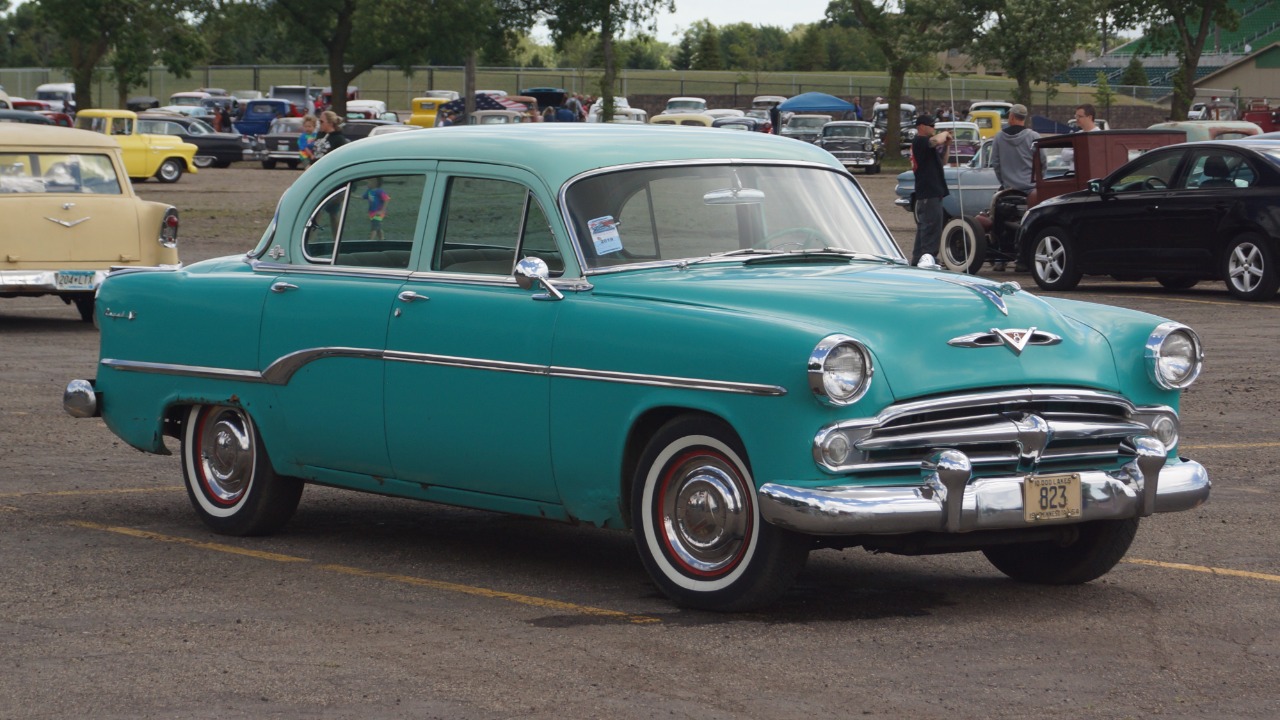
The Dodge Royal, introduced in the 1950s, showcased the bold design ethos of the era. Known for its powerful engines and striking styling, the Royal catered to drivers looking for both performance and aesthetic appeal. With its prominent tailfins and chrome accents, it captured the attention of many on the roads.
The Royal was available in various configurations, including hardtops and convertibles, making it a versatile choice for consumers. Its performance was impressive, often featuring V8 options that delivered exhilarating speed. The Dodge Royal successfully embodied the spirit of American automotive culture in the 1950s, making it a noteworthy mention in the pantheon of classic cars.
Nash Rambler: The Compact Car That Changed the Game
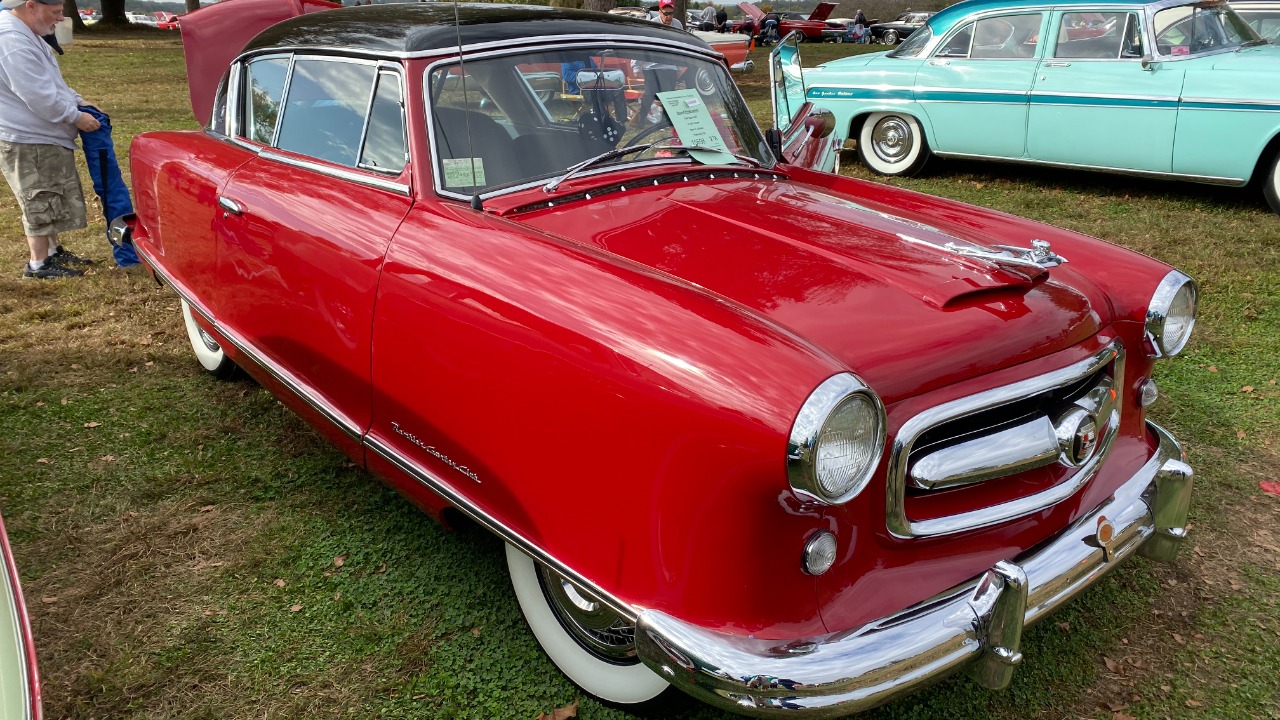
The Nash Rambler, launched in 1950, was a pioneer in the compact car segment, offering an efficient and practical option during a time when larger vehicles dominated the market. Its distinctive design and innovative features, such as a fold-down rear seat, made it ideal for families and urban drivers alike. The 1954 model, especially, was notable for its fuel efficiency and affordability.
As one of the first compact cars in America, the Rambler set trends that would influence future designs. Its introduction marked a shift in consumer preferences toward smaller, more economical vehicles. The Nash Rambler’s legacy continues to resonate today, as it laid the groundwork for the compact cars we see on the roads now, proving that good things come in smaller packages.
More from Fast Lane Only
- Unboxing the WWII Jeep in a Crate
- 15 rare Chevys collectors are quietly buying
- 10 underrated V8s still worth hunting down
- Police notice this before you even roll window down
*Research for this article included AI assistance, with all final content reviewed by human editors.