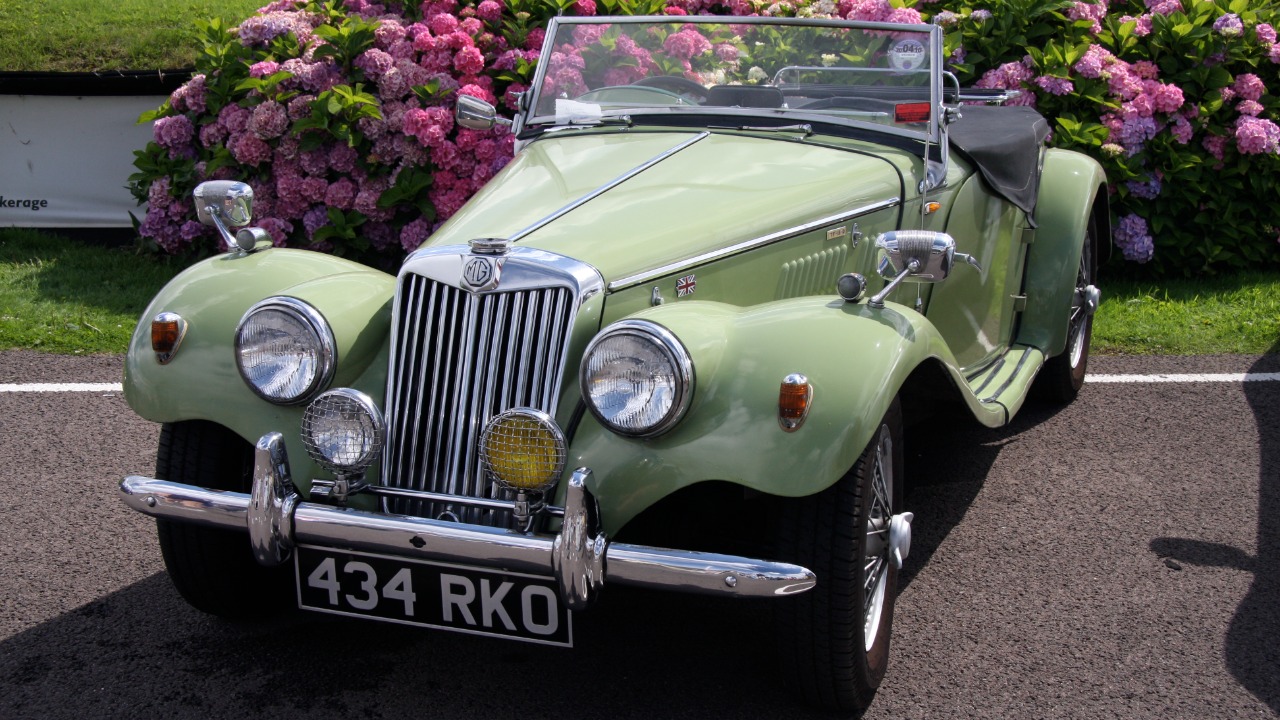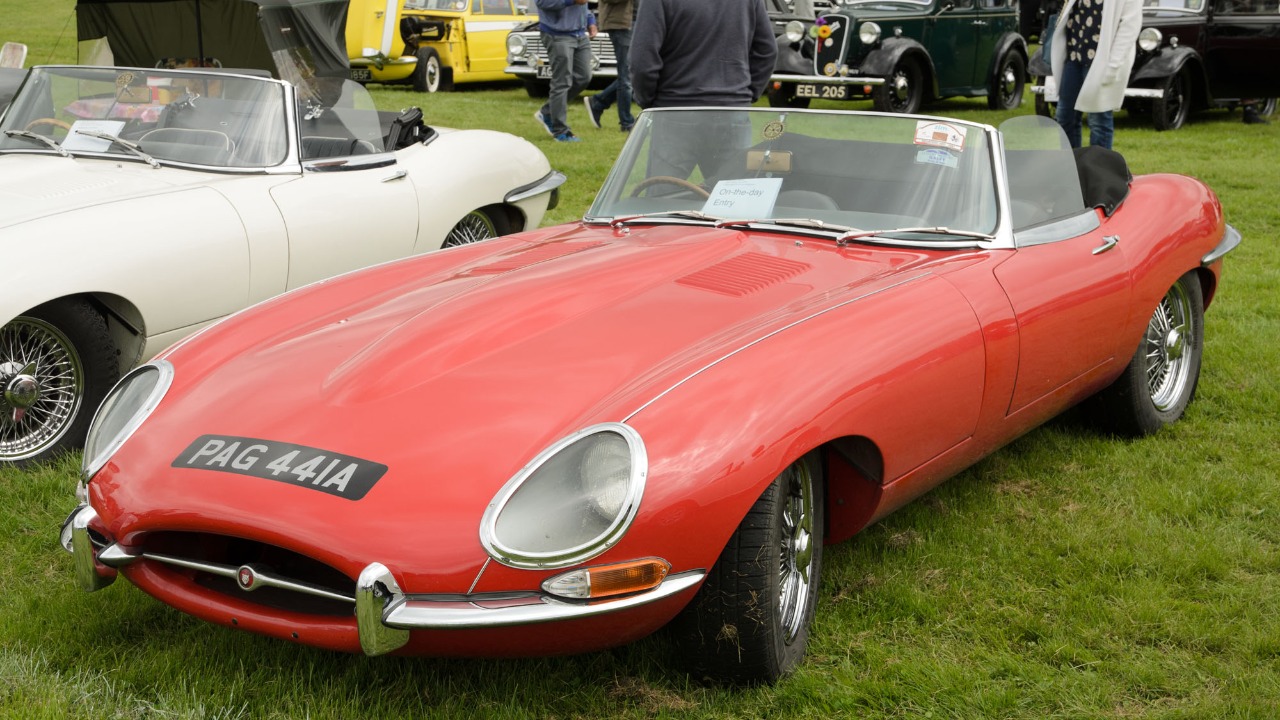
Roadsters have long captivated automotive enthusiasts and casual drivers alike, with their blend of open-air driving, sleek design, and performance. Certain roadster models have transcended mere transportation to become icons in automotive history, celebrated for their unique characteristics and cultural significance. The elements that elevate these vehicles to legendary status are multifaceted and worth exploring.
Iconic Design Elements
Distinctive styling is one of the most salient features of legendary roadsters. Think of the curves of a 1963 Jaguar E-Type, which not only accentuate speed but also create a visual masterpiece that turns heads even today. The sweeping lines and low profile of roadsters like the Mazda MX-5 Miata or the Porsche Boxster showcase how unique design can create an emotional connection with drivers. These vehicles often evoke nostalgia and admiration, making them desirable for collectors and enthusiasts alike.
Color and material choices further enhance a roadster’s appeal. High-quality finishes, like the deep metallic hues on a Mercedes-Benz SL550, draw attention and convey luxury and exclusivity. Additionally, interior materials, such as leather and carbon fiber, provide a tactile experience that complements the vehicle’s aesthetic. The combination of vibrant colors and premium materials helps create a perception of elegance and performance that resonates with potential buyers.
Timeless aesthetics also play a crucial role in a roadster’s legendary status. Vehicles such as the Ford Mustang, particularly the classic models from the 1960s, have maintained their allure across generations. Their designs have not only aged gracefully but have become benchmarks for what a roadster should embody. This timelessness ensures that these models remain relevant in an ever-changing automotive landscape.
Performance and Engineering
Performance-driven innovations are at the heart of legendary roadsters. Breakthroughs in engine technology, such as turbocharging and hybrid systems, have transformed the driving experience. The 2020 Toyota Supra, for example, combines a turbocharged inline-six engine with precise handling, making it a thrill to drive. Advances in performance not only enhance speed but also improve responsiveness and handling, crucial elements for any roadster aiming for legendary status.
Weight distribution and balance are critical aspects of engineering that can make or break a roadster’s performance. The mid-engine layout of the 2021 Chevrolet Corvette C8 allows for exceptional weight distribution, resulting in nimble handling and a driving experience that feels almost intuitive. Such engineering prowess ensures that these vehicles can deliver exhilarating experiences on both the track and the open road, appealing to a wide range of driving enthusiasts.
Moreover, the balance between track performance and everyday usability is essential for many roadsters. While some models prioritize speed and agility, others, like the BMW Z4, manage to blend race-ready features with comfort for daily drives. This versatility makes roadsters more accessible to a broader audience, allowing them to be enjoyed in various driving conditions while still providing exhilarating performance.
Cultural Impact and Representation
The cultural impact of roadsters cannot be overstated, particularly in how they are portrayed in media. Iconic films such as “The Graduate” featuring the 1966 Alfa Romeo Spider, have etched certain models into the public consciousness. These portrayals not only enhance a roadster’s allure but also create a sense of aspiration among viewers. When a roadster appears in a high-profile film or television series, it becomes more than just a car; it evolves into a symbol of style and freedom.
Celebrity endorsements have also played a significant role in boosting the popularity of specific roadsters. When figures like Jay Leno or David Beckham are seen driving certain models, it elevates those cars’ status and desirability. Their influence can shift market trends and inspire new generations of enthusiasts. For instance, the Tesla Roadster, which has been associated with Elon Musk, has garnered immense attention and interest due to its high-profile backing.
Moreover, roadsters often symbolize freedom and adventure, resonating deeply with automotive enthusiasts. The open-top experience allows drivers to connect with their surroundings in a way that is uniquely exhilarating. This connection to lifestyle, adventure, and the thrill of the open road is what makes roadsters irresistible to many. They embody not just a mode of transportation but a philosophy of living life to the fullest.
Historical Significance
Milestones in automotive history often feature landmark roadster models that changed the industry. The introduction of the 1953 Chevrolet Corvette marked a significant shift in American sports cars, blending style with performance. Similarly, the 1964 Porsche 911 established a new standard for performance roadsters, influencing countless designs that followed. Each of these models offers insights into the evolution of roadster design and performance, shaping the landscape of the automotive world.
The evolution of the roadster itself is a testament to innovation and adaptability. From the classic designs of the early 20th century to the modern interpretations, roadsters have consistently evolved to meet changing consumer preferences and technological advancements. The introduction of features like advanced aerodynamics in the 2017 Mazda MX-5 Miata or the hybrid technology in the upcoming Lotus Evija showcases how roadsters continue to push boundaries while retaining their core appeal.
Iconic brands like Aston Martin and Ferrari have left an indelible mark on roadster history. Models such as the Aston Martin DB11 and the Ferrari 488 Spider exemplify the perfect blend of luxury, performance, and style. These brands have built a legacy that not only showcases their engineering prowess but also cements their place in the hearts of automotive enthusiasts worldwide.
Community and Enthusiast Culture
The community surrounding roadsters is a vibrant tapestry that fosters a deeper appreciation for these vehicles. Car clubs and gatherings, such as the annual Miata Reunion, bring enthusiasts together to celebrate their shared passion. These events offer a platform for owners to showcase their vehicles, share knowledge, and forge lasting friendships. The camaraderie among enthusiasts is a testament to the strong culture that surrounds roadsters.
Restoration and customization are integral aspects of the roadster enthusiast culture. Many owners take pride in maintaining and enhancing classic roadsters, whether it’s through original restorations like a 1967 Austin Healey 3000 or modern customizations on a 1999 Mazda MX-5. This hands-on approach not only preserves the legacy of these vehicles but also allows for personal expression, creating unique cars that reflect the owner’s tastes and preferences.
Social media has played a transformative role in building a roadster culture. Platforms like Instagram and Facebook have allowed enthusiasts to connect, share, and celebrate their vehicles with a global audience. Hashtags such as #MiataMonday or #PorscheLife bring together communities of owners and fans, creating a virtual space where knowledge and inspiration can flow freely. This online presence has helped nurture a thriving culture that keeps the spirit of roadsters alive and well.
The Future of Roadsters
As we look to the future, innovations on the horizon promise to redefine what roadsters can be. Upcoming technologies, such as autonomous driving features and advanced connectivity, are set to enhance the driving experience while maintaining the exhilarating essence of roadsters. Brands like Ford and Tesla are already exploring these innovations, ensuring that roadsters remain relevant and exciting.
The shift towards electric roadsters also signals a new era for this beloved segment. The upcoming Tesla Roadster aims to combine sustainable performance with the thrill of open-air driving, showcasing that electric vehicles can provide the same excitement traditionally associated with gasoline-powered roadsters. This move towards sustainability is essential as the automotive industry seeks to address environmental concerns while keeping performance at the forefront.
Maintaining tradition while embracing change will be vital for the roadster segment. As manufacturers innovate and adapt to modern demands, they must also honor the heritage that makes roadsters special. Balancing cutting-edge technology with the classic charm that roadsters embody will be key to ensuring their place in the hearts of enthusiasts for generations to come.
More from Fast Lane Only
- Unboxing the WWII Jeep in a Crate
- 15 rare Chevys collectors are quietly buying
- 10 underrated V8s still worth hunting down
- Police notice this before you even roll window down
*Research for this article included AI assistance, with all final content reviewed by human editors.