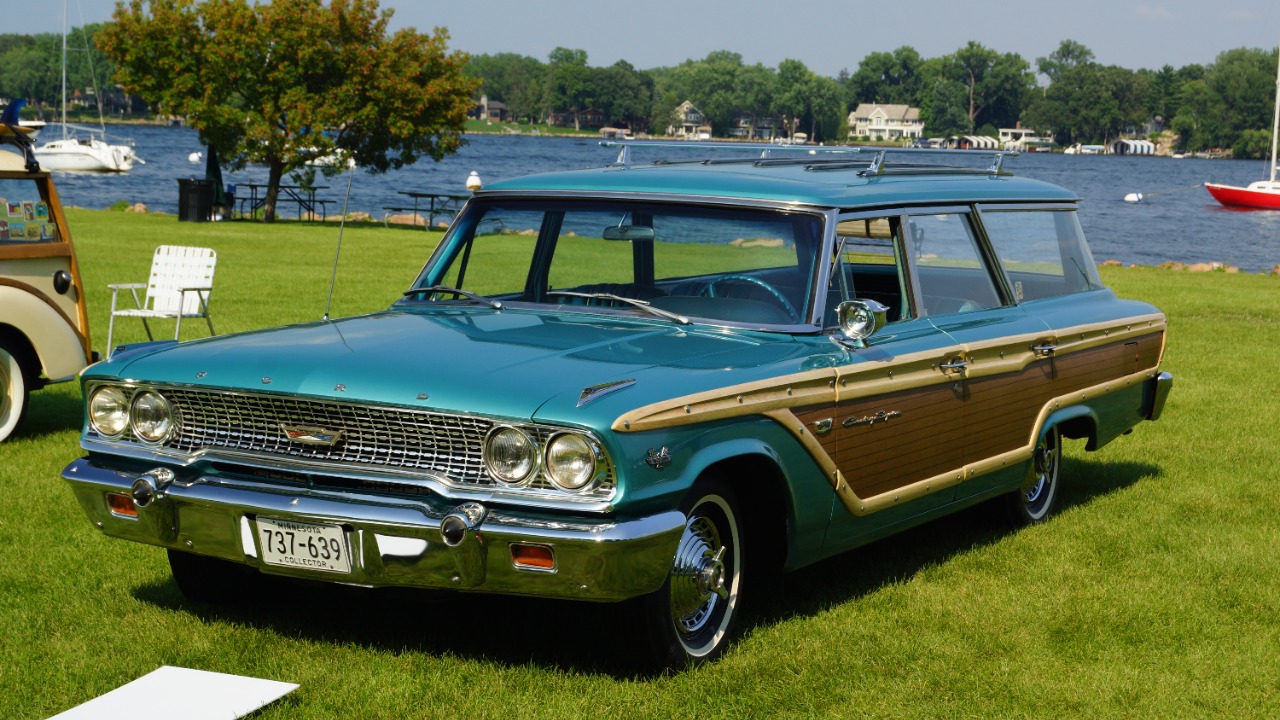
Vintage trucks are not just relics of the past; they represent innovation and design that were often years ahead of their time. From rugged off-road capabilities to advanced styling, these vehicles set new standards in the automotive industry. Below, I’ll take you through nine iconic trucks that not only captured the essence of their era but also laid the groundwork for future generations of vehicles.
Ford F-100 (1953)
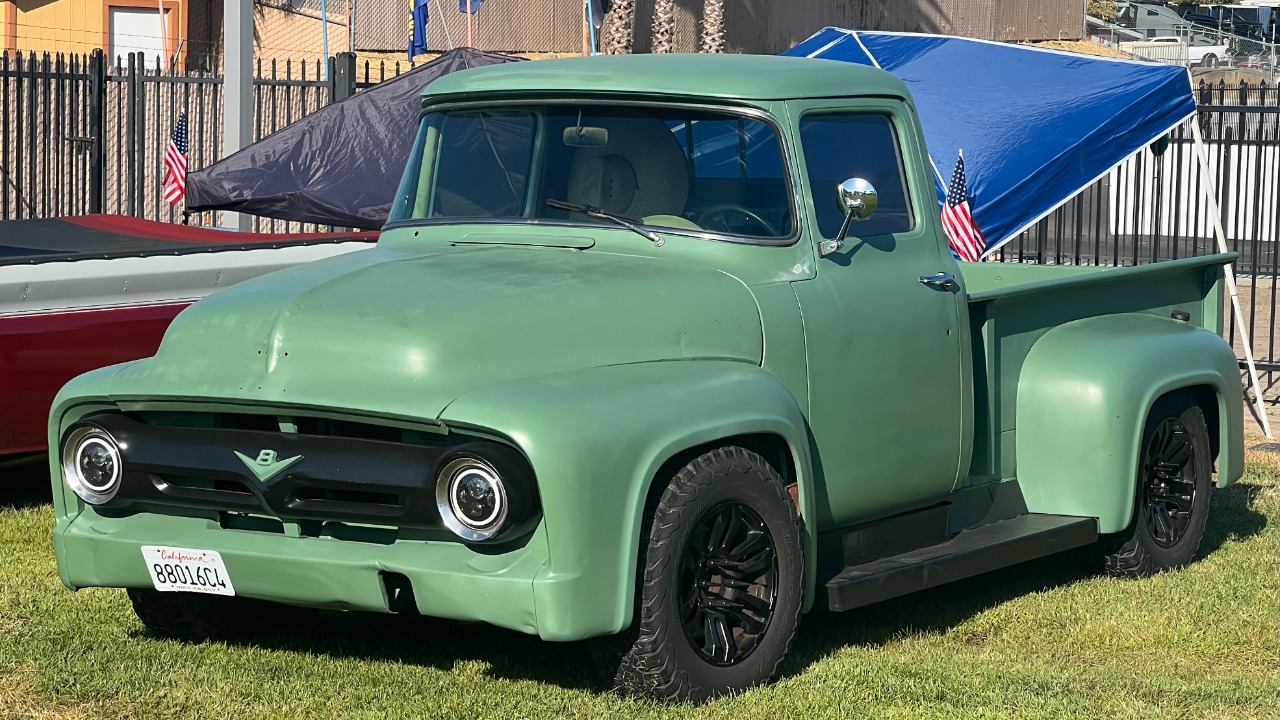
The Ford F-100 debuted in 1953 and quickly became a symbol of American craftsmanship and ingenuity. Its design was ahead of its time, featuring a more streamlined look compared to its predecessors. The introduction of the “Bonus Built” concept allowed for a variety of configurations, appealing to both everyday consumers and businesses alike. The F-100 was available with a range of powerful engines, including the iconic Flathead V8, which delivered impressive performance for a pickup. Its versatility made it a favorite for everything from farm work to family outings, and its impact is still felt in the modern F-Series lineup. For more on the legacy of Ford trucks, check out this detailed history.
Chevrolet Apache (1958)
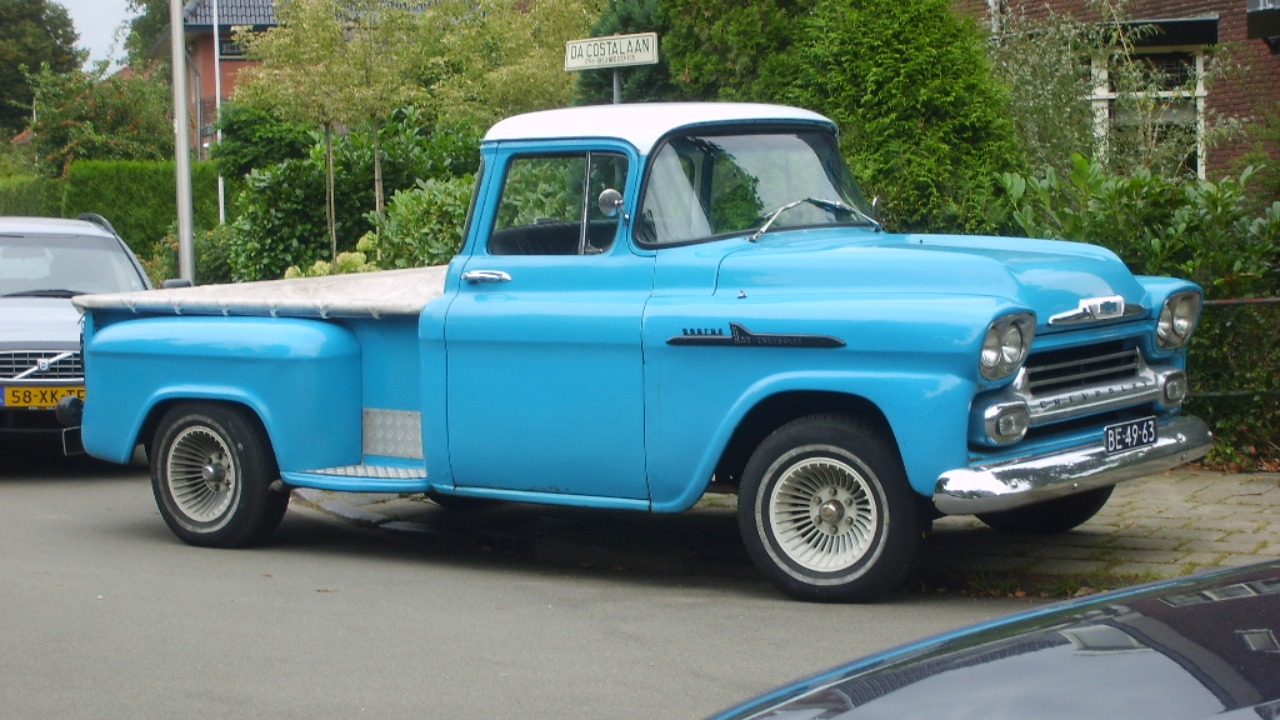
The Chevrolet Apache is a standout model from the late 1950s, showcasing bold styling and innovative features that put it ahead of the competition. Released in 1958, the Apache was among the first pickups to offer a wraparound windshield, enhancing visibility and aerodynamics. The truck also introduced a more comfortable ride with its advanced suspension system, making it suitable for both work and leisure. Equipped with a range of powerful V8 engines, the Apache was not just about looks; it was a powerhouse on the road. Its influence extends far beyond its production years, inspiring restorations and modifications, as seen in numerous restoration projects today.
Dodge Power Wagon (1945)

The Dodge Power Wagon, introduced in 1945, was revolutionary in its approach to off-road capability and durability. Originally designed for military use during World War II, the Power Wagon quickly transitioned to the civilian market, offering unparalleled ruggedness. It featured a four-wheel-drive system that was largely unmatched by competitors at the time, enabling it to tackle tough terrains with ease. The Power Wagon’s robust design included a heavy-duty chassis and a powerful flathead six-cylinder engine, setting a new standard for utility vehicles. Its legacy continues as it remains a popular choice among enthusiasts who appreciate its blend of history and performance.
GMC 1000 Series (1960)
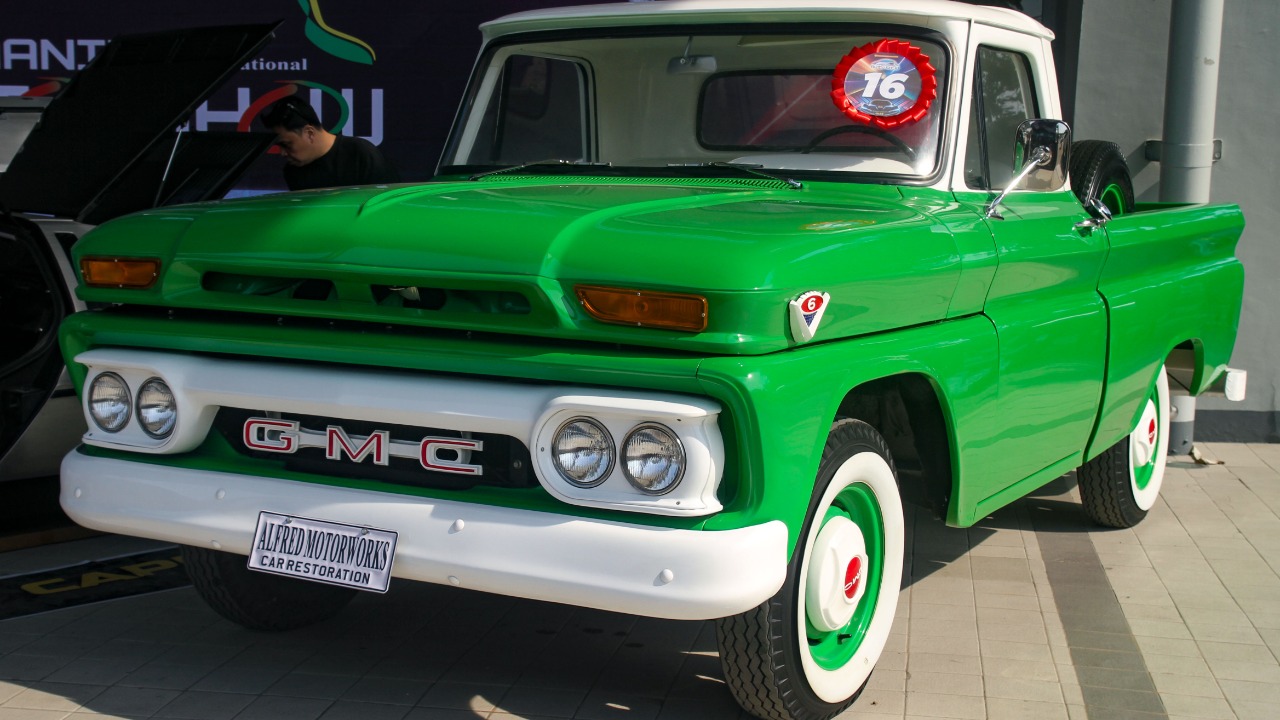
Launched in 1960, the GMC 1000 Series was a game-changer in the light truck segment. It introduced a more refined design and better performance features that appealed to a broader audience. The 1000 Series was known for its smooth ride and comfortable interior, an aspect that was often overlooked in trucks of that era. It offered a range of engine options, including a powerful V8, which provided both efficiency and horsepower for various tasks. The truck’s stylish appearance and practical features made it popular among families and tradespeople alike, solidifying GMC’s reputation for quality and reliability.
International Harvester Scout (1961)

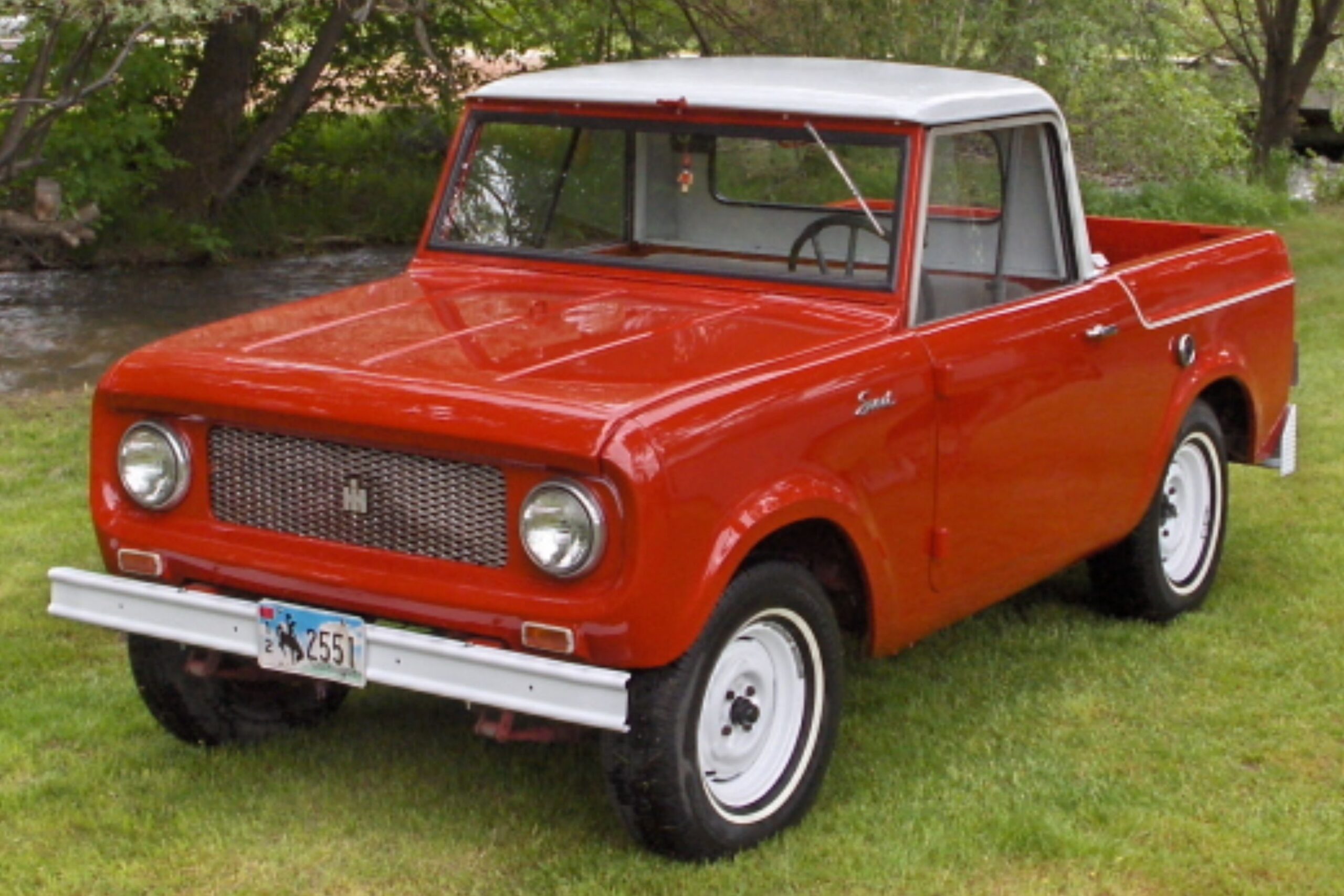
The International Harvester Scout, launched in 1961, is often credited as one of the first true SUVs, blending the attributes of a truck and a passenger vehicle. Its compact design made it highly maneuverable, while its four-wheel-drive system gave it off-road capabilities that were revolutionary for the time. The Scout was available with several engine options, catering to diverse consumer needs, from casual drivers to serious adventurers. Its versatility and functionality made it a precursor to many of today’s popular crossover vehicles, proving that rugged utility could coexist with comfort and style. The Scout’s influence is still felt in modern automotive designs.
Jeep Gladiator (1963)
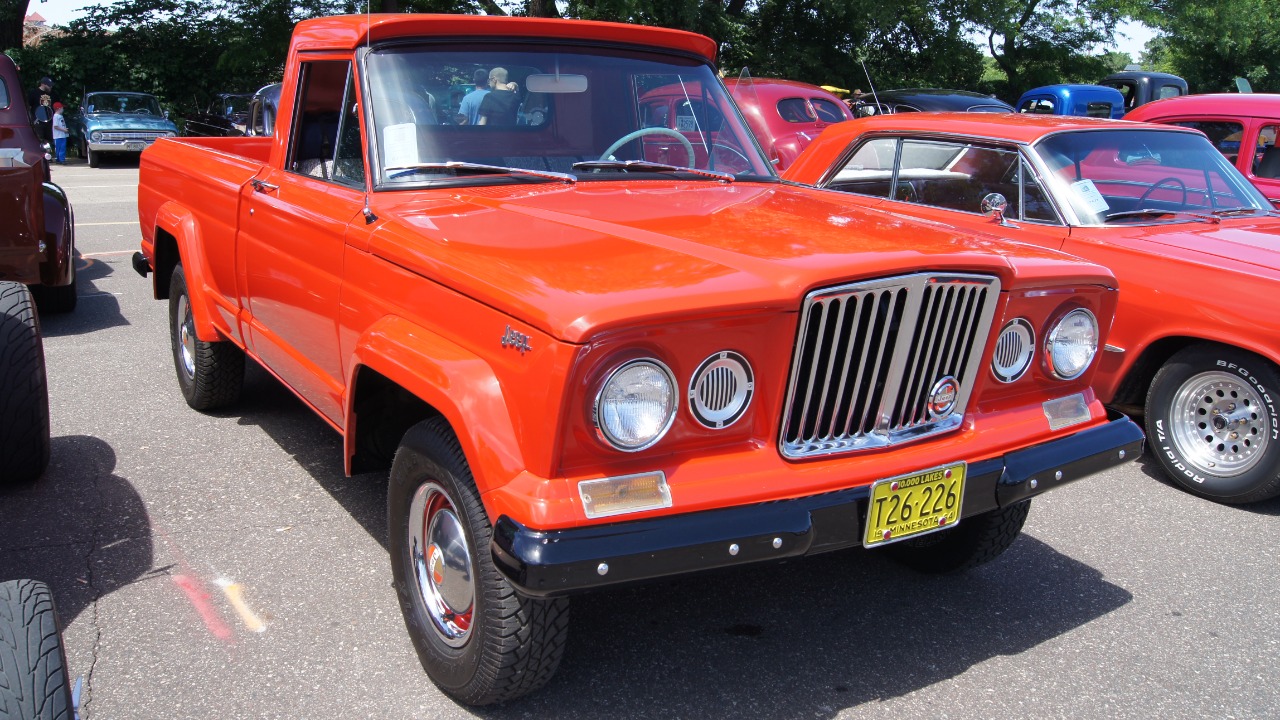
The Jeep Gladiator, introduced in 1963, was a pioneering vehicle that combined the rugged capabilities of a Jeep with the utility of a truck. Known for its durability, the Gladiator featured a strong frame and powerful engine options, making it ideal for off-road adventures. Its open bed provided ample cargo space, while the enclosed cab offered comfort for passengers. Unlike many of its contemporaries, the Gladiator was designed to tackle both work and play, paving the way for future models in the Jeep lineup. Its legacy continues to influence modern pickups, demonstrating a blend of adventure and practicality that remains relevant.
Toyota Land Cruiser (1960)
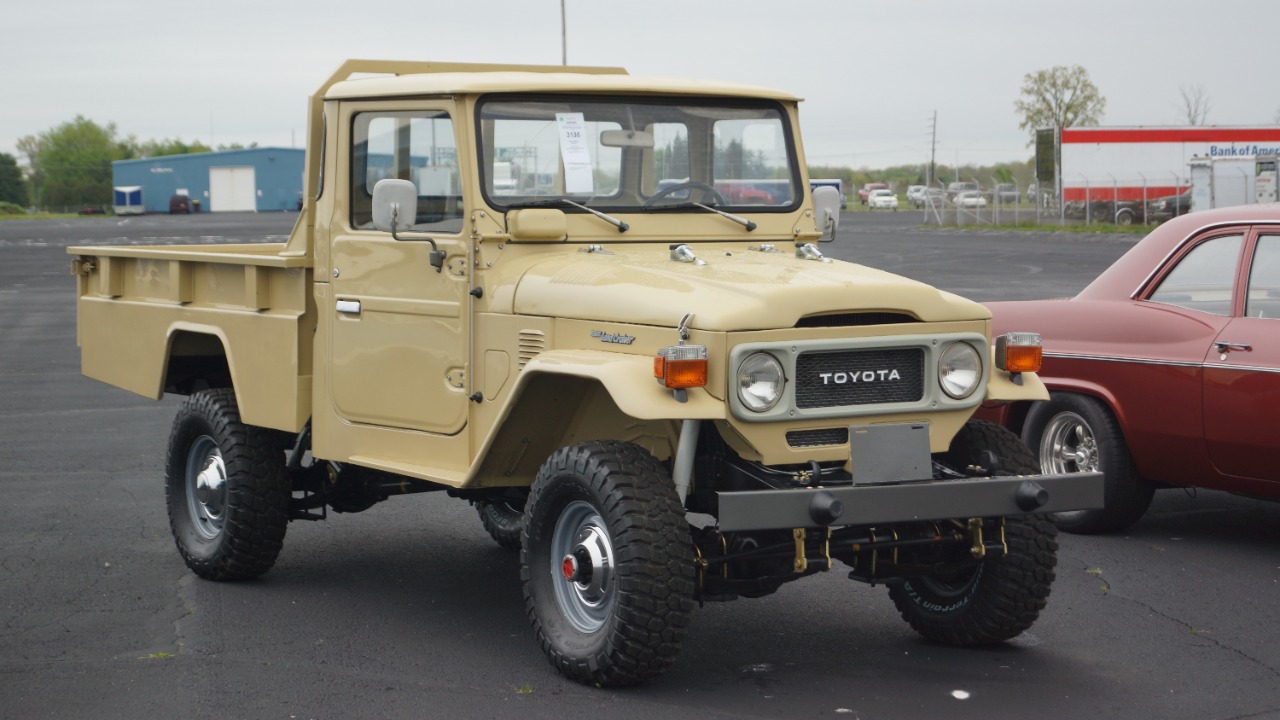
The Toyota Land Cruiser, first introduced in 1960, has become synonymous with off-road performance and reliability. Originally designed for military use, it quickly gained popularity among civilian consumers for its ruggedness and capability in challenging conditions. With a robust build and advanced four-wheel-drive system, the Land Cruiser was able to handle a variety of terrains, making it a favorite for adventurers and outdoor enthusiasts. Its interior was designed for comfort, providing a stark contrast to many other utilitarian vehicles of the time. Today, the Land Cruiser remains a benchmark for off-road vehicles, with a loyal following among enthusiasts worldwide.
Nissan Patrol (1960)

The Nissan Patrol, also introduced in 1960, stands out as one of the first vehicles to successfully blend off-road capabilities with everyday practicality. With its powerful engine and rugged construction, the Patrol was designed to handle rough terrains, making it a favorite for both agricultural and recreational use. Its spacious interior was a significant advancement over many competitors, offering comfort that was often absent in utility vehicles. The Patrol has evolved over the decades, but its foundational principles of durability and versatility continue to resonate with consumers today, making it a timeless choice for those seeking adventure.
Volkswagen Type 2 (1968)
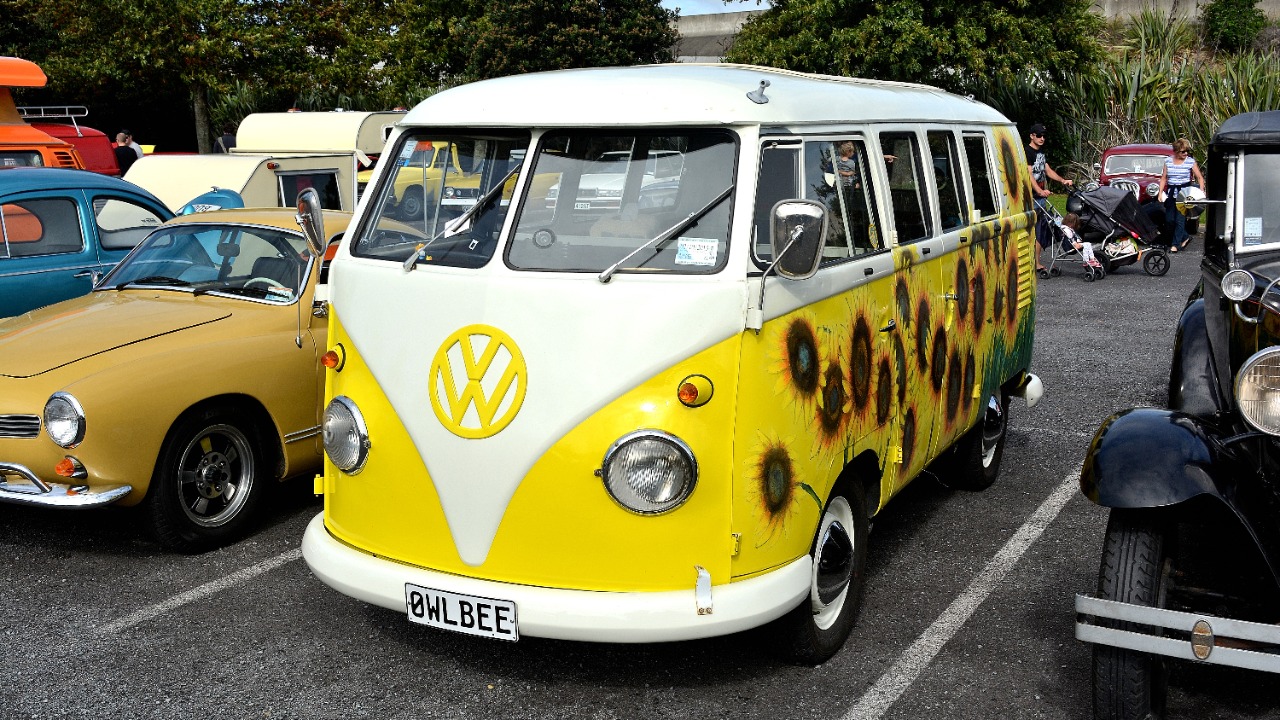
The Volkswagen Type 2, introduced in 1968, redefined the concept of a utility vehicle with its unique design and multifunctionality. Known as the “Kombi” or “Microbus,” this vehicle was not just a means of transport but a cultural icon. Its spacious interior could accommodate passengers and cargo alike, making it popular among families and businesses. The Type 2’s rear-engine layout and distinctive look set it apart from traditional trucks of the time, aligning with Volkswagen’s innovative spirit. Today, it remains a beloved classic, inspiring nostalgia and a devoted following that appreciates its blend of functionality and charm.
More from Fast Lane Only
- Unboxing the WWII Jeep in a Crate
- 15 rare Chevys collectors are quietly buying
- 10 underrated V8s still worth hunting down
- Police notice this before you even roll window down
*Research for this article included AI assistance, with all final content reviewed by human editors.