Willys built its reputation on rugged vehicles designed to keep working under difficult conditions. From military Jeeps to civilian utility vehicles, many Willys models emphasized simple mechanical systems, durable drivetrains, and easy serviceability. These nine vehicles demonstrate why the brand continues to earn respect from mechanics and enthusiasts.
Willys MB
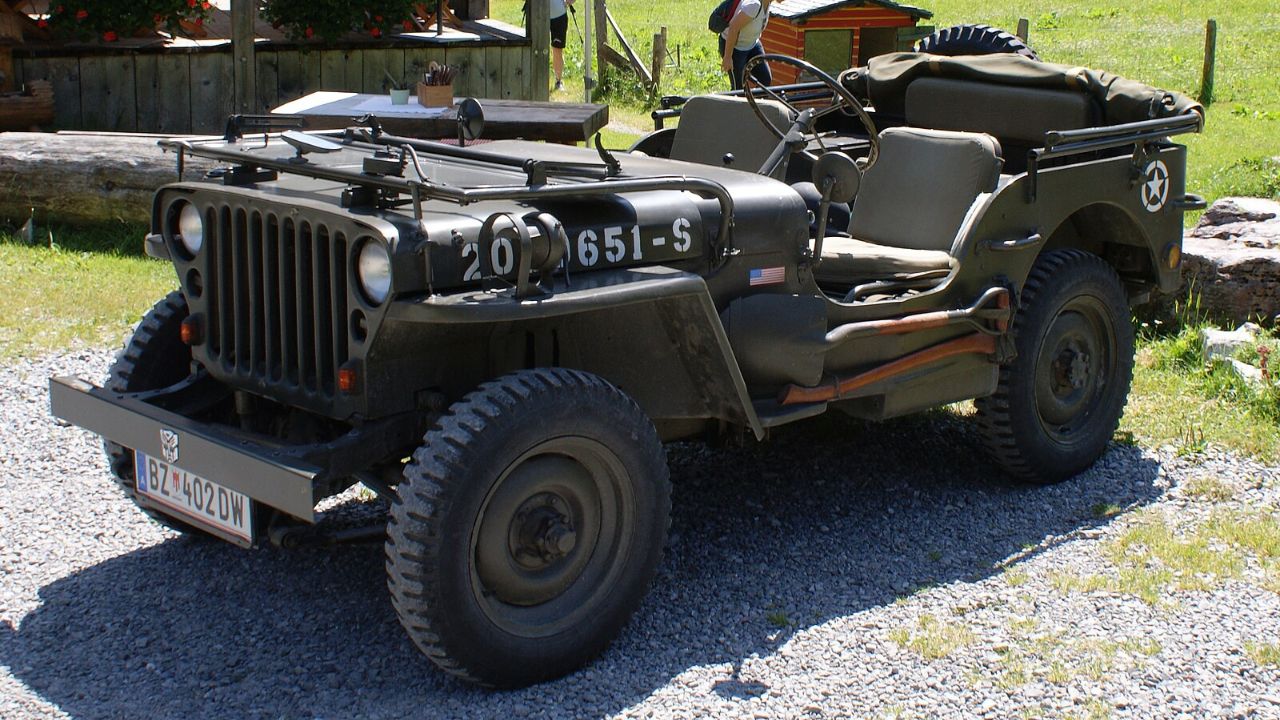
The Willys MB became one of the most important military vehicles of World War II. Its compact four-wheel-drive layout, simple mechanical systems, and rugged construction allowed it to operate in demanding environments. Mechanics continue to appreciate its accessibility because many components were designed for straightforward field maintenance. Its wartime service established the foundation for the Jeep’s enduring reputation for toughness.
Willys CJ-2A
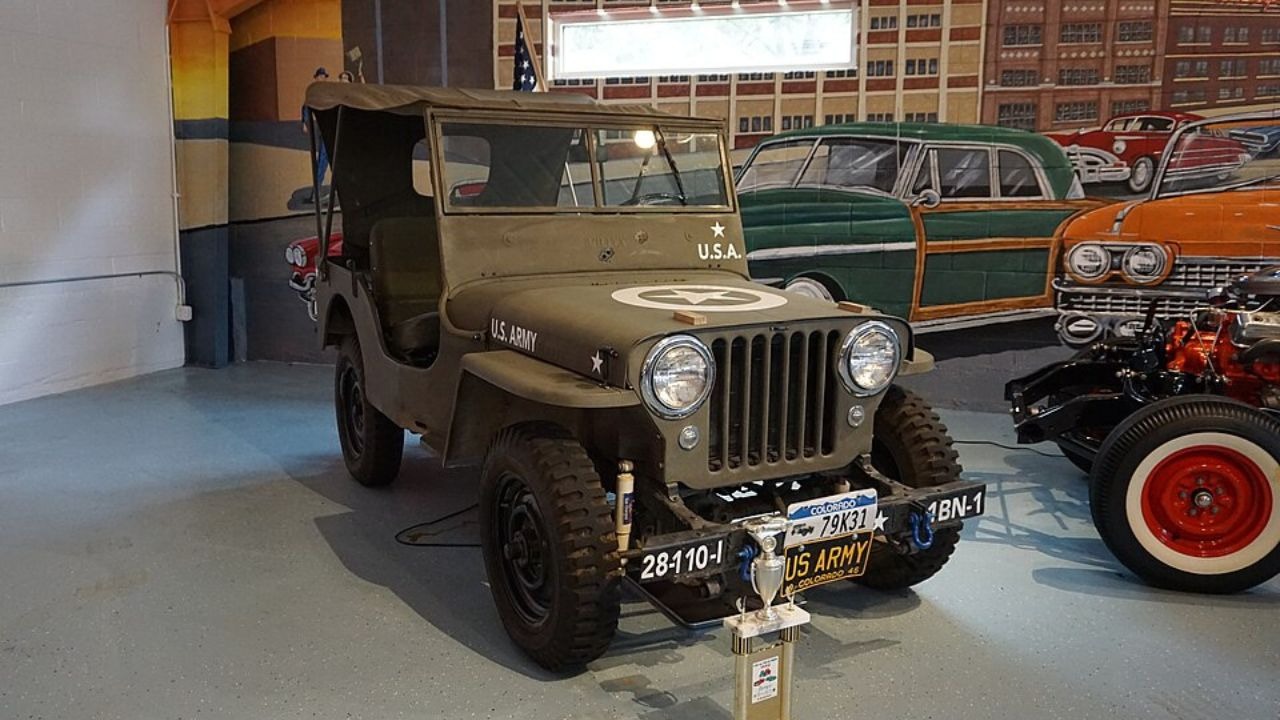
The Willys CJ-2A transformed the military Jeep into a civilian utility vehicle. Its simple four-wheel-drive system, durable chassis, and compact dimensions made it useful on farms, trails, and work sites. The mechanical design remained straightforward enough for owners to perform many repairs themselves. The CJ-2A demonstrated that military-grade utility could be adapted successfully for civilian life.
Willys CJ-3A

The Willys CJ-3A continued the successful civilian Jeep formula with incremental improvements to practicality and usability. Its rugged drivetrain and compact dimensions made it highly capable off-road. The straightforward mechanical design also made servicing relatively easy. For mechanics, the CJ-3A remains a classic example of a vehicle that prioritized durability and usefulness over unnecessary complexity.
Willys CJ-3B
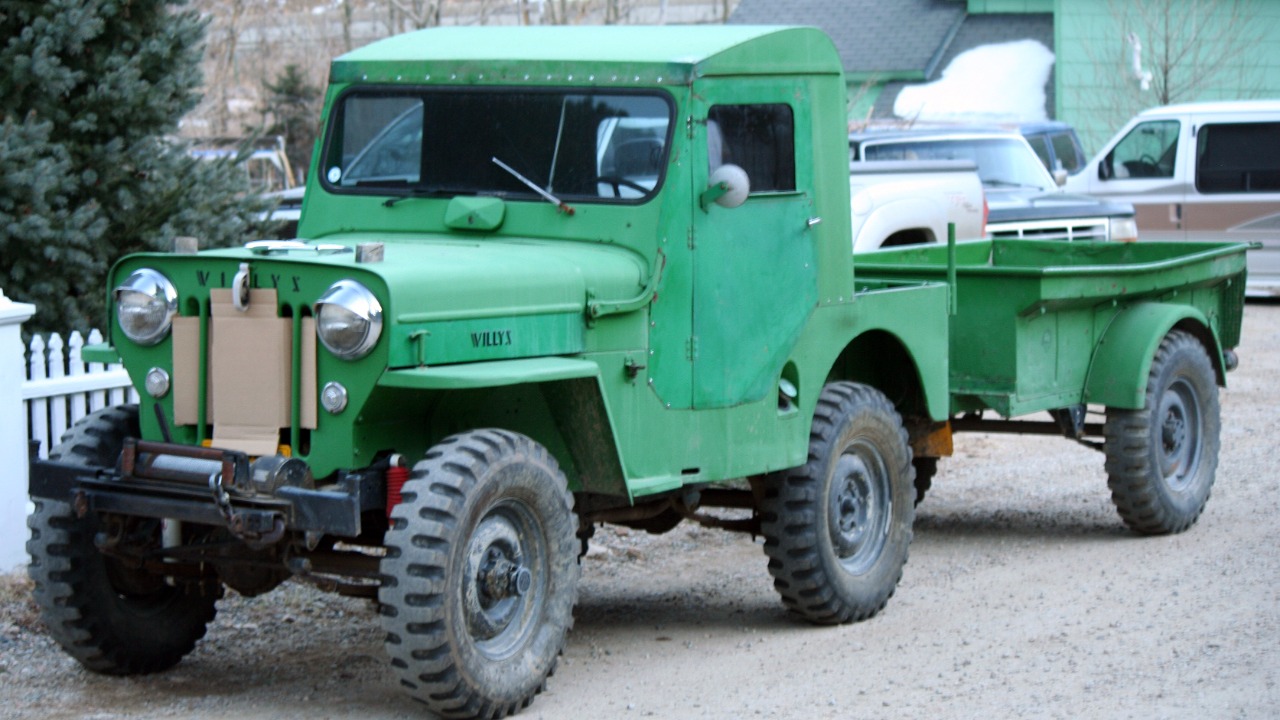
The Willys CJ-3B introduced a taller hood to accommodate the company’s more powerful Hurricane engine. This gave the compact Jeep additional performance while preserving its rugged four-wheel-drive architecture. Its simple construction made it practical for agricultural and utility work. The CJ-3B remains respected for combining mechanical simplicity with genuine off-road capability.
Willys CJ-5
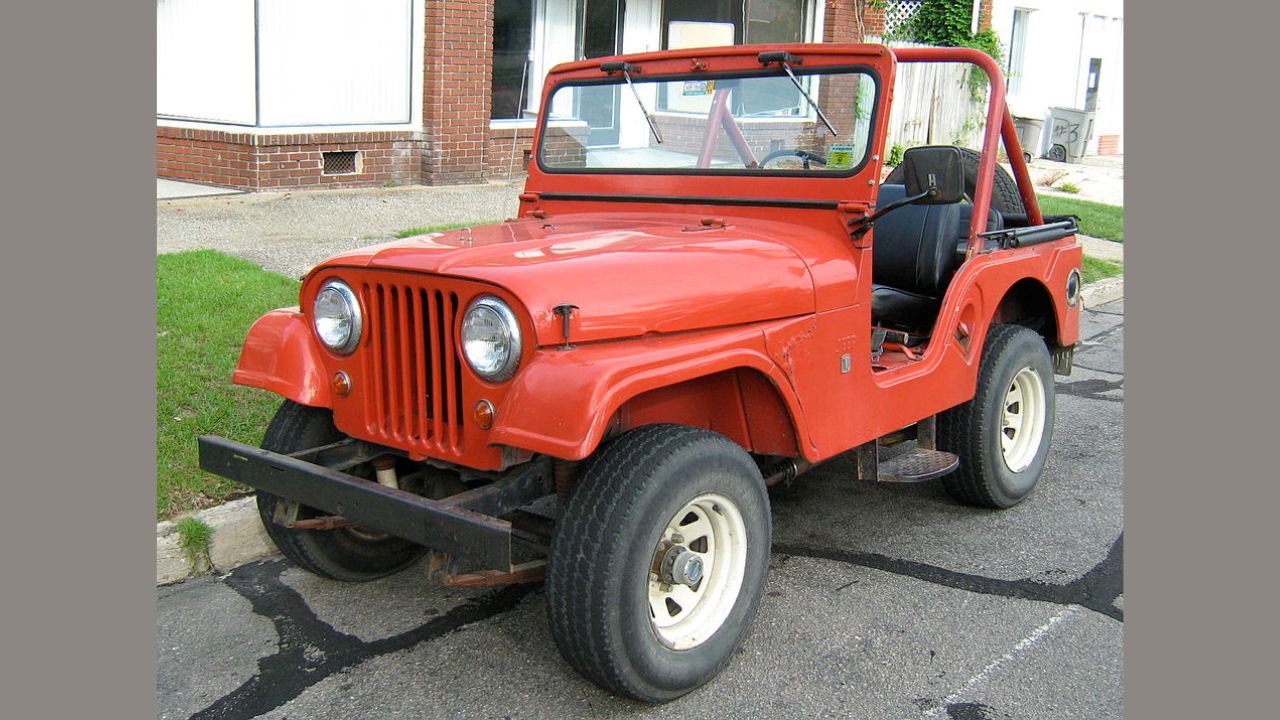
The Willys CJ-5 became one of the longest-running Jeep designs and established a reputation for versatility. Its compact body, rugged four-wheel-drive system, and available engines made it useful for everything from farm work to recreational off-roading. Mechanics appreciate its relatively uncomplicated construction and accessible components. Its durability helped keep many examples working long after newer vehicles had been retired.
Willys Wagon
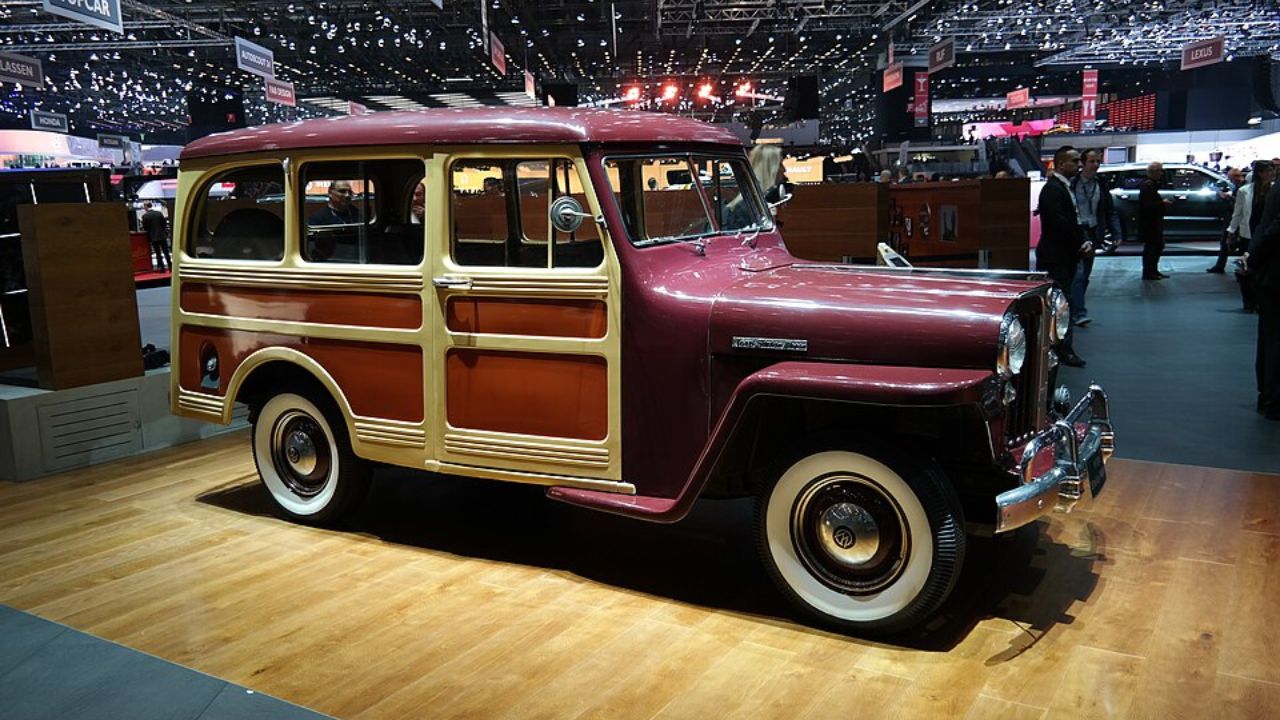
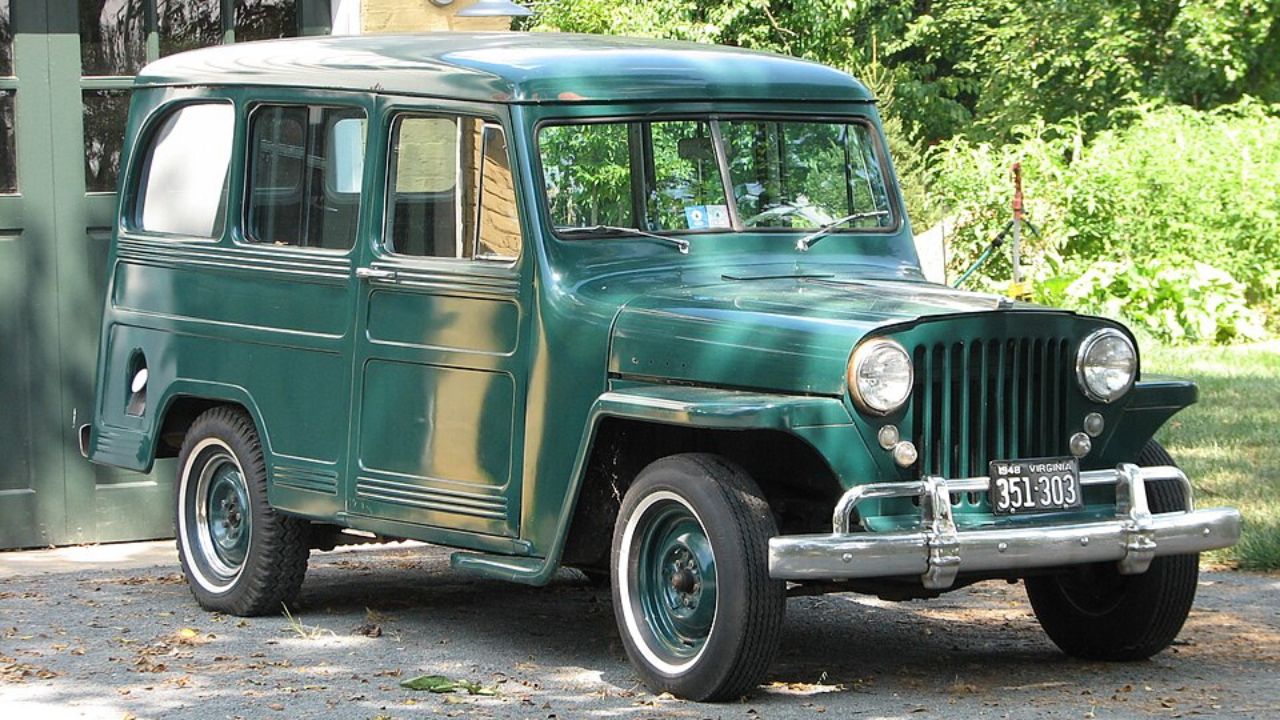
The Willys Wagon helped pioneer the American sport-utility concept with its enclosed body and four-wheel-drive capability. It could serve as family transportation, a delivery vehicle, or a work truck. Its body-on-frame construction and straightforward mechanical systems made it practical to maintain. The Wagon’s versatility helped establish a formula that would eventually influence the modern SUV.
Willys Truck
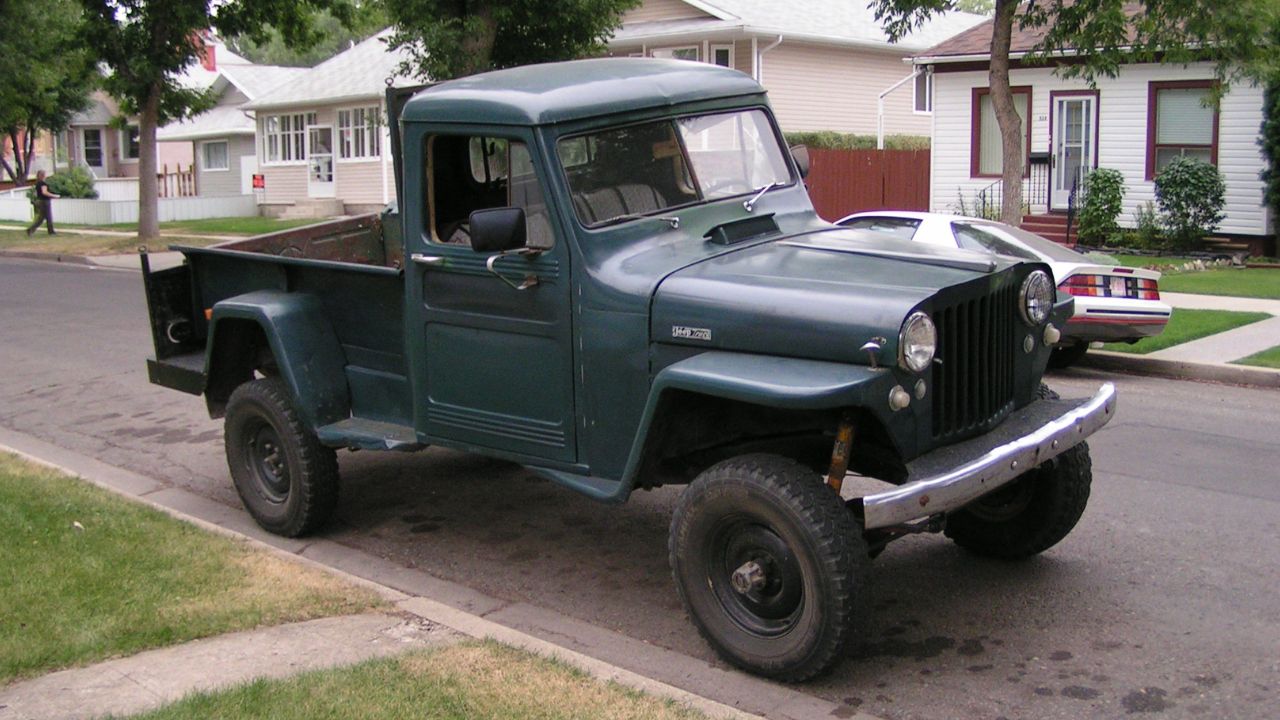
The Willys Truck combined the company’s compact four-wheel-drive engineering with the practicality of a pickup. Its rugged chassis and simple drivetrain made it useful for farms, businesses, and remote work. Many were subjected to years of demanding service, which explains why surviving examples are relatively uncommon. Mechanics value the design for its straightforward construction and useful mechanical accessibility.
Willys Jeepster
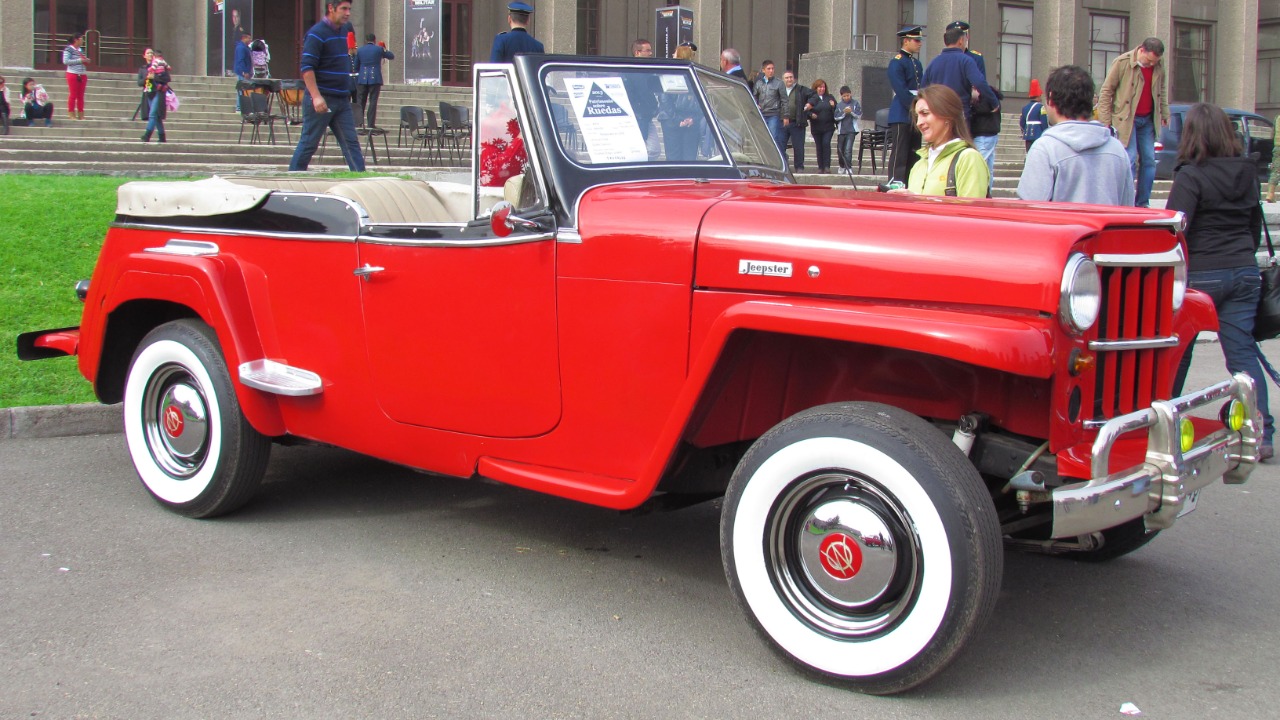
The Willys Jeepster offered a more road-oriented interpretation of the Jeep formula. Its open body, rear-wheel-drive layout, and available four-cylinder engines made it more comfortable on paved roads while retaining the brand’s practical character. Although it was not as successful as the CJ models, its simple construction and unusual design make surviving examples especially interesting.
Willys FC
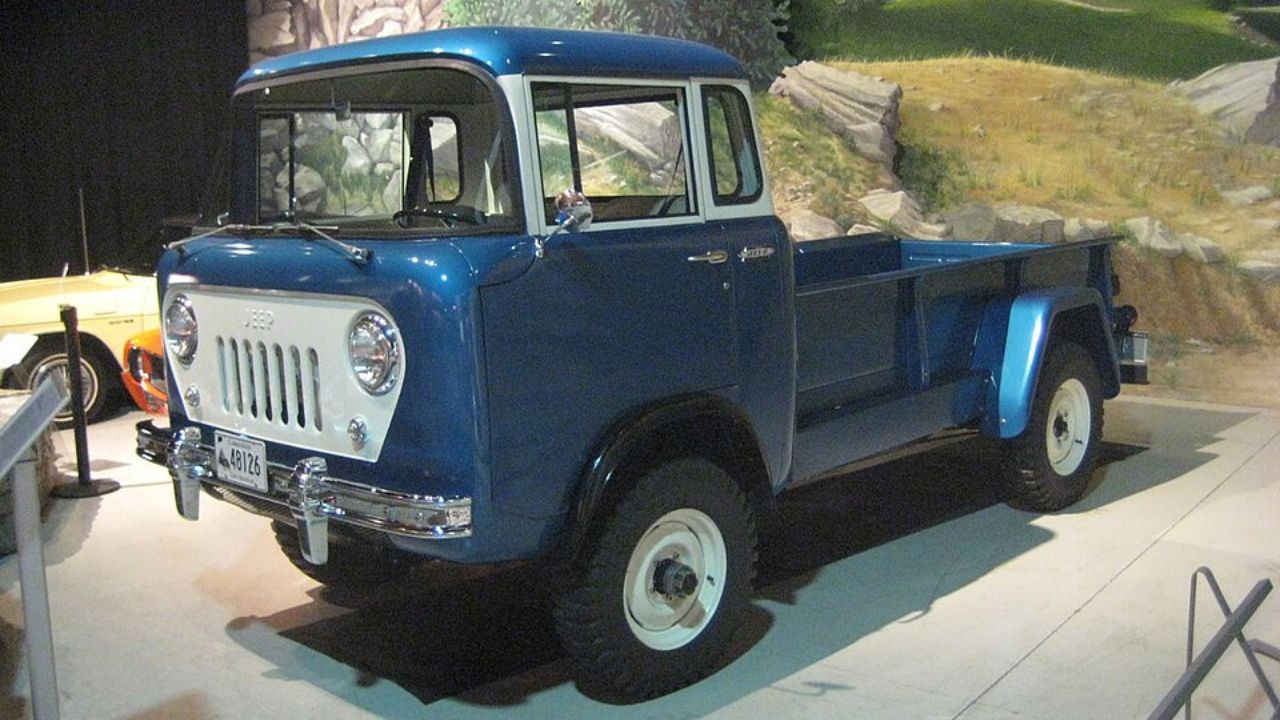
The Willys Forward Control placed the driver directly over the front axle, creating a compact truck with an unusually efficient use of space. Its cab-forward design provided a surprisingly large cargo area for its overall dimensions. Available four-wheel drive added useful capability. Its unconventional layout and straightforward mechanical foundation make the FC a particularly fascinating example of Willys engineering.
More from Fast Lane Only
- Unboxing the WWII Jeep in a Crate
- 15 rare Chevys collectors are quietly buying
- 10 underrated V8s still worth hunting down
- Police notice this before you even roll window down
*Research for this article included AI assistance, with all final content reviewed by human editors