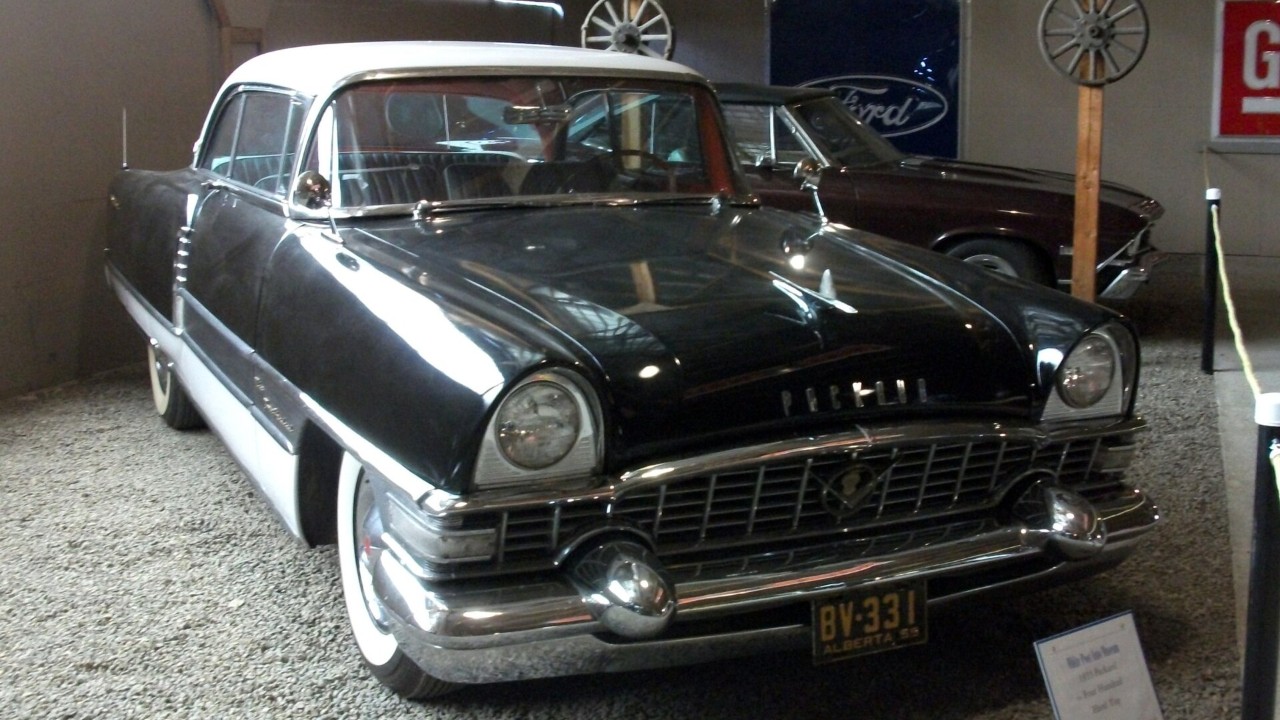
Hot rodding has never been a hobby built around playing it safe. From the earliest backyard-built Model Ts to the wild show cars of the 1950s and the extreme street machines that followed, hot rodders have always found ways to stretch the definition of what a modified car could be. Sometimes that meant squeezing in an engine that seemed far too large. Other times it meant chopping, channeling, sectioning, reshaping, or completely reimagining a body until the original factory design was barely recognizable.
Some of the cars on this list pushed mechanical rules, while others challenged the unwritten rules of appearance and proportion. They were unusual enough to make people argue about whether they were still hot rods at all. That was often exactly the point. These are 18 machines that took traditional hot rodding and pushed it somewhere considerably more radical.
1932 Ford Deuce Coupe
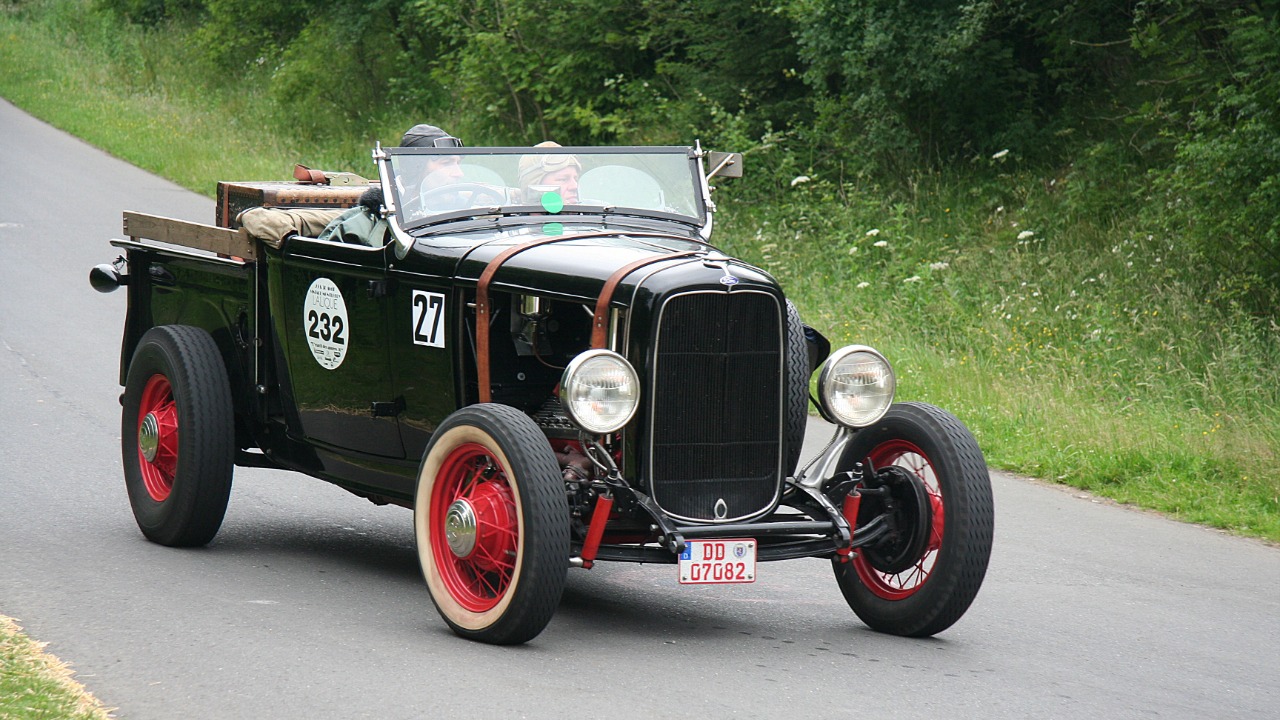
The 1932 Ford Coupe became one of the defining bodies of American hot rodding, but some builders took the familiar Deuce far beyond its traditional formula. The lightweight body, sturdy frame, and enormous aftermarket made it almost impossible for creative builders to leave one alone. Once the fenders disappeared, the roof was chopped, the body was channeled over the frame, and a serious V8 was installed, the humble Ford could look nothing like the production car. What made the radical Deuce so important was that it still retained the basic ingredients that hot rodders understood. It was recognizable, usable, and mechanically straightforward, yet there was enormous freedom in how far a builder could take it. The Deuce effectively became a blank canvas for experimenting with proportions, stance, suspension, engines, and bodywork without completely abandoning traditional hot-rodding roots.
Ed Roth Outlaw
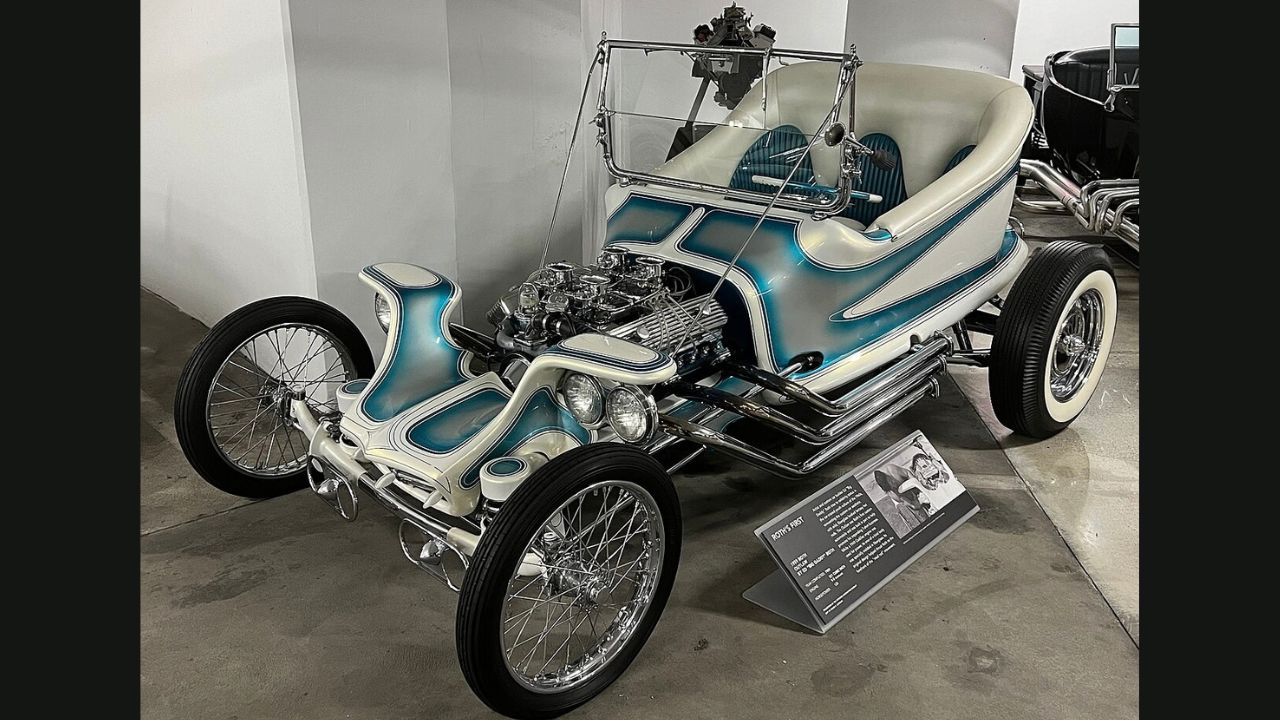
Ed “Big Daddy” Roth’s Outlaw was one of the cars that proved a hot rod did not have to follow conventional proportions to get attention. Built around a hand-shaped fiberglass body, the Outlaw looked more like something from a futuristic illustration than a conventional roadster. Roth created the body himself using unconventional materials and methods, producing a shape that was radically different from the steel-bodied Fords dominating traditional hot rodding. Its Cadillac V8 added serious mechanical credibility to the outrageous appearance. When the Outlaw appeared at the 1960 National Roadster Show, it stood apart even among heavily customized cars, and its influence reached far beyond the show floor. Roth demonstrated that hot rodding could become sculpture as much as mechanical engineering. The car helped open the door for builders who wanted to ignore established body shapes altogether and create something that could not easily be classified.
Ed Roth Beatnik Bandit
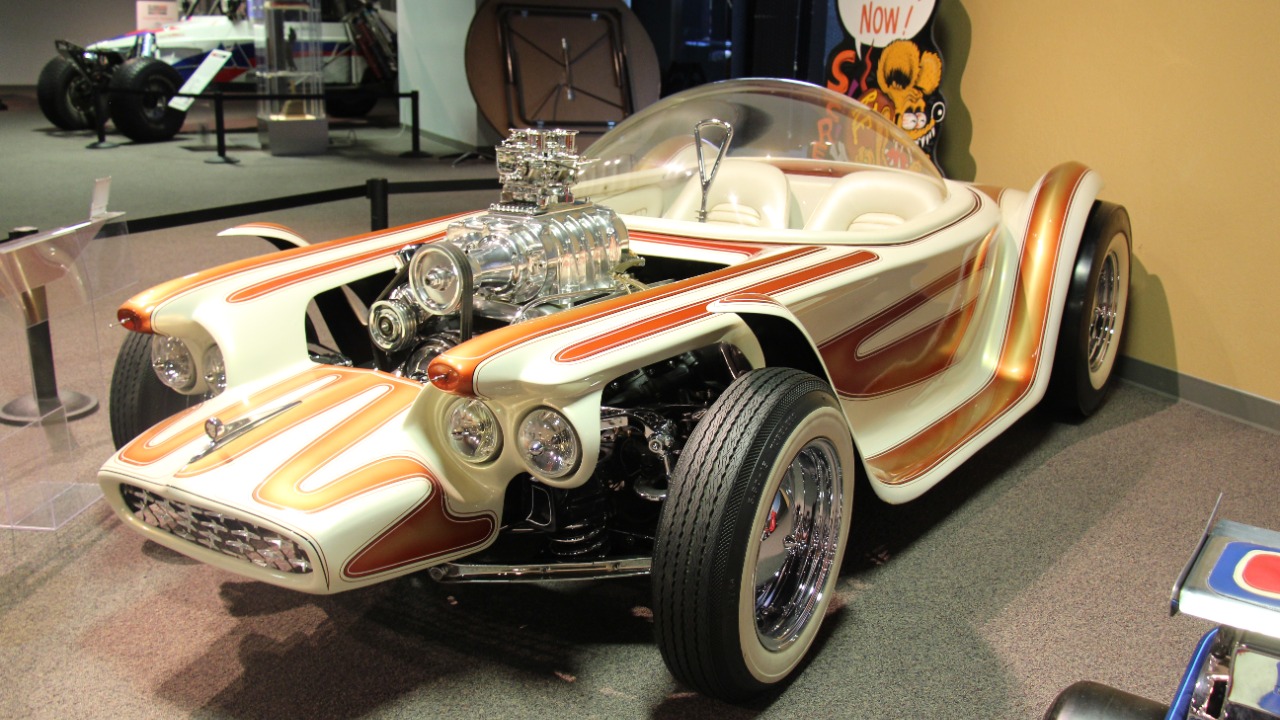
The Beatnik Bandit pushed Roth’s approach even further. Instead of simply modifying an existing production body, Roth created a completely new fiberglass shape with a distinctive bubble canopy and extremely low profile. The enclosed cockpit made the car look more like a futuristic concept vehicle than a traditional American hot rod. Underneath all that visual drama was a real hot rod foundation, including a powerful V8 and custom-built chassis components. The unusual canopy and sculpted body challenged nearly every conventional idea about what a roadster or custom should look like. The Beatnik Bandit also became one of the most recognizable creations associated with the custom-car explosion of the early 1960s. It showed how rapidly hot rodding was moving away from simply making production cars faster and toward building entirely new automotive objects. Roth’s creations helped redefine what “custom” could mean.
Ed Roth Mysterion
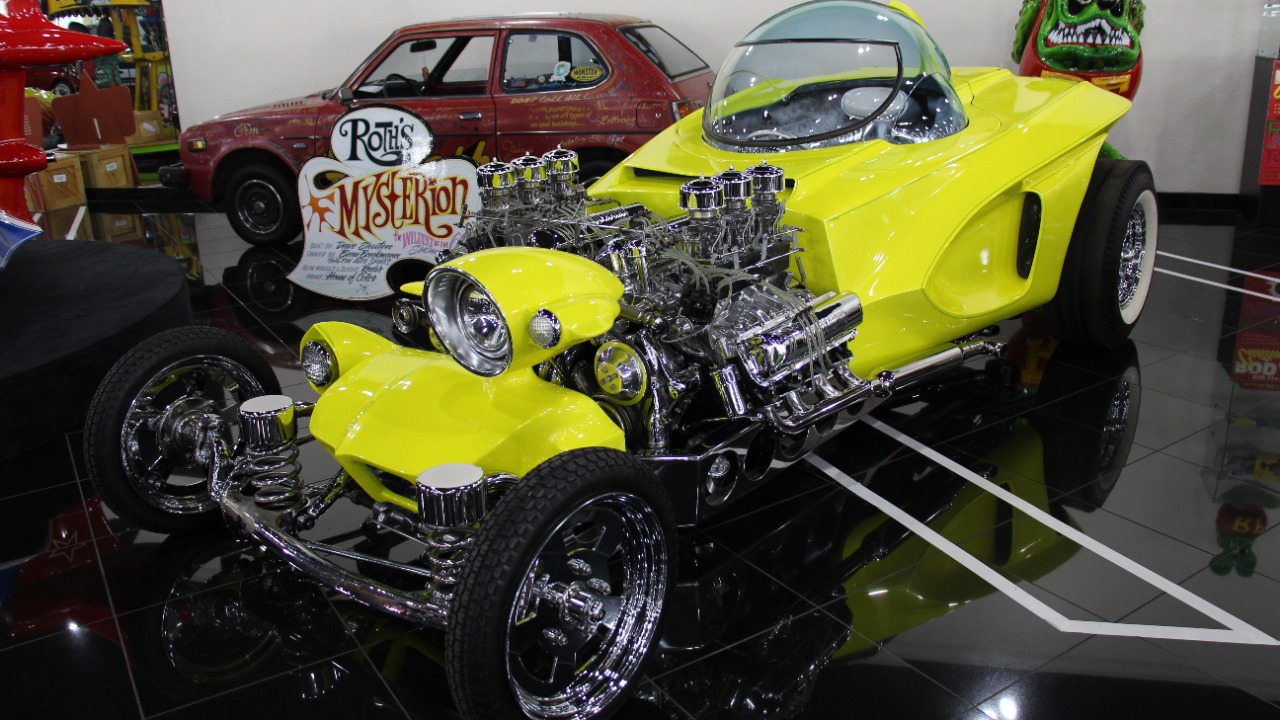
Mysterion was arguably one of Ed Roth’s most outrageous creations, and its radical nature came from both its proportions and its mechanical layout. The long, low body was stretched over a custom chassis, while twin engines supplied the kind of visual drama that few conventional hot rods could match. The car was not simply a Ford with a larger engine dropped into the engine bay. Roth designed the entire machine around the idea that conventional hot-rod proportions could be discarded. Mysterion looked exaggerated from every angle, with an enormous nose, tiny cockpit, and dramatic stance. It belonged to the era when show rods became increasingly theatrical, but it still carried the basic spirit of hot rodding: build something faster, stranger, and more personal than anything coming from a dealership. Even today, Mysterion remains a reminder of just how far builders were willing to stretch the definition of a hot rod.
Ala Kart

The Ala Kart started life as a 1929 Ford Model A pickup, but very little about the finished machine resembled an ordinary pickup truck. Built by George Barris for Bob Hirohata, the Ala Kart became one of the most influential show rods of the 1950s. Its body was heavily modified, the bed was reshaped, the front end was dramatically altered, and the entire truck was given a low, elegant stance that made it look more like a purpose-built custom than a commercial vehicle. The paint and interior were just as extravagant, helping establish the formula that would define high-level show rods for years. What made the Ala Kart particularly radical was that it did not simply follow the traditional hot rod recipe of a chopped Ford with an exposed engine. It combined pickup-truck origins with custom-car styling and show-car extravagance, blurring categories at a time when those categories were still fairly rigid.
1936 Ford Roadster
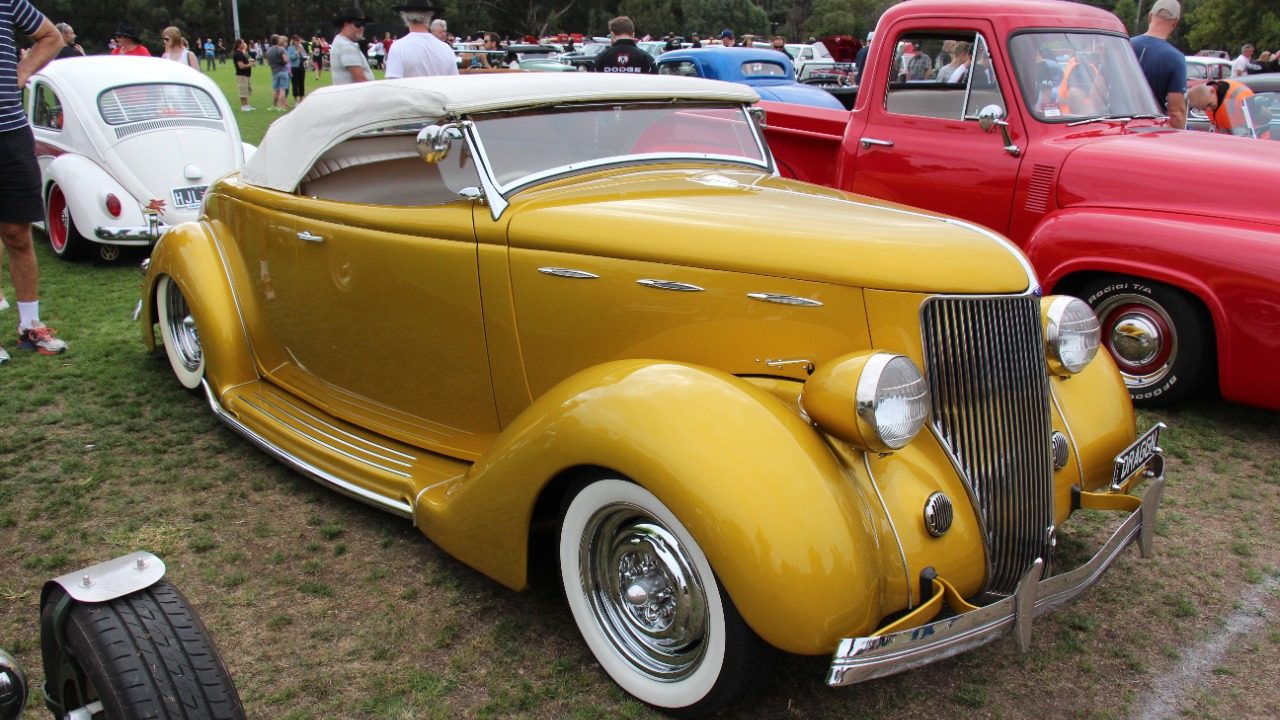
The 1936 Ford Roadster was never as common a hot-rod starting point as the 1932 Ford, which made radical examples even more interesting. Builders who chose the later Ford had to work with a heavier, more complicated body shape, yet talented rodders could turn it into something extremely aggressive. Chopping the windshield, lowering the body, removing the fenders, and fitting a powerful V8 completely changed the car’s character. The long hood and rounded grille gave the finished rod a very different personality from a Deuce. Some builders went further with extreme channeling and custom suspension work, making the body sit unusually low over the frame. The result could look almost cartoonishly fast even when sitting still. The 1936 Ford proved that traditional hot rodding did not have to revolve around one specific year or body style, and it gave builders another platform for pushing the boundaries of proportion.
1934 Ford Coupe
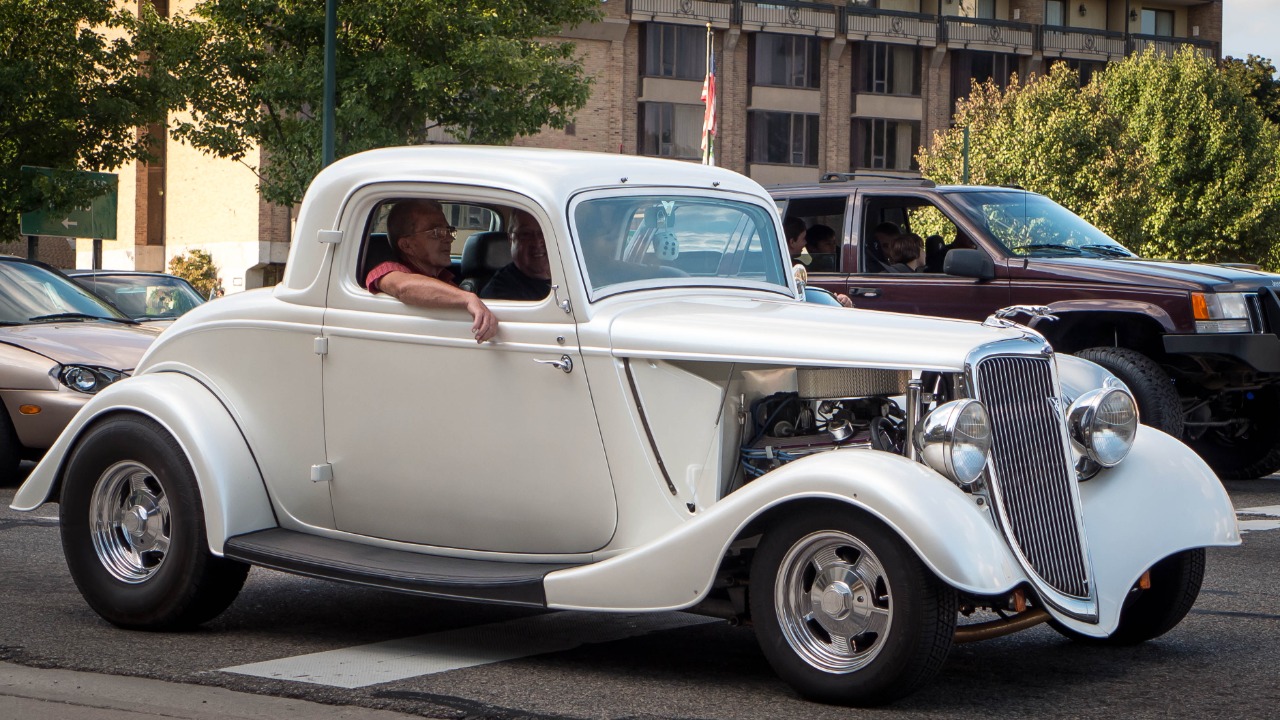
Few traditional hot rods have been transformed as dramatically as a heavily chopped 1934 Ford Coupe. The original Ford had a fairly upright passenger compartment and substantial fenders, but radical builders stripped away those familiar features and concentrated on creating a lower, more aggressive silhouette. Roof chops could be severe, while sectioning and channeling made the body appear much closer to the ground than Ford ever intended. Underneath, the cars could carry modern V8 power, custom suspension, and brakes that transformed their performance. The 1934 Ford also became a favorite for builders who wanted something recognizable but slightly different from the ubiquitous 1932. That distinction mattered in a world where individuality was one of the central principles of hot rodding. A well-executed ’34 could still be unmistakably traditional while looking so heavily altered that it seemed to have escaped from a custom-built racing machine.
1940 Willys Coupe
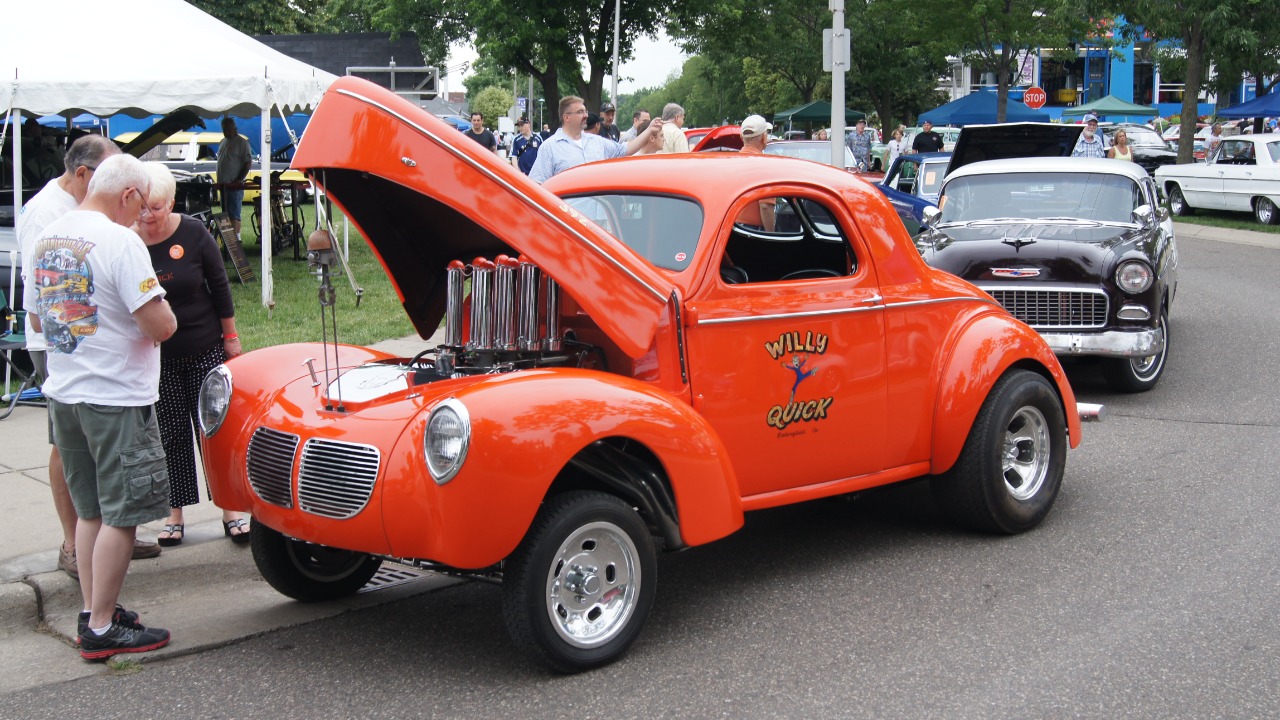
The 1940 Willys Coupe took hot rodding in a completely different direction because its lightweight body became particularly attractive to drag racers. The little Willys was never intended by its manufacturer to become a terrifying straight-line machine, but its compact dimensions and relatively light weight made it an excellent candidate for serious engine upgrades. Once builders started fitting powerful V8s, radically altered suspension, large rear tires, and aggressive gearing, the humble coupe became a weapon. The proportions became even more dramatic when the front end was raised and the rear tires grew enormous, creating the classic gasser appearance. Willys coupes became associated with the hard-edged drag-racing culture that developed during the 1960s. They showed that a hot rod could be radical because of what happened underneath the body rather than simply because of custom bodywork. The little Willys helped establish the visual language of the gasser that remains instantly recognizable today.
1941 Willys Coupe
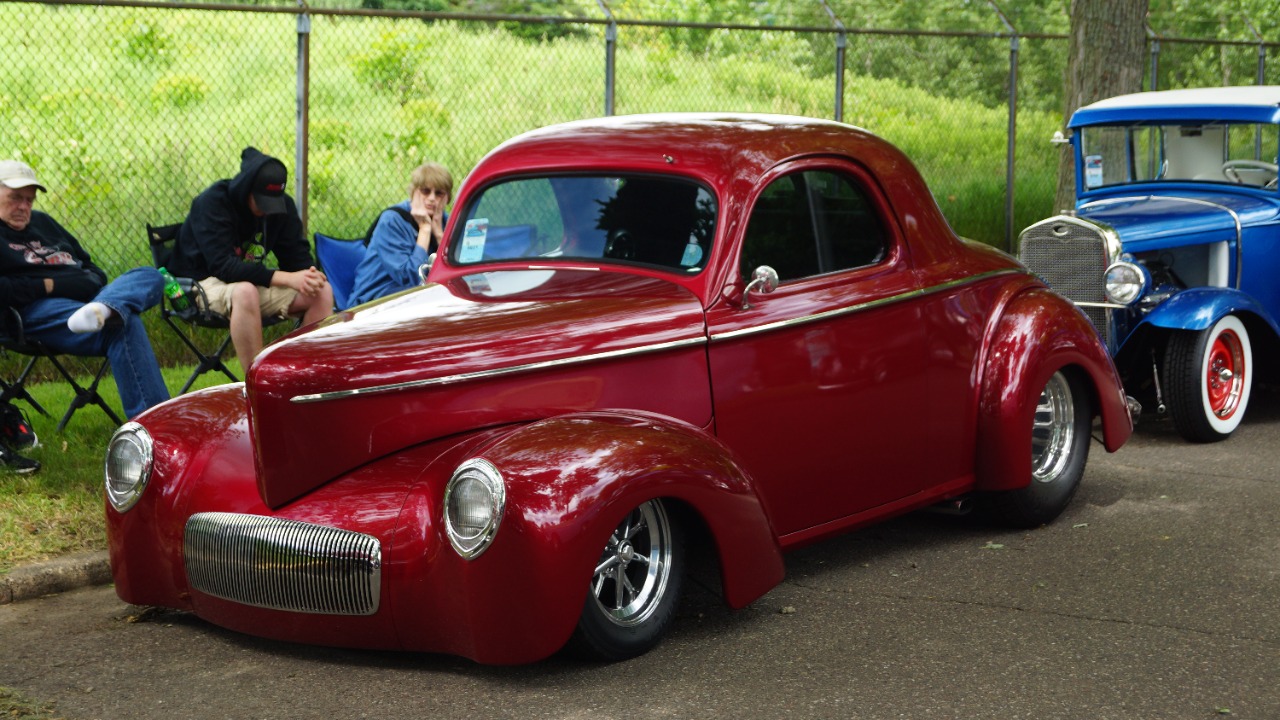
The 1941 Willys Coupe took the lightweight gasser formula and pushed it into even more aggressive territory. With a compact body, powerful V8, raised front suspension, and massive rear tires, these cars often looked almost physically incapable of remaining on the ground. That appearance was not entirely misleading. Early drag racing rewarded experimentation, and racers were constantly searching for ways to improve weight transfer and traction. The result was a class of Willys-based hot rods that looked nothing like ordinary street cars. Fiberglass replacement bodies eventually became common in racing, further separating the competition versions from their factory origins. What makes the ’41 Willys especially important is the way it demonstrated that hot rodding could evolve from backyard customization into a specialized form of motorsport engineering. The cars became increasingly extreme as racers learned how to exploit chassis setup, engine power, tire technology, and weight distribution.
1949 Mercury Coupe

The 1949 Mercury Coupe became one of the most radical custom-car platforms of the postwar era. The most famous examples were heavily chopped, sectioned, shaved, and lowered until the original Mercury silhouette was transformed into something dramatically smoother and more sinister. The 1951 Hirohata Mercury became one of the best-known examples, with extensive body modifications that included a radically lowered roof, reshaped grille, shortened trim, and carefully integrated bodywork. These cars pushed the limits because they challenged the idea that a factory body should remain recognizable. Builders were not simply adding parts anymore. They were redesigning the car itself. The Mercury’s long, smooth body also gave customizers plenty of metal to reshape, making it ideal for extreme alterations. The result became one of the defining looks of the traditional custom movement and helped establish the chopped Mercury as a symbol of radical American customization.
1951 Hirohata Mercury
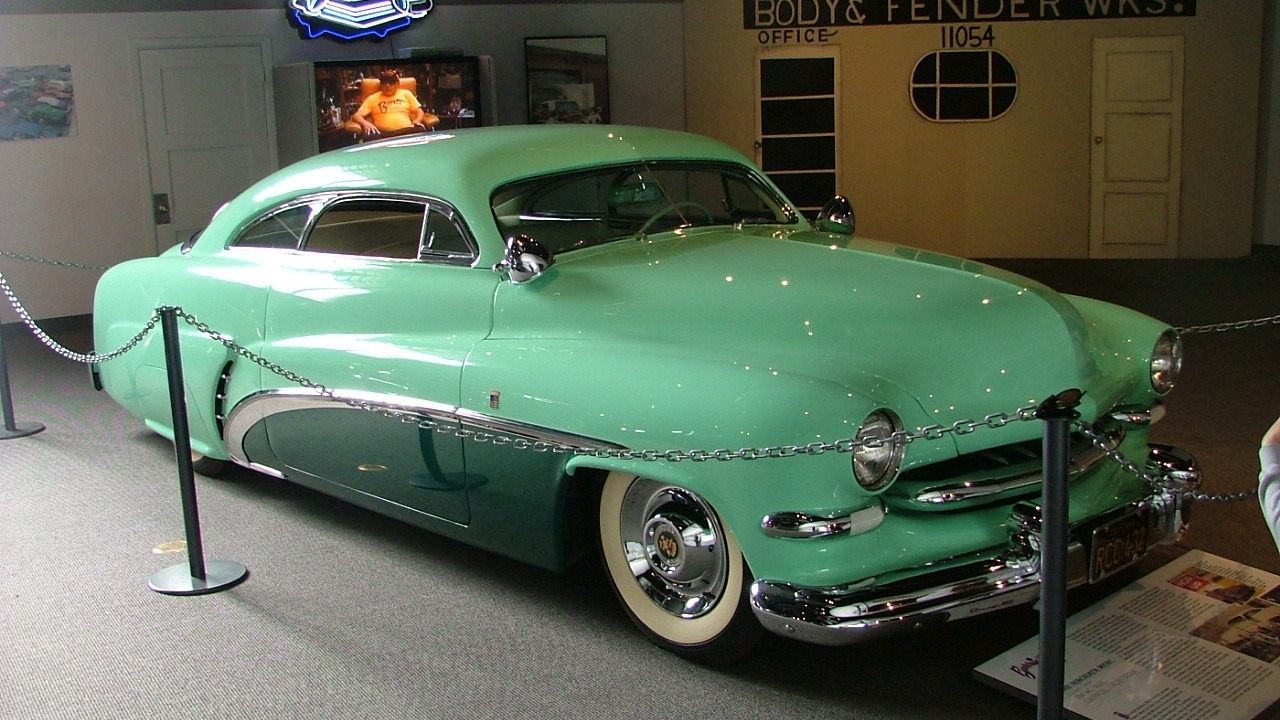
The Hirohata Mercury deserves its own place because it took the custom-car formula to an extraordinary level without losing the elegance that made the design work. Built by Barris Kustoms for Bob Hirohata, the car received a heavily chopped roof, reshaped grille treatment, frenched headlights, modified trim, and extensive body smoothing. The work was detailed enough that the individual modifications blended into a coherent overall design rather than appearing as a collection of unrelated tricks. That distinction is important because pushing the rules of custom design is easy when anything goes. Making a radical car look intentional is much harder. The Hirohata Mercury became a benchmark for customizers because it demonstrated that extreme body modification could still produce a balanced car. It also helped cement the Mercury’s place as one of the most influential platforms in American custom-car history.
Barris Golden Sahara
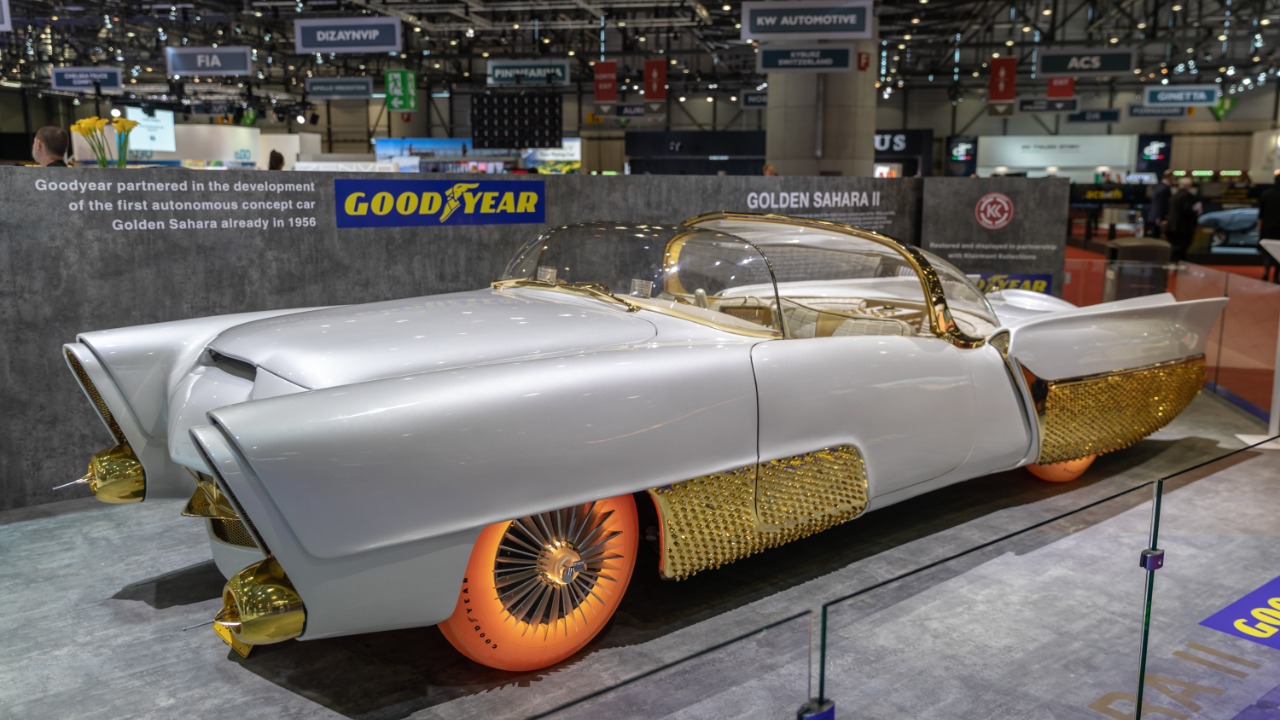
The Golden Sahara was less a conventional hot rod than a rolling experiment in what a custom car could become. Built from a 1953 Lincoln Capri, the car was extensively modified before being transformed into the spectacular Golden Sahara II. Its body was covered in shimmering gold-colored treatment, while the car incorporated unusual controls, custom wheels, futuristic styling, and a collection of experimental features. The result looked almost like a concept car from a science-fiction movie. It pushed against traditional hot-rodding rules because the focus had moved beyond speed and even beyond ordinary customization. The car became an exploration of technology, design, and spectacle. That willingness to experiment was a defining characteristic of the era’s wildest show cars. The Golden Sahara showed that a hot rod could become a technological curiosity and a piece of automotive theater at the same time, even if it no longer fit comfortably into the traditional definition of a hot rod.
1960 Chevrolet Corvair Custom
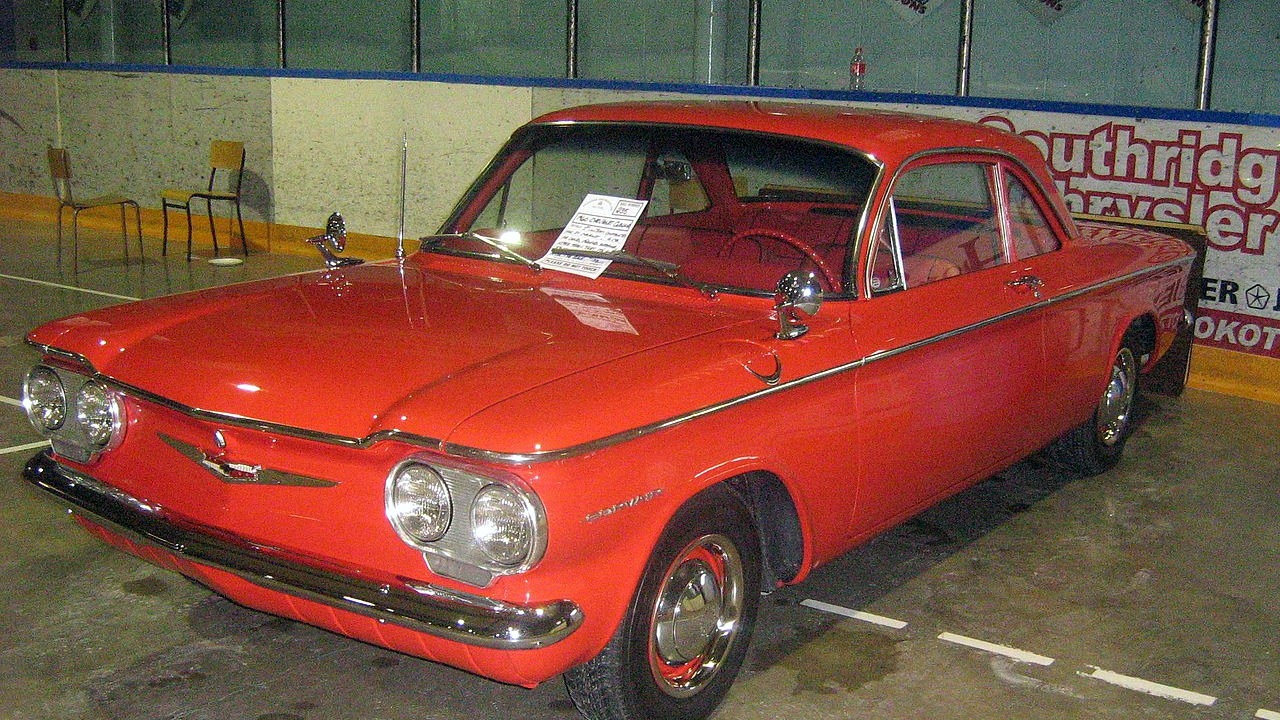
The Chevrolet Corvair was an unlikely hot-rod platform, which was exactly what made radical custom versions so interesting. Its rear-mounted air-cooled engine, compact dimensions, and unusual proportions separated it from the V8-powered Fords and Chevrolets that dominated traditional hot rodding. Builders and customizers who experimented with Corvairs had to rethink many assumptions about how a hot rod should be constructed. The car’s shape also lent itself to futuristic modifications during an era obsessed with space-age styling. Lowering the body, reshaping the trim, and adding custom details could make the Corvair look even more unconventional. It was not necessarily the obvious choice for someone seeking a traditional performance build, but hot rodding has always rewarded people willing to choose something different. The Corvair proved that the unwritten rules of the hobby could be challenged simply by starting with a car nobody expected to see transformed into a serious custom.
1962 Ford Galaxie Custom
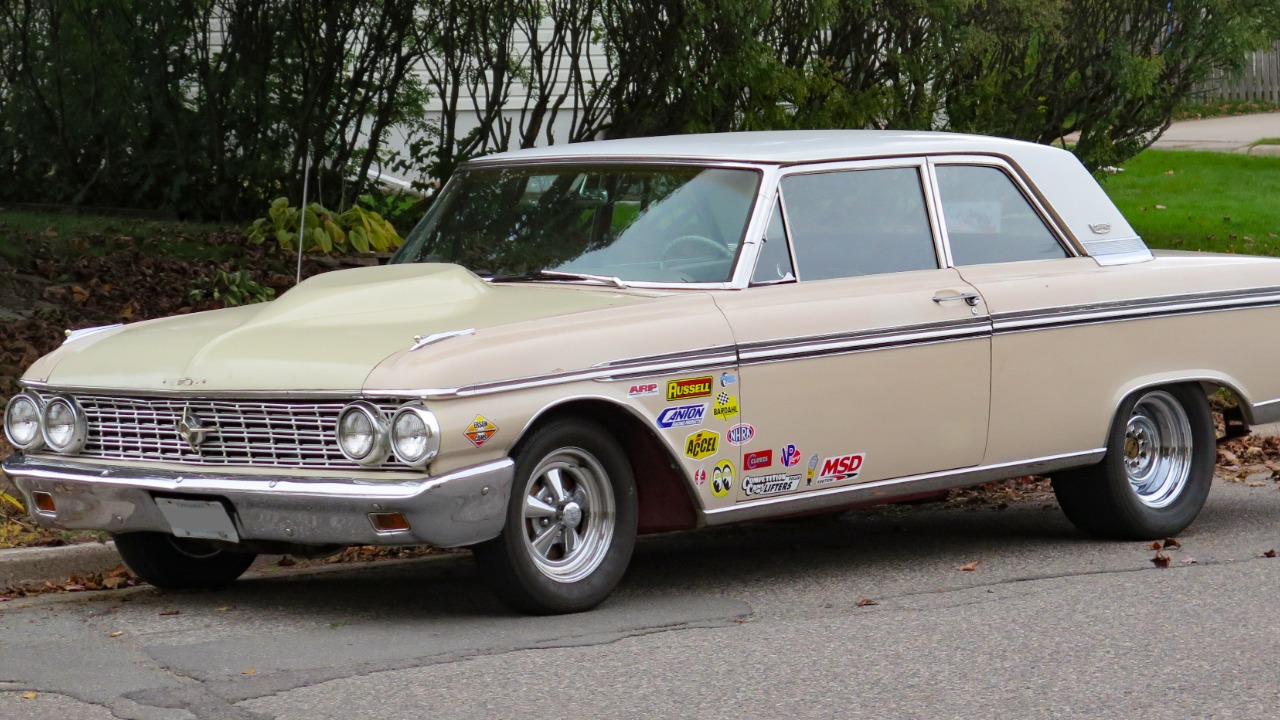
The 1962 Ford Galaxie represented another break from the compact, lightweight cars normally associated with traditional hot rodding. Large full-size Fords were heavy, long, and visually imposing, which made them difficult to transform without creating an awkward result. Yet custom builders did exactly that. Lowered Galaxies with shaved trim, customized grilles, altered roofs, and powerful engines became enormous rolling statements. The sheer size of the car gave builders plenty of room to experiment, while the increasingly powerful V8 options underneath meant that these cars could still deliver serious performance. What made radical Galaxie builds interesting was the way they blurred the line between full-size cruiser and hot rod. They did not fit the classic image of a fenderless Ford roadster, but they captured the same desire to take something ordinary and make it personal. In the hands of the right builder, even a massive family sedan could become a radical custom.
1964 Ford Falcon Gasser
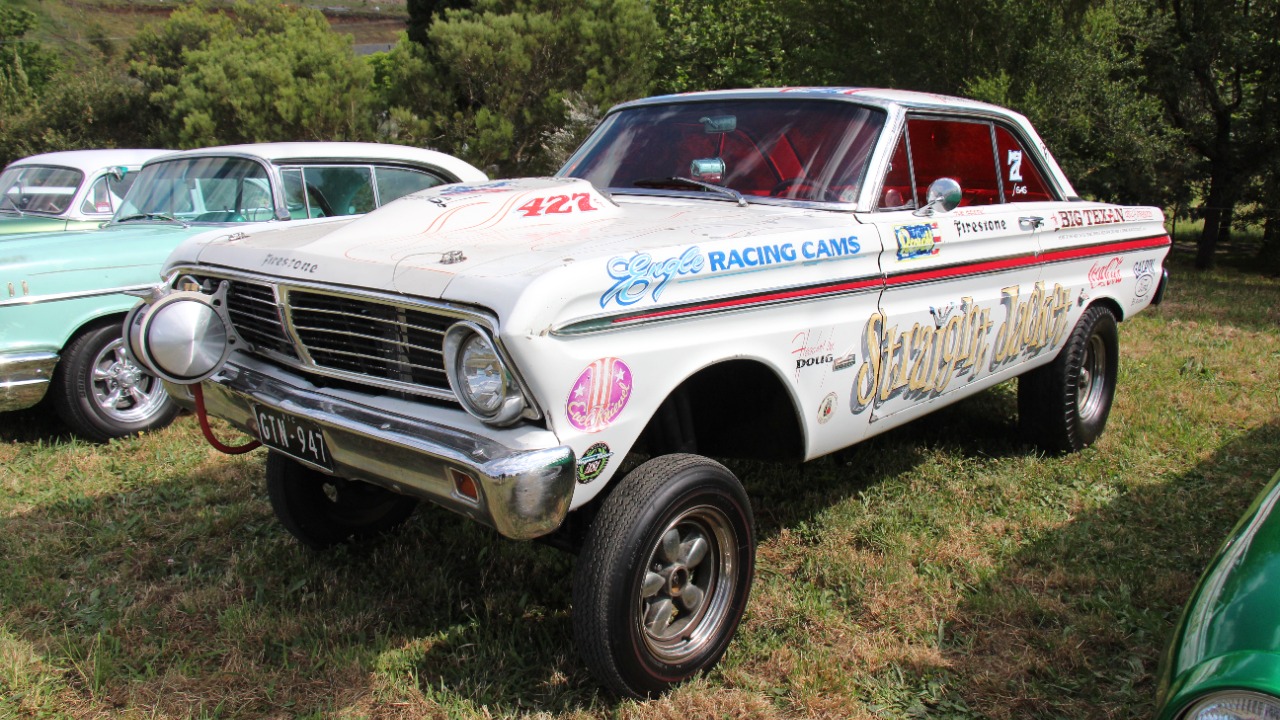
The Ford Falcon was designed as an economical compact, which made its transformation into a serious gasser particularly dramatic. Once racers stripped unnecessary weight, added a high-powered V8, raised the front suspension, and installed wide rear tires, the quiet little commuter became a very different machine. Falcon gassers often carried loud paint schemes, names painted across their flanks, and engine combinations that would have seemed absurd in the original economy car. The contrast between the factory mission and the racing version was part of the appeal. These cars showed how hot rodding could turn almost any platform into a performance machine. The Falcon also benefited from its compact dimensions, which made it easier to build into a lightweight drag car. Rather than following the established image of a sleek roadster, the gasser approach embraced a purpose-built appearance that was deliberately awkward, aggressive, and unmistakable.
1965 Dodge Coronet A990
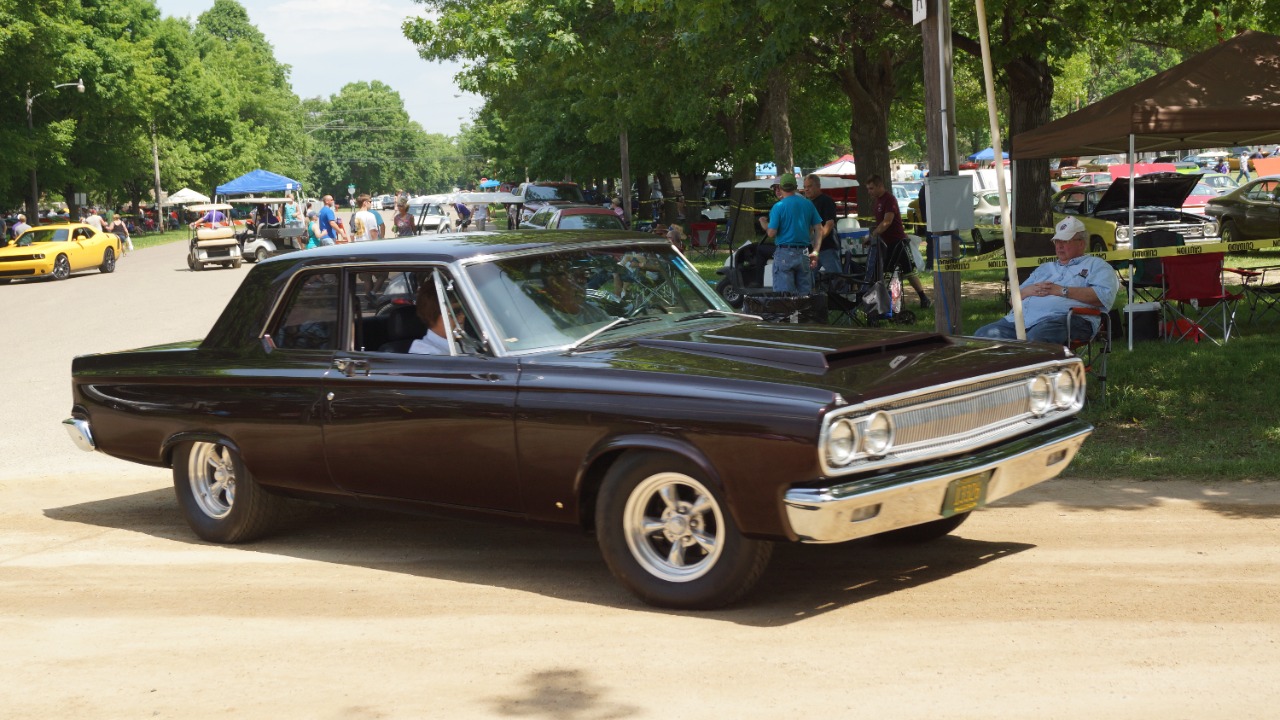
The 1965 Dodge Coronet A990 was born from a period when Chrysler was building cars specifically to dominate drag racing, and its engineering pushed the boundaries of what a factory-based hot rod could be. The A990 package used a race-oriented 426 Hemi and substantial weight-saving measures, including lightweight components intended to improve straight-line performance. Compared with an ordinary Coronet, it was a radically focused machine. The car represented an important change in hot-rodding culture because manufacturers themselves were beginning to build vehicles that looked close to street cars while incorporating serious competition technology. Factory support meant private racers could buy something much closer to a competition machine than previous generations had been able to obtain. The A990 therefore pushed against the boundary between hot rod and race car. It demonstrated that the factory itself could play the same game that backyard builders had been playing for decades, only with considerably larger resources.
ZZ Top CadZZilla
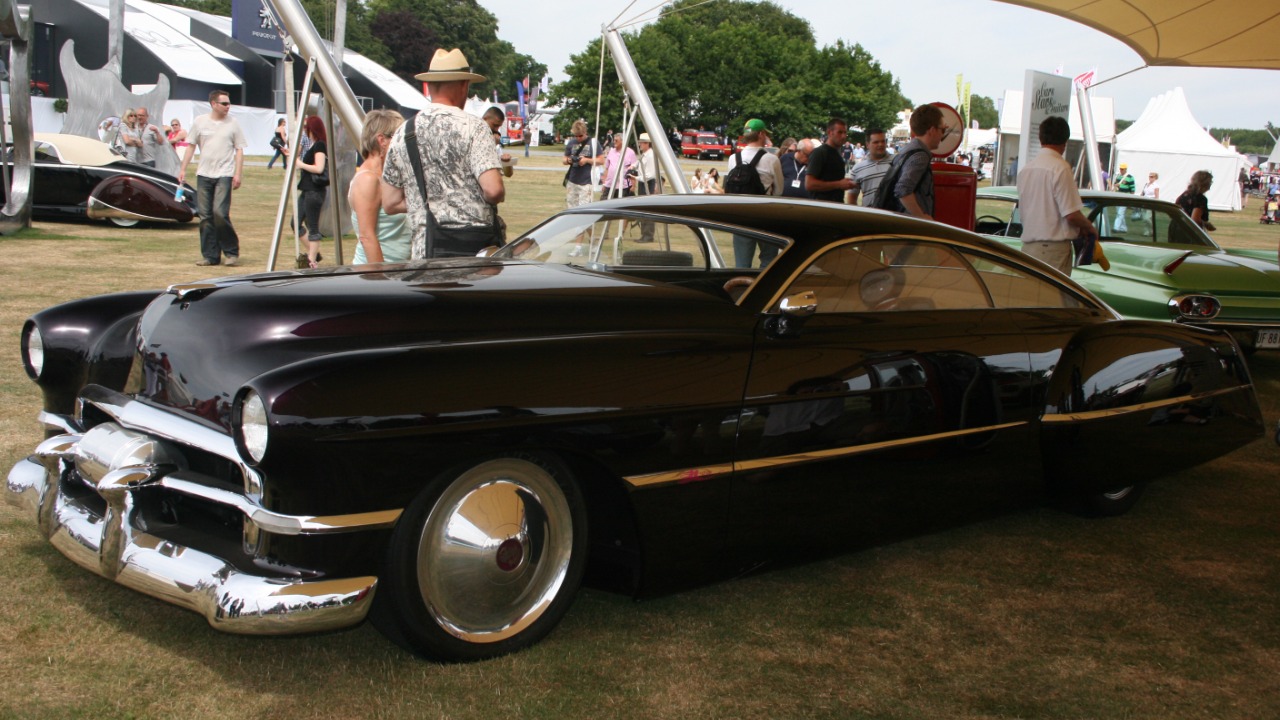
CadZZilla showed that the hot rod could evolve without abandoning its traditional attitude. Built by Boyd Coddington and designed with input from Larry Erickson for Billy Gibbons of ZZ Top, the car was based on a Cadillac but transformed into a completely new shape. The roof was dramatically lowered, the body was heavily modified, and the long Cadillac profile was cleaned up into a sleek, almost futuristic form. Underneath the body was serious mechanical hardware, including a fuel-injected Cadillac V8. The car was radical because it crossed several boundaries at once. It was a custom, but not a traditional lead-sled. It had hot-rod power, but its styling was far removed from the classic Deuce. It looked futuristic without relying on the cartoonish shapes associated with some 1960s show rods. HOT ROD itself highlighted CadZZilla as an example of a car successfully crossing the boundaries between custom and performance-oriented hot rodding.
1969 Chevrolet Camaro Pro Street
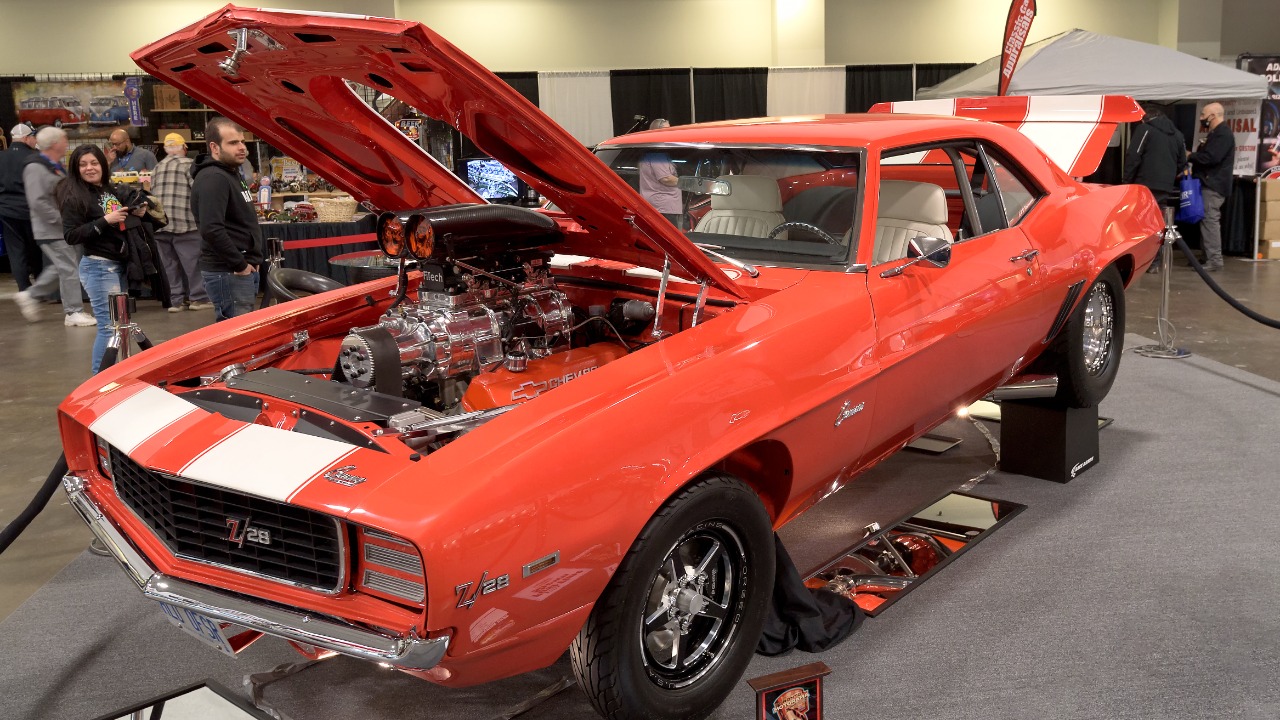
The Pro Street movement took the appearance of a drag-racing car and adapted it to vehicles that could, at least in theory, be driven on the road. The second-generation Camaro became one of the most recognizable platforms for this approach, with enormous rear tires, tubs carved into the body, narrowed rear suspension, roll cages, huge engines, and extremely low stances. These cars pushed the limits of street-car conventions because the modifications necessary to fit massive racing tires often consumed much of the interior and trunk space. The resulting machines could look almost indistinguishable from competition cars while still carrying license plates. The movement eventually became so extreme that hot-rod publications began discussing where the line between street machine and race car should be drawn. HOT ROD’s own coverage acknowledged that the most radical Pro Street cars were often built primarily for shows, cruises, or racing rather than ordinary transportation.