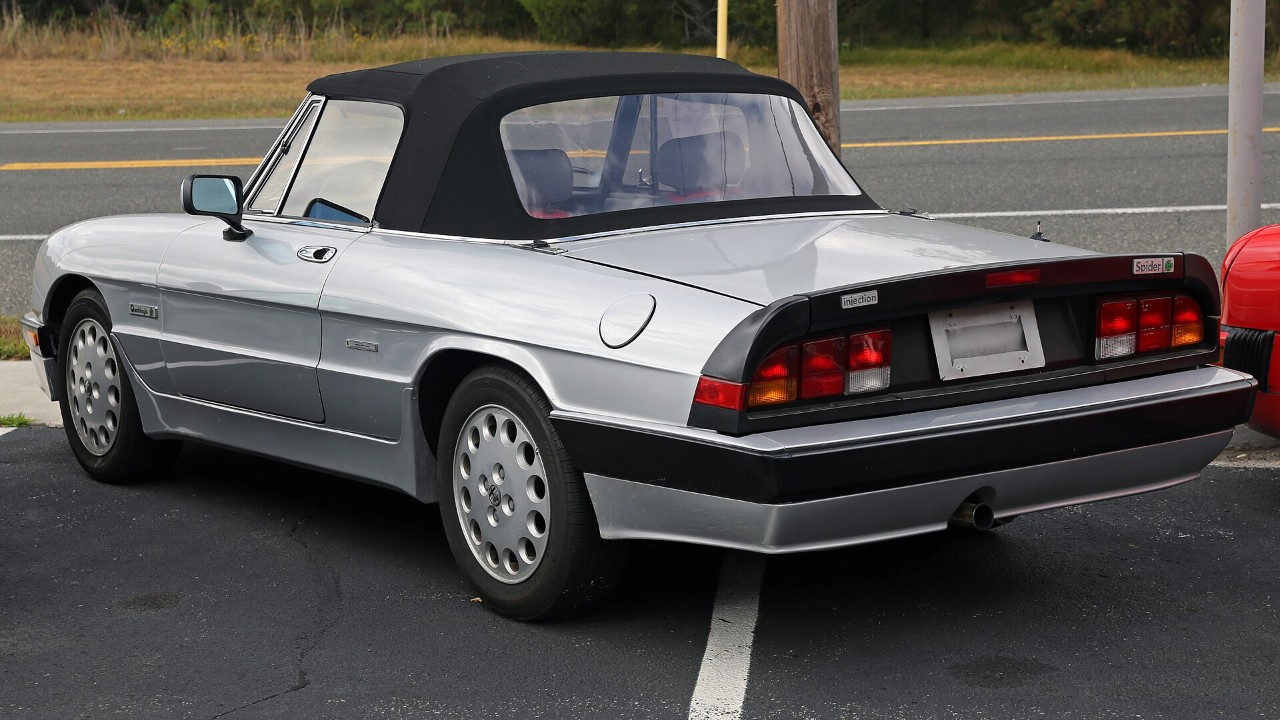
Alfa Romeo built only 2,598 Spiders in Quadrifoglio Verde trim, and the Alfa Romeo Spider Quadrifoglio Verde is a good place to start a list like this. It was the last flashy version of a roadster that had already been in showrooms for two decades. Few people talk about it now.
That happens to a lot of sports cars. A newer model arrives, magazines move on and the older car slips out of the conversation. Some of them deserve better, because they did something clever, won something or simply felt special from behind the wheel.
These are our picks, and the choices are our opinion. We chose a dozen sports cars from Italy, Germany and Japan that we think are worth remembering. Each one comes with a few facts that explain why, drawn from factory figures, auction records and model histories.
1. 1987 Alfa Romeo Spider Quadrifoglio Verde
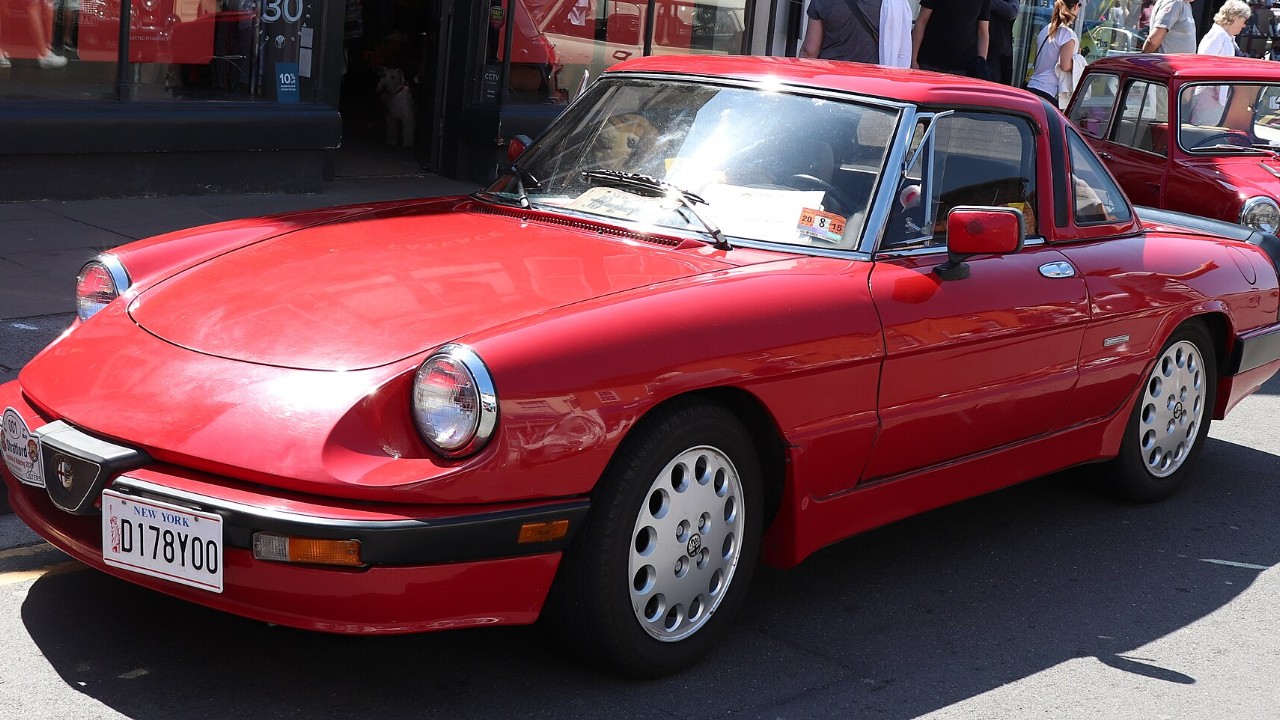
The Spider ran in four series from 1966 to 1993, and Alfa built 124,104 of them. The third series, sold from 1983 to 1989, added black rubber bumpers and a small rubber spoiler on the tail. Alfa built 37,208 of the Series 3 cars. Then, in the middle of that run, the Alfa Romeo Spider Quadrifoglio Verde arrived as the dressed-up version.
It came with side skirts, new mirrors, front and rear spoilers and 15-inch alloy wheels. A trunk spoiler carried a built-in third brake light, and a removable hardtop was optional. Alfa offered it only in red, silver or black. Under the hood sat a 1,962 cc twin-cam four.
In our view, the body kit is an acquired taste. However, the QV is the Spider that looks most like its decade, and it captures the 1980s in a way the earlier cars never could. If you find an Alfa Spider Quadrifoglio Verde with its hardtop, keep it, because the top is part of the package. Long before the QV, a 1966 Series 1 Spider had appeared in the 1967 film The Graduate.
2. 1974 Porsche 911 Carrera 2.7
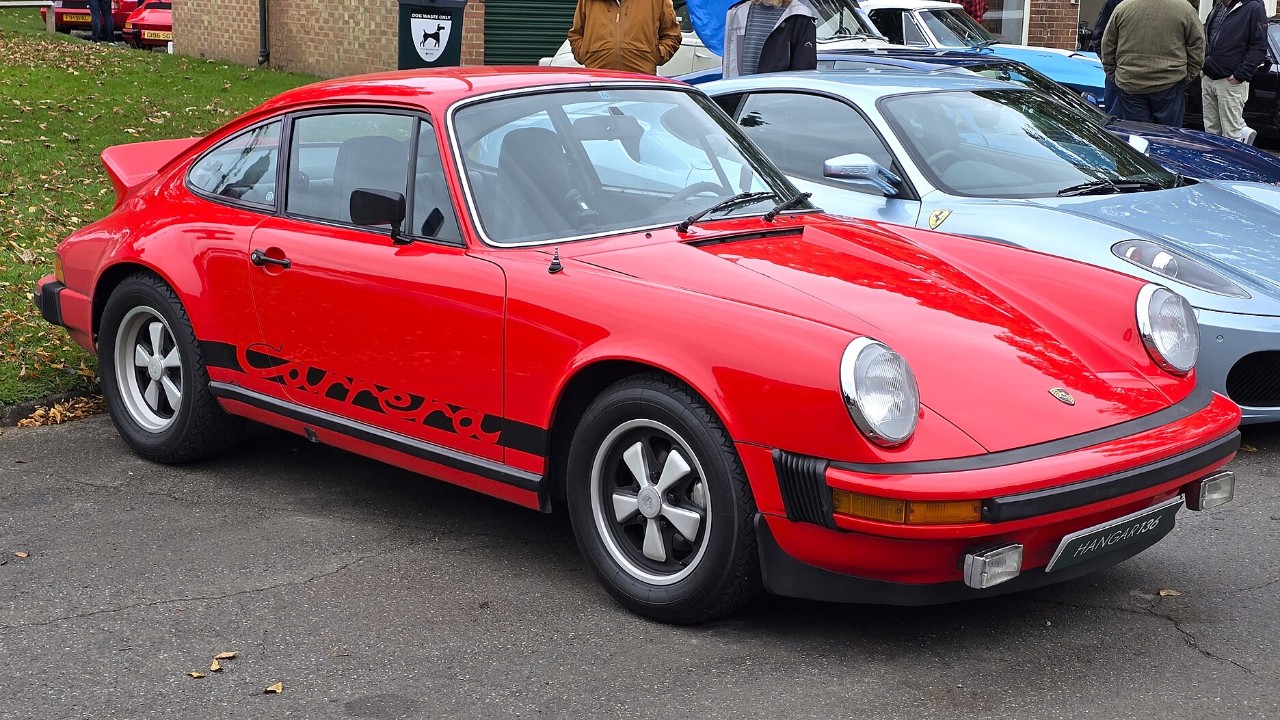
Porsche launched the G-Series 911 for 1974, largely because of new U.S. safety rules. The cars got raised, impact-absorbing bumpers with plastic bellows at the ends. At the same time, the Carrera became the top of the 911 range until the Turbo began production in 1975.
In European form, the Carrera kept a lot of the famous RS 2.7. An RM Sotheby’s catalog entry for a 1974 Carrera 2.7 MFI describes the Type 911/83 flat-six, with 2,687 cc and Bosch mechanical fuel injection. It made 210 hp and ran 0 to 100 km/h in 6.3 seconds when new. Buyers could also order the RS ducktail spoiler. Its rear arches were 21 mm wider on each side, another link to the RS.
Our take: the Carrera 2.7 lives in the shadow of the RS, but it shares the heart of that car. RM Sotheby’s also says the car it offered was one of 1,036 built for Europe in 1974 configuration. That makes it a serious 911 that many people overlook because of its bumpers.
3. 1968 Datsun Fairlady 2000
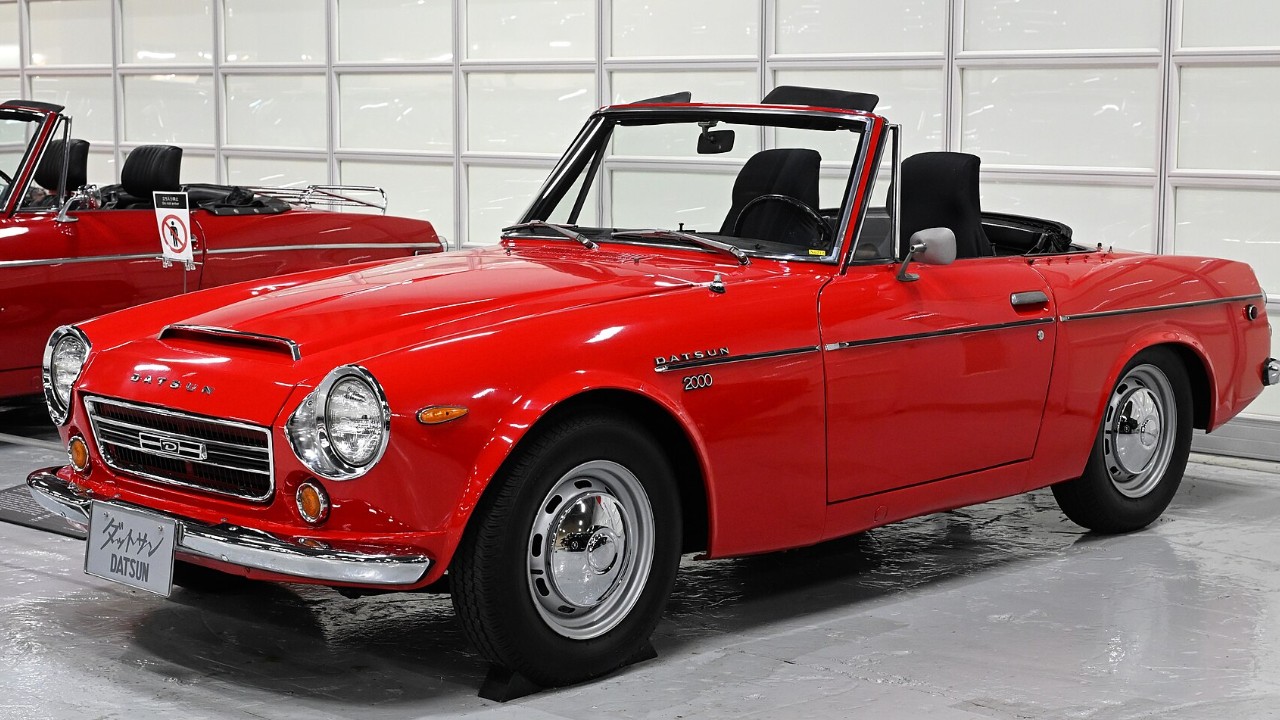
Long before the 240Z, Datsun sold a small roadster called the Fairlady. The 2000 version, known as the SR311, was built from March 1967 to April 1970. It used a 1,982 cc U20 four with an overhead cam and a five-speed manual, which was unusual for a production car at the time.
In original trim it made 135 hp SAE gross. A Competition package with dual carburetors and a hotter cam pushed that to 150 hp. On track, the 1600 and 2000 together won 10 national SCCA championships, with drivers such as John Morton and Bob Sharp. The 2000 kept winning its class even after production stopped. It also carried the lowest sticker price in its class, and first-year cars, of which fewer than 1,000 were built, are the most sought after today.
Our take: the Fairlady 2000 proved Datsun could build a real sports car, and it opened the door for the Z. After all, the 240Z replaced it in 1970. We covered that next chapter in our story on how the 1969 Nissan Fairlady Z changed affordable sports cars.
4. 1995 Nissan 300ZX Twin Turbo
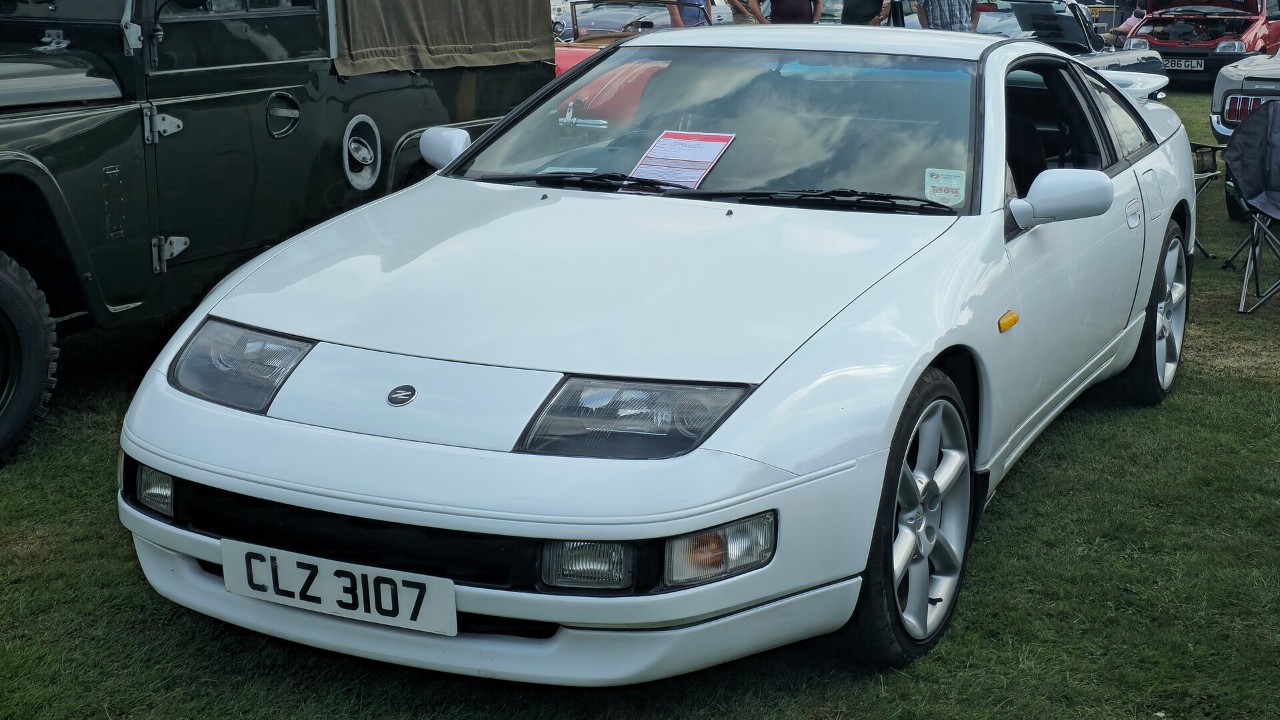
Nissan used a Cray-2 supercomputer and CAD software to design the Z32 300ZX. That made it one of the first production cars developed with that kind of tool. In Japan it carried the Fairlady Z name, linking it to the roadster above.
The Twin Turbo used a 3.0-liter V6 called the VG30DETT, with two Garrett turbos and two intercoolers. It made 300 hp at 6,400 rpm and 283 lb-ft at 3,600 rpm. Cars with the automatic were detuned to 280 hp. It also had Super HICAS four-wheel steering and an adjustable two-mode suspension. Motor Trend named it 1990 Import Car of the Year, and it made Car and Driver’s Ten Best list seven years running, from 1990 to 1996.
In our view, the 300ZX Twin Turbo was too complex for its own good in the long run. Still, it was a technical showcase. Nissan sold more than 80,000 Z32s in North America before sales ended after the 1996 model year. Buy one with records for the turbos and timing belt, because deferred work on a twin-turbo V6 adds up.
5. 1981 Ferrari 308 GTSi
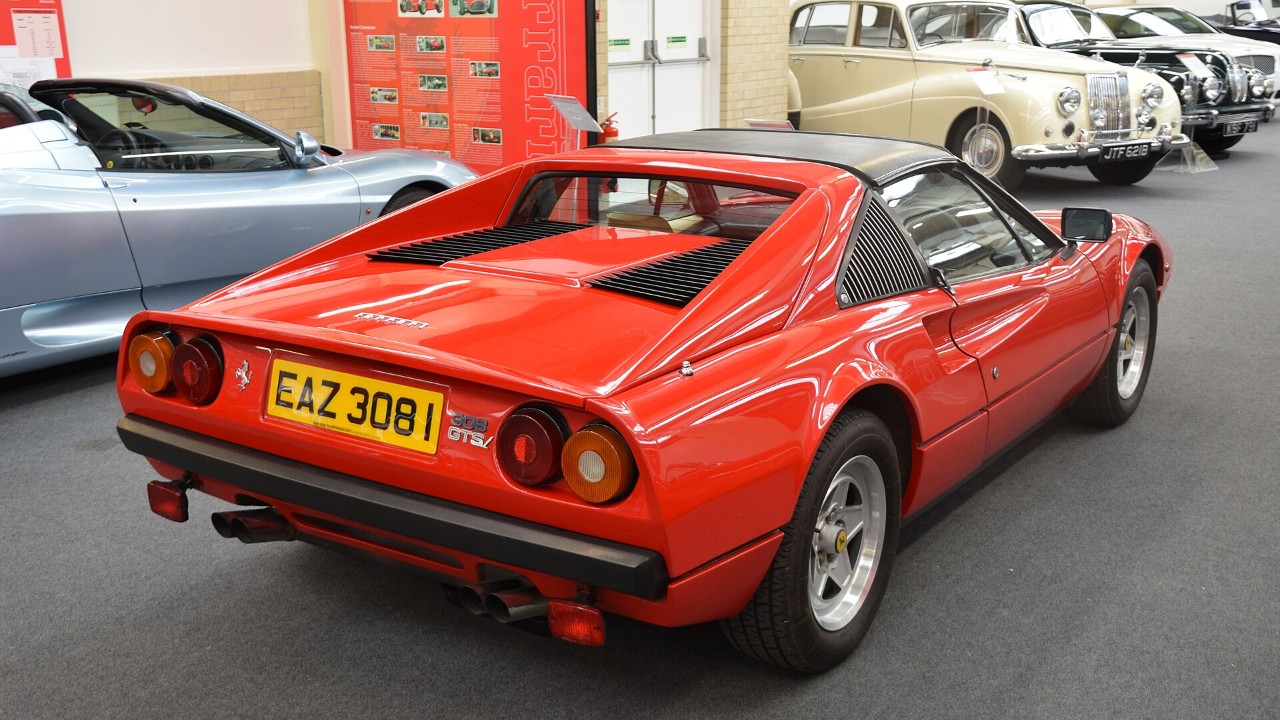
Ferrari showed the targa-topped 308 GTS at the 1977 Frankfurt Motor Show. Leonardo Fioravanti at Pininfarina styled it, and Scaglietti built the bodies. Ferrari had built the first 808 GTBs with fiberglass bodies before switching to steel in June 1977. For 1980, the GTSi swapped the Weber carburetors for Bosch K-Jetronic fuel injection. It made 214 PS in Europe and 205 PS in the U.S.
Ferrari built only 1,743 GTSi models and 494 of the closed GTBi before the four-valve Quattrovalvole replaced them in 1982. A Sports Car Market profile of the 308 GTSi notes that the injected car was a full second slower in the quarter mile than the carbureted version. It also mentions oil consumption trouble on a batch of 1980–81 cars.
Our take: on paper, the GTSi is the slowest 308. Even so, it looks just like the car Tom Selleck drove in Magnum, P.I., which ran from 1980 to 1988. Back in 1999, Sports Car Market also argued that a well-kept GTSi offered Ferrari V8 sights and sounds for a fraction of the price of later cars. If you buy one, check oil use and ask for the cam belt history.
6. Porsche 924 Turbo
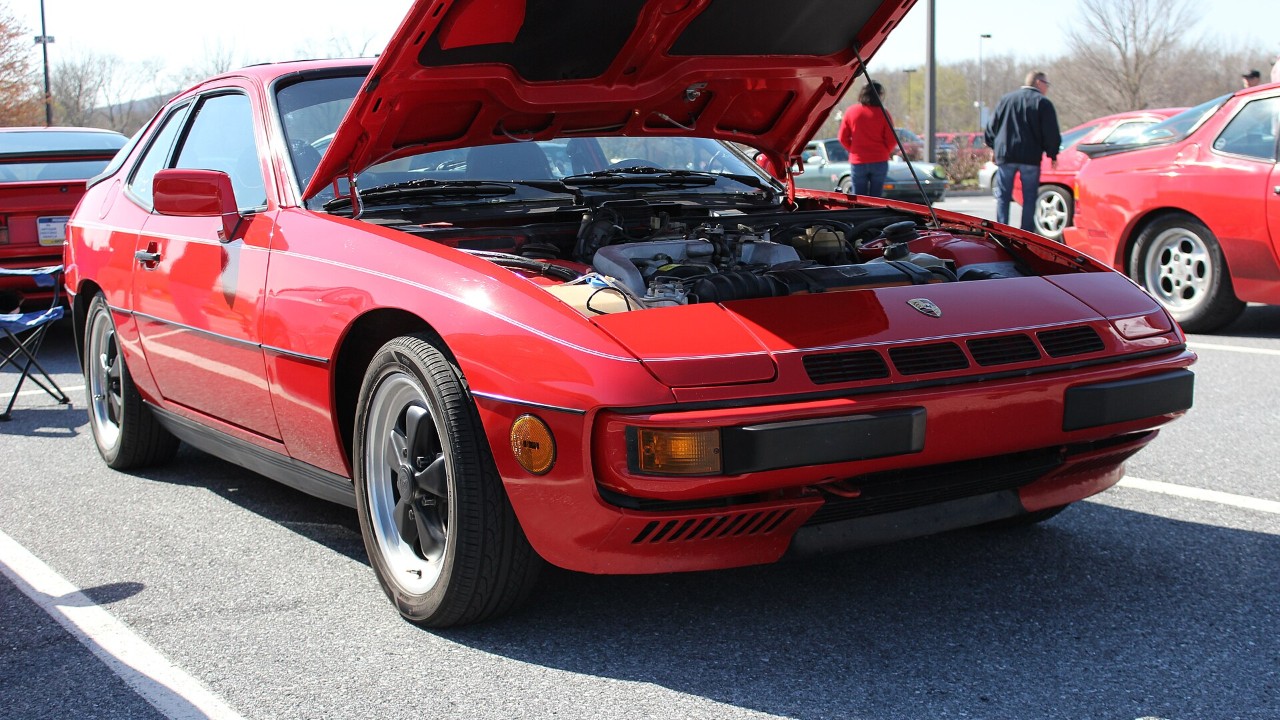
The 924 was Porsche’s entry-level front-engine car, built in Neckarsulm from 1976 to 1988. Porsche made just over 150,000 of them. Its 2.0-liter four came from the Volkswagen Group’s EA831 family. Then Porsche bolted on a turbocharger and turned the 924 into a much more serious car.
The Turbo arrived in 1978 and made 170 PS at 5,500 rpm with 10 psi of boost in Europe. A 1981 update raised that to 177 PS. Spotting one is easy, because it has a NACA duct in the hood and four slotted vents in the nose. It also added five-stud hubs, four-wheel disc brakes and 15-inch alloy wheels. A rubber duck-tail spoiler cut its drag coefficient from 0.36 to 0.33.
In our view, the 924 Turbo is where the “cheap Porsche” label stops being fair. It also became the basis for the 924 Carrera GT, of which Porsche built 406 to qualify it for racing. U.S. cars made less power, with 143 hp in 1980 and 154 hp in 1981, so check which market a car came from before you buy.
7. 1972 De Tomaso Pantera GTS
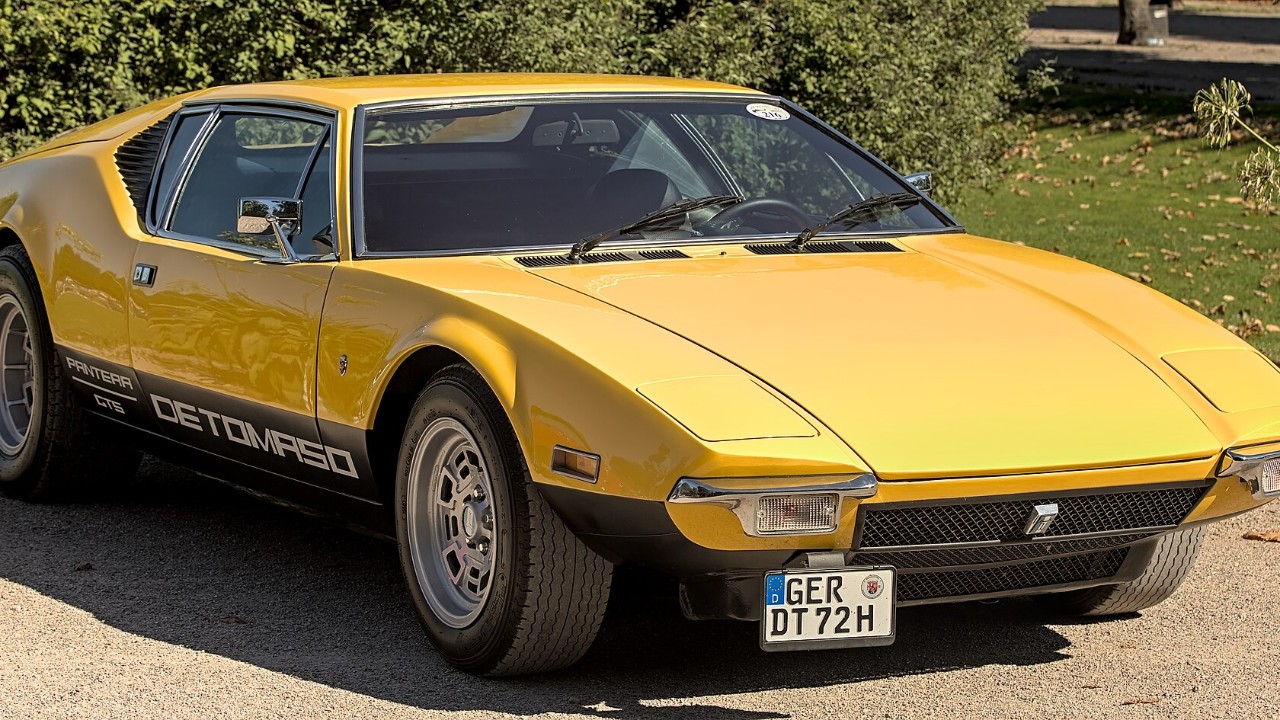
Tom Tjaarda, an American designer at Ghia, drew the Pantera. It was the first De Tomaso with a steel monocoque, and it used a ZF transaxle shared with the Maserati Bora. Ford began selling it through Lincoln-Mercury dealers in late 1971, with a 351 Cleveland V8 behind the seats. Those dealers sold more than three-quarters of all Panteras between 1972 and 1975.
The European GTS arrived in spring 1972 with more of everything. It made 350 PS DIN at 6,000 rpm thanks to higher compression and larger Holley carburetors. It also got wider wheels, ventilated disc brakes, revised springs and matte black body trim. By contrast, the first U.S. GTS cars of 1974 got the badges and black trim but not the European engine or wheels.
Our take: a European GTS is the Pantera in its purest early form. De Tomaso built about 7,260 Panteras between 1971 and 1992, yet the 1972 GTS is a different animal from the later flared cars. Verify a car’s market history, since badges alone don’t prove a real European GTS.
8. 1991 Porsche 928 S4
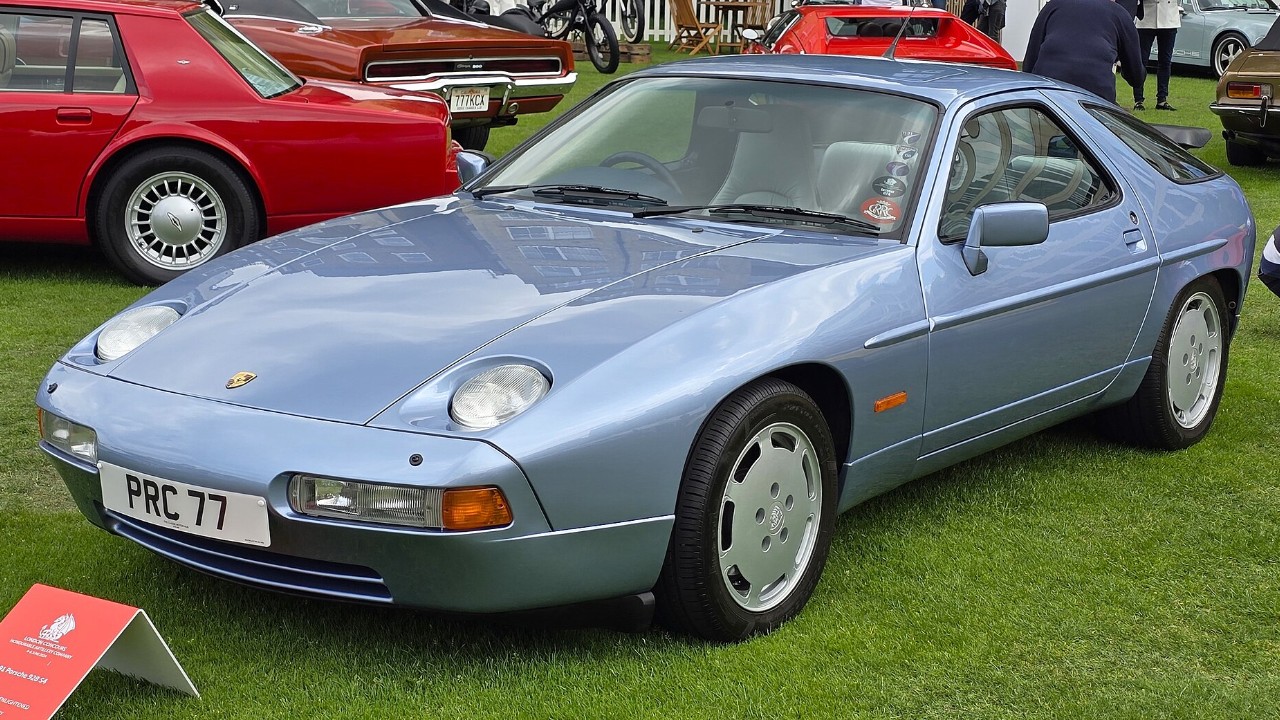
The 928 won European Car of the Year for 1978, and it remains the only sports car to take that award. Porsche once thought it might replace the 911. Instead, it ran alongside the 911 for 18 years, from 1977 to 1995, and about 61,056 were built.
The S4 arrived for 1987 with a 5.0-liter, 32-valve V8 rated at 320 PS in most markets. It also got a rounded nose, flush taillights and a black rear spoiler. Porsche built about 15,682 S4s through 1991. By the S and S2 era, the 928 was already beating the 911 Turbo in top-speed tests. Like every 928, it carried its V8 up front and its gearbox at the rear, which gave close to 50/50 weight balance. Our story on how the 1979 Porsche 928 challenged tradition covers its first years.
In our view, the S4 is the best balance of the 928’s grand touring comfort and its later power. The Weissach rear axle and aluminum doors, fenders and hood show how much engineering went into it. Budget for the timing belt and water pump, because a neglected 928 can get expensive fast.
9. Maserati Merak
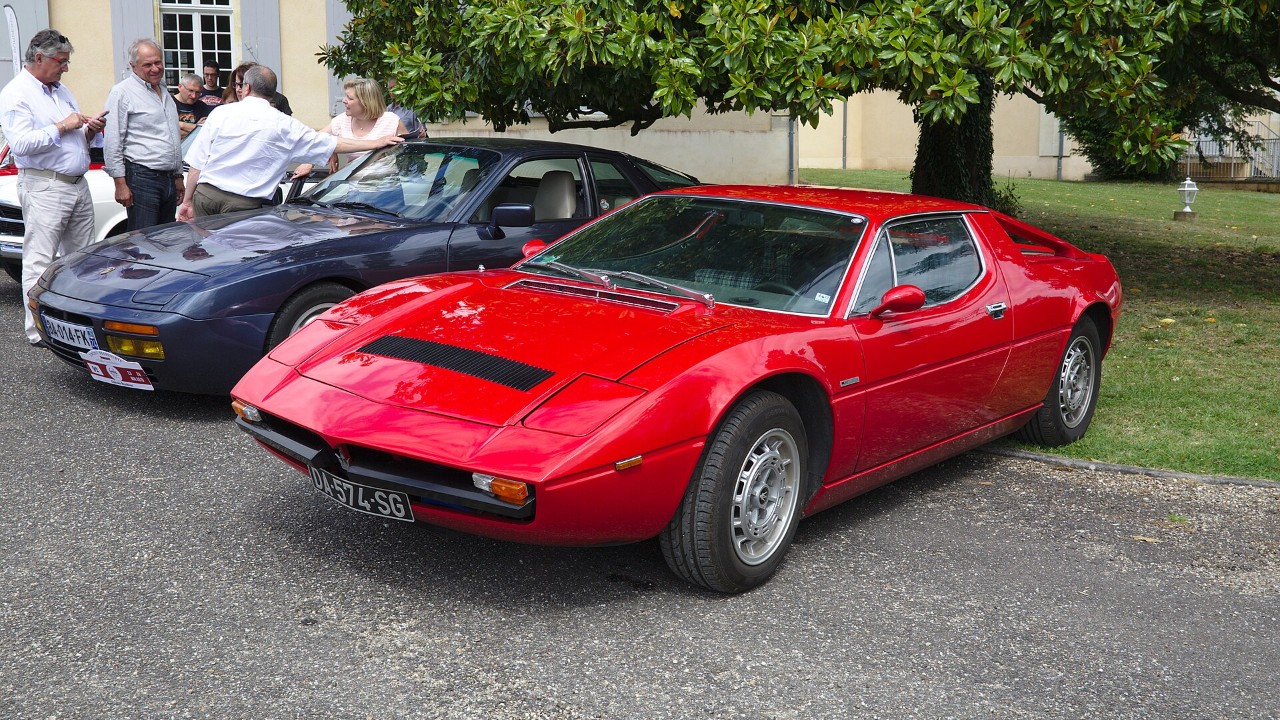
Maserati revealed the Merak at the 1972 Paris show, just over a year after the Bora. Giorgetto Giugiaro at Italdesign shaped both cars, and they share the same front bodywork up to the doors. Behind them, the Merak uses open flying buttresses that carry the roofline to the tail.
Instead of the Bora’s V8, the Merak got a 2,965 cc V6. Giulio Alfieri had designed that engine family for the Citroën SM. In this car it made 190 PS at 6,000 rpm on three twin-choke Webers. Early left-hand-drive cars even used the SM’s dashboard, and Citroën-style hydraulics ran the brakes and pop-up headlights.
Our take: the Merak is a strange and wonderful mix of Italian exotic and French engineering. Maserati built 1,830 between 1972 and 1983, and later SS models raised output to 220 PS while shedding about 50 kg. Italy also got a 2.0-liter Merak 2000 GT from 1977, because a law raised VAT to 38% on bigger engines. If you want one, find a specialist who knows the hydraulic system, because it needs careful attention.
10. 1974 Lamborghini Urraco P250 S
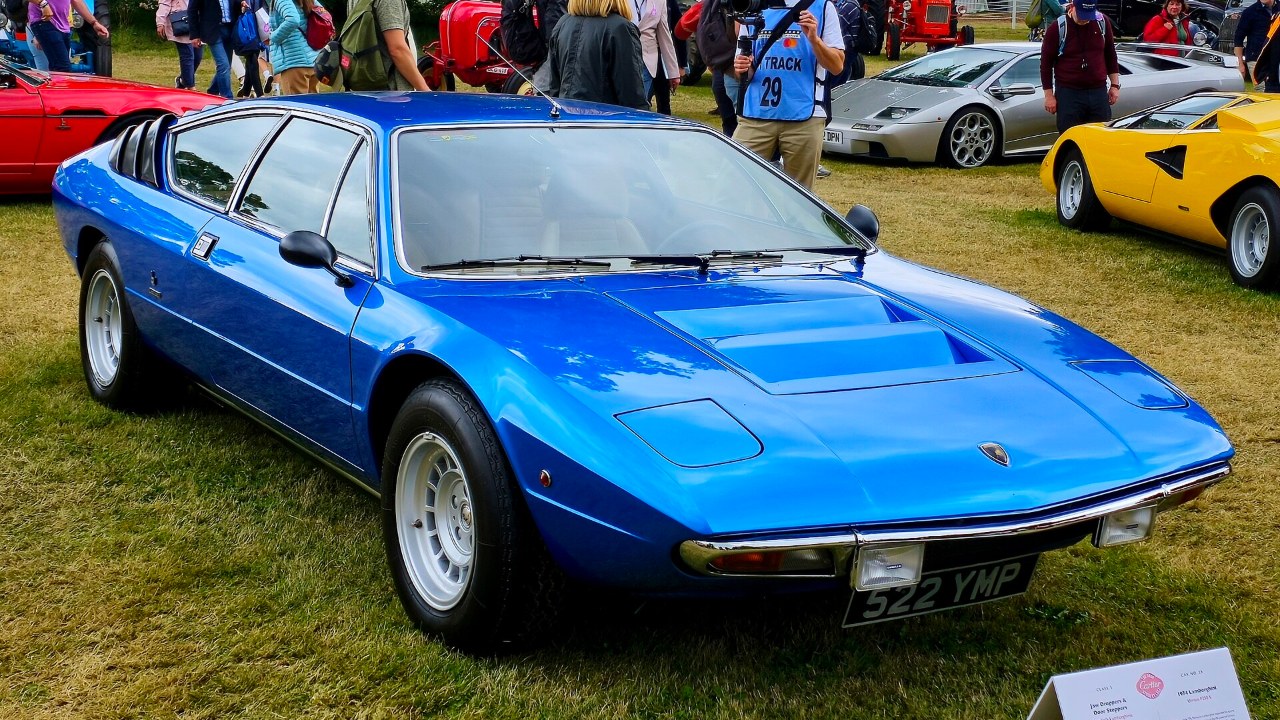
Lamborghini showed the Urraco as a prototype at the 1970 Turin Auto Show. Marcello Gandini styled it while working at Bertone. Unlike the Miura and Countach, it was a 2+2, with a transverse mid-mounted V8 and room for small rear passengers.
The P250 version used a 2.5-liter V8 rated at 220 PS at 7,500 rpm, and Lamborghini built 520 of them. The P250 S came along in 1973 as a revised version. Later, the 3.0-liter P300 added twin overhead cams and 250 PS. A smaller 2.0-liter P200 with 182 PS also joined the range, and the P300 reached 190 cars. Production ended with the 1979 model year after 791 Urracos in total.
In our view, the Urraco was Lamborghini’s answer to the smaller Porsche and Ferrari models. It never sold in big numbers, which is exactly why it is worth remembering. We also think it looks even better in person than in photos. Look for a car with its documented engine work, because the small Lamborghini V8 is a job for a specialist.
11. 1967 Mazda Cosmo Sport
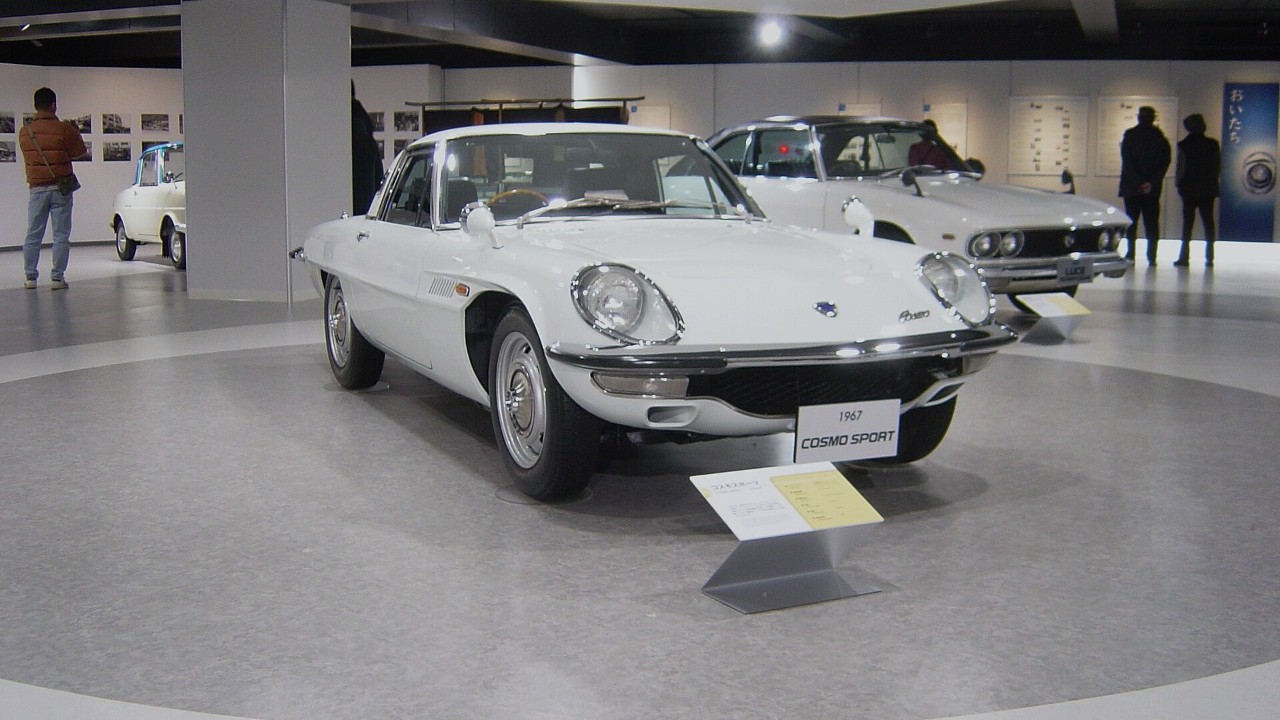
The Cosmo Sport launched Mazda’s Wankel engine in 1967. Full production began that May, and Mazda built the cars by hand at about one a day. The first series, the L10A, used a two-rotor engine of 982 cc with about 110 PS. It could reach about 115 mph.
Only 343 first-series cars were built before the L10B took over in July 1968. Mazda priced the L10A at 1.48 million yen, about $4,100 at the time. Then it went endurance racing. At the 84-hour Marathon de la Route at the Nürburgring in 1968, a Belgian-driven Cosmo finished fourth overall, even with its engine limited to 130 PS for durability. Later, the L10B added 128 hp, power brakes, 15-inch wheels and a five-speed manual.
Our take: every rotary Mazda that came later traces back to this car. The Cosmo looked like a spaceship and was built in tiny numbers, with 1,176 made across both series. If you ever see one, take a good look, because chances are you won’t see another soon.
12. 1991 Mazda RX-7 Turbo II
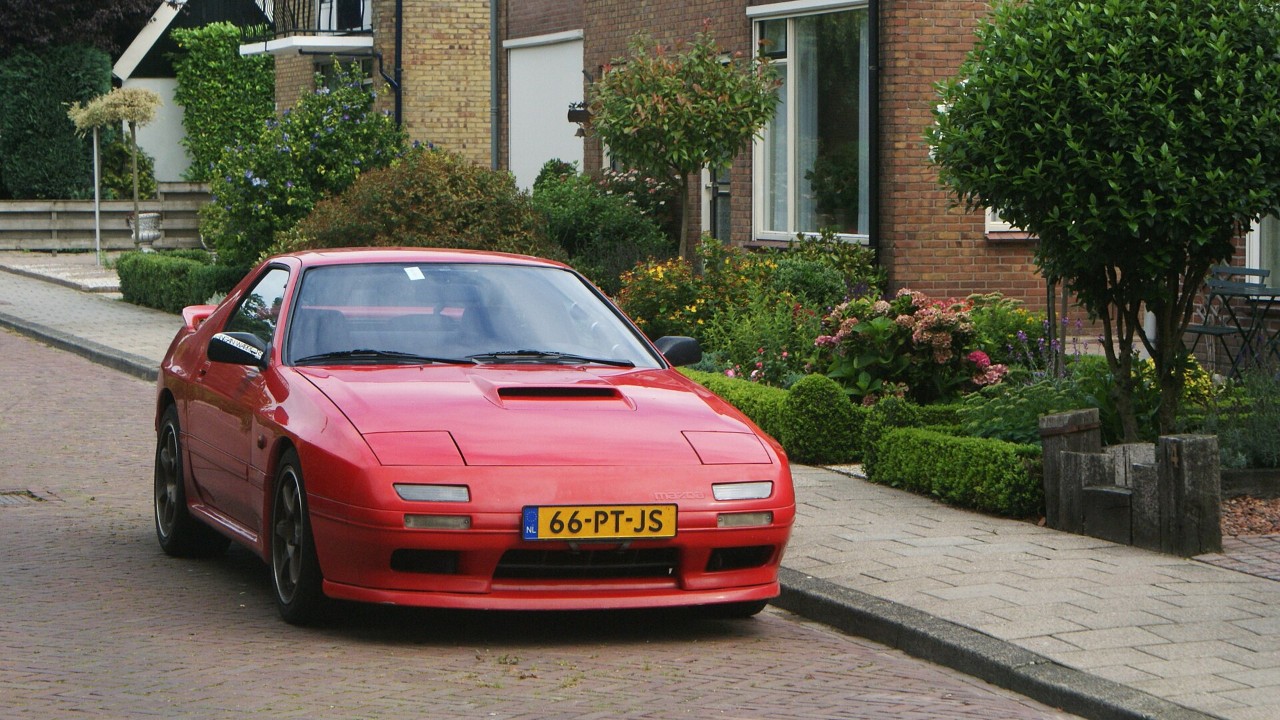
The second-generation RX-7, known as the FC, was Motor Trend’s Import Car of the Year for 1986. The Turbo II version used an air-to-air intercooler fed by a scoop in the hood. For the Series 5 cars from 1989, Mazda rated the turbo 13B rotary at 200 hp at 6,500 rpm and 195 lb-ft at 3,500 rpm.
The earlier Series 4 Turbo II of 1986 to 1988 made 182 hp. The FC also had a clever rear suspension called DTSS. Under hard cornering of about 0.5g or more, the rear wheels toe in slightly to keep the back end stable. We go deeper on the line in our look at Mazda RX-7 generations that made rotary power unforgettable.
In our view, the FC Turbo II gets overshadowed by the later FD, but it is the more usable car. Check compression on any rotary before you buy, because a tired engine changes the price. Mazda had built 471,018 first-generation cars before the FC took over. It then built 272,027 second-generation RX-7s, part of 811,634 RX-7s made from 1978 to 2002.
More from Fast Lane Only