Automakers are sounding the alarm that the next wave of emissions rules could do more than clean up tailpipes, arguing that poorly calibrated mandates risk starving the industry of the capital and flexibility it needs to keep innovating. I see a widening gap between regulators’ climate ambitions and the commercial realities of building profitable vehicles, and that tension is starting to shape which technologies survive and which never make it out of the lab.
Automakers’ core warning: climate ambition without market realism
Major carmakers are not disputing the need to cut greenhouse gases, but they are increasingly blunt that the pace and structure of new standards could backfire by choking off the profits that fund research and development. Executives argue that when rules effectively dictate powertrain mix or force rapid technology shifts without matching consumer demand, companies are pushed into compliance spending instead of long-horizon innovation, especially in areas like advanced batteries, software platforms, and new manufacturing techniques that do not directly count toward emissions credits.
Industry leaders have framed this as a risk to long-term competitiveness rather than a short-term earnings complaint, warning that aggressive targets can lock in today’s technologies and crowd out experimentation with alternatives such as next‑generation hybrids, synthetic fuels, or more efficient internal combustion engines. They point to the heavy capital already committed to electrification and the need to recoup those investments through vehicles that customers actually buy, not just models that satisfy regulatory spreadsheets, a tension that has surfaced repeatedly in recent regulatory comment periods and policy debates over emissions rules.
How strict emissions rules reshape R&D and product strategy
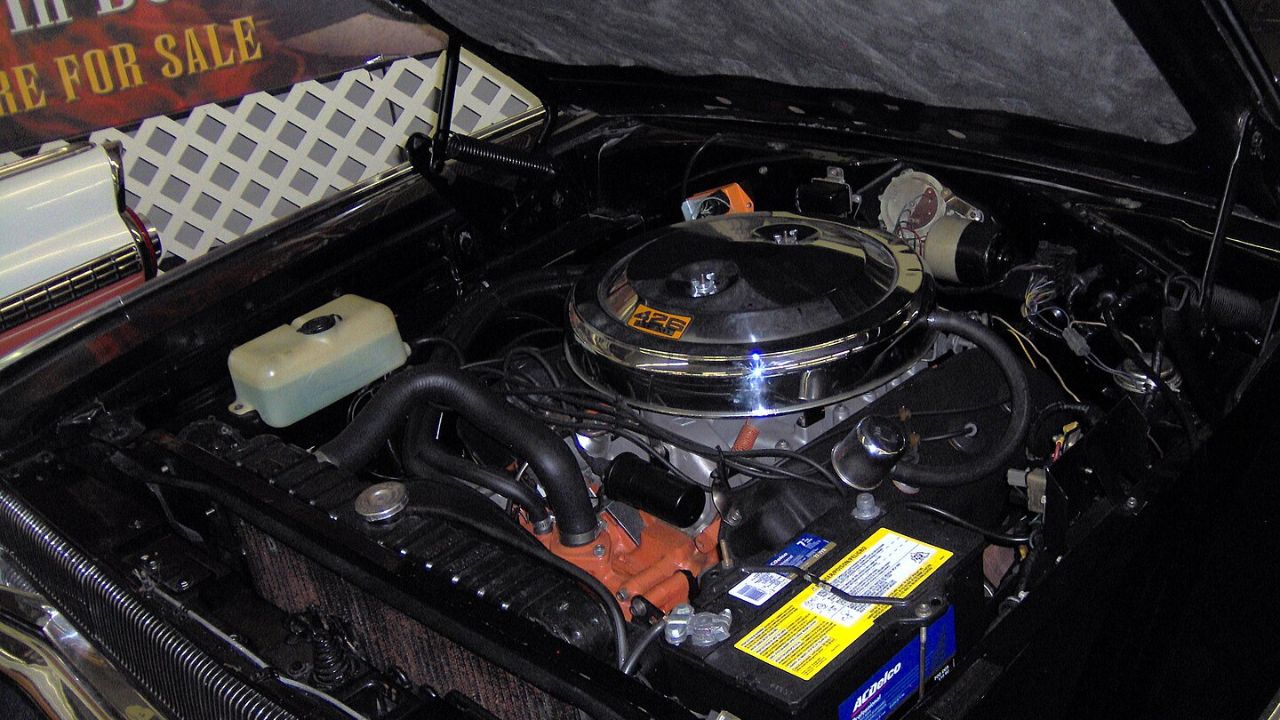
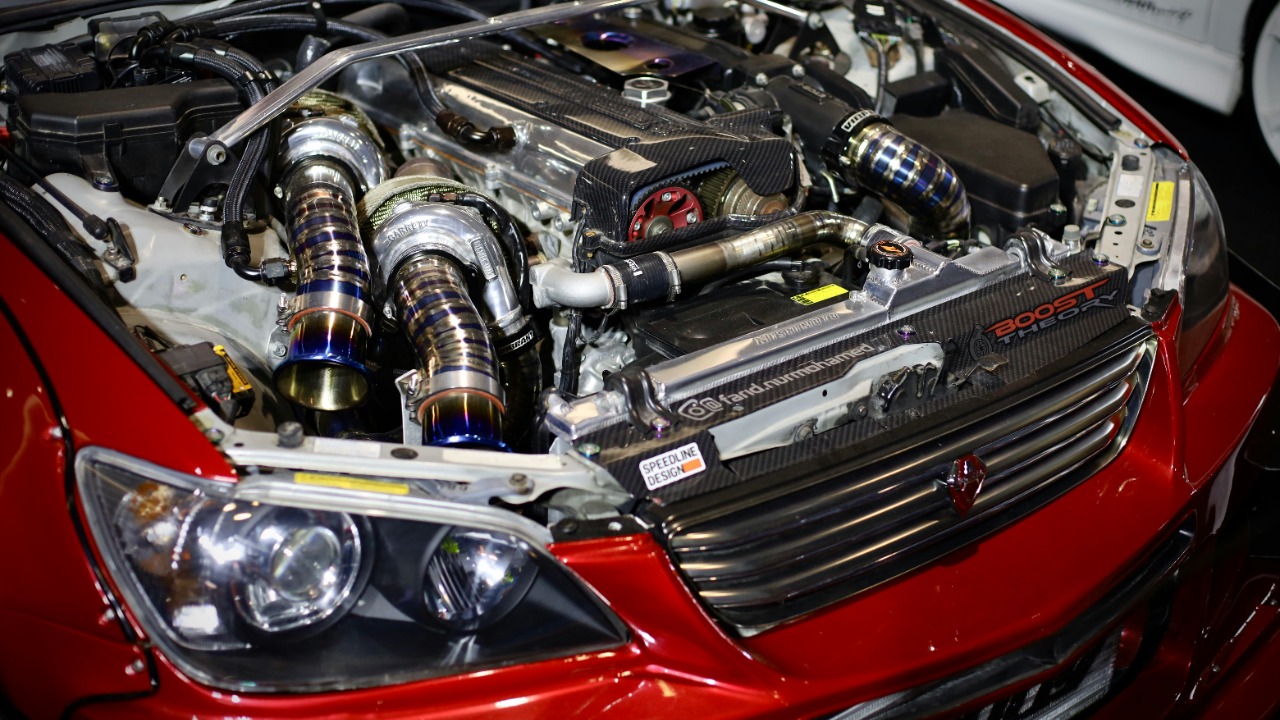
When standards tighten quickly, automakers tend to redirect engineering talent toward near‑term compliance projects, such as calibrating engines and exhaust systems to meet specific test cycles, rather than pursuing more speculative breakthroughs. I have seen this pattern in past regulatory waves, where companies prioritized incremental tweaks that deliver measurable grams‑per‑kilometer gains over riskier bets that might transform efficiency but do not guarantee credit under the rulebook. The result is a portfolio skewed toward what regulators count, not necessarily what might deliver the biggest real‑world emissions cuts over a vehicle’s life.
That dynamic is especially visible in the shift to battery‑electric vehicles, where rules that heavily favor zero‑tailpipe emissions can make it harder to justify investment in other promising technologies that still burn fuel but at far lower overall impact. Automakers have warned that if regulations assume a single technological endpoint, such as pure EVs on an aggressive timeline, they will be forced to shelve or slow work on advanced hybrids, plug‑in systems, and alternative fuels that could deliver substantial gains in markets where charging infrastructure or power grids lag behind policy aspirations, a concern reflected in their formal responses to recent EPA proposals.
EV mandates, consumer demand, and the risk of stranded innovation
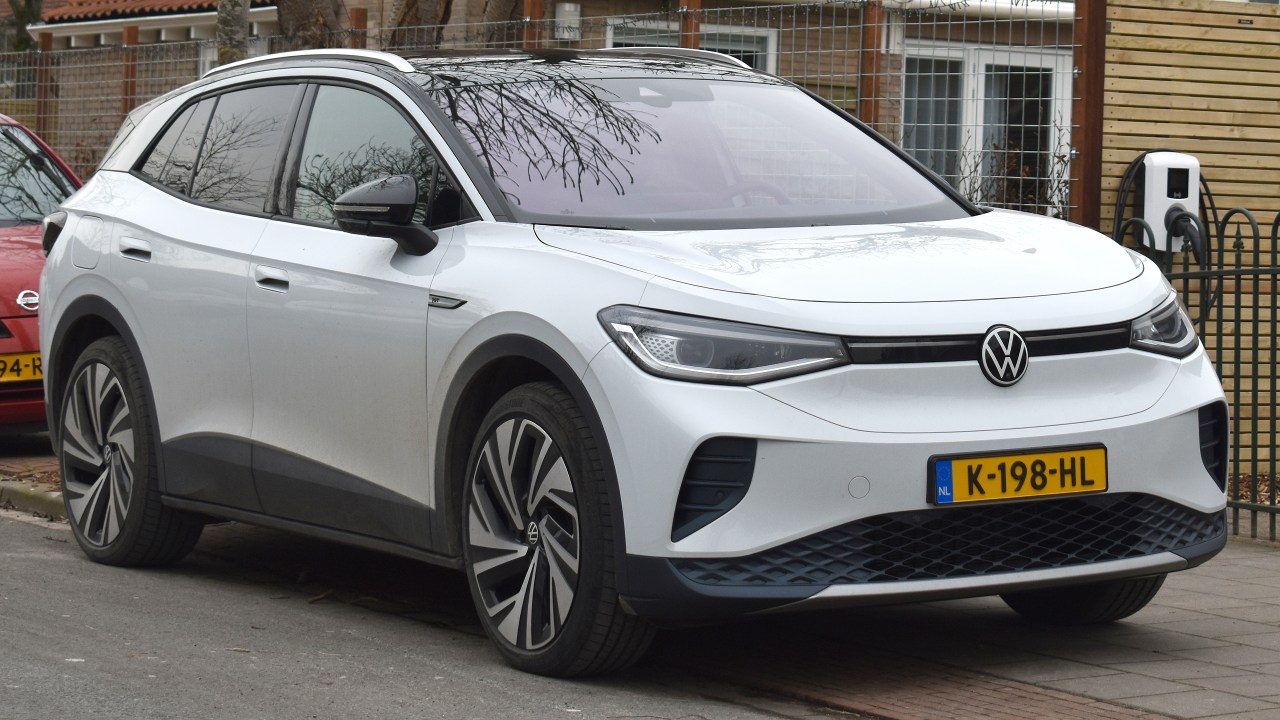
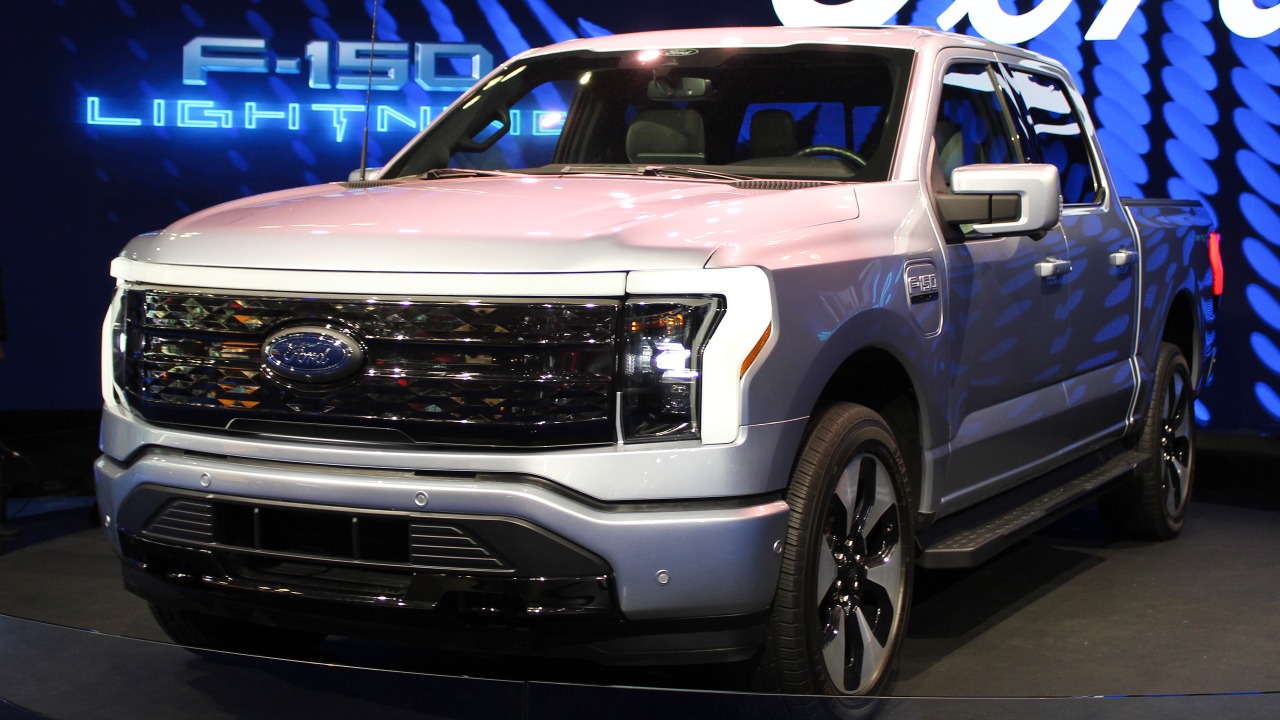
The sharpest friction is emerging around electric vehicle targets, where regulators are pushing for rapid adoption while sales data show a more uneven trajectory. Automakers have invested tens of billions of dollars in EV platforms, from compact crossovers to full‑size pickups, but they now warn that mandates outpacing consumer readiness could leave factories underutilized and R&D budgets squeezed. Slower‑than‑expected uptake in some segments, along with concerns about charging access and resale values, has already prompted several companies to revisit production plans and delay certain models, underscoring how fragile the business case can be when policy and demand diverge.
Industry submissions to regulators stress that if companies are forced to discount EVs heavily just to hit regulatory quotas, the resulting margin pressure will inevitably feed back into decisions about future innovation projects. They argue that a more flexible framework, one that recognizes a mix of technologies and regional differences in infrastructure, would better sustain the cash flows needed to keep improving batteries, software, and charging systems rather than freezing the market around early‑generation designs, a point they have made in response to both U.S. and European zero‑emission car rules.
Global policy divergence and competitive pressure
Automakers also warn that uneven emissions regimes across major markets can distort where innovation happens and which companies can afford to lead. When one region imposes particularly aggressive timelines or compliance penalties, firms with a heavy footprint there may have to divert disproportionate resources into meeting those local rules, while rivals focused on more gradual markets can keep investing in broader technology bets. That imbalance can shape everything from where new battery plants are built to which software platforms get priority, with long‑term implications for jobs and industrial capacity.
Executives have highlighted that global companies must navigate a patchwork of standards in the United States, Europe, China, and emerging markets, each with its own testing protocols and credit systems. They argue that if one jurisdiction moves far ahead of others without coordination, it risks putting its domestic industry at a structural disadvantage, especially if competitors can sell higher‑emitting but cheaper vehicles elsewhere and use those profits to fund cutting‑edge research, a concern that has surfaced in debates over both European fleet targets and U.S. federal rules.
Finding a regulatory path that accelerates, not stifles, innovation
The core challenge is not whether to regulate emissions but how to design rules that push the industry forward without locking it into a narrow set of technical choices. Automakers are urging policymakers to focus on outcomes, such as total lifecycle emissions, rather than prescribing specific powertrains or timelines that might look optimal on paper but prove brittle in the face of supply chain shocks, raw material constraints, or shifts in consumer behavior. They argue that a more technology‑neutral approach, combined with stable long‑term signals, would give companies the confidence to invest in a wider range of solutions, from solid‑state batteries to cleaner combustion and low‑carbon fuels.
From my perspective, the most constructive proposals pair ambitious emissions trajectories with mechanisms that reward genuine innovation, such as credits for breakthrough efficiency gains, support for charging and grid upgrades, and room for regional flexibility where infrastructure lags. Automakers are not asking regulators to slow climate action so much as to align it with the realities of engineering cycles and capital planning, a balance they say is essential if the next generation of clean vehicles is to be both technologically advanced and commercially sustainable, a theme that runs through their responses to recent U.S. rulemakings and international policy debates.
More from Fast Lane Only: