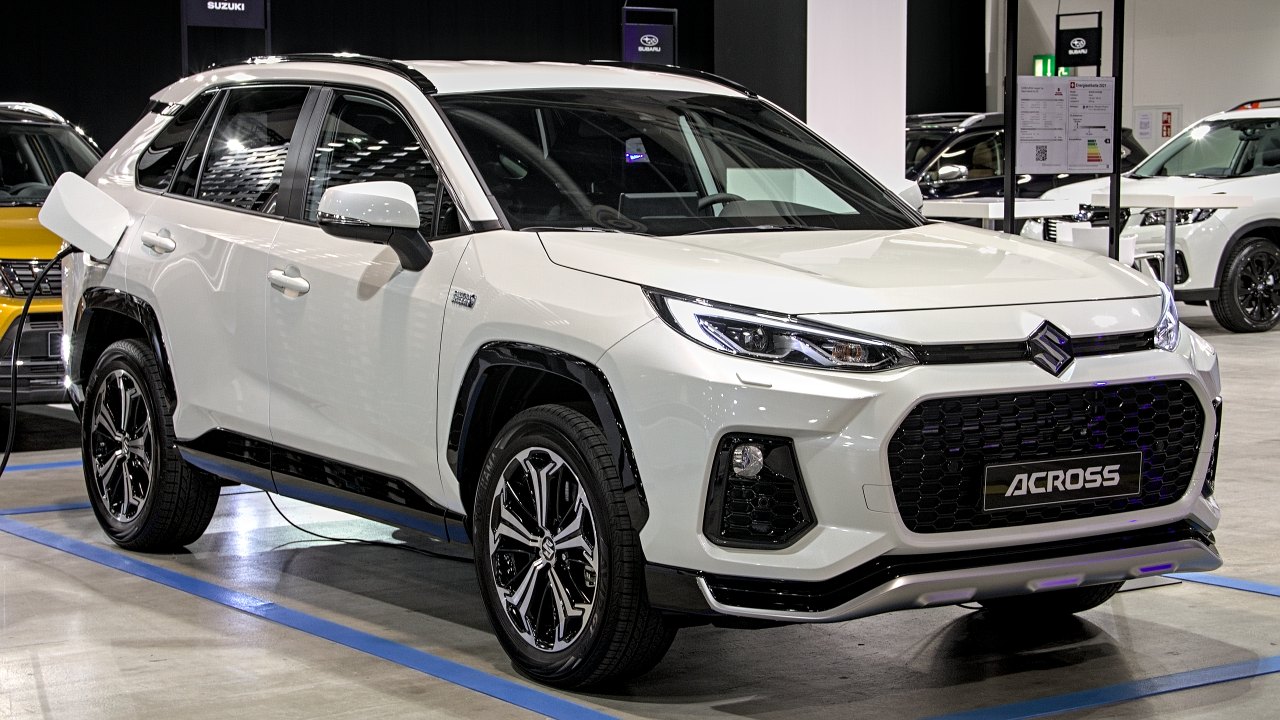
U.S. car buyers are quietly reshaping the market, and the vehicle type poised to sit on top of the sales charts in 2026 is not the all-electric future many automakers once imagined. Instead, a more pragmatic technology is emerging as the volume leader, reflecting a shift toward affordability, flexibility, and everyday usability rather than headline-grabbing innovation.
As cost pressures squeeze both manufacturers and households, and as pure battery-electric demand cools, the data now point to hybrids and hybrid-powered utility vehicles as the format most likely to dominate American driveways in the next model year. The surprise is not that drivers still want bigger vehicles, but that they increasingly want those vehicles paired with gasoline-electric efficiency instead of a plug-only powertrain.
Why hybrids, not EVs, are set to lead 2026 sales
The clearest signal that hybrids are on track to define the 2026 sales landscape is the growing gap between consumer expectations and the realities of pure electric ownership. Shoppers who were once intrigued by battery-electric models are now confronting higher sticker prices, charging constraints, and uncertain resale values, which makes a hybrid powertrain feel like a safer bet. Hybrids promise better fuel economy without demanding a complete lifestyle change, so they fit neatly into the middle ground between traditional gasoline and full electrification.
Industry analysts tracking 2026 marketing strategies describe this shift as a moment when Hybrids Ascendant and battery-electric models being Realigned around more realistic growth curves. That framing reflects a broader recognition that the single most significant market force in the near term is not a sudden surge in EV adoption, but a steady migration toward gasoline-electric combinations that offer flexibility, affordability, and practicality. When I look at that narrative alongside reports that tariff pressures have eased only slightly while demand headwinds persist, it reinforces the idea that hybrids are the technology best suited to navigate a period defined by cautious spending and pricing restraint, as outlined in the Key Takeaways for the North American auto sector.
The body styles that give hybrids their edge
Powertrain alone does not explain why hybrids are positioned to dominate. The other half of the story is body style, and here the numbers are unambiguous. American buyers have spent the past decade shifting away from traditional sedans and toward taller, more versatile vehicles, and that preference is now deeply embedded in the national fleet. By Body Style, the light vehicle population is tilted toward utility formats, with Cars accounting for 94,330,382 units, or 32.60 percent of vehicles on the road, while UVs (utility vehicles) represent 113,384,621 units, or 39.20 percent. Pickups add another 60,455,362 vehicles, or 20.90 percent, and Vans and Minivans round out the mix.
When I map that structure onto the hybrid trend, the likely winner in 2026 is not the compact hybrid sedan of a decade ago, but hybrid-powered SUVs and crossovers that sit inside the UV category. Automakers are already concentrating their gasoline-electric investment in these segments, because that is where the largest installed base and the strongest demand reside. The same data set that details the 94,330,382 Cars and 60,455,362 Pickups also shows how much room there is to electrify the 113,384,621 UVs that dominate American garages, which is why hybrid versions of popular models like the Toyota RAV4, Ford Escape, and Hyundai Tucson are multiplying. In practice, that means the “surprising” sales leader in 2026 is likely to be a familiar shape, a utility vehicle, simply powered by a more efficient hybrid system rather than a conventional engine alone.
Cost pressures and the retreat from expensive EVs
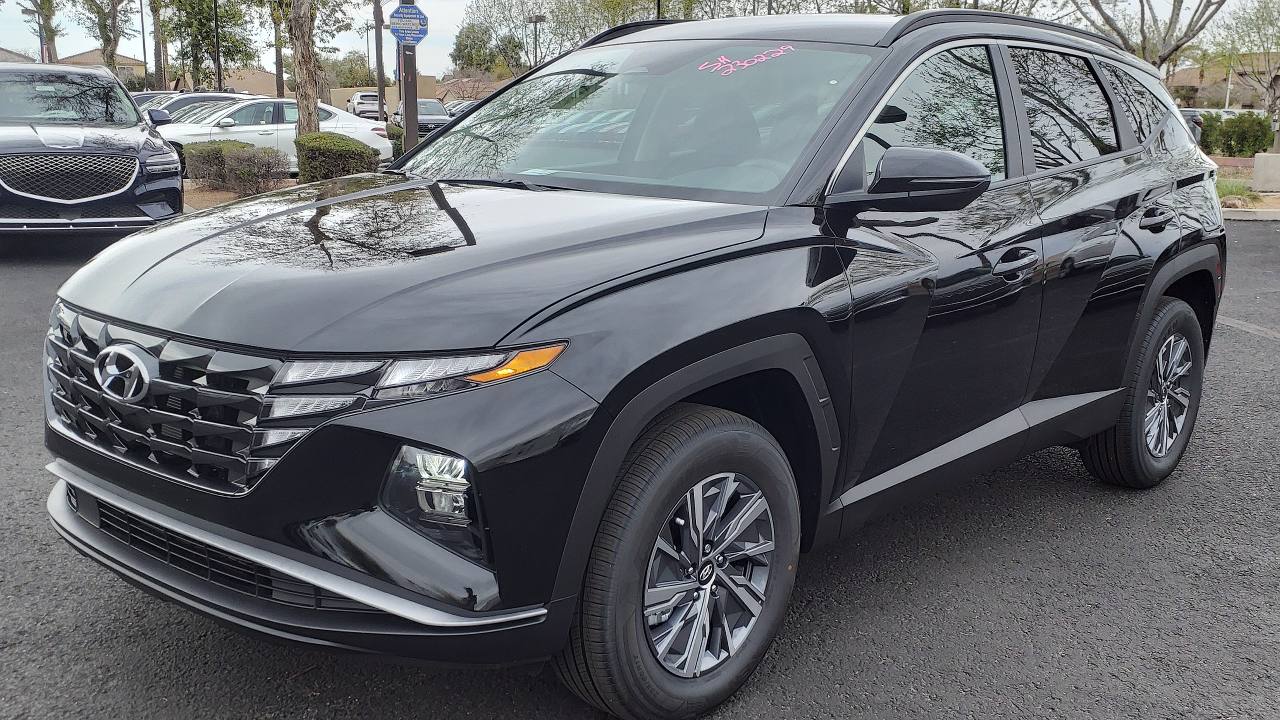
Economic pressure is the other major force pushing buyers toward hybrids and away from fully electric options. Vehicle prices have climbed faster than wages for much of the past few years, and households are increasingly sensitive to monthly payments, insurance costs, and maintenance risk. In that environment, a hybrid that carries a modest premium over a gasoline model can feel like a rational compromise, while a high-priced EV can look like an unnecessary gamble.
Analysts tracking the North American market describe an auto sector under pressure from rising costs, with tariff burdens easing only slightly and demand still constrained, which is why they expect pricing restraint to dominate and see particular upside in hybrids in the 2025 to 2027 window, according to the North American auto sector outlook. That same period has already produced evidence that expensive EVs are losing momentum. Forecasts for November new-vehicle sales indicated that, as expensive EV sales have declined sharply, overall market-wide volumes and the share of electrified vehicles have both softened, with Cox Automotive linking higher prices and slowing EV demand to an estimated 8 percent year-over-year decline in November 2025 sales.
EV uncertainty opens the door wider for hybrids
The cooling of EV enthusiasm is not just about price, it is also about uncertainty. Many buyers are still unsure how quickly charging infrastructure will expand, how EV resale values will hold up, and how future regulations might affect incentives or ownership costs. That uncertainty is now showing up in the sales data, which point to a plateau in battery-electric growth rather than the straight-line surge some forecasts once projected.
Recent U.S. sales figures illustrate this hesitation. Analysts reviewing November 2025 results noted that the Continued development of battery-electric vehicle sales remains increasingly uncertain, and that the policy implications of this slowdown are significant, with EVs estimated to hold only about 5.3 percent of the market at that point, according to a November 2025 U.S. auto sales analysis. When I weigh that 5.3 percent share against the far larger footprint of UVs and Pickups, and then factor in the marketing pivot described as Hybrids Ascendant and EVs Realigned, it becomes clear that hybrids are not just a transitional technology. They are the format that is actually scaling in the current policy and infrastructure environment.
How automakers are repositioning for a hybrid-heavy 2026
Automakers are not waiting for 2026 to see how this plays out, they are already rebalancing product plans and marketing budgets around hybrid-heavy lineups. The most aggressive EV strategies are being tempered, with some companies delaying all-electric launches or trimming production targets, while at the same time expanding hybrid offerings across core nameplates. For buyers, that translates into more hybrid trims on familiar models rather than a push toward entirely new EV-only platforms.
Marketing strategists describe 2026 as a year when the single most significant market force is the rise of hybrids, with campaigns emphasizing flexibility, affordability, and practicality instead of pure zero-emission messaging, a shift captured in the framing of The Trend. That repositioning aligns with the broader macro view that the North American auto sector will be navigating rising costs and demand headwinds through at least 2027, with hybrids singled out as a growth area in the Key Takeaways for the region. Put together, those signals suggest that when the 2026 sales rankings are tallied, the dominant vehicle will not be a futuristic EV, but a mainstream hybrid utility vehicle that quietly matches American tastes with a more efficient powertrain.
More from Fast Lane Only: