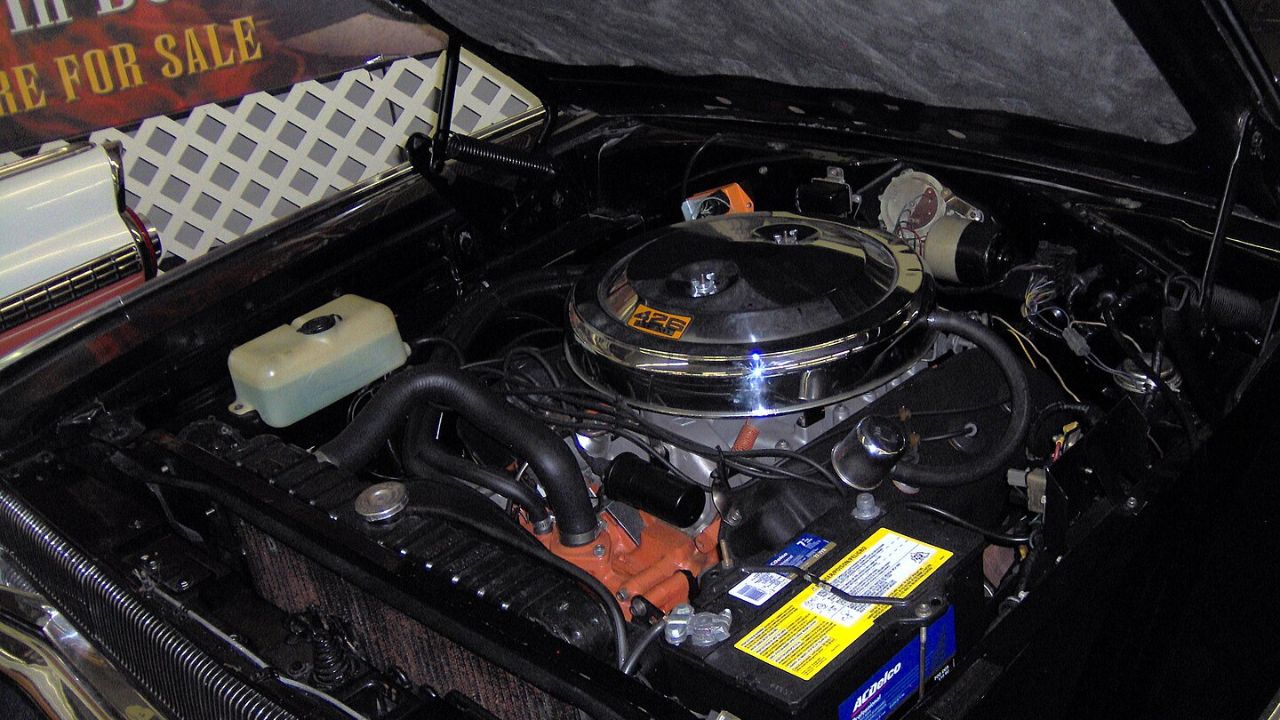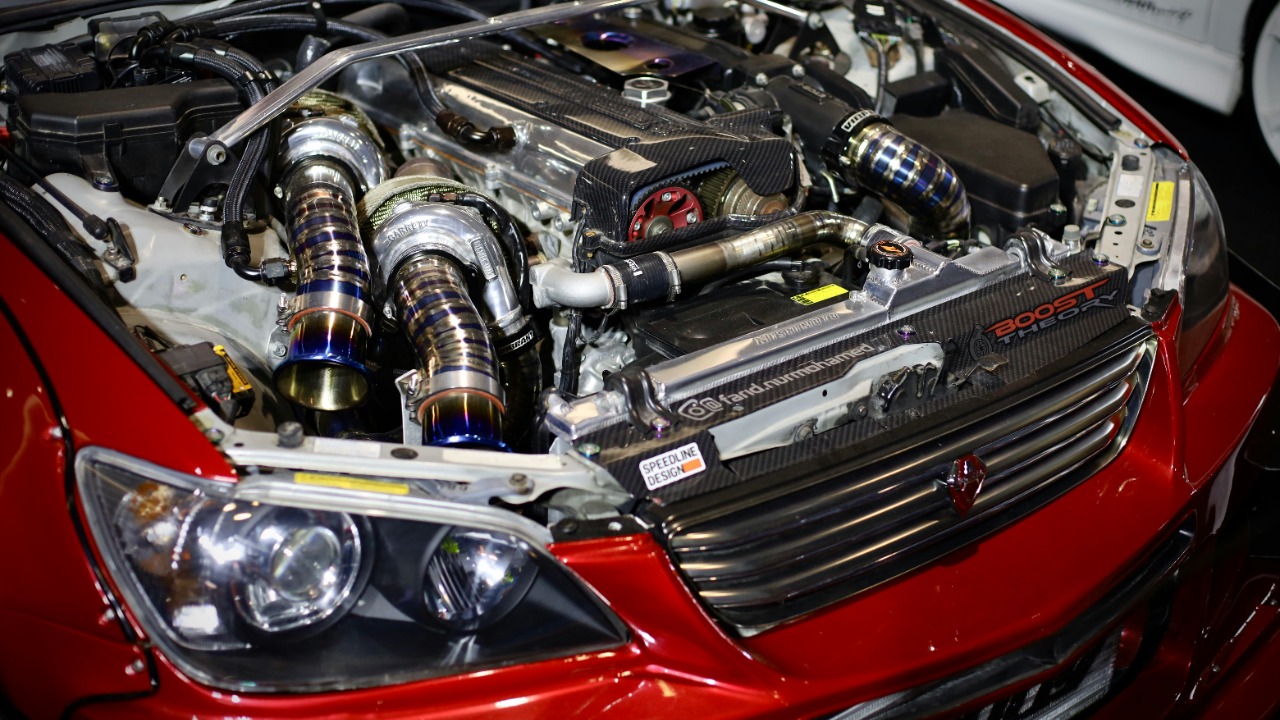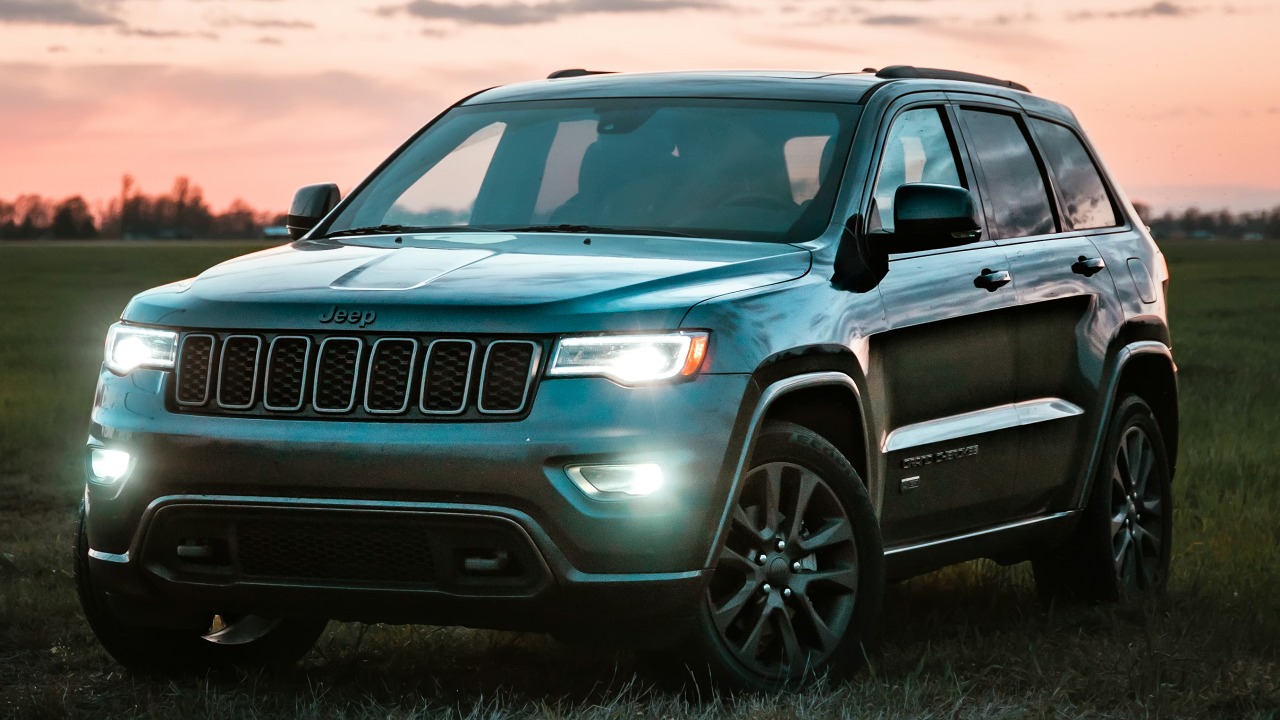
Even as automakers pour billions into batteries and software, the American appetite for big-displacement V8s keeps showing up in the sales charts and product plans. The shift to electrification is real, but the latest wave of trucks, SUVs, and muscle cars suggests drivers are not ready to abandon eight-cylinder power, especially when it is wrapped in familiar badges and practical utility. I see a pattern emerging in which the V8 is no longer the default engine, yet it remains a powerful draw wherever emotion, capability, and status still matter.
Truck buyers are keeping the V8 flame alive
Full-size pickups remain the clearest proof that V8 power still has a firm grip on the U.S. market. Even as turbocharged sixes and hybrid systems gain ground, Detroit’s biggest trucks continue to offer traditional eight-cylinder options because customers with heavy towing needs and long-haul workloads keep asking for them. Recent reporting on the latest generations of the Ford F-150, Chevrolet Silverado 1500, Ram 1500, and Toyota Tundra shows that while each brand is experimenting with downsized or electrified powertrains, they still lean on V8s to anchor their lineups and preserve credibility with core buyers who equate displacement with durability and confidence under load, a trend underscored in coverage of evolving truck sales.
At the same time, the way these trucks are specced reveals how the V8 has shifted from default choice to aspirational upgrade. Analysts tracking configuration data note that many retail buyers still step up to eight-cylinder engines when they order higher trims or off-road packages, even when a turbocharged V6 offers similar peak torque on paper. That pattern, reflected in breakdowns of best-selling models like the F-150 and Silverado in 2023, suggests that the V8’s appeal is as much about perceived toughness and long-term simplicity as it is about raw numbers, a perception that continues to show up in detailed pickup rankings.
Performance SUVs and muscle cars are extending the V8 era
Beyond work trucks, the V8’s survival is most obvious in the booming market for performance SUVs and the last wave of traditional muscle cars. Automakers that once reserved eight-cylinder engines for coupes and sedans now bolt them into family-friendly crossovers and three-row haulers, betting that buyers will pay a premium for the sound and surge of a big engine in a practical package. Coverage of models like the Jeep Grand Cherokee, Dodge Durango, and various high-output German SUVs shows that these vehicles command strong margins and loyal followings, reinforcing the business case for keeping V8s in the mix even as corporate strategies pivot toward electrification, a dynamic highlighted in recent SUV sales analyses.
On the muscle car side, the story is more complicated but points in the same direction. Iconic nameplates such as the Ford Mustang, Chevrolet Camaro, and Dodge Challenger have faced tightening emissions rules and shifting consumer tastes, yet reporting on their final internal-combustion generations shows that V8 variants remain the halo configurations that define the brand image and draw enthusiasts into showrooms. Even when four-cylinder turbos or V6s handle the volume, the eight-cylinder models generate the buzz, a pattern that shows up clearly in breakdowns of Mustang sales and in coverage of how Dodge leveraged its supercharged V8 “Hellcat” lineup to keep interest high late in the product cycle.
Electric trucks and SUVs are not replacing V8s overnight
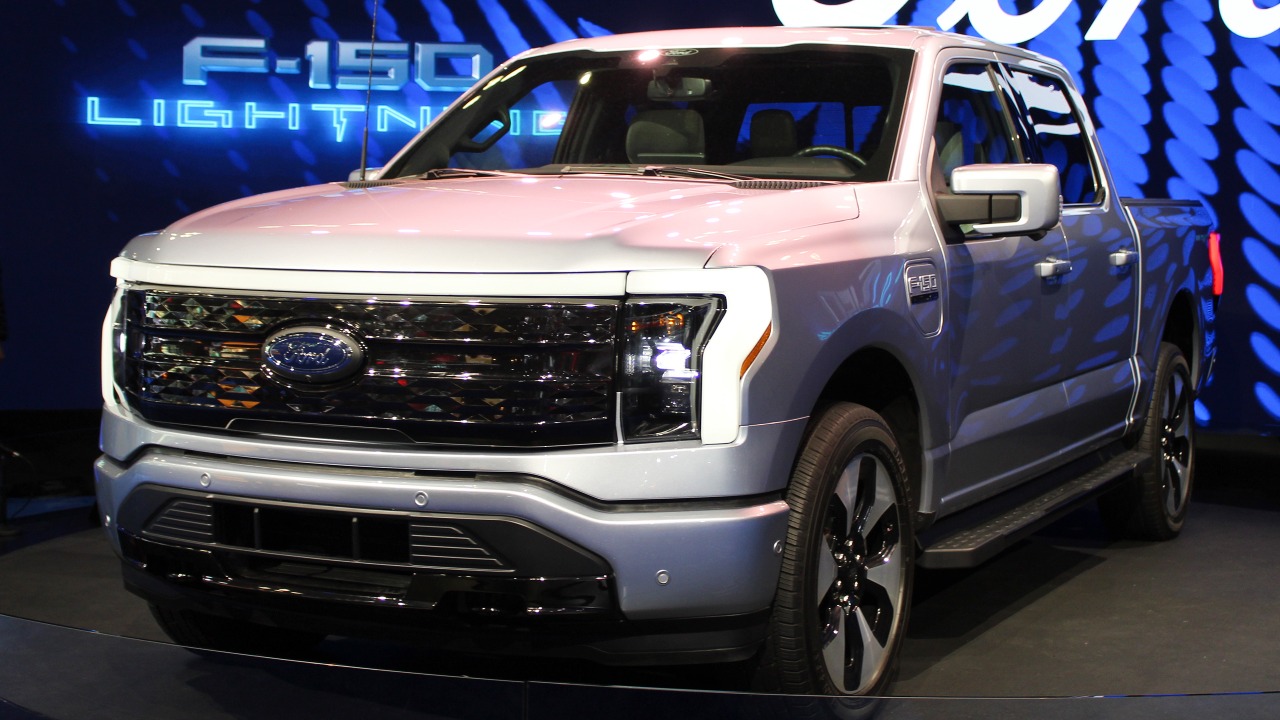
The rapid rollout of electric pickups and SUVs has not yet translated into a mass exodus from V8s, particularly in segments where range, charging access, and towing performance still raise questions for buyers. Reporting on early sales of models like the Ford F-150 Lightning, Chevrolet Blazer EV, and GMC Hummer EV shows that while these vehicles attract attention and waiting lists in some trims, they remain a small fraction of overall truck and SUV volume. Analysts tracking registration data note that traditional gasoline trucks, many of them V8 powered, continue to dominate the charts, a reality reflected in detailed EV market reports that show electric adoption growing but still concentrated in specific regions and price bands.
Hybrid and plug-in hybrid SUVs tell a similar story of coexistence rather than outright replacement. Coverage of models such as the Toyota Sequoia, Jeep Wrangler 4xe, and Ford Explorer Hybrid indicates that electrified powertrains are gaining share, especially among buyers who want better fuel economy without giving up towing or off-road capability. Yet many of these lineups still offer V8s or large-displacement alternatives because a significant slice of customers remains skeptical that smaller, more complex engines can handle years of hard use. That tension, documented in comparative tests and long-term reviews of popular SUVs, helps explain why automakers are hedging their bets instead of cutting eight-cylinder options outright.
Regulation and technology are reshaping, not erasing, the V8
Regulatory pressure is undeniably reshaping how and where V8s survive, but the latest product plans suggest adaptation rather than extinction. Federal emissions and fuel economy standards, along with state-level rules in places like California, are pushing automakers to reduce fleet averages, which in turn encourages smaller engines, hybrids, and full EVs. Yet reporting on upcoming truck and SUV platforms shows that companies are investing in more efficient V8s with advanced cylinder deactivation, direct injection, and cleaner combustion strategies, aiming to keep these engines viable in key markets while meeting stricter rules, a strategy outlined in technical previews of next-generation powertrain families.
At the same time, the rise of turbocharged sixes and plug-in hybrids is changing the role of the V8 from mainstream workhorse to specialized tool. Analysts who follow powertrain mix forecasts note that eight-cylinder engines are likely to concentrate in high-margin vehicles where their emotional and functional benefits justify the regulatory and engineering costs. That includes heavy-duty pickups, performance SUVs, and limited-run enthusiast models, categories that continue to feature prominently in automaker roadmaps and in coverage of future product pipelines. In that context, the V8 looks less like a doomed relic and more like a premium option that will coexist with electrified drivetrains for years.
Enthusiast culture and resale values keep V8 demand sticky
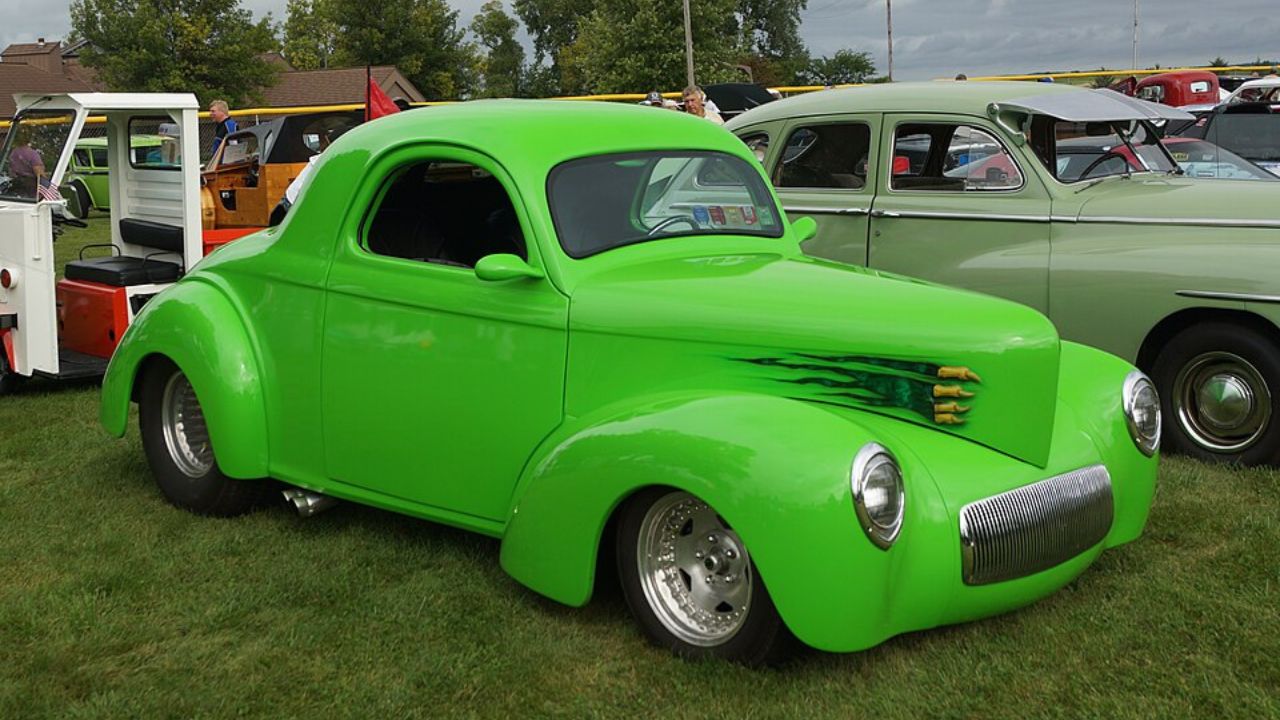
Beyond regulations and engineering, culture and economics are helping to keep V8 demand surprisingly resilient. Enthusiast communities built around drag racing, off-roading, and classic car restoration continue to celebrate eight-cylinder engines as the gold standard for sound, tunability, and character. Coverage of events like major truck meets, muscle car gatherings, and off-road festivals shows that V8-powered vehicles still dominate the show fields and social media feeds, reinforcing their status as aspirational objects for younger fans who may not yet be in the market but are already forming brand loyalties, a trend captured in reporting on aftermarket spending and enthusiast demographics.
Resale data adds another layer of evidence that Americans are not ready to walk away from big engines. Analyses of used vehicle prices consistently show that V8 versions of popular trucks and SUVs often command higher resale values than their smaller-engine counterparts, even when fuel costs rise. That premium reflects both perceived durability and ongoing demand from second and third owners who prioritize capability over efficiency, a pattern documented in detailed resale value studies. When a configuration holds its value that well, it sends a clear signal to automakers that the underlying demand is not just nostalgic, but economically meaningful.
Taken together, these trends point to a future in which the American V8 is no longer the default choice, yet remains a central part of the landscape wherever emotion, utility, and identity intersect. Electric and hybrid powertrains will keep gaining ground, especially in urban commuting and fleet applications, but the continued investment in eight-cylinder trucks, SUVs, and performance models shows that the market is not ready to close the book on big displacement. As long as buyers keep rewarding those vehicles with strong sales and robust resale values, automakers will find ways to keep the V8 alive alongside the batteries and turbocharged fours that define the next era.
More from Fast Lane Only: