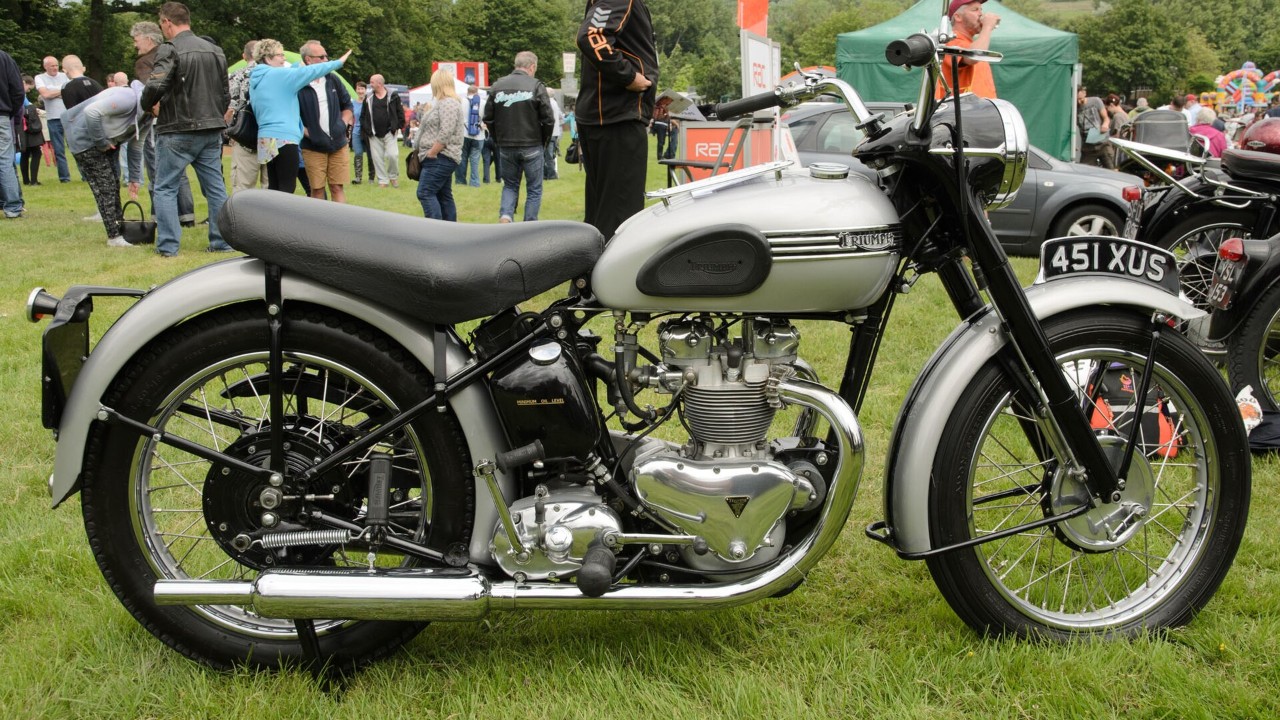
The Triumph Tiger 100 took its name from a top speed. Triumph claimed 100 mph for a 500 cc twin in 1939, and that number told riders exactly what kind of motorcycle they were buying. British bikes of that era often sold on promises like that, and many of them kept those promises.
However, the famous names tend to crowd out the rest. Most people can picture a Bonneville or a Commando. Far fewer, however, can tell you about the Yorkshire single that held up its own frame, or the Royal Enfield twin that outran the winners at Thruxton. Britain built dozens of machines with clever engineering and real character, and plenty of them deserve a second look.
These are our picks: ten British motorcycles we admire, from postwar twins to the last of the hand-built singles. The admiration is our opinion, so feel free to argue. The years, engines and figures behind it come from factory histories, period road tests and marque references.
1. 1952 Triumph Tiger 100
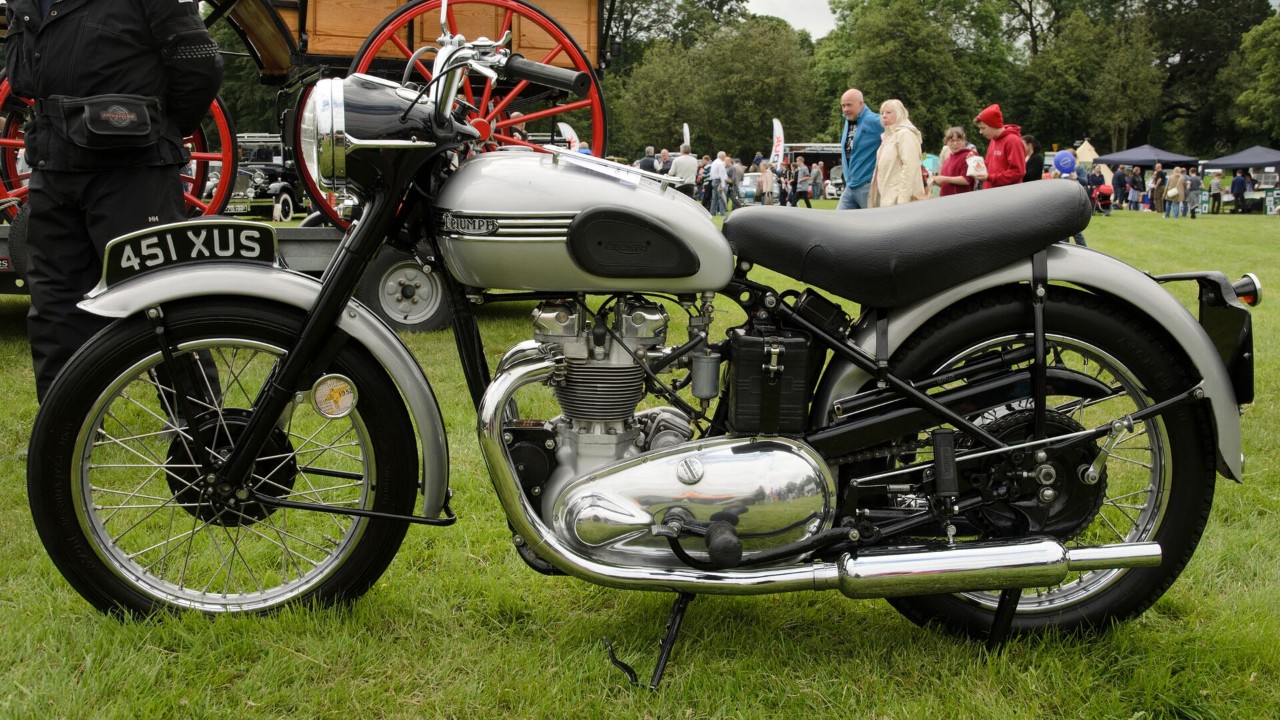
Edward Turner designed the Triumph Tiger 100 as the sporting version of his parallel twin. Its 498 cc engine also used a 63 mm bore and an 80 mm stroke. Production started in 1939, stopped when German bombs hit the Triumph works in November 1940, and then resumed in 1946. Versions of the Tiger 100 stayed in the range until 1973.
Before the war, Triumph proved the bike with a long-distance stunt. In March 1939, two riders took a Tiger 100 more than 1,800 miles from John o’ Groats to Land’s End. Then they rode six hours of laps at Brooklands. They averaged 78.5 mph on the track, and as a result the Triumph Tiger 100 won the Maudes Trophy.
By 1952, the bike had gained a close-finned alloy cylinder barrel, which arrived for 1951. Triumph also sold factory race kits so private owners could go racing. In our view, that combination is why the early-1950s Triumph Tiger 100 deserves your attention. It was a road bike that could become a racer, especially with parts from the factory. If you find one, check whether the race kit is original. That detail tells you a lot about the bike’s past.
2. 1953 Panther Model 100
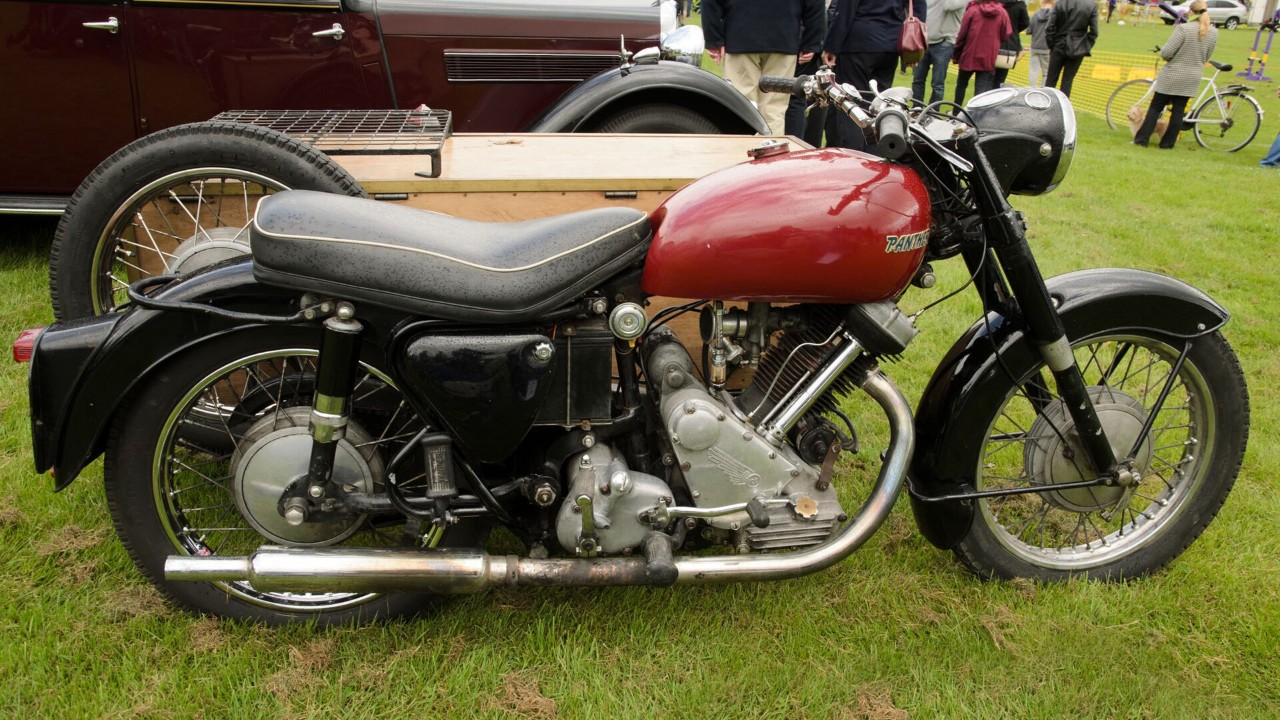
Phelon & Moore built the Panther Model 100 in Cleckheaton, Yorkshire. Its design was unusual from the start, because the frame relied on the engine. The big single leaned forward, and the engine itself served as the frame’s front down-tube. As a result, the motor was part of the structure rather than cargo bolted inside it.
The engine was a 598 cc overhead-valve single rated at 23 bhp at 5,300 rpm. Top speed was about 70 mph. Those numbers sound modest today, yet they tell only part of the story. Still, the Panther had pulling power that sidecar riders loved, and the factory leaned into that market. A 1956 update was even described as “heavy duty, sidecar trail.”
The Model 100 also has a remarkable travel record. In 1935, Florence Blenkiron and Theresa Wallach rode a Model 100 with a sidecar from London to Cape Town. Later accounts called it the first such journey on a motorcycle combination. Production ran from 1932 to 1963.
We admire the Panther because it was honest. After all, it never pretended to be a sports bike. Instead, it did one job, hauling a sidecar for decades, and did it well. If you want one, look for a machine with its sidecar history documented.
3. 1954 Vincent Comet
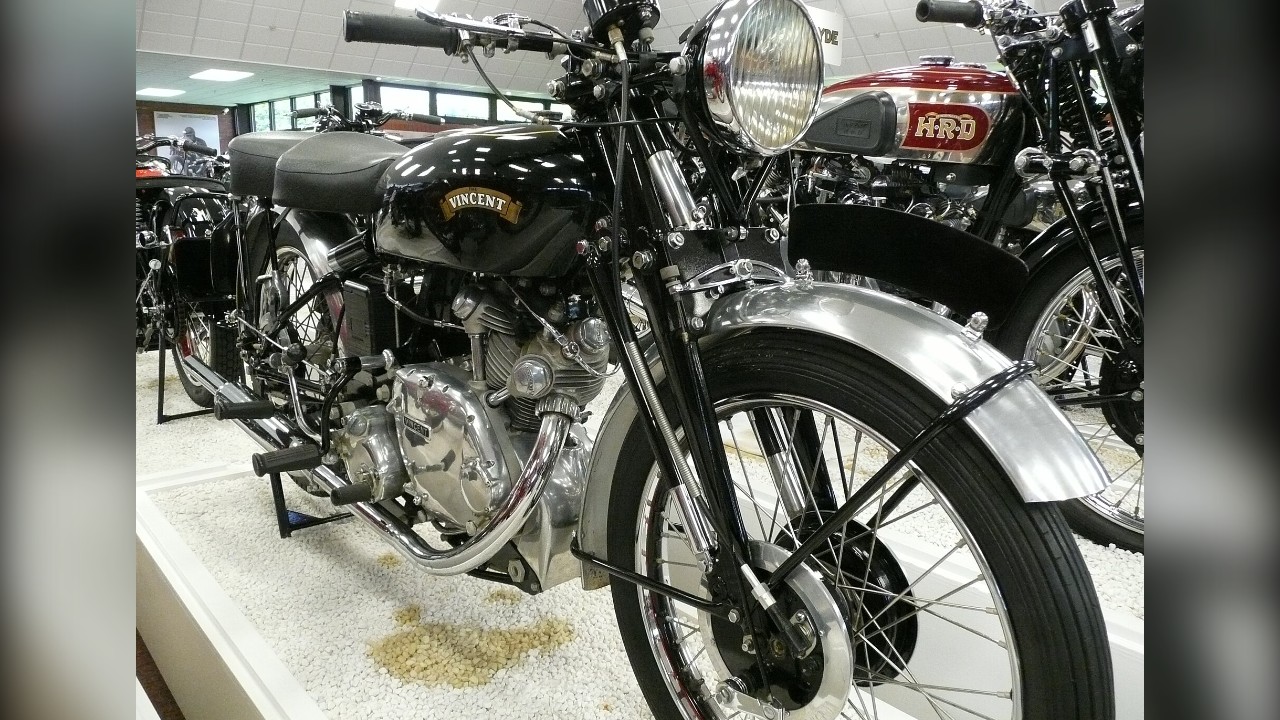
Vincent built the Comet at its works on the Great North Road in Stevenage, Hertfordshire. It used a 499 cc overhead-valve single rated at 28 hp at 5,800 rpm. That output came from a 7.3:1 compression ratio and a larger carburettor, both shared with the Black Shadow twin.
The chassis is where the Comet really earns respect. Vincent used a backbone that doubled as the oil tank, so the engine became a stressed member. Up front sat the company’s own Girdraulic forks. At the rear, a sprung cantilever system with hydraulic damping did the work. In our view, that layout was advanced for a single-cylinder road bike of the early 1950s.
Enthusiasts used to joke that the Comet was only half of the Rapide twin. In fact, the single borrowed more from the faster Black Shadow than the joke suggests. The Comet stayed in production until 1955.
Our take is simple. The Comet gives you Vincent engineering at a gentler, single-cylinder pace. You get the same thinking that made the twins famous, packed into a lighter, simpler machine. For many riders, that makes it the more usable Vincent.
4. 1955 Triumph 6T Thunderbird
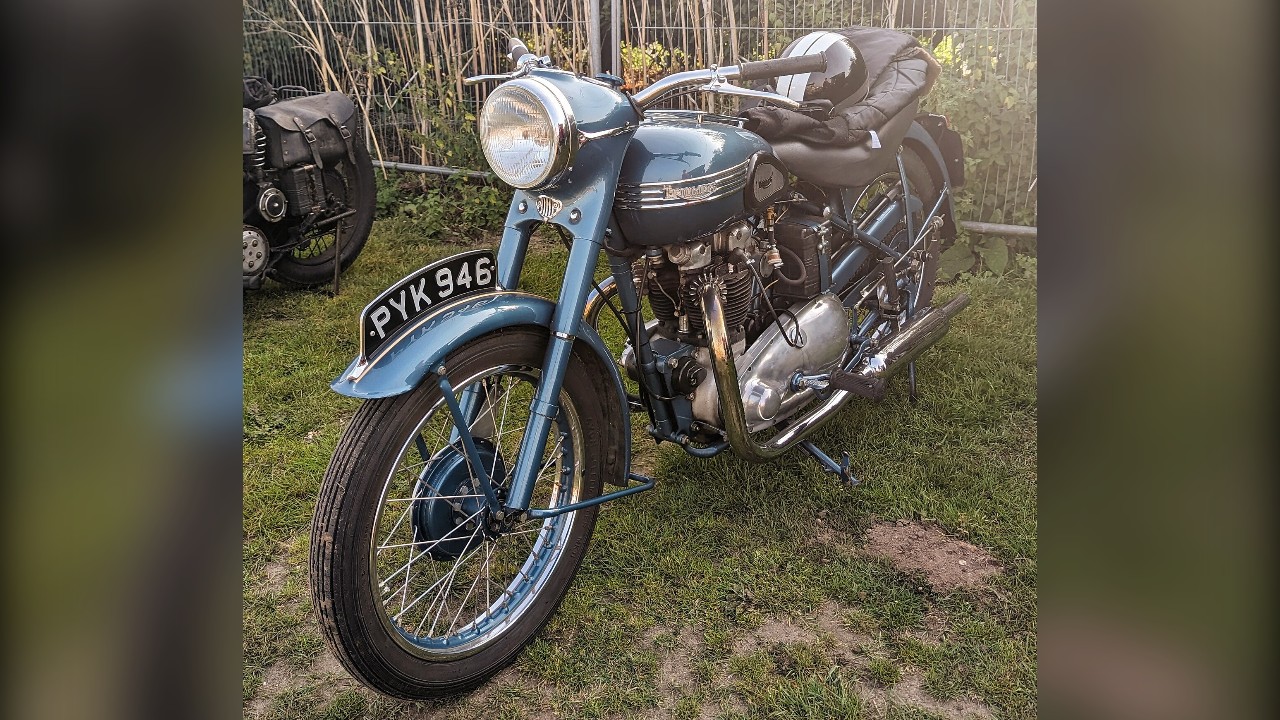
Triumph created the 6T Thunderbird by enlarging the bore of its 500 cc Speed Twin engine. Edward Turner had designed that twin back in 1937. The result was a 650 cc tourer aimed squarely at riders who wanted more torque for long American roads.
The launch, meanwhile, was pure theater. Triumph took three identical Thunderbirds to the Autodrome de Linas-Montlhéry in France. According to Silodrome’s history of the 6T, factory riders averaged 92 mph over 500 miles on the banked oval. Each bike then turned a flying lap above 100 mph. Afterwards, the riders rode them back to the factory in England.
Hollywood added to the legend. Later, Marlon Brando rode a 1950 6T Thunderbird in the 1953 film The Wild One. Triumph’s American importers disliked the movie’s image and complained to the producers, but the bike became famous anyway. The Thunderbird stayed in production from 1949 to 1966, and it moved to unit construction in 1963.
We admire the 6T because it proved a big British twin could be tough enough for sustained high speed. A 1955 example sits in the middle of that run. If you shop for one, focus on condition and originality. The Thunderbird was built to cover miles, and many did.
5. 1960 BSA A10 Golden Flash
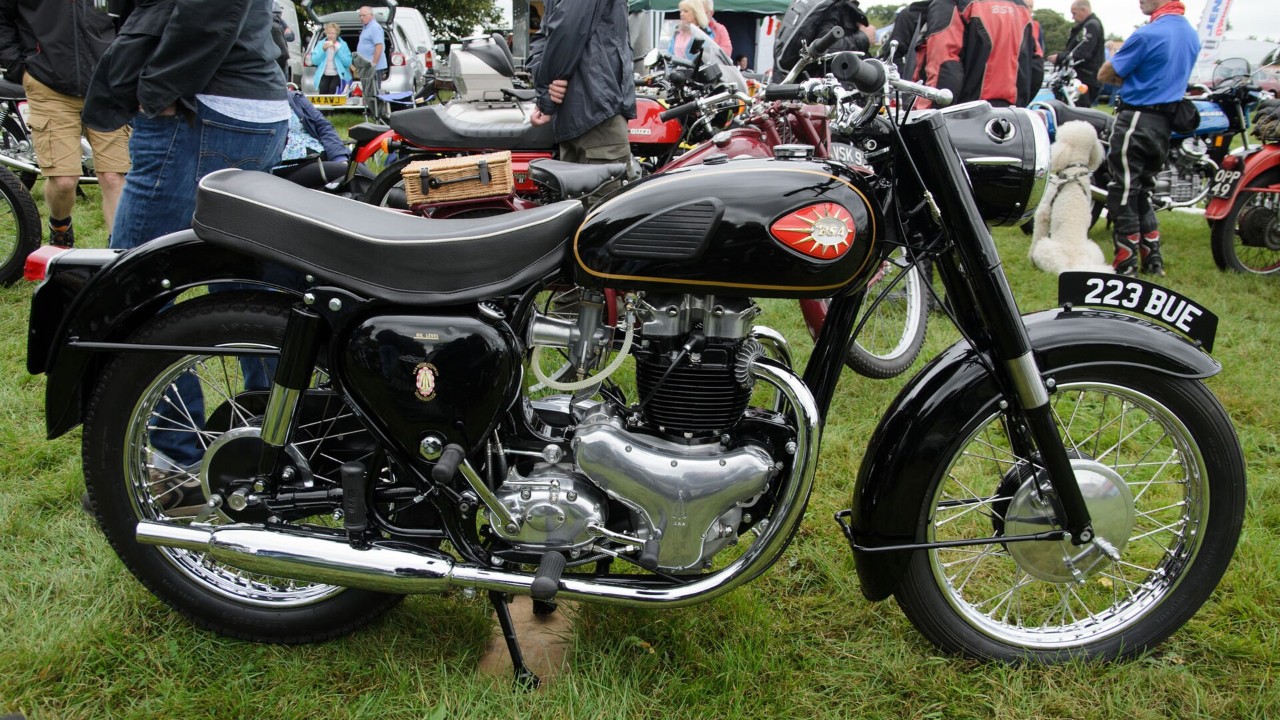
Bert Hopwood designed the A10, and he based it heavily on BSA’s earlier A7 twin. The Golden Flash used a 646 cc engine with a 70 mm bore and an 84 mm stroke. Its gold paint gave the bike its name, although British buyers at first could only order it in black.
That color rule says everything about the bike’s real market. In fact, about 80 percent of production headed for the United States. American riders got a twin that could top 100 mph in 1950 tests and cover the standing quarter mile in under 16 seconds. For a touring machine, that was strong performance.
The frame also changed over the years. Early bikes came with rigid or plunger rear ends, and plunger was the more common choice for export. Then a swinging-arm frame arrived in 1954. BSA kept the plunger option until 1957, and the A10 series ran until 1963.
By 1960, the Golden Flash was a mature, well-sorted design. In our opinion, that makes a late swinging-arm bike the one to own. It gives you the classic BSA look with suspension that suits modern roads better. Check that the gold finish is correct for the year if originality matters to you.
6. 1964 Matchless G12 CSR

Matchless developed the G12 in 1958 for the American market. Engineers could not bore the cylinders any further, so they lengthened the stroke instead. That gave the twin 646 cc, and Matchless quoted 35 bhp at 6,500 rpm for the G12.
Officially, CSR stood for Competition Sprung Roadster. However, rivals had another name for it: the “Coffee Shop Racer.” The CSR used upgraded camshafts and a two-into-one siamese exhaust. It also ran an 8.5:1 compression ratio, while other G12 models used 7.5:1. In 1963, the CSR gained twin carburettors and was sold as the Monarch in Britain and the Apache in America.
The G12 also had a sibling, the AJS Model 31. In the early 1960s, that AJS version won the Thruxton 500 endurance race. So the basic design had real racing pedigree behind the café nickname.
Production ended in 1966 as the company ran into financial trouble. We admire the 1964 CSR because it arrived late in that story, with the twin-carb setup already in place. You get the full version of the idea. If you buy one, confirm that the twin carburettors and siamese exhaust are present and correct.
7. 1966 Norton Atlas 750
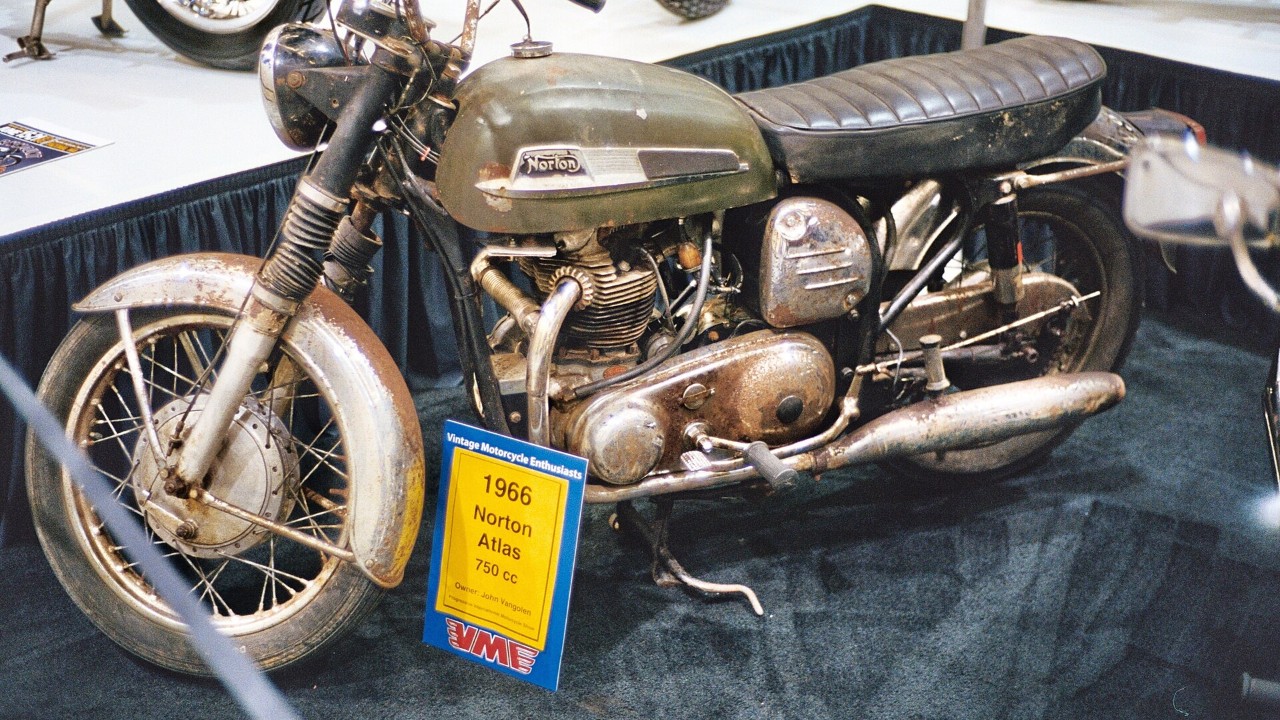
Norton built the Atlas from 1962 to 1968, and it styled the bike to appeal to American buyers. In fact, the first Atlases went only for export. The engine displaced 745 cc and made 55 bhp at 6,500 rpm, which was a big number for a British twin of the time.
Better yet, that power sat in Norton’s slimline Featherbed frame. The Featherbed had already earned a reputation for handling, so the Atlas paired a large engine with a chassis that could cope. Meanwhile, the stretched twin had a downside. It vibrated heavily at high revs, and Norton reduced the compression ratio to tame it.
The Atlas also explains why the Commando happened. Norton needed a way to keep a big twin from shaking its rider. The Commando, which had taken over by 1968, used rubber mounting to isolate the engine. In other words, the Atlas was the problem the next bike solved.
Even so, we think the 1966 Atlas deserves admiration. It is raw and fast, yet honest about its limits. If you ride one, keep it in the midrange where it feels strongest. A well-balanced crank and a sound frame are the two things to check first.
8. Royal Enfield Constellation
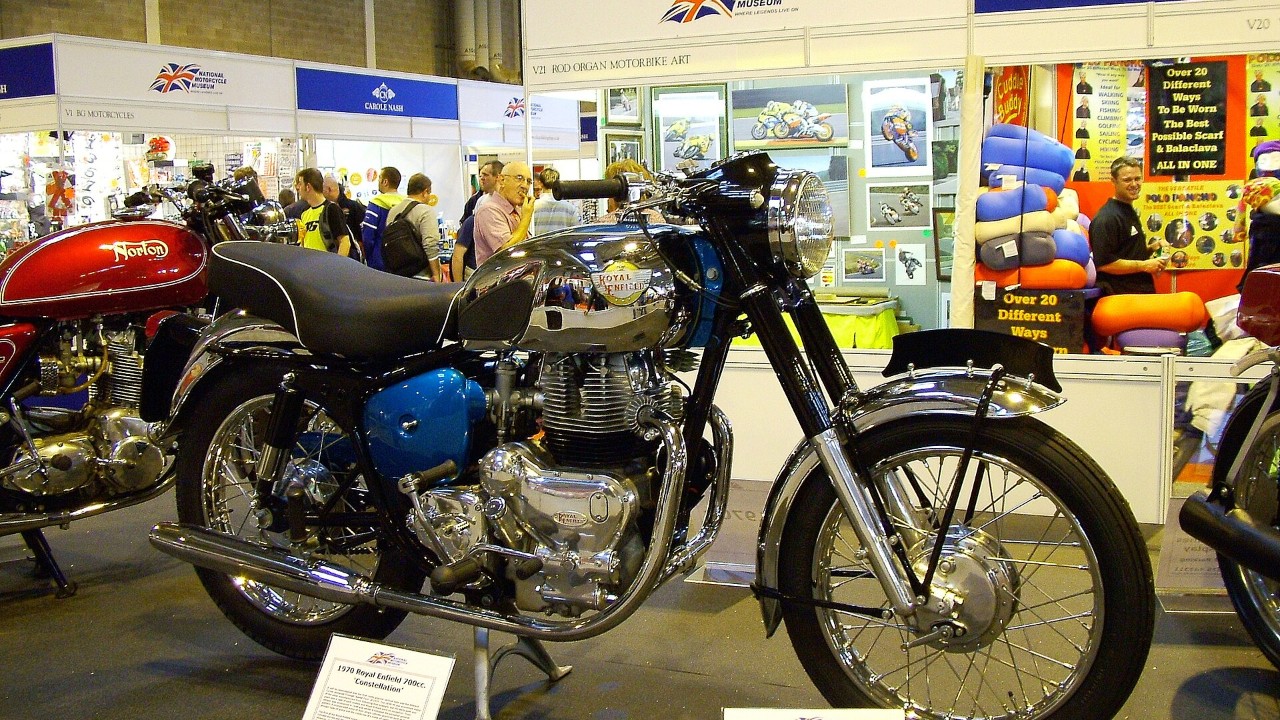
Royal Enfield introduced the Constellation for the 1958 season. Its 693 cc parallel twin used a 70 mm bore and a 90 mm stroke. From 1953 to 1962, Enfield’s 693 cc twins were Britain’s largest-capacity parallel twins. The Constellation raised compression to 8.5:1 and made around 50 hp at 6,250 rpm.
That power also showed on the road. According to Motorcycle Classics, a 1958 Motor Cycling test recorded 115 mph. The same history notes that Americans bought a version called the Indian Apache, with wider wheels, a smaller tank and a larger seat.
Racing, however, showed both sides of the bike. At the 1958 Thruxton 500, Bob McIntyre and Derek Powell were faster on track than the winners. Then they lost time in the pits, and a Triumph ridden by Mike Hailwood and Dan Shorey took the win. Constellations often led production races but retired with mechanical trouble.
The model ended in 1963, by then repositioned as a sidecar tug. In our view, the Constellation deserves more credit as an early British superbike. If you find one, budget for careful engine work, because racing proved how hard owners could push it.
9. 1970 Velocette Venom Thruxton
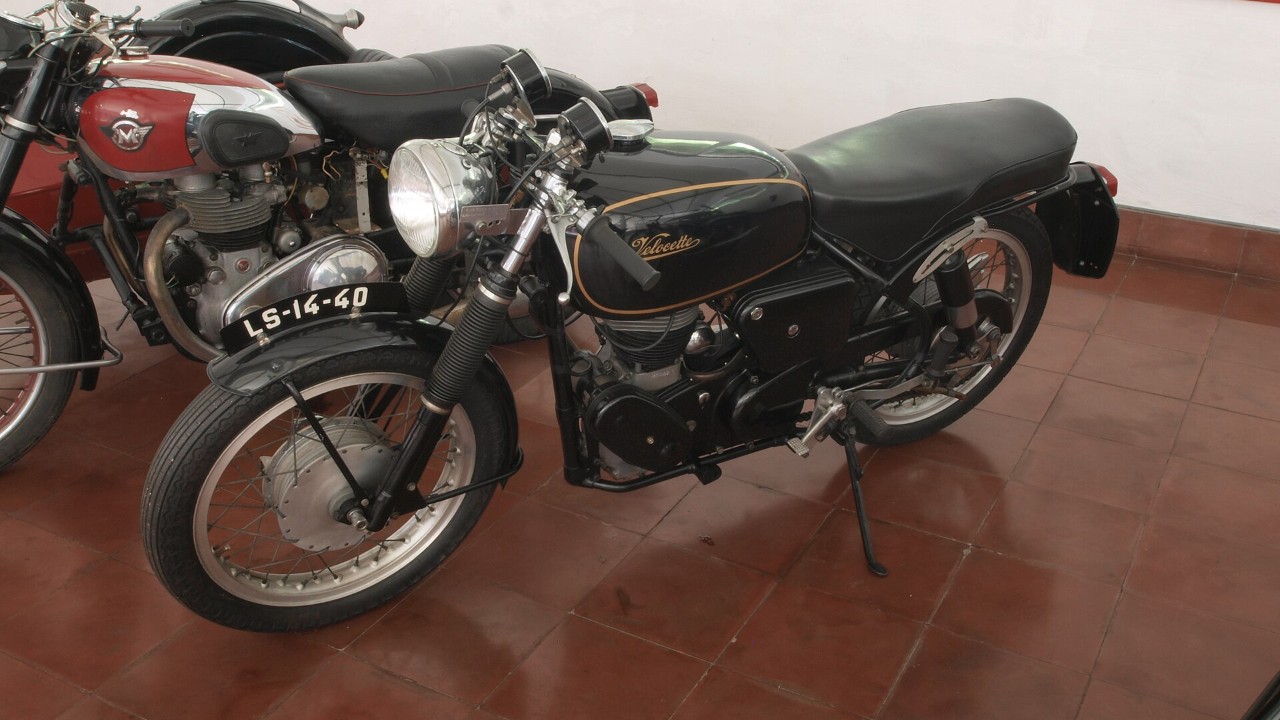
The Velocette Venom arrived in November 1955 with a 499 cc single. Its bore and stroke both measured 86 mm, so the engine was perfectly square. In March 1961, a factory-prepared, faired Venom averaged 100.05 mph for 24 hours at Montlhéry in France. That made it the first motorcycle to top 100 mph over 24 hours.
The Thruxton took that idea further. Velocette fitted a 1⅜-inch Amal GP2 racing carburettor, which was so large that the fuel tank needed a cutaway. A revised cylinder head lifted output to 41 hp. Velocette built 1,108 Thruxtons in total, which keeps them scarce today.
The bike then won where it counted. In the 1967 Production TT on the Isle of Man, Venom Thruxtons finished first and second. Neil Kelly won the 500 cc class with a fastest lap of 91 mph.
A 1970 example comes from the very end of the line. Velocette went into liquidation in February 1971, so these were among the last singles the company built. We admire the Thruxton because it pushed a pushrod single as far as it could go. If you want one, demand proof of its history. A converted Venom is not the same machine.
10. 1972 BSA A65 Lightning
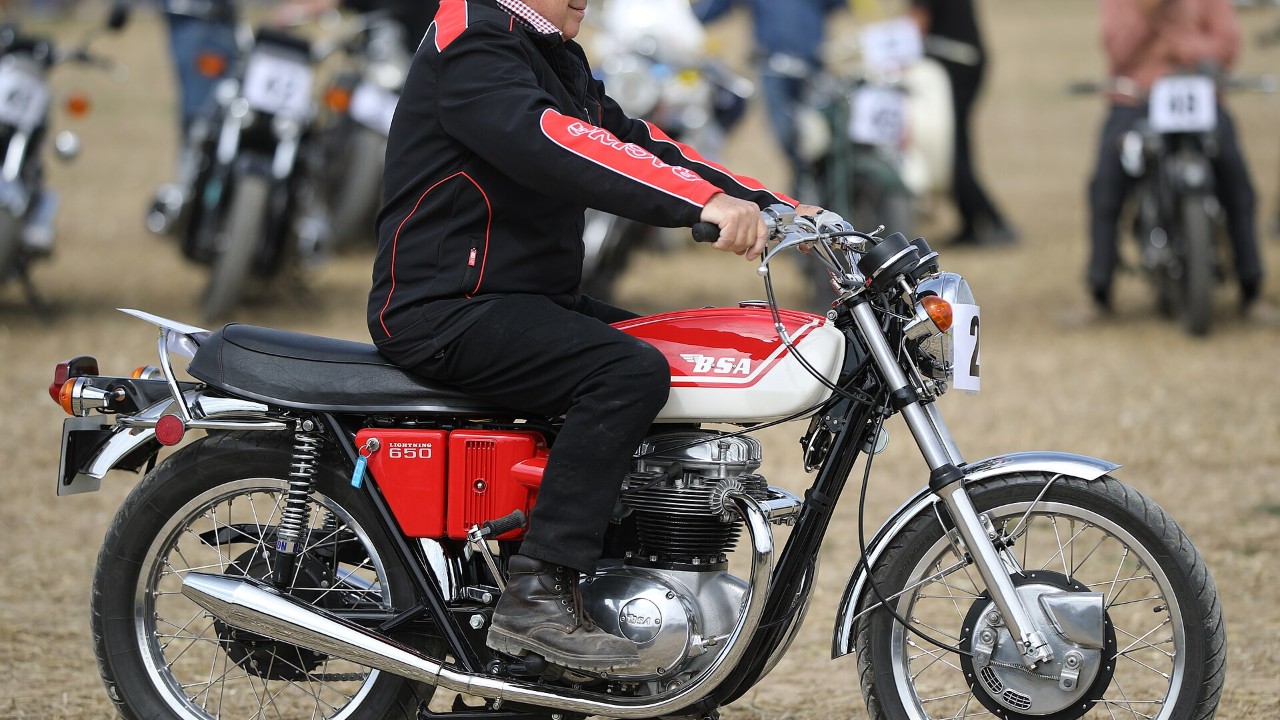
BSA’s 1971 Lightning launched with a 654 cc pushrod twin. The company claimed 51 hp at 7,000 rpm and a top speed of 110 mph. It unveiled the bike in October 1970 at the Royal Lancaster Hotel in London, alongside 15 other models. Later writers called that event the industry’s “Last Supper.”
However, the 1971 bike had a serious flaw. Its new oil-in-frame chassis put the seat at 33 inches, and development riders had warned it was too tall. Hagerty’s look at the Lightning also describes a 1971 season ruined by strikes, poorly made parts and a faulty computer that ordered the wrong components.
For 1972, BSA fixed much of what was wrong. The Lightning got a revised frame, a lower seat, lower bars and a bigger fuel tank. That makes the 1972 bike the one we admire most. Unfortunately, it came too late, and twin production ended shortly afterward.
Hagerty’s guide puts a nice-riding example at about $4,400 and a show-quality bike at about $6,000. In our opinion, that is fair money for the best version of BSA’s last 650. If you buy one, sit on it first. Even the 1972 seat height can surprise shorter riders.
More from Fast Lane Only