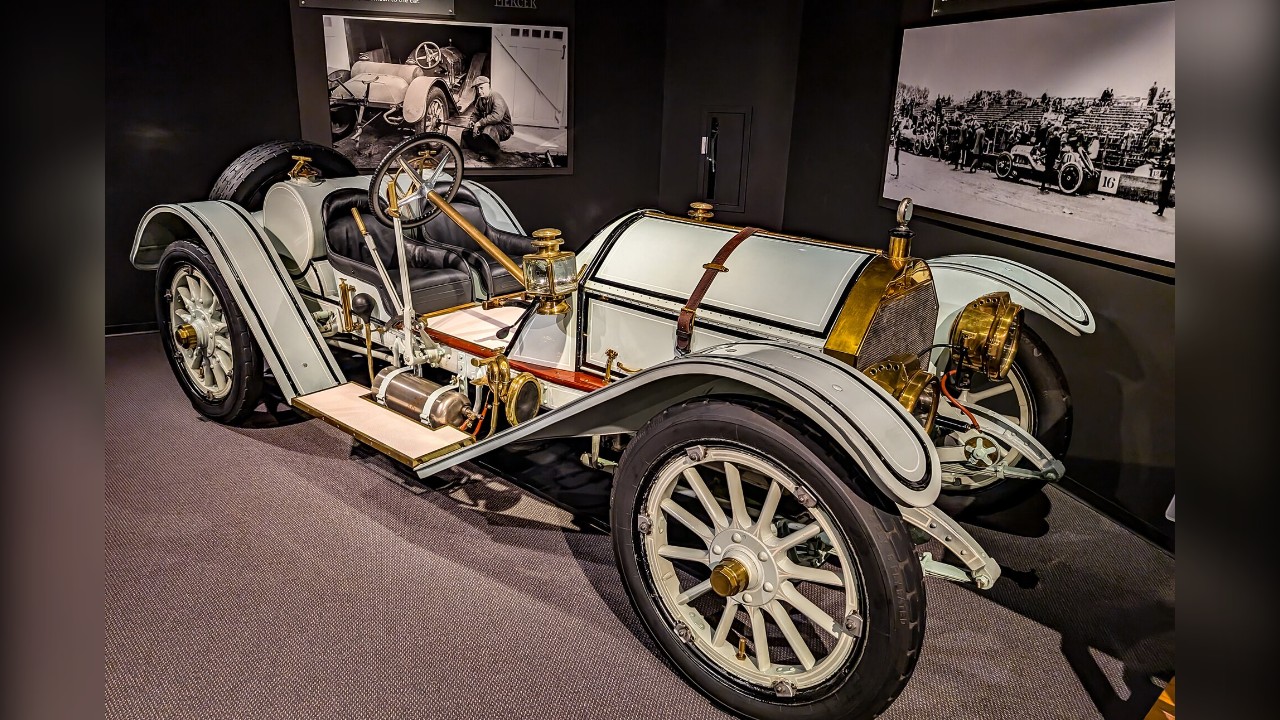
In 1911, the Mercer Raceabout won five of the six races it entered, and the only one it lost was the first Indianapolis 500. That record tells you something about the best cars built before World War II. Long before power steering or synchromesh became normal, a few makers built cars that existed mainly to be driven hard.
Most prewar cars, however, were transport, plain and simple. A smaller group, however, chased speed, balance and feel with the tools of their day. They ran in road races and hill climbs, and many of them still look fast parked at a show.
These are our picks, twelve prewar cars that we think were pure driving machines. Each one comes with facts from our sources, while the verdicts are our opinion. Some are American, while most come from Britain and France, where small sporting cars thrived between the wars.
1. 1912 Mercer Raceabout
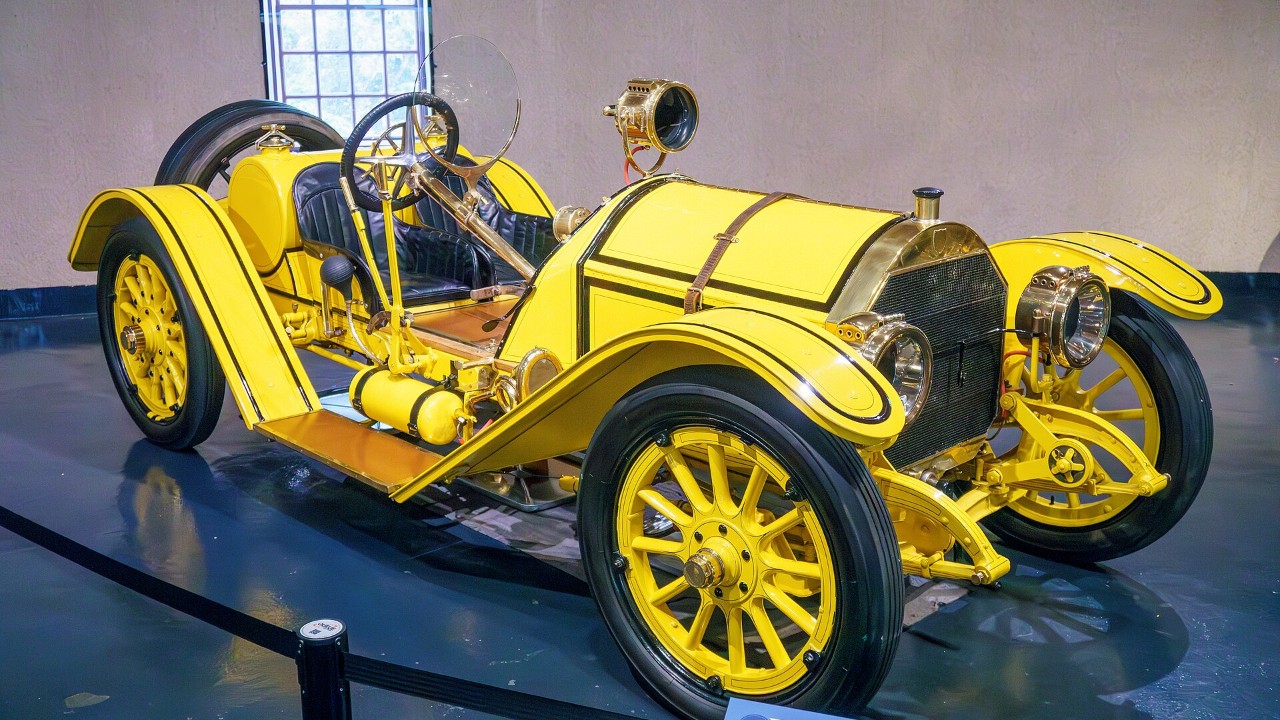
Mercer started in May 1909 in Trenton, New Jersey, with backing from the Roebling family. Ferdinand Roebling served as president. Washington Roebling II came up with the idea for a fast two-seater, and engineer Finley Robertson Porter turned it into the Type 35 Raceabout. Sadly, Roebling died in the Titanic disaster in 1912.
Porter gave the Mercer Raceabout a T-head four-cylinder engine of 293 cubic inches. That engine made 55 horsepower at just 1,650 rpm. That does not sound like much today, but Mercer stripped the car to the essentials. Mercer designed it to run safely and consistently above 70 mph, and it could top 90 mph.
We put the Mercer Raceabout first because it set the template for the American sports car. After all, the Mercer Raceabout had two seats, a big engine and almost nothing else. Because of that, the driver felt every bump, every gear change and every bit of speed. For our money, few cars of any era have been so honest about their purpose. The Mercer Raceabout made no pretense of being comfortable, and that is exactly why it thrills people who see one run.
2. 1914 Stutz Bearcat
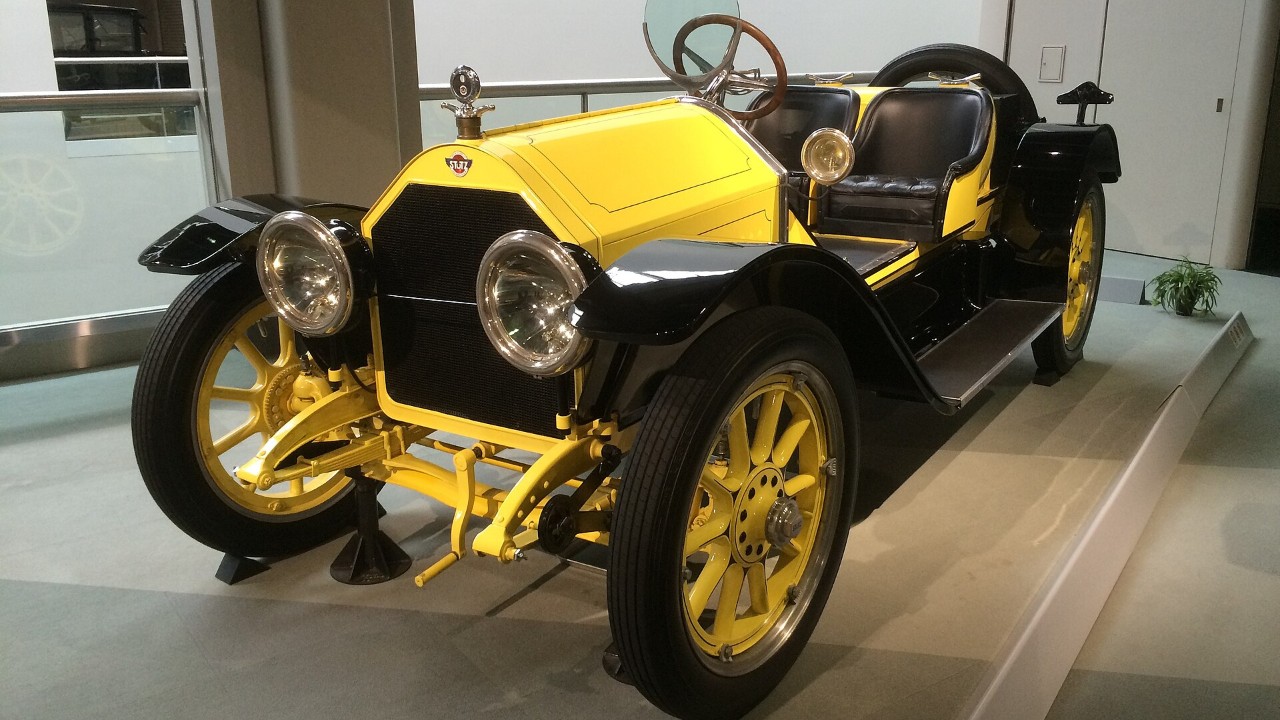
The Bearcat was Stutz’s short, light sporting chassis. For example, it rode on a 120-inch wheelbase, compared with 130 inches for the regular Stutz passenger car. Under the hood sat a 390-cubic-inch four-cylinder engine from the Wisconsin Motor Manufacturing Company, rated at 60 horsepower.
The Bearcat also had a famous publicity stunt. In 1915, Erwin “Cannon Ball” Baker drove a stock Bearcat from California to New York in eleven days, seven hours and fifteen minutes. Stutz already had a slogan ready, too. Its 1912 Indianapolis 500 program called the Stutz “The Car that made good in a day.”
We rank the Bearcat high because it was every bit as raw as the Mercer Raceabout. It cost $2,000 in 1914, almost four times the price of a basic Ford Model T. In other words, it was a rich driver’s toy, and it delivered the thrills to match. Today, a Bearcat is a reminder of how fast the young American auto industry learned to build excitement. If you ever see one at a show, look at how little there is between the driver and the road.
3. 1929 Amilcar CGSS
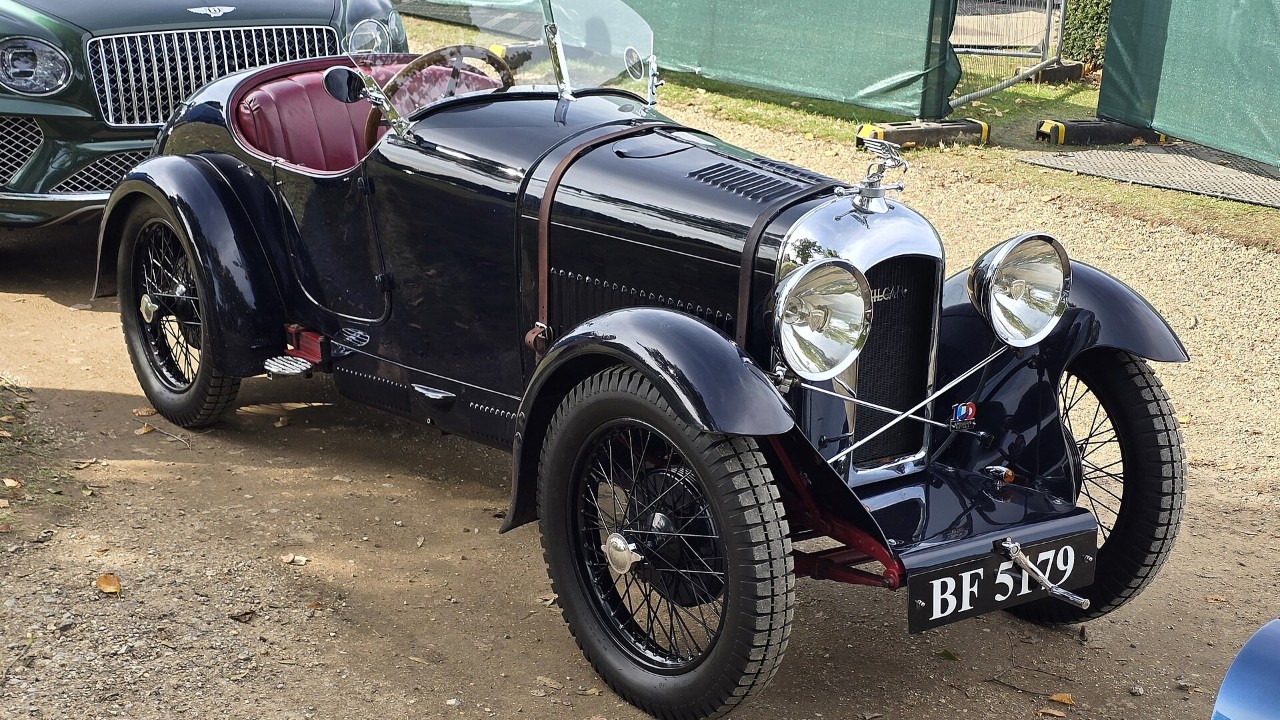
Joseph Lamy and Emile Akar founded Amilcar, and the company name was an anagram of theirs. The CGSS arrived in 1926 as the sportiest version of the CGS. Those letters stand for Châssis Grand Sport Surbaissé, which means a lowered Grand Sport chassis.
The Museo Nicolis profile of its Amilcar CGSS lists a 1,074 cc four-cylinder engine with 37 horsepower, up from 33 in the CGS. It also gives a top speed of 120 km/h, or about 75 mph. Compared with the CGS, the CGSS had a shorter wheelbase, a slimmer body and bigger brake drums. In the end, Amilcar built 984 of them.
We love the CGSS because it shows what a small engine could do in a light, low car. It looks like a miniature racer, and in many ways it was one. In fact, gentleman drivers entered these cars in all kinds of competitions. For a prewar sports car fan, the CGSS is a perfect example of French flair on a budget. Better yet, later versions gained a differential and a four-speed gearbox, which made them easier to drive quickly.
4. 1934 Austin Seven Ulster Sports
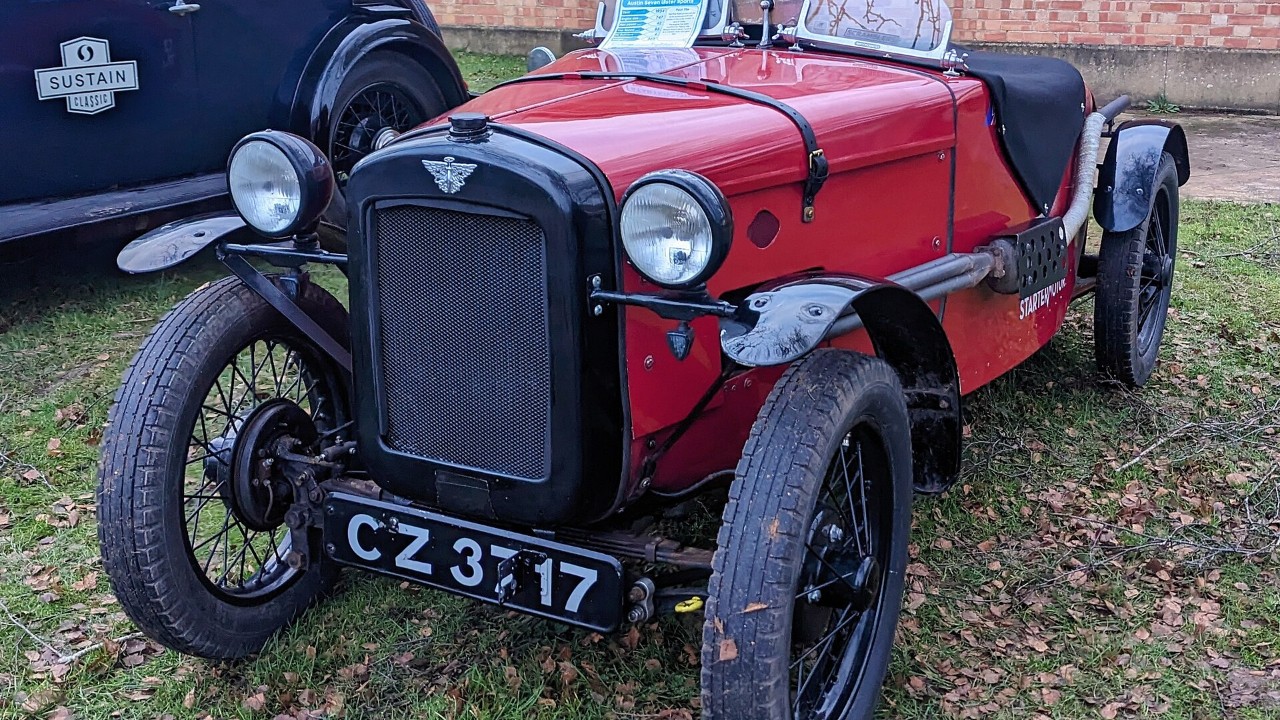
Austin built the Seven from 1922 to 1939, and it made 290,000 cars and vans in that time. Power came from a small 747 cc four-cylinder side-valve engine, so nobody bought one for brute force. The car was so successful that BMW, Rosengart and the American Austin company all built versions under licence.
The sports version earned the nickname “Ulster” after a strong showing at the 1929 RAC Tourist Trophy at the Ards circuit in County Down. In that race, Archie Frazer-Nash finished third in an Austin, while Holbrook was fourth in another. The Ulster model had an aluminum body with no doors, which kept weight to a minimum.
We include the Austin Seven Ulster because it proves a driving machine does not need a big engine. Its tiny size and light weight made it nimble, and a skilled driver could carry a lot of speed through a twisty road. On top of that, it finished ahead of far bigger machines in a major race. Today, the Ulster is one of the most approachable ways into prewar motorsport. With 290,000 Sevens built, the basic mechanical parts are familiar to many specialists.
5. 1934 Riley Nine Ulster Imp
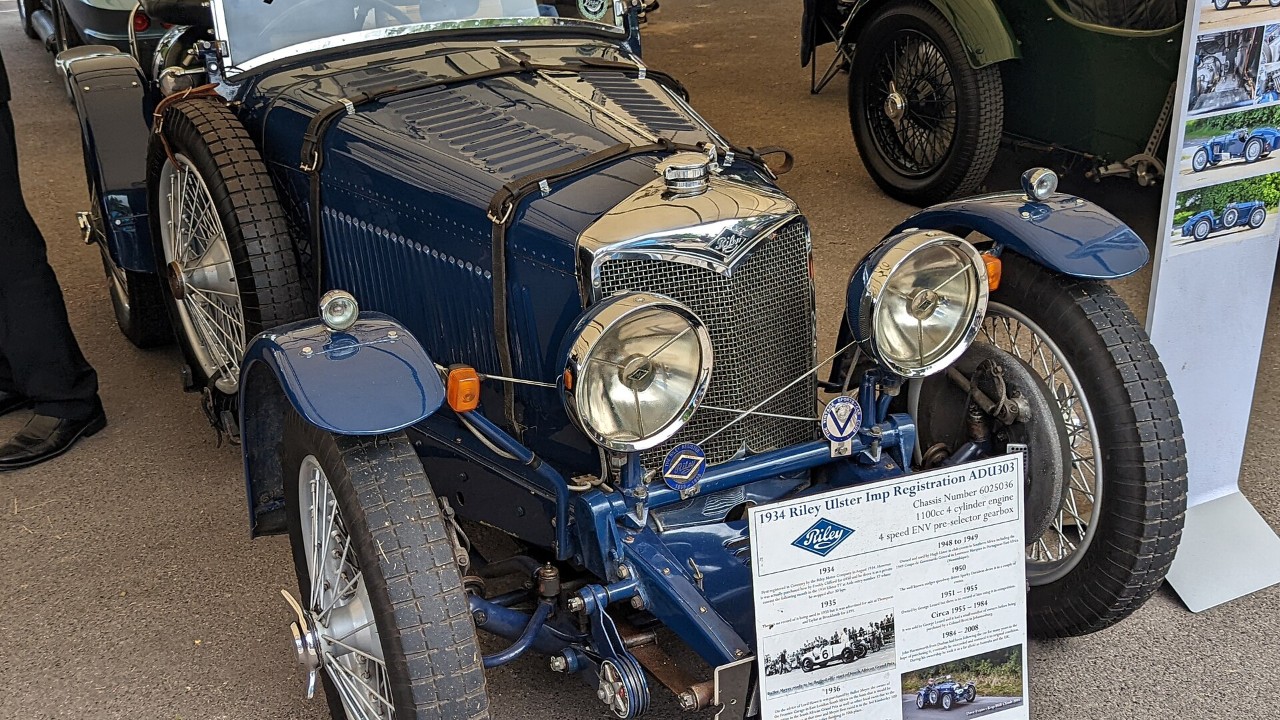
The Riley Nine ran from 1926 to 1938, and it had one of the cleverest small engines of its day. The 1,087 cc four had hemispherical combustion chambers with valves inclined at 45 degrees. Two camshafts sat high in the block and worked the valves through short pushrods and rockers.
Riley showed the Imp prototype at the 1933 Olympia Motor Show and built it in 1934 and 1935. Soon after, light-bodied competition versions did well at the 1934 Ulster Tourist Trophy. As a result, they became known as the Ulster Imp. That same year, Kay Petre and Dorothy Champney finished 13th at Le Mans in an Imp with a competition chassis.
We rank the Ulster Imp highly because it combined a sophisticated engine with a small, tight chassis. Riley built it for drivers who liked to place a car precisely through a corner. In addition, it carries a proud racing story with two women at the wheel at Le Mans. If you love prewar sports cars, the Ulster Imp should be near the top of your wish list. The challenge is finding one, since the Imp lasted only two seasons.
6. 1934 Aston Martin Ulster
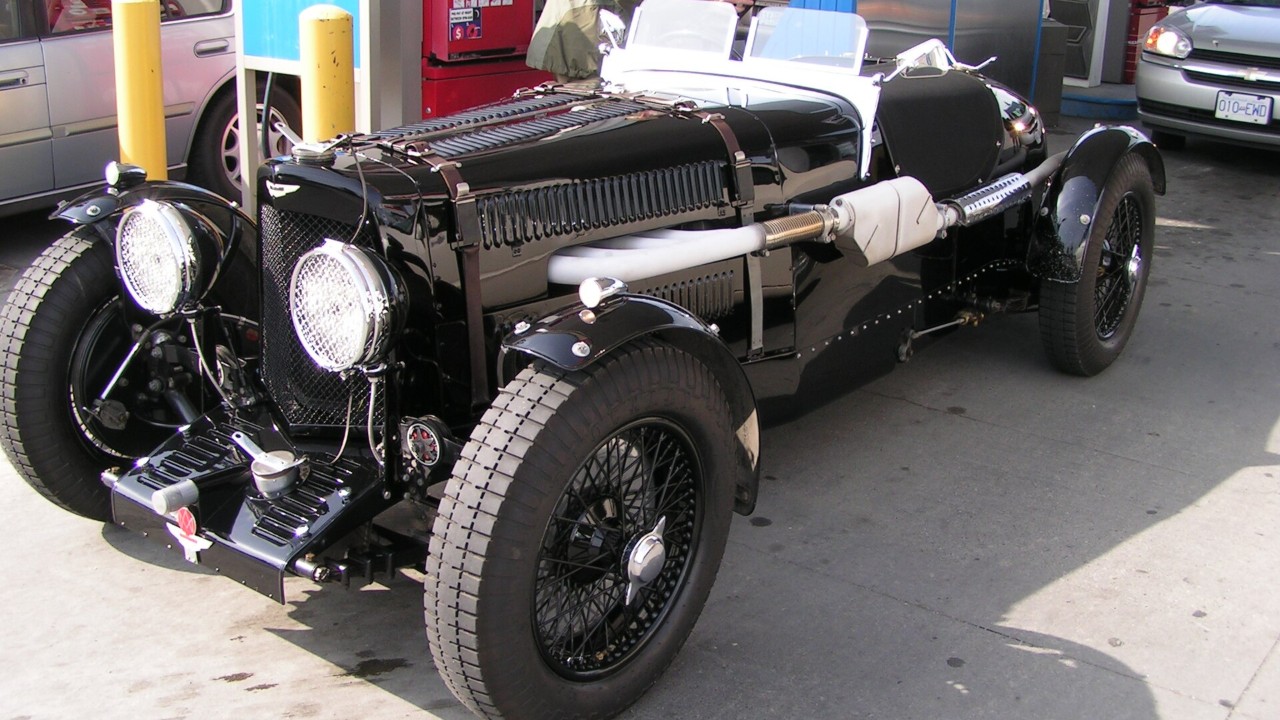
Aston Martin named the Ulster after its works team’s success at the 1934 Ulster Tourist Trophy. According to the Aston Martin Heritage Trust, the company built 21 Ulsters, and 20 are believed to survive. Of those, four had a two- or four-seater body. The trust’s own Ulster, chassis K4/508/U, has been in Aston Martin hands since 1974, first with the owners club and then the trust.
Its tuned engine made 85 bhp, and Aston Martin promised that customer cars would reach 100 mph. New, it cost £750. The trust also lists a 0-60 mph time of 28.2 seconds, which shows how much performance standards have changed since then.
We rank the Ulster high because it was a true racing car you could buy and drive on the road. That 100 mph guarantee was a bold promise in 1934, and Aston Martin delivered on it. Today, the Ulster is one of the most important cars in the brand’s history. With only 21 built, every surviving example is a treasure. If you ever see one, you are looking at one of the cars behind Aston Martin’s prewar sporting reputation.
7. 1934 Frazer Nash TT Replica
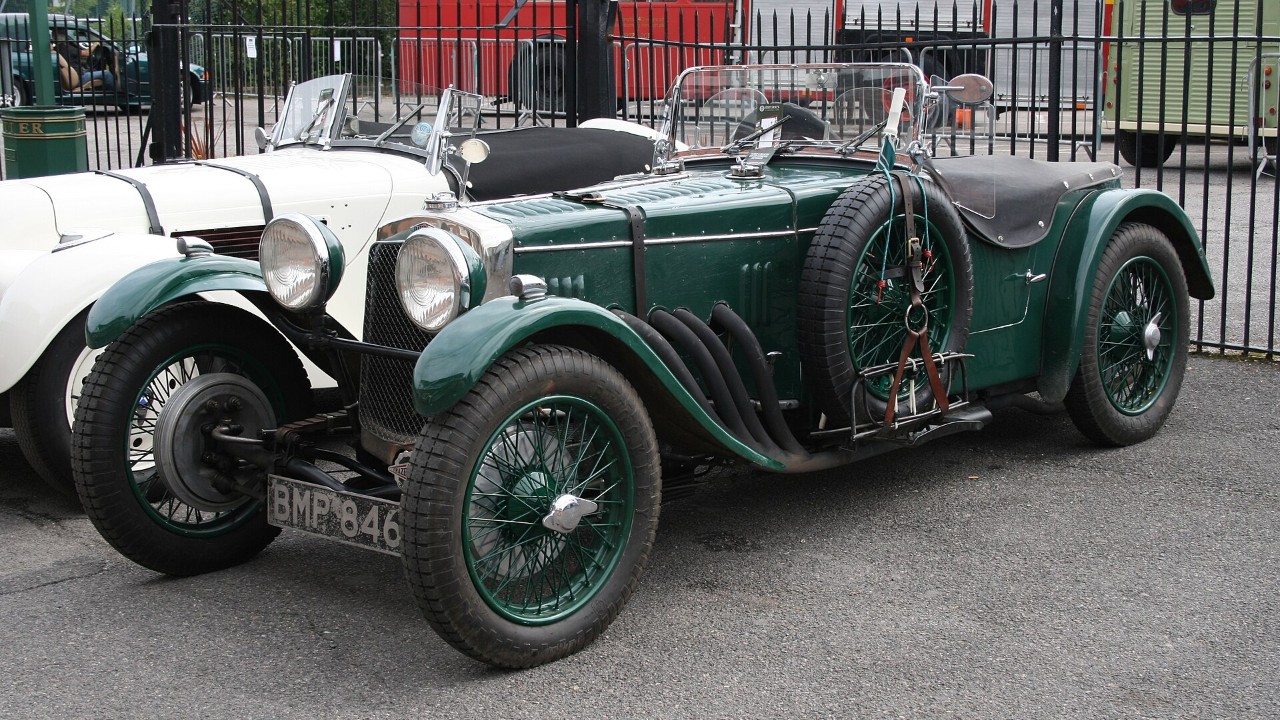
Archie Frazer-Nash founded his company in 1922, and his cars became famous for a multi-chain transmission. In 1929, the Aldington brothers took control of the business. The firm built around 350 chain-drive cars between 1924 and 1939.
Of all those cars, the TT Replica became the best-known. Frazer Nash built 83 between 1932 and 1938. Most used a 1.5-liter four from Meadows or Gough, while a few had a 1,660 cc Blackburne six. Buyers could choose a 105-inch or 108-inch wheelbase. The name itself pointed straight at the Tourist Trophy, the great British road race of the day.
We love the TT Replica because its chain drive made it unlike anything else on the road. The gearchange felt direct and mechanical, and the whole car felt built around the driver. For anyone who enjoys a hands-on driving experience, the TT Replica is the real deal. It rewards a skilled driver with fast, flowing progress on narrow roads. Meanwhile, with only 83 built, every example is special. We would love to see more of them out on the road, where they belong.
8. 1934 Morgan Super Sports three-wheeler
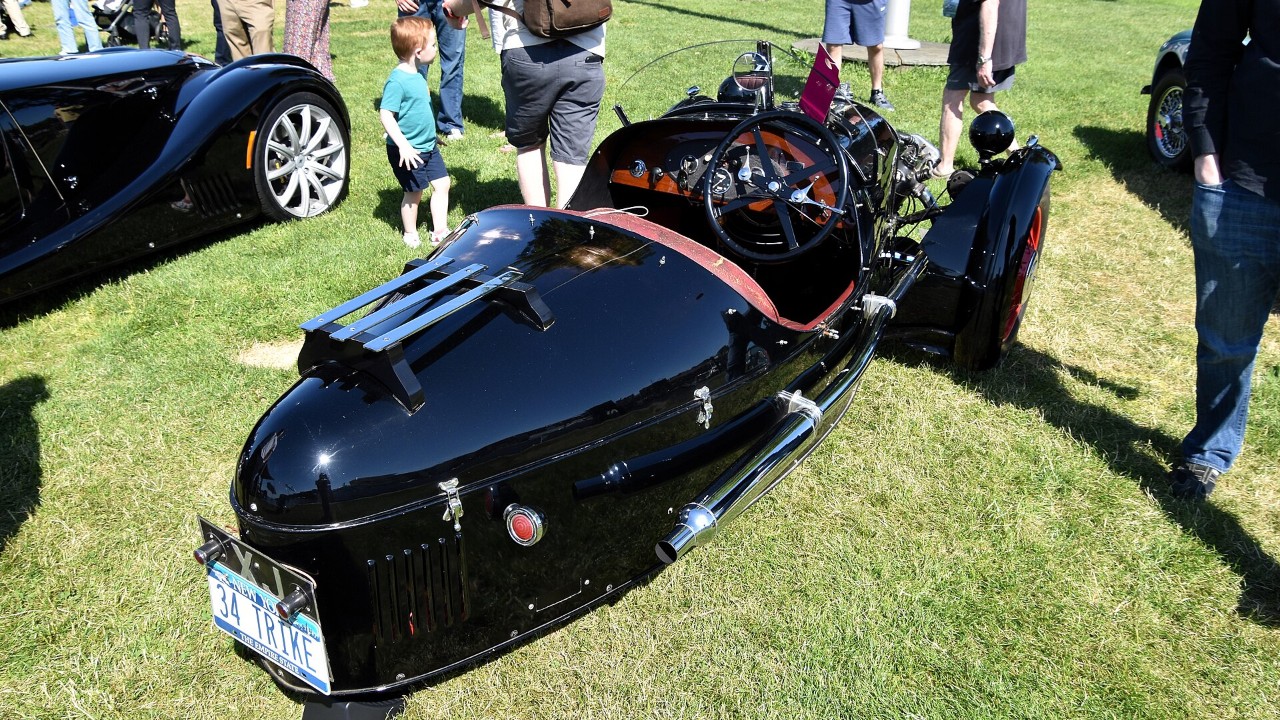
Morgan built V-twin three-wheelers from 1911 to 1939. The Super Sports arrived at the end of 1927 with a water-cooled, overhead-valve JAP V-twin and a price of £155. By 1929, the price had dropped to £145.
Even so, the Super Sports was very quick for its size. In 1930, Gwenda Stewart reached 113 mph in a race-tuned example. Like all Morgans, it used sliding-pillar front suspension, a design that dates back to the founder’s own 1909 runabout. The company kept developing that idea throughout its history. Lightness did the rest, since a three-wheeler carries far less metal than a four-wheeled car.
We rank the Super Sports as a pure driving machine because it is light, simple and wildly fun. With one wheel at the back and a big V-twin up front, it feels more like a motorcycle with a body than a car. On top of that, it rewards a confident driver with incredible pace on a winding road. If you ever get the chance to ride in one, take it. Morgan did not return its V-twin models to production after the war, so these prewar cars hold a special place.
9. 1935 Alvis Speed 20 SC
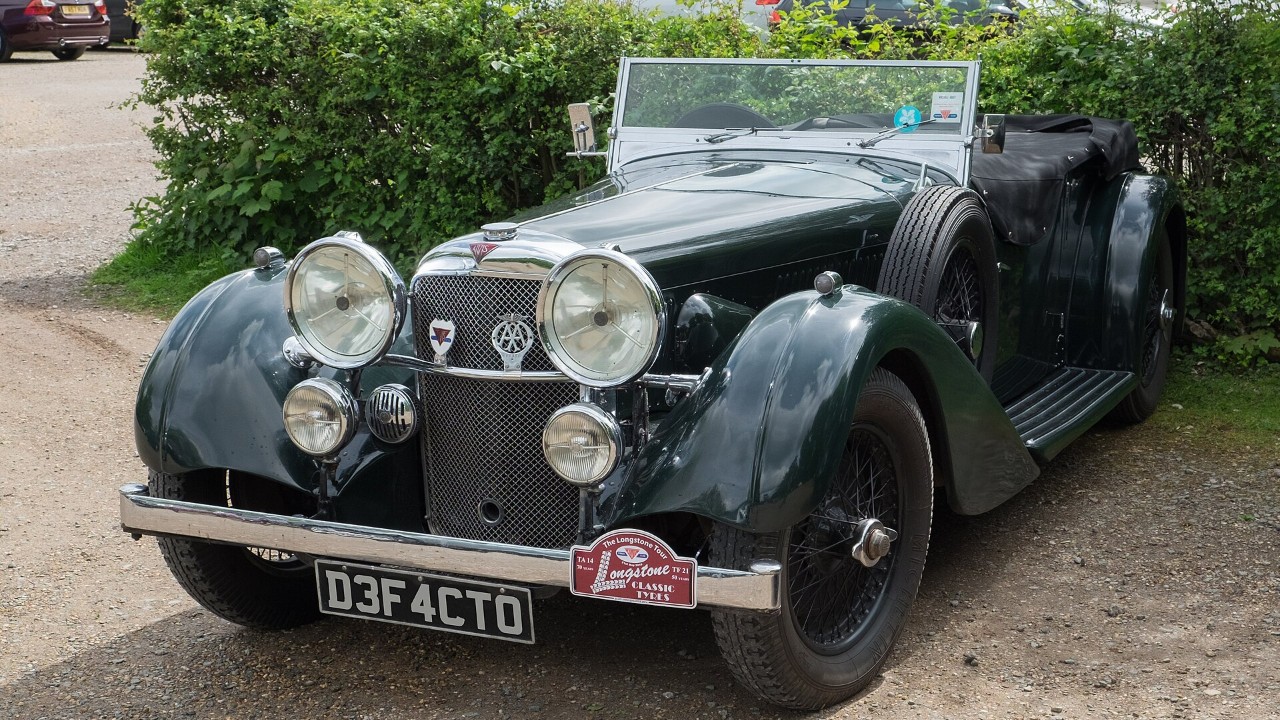
Alvis built the Speed 20 in Coventry from late 1931 to 1936, in four versions from SA to SD. In total, it made 1,165 cars, and about 400 were the early SA. The SB arrived in 1933 with independent front suspension and an “all-silent” gearbox with synchromesh on every gear.
Then, for 1935, the SC added a bigger engine. Alvis increased the stroke to 110 mm, which took displacement from 2,511 cc to 2,762 cc. The SC also got revised steering, better front damping, twin electric fuel pumps and a stiffer rear chassis. Coachbuilders such as Charlesworth, Cross & Ellis and Vanden Plas supplied the bodies.
We include the Speed 20 SC because it blended sports-car performance with grand-touring comfort. Its independent front suspension and full synchromesh made it easier to drive fast than many rivals. At the same time, its long bonnet and elegant coachwork made it one of the best-looking British cars of the decade. For a driver who wants prewar character with a bit more polish, the SC is a great choice. Its bigger engine gives it the relaxed pace a long tour demands.
10. 1935 Lagonda M45 Rapide
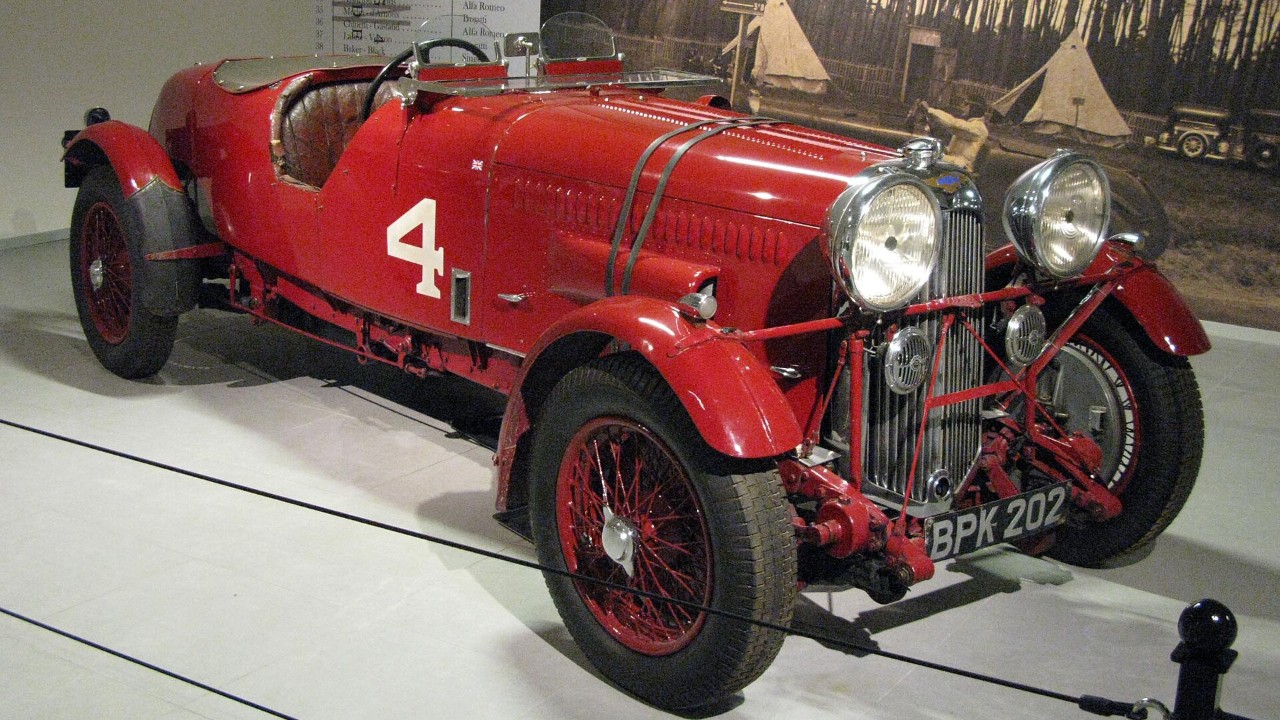
The Lagonda M45 used a 4.5-liter Meadows six-cylinder engine. In 1934, after a supercharger ban, the racing firm Fox & Nicholl ordered three M45s with factory special parts. Those cars ran in the 1934 Tourist Trophy, and all three finished well.
Then came the big result. As the Louwman Museum’s history of the winning car explains, Fox & Nicholl entered one of those cars at Le Mans in 1935. Hindmarsh and Fontés drove it to victory over Alfa Romeo, which had won the previous four years. Before the race, the Lagonda had qualified only seventh in practice. Remarkably, the winning car finished with only half a liter of oil in its sump.
We rank the M45 Rapide high because it combined big British power with real endurance. It was a fast, comfortable road car that could also win the world’s toughest race. The victory came at a crucial time, because Lagonda was in financial trouble, and the win helped attract a new backer. For us, the M45 Rapide shows how one result can save a company. It also proved that a big, comfortable British tourer could outlast the favored Alfa Romeos.
11. Delahaye 135 CS
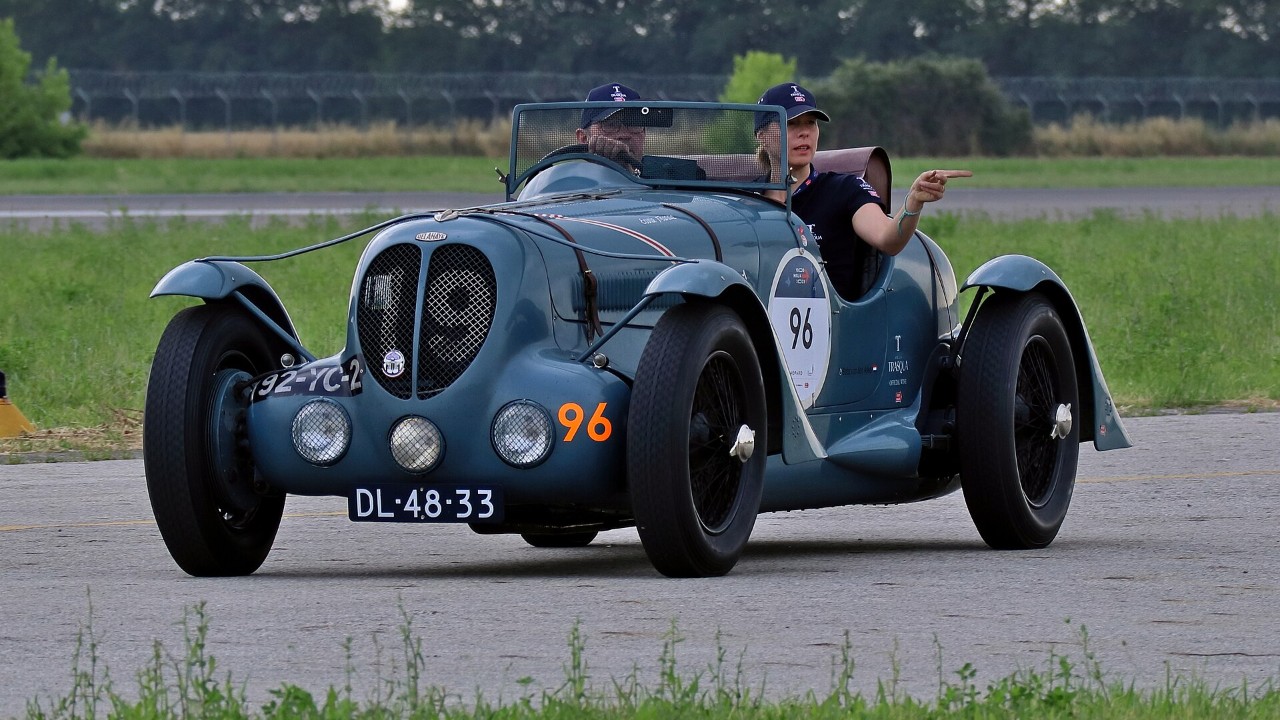
Jean François designed the Delahaye 135, and the company built it from 1935 to 1954. Delahaye made about 2,000 of them in total. The 3,227 cc overhead-valve six made up to 110 horsepower with three carburetors, and buyers could choose a four-speed manual or a Cotal pre-selector gearbox.
The 135 had a strong racing record. It won the 1937 Monte Carlo Rally, and Delahayes finished first, second and fourth at Le Mans in 1938. Meanwhile, the CS was the competition version. Fiskens describes it as a Compétition Spéciale, one of 17 built, on a shortened chassis.
We love the 135 CS because it is a French road racer with real elegance. It was fast, durable and beautifully balanced, and it shone in long-distance events. In particular, the optional Cotal pre-selector gearbox made it a rewarding car to drive briskly. For a collector who wants a prewar car that is as good on a mountain road as on a concours lawn, the 135 CS is hard to beat. Its 1938 Le Mans pedigree only adds to the appeal.
12. 1937 Talbot-Lago T150C SS
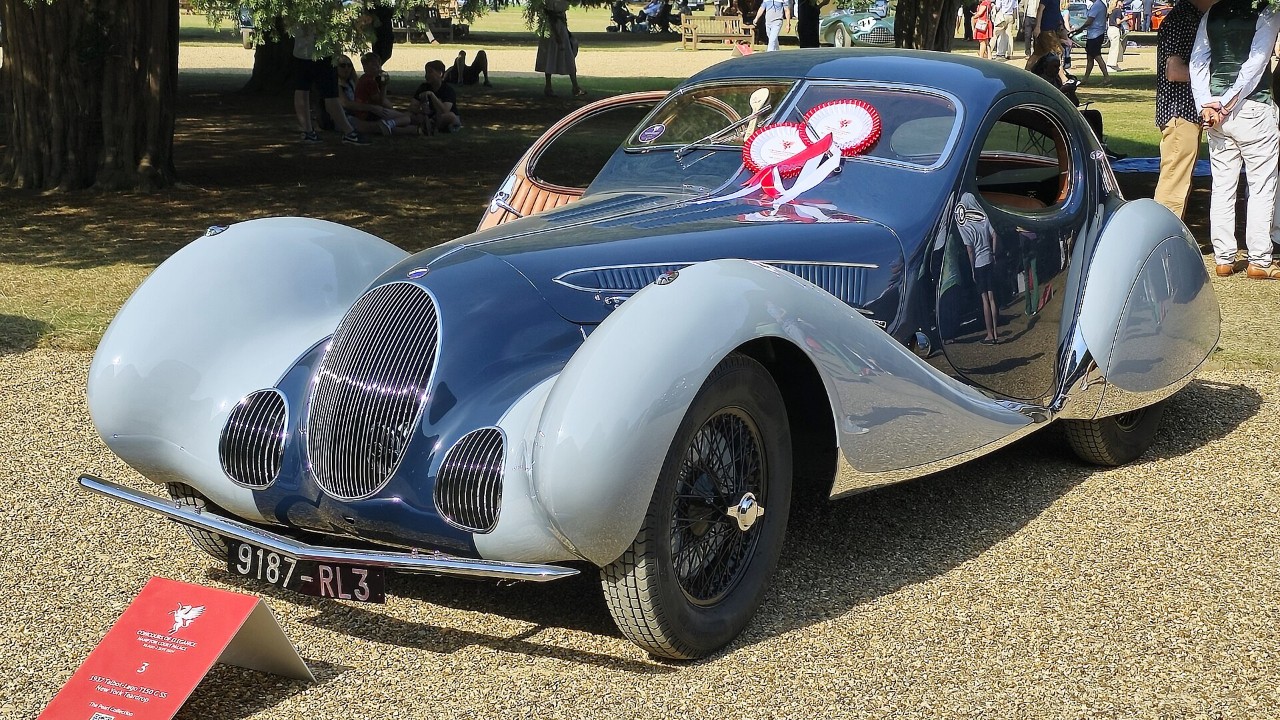
Anthony Lago took control of Talbot in September 1933. Then his chief engineer, Walter Becchia, developed a 4.0-liter six with an alloy head and hemispherical combustion chambers. Road versions made about 140 horsepower, while racing versions made about 175 with three Zenith carburetors.
By contrast with the standard car, the T150 C-SS used a short 104-inch chassis. Talbot sold it only as a rolling chassis for coachbuilders, and it also formed the basis for Talbot’s Grand Prix racing cars. According to Hagerty’s look at the T150 C teardrop coupe, Talbot-Lago built roughly 25 C-SS variants. The most famous bodies came from Figoni et Falaschi, whose teardrop shape became a design icon.
We rank the T150C SS as the finest prewar driving machine because it combined racing hardware with stunning coachwork. It was fast, light and beautifully balanced, and Lago’s racing ambitions showed in every detail. As a result, it remains one of the most desirable cars of the era. Hagerty puts the 1938 price of one teardrop T150 C at 165,000 francs. In 2010, a long-chassis T150 C teardrop coupe sold for $4.62 million at Monterey.
More from Fast Lane Only