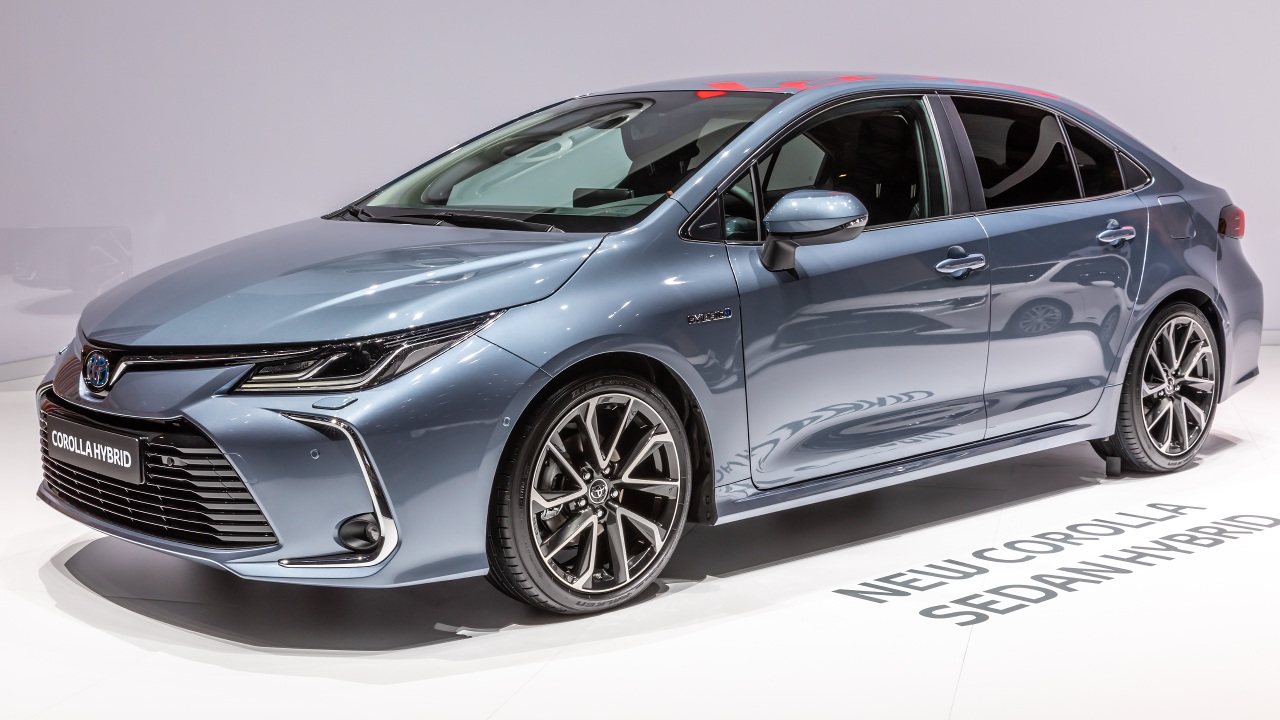
New-car prices have climbed so far and so fast that many buyers now treat the showroom sticker as a warning label rather than an invitation. As monthly payments stretch toward mortgage territory and basic models creep out of reach, I see a growing sense that the auto industry has pushed past what households can comfortably absorb. That frustration is now feeding a broader backlash, from slowing demand and rising loan delinquencies to political scrutiny of how carmakers price and equip their vehicles.
Sticker shock becomes a political and economic flashpoint
The cost of a new vehicle has shifted from a family milestone purchase to a financial stress test, and that change is starting to shape both consumer behavior and public policy debates. Buyers who once traded in every few years are holding on to older cars longer, while those who do step into the market often discover that the entry-level trims they remember have been replaced by pricier, tech-laden versions that push payments well above earlier norms. That dynamic is feeding voter anger about affordability and living costs, which in turn is drawing more attention to how automakers set prices and structure their lineups.
As I look across the reporting, the pattern is consistent: higher transaction prices, longer loan terms, and a heavier reliance on costly add-ons are squeezing budgets and dampening demand. Analysts now track not just the average price of a new car but also the share of buyers taking out loans of six or seven years, a sign that households are stretching to make the math work. When those loans collide with rising interest rates and other household expenses, the result is more strained finances and a louder chorus of complaints that the modern car market is leaving ordinary drivers behind.
How automakers engineered a more expensive “base” car
Automakers often argue that new vehicles cost more because they are safer, cleaner, and more technologically advanced, and there is truth in that explanation. Over the past decade, features that were once optional, such as advanced driver-assistance systems, large touchscreens, and complex emissions controls, have migrated into standard equipment on many models. I see that shift reflected in how manufacturers configure their lineups: the true bare-bones versions are produced in small numbers or dropped entirely, while midlevel and premium trims dominate dealer lots, effectively nudging buyers toward higher price points even when they walk in asking for the cheapest version.
That strategy is reinforced by the way options and packages are bundled. Instead of letting customers pick a few individual features, carmakers increasingly tie desirable items like heated seats or upgraded audio to larger, more expensive packages that also include cosmetic or software extras. The result is that someone who simply wants basic transportation often ends up paying for a suite of technology and comfort features they did not actively seek out. From the industry’s perspective, this approach boosts per-vehicle revenue and helps offset the heavy investment in electrification and software, but from the driver’s perspective it feels like being steered into a more expensive car than they intended to buy.
Financing, fees, and the quiet creep of the monthly payment
Even when the sticker price looks daunting, many buyers experience the cost of a car through the monthly payment, and that is where the financial architecture of the modern auto market exerts its influence. Lenders and dealers have leaned on longer loan terms, higher interest rates, and a growing menu of add-on products to keep payments superficially manageable while the total cost of ownership climbs. I see this in the spread of 72- and 84-month loans, which lower the monthly bill but lock borrowers into years of payments and leave them owing more than the car is worth for much of the term.
On top of the loan itself, there are dealer fees, extended warranties, gap insurance, and software-based subscriptions that can quietly add thousands of dollars over the life of the vehicle. Some brands now reserve certain performance or comfort features behind recurring payments, turning what used to be a one-time option into an ongoing charge. For consumers already stretched by housing, food, and medical costs, these layers of expense make the car feel less like a durable asset and more like a long-running financial obligation. That perception is a key driver of the backlash, because it turns a necessary purchase into a source of chronic budget anxiety.
Consumer pushback reshapes demand and brand loyalty
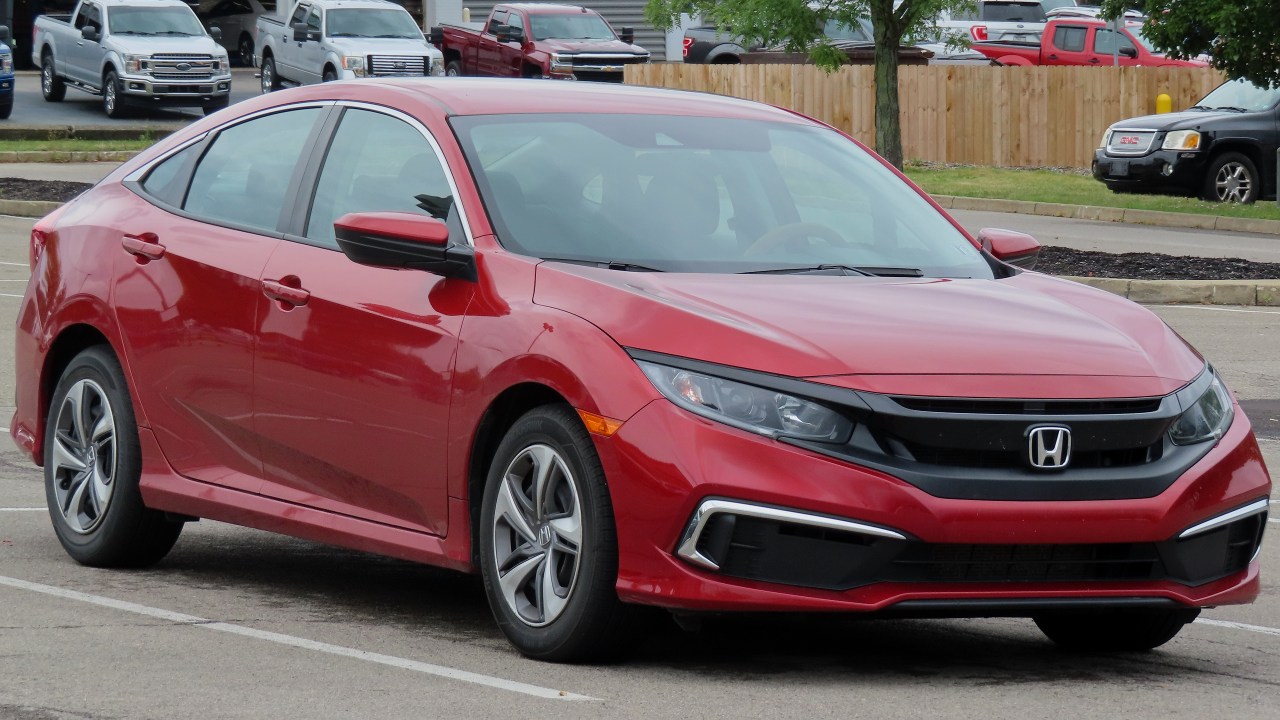
As prices and payments climb, I see buyers responding in ways that directly challenge automakers’ assumptions about demand. Some are shifting to the used market, where lightly driven vehicles offer a relative bargain compared with new models loaded with technology they may not value. Others are delaying purchases, repairing older cars, or downsizing from larger SUVs and trucks to smaller, more efficient models that carry lower upfront and operating costs. These choices are already visible in sales data, with segments that once seemed unstoppable showing signs of fatigue as affordability becomes a more important factor than size or luxury.
The backlash is not only about what people buy, but also about how they feel about the brands they choose. When customers sense that a company is prioritizing short-term profit over long-term relationships, they are more willing to switch allegiances or walk away from the new-car market altogether. Complaints about opaque pricing, surprise fees, and aggressive upselling at dealerships erode trust, particularly among younger buyers who are used to more transparent online shopping experiences. Over time, that erosion can weaken brand loyalty and make it harder for automakers to command premium prices, especially as new competitors enter the market with simpler, more straightforward pricing models.
Regulators, politicians, and the search for accountability
Rising new-car costs are no longer just a private frustration between buyers and dealers, they are becoming a public policy concern. As transportation is one of the largest expenses for many households, the affordability crunch feeds into broader debates about inflation, wages, and consumer protection. I see regulators paying closer attention to dealership practices, particularly around financing and add-on products, while lawmakers question whether existing rules adequately protect buyers from predatory or misleading tactics that inflate the true cost of a vehicle.
At the same time, political leaders are weighing how the transition to electric vehicles interacts with affordability. Incentives and tax credits can soften the blow for some buyers, but they do not fully resolve the perception that new technology often arrives at a premium price. When voters feel squeezed by car payments, they are more likely to scrutinize policies that appear to raise costs further, even if those policies are aimed at long-term environmental or safety benefits. That tension puts additional pressure on carmakers to demonstrate that they are not simply passing every new cost on to consumers without regard for household budgets.
How carmakers can defuse the backlash and rebuild trust
The current wave of anger over new-car prices is not inevitable or irreversible, but it does require a shift in how automakers think about value and transparency. One path forward is to reintroduce genuinely affordable trims that prioritize core safety and reliability over luxury features, giving buyers a clearer choice between basic and premium without forcing them into the latter. Another is to simplify pricing by reducing the reliance on complex option packages and opaque dealer markups, so that the number on the window more closely reflects what a customer will actually pay.
There is also room for innovation in how vehicles are financed and serviced. More flexible subscription models, clearer disclosures on loan terms, and limits on high-margin add-ons could help align the interests of manufacturers, dealers, and buyers. If carmakers treat affordability as a strategic priority rather than a constraint, they can begin to ease the resentment that has built up around the modern car-buying experience. In my view, the companies that respond proactively to this backlash, instead of dismissing it as temporary noise, will be better positioned to retain customers and navigate the industry’s next wave of technological and regulatory change.
More from Fast Lane Only: