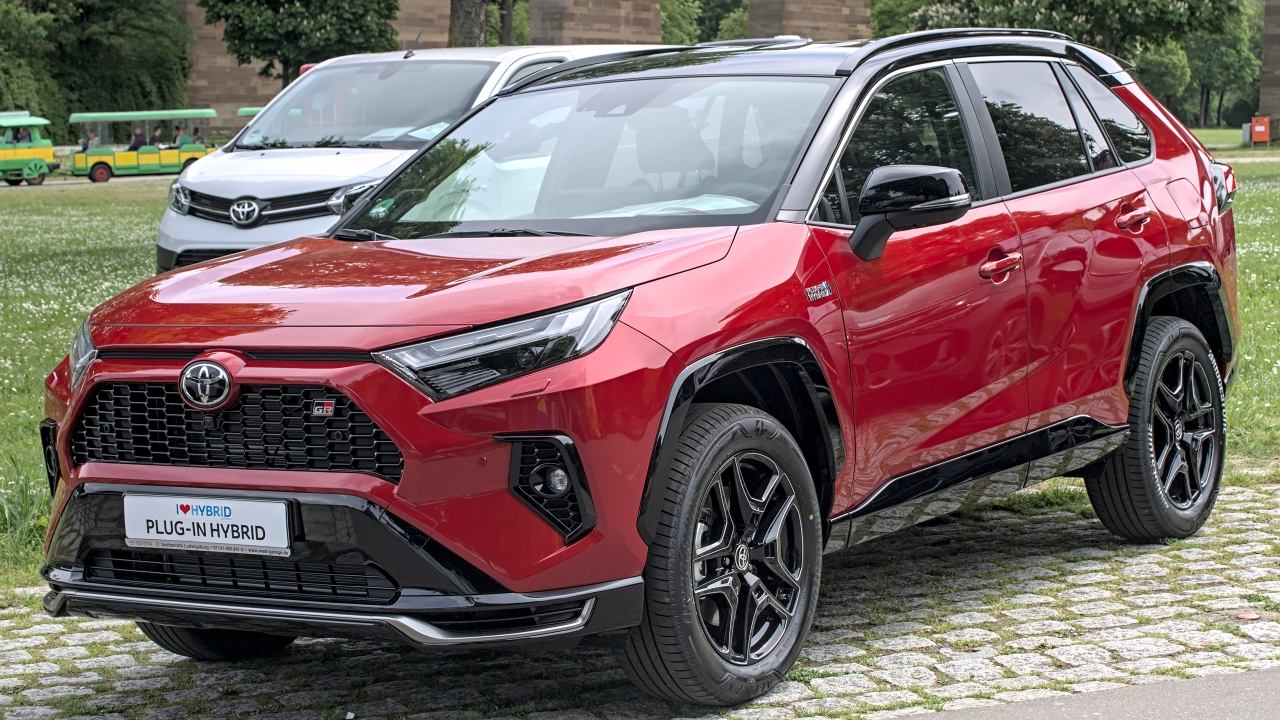
Plug-in hybrids have moved from niche compromise to center stage, emerging as the powertrain that best matches how many drivers actually use their cars. As pure electric adoption hits real-world friction on price, charging access, and policy uncertainty, models that can run on electricity most days yet fall back on gasoline are suddenly the pragmatic choice for households that want lower emissions without lifestyle disruption.
I see the surge in interest as the result of three converging forces: shifting government rules, automakers recalibrating their EV bets, and drivers discovering that 30 to 60 miles of electric range covers most daily trips. The hottest vehicles of 2026 are not the flashiest battery-only flagships, but the plug-in hybrids that quietly thread the needle between ambition and reality.
Policy whiplash is pushing buyers toward a middle path
Regulation is supposed to give the auto market a clear long-term signal, yet the past two years have delivered more volatility than certainty. In the United States, federal emissions rules are tightening, but the path to an all-electric fleet has been softened, which leaves room for plug-in hybrids to count toward compliance targets while avoiding the political backlash that has dogged aggressive EV mandates. When I look at how rules are written, PHEVs often qualify for the same fleet-average benefits as full EVs, which makes them an attractive compliance tool for automakers and a safer bet for consumers who worry that policies could change again.
That same pattern shows up in Europe and parts of Asia, where governments that once set firm end dates for combustion engines have started to allow more flexibility for low-emission hybrids. The result is a regulatory environment that still rewards electrification but no longer insists that every new car be battery-only. In practice, that means a plug-in SUV with 50 miles of electric range can satisfy emissions targets while still offering long-distance capability, a combination that resonates with buyers who want to future-proof their purchase without relying entirely on public charging.
Automakers are recalibrating from “all-in on EVs” to “EVs plus PHEVs”
Automakers spent the early 2020s promising rapid, near-total transitions to battery-electric lineups, only to discover that demand curves and charging infrastructure were not keeping pace with those ambitions. Over the past year, several major brands have quietly revised their roadmaps, stretching out EV timelines and adding more plug-in hybrids to the product plan. I read those moves less as a retreat from electrification and more as a recognition that the market needs a bridge technology that can scale quickly without waiting for every apartment building and highway rest stop to be wired for fast charging.
That shift is visible in the showroom mix. Popular nameplates that were once headed straight from gasoline to full electric are now getting plug-in variants, often with meaningful electric range and performance upgrades. A midsize crossover that used to be sold only with a turbocharged engine now arrives with a plug-in option that delivers brisk acceleration and enough battery capacity to cover the average commute on electricity alone. For automakers, these models reuse existing platforms and supply chains while still letting them claim significant emissions reductions, which is a far less risky proposition than betting everything on dedicated EV architectures that require massive upfront investment.
Real-world driving patterns make PHEVs feel like “EVs most of the time”
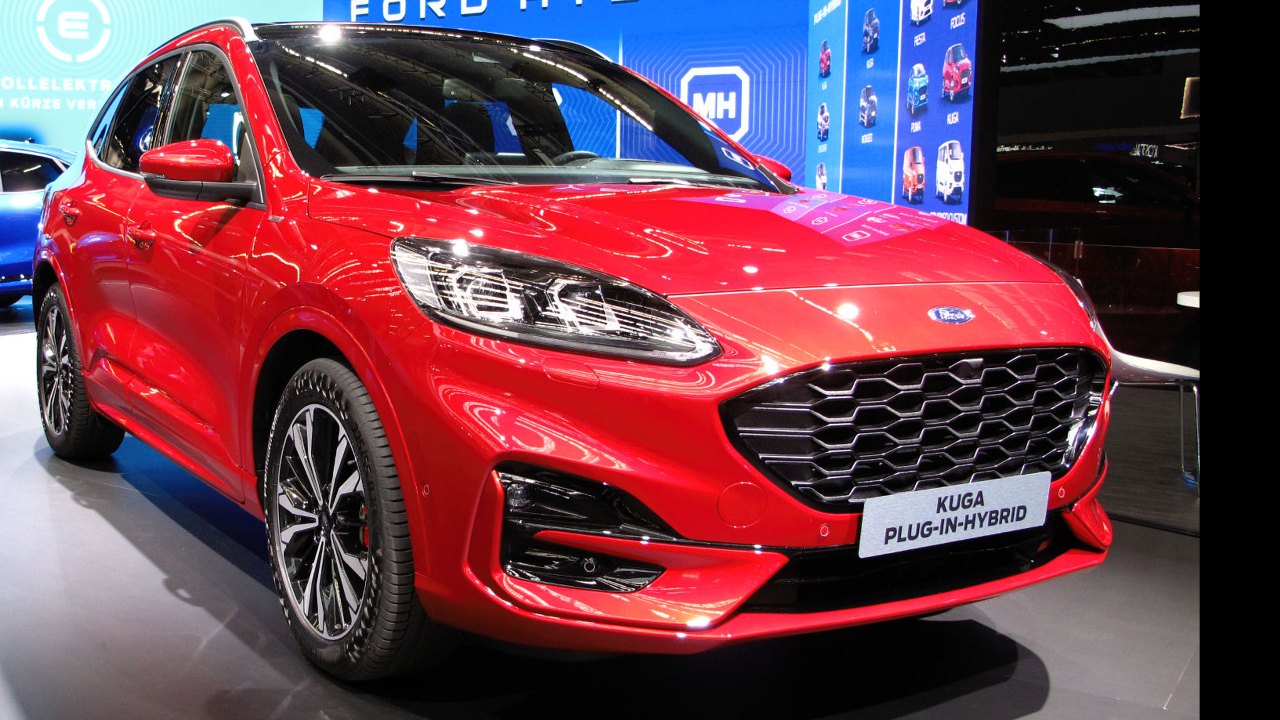
When I look past marketing claims and focus on how people actually drive, the appeal of plug-in hybrids becomes obvious. Most daily trips fall well under 40 miles, which means a PHEV with 30 to 60 miles of rated electric range can operate as a de facto EV during the workweek, provided the owner plugs in at home or at the office. The gasoline engine only wakes up for longer weekend drives or road trips, eliminating the range anxiety that still shadows many prospective EV buyers.
That usage pattern also softens the impact of imperfect charging infrastructure. A driver with a home Level 2 charger can leave every morning with a full battery, use electric power for errands and commuting, and treat public chargers as a nice-to-have rather than a necessity. Even those limited to a standard household outlet can recover a meaningful amount of range overnight, enough to keep most weekday driving within the electric envelope. The result is a powertrain that delivers a large share of the emissions and fuel savings of a full EV without forcing the owner to reorganize their life around charging stops.
Cost, incentives, and resale are tilting in plug-in hybrids’ favor
Price remains the most stubborn barrier to mass EV adoption, and it is here that plug-in hybrids have quietly carved out an advantage. Because they use smaller battery packs than full EVs, they are less exposed to raw material costs and can often be priced closer to comparable gasoline models. When I compare transaction prices, a PHEV version of a popular compact SUV frequently lands in the same ballpark as a well-equipped gasoline trim, especially once available incentives are factored in.
Incentive structures also tend to treat plug-in hybrids generously, particularly in markets where policymakers want to nudge drivers toward electrification without provoking backlash from those who lack easy access to charging. Tax credits, reduced registration fees, and access to carpool lanes can all apply to PHEVs, giving them a financial edge over conventional hybrids and internal combustion models. On the back end, used buyers increasingly understand the technology, which supports stronger resale values than early plug-in models enjoyed and makes the total cost of ownership more predictable for first owners.
Charging anxiety and infrastructure gaps keep PHEVs in the spotlight
Even as fast-charging networks expand, coverage remains uneven, especially outside dense urban corridors. For many households, the fear is not that chargers do not exist at all, but that they may be occupied, out of service, or inconveniently located when needed. Plug-in hybrids sidestep that uncertainty by treating public charging as optional. I see that as a powerful psychological advantage: drivers can enjoy electric motoring when it fits their routine, yet they never face the prospect of being stranded if a charger is offline.
Infrastructure gaps are particularly acute for renters and residents of older multifamily buildings, where installing dedicated chargers can be complicated or impossible. For those drivers, a PHEV that can be topped up from a shared outlet or not plugged in at all on busy weeks still offers tangible fuel savings and emissions benefits. As long as the charging landscape remains patchy, vehicles that are not fully dependent on it will retain a strong pull, and that reality is a major reason plug-in hybrids are poised to dominate buyer shortlists heading into 2026.
More from Fast Lane Only: