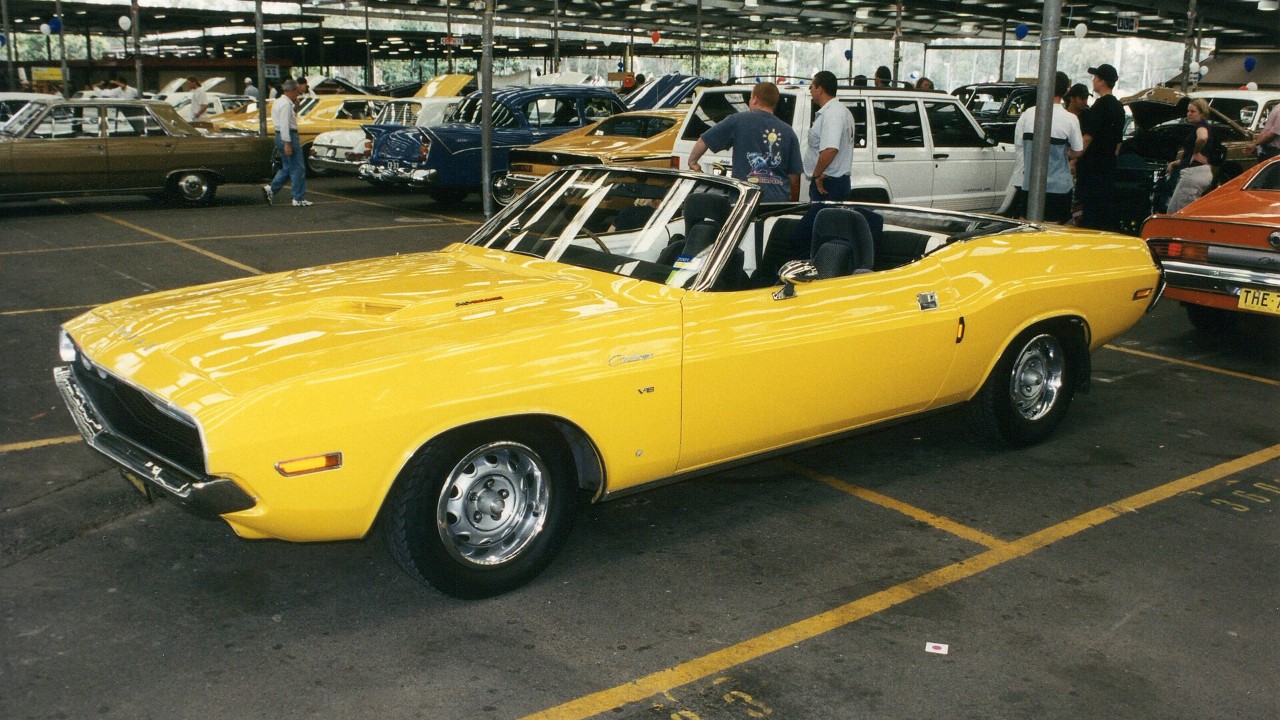
Dodge sold its first Challenger for 1970, and the Dodge Challenger R/T with a 426 Hemi became an instant icon. The nameplate then took some odd turns. It spent the late 1970s on a small Japanese coupe, vanished, and came back in 2008 with retro looks and, later, supercharged power.
That messy history is what makes the badge fun to collect. Some Challengers were special from day one. Others looked ordinary when they were new, and only later did people start saving them. A few are interesting simply because so few people remember they existed.
These seven are our picks for Challengers that turned into surprise collectibles, and the verdicts are our opinion. We don’t quote today’s prices for most of them, because values move fast. Instead, each pick comes with the facts that make it worth a second look, from engine ratings to build counts.
1. 1970 Dodge Challenger Hemi R/T convertible
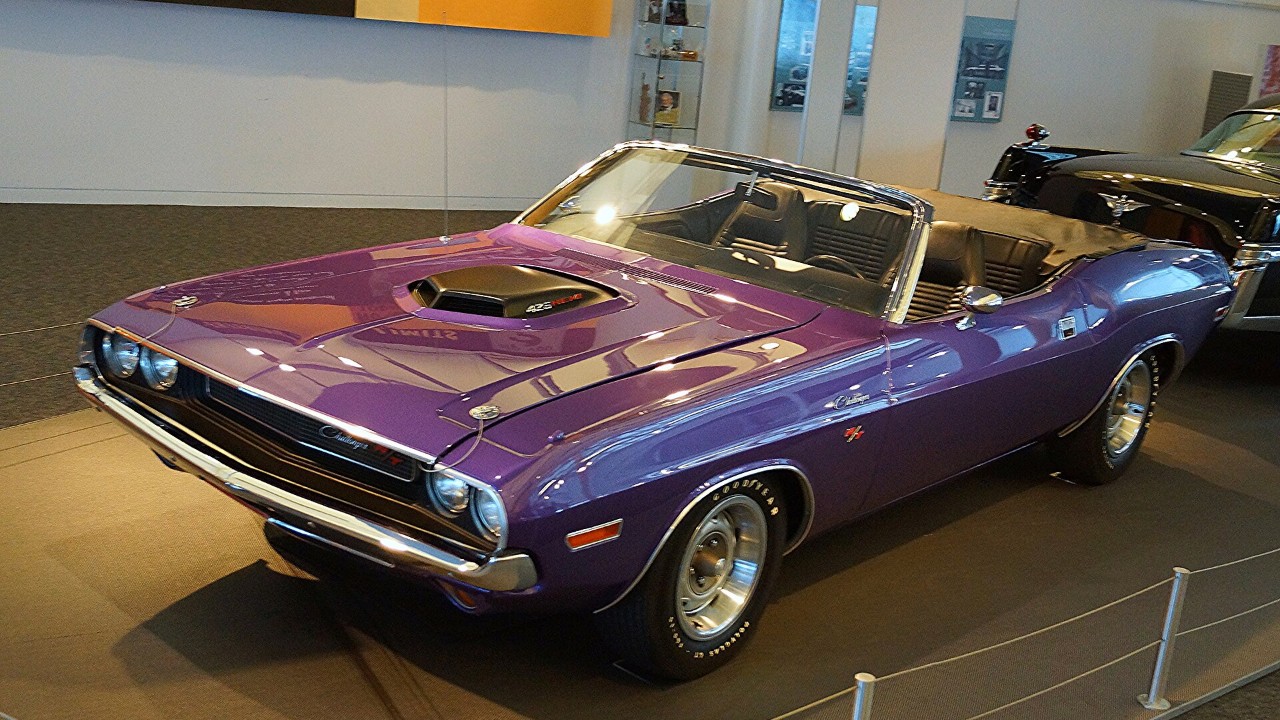
The first-year Challenger arrived in the fall of 1969 on Chrysler’s new E-body, with a wheelbase two inches longer than the Barracuda’s. Buyers could order an R/T convertible, and they could pair it with the 426 Hemi, rated at 425 hp. Very few did. Dodge built 963 R/T convertibles for 1970 in all, and only a handful had the Hemi.
How few? Sports Car Market says Dodge produced only nine Hemi Challenger convertibles for the United States in 1970. It lists the original sticker at $4,900. Sports Car Market also reports that one sold for $750,000 after the block at Mecum’s Spring Classic in Indianapolis in May 2010.
Our take: this is the least surprising collectible on our list, but it earns its spot because of how unlikely it was at the time. A Hemi convertible cost a lot and asked a lot of its owner. That’s why so few buyers took the gamble. In our view, it’s the top prize of the first-generation Challenger world, and it shows how a slow seller can become the car everyone wants. If you ever see one for sale, insist on factory paperwork, because a real Hemi car needs a documented history.
2. 1978 Dodge Challenger by Mitsubishi
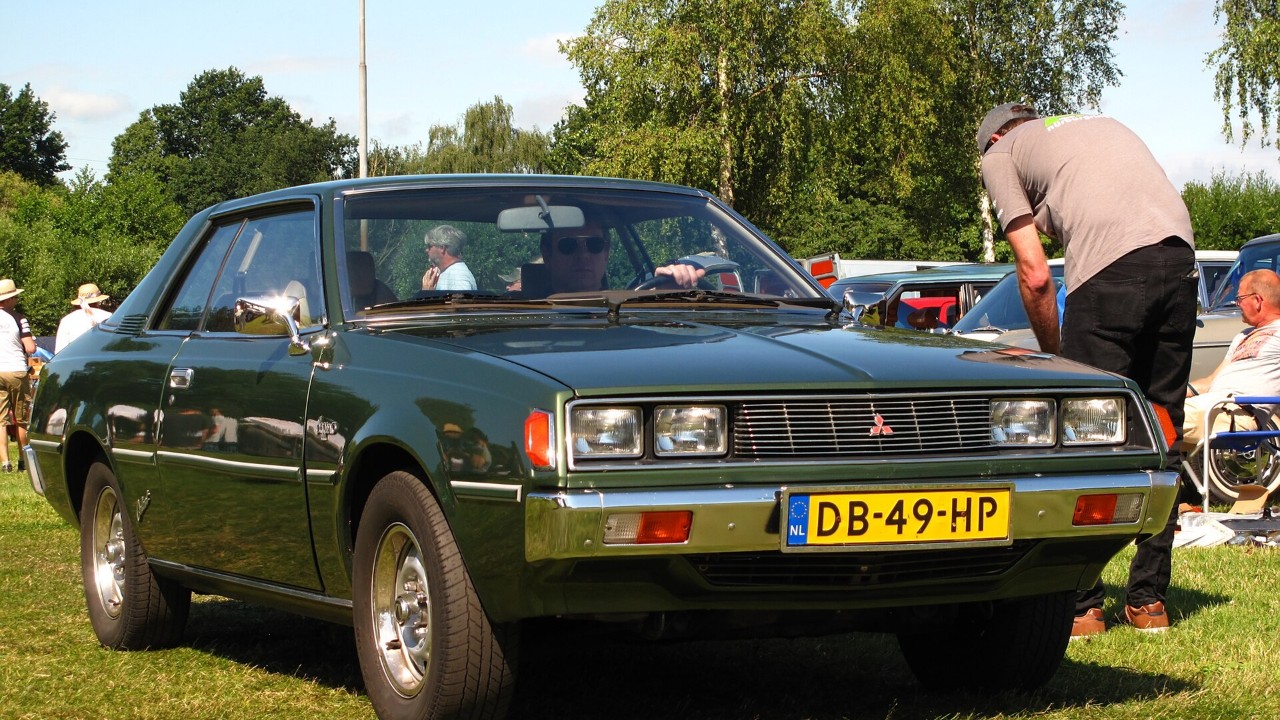
For 1978, the Challenger name came back on a car built by Mitsubishi. It was a rebadged Galant Lambda coupe, sold at first as the Dodge Colt Challenger. It had no V8 at all. Instead, according to Mac’s Motor City Garage, buyers got a standard 1.6-liter four or an optional 2.6-liter four. Both used Mitsubishi’s Silent Shaft balancer system to smooth out vibration.
Mac’s lists a $5,665 base price for 1978 and a petite 99-inch wheelbase. Dodge sold it as a compact personal luxury coupe, with options like a premium stereo and two-tone paint. The body also had frameless door glass and no B-pillar between the side windows, so it looked like a true hardtop with the glass down.
Our take: we think this is the most overlooked Challenger ever. Muscle fans skipped it for decades, so a clean one turns heads at a show. It also tells a real story about the late 1970s, when Dodge advertised small cars as “Dodge by Mitsubishi.” In our view, a clean early car with its original two-tone paint is a fun, cheap conversation piece. If you want one, check for rust and make sure trim parts come with it.
3. 1981 Dodge Challenger
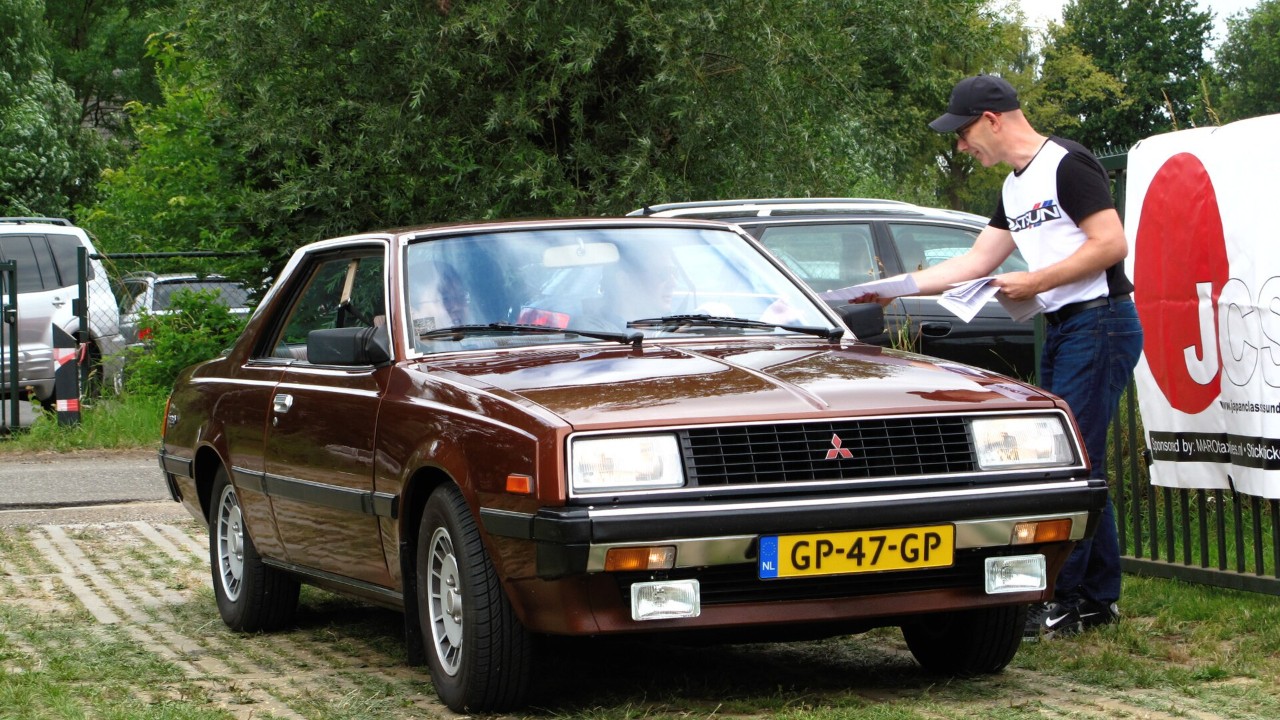
The Mitsubishi-built car got all-new bodywork for 1981. It wore a new body, and it dropped the smaller engine. Every second-series car used the 2.6-liter four with balance shafts, rated at 105 hp. Then, after 1981, Dodge dropped the “Colt” from the name, and the car became simply the Dodge Challenger.
Prices rose quickly. Mac’s says the base price climbed with inflation to $8,323 by 1983. However, Mac’s also notes that the Challenger and its Plymouth Sapporo twin averaged 25,000 to 30,000 sales a year combined. The run ended after 1983, and the Conquest took its place in Dodge showrooms. We told the bigger story of the name’s revival in how the Challenger became a second-chance success story.
Our take: the 1981 redesign is the better-looking of the two Mitsubishi shapes, in our view. It has a clean, simple shape that has aged well. Better still, the single engine choice makes it simple to understand. We’d call it a sleeper in plain clothes for anyone who likes early-1980s design. If you shop for one, look for a five-speed car, since a manual makes the 2.6 feel livelier.
4. Dodge Challenger R/T Classic, 2009 onward
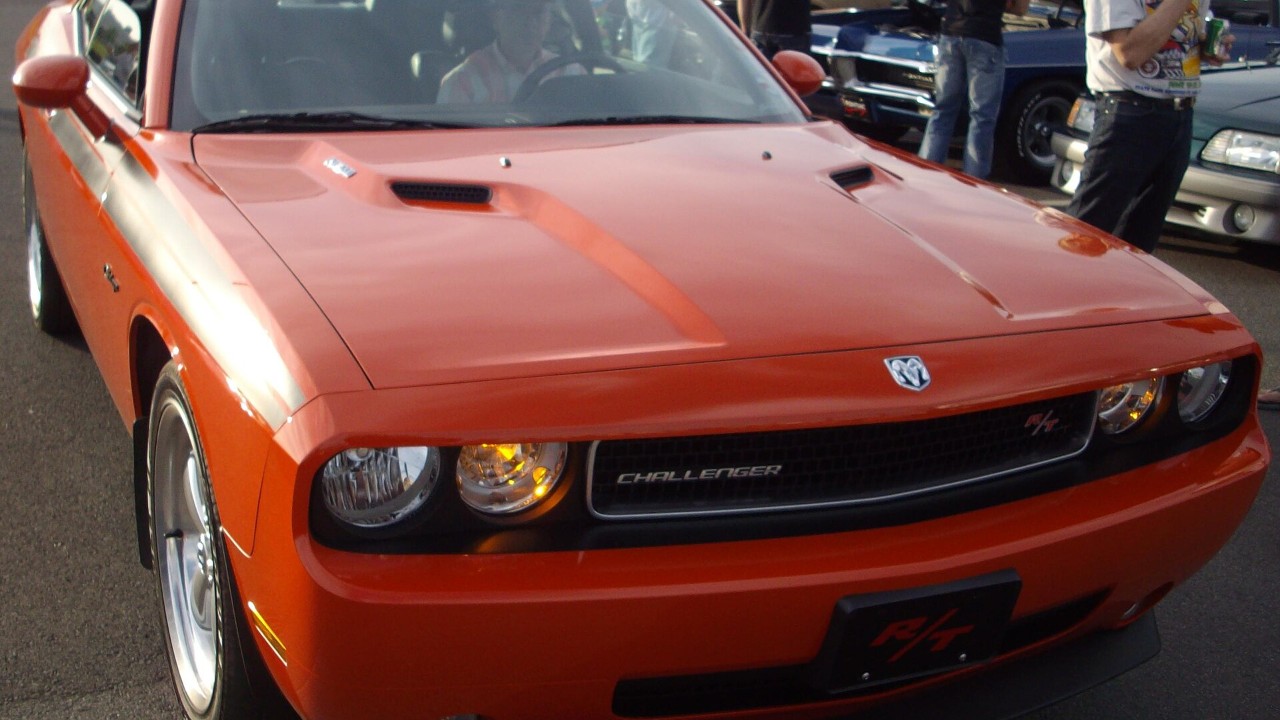
When the modern Challenger arrived in 2008, it borrowed heavily from the 1970 car. Then Dodge went further. For the 2009 model year, it added the R/T Classic, which dialed the retro look up another notch. Autoblog covered its debut at the Detroit show in January 2009.
The package was all about details. Autoblog describes old-school R/T stripes down the flanks and a classic script Challenger badge on each fender. It also lists 20-inch Torq-Thrust replica wheels that fill the wheel wells. The show car wore HEMI Orange paint, which suited the throwback theme perfectly.
Our take: the R/T Classic is a surprise collectible because it adds no power over a regular R/T. Instead, it adds charm, and that kind of factory option tends to look better with every passing year. Because the look ties so directly to 1970, we think the Classic will appeal to buyers who grew up with the originals. In our view, an early R/T Classic with low miles is the modern Challenger we’d keep. If you’re buying, confirm the stripes and wheels are factory, since anyone can add both later.
5. 2015 Dodge Challenger SRT Hellcat
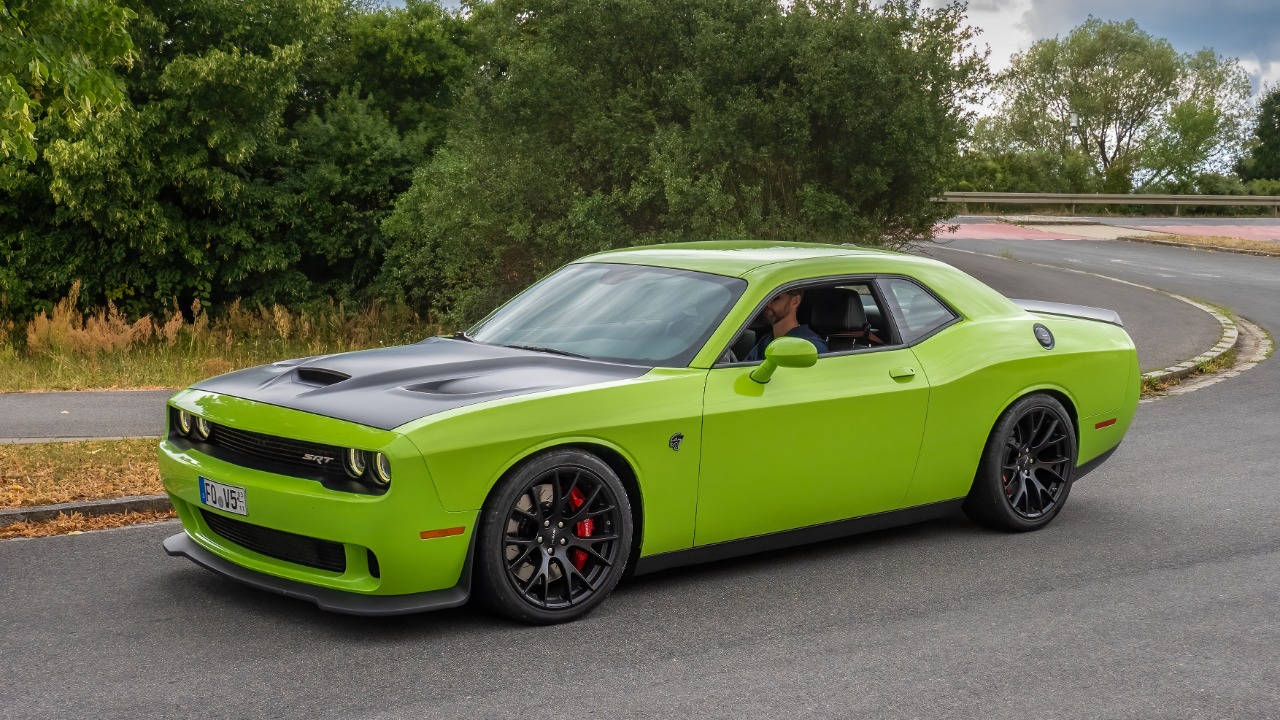
In July 2014, Dodge put an official number on its new Hellcat: 707 horsepower and 650 lb-ft of torque. According to Automotive Addicts, the supercharged 6.2-liter engine was Dodge’s first factory supercharged HEMI. It drove through an eight-speed TorqueFlite automatic, and Dodge called the car the most powerful muscle car ever.
The Hellcat also came with two key fobs. The red one unlocked the full 707 hp. Meanwhile, the black one capped output at 500 hp, which made it a neat way to lend the car out. Dodge built the car in Brampton, Ontario. We dug into the engine itself in how the Hellcat 6.2L changed stock horsepower.
Our take: the 2015 car is collectible because it was first. Later Hellcats made more power, but this one started the horsepower war that defined the final years of the Challenger. In our view, the first-year car is the one to keep, because the 707 figure is part of its identity. As a result, we’d pick an unmodified example with both fobs and the window sticker. Avoid tuned cars if you want long-term value.
6. 1970 Dodge Challenger R/T SE
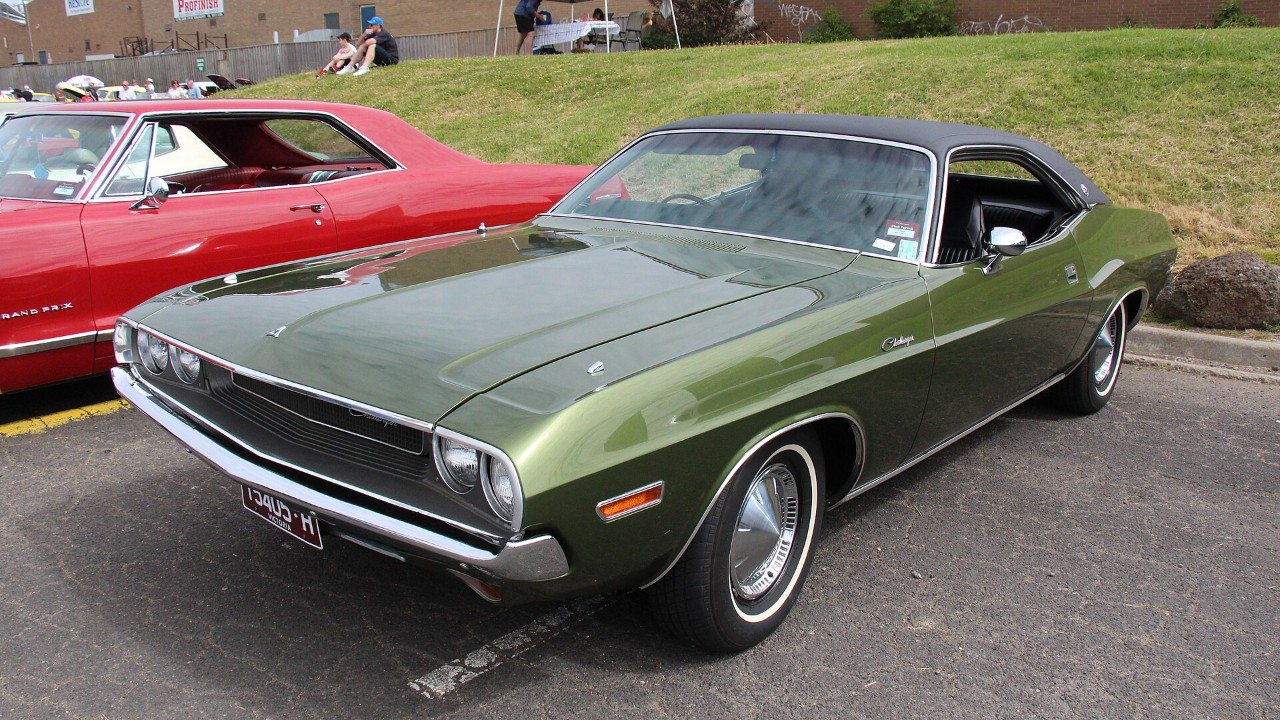
The 1970 Challenger offered a Special Edition package for one year only. It added a vinyl roof with “SE” medallions on the pillars and a smaller, more formal rear window. Inside, it brought leather and vinyl bucket seats and an overhead console with warning lights for door ajar, low fuel and seatbelts.
Dodge also let buyers combine the SE package with the R/T, so the R/T SE paired the luxury trim with muscle. The standard R/T engine was the 383 Magnum V8, rated at 335 hp, with bigger engines up to the Hemi on the order form. Model records count 3,753 R/T SE hardtops for 1970. We explained what made the first-year car different in why the 1970 Challenger gave Mopar a different kind of muscle car.
Our take: the R/T SE is a surprise because it mixed two ideas that rarely met in 1970. It had a muscle-car engine under a personal-luxury roof. We think that blend makes it more interesting than a standard R/T. In our view, the small rear window and overhead console are the details to look for. Ask for the fender tag before you buy, because that tag is how you confirm a real SE.
7. 2019 Dodge Challenger SRT Hellcat Redeye
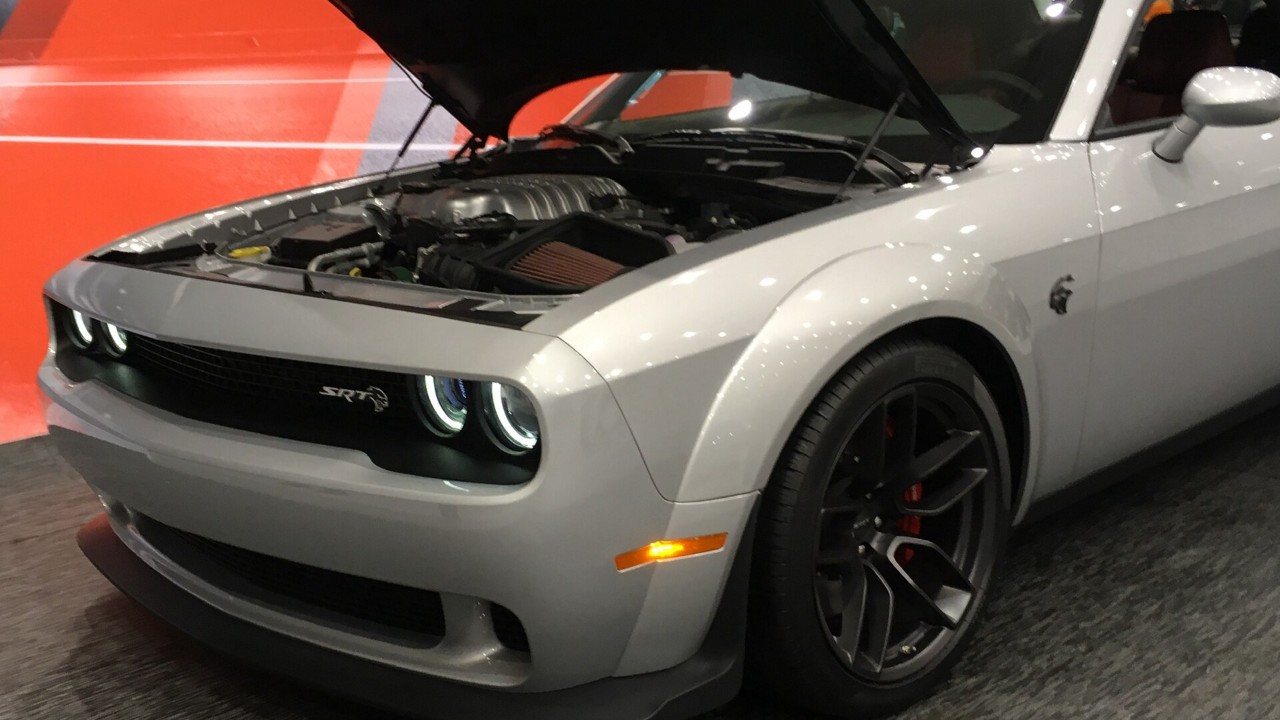
The Redeye filled the gap left by the Challenger SRT Demon. Dodge’s own release for the 2019 Redeye rates it at 797 horsepower and 707 lb-ft of torque. The release also says the Redeye shares 25 major component upgrades with the Demon. They include a larger supercharger, stronger connecting rods and pistons, and a high-speed valve train.
The numbers in that release are wild. Dodge quotes a 203-mph top speed and a 0-60 mph time of 3.4 seconds. It also lists an 11.1-second quarter mile at 131 mph for the Redeye. Then, on December 22, 2023, the last Challenger rolled out of the Brampton plant, which closed the book on the whole Hellcat era.
Our take: the Redeye brings much of the Demon’s hardware into a regular Hellcat body. That’s why we think it will be the late-model Challenger that collectors chase. It also kept the more usable Hellcat layout for road driving. In our view, a first-year 2019 Redeye with low miles is the one to hold. Keep every document and the original tires, because buyers will want them.
More from Fast Lane Only