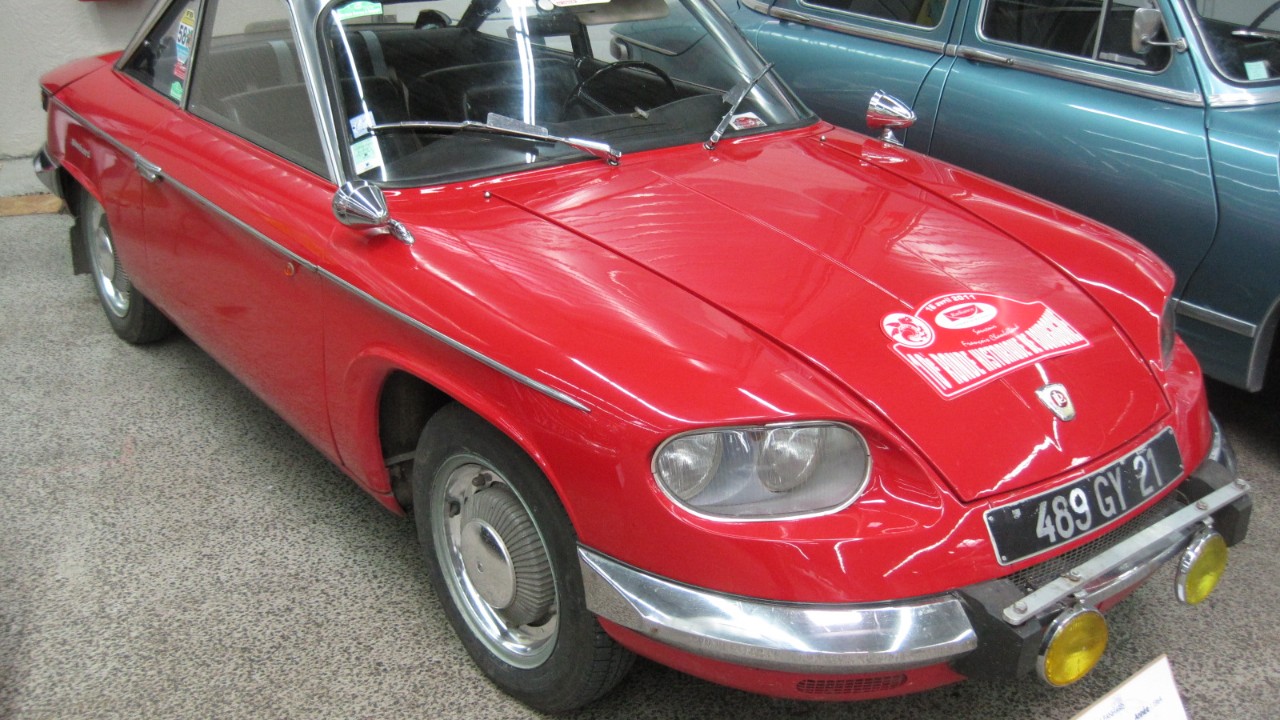
Panhard built its last road car in July 1967, and the sleek Panhard 24 CT coupe was part of that final chapter. Most American drivers never saw one on the road. That’s true of a lot of French cars, because many of the most interesting ones never crossed the Atlantic in real numbers.
France gave the world the Citroën DS, the Renault 5 and the Peugeot 205. Those cars sold in huge numbers. Behind them, however, sat a group of small makers and brave side projects that built cars by the hundreds, or even by the dozens. Taxes, tight budgets and bad timing killed most of them.
These seven are our picks for French cars that almost nobody has seen in person. The verdicts are our opinion, and the facts come from museum, club and magazine sources. If you spot one at a show, stop and take a long look, because you may not get another chance.
1. 1951 Hotchkiss Grégoire
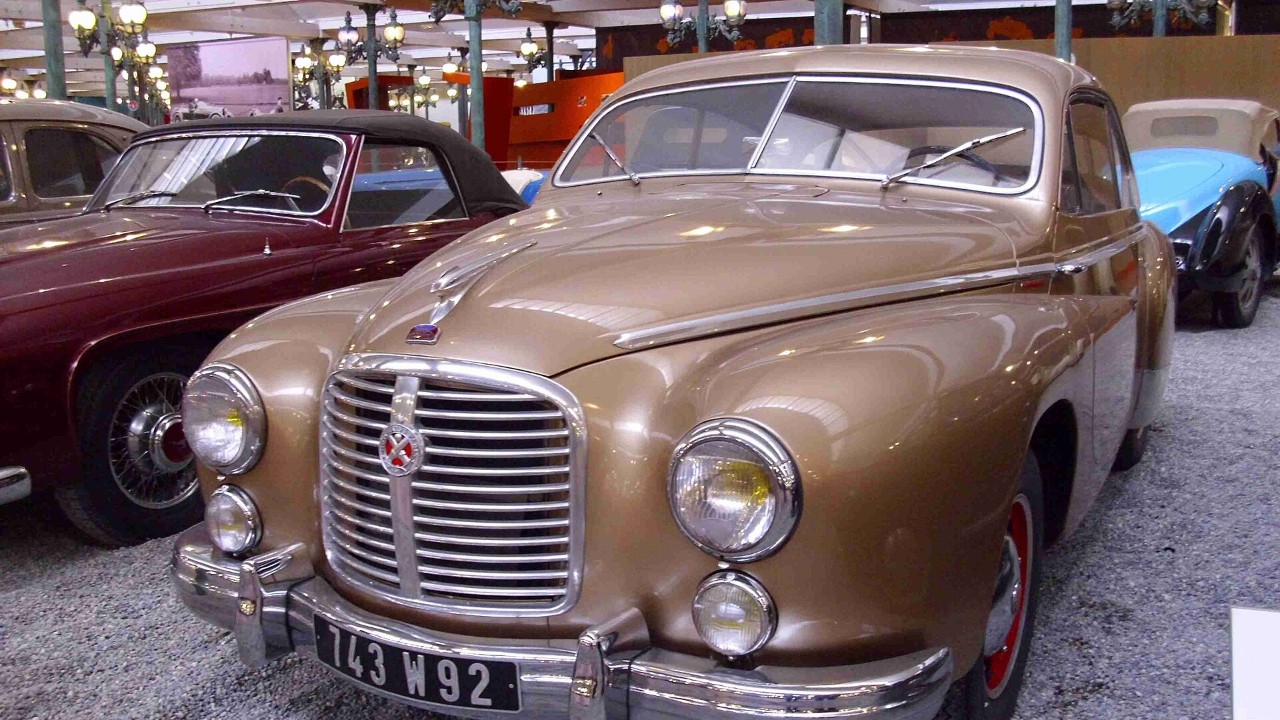
Hotchkiss was known for conservative sedans, so this car was a big gamble. The board voted in 1948 to buy a front-wheel-drive design from engineer Jean-Albert Grégoire. According to the Lane Motor Museum, the result used a water-cooled flat-four of 2,188 cc rated at 70 hp, with a four-speed gearbox and a top speed of 80 mph.
Grégoire also leaned heavily on aluminum for the lightweight chassis, drawing on his wartime work with the metal. That cleverness came at a price, though. Model histories say that by 1952 the car cost about twice as much as Citroën’s six-cylinder Traction 15CV. As a result, sales never took off, and output slowed to about 40 cars in 1953 before production ended.
The Lane Motor Museum puts the total at 247 cars. Our take: the Hotchkiss Grégoire was a brilliant engineering idea sold by the wrong company at the wrong price. In our view, it deserves more fame than it got. Front-wheel drive, a flat-four and an aluminum-rich chassis were bold choices for a big French sedan of 1951. If you want to see one, a museum visit is your best bet, since private examples rarely surface.
2. 1953 Salmson 2300 S
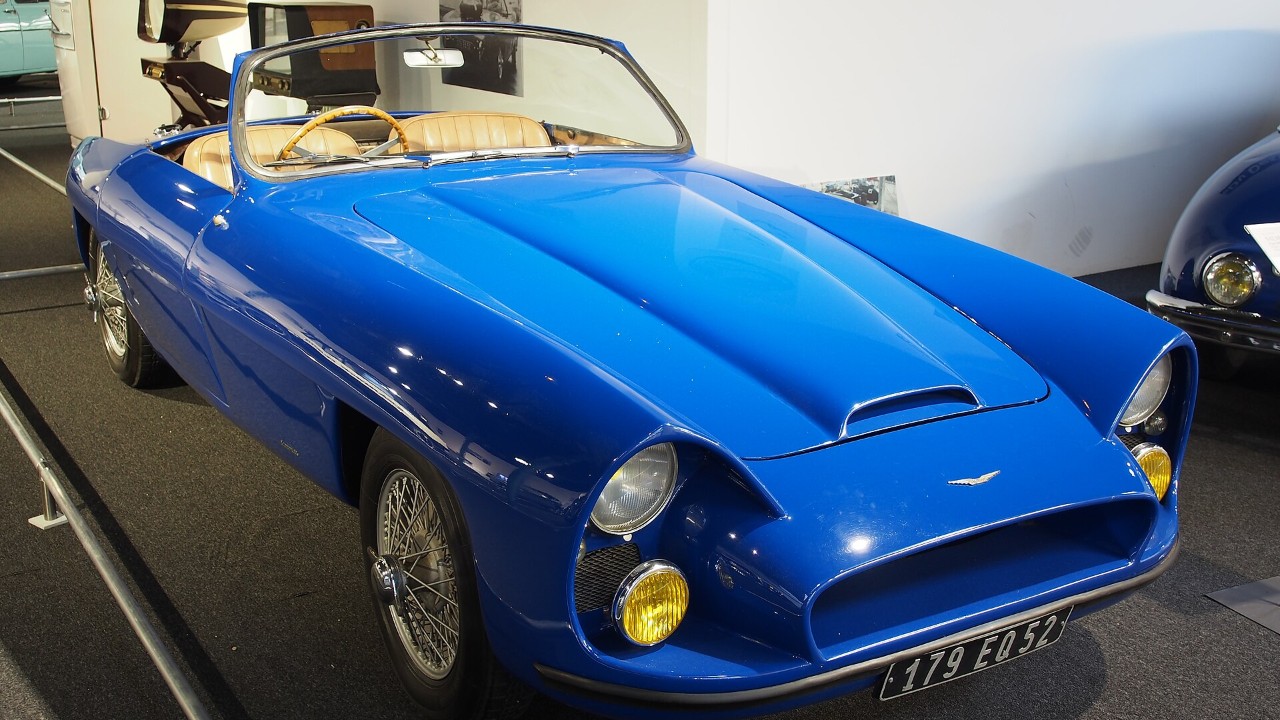
Salmson made its name with aircraft engines before World War I, and those engines kept the company going after World War II. The 2300 S arrived for the 1953 season. A Sports Car Market profile lists a 2.3-liter aluminum twin-cam four with 105 hp and a top speed of 112 mph. It also lists a Cotal pre-selector gearbox.
The car had real competition credentials, too. Sports Car Market says 2300 Sports raced at Le Mans in 1955 and 1957, ran in the 1956 Mille Miglia and won 13 rallies in 1954. Most bodies came from the coachbuilder Henri Chapron. Even so, heavy French taxes on big, fast cars left little room for a maker this small. Postwar buyers simply had little appetite for expensive performance.
Renault bought the factory in 1957, and the last car off the line was a 2300 Sport. Our take: the Salmson is a French sports coupe with an aircraft maker’s pedigree, and we think it’s a fascinating dead end. Fewer than 80 are believed to survive, Sports Car Market notes. So if you see one, you’re looking at a rare bit of French history.
3. 1959 Facel Vega HK500
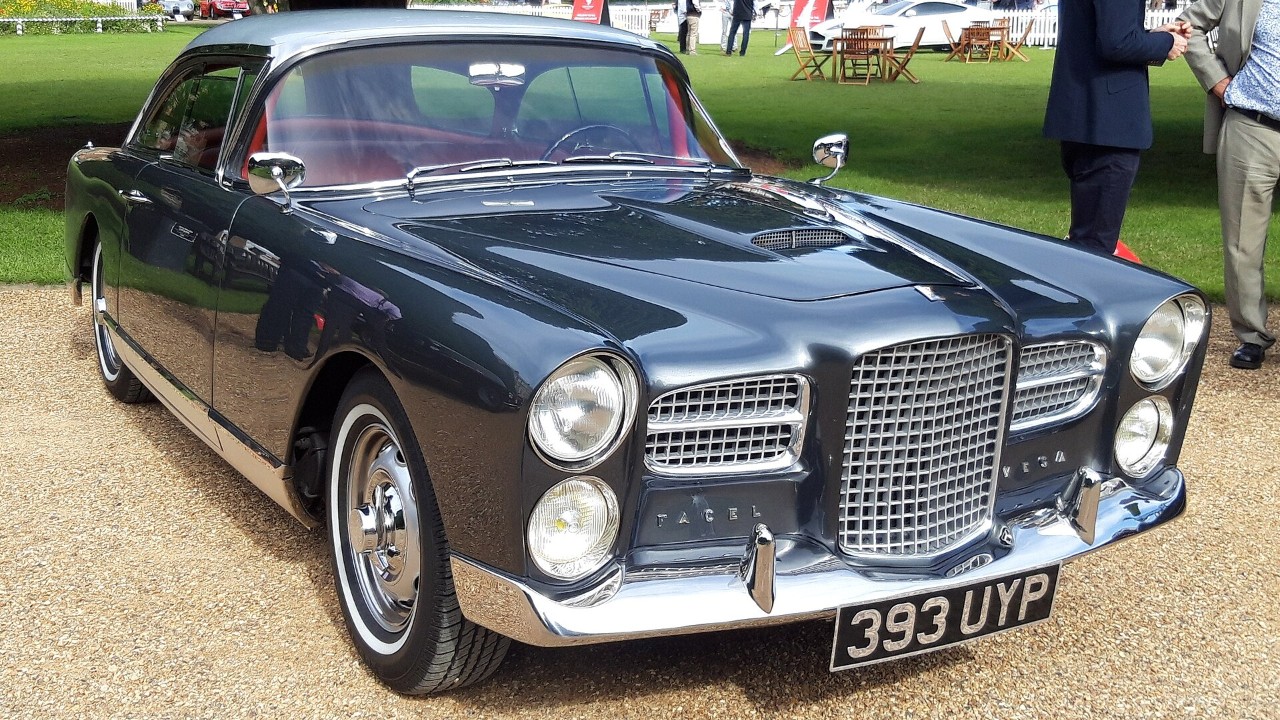
Facel Vega answered a simple question: what if a Paris coachbuilder paired French style with American muscle? The HK500 used Chrysler V8 power. Hagerty UK says early cars had a 5.7-liter V8, and a later 6.3-liter engine made 330 bhp with an automatic or 360 bhp with a four-speed manual.
Facel claimed a 150-mph top speed and called the car the fastest four-seat sports coupe in the world. Meanwhile, the owner list read like a guest book at Cannes. Hagerty names Ava Gardner, Ringo Starr, Tony Curtis, Pablo Picasso and Stirling Moss among them. Even so, only 490 HK500s left the factory outside Paris, and just 98 went new to the UK.
Our take: the HK500 is the most glamorous car on this list, and the most likely one you’ve heard of. However, hearing about one and seeing one are different things. With fewer than 500 built, most car fans will go years between sightings. We wrote about this model’s mix of luxury and power in our earlier HK500 feature. Hagerty’s price guide spans £57,400 to £207,000, so budget for a serious car.
4. 1964 René Bonnet Djet
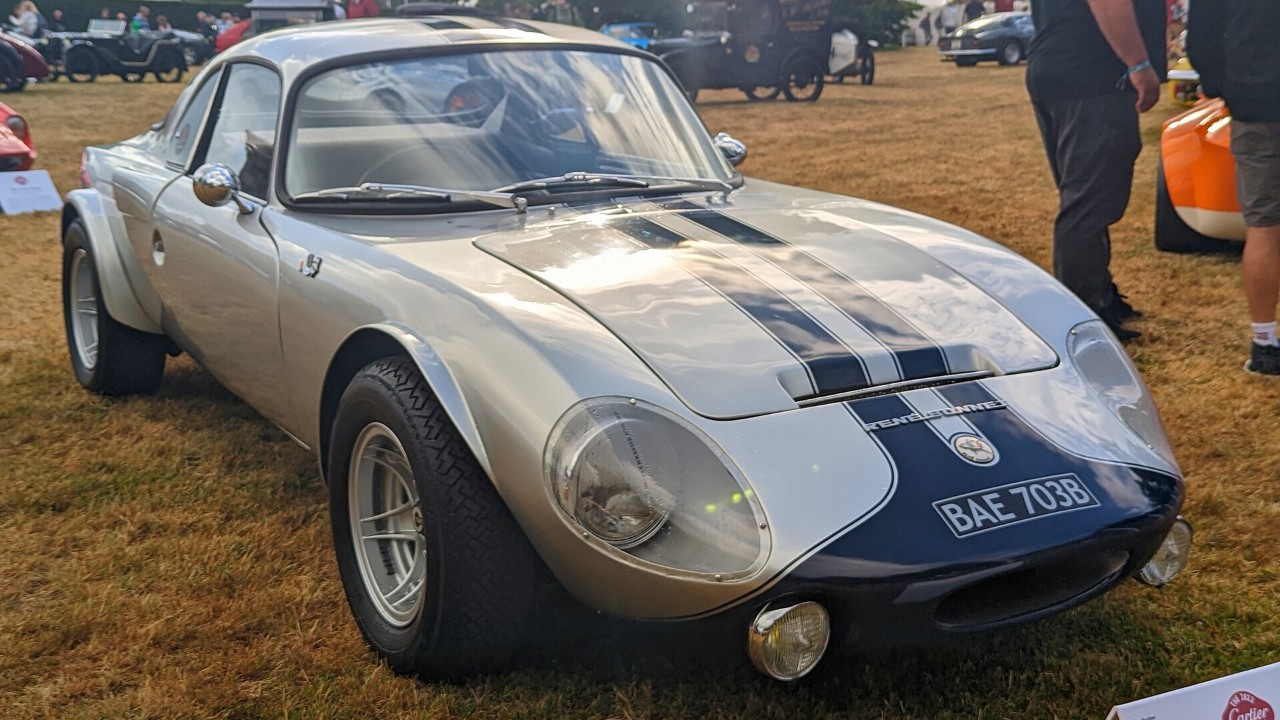
René Bonnet announced the Djet in June 1962, and production cars followed in July 1963. Its claim to fame is its layout. Many histories call it the world’s first mid-engined production road car. The engine came from the humble Renault 8, a 1,108 cc four, and a fiberglass body sat on a steel chassis.
Fiberglass kept the weight down, made repairs easier and cut costs. As a result, the little Djet I could reach about 103 mph on modest power. Bonnet also entered Aérodjet versions at Le Mans in 1964. Then the money ran out. In October 1964, Matra took over the company and its debts, and Matra-badged cars resumed production in April 1965.
Only 198 cars wore the Bonnet name before the takeover. Our take: the Bonnet Djet is a footnote that changed the sports car world, because Matra’s road-car story began with it. In our view, it’s a tiny, light, clever car that proves you don’t need big power for a big idea. Find one with the Bonnet badge, and you’ve found a true rarity. Later Matra-badged cars are easier to locate, but they lack that first-chapter story.
5. 1964 Panhard 24 CT
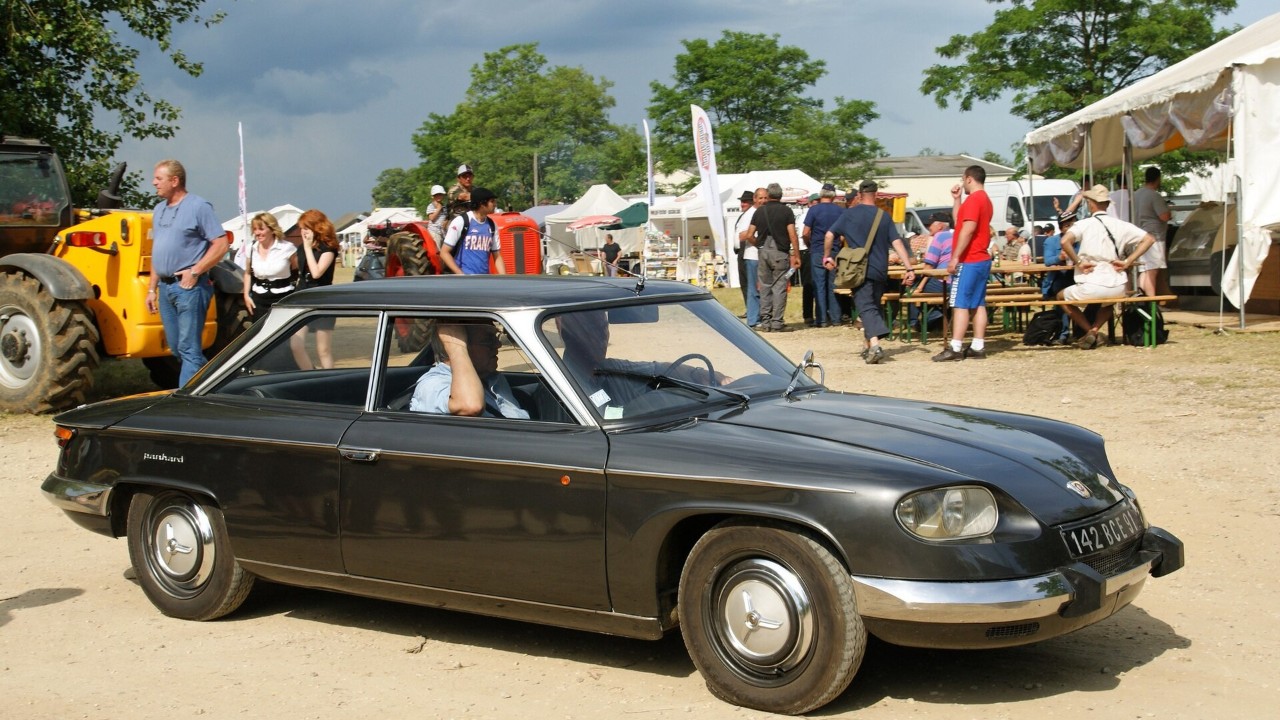
Panhard showed the 24 CT to the press in 1963 and put it on sale in 1964. Its engine was an air-cooled 848 cc flat-twin, a development of a 1940s design. According to Octane’s buying guide, the CT made 60 bhp and could top 90 mph. That was impressive for such a small engine.
The shape did much of the work. The low, wide coupe looked far more expensive than its running gear suggested. Early cars used drum brakes all round, but front discs arrived on all models from 1965. That same year, however, Citroën took full control of Panhard. Octane says Citroën held back investment and used the spare factory space to build 2CV vans instead.
Production ended in July 1967 after 28,651 cars of all 24 types. Our take: the Panhard 24 CT is the prettiest small coupe France made in the 1960s, in our view. If you shop for one, change the oil often, because the engine has no proper filter. Also, check the rear wheel arches, floors and the tube behind the sills for rust. Then enjoy a car that draws a crowd wherever it parks.
6. 1981 Matra Murena 2.2
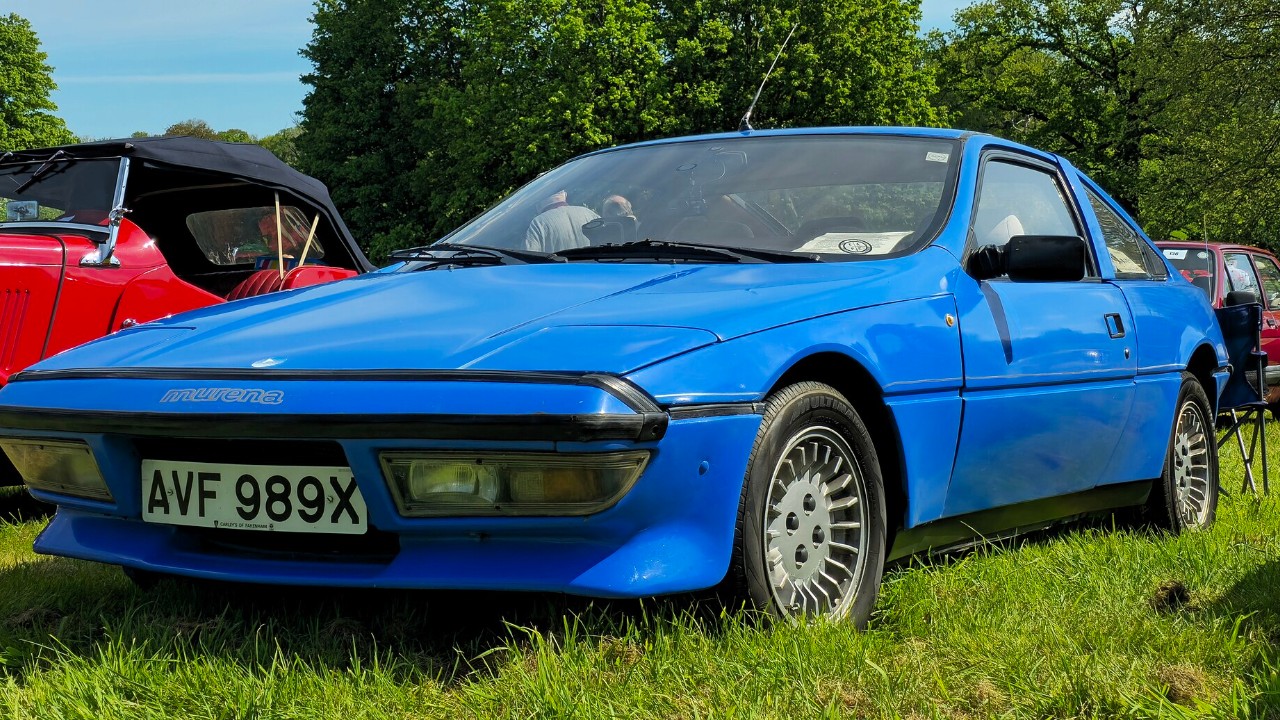
Matra’s Murena replaced the Bagheera and kept its most unusual trick: three seats side by side. The mid-engined coupe used a hot-dip galvanized chassis to slow rust. According to the UK Matra enthusiasts’ club, the 2.2 used a transverse 2,156 cc engine from the Talbot Tagora, rated at 115 cv in standard form.
Matra built 4,560 Murena 2.2 cars, plus 5,640 with the 1.6 engine and 480 genuine S models. Those numbers sound healthy, yet the car was never officially imported into the UK, let alone the US. In fact, the club says only about 250 reached Britain as private imports. For that reason, most enthusiasts outside France know the Murena only from photos.
Our take: the Murena 2.2 is a practical mid-engined car with a seat for a friend on each side. We love that Matra stuck with the three-seat idea when everyone else built two-seaters. Matra’s knack for odd ideas fits right in with the French cars that dared to be different. If you buy one, check the rear trailing arms and the camshaft lobes, which the club lists as known weak points.
7. 1990 Venturi 260
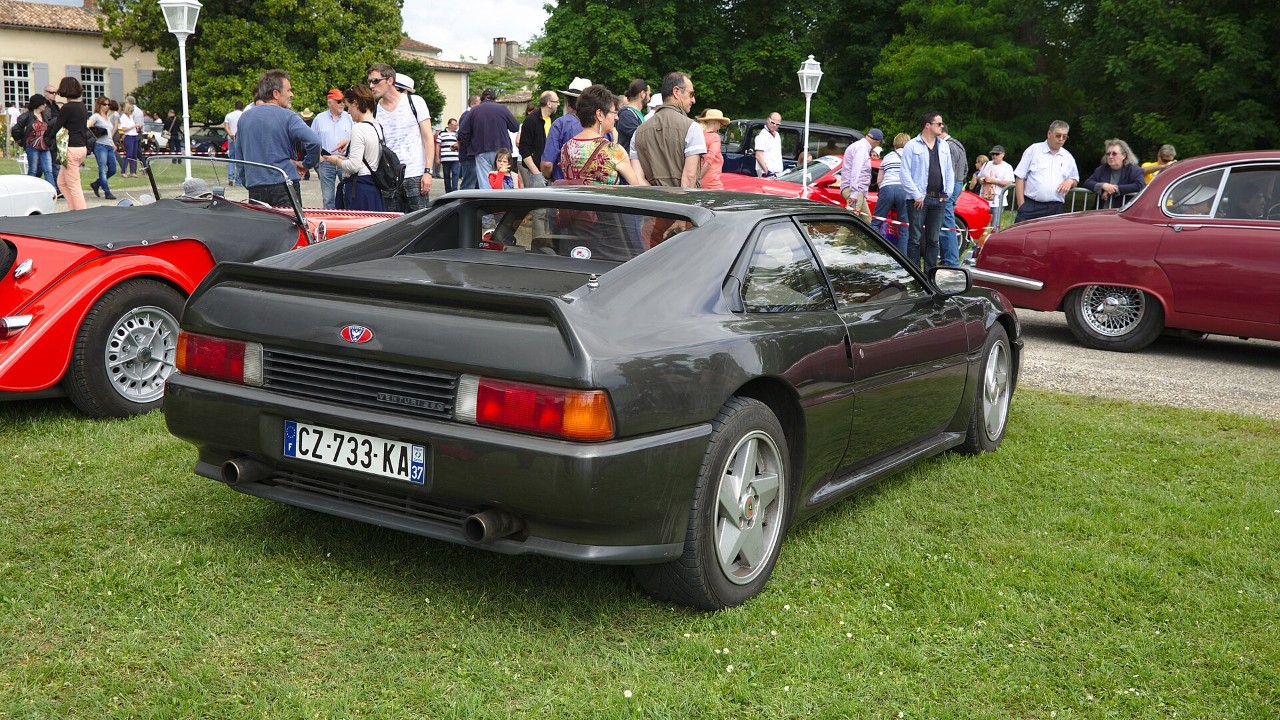
Venturi began as MVS, founded in 1984 by designer Gérard Godfroy and engineer Claude Poiraud. The pair had left the contract builder Heuliez to start their own firm. The 260 used a turbocharged 2,849 cc PRV V6, and the Autozine model history lists 261 hp. It also quotes a Performance Car test of 0-60 mph in 5.9 seconds.
The car rode on a steel tube frame with a glass-fiber body. It also used double-wishbone front suspension and a multi-link rear. The company took the Venturi name in 1990 and moved to a new factory in 1991, hoping to build 400 cars a year. Instead, Autozine says roughly 600 to 700 cars were built over 15 years, and the company went bankrupt in 2000.
Our take: the Venturi 260 is the French supercar almost nobody outside France remembers. That obscurity is part of the charm. It mixed a turbocharged V6, a light composite body and hand-built assembly in a way few small makers ever managed. We looked at its successor in our Venturi Atlantique story. If you want one, be patient, because a well-documented car with service history is worth waiting for.
More from Fast Lane Only