If you’ve ever inched forward at a red light to keep traffic flowing, you’re not alone. But in a growing number of cities, that “just creeping a little” move is turning into a surprisingly expensive mistake. Drivers are reporting tickets for stopping on, or even slightly over, the crosswalk line—sometimes even when cars behind them are still moving and the intersection feels busy.The short version: crosswalks are being treated less like “extra space” and more like what they are—pedestrian space. And enforcement is getting sharper, more consistent, and in some places, more automated. If you’re thinking, “Wait, I thought that was only a problem if someone’s trying to cross,” that’s exactly the mindset that’s changing.
What’s happening, exactly?
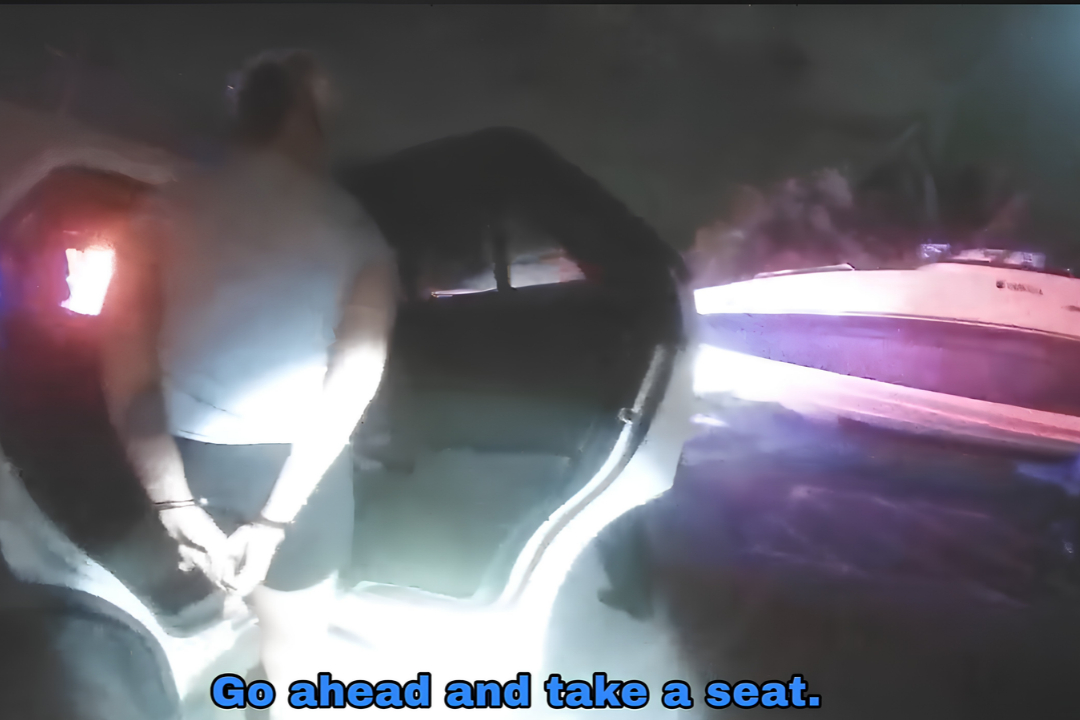
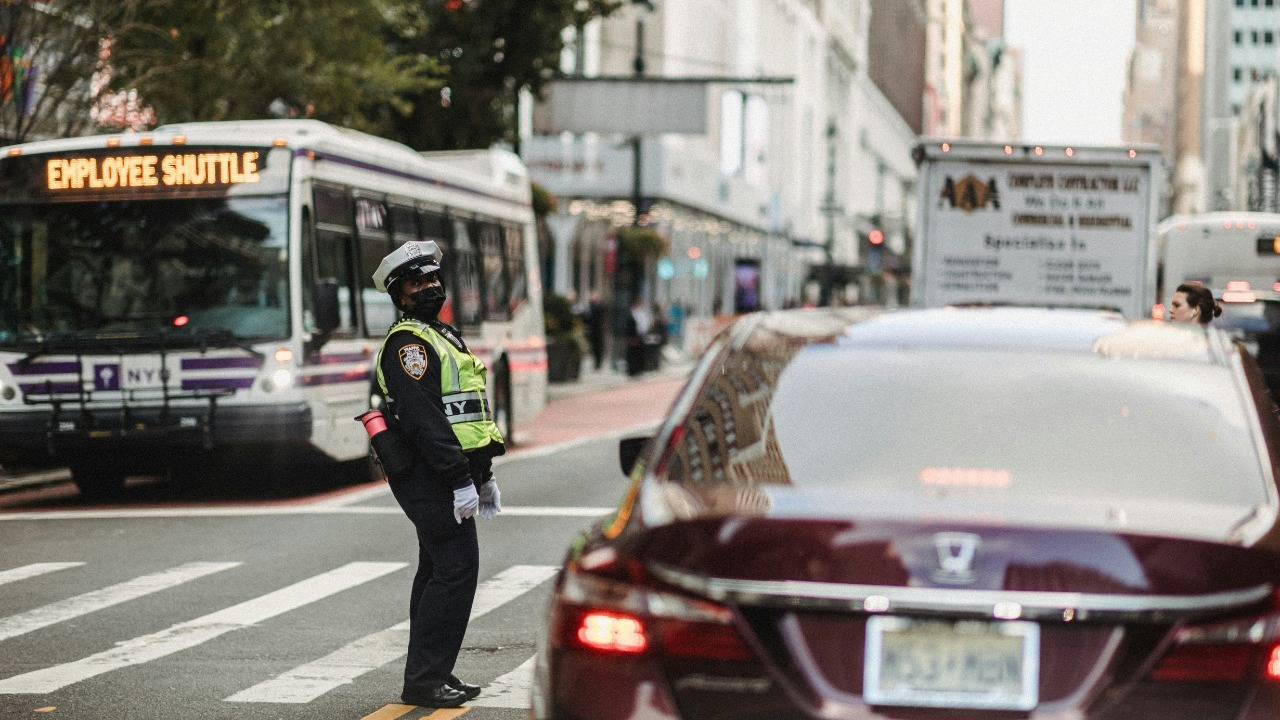
More drivers are getting cited for “blocking the crosswalk” or “stopping past the limit line” at red lights and stop signs. The common scenario is simple: traffic is moving in fits and starts, you pull up to keep the line tight, and your front bumper ends up in the striped crosswalk. An officer (or a camera) sees your vehicle occupying the pedestrian crossing area while you’re stopped, and that’s enough for a ticket.What’s catching people off guard is that these citations aren’t only happening in quiet intersections where a driver is clearly being careless. They’re showing up at congested downtown corners, near schools, and around transit stops—places where drivers often “stage” forward to avoid blocking the lane behind them. The legal line, though, is still the legal line, even when the rest of traffic feels like it’s doing a slow, coordinated shuffle.
Why enforcement is ramping up now
There are a few reasons this is popping up more lately. One is safety: cities have been under pressure to reduce pedestrian injuries and fatalities, and intersections are where many of those crashes happen. Keeping crosswalks clear makes people walking more visible to turning drivers, and it gives pedestrians a predictable place to cross without squeezing around bumpers.Another reason is consistency. When drivers routinely stop on crosswalks, pedestrians start crossing farther out into the intersection to get around cars, which puts them closer to turning traffic. It’s one of those small “everyone does it” habits that can snowball into a genuine risk, especially for kids, wheelchair users, and anyone pushing a stroller or cart.And yes, technology is part of it. Some jurisdictions use red-light cameras or enforcement cameras that can also capture stopping location relative to marked lines. Even without cameras, higher-visibility traffic operations near busy corridors often include crosswalk-blocking as an easy-to-observe violation.
“But traffic was moving”—why that doesn’t always matter
This is the part that annoys people the most, and honestly, it’s understandable. Drivers often creep forward because they think they’re helping: making room for cars behind, preparing for a right turn, or trying not to block a driveway or a side street. The problem is that the rule is usually about where you are when you’re stopped, not whether the line of cars behind you is still inching along.If the light is red and you’re stationary with any part of your vehicle in the crosswalk, that can qualify as blocking. Some drivers assume it’s only illegal if a pedestrian is present or if you fully cover the crosswalk. In many traffic codes, neither of those details is required—occupation alone can be enough.There’s also a timing issue: you might roll forward, stop briefly, roll again, and feel like you never “settled” there. But a camera frame or an officer’s observation can catch that moment you paused on the stripes. And in enforcement terms, “briefly” can still be “stopped.”
What counts as “blocking” a crosswalk?
Rules vary, but the practical interpretation is pretty consistent. If your tires or bumper are over the stop line, or if you’re sitting on the painted crosswalk markings, you’re likely in violation. Some intersections have a thick white limit line set back from the crosswalk; that’s your cue for where to stop, even if it feels oddly far from the intersection.At unmarked crosswalks—common in many areas—things get trickier. A lot of drivers don’t realize that many intersections legally have a crosswalk even if it isn’t painted, based on sidewalk alignment and curb ramps. That means you can still “block a crosswalk” without seeing a single stripe, which is a fun little surprise nobody asked for.
Why it matters to people walking (even when no one’s crossing)
When a car stops in a crosswalk, pedestrians often have to step into the roadway to go around it. That puts them in the path of turning cars, bikes, and sometimes buses that are hugging the curb. It also messes with visibility: drivers trying to turn might not see someone crossing until the last second because the stopped vehicle is in the way.It’s not just about convenience, either. For someone using a wheelchair or walker, going around a car can mean leaving the curb ramp and entering an uneven part of the street. For a parent with a stroller, it can mean nudging into traffic to get past a bumper. These are small shifts that increase risk in a place that’s already chaotic.
Common situations that lead to tickets
The classic one is the “right turn on red” setup. Drivers pull forward to see around a pole or parked car, then end up sitting on the crosswalk while waiting for a gap. Another common case is heavy congestion, where drivers move up to avoid blocking a through lane but accidentally take over the crosswalk instead.Left-turn pockets can create the same problem. People creep forward trying to maximize space for the car behind, especially if the turn lane is short. And near schools, the combination of crossing guards, frequent pedestrian movement, and heightened enforcement makes crosswalk-blocking an especially ticket-prone mistake.
How to avoid a crosswalk ticket without slowing everyone down
The simplest move is also the least exciting: stop behind the limit line and stay there until the light changes. If there’s no visible line, treat the crosswalk area as “hands off” and stop before the corner where pedestrians would cross. It may feel like you’re leaving space on the table, but that space is there for a reason.If you’re turning right on red, try this: stop fully before the crosswalk first, then inch forward only if you can do it without ending up parked on the stripes. If you can’t see well enough without occupying the crosswalk, it’s often safer (and cheaper) to wait for the green.And in gridlock, resist the urge to “help” by filling every gap. If moving forward means your vehicle will be stuck in the crosswalk when traffic stalls, don’t go. Think of it like the intersection version of “don’t block the box,” except the box is for pedestrians.
What to do if you get fined
First, look closely at what the ticket actually alleges: blocking a crosswalk, stopping past the limit line, or something else. The exact code matters, and so does the evidence. If there’s a photo or video, check whether your vehicle is clearly in the crosswalk while stopped, and whether the crosswalk is marked or legally present at that intersection.
If you believe the ticket is wrong—say the markings were missing, confusing, or obscured—you may have grounds to contest it. Photos of the intersection, signage, lane markings, and sightlines can help. Just keep expectations realistic: if your bumper is plainly on the stripes, the “but traffic was moving” argument often doesn’t carry much weight.
For everyone else, the takeaway is pretty practical. Crosswalk enforcement is becoming one of those “small” infractions that’s getting big attention, and it’s catching normal, well-meaning drivers. Stopping a few feet earlier is an easy habit shift—annoying for a week, automatic by week two, and a lot cheaper than finding out the hard way.
More from Fast Lane Only