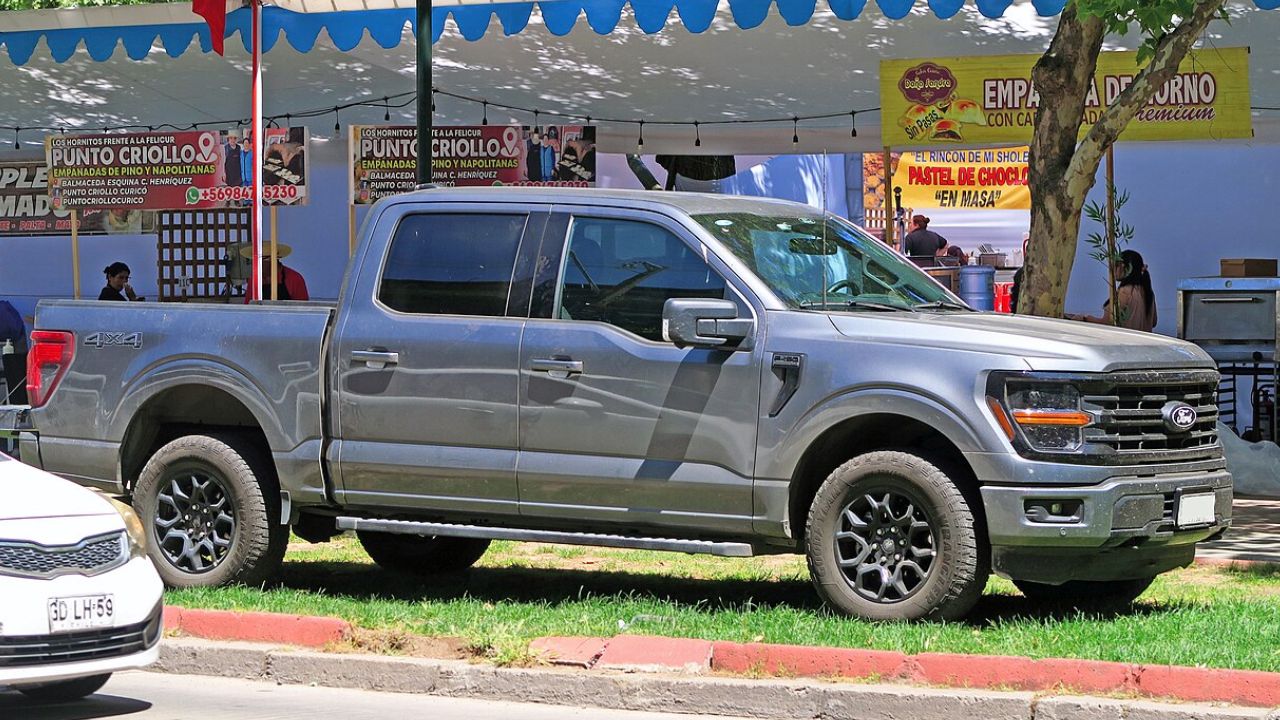
Ford has officially announced that the next-generation F-150 and Super Duty models are set to debut by 2029, promising significant advancements in technology, design, and performance. This reveal has generated excitement among truck enthusiasts and industry experts alike, as Ford aims to maintain its leadership position in the competitive pickup truck market.
Overview of Ford’s Announcement
Ford’s announcement regarding the timeline for its next-gen F-150 and Super Duty models marks a pivotal moment in the automotive industry. The automaker has confirmed that these highly anticipated pickups will hit the market by 2029, with a focus on innovative technological advancements and enhanced performance capabilities. This decision comes as Ford seeks to strengthen its competitive edge in a market that is becoming increasingly saturated with newer entrants and electrification trends.
The announcement has generated a wave of reactions from automotive experts and enthusiasts, many of whom are eager to see how Ford will evolve its best-selling trucks. The F-150 has been a staple in Ford’s lineup for decades, and the Super Duty has carved out its niche among heavy-duty truck users. As such, industry insiders are keenly interested in how Ford will balance tradition with modern demands, particularly in regards to sustainability and technology integration.
Evolution of the F-150 and Super Duty Models
The Ford F-150 and Super Duty models are not just vehicles; they are icons that have shaped the pickup truck landscape over the years. The F-150, in particular, has been a best-seller for over four decades, evolving through various generations to meet changing consumer preferences and market demands. From the introduction of fuel-efficient engines to the incorporation of advanced materials for weight reduction, Ford has consistently adapted its lineup to remain relevant.
Previous generations of the F-150 and Super Duty have set benchmarks for towing capabilities, payload capacities, and overall durability. Each iteration has introduced new features and technologies that have resonated with consumers, reinforcing Ford’s reputation as a leader in the truck segment. As we look ahead to 2029, the legacy of these models will undoubtedly influence the design choices and innovations that Ford will incorporate into the next generation.
Expected Features of the Next-Gen F-150
As we anticipate the next-gen F-150, several exciting features are expected to redefine what consumers can expect from a pickup truck. One primary area of focus will be advancements in engine technology, particularly in fuel efficiency and performance. Given the increasing consumer push for greener vehicles, it’s likely that Ford will explore more hybrid and all-electric powertrains, building on the success of the F-150 Lightning, which has already set a precedent for electric pickup trucks.
In addition to powertrain enhancements, interior design and technology integration will likely see significant upgrades. Features such as larger infotainment screens, improved connectivity options, and more intuitive user interfaces are anticipated. The integration of advanced driver-assistance technologies will also be a priority, ensuring that safety remains a top concern for Ford as it designs its next-generation models. Innovations such as adaptive cruise control, automated parking, and enhanced collision avoidance systems are all possibilities.
Super Duty: What to Expect
The Super Duty lineup is known for its heavy-duty capabilities, and the next generation is expected to raise the bar even higher. With the growing demands of commercial users and fleet operators, Ford must enhance the towing and payload capacities of the Super Duty models to maintain their competitive edge. This could include more robust chassis designs, upgraded suspension systems, and stronger powertrains that can handle heavier loads with ease.
Moreover, Ford might introduce features specifically aimed at commercial users. Potential innovations could include integrated telematics systems for better fleet management, improved cargo management solutions, and enhanced connectivity features that allow users to stay connected while on the job. As the needs of consumers evolve, Ford’s ability to cater to both individual buyers and commercial clients will be crucial to the Super Duty’s success.
The Role of Electric Vehicles in Ford’s Strategy
Ford’s strategy for the next generation of its trucks will undoubtedly include a significant focus on electric vehicles (EVs). The success of the F-150 Lightning has not only changed consumer expectations but also demonstrated that there is a viable market for electric pickups. This shift towards electrification will likely influence the design and engineering of both the F-150 and Super Duty models, aiming to provide options that meet diverse consumer needs.
In addition to fully electric versions, Ford is also expected to explore hybrid models that can offer the benefits of both traditional fuel engines and electric power. This dual approach may appeal to a broader audience, allowing for flexibility in usage while addressing environmental concerns. As more consumers become conscious of their carbon footprint, Ford’s strategy will focus on ensuring that its trucks are not only powerful but also environmentally responsible.
Competitive Landscape
The pickup truck market is more competitive than ever, with manufacturers like Chevrolet, Ram, and newcomers such as Rivian and Tesla making significant strides. Ford must consider how these competitors’ upcoming models could influence consumer preferences and design choices. As electric and hybrid options become more mainstream, Ford’s ability to innovate will be essential to maintaining its market share.
Competitors are also expected to introduce advanced features and technologies that appeal to tech-savvy consumers. For example, Ram has made headlines with its innovative storage solutions and infotainment systems, while Chevrolet continues to enhance its towing capabilities. Ford will need to stay ahead of these trends while ensuring that its trucks retain the rugged appeal and performance standards that have made them popular.
Consumer Feedback and Preferences
Understanding consumer feedback and preferences will be critical as Ford develops its next-generation F-150 and Super Duty models. As customer expectations evolve, Ford must adapt its design and features to meet these changing demands. Surveys and focus groups could play a vital role in shaping the final designs, ensuring that the new models resonate with both loyal customers and new buyers.
Brand loyalty among F-150 owners is particularly strong, and Ford has an opportunity to leverage this loyalty by incorporating features that current owners value. Whether it’s enhancements in towing technology, cabin comfort, or safety features, listening to the voice of the customer will be paramount. Consumers today are looking for trucks that not only perform well but also offer a seamless blend of comfort and technology.
Production and Supply Chain Considerations
As Ford prepares to ramp up production for its next-gen models, the company will face challenges related to global supply chain disruptions. The automotive industry has been particularly vulnerable to these issues in recent years, impacting everything from semiconductor availability to raw material sourcing. Ford will need to develop strategies to mitigate these challenges and ensure that production timelines are met.
Implementing a more resilient supply chain strategy may involve diversifying suppliers, increasing inventory levels of critical components, and investing in local sourcing initiatives. Ford’s ability to navigate these complexities will be essential for delivering the next-gen F-150 and Super Duty on time while maintaining quality standards. As the industry evolves, adaptability will be key to staying competitive.
Future of Ford’s Truck Division
Looking ahead, the future of Ford’s truck division appears promising, with a clear vision for how the F-150 and Super Duty models will evolve beyond 2029. As technology continues to advance, I predict that Ford will introduce more variants and models tailored to specific consumer needs, including off-road versions, performance-oriented trims, and more environmentally friendly options.
Moreover, Ford’s commitment to innovation and sustainability will likely drive its future truck offerings. By continuing to prioritize electric and hybrid technology, Ford can not only meet regulatory demands but also respond to consumer desires for greener options. The potential introduction of additional models or variants could further solidify Ford’s position as a leader in the truck market, ensuring that the brand remains synonymous with quality and reliability.
More from Fast Lane Only