Ohio is taking significant steps towards enhancing its electric vehicle (EV) infrastructure by funding 64 new fast-charging sites with a $51 million investment. This initiative aims to support the growing demand for EVs and promote sustainable transportation throughout the state.
Overview of the Funding Initiative
The state of Ohio has allocated a substantial budget of $51 million to bolster its electric vehicle infrastructure, marking a pivotal moment in the transition to sustainable transportation. This funding is not merely a financial investment; it represents a commitment to reducing carbon emissions and enhancing access to clean energy alternatives. By establishing fast-charging stations across the state, Ohio aims to alleviate concerns about range anxiety among potential EV buyers, thus encouraging more residents to make the switch to electric vehicles.
The initiative is a collaborative effort involving various state agencies and the utilization of federal funding sources. This partnership underscores the significance of a coordinated approach to infrastructure development. The federal government has been increasingly supportive of initiatives aimed at expanding electric vehicle infrastructure, and Ohio’s funding allocation is a direct result of this support. This collaboration ensures that the deployment of charging stations is not only efficient but also aligned with broader national goals for sustainable transportation.
Locations of the New Charging Sites
The new charging stations will be strategically placed in major cities throughout Ohio, including Cleveland, Columbus, and Cincinnati. These urban centers are not only hubs of economic activity but also serve as critical points for EV infrastructure development. Additionally, the locations have been selected based on traffic patterns and existing infrastructure, ensuring that the charging stations are easily accessible for residents and visitors alike. High-traffic areas such as shopping centers, highways, and public transportation hubs will be prioritized for charger installation.
Moreover, the initiative aims to balance the distribution of charging stations between urban and rural areas. While cities like Cleveland and Columbus will receive a significant number of charging stations, rural communities will also benefit from this expansion. This equitable approach ensures that all Ohio residents, regardless of their geographic location, have access to the necessary infrastructure to support electric vehicle ownership. The goal is to create a comprehensive network that makes charging convenient and accessible throughout the state.
Types of Charging Stations Installed
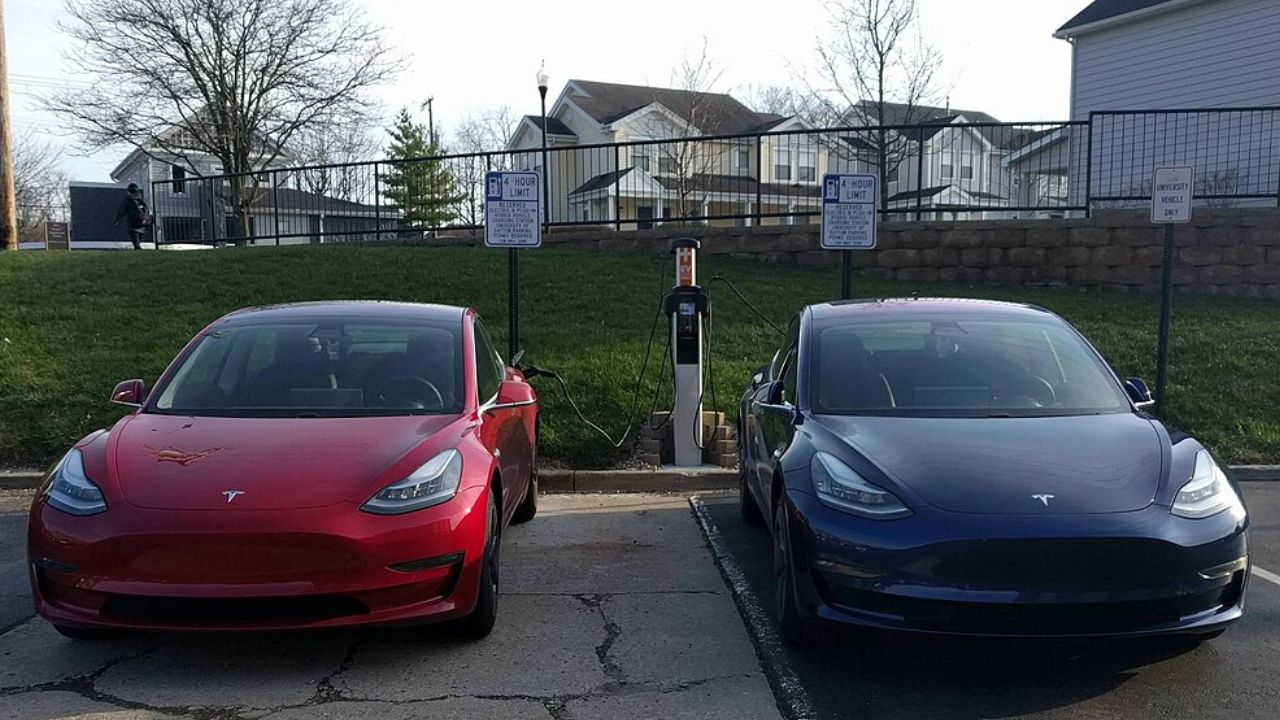
The new charging sites will feature state-of-the-art fast-charging technology, designed to meet the needs of various electric vehicle models. The majority of these stations will utilize DC fast charging capabilities, which can deliver a significant charge in a short amount of time. For example, many modern EVs, such as the Tesla Model 3 or the Ford Mustang Mach-E, can achieve an 80% charge in approximately 30 minutes when using a DC fast charger. This rapid charging capability is essential for long-distance travel and can greatly enhance the convenience of owning an electric vehicle.
In addition to DC fast charging stations, some locations will also feature Level 2 charging options. While Level 2 chargers are slower, typically taking several hours to fully charge an EV, they are ideal for locations where vehicles are parked for extended periods, such as workplaces and shopping centers. This combination of fast and Level 2 chargers will provide flexibility for EV users and ensure that charging options are available to suit different needs.
Environmental Impact of the Initiative
Expanding Ohio’s EV infrastructure is more than a logistical improvement; it plays a significant role in combating climate change. By increasing the number of electric vehicles on the road, the state can expect a notable reduction in greenhouse gas emissions. According to the U.S. Environmental Protection Agency, transportation is one of the largest sources of carbon emissions in the country. By promoting electric vehicles and providing the necessary infrastructure, Ohio can contribute to cleaner air and a healthier environment.
Moreover, the anticipated impact on local air quality cannot be overstated. Electric vehicles produce zero tailpipe emissions, which means that as more residents switch to EVs, there will be a decline in pollutants such as nitrogen oxides and particulate matter. This is particularly important for urban areas, where air quality issues are often exacerbated by high traffic volumes. Communities that adopt electric vehicles and infrastructure can look forward to improved public health outcomes and a more sustainable environment for future generations.
Influence on Local Economy
The introduction of these charging stations is expected to stimulate local economies in multiple ways. First and foremost, the construction and ongoing maintenance of these sites will create jobs. This initiative will require skilled labor for installation, as well as ongoing roles for maintenance and customer service. The infusion of jobs into local communities can have a positive ripple effect, boosting spending and economic growth.
Additionally, the presence of accessible EV infrastructure can attract tourism. As more travelers choose electric vehicles, they will seek out destinations that offer charging options. Areas with well-established charging networks can become appealing stops for road trips, encouraging visitors to explore local businesses and attractions. This added foot traffic can help revitalize local economies, benefiting restaurants, hotels, and shops.
Public Response and Community Engagement
The expansion of EV charging infrastructure has generated a mixed but largely positive response from the public. Many residents recognize the importance of transitioning to electric vehicles as a way to combat climate change and improve air quality. Community forums have been held across the state to gather input from residents regarding the proposed locations for charging stations. These meetings have provided valuable feedback that has influenced the final decisions on where to place the chargers.
Local businesses have also expressed enthusiasm for the new charging stations. Many see this as an opportunity to attract more customers who drive electric vehicles. For instance, businesses can promote their proximity to charging stations, encouraging EV owners to stop by while their cars charge. As the demand for electric vehicles continues to grow, businesses that adapt to this shift by offering charging solutions may gain a competitive advantage in their markets.
Challenges and Considerations
While the initiative to expand EV infrastructure is promising, it is not without its challenges. One potential obstacle is navigating land use and zoning regulations. In some cases, securing the necessary permits and approvals for charging station installation can be time-consuming and complicated. Local governments must work collaboratively with state agencies to streamline these processes, ensuring that the deployment of charging stations proceeds without significant delays.
Moreover, the reliability and maintenance of charging stations will be critical to their success. Once installed, these stations must be maintained to ensure they remain operational and accessible to users. This requires a commitment from both public and private entities to monitor and address any issues that may arise. Additionally, ensuring equitable access to charging stations—particularly in low-income areas—will be essential to prevent disparities in EV adoption across different communities.
Future Plans for EV Infrastructure in Ohio
Looking ahead, Ohio has set ambitious goals for electric vehicle adoption by 2030 and beyond. The state aims to significantly increase the number of EVs on the road, and expanding charging infrastructure is a crucial component of this strategy. Future plans may include additional funding opportunities and government incentives for both businesses and residents to invest in electric vehicles and related technologies.
Furthermore, there is potential for collaborations with private companies to further expand charging networks. Partnerships can leverage resources and expertise to enhance the state’s EV infrastructure, making it more robust and user-friendly. As the technology evolves, Ohio’s approach to electric vehicles will continue to adapt, creating a sustainable transportation ecosystem that benefits all residents.
More from Fast Lane Only