Early versions of the Renault 5 GT Turbo weighed just 820 kg, or about 1,800 pounds. That is the magic of a good small car. You feel every input, you use every bit of the engine, and a trip to the store turns into a little event.
Big horsepower gets the headlines, but it rarely gets the grins. In our view, the compact cars that matter most are the ones that made ordinary drivers feel like rally heroes on a budget. Some came from France, some from Japan, and one came from a German family hatchback that grew up fast.
These seven are our picks, and the verdicts are our opinion. Each one is small, light and simple enough to understand from the driver’s seat. We kept the specs to what period tests and model records show, so you can judge for yourself which one belongs in your garage.
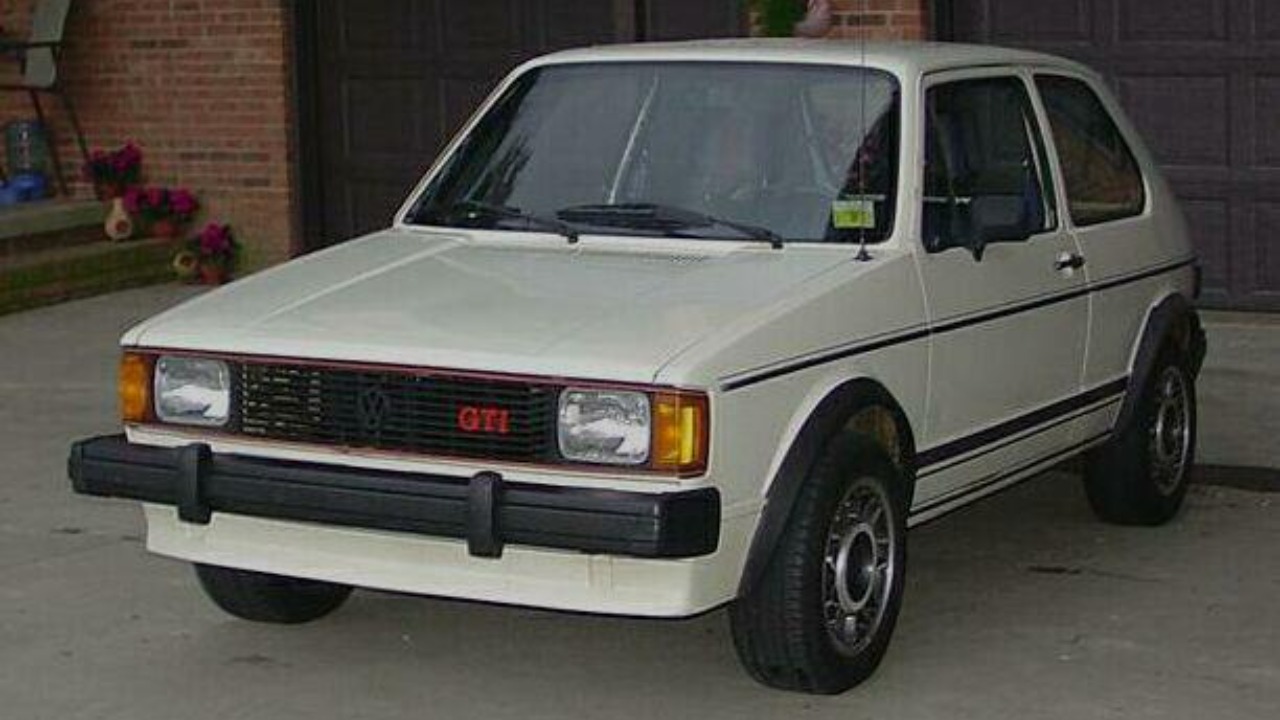
1. 1983 Volkswagen Golf GTI Mk1

Volkswagen showed the first Golf GTI at the Frankfurt show in September 1975. Customers then waited until September 1976 to buy one. The early car used a 1.6-liter engine rated at 110 PS, and it weighed only about 810 kg. In 1982, the engine grew to 1.8 liters.
American buyers waited even longer. The GTI didn’t reach US showrooms until the 1983 model year, and the American-built car made 90 horsepower. That number sounds tiny today. However, the light body, the quick steering and the eager engine made the most of it. Meanwhile, British buyers had already crowned the facelifted car, because What Car? magazine named it Car of the Year in 1981.
Our take: the Mk1 GTI is the template for this whole list. Volkswagen went on to build about 462,000 of them, so plenty of people learned the same lesson. A practical hatchback could also be the most fun car on the street. If you shop for one, buy the cleanest, least-modified example you can afford. Then enjoy the fact that it asks very little of you and gives a lot back on a winding road.
2. 1985 Renault 5 GT Turbo
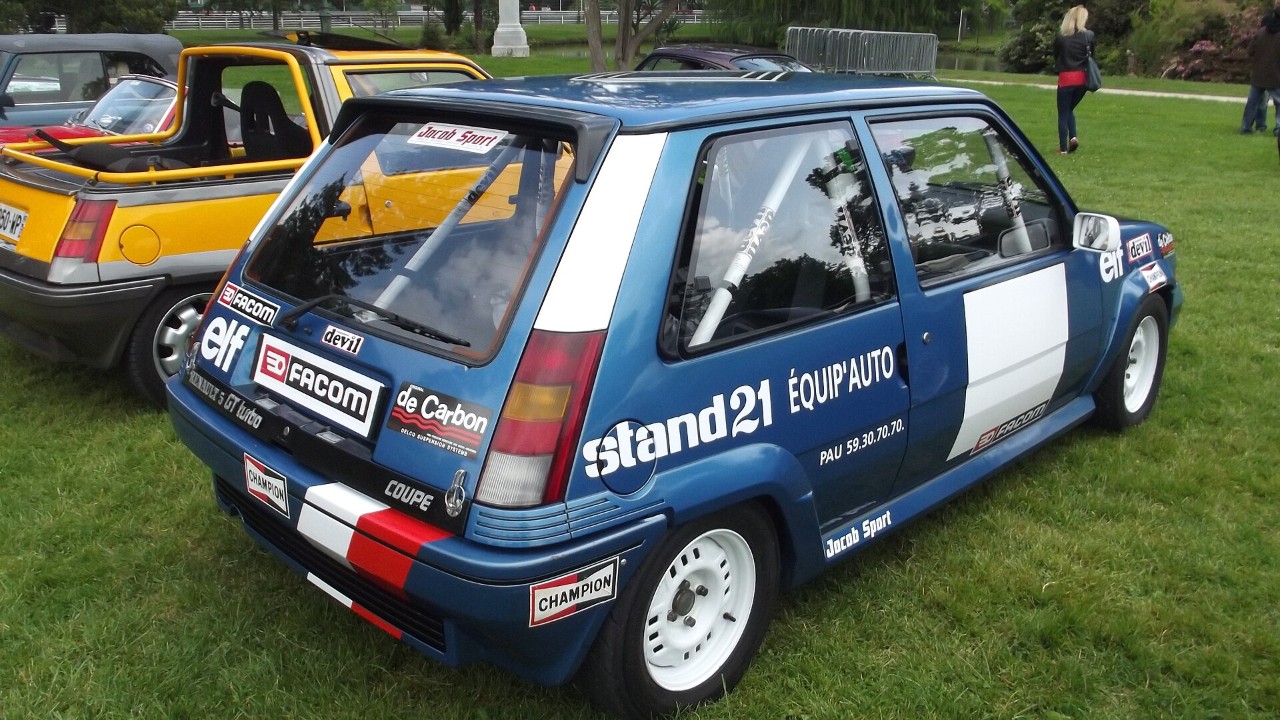
Renault built the GT Turbo on the 1984 Supercinq, a Gandini-styled update of the little Renault. According to Octane’s buying guide, the 1985 car paired a carbureted engine with a small Garrett T2 turbocharger and an air-to-air intercooler. Early cars made 115 bhp and weighed just 820 kg. As a result, Octane quotes 0-60 mph in 7.5 seconds and a top speed of about 120 mph.
The chassis got serious work, too. Renault dropped the suspension by 38 mm, added an extra rear torsion rod and fitted thicker anti-roll bars. Then, for 1987, the Phase 2 car gained a water-cooled turbo and 120 bhp. Production ran until the end of 1991, finishing with the blue Raider edition before the Clio took over.
Our take: this is the wild child of the group. Boost arrives with a rush, the plastic body kit looks pure 1980s, and the whole car feels like it might skip off the road at any moment. That’s exactly why we love it. France had a gift for this kind of car, as we covered in how France shaped hot hatch culture. If you want one, check for crash damage and head gasket trouble first.
3. 1987 Peugeot 205 GTI 1.9
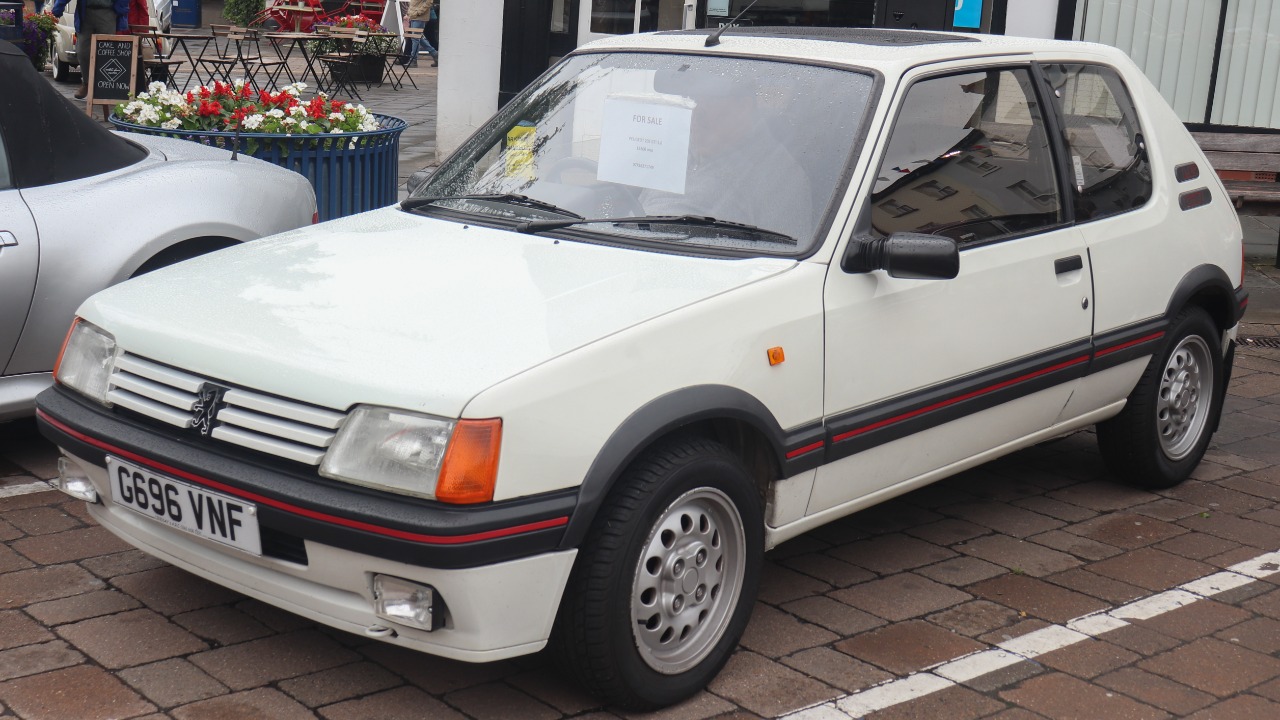
Peugeot launched the 205 GTI as a 1.6 in 1984. Two years later, it answered rivals with a bigger engine. Classics World says the 1.9 used a 1,905 cc XU9 engine with a longer stroke. It made 128 bhp in original form, then 122 bhp once a catalytic converter arrived. Buyers could spot it by its Speedline wheels and half-leather interior.
The 1.9 traded a little of the 1.6’s rev-happy spirit for more mid-range punch. On the other hand, it was the faster car overall. Classics World also points out that far fewer 1.9s were sold than 1.6s, and fewer still have survived. Meanwhile, the car’s reputation for lift-off oversteer is real but often exaggerated. It mainly shows up when a driver snaps the throttle shut mid-corner on a damp road.
Our take: the 205 GTI rewards a driver who pays attention. The sharp turn-in and light rear end make a back road feel alive, even at sane speeds. We told the story of the earlier car in how the 1984 Peugeot 205 GTI embarrassed bigger rivals. If you buy a 1.9, look hard for an original, unmodified car, because those have become hard to find.
4. 1985 Toyota Corolla GT-S AE86
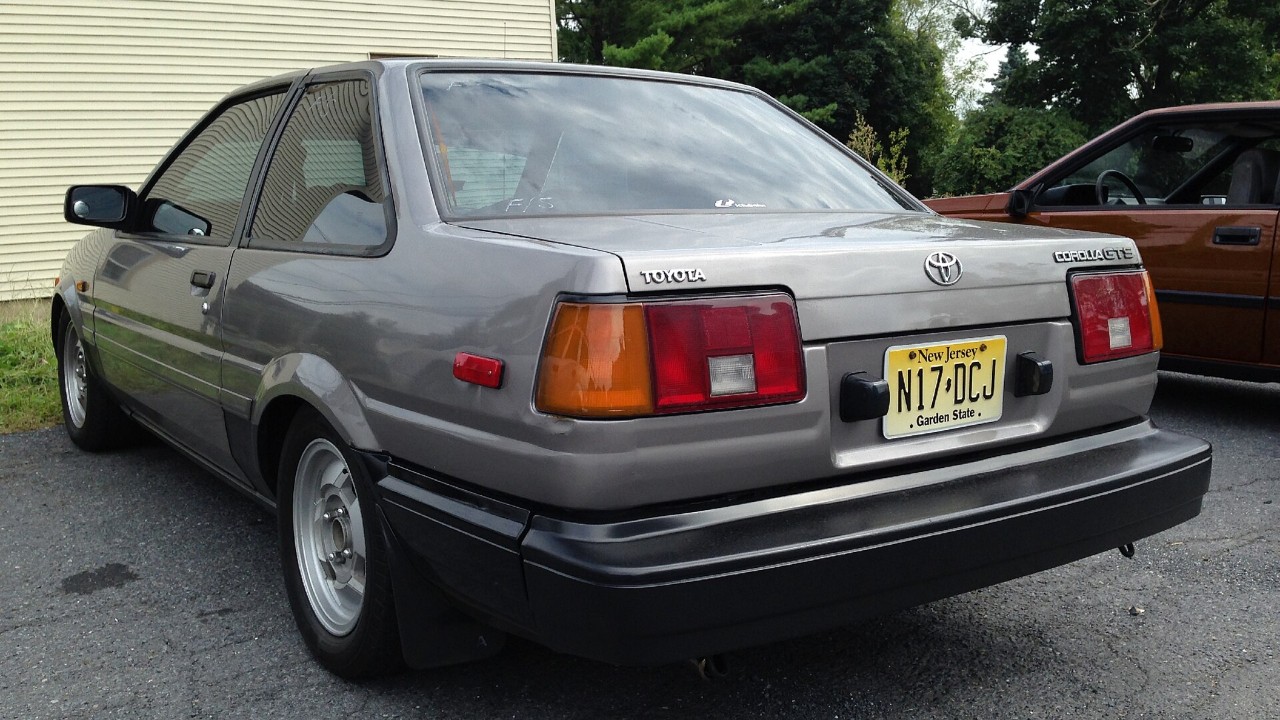
Toyota built the AE86 generation from May 1983 to July 1987. It was the last production Corolla with rear-wheel drive, and that detail explains its fan club. The GT-S joined the American lineup in August 1984. Under the hood sat the 1,587 cc 4A-GE twin-cam engine, rated at 112 bhp in US trim at a lofty 6,600 rpm.
Rear-wheel drive and a light body made the car a natural for sliding. Keiichi Tsuchiya, the driver known as the Drift King, helped make drifting popular, and the AE86 became famous for it. Later, the Initial D manga and anime made an AE86 the hero’s drift car and tofu delivery car. Fittingly, the Trueno name comes from the Spanish word for thunder.
Our take: the AE86 shows how little power you need when the balance is right. It feels like a small sports car that happens to have a Corolla badge. Because so many were driven hard, a clean, stock GT-S takes patience to find. In our view, that search is worth it. Look for rust and signs of drift abuse, and you’ll have a car that makes every corner feel like a reward.
5. 1991 Honda CRX Si
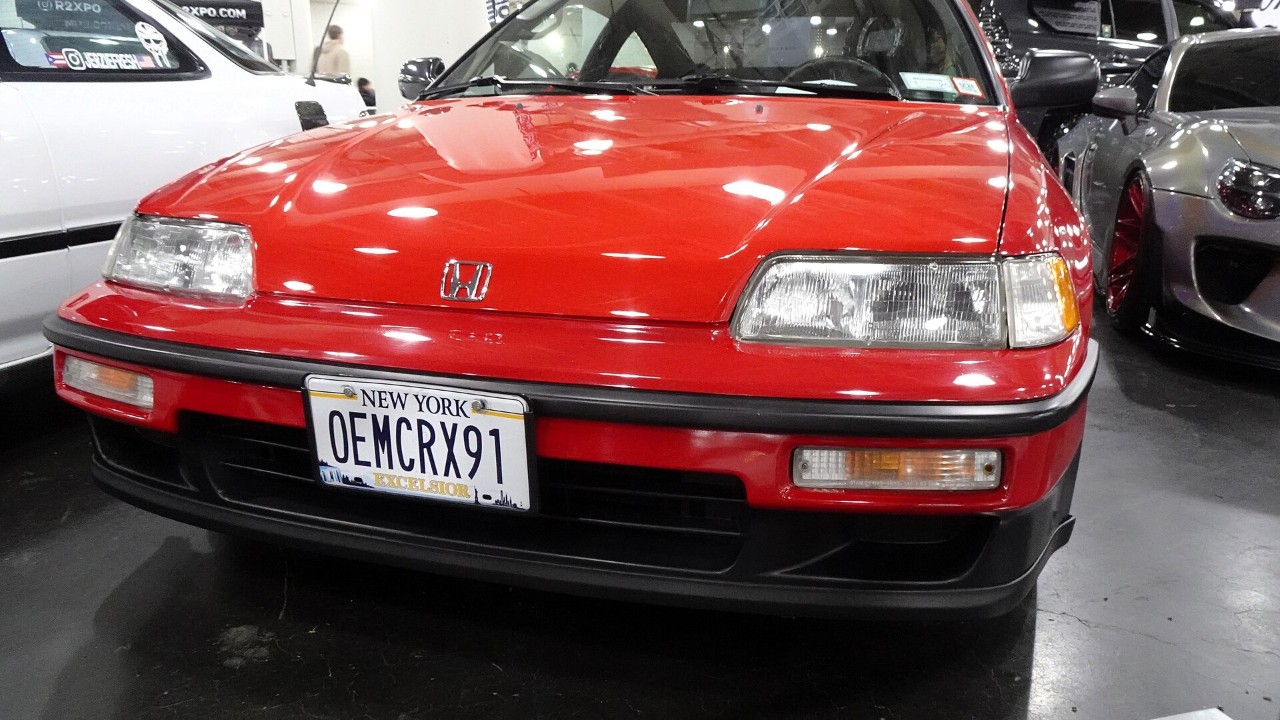
The second-generation CRX arrived for 1988 with a big upgrade underneath: four-wheel double-wishbone suspension. According to Hagerty, the Si’s 1.6-liter, 16-valve engine made 108 horsepower. By contrast, the fuel-sipping HF version made 72 horsepower.
Hagerty also praised the low hood and dash, which gave the driver a panoramic view. Honda built 64,562 CRX Si models for the US from 1988 through 1991. In the final year, the count was 14,295. Those numbers sound healthy, yet tuners loved these cars, so many were modified. In fact, Hagerty notes that original, unmodified CRX Sis have become rare.
Our take: the CRX Si felt like a tiny go-kart with a roof and a hatch. It revved happily, it steered with real precision, and it sipped fuel while doing both. On top of that, the wide view over that low hood makes the car feel eager even at modest speeds. We looked at the first version in why the Honda CRX Si made efficiency fun. If you find a stock 1991 car, keep it stock. Instead of chasing more power, enjoy the balance Honda built in from the factory.
6. 1988 Mazda 323 GTX
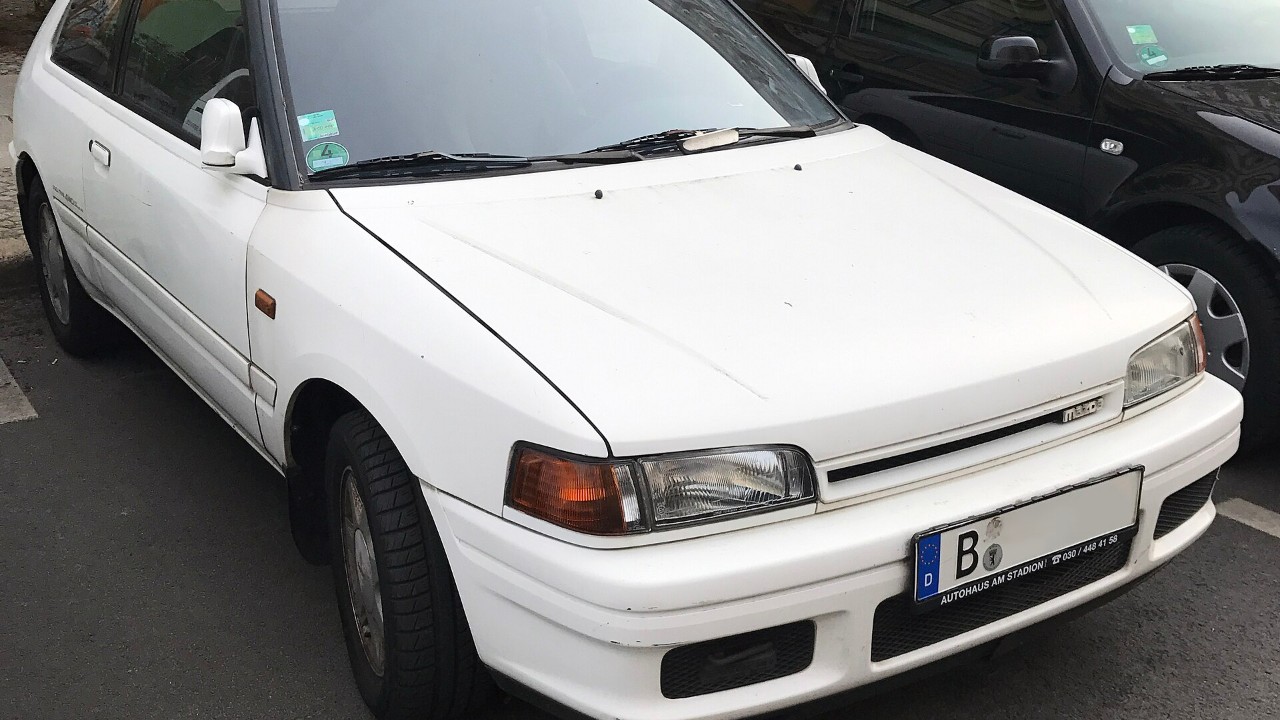
Mazda’s 323 GTX was a family-car body hiding rally hardware. The 1988 US version was the first four-wheel-drive passenger car Mazda sold in the United States. It used a turbocharged and intercooled 1.6-liter, 16-valve twin-cam four rated at 132 horsepower. That made it far quicker than its plain-looking hatchback shape suggested.
Rallying shaped the family. An earlier four-wheel-drive turbo 323 had found some success in Group A, and the later GT-X and GT-R were built to homologate the car for that class. Later, the next generation brought a 1.8-liter GT-X in Japan, followed by the GT-R. In our view, the GTX never earned the fame of its European rivals, and that is a shame.
Our take: the GTX is the sleeper of this list. All-wheel drive means you can use the turbo’s full punch in the rain, and the boxy body keeps it under the radar. Because it was a niche model, parts take some hunting. Even so, we think a well-kept GTX offers a rare kind of fun, the kind you get from a car almost nobody else at the show recognizes.
7. 2014 Ford Fiesta ST

The newest car here proves the idea never died. The 2014 Fiesta ST used a turbocharged 1.6-liter EcoBoost four with 197 horsepower and 202 lb-ft of torque. Auto123’s 2014 review lists a six-speed manual as the only gearbox. It also notes standard Recaro front seats and a starting price of $24,999.
Those numbers tell you what Ford was chasing. Instead of piling on gadgets, the ST focused on a strong engine, a manual shifter and seats that hold you in place. That recipe matches the older cars on this list. Like the Renault 5 GT Turbo three decades earlier, the Fiesta ST turned a cheap runabout into a car people buy for the drive. The manual-only rule also tells you who Ford had in mind: drivers who like to shift for themselves. Also, the Fiesta’s small footprint makes it easy to place on a narrow road, so you can use more of its performance more of the time.
Our take: the Fiesta ST is the easiest way into this club today. It has modern comforts, yet it feels playful in the way the 1980s heroes did. Many were bought as daily drivers, so condition varies a lot. Buy one that hasn’t been heavily tuned, and you’ll get one of the most entertaining small cars of its decade.
More from Fast Lane Only