Kaiser-Frazer sold 139,922 cars in the 1948 model year, and by 1954 its flagship Kaiser Manhattan offered a supercharged six. Yet the company left the American car business after 1955. In between, this upstart from Willow Run, Michigan, tried ideas that Detroit’s giants ignored.
Most people know the name, if at all, from a trivia question. However, the cars themselves were bold. Kaiser-Frazer built hatchback sedans before the word existed, sold a car through Sears, and gave a family sedan a blower. Because the company died young, its cars rarely headline an auction, and that’s exactly why we like them.
These eight are our picks, and the verdicts are our opinion. The dates, prices and production figures come from published model histories, auction records and period-focused sources. If you want a postwar car that starts a conversation at every gas stop, start here.
1. 1949 Frazer Manhattan
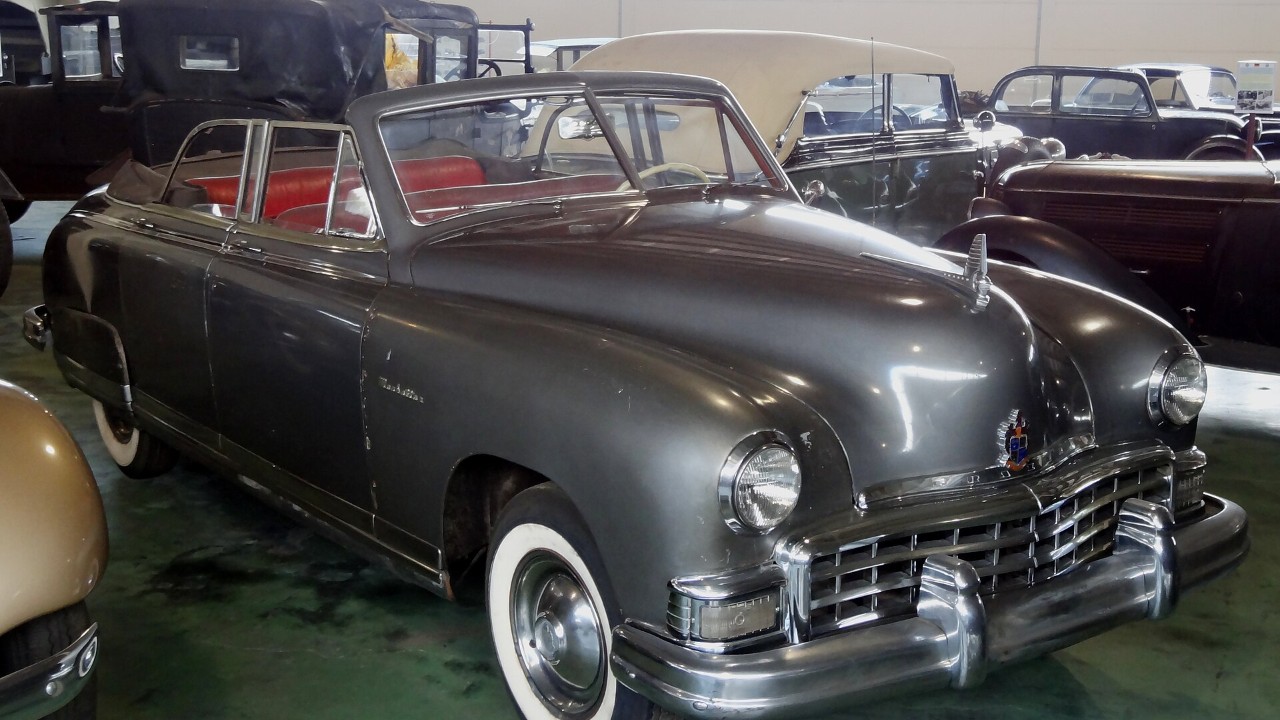
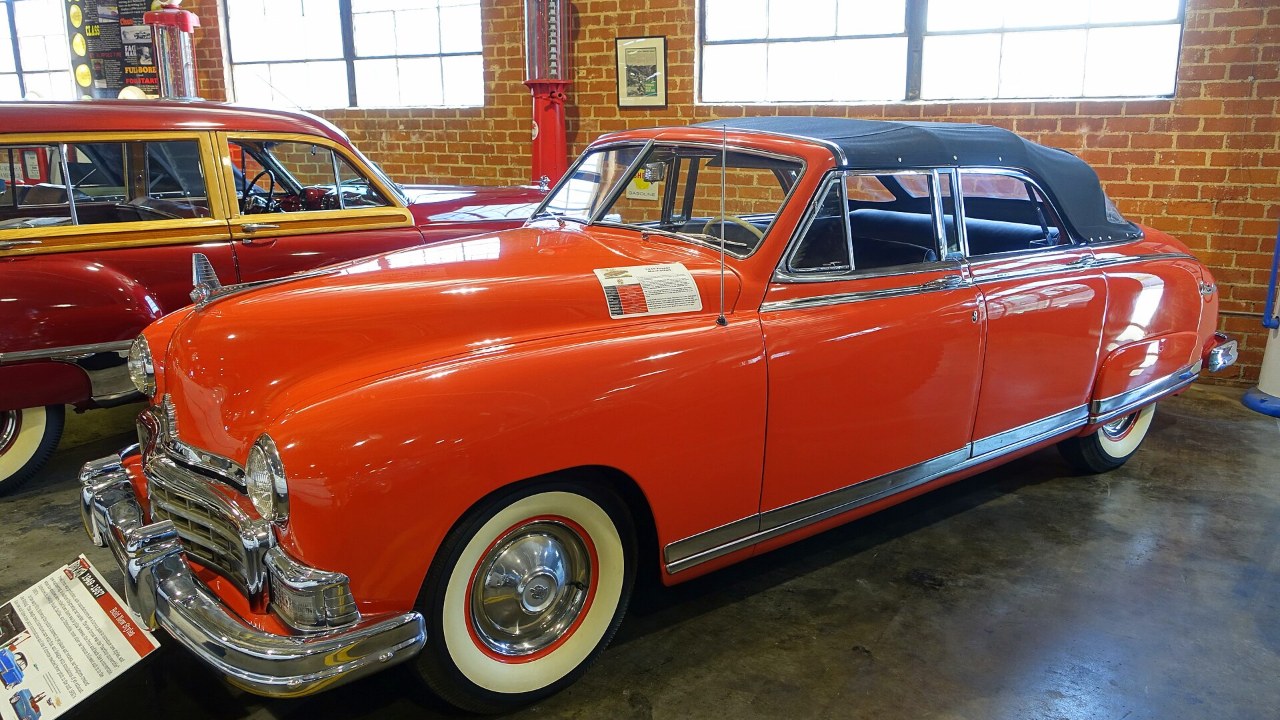
The Manhattan was the top Frazer, and it aimed high from day one. It arrived on March 23, 1947, priced $500 above the standard Frazer. Under the hood sat a Continental-based 226-cubic-inch L-head six. At launch it made 100 horsepower, or 112 with the optional dual carburetors. That’s a lot of ambition for a brand that was barely a year old.
Price was the bold part. According to Ate Up With Motor, a 1948 Frazer Manhattan listed for $27 more than a Cadillac Series 62 sedan. For 1949 and 1950, Frazer also offered the Manhattan as a four-door convertible sedan. RM Sotheby’s puts total production of that body at only about 69 cars, and it sold a 1950 example at Hershey in 2025 for $33,000.
Our take: a Manhattan sedan is the easier buy, but the convertible is the one we dream about. It looks like a formal sedan until you drop the top, which then folds back along the window line. We covered the later version in our story on the 1951 Frazer Manhattan. If you shop for one, check the trim tags, because sedans and convertibles share their basic shell.
2. 1949 Kaiser Vagabond
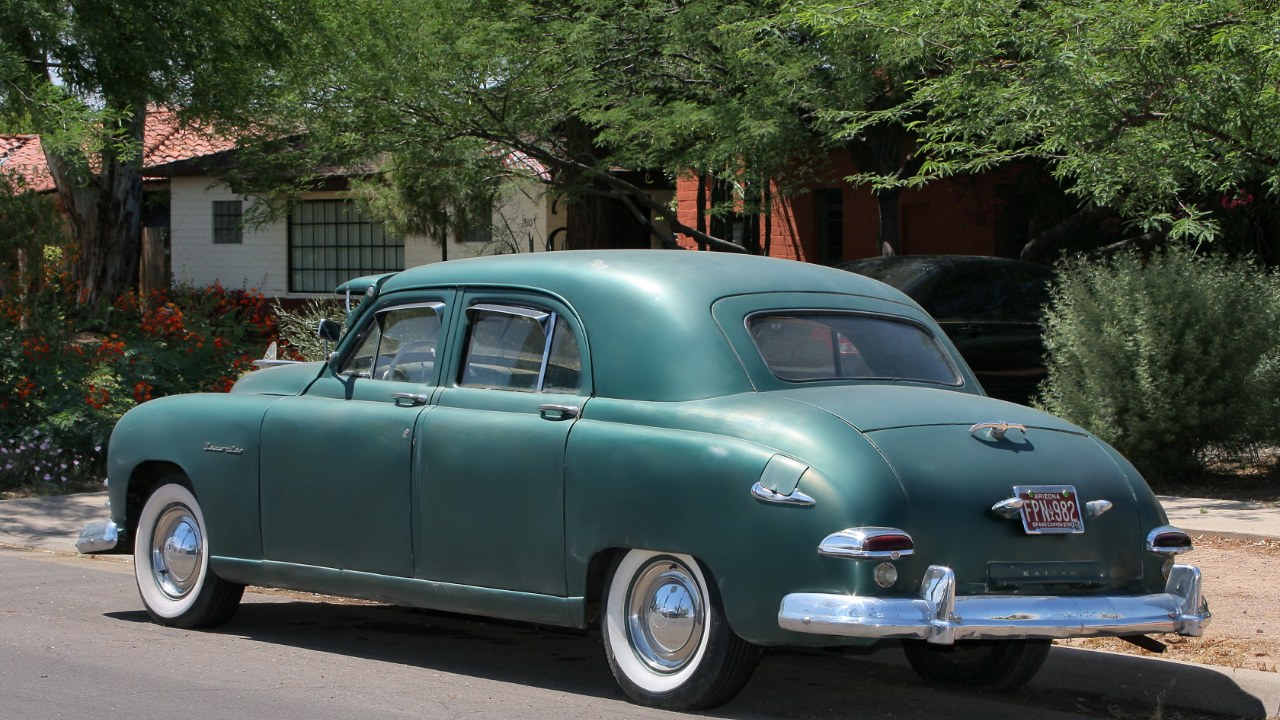
Kaiser needed more body styles in 1949, but it had little money to develop them. So its engineers cut a hatch into the existing four-door sedan. The Traveler and its deluxe twin, the Vagabond, used a clamshell deck lid, a hinged rear window and a folding rear seat.
Some of the details are delightfully odd. The spare tire lived in the left rear door, which Kaiser welded shut and fitted with a dummy handle. Hagerty says the Traveler cost $100 more than the regular sedan, and the Vagabond cost $200 more than the Traveler. With the seat folded, Hagerty adds, owners got an eight-foot cargo floor. Hagerty also calls the opening more clamshell than hatch, because the lower panel drops down while the rear window swings up. About a quarter of the roughly 100,000 Kaisers shipped for 1949 and 1950 were Travelers or Vagabonds.
Our take: the Kaiser Vagabond is a station wagon for people who hate wagons. In our view, it was decades early, and it deserves more credit for that. Hagerty notes that owners reported leaks and squeaks, so inspect the hatch seals and the rear floor for rust before you buy.
3. 1951 Kaiser Deluxe club coupe
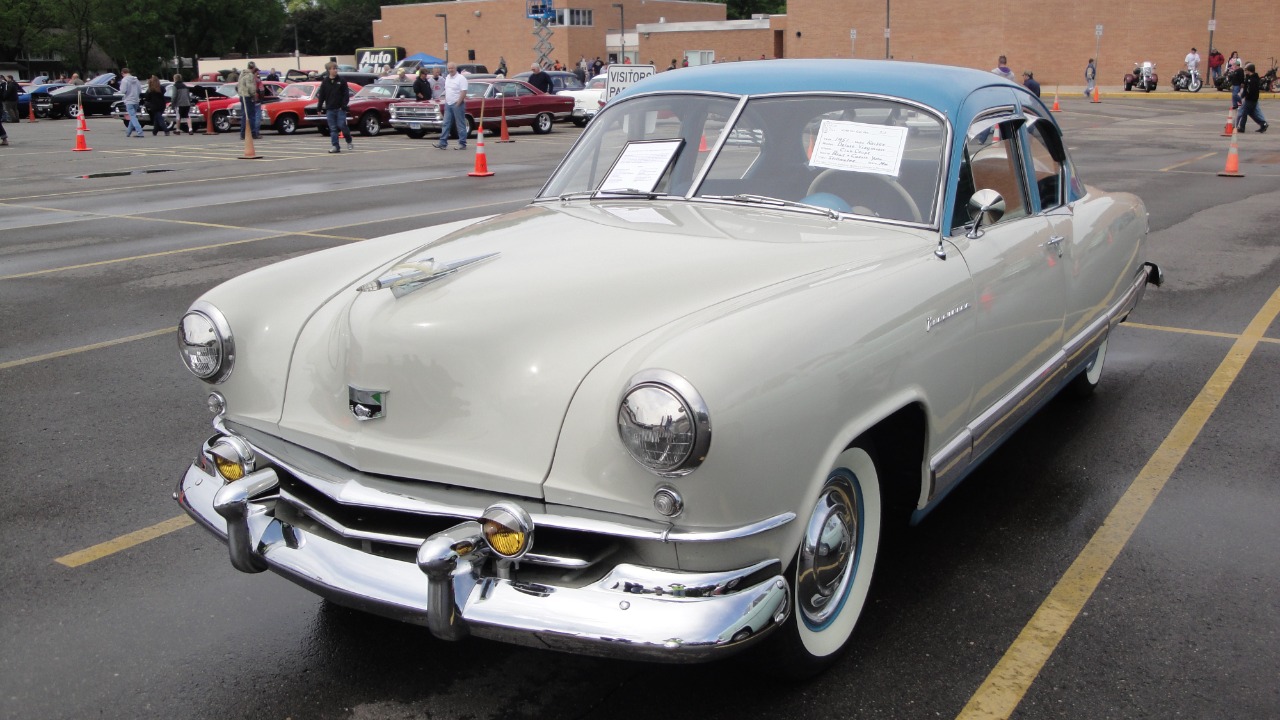
For 1951, Kaiser got an all-new body, and it changed the company’s look overnight. Howard “Dutch” Darrin set the theme, while Duncan McRae turned it into drawings and clay. Kaiser’s ads called the result “Anatomic Styling,” and the dip in the top of the windshield became its signature.
According to Mac’s Motor City Garage, only three body styles reached production. They were a two-door sedan, a four-door sedan and a short-roofed club coupe. Power came from a 115-horsepower version of the 226 six. Meanwhile, Kaiser cut the wheelbase from 123.5 inches to 118 and lowered the car. A Deluxe two-door sedan started at $2,275, and a $125 Golden Dragon trim option arrived in November 1950. The engineers also took more than 200 pounds out of the frame and chassis.
Our take: the club coupe has the best proportions of the bunch. In fact, Kaiser re-serialized 6,561 leftover 1951 cars and sold them as 1952 Virginians, so check the serial number on any early example. We looked at this generation more closely in how the 1951 Kaiser Deluxe challenged the Big Three. Buy the most complete car you can find, since trim parts are hard to source.
4. 1951 Frazer Vagabond
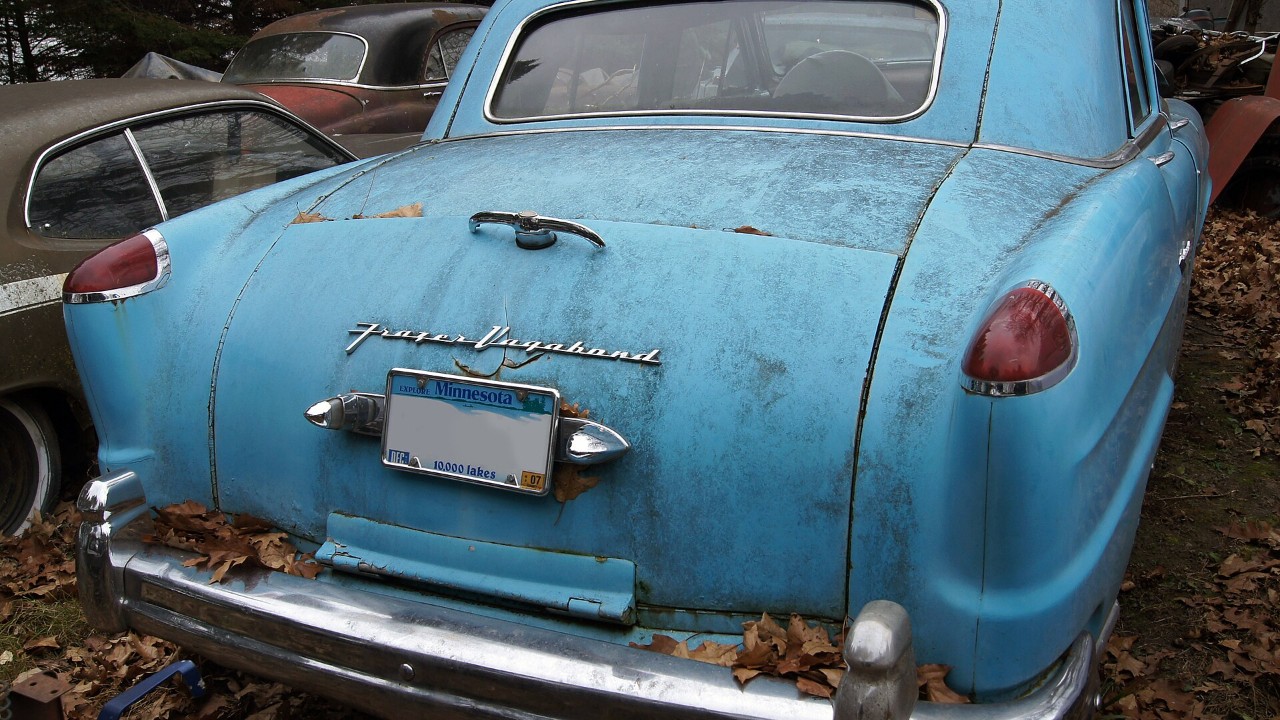
The Frazer name had one last year in it, and the Vagabond went along for the ride. For 1951, Kaiser moved its hatchback Vagabond from the Kaiser line to the Frazer line. Meanwhile, the new Kaiser body went to Kaiser alone, so the final Frazers kept the older shell.
Those last Frazers used facelifted leftover 1950 bodies. They came as a sedan, a four-door convertible, a hardtop and the Vagabond. Model histories say buyers placed over 50,000 orders, but the factory built only 10,214 cars before the old bodies ran out. Under the hood, the 226 six now made 115 horsepower. Joseph Frazer had already left the company by then. As a result, management chose to focus on Kaiser alone.
Our take: a 1951 Frazer Vagabond is a one-year wonder, built from parts on hand. That makes it a fascinating snapshot of a company improvising its way through a bad year. We like it more than the Kaiser version, because the Frazer face gives it a richer look. If you find one, budget for chrome work, since the final-year trim is unique.
5. 1953 Henry J Corsair Deluxe

The Henry J started as Kaiser’s government-backed economy car. A federal loan required a five-seat car that retailed for no more than $1,300. It rode on a 100-inch wheelbase and used engines from Willys-Overland. For 1952, Kaiser renamed the line Corsair, and the Corsair Deluxe got the bigger engine.
That engine was a 161-cubic-inch L-head six rated at 80 horsepower. By comparison, the four-cylinder Corsair used the 134-cubic-inch, 68-horsepower four from the CJ-3A Jeep. For 1953, a padded dash became standard. Ate Up With Motor lists the 1953–54 Corsair Deluxe at 184.6 inches long, three inches more than the base Corsair. That same year, a Henry J won the Mobil Economy Run. Even so, Hagerty counts only about 17,500 sales in 1953, down from roughly 81,000 in the first year.
Our take: the six-cylinder Corsair Deluxe is the Henry J we would drive, because its extra power suits modern traffic. It’s a light car with a Jeep-related engine, which makes it simple to live with. Look for the six-cylinder badge and service records, and walk away from rusty floors.
6. 1953 Allstate

Sears sold cars through its catalog long before online car shopping existed. The Allstate was a lightly restyled Henry J, unveiled on November 20, 1951. Sears offered it only in its larger stores in the Southeast and Southwest, and it got a full page in the mail-order catalog.
Tucker designer Alex Tremulis drew the new grille and badges. Even the cylinder heads wore cast ALLSTATE lettering. The tires, battery and spark plugs also carried the Sears brand. According to Mac’s Motor City Garage, Sears offered five versions, three with the four and two with the six. Prices started at $1,395. Sales reached 1,566 cars in 1952 but only 797 in 1953, and then Sears ended the program. Hagerty’s total is similar, at fewer than 2,400 cars.
Our take: the 1953 Allstate is the rarer year and, for us, the better story. It’s a car you could once order like a washing machine. To us, that department-store story beats any horsepower figure. If you find one, keep every Allstate-branded part, since those details separate it from a Henry J.
7. 1954 Kaiser Manhattan supercharged
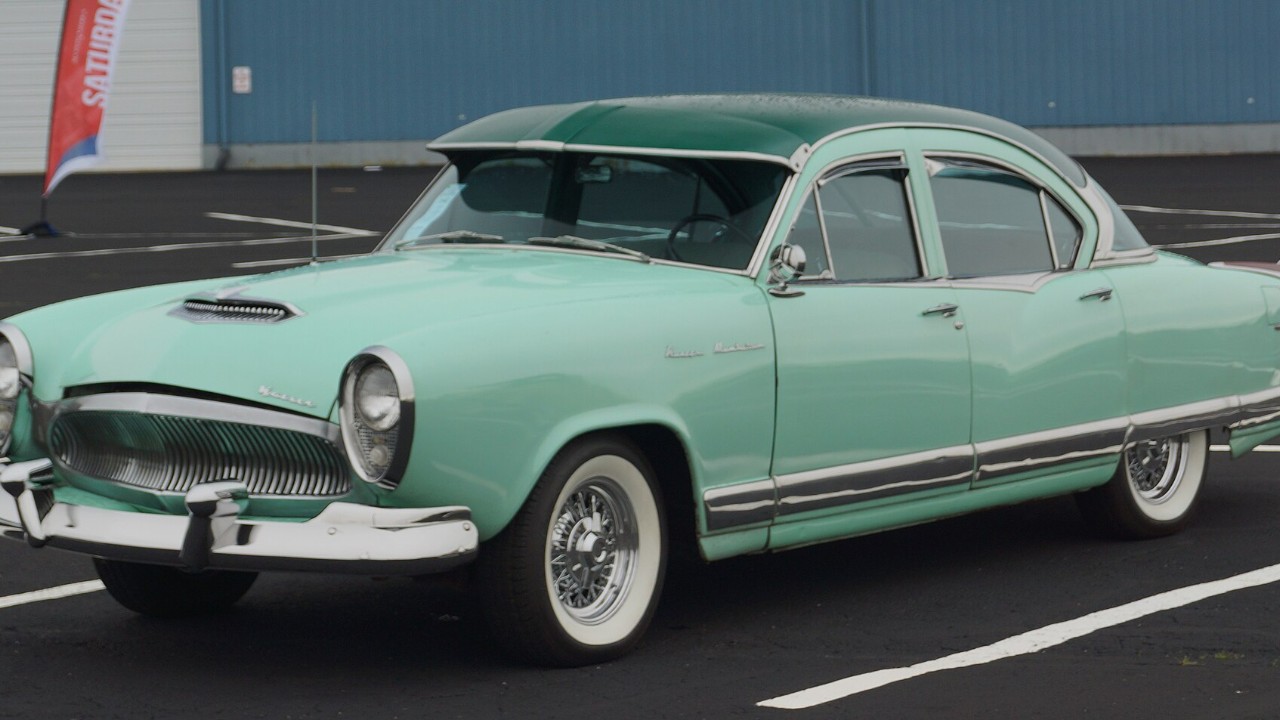
By 1954, Kaiser had no money for a V8, so it bolted a supercharger to its six. The optional McCulloch blower raised the 226-cubic-inch “Super Sonic Six” from 118 to 140 horsepower. A new face came with it, too. Buzz Grisinger and Herb Weissinger penned a concave grille and “Safety-Glo” taillights.
Old Cars Weekly reports that Kaiser built 3,860 Kaiser Manhattan four-door sedans for 1954. The sedan’s base price was $2,454, and overdrive added $107. Ate Up With Motor puts 0-60 mph at around 15 seconds, so the blower made it brisk rather than fast. The same history says the restyle drew on Buick’s XP-300 show car. Kaiser’s car story ended soon after, though. In 1955, Old Cars Weekly says, the company built only about 210 cars for U.S. sale and turned to Jeeps.
Our take: the supercharged Kaiser Manhattan is the most fun way to own this brand. A 1950s family sedan with a whining blower is a rare thing. You’ll find more history in our 1954 Kaiser Manhattan feature. Before you buy, confirm that the McCulloch unit is present and working, because it’s the whole point of this car.
8. 1951 Kaiser Deluxe Traveler
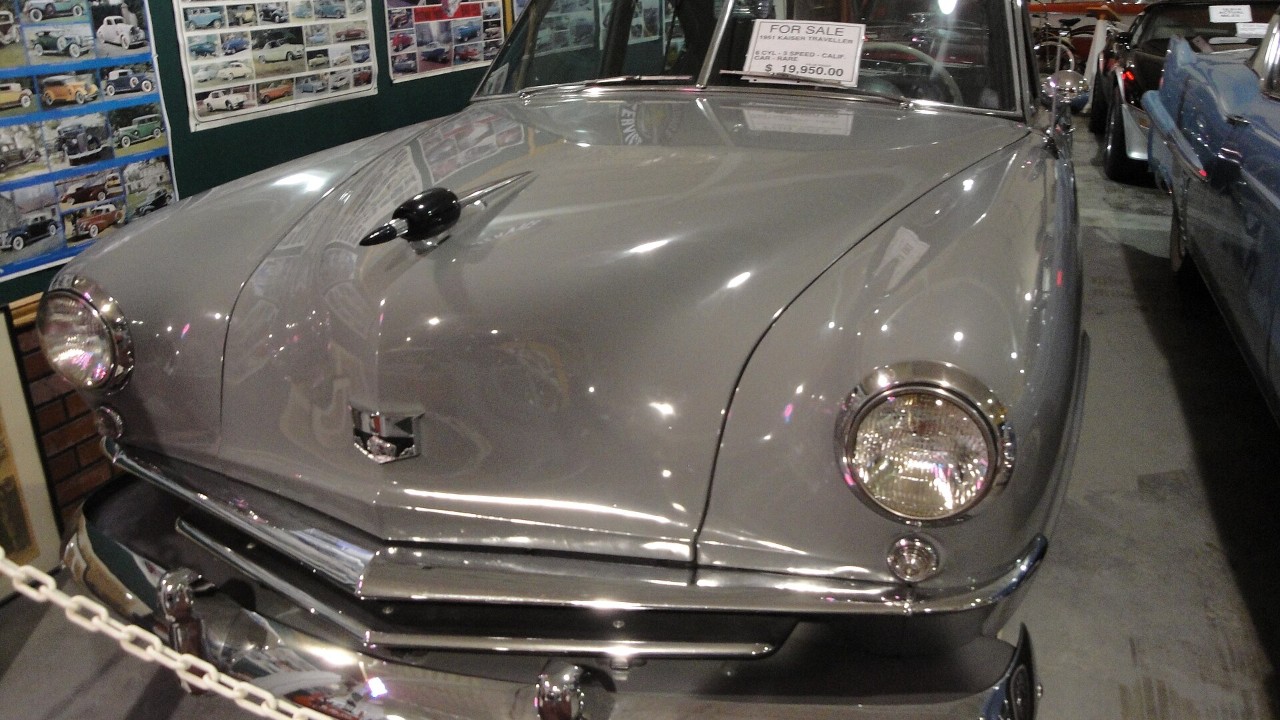
The hatchback idea survived the 1951 redesign, though in a new form. Kaiser offered the Traveler on the new four-door sedan in both Special and Deluxe trim. Hagerty notes that the Traveler Deluxe replaced the Vagabond, which had moved over to Frazer. Mac’s Motor City Garage adds that the Traveler cost not much more than the four-door sedan beneath it.
Demand had cooled by then. Mac’s Motor City Garage estimates Traveler sales on the new body at about 2,500 cars. Production then fell to only 1,000 Travelers in 1953, and Kaiser dropped the model for 1954. Its Darrin styling, though, made it look far sleeker than the 1949 version.
Our take: the Deluxe Traveler is the best-looking hatchback of its decade, in our view. It combines the 1951 Kaiser’s low lines with a cargo hold that no rival sedan offered. We’d happily load one up for a long road trip with the whole family. If you want one, check the hatch hinges and the latch hardware first. Those parts are unique, and a working set makes the car usable every day.
More from Fast Lane Only