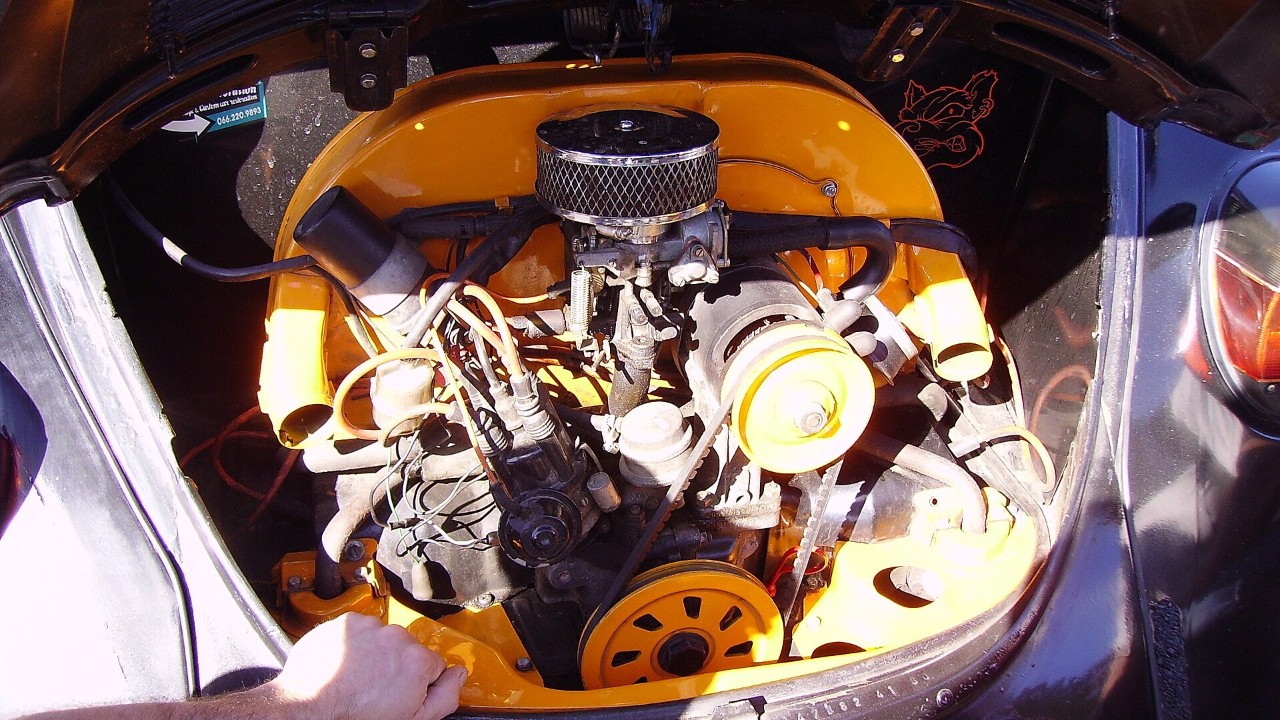
The Volkswagen air-cooled flat-four stayed in production for 70 years. The last Type 1 engine went into a Type 2 van built in Brazil in 2006. Few engine families anywhere have lasted that long, and the reason is simple. With no radiator, no water pump and no coolant to leak, there is less to go wrong.
Still, air cooling has always had trade-offs. It is noisier, it struggles with tight emissions rules and it asks the engine to manage heat with fins, fans and oil. Yet some of the toughest engines ever built never carried a drop of coolant. Instead, they powered tractors, light airplanes, motorcycles and sports cars, often for decades.
These are our picks: seven air-cooled engines we would rank among the most durable, from a German tractor single to an aircraft flat-four that remains in production. The ranking is our opinion. The years, displacements and figures behind it come from maker histories, aviation records and technical references.
1. Volkswagen air-cooled flat-four
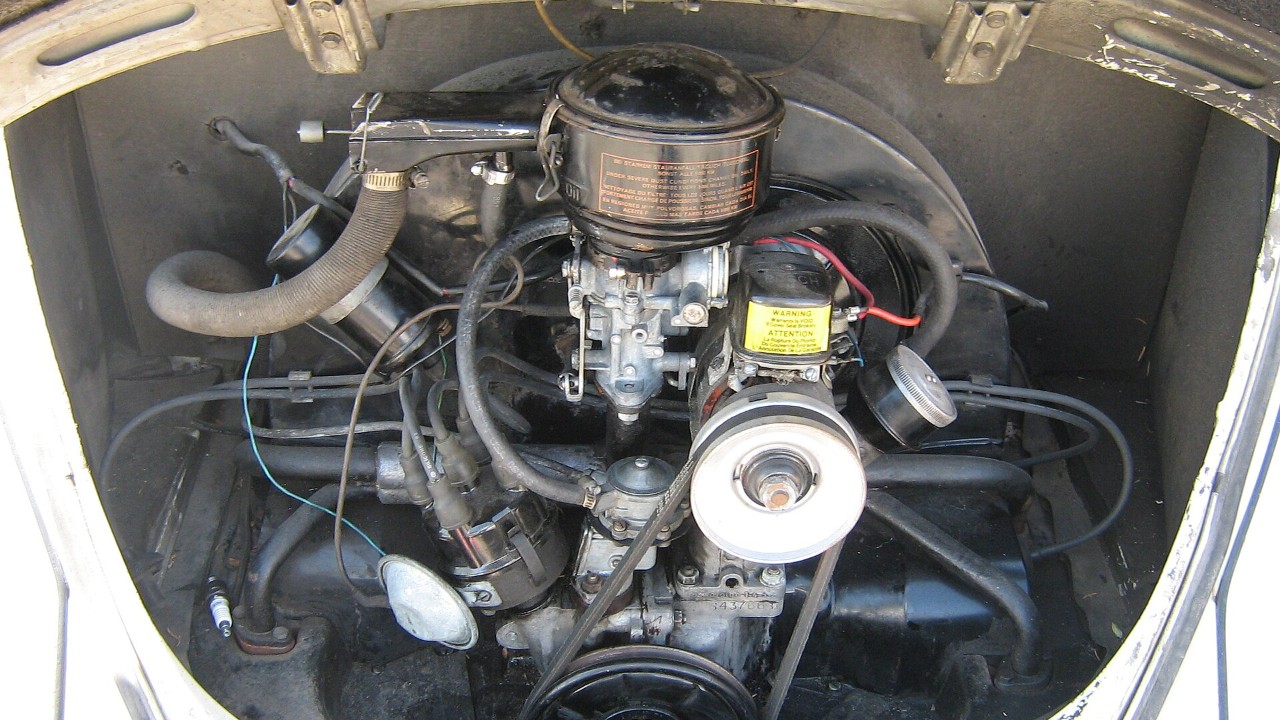
Volkswagen built its air-cooled boxer four from 1936 to 2006. Over that time, displacement grew from 985 cc to 1,971 cc. However, the basic design never changed much. It used a magnesium-alloy crankcase, cast-iron cylinders, aluminum heads and pistons, and a forged steel crankshaft and rods.
Aviators, in fact, may be the best judges of its toughness. Since 1970, German maker Limbach has produced more than 6,000 aircraft engines based on the Beetle unit. Sauer has built certified engines for small airplanes and motorgliders since 1987. Those are applications where a failure is not an option, and builders keep choosing the VW design.
Volkswagen also offered the engine for industrial applications from 1950. So it worked far beyond cars and vans. Its appeal was the same everywhere: simple parts, easy repairs and no cooling system to fail.
In our view, the Volkswagen air-cooled flat-four earns its spot through sheer staying power. If you own one, keep the cooling tin and seals in place, because they matter more than they look. The fan only works when the shrouds direct air over the cylinders.
2. Porsche 911 air-cooled flat-six
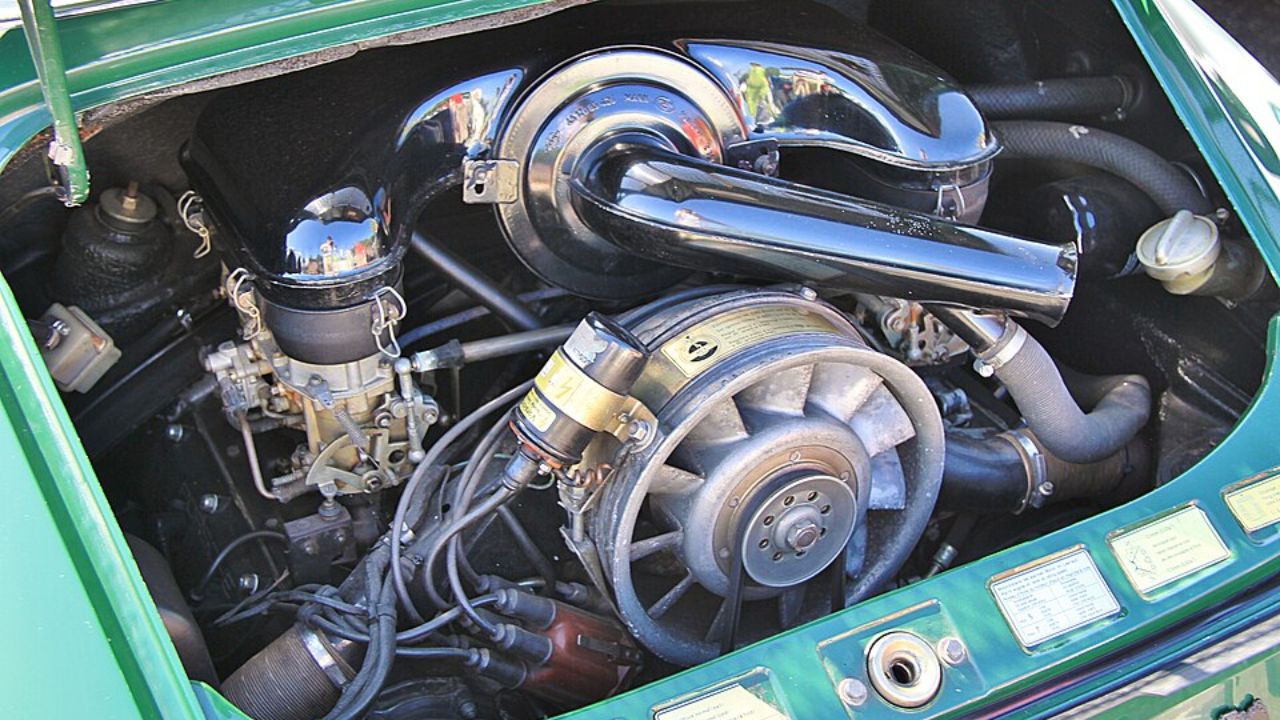
Porsche kept air cooling in the 911 for 35 years before it switched to water. The last air-cooled generation was the Type 993. According to Porsche’s own history of the 993, the company built 68,881 of them between 1993 and 1998.
By then, the flat-six had come a long way from the first 911. The 993’s two-valve engine started at 272 PS and rose to 285 PS from 1995. Meanwhile, the 1995 911 Turbo used a 3.6-litre twin-turbo version making 408 PS. That is a lot of power to manage with air and oil alone, especially in a road car.
The engine in our photo is an air-cooled 911 flat-six on display at the Porsche Museum. In our view, the fact that Porsche could cool turbocharged versions with air and oil says a lot about the basic design.
We rank the air-cooled 911 flat-six highly because it survived decades of development and racing. It also grew in size and power without losing its character. If you buy an air-cooled 911, budget for a specialist who knows these engines. A well-serviced flat-six rewards you for it.
3. Deutz F1L 514 air-cooled diesel
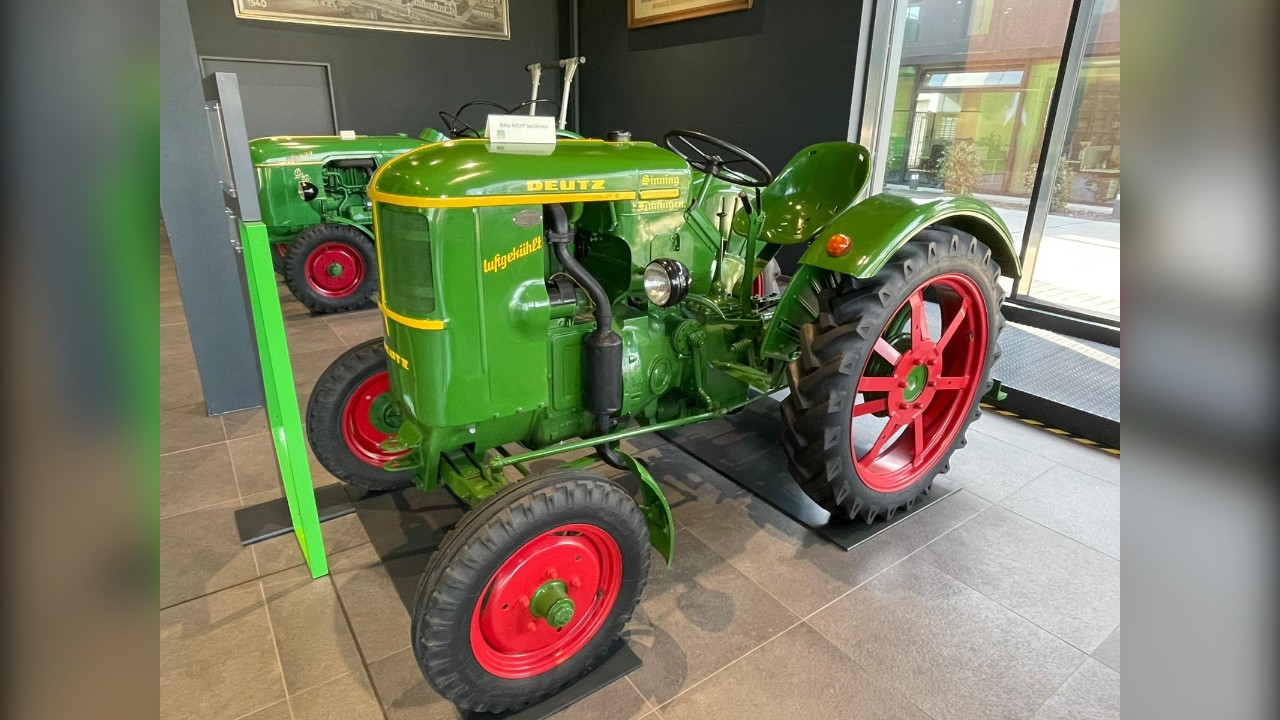
Deutz began moving its tractors to air-cooled engines in 1949. According to Finland’s Koneviesti tractor database, the F1L 514 was the first new model of that shift. Deutz built versions of it from 1949 to 1957.
The engine itself was a big single-cylinder diesel. It displaced 1,330 cc, with a 110 mm bore and a 140 mm stroke. Output was a modest 15 hp at 1,650 rpm. However, horsepower was never the point. In our view, a slow-turning single with no water to freeze or boil suited farm work perfectly.
Air cooling also solved a real problem on farms. Tractors often sat outside through hard winters, and frozen coolant could crack a block. A diesel cooled by a fan and fins, by comparison, avoided that risk entirely. It also removed the radiator, hoses and water pump from the maintenance list.
We picked the Deutz because it shows air cooling at its most practical. If you want one, listen for a steady idle and check the cooling fins for packed-in dirt. Clean fins are what keep this engine alive.
4. Chevrolet Corvair flat-six
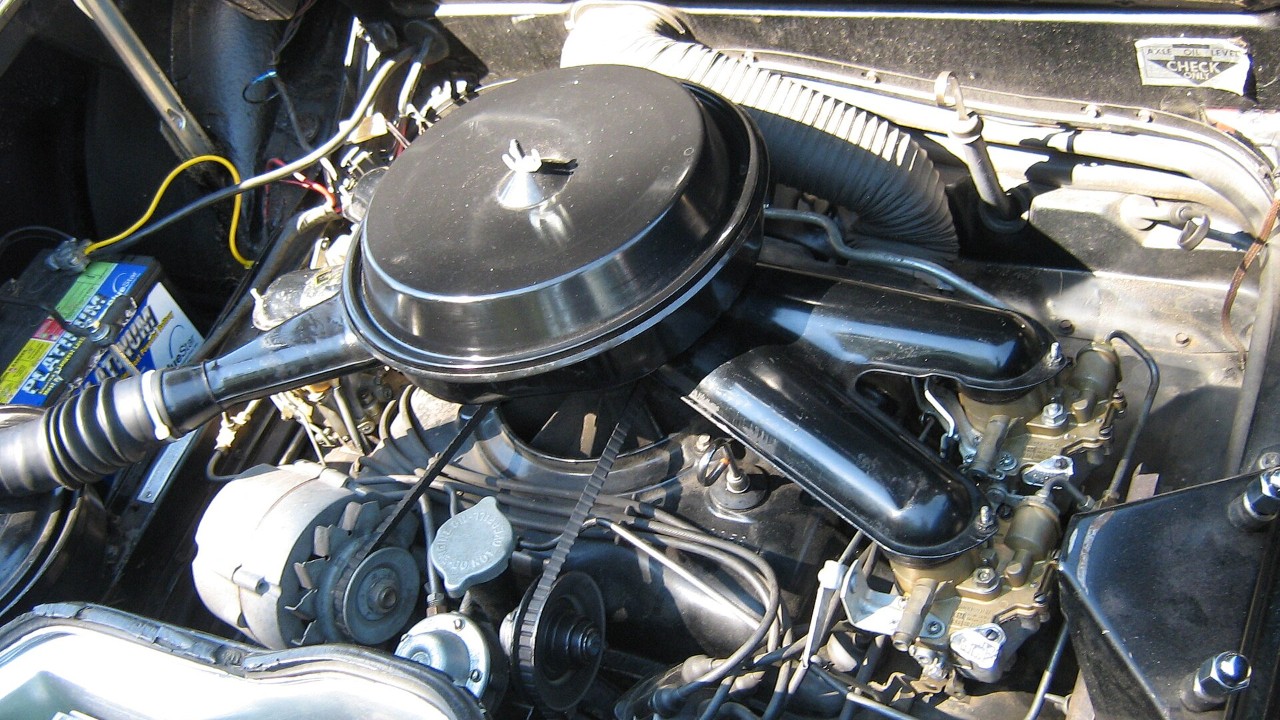
Chevrolet’s Corvair carried an air-cooled flat-six in the back. The engine started in 1960 at 139.6 cubic inches and 80 hp. By 1964, displacement had grown to 163.7 cubic inches, and the best naturally aspirated version made 140 hp. Turbocharged versions offered 150 hp and later 180 hp.
The construction, meanwhile, was ambitious for a mass-market American car. Each engine used about 92 lb of aluminum, including the crankcase, cylinder heads and pistons. The cylinders had cast-iron sleeves, and oil helped carry away heat along with the air.
The Corvair engine had flaws, and fairness demands we name them. It developed a reputation for leaking oil past the pushrod tube seals. Later Viton seals solved that problem. Engineers also worked on head-gasket issues in later development programs.
Even so, homebuilt aircraft builders adopted the engine, and a small industry grew up converting it for flight. In our view, that says a lot about its basic toughness. We rank it here for that second life, even with its early flaws. If you rebuild one, fit modern Viton pushrod seals from the start.
5. Lycoming O-320
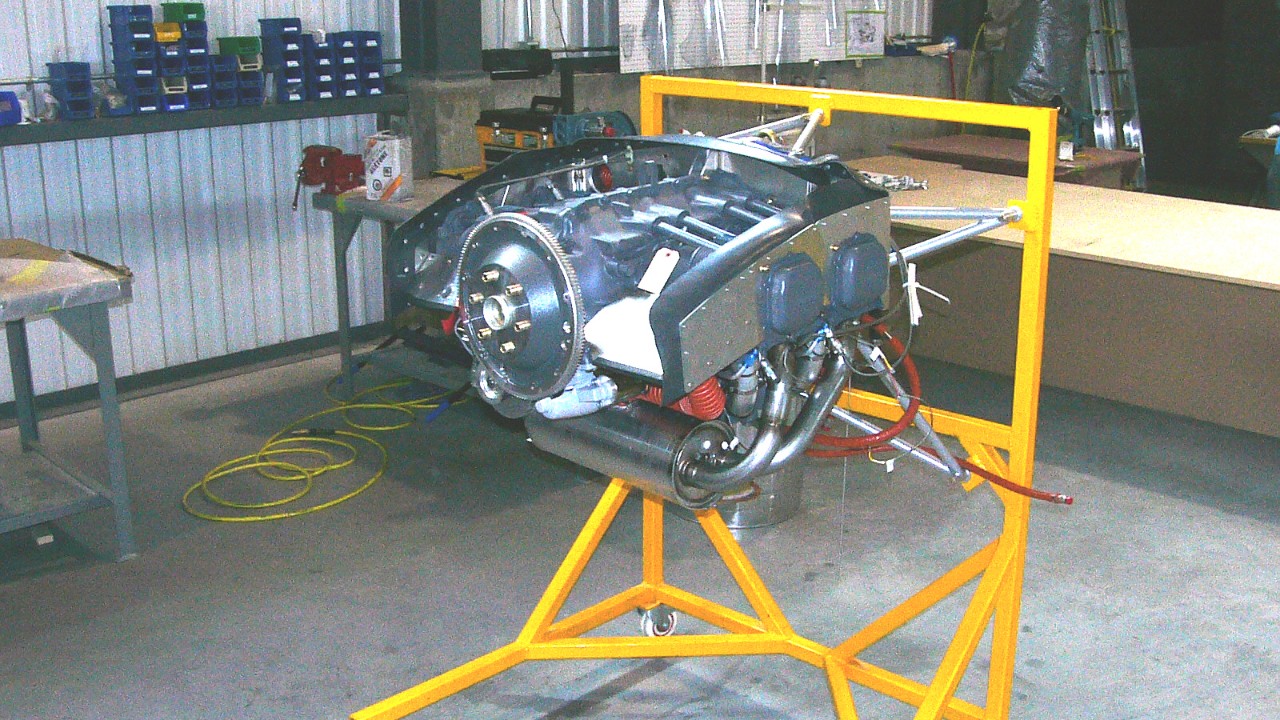
The Lycoming O-320 earned its certification on July 28, 1953. It is an air-cooled flat-four of 320 cubic inches, rated at 150 or 160 hp depending on the version. More than 70 years later, the engine remains in production.
That long run comes from the airplanes it powers, and from owners who trust it. The O-320 went into the Cessna 172, the Piper PA-28 Cherokee and the Piper Super Cub. Those are familiar training and touring airplanes at small airfields everywhere. In other words, generations of pilots learned to fly behind this engine.
The design, above all, is simple and conservative, which suits an engine that has to run for hours at a time. It relies on air flowing over finned cylinders in flight, with no liquid cooling to fail. In our view, that simplicity suits the steady, high-load running that aircraft demand.
We rank the O-320 among our picks because aviation is unforgiving. After all, an engine that stays in production for decades in that world has proven its reliability. If you ever fly in a training aircraft, there is a good chance a Lycoming flat-four is working up front.
6. Continental O-200
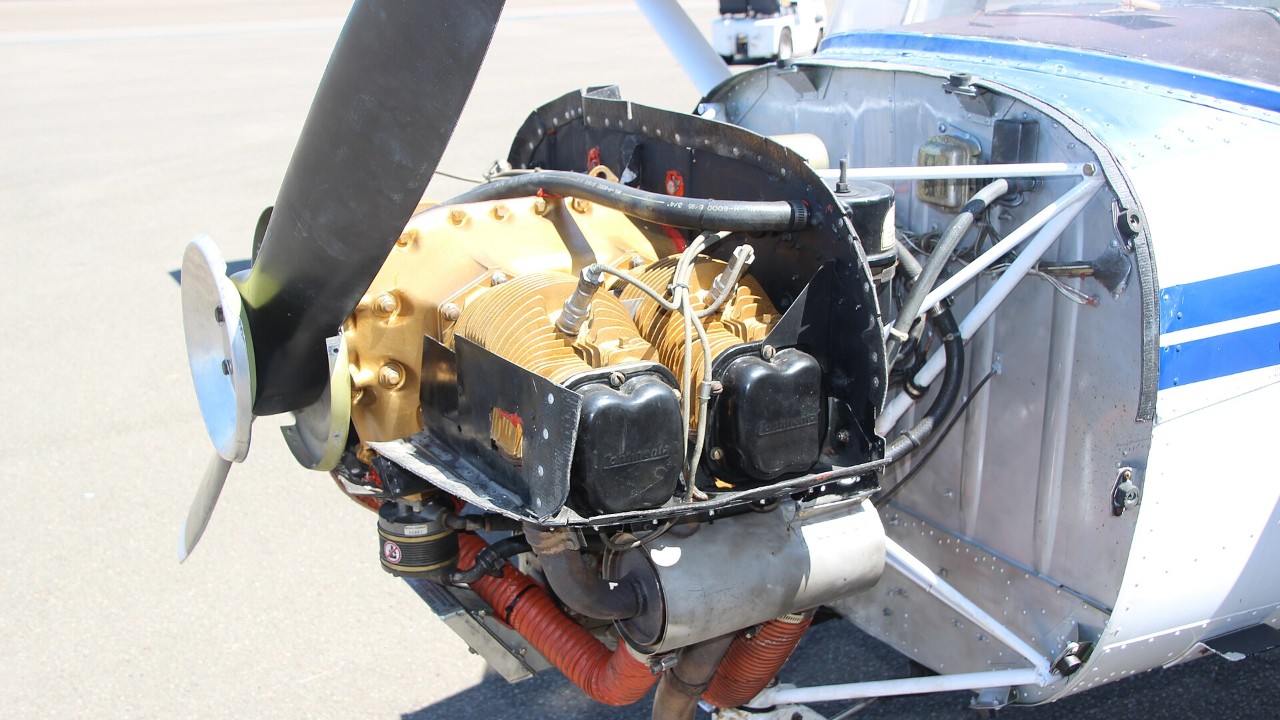
Continental’s small flat-four started life as the C90 in 1947, and the O-200 followed. It displaces 201 cubic inches and produces 100 hp at 2,750 rpm. The engine also uses two magnetos, each firing one spark plug per cylinder. As a result, it needs no outside electrical power to keep running.
The O-200 powered the Cessna 150, the Cessna 140 and the ERCO Ercoupe, among others. Rolls-Royce also built versions in England under license. In fact, those engines were directly interchangeable with the Continental originals.
Its service life shows how much trust owners place in it. The recommended time between overhauls is 1,800 hours or 12 years, whichever comes first. General aviation production then ran into the 1980s. Since 2004, Continental has built it again for light-sport aircraft.
We picked the O-200 because it proves that simple, low-revving air-cooled engines can last. Its twin magneto design is a lesson in redundancy, since one ignition system can carry on if the other fails. If you buy an airplane with one, check the logbook hours against that overhaul interval. That number tells you where the engine sits in its life.
7. Harley-Davidson Evolution V-twin
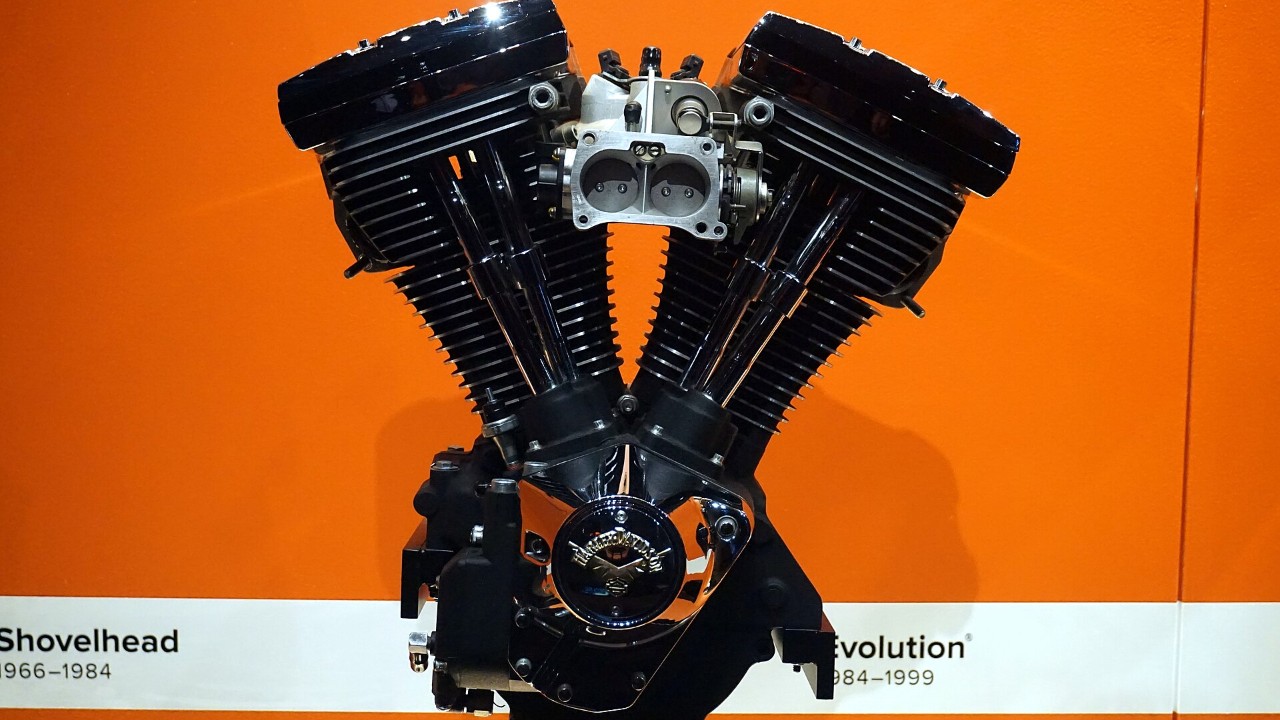
Harley-Davidson introduced the Evolution engine in 1984, replacing the Shovelhead in its Big Twin models. The Big Twin Evo displaced 1,340 cc, or about 81.6 cubic inches. It used aluminum heads and cylinders, which shed heat better than cast iron and saved weight.
The Evolution also arrived at a critical moment. Harley had just reorganized, and most analysts credit the Evo with saving the company from bankruptcy. Its top end was significantly improved over the Shovelhead’s, while the lower case changed only slightly.
The Twin Cam 88 replaced it in Touring and Dyna models in 1999, and in Softails in 2000. Finally, the last Big Twin Evo went into a 2000 FXR4 CVO. Meanwhile, the Sportster used its own Evolution engine from 1986 onward.
We rank the Evolution highly because it turned Harley’s reputation around. In our view, it gave riders a big twin they could trust on long trips. If you buy an Evo-powered bike, look for regular oil changes in the service history. That is the simplest way to judge how it was treated, whatever the mileage.
More from Fast Lane Only