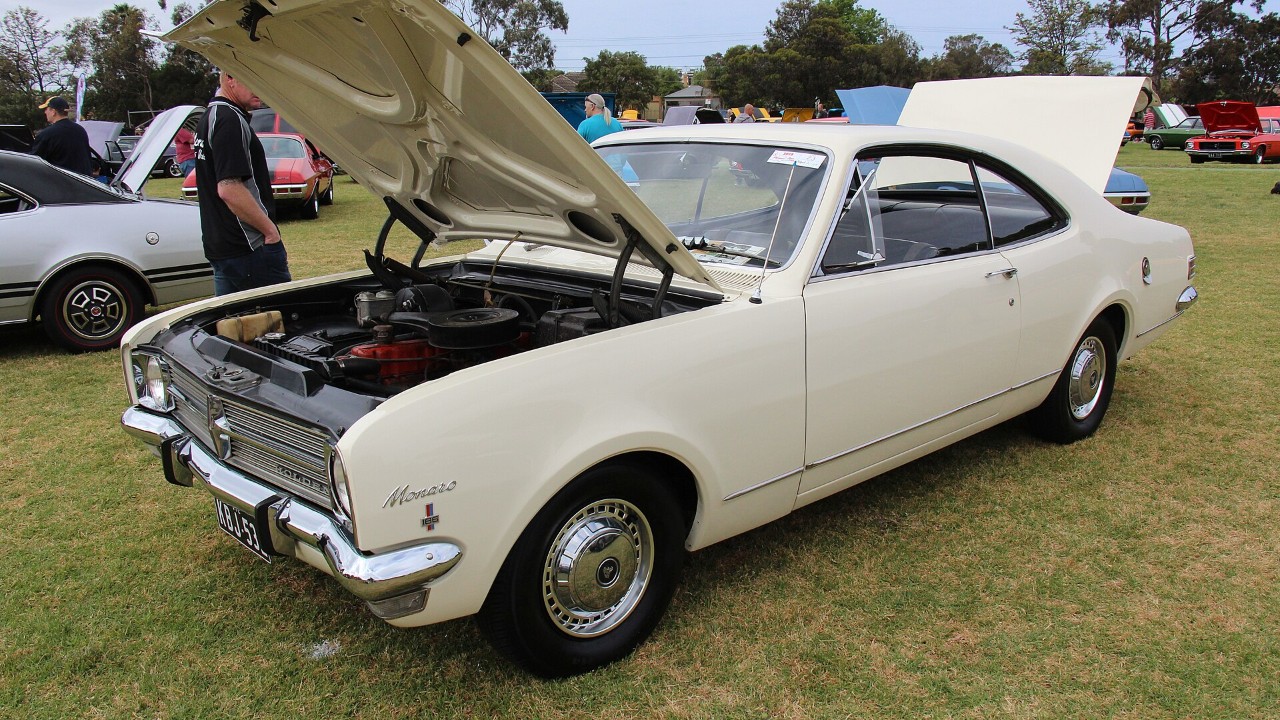
Holden’s red motor turned a seven-bearing crankshaft from the day it arrived in 1963, and the same basic engine was powering the VB Commodore in 1980. That kind of run says something about the inline-six, because few layouts last so long. With six cylinders in a row, the engine is naturally smooth, and the long crank can sit on plenty of bearings.
Carmakers on four continents built their own versions, and many stayed in production for decades. Some powered family sedans and pickups, while others went racing, powered military vehicles or spent decades in off-road Jeeps.
These are our picks, twelve inline-sixes so durable they seem impossible to kill. The verdicts are our opinion, so we leave out mileage claims. Each engine is the one in its photo, and the specs come from the sources linked below.
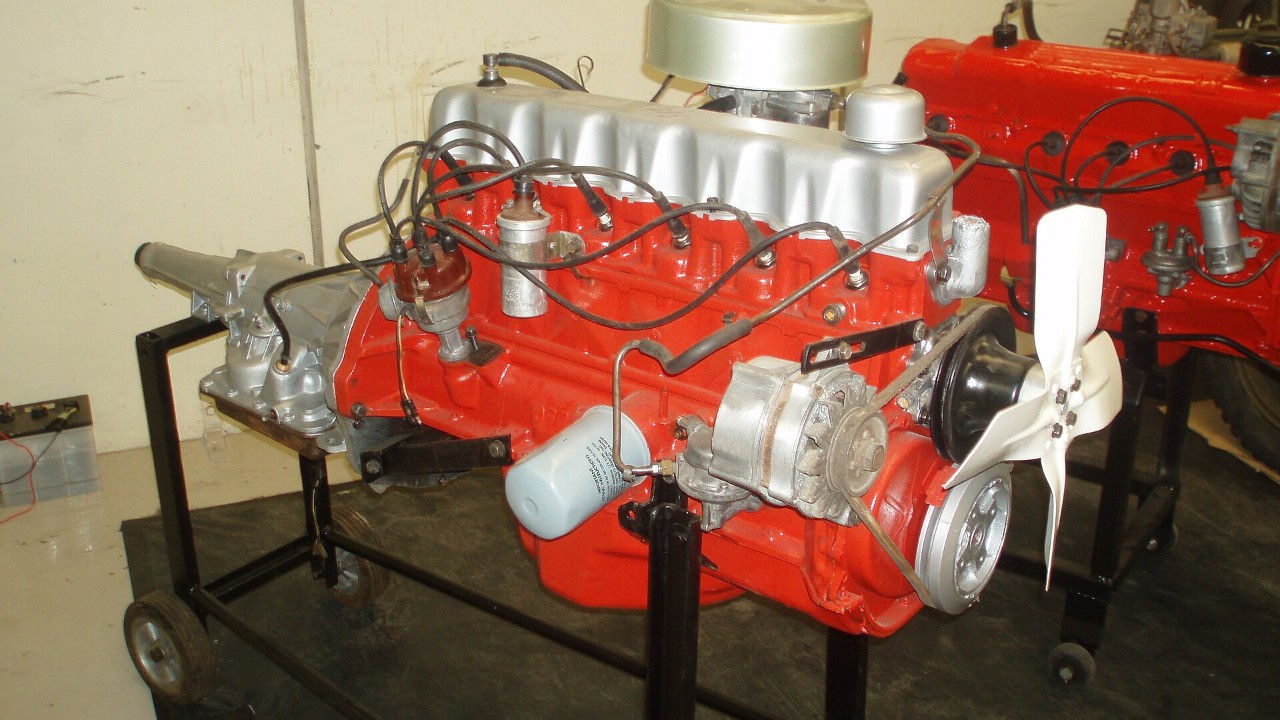
1. Holden 149 red motor
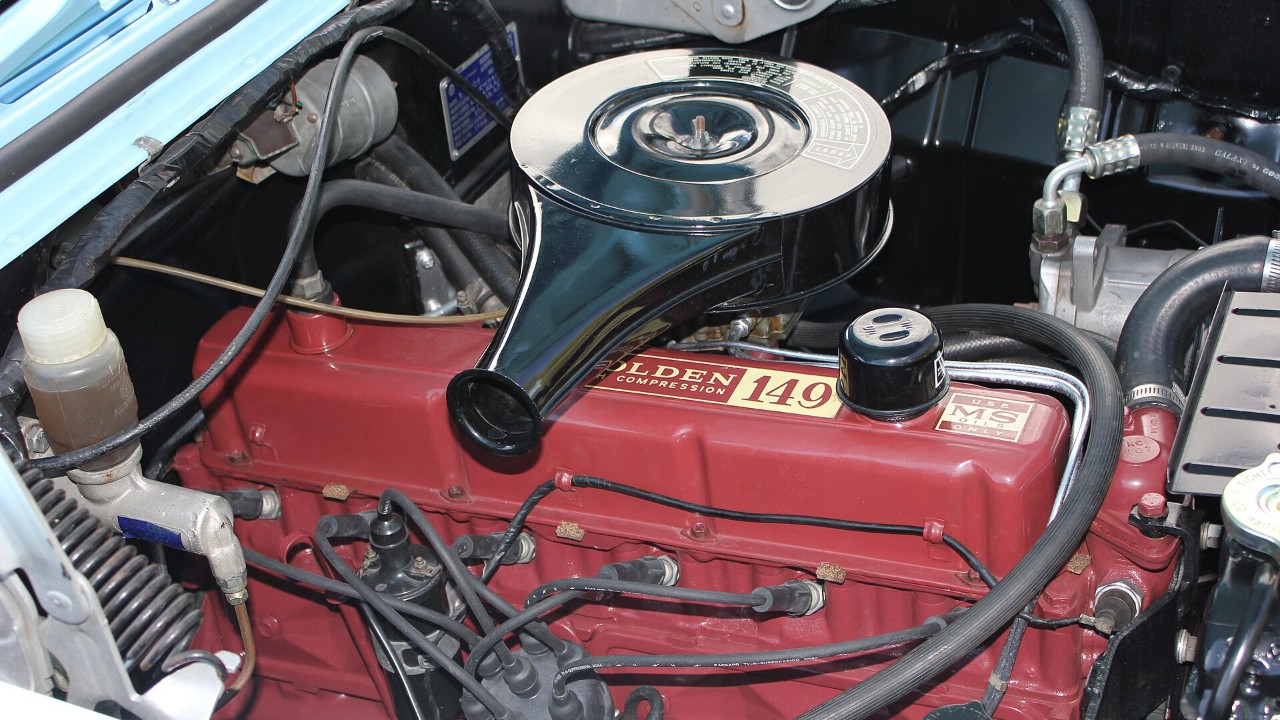
Holden introduced the red motor in 1963, and the 149-cubic-inch version went into the EH range. It made 100 bhp, while the larger 179 was rated at 115 bhp. Both used a seven-bearing crankshaft, which gave the bottom end plenty of support.
After that, the design lasted a long time. According to Unique Cars and Parts’ history of the red motor, the engine’s last outing came in the 1980 VB Commodore. Even after that, the blue motor that replaced it was very much the same engine, and it carried on through the VC, VH and VK Commodores.
In our view, the Holden 149 red motor feels like an engine built to be fixed in a driveway. It is simple and stout, and it is also well supported at the crank. That’s why we think a Holden red motor seems almost impossible to kill.
2. BMW M30
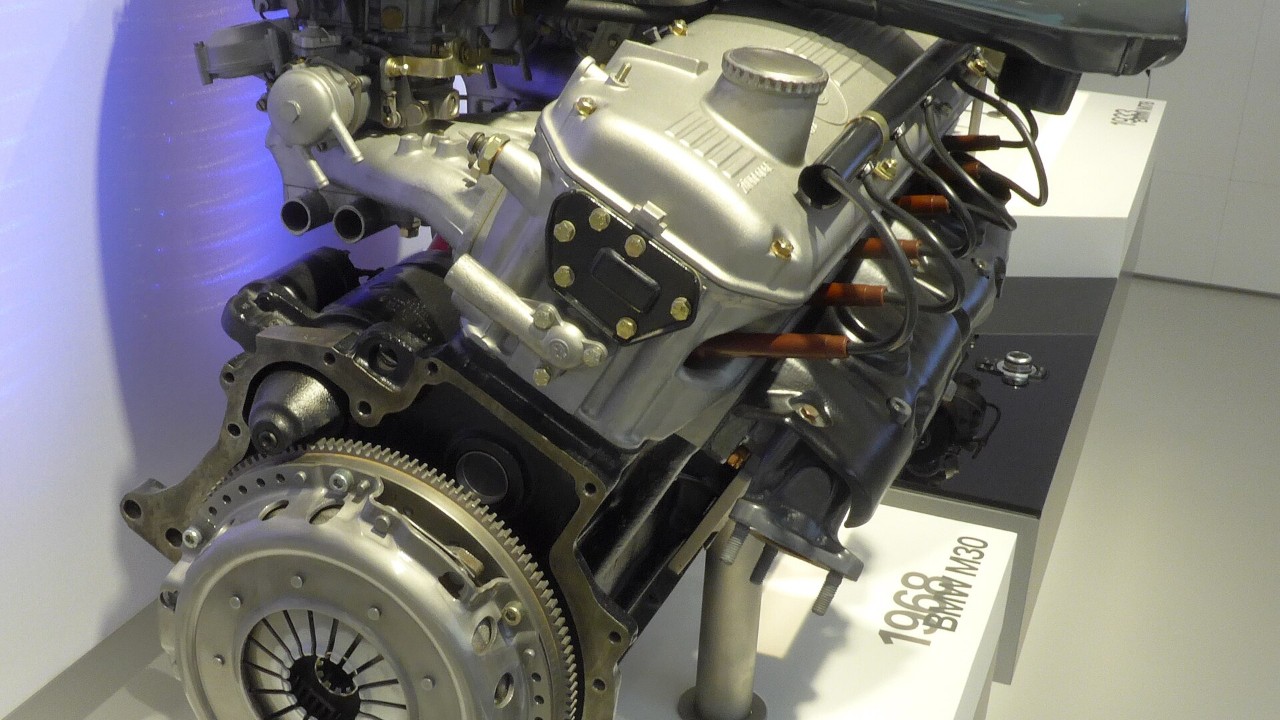
BMW built the M30 from 1968 to 1995, a 27-year run that started in the E3 sedans and ended in the E32 730i. Mechanically, it was simple, since it used a single overhead cam and two valves per cylinder. Meanwhile, a cast-iron block sat under an aluminum head. Over the years, displacement grew from 2.5 liters to about 3.4 liters.
The block proved strong enough for far more power than the base engines made. For example, BMW based the high-performance M88 twin-cam six on the M30 block. In addition, a turbocharged M102 version made 252 bhp in the E23 745i. Alpina later pushed a twin-turbo M30 to 355 bhp in its B10 Biturbo.
Our take: the M30 is the BMW engine we’d pick for a car we planned to keep forever. The iron block and simple valvetrain take abuse well, and the engine found a home in everything from the 3.0 CSL to the 5 Series. If you shop for one, look for a car with a documented cooling-system history.
3. Jaguar XK 4.2
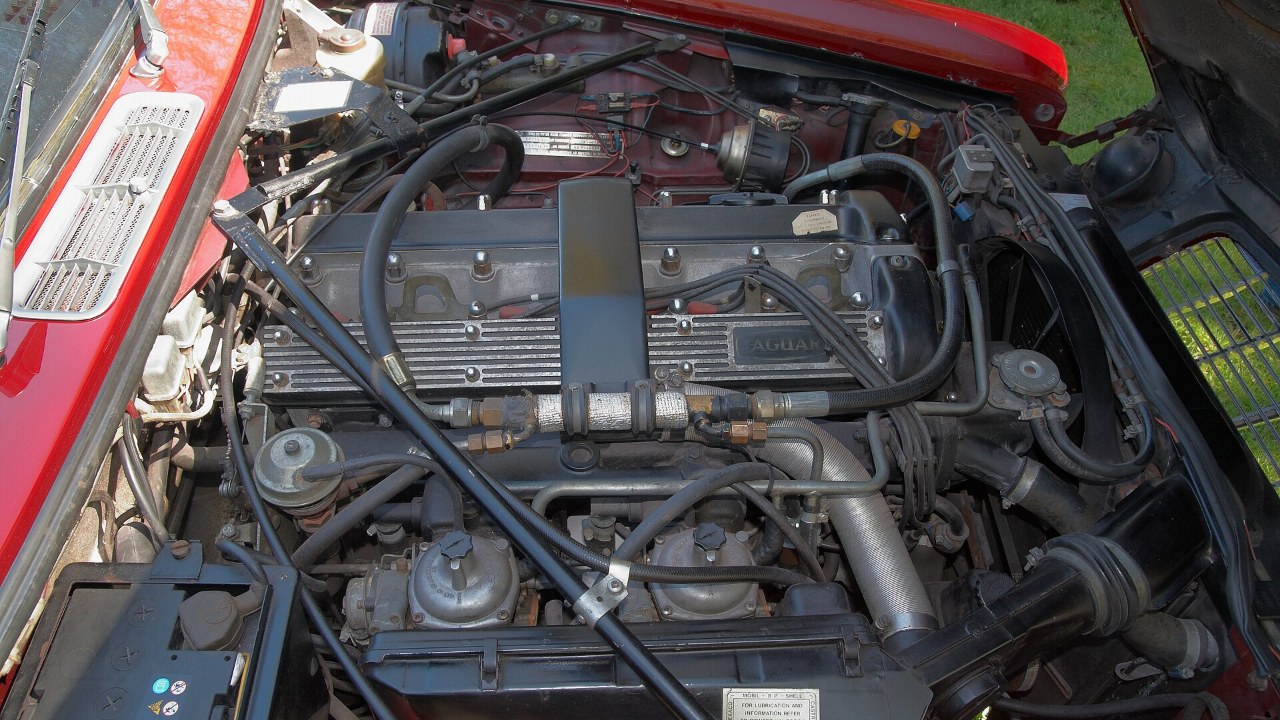
The XK six debuted in the XK120 at the 1948 London Motor Show, and its production ran from 1949 to 1992. It was also a sophisticated design for its day. Twin overhead cams worked the valves directly through bucket tappets, while two duplex chains drove the camshafts. The aluminum alloy heads used hemispherical combustion chambers.
Jaguar released the 4.2-liter version in 1964, after racers had bored the 3.8 out to that size for years. In 1965 E-Type form, with triple SU carburetors, it made 265 gross horsepower. Later, the 4.2 went into the XJ6, which is where the engine in our photo comes from, a 1976 car. Finally, the last XK engines powered the Daimler DS420 limousine in 1992.
In our view, the XK proved its toughness outside the showroom, too. A de-rated version went into military vehicles, including the FV101 Scorpion. Any engine that served in an armored vehicle and a limousine has earned a spot on this list.
4. Nissan RB25DET
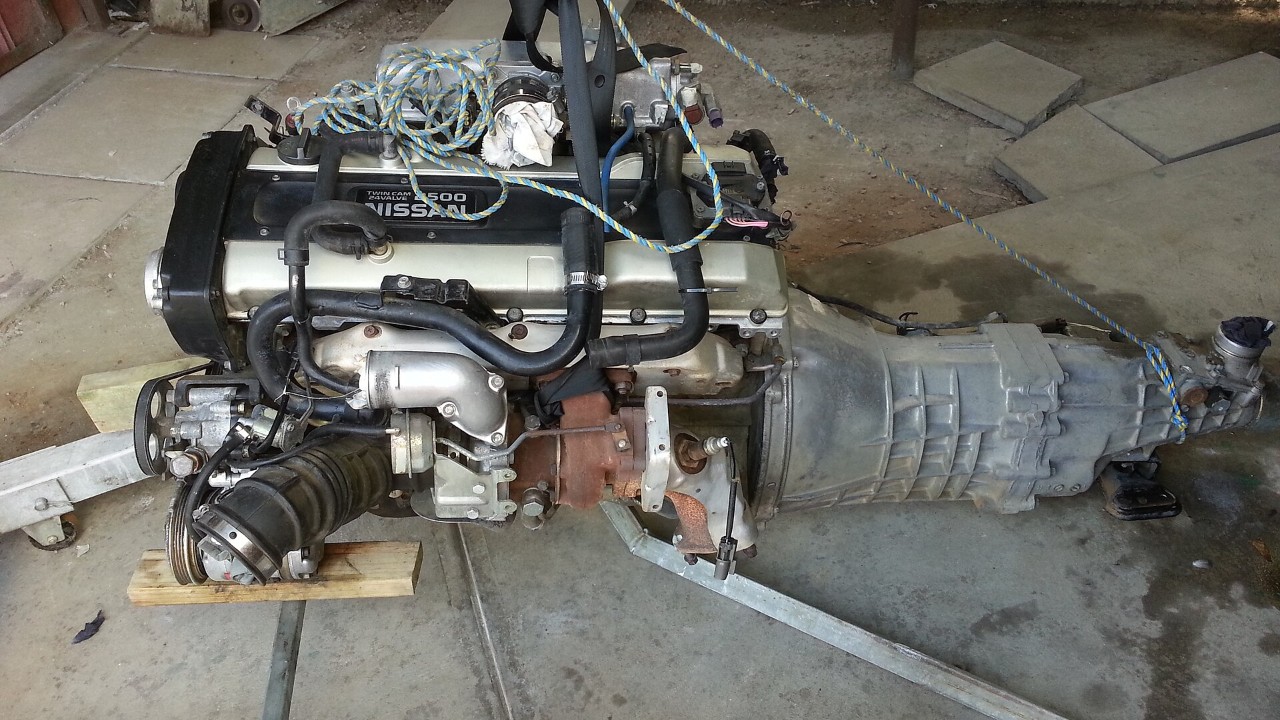
Nissan’s RB family ran from 1985 to 2004, and the turbocharged 2.5-liter RB25DET arrived in August 1993. It displaced 2,498 cc and paired a cast-iron block with an aluminum twin-cam head. A T3 turbocharger fed it, and output landed between 245 and 250 hp. The engine in our photo is an R33 unit, paired with its Jatco automatic.
After that, Nissan kept improving it. In May 1998, the NEO head arrived, and the RB25DET NEO made 276 hp at 6,400 rpm, along with 267 lb-ft at 3,200 rpm. That was a big jump for an engine of the same displacement. In our view, it also shows how much headroom the iron block had from the start.
Our take: the RB25DET is the RB we’d pick for a street car, because it pairs that sturdy iron foundation with a turbo from the factory. Still, buy one with a known history, since many have lived hard lives.
5. Toyota 1JZ-GTE
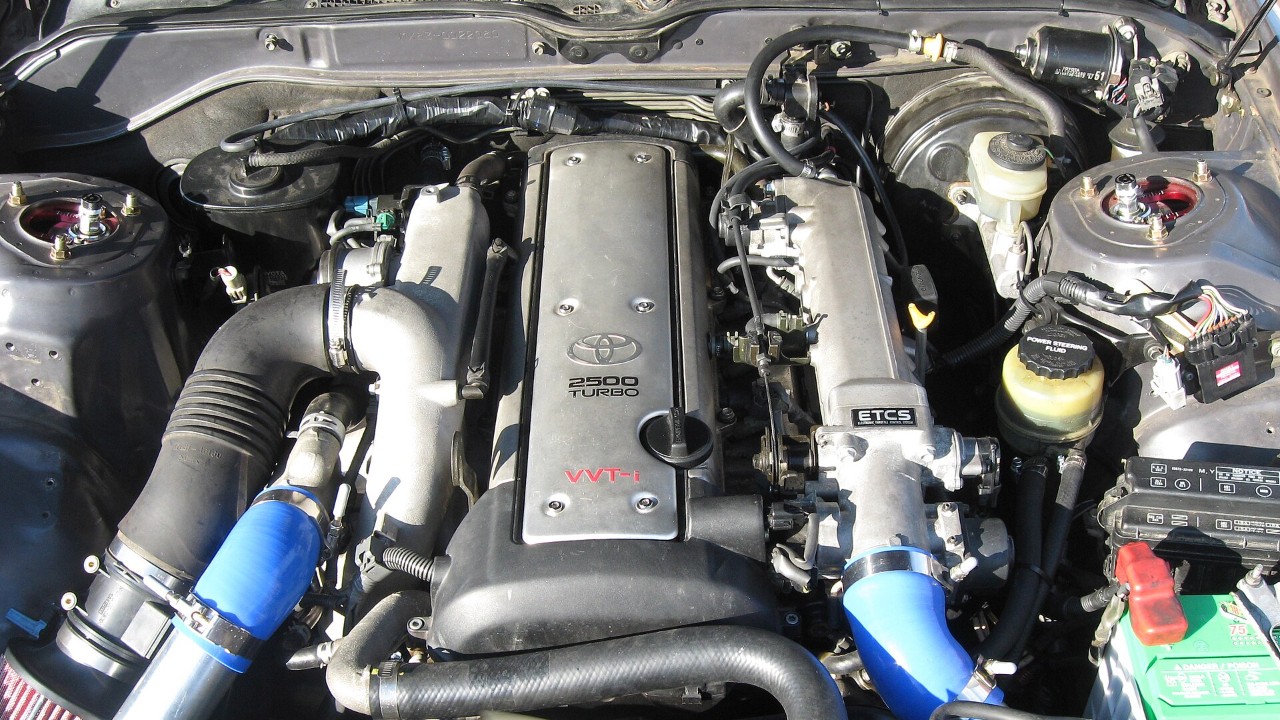
Toyota built the 1JZ family from 1990 to 2007. The 2.5-liter 1JZ-GTE debuted in 1991 in the Soarer GT with twin CT12A turbos running in parallel. At first, it made 280 PS at 6,200 rpm. Then, around 1996, Toyota reworked it.
The third-generation engine switched to a single CT15B turbo and added VVT-i variable valve timing. Compression rose to 9.0:1, and torque climbed to 379 Nm at only 2,400 rpm. As a result, the later engine felt stronger in everyday driving. Over the years, Toyota used the 1JZ-GTE in the Chaser, Cresta and Mark II sedans, among others. The VVT-i engine in our photo has found its way into a 1989 Toyota Cressida.
In our view, that swap says a lot. Owners move these engines into other cars because they trust them. A 1JZ-GTE VVT-i with a clean history is a smart base for almost any project.
6. Jeep 4.0 inline-six
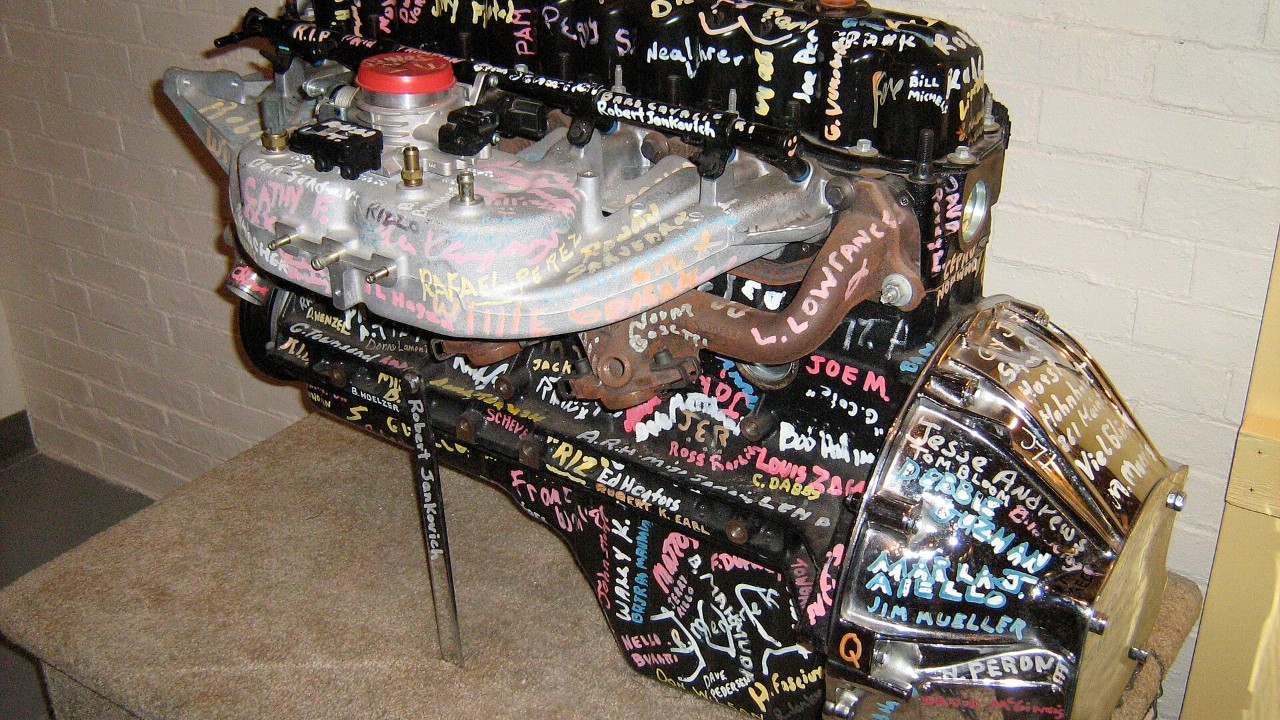
The Jeep 4.0 arrived for 1987 in the Cherokee XJ. It came from a family of AMC sixes that began with the 232 in 1964. At launch, with Renix fuel injection, it made 173 hp. Then, for 1991, Chrysler multi-port injection raised output to 190 hp, and most Jeeps from then on wore “4.0 Litre HIGH OUTPUT” badges.
In addition, both the block and the cylinder head were cast iron. That heavy, simple construction carried the 4.0 through the 2006 model year. After that, Jeep replaced it in the 2007 Wrangler JK with Chrysler’s 3.8-liter V6.
Our take: the 4.0 is the engine that made a whole generation of Jeeps feel unbreakable. It is low-tech, torquey and easy to work on. If you shop for one, the later 190-hp engines are the ones we’d look for.
7. Chevrolet Blue Flame 235
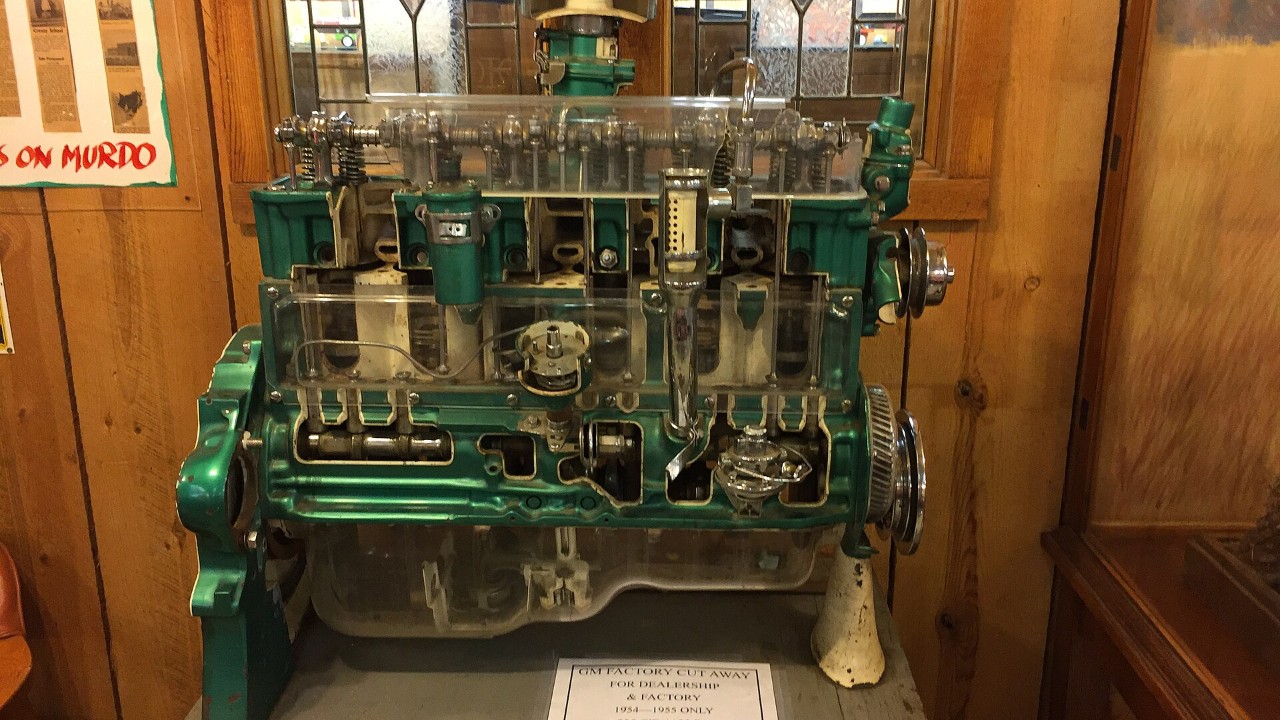
For 1953, Chevrolet’s 235-cubic-inch Blue Flame six became standard with the $178 Powerglide automatic. It made 115 hp, compared with 105 hp for the manual-only Thrift King six, according to Mac’s Motor City Garage. The engine in our photo is a 1954-55 cutaway, which shows the inside of the design.
The 1953 Blue Flame got a drilled crankshaft, aluminum pistons and hydraulic valve lifters. Those were real upgrades for a mass-market six, especially for 1953. The Blue Flame also powered the first Corvette, though Mac’s argues the six and Powerglide hobbled that car’s performance. For more rugged engines, see our earlier list of inline-sixes designed for extreme durability.
In our view, the Blue Flame is the engine that made Chevy’s 1950s family cars so easy to live with. It was smooth, simple and built for ordinary drivers. Many of those cars are now more than 70 years old, and we’d trust the six in any of them.
8. Ford Barra
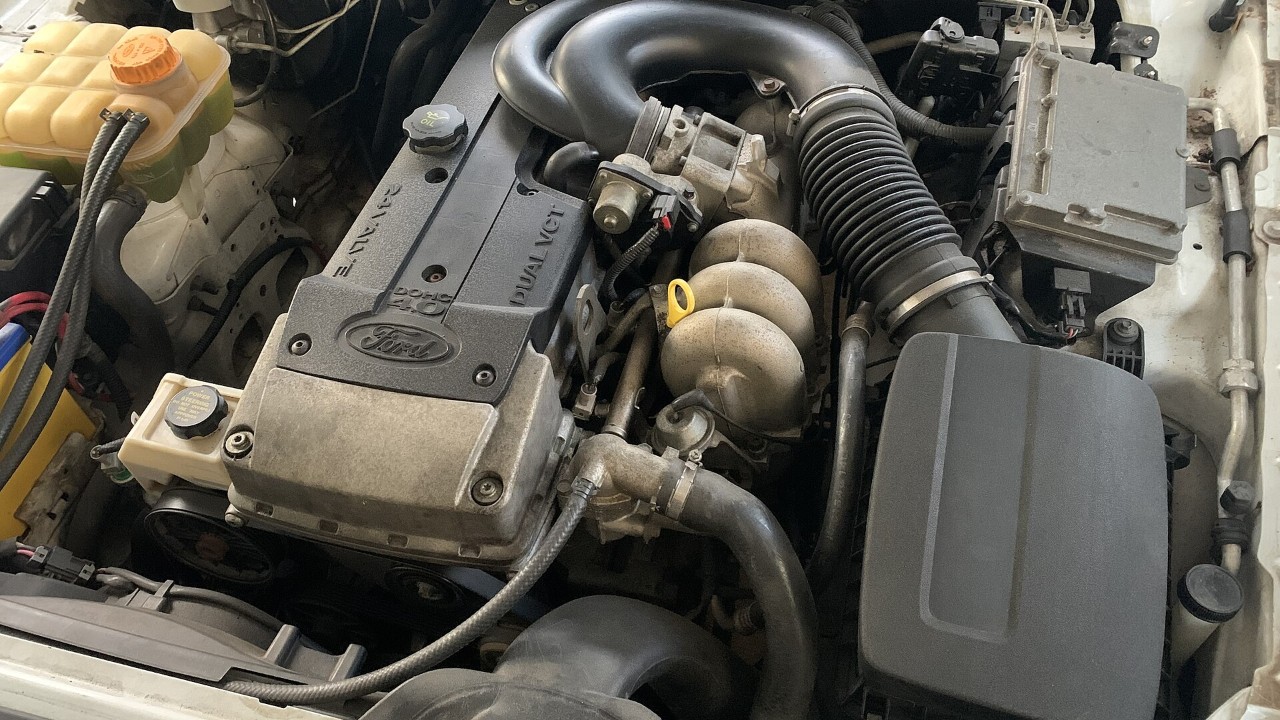
Ford Australia built the Barra at its Geelong engine plant from 2002 to 2016. Production ended on September 26, 2016, the same week the Falcon and Territory ended. The 3,984 cc engine used a cast-iron block, an aluminum head, twin overhead cams, 24 valves and a timing chain. Its roots go back to the Thriftpower Six of the 1960 Falcon.
Meanwhile, the power range was enormous. The naturally aspirated Barra 182 made 182 kW, or 244 hp, while the Barra 190 in our photo made 190 kW. At the top, the 2008 FPV F6 used the 310T, rated at 310 kW, or 416 hp. Even so, all of these versions shared the same basic iron block.
Our take: the Barra is the modern answer to the old question of how tough a six can be. In our view, a block that went from 244 hp to 416 hp in factory form was built with plenty to spare. If you can find a Falcon XR6 Turbo in good health, it is one of the great sedans of its era.
9. Chrysler Slant Six
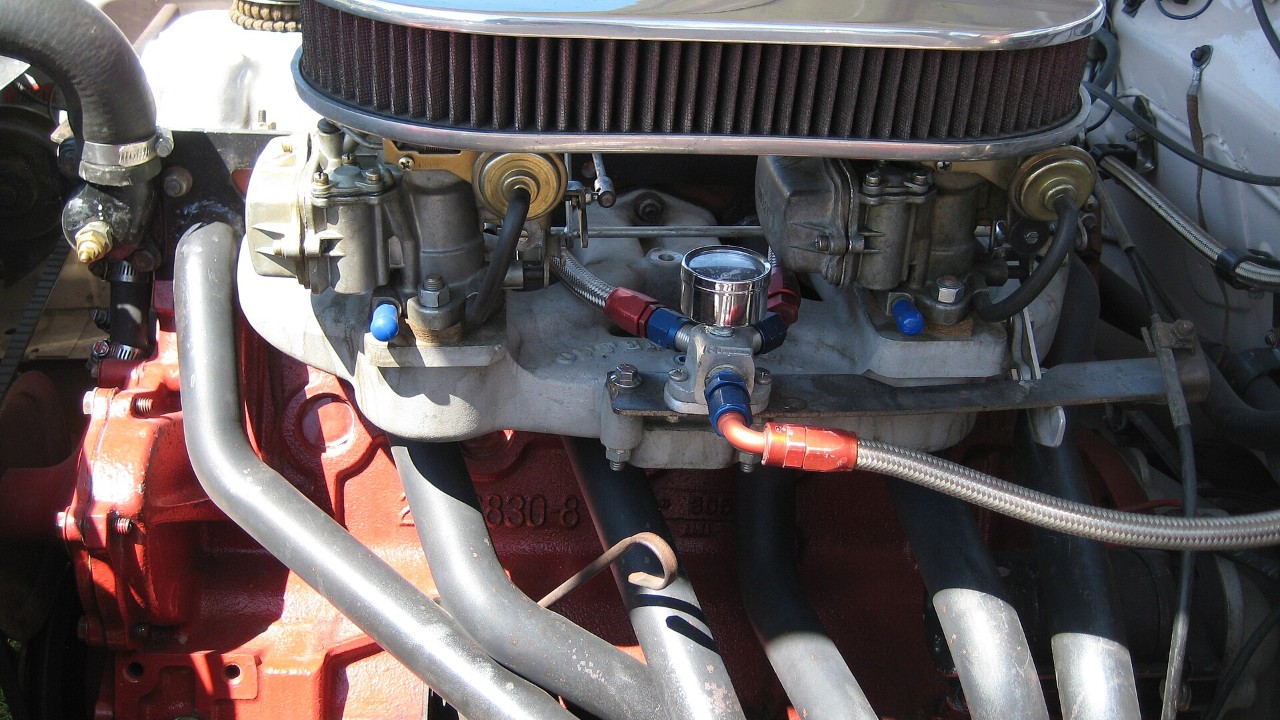
Chrysler leaned this six over 30 degrees for practical reasons. The slant lowered the engine’s height, which let stylists drop the hood line. It also made room to offset the water pump and allowed intake runners of more nearly equal length. The 170-cubic-inch version debuted in the 1960 Valiant, and the 225 went into bigger Plymouths and Dodge Darts.
For a time, Chrysler also tried an aluminum block. From late 1961 to early 1963, it cast about 52,000 of them, each roughly 80 pounds lighter than the iron block. Meanwhile, the Hyper Pak racing kit helped seven Valiants finish first through seventh at a 1960 NASCAR race at Daytona. North American car use ended in 1983, and the engine kept working in trucks until 1987 and in marine and industrial use until 1991.
In our view, the engine in our photo, a Slant Six wearing twin carburetors, shows the fun side of a famously plain motor. However, most of these sixes lived quiet lives in family cars. Yet the design held up so well that Chrysler kept building it for over three decades.
10. Hudson Hornet Twin H-Power 308
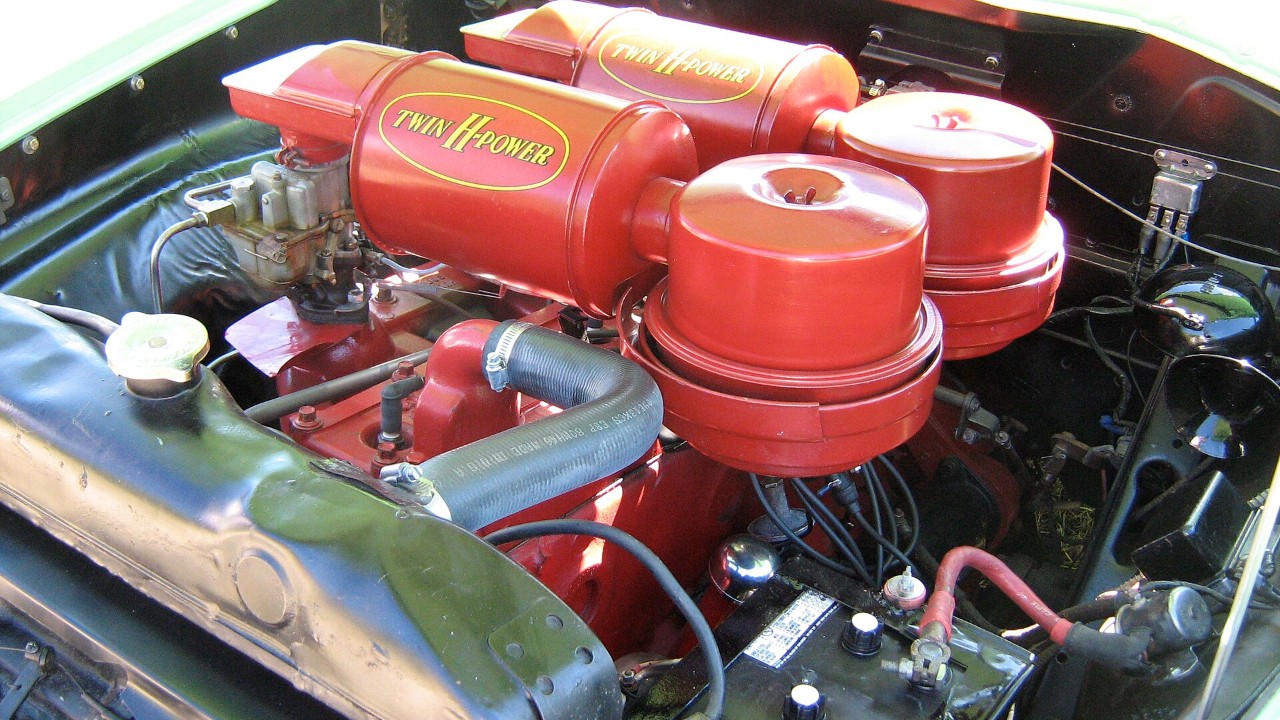
Hudson’s 308-cubic-inch six used an old-fashioned L-head design, with the valves in the block. Even so, it dominated stock car racing. Twin H-Power, a dual-carburetor setup, arrived in mid-1951 as an $85.60 dealer option and became standard in 1952. By 1954, the Twin H engine made 170 hp, and a “7-X” option pushed it past 210 hp.
On the track, though, the record is remarkable. In 1952, Hudson won 27 of 34 NASCAR Grand National races, followed by 22 of 37 in 1953 and 17 of 37 in 1954. Hornets also rode low, since Hudson’s step-down design recessed the floor between the chassis rails. Our photo shows a 1954 Hudson Hornet Twin H sedan.
Our take: the Twin H-Power six proved that a flathead could win on durability and torque. A big six that survived seasons of 1950s stock car racing deserves a place on any list like this. Hudson’s last Detroit car rolled out on October 30, 1954, after the merger that created American Motors.
11. BMW M20
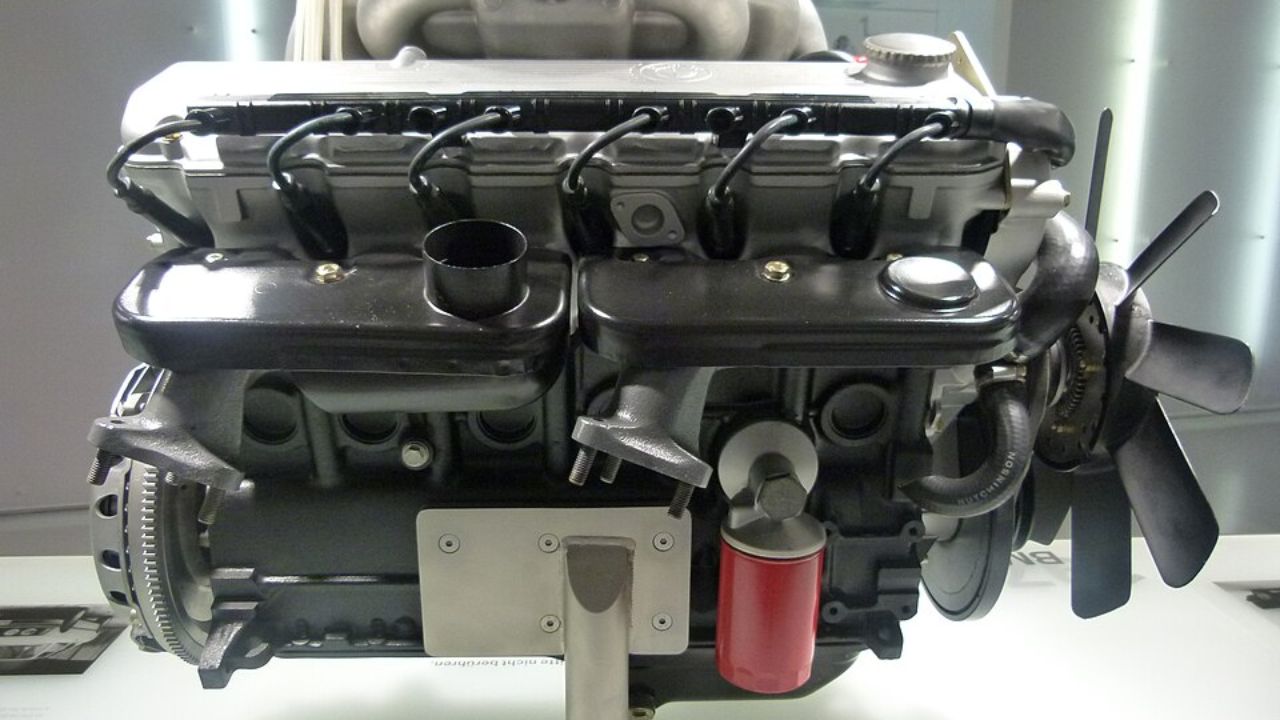
The M20 was the small sibling of the M30, and BMW built it from 1977 to 1993. It first appeared in the E12 520/6 and later powered the E21, E28, E30 and E34. Over its life, displacement ranged from 2.0 liters to 2.7 liters. Unlike the M30, it used a timing belt, which BMW chose to cut noise and production costs.
The best-known version is the 2.5-liter M20B25 from the E30 325i. Without a catalytic converter, it made 171 PS at 5,800 rpm, and the engine loved to rev. At the other end, the 2.7-liter “eta” version aimed for efficiency, with 240 Nm of torque at only 3,250 rpm in its non-catalyst form. In short, that is a wide spread of tunes for one block.
In our view, the M20 is durable as long as you respect the belt. Change it on schedule, and the iron-block six keeps spinning happily. If you want more on this engine type, our list of inline-sixes we rank above everything else covers other favorites.
12. Chrysler Hemi-6
Chrysler Australia’s Hemi-6 debuted in the 1970 VG Valiant. Chrysler’s American engineers did most of the development work, as Hagerty’s history of the engine explains. It also had seven main bearings, compared with four on the Slant Six. The valves sat at 18 degrees, so the chambers were only semi-hemispherical.
The first 245-cubic-inch engine made 165 hp with a single-barrel carburetor. For 1971, Chrysler added 215 and 265 versions, and the 265 borrowed its pistons from the 318 V8. Then came the 1972 E49 Charger package. With triple Weber carburetors and 10:1 compression, it made 302 hp. Eventually, production of the Hemi-6 ended in 1980, along with Chrysler’s Australian operations.
Our take: the Hemi-6 is the toughest-looking six on this list, and the seven-bearing crank backs up the looks. It handled everyday Valiant sedans and the fierce E49 alike. A Hemi-6 Valiant is one of the most interesting Mopars you can own.
More from Fast Lane Only