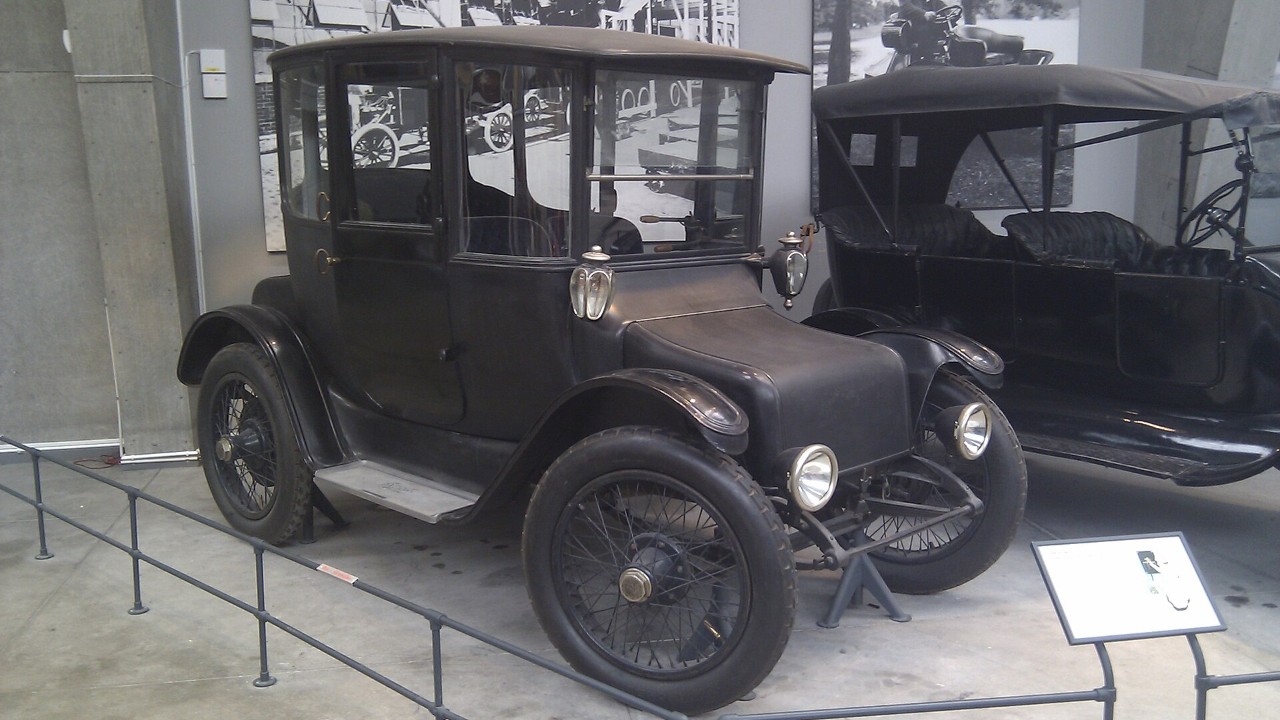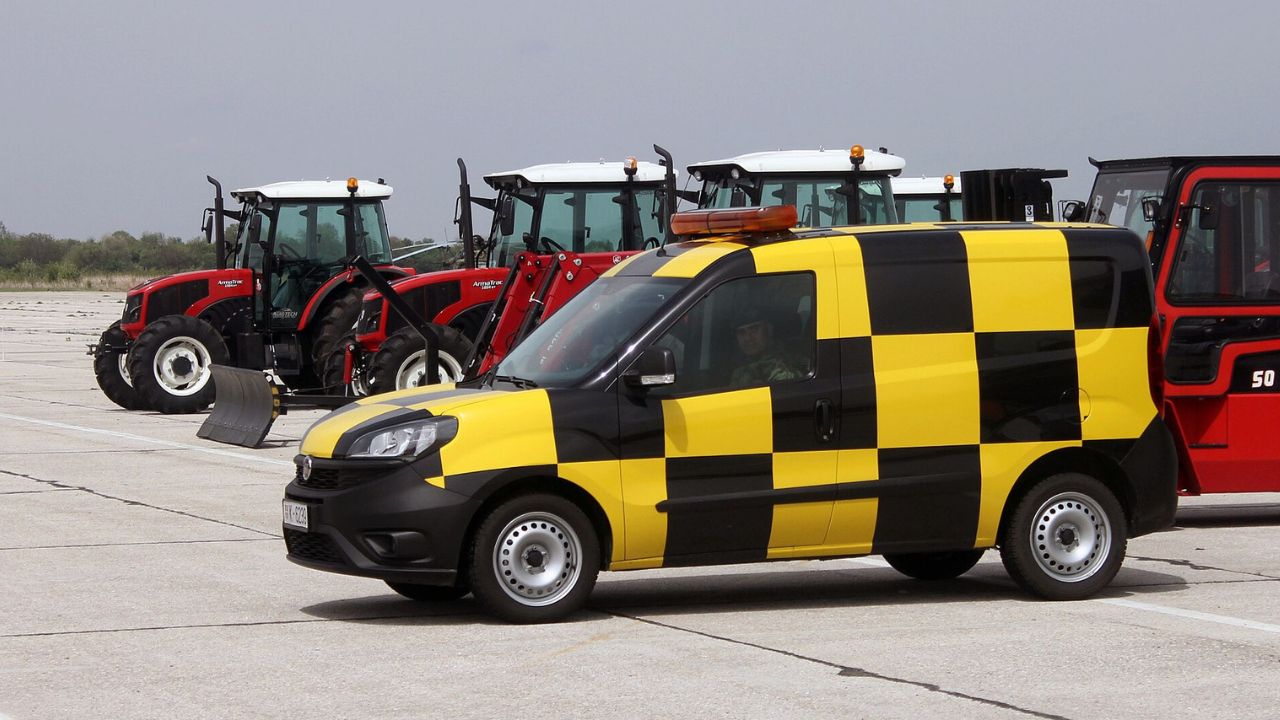
Most travelers notice airport follow-me vehicles only briefly as they guide aircraft across taxiways, yet these specialized machines have an interesting history. Long before purpose-built airfield vehicles became common, many airports relied on ordinary production cars modified for the job. Their evolution reflects how practical automobiles quietly adapted to meet the growing demands of modern aviation.
Early Airports Relied on Whatever Vehicles Were Available
During the early decades of commercial aviation, airports often had limited budgets and relatively simple infrastructure. Rather than purchasing specialized equipment, many operators converted standard passenger cars, station wagons, and light trucks into airfield support vehicles.
These production vehicles were inexpensive, easy to maintain, and readily available through local dealerships. Mechanics could repair them using familiar parts, while airport staff required little additional training to operate them.
As airports expanded and aircraft became larger, these everyday automobiles took on increasingly important responsibilities. They guided pilots unfamiliar with local taxiways, escorted aircraft around construction zones, and assisted during periods of poor visibility.
Their success proved that dependable production vehicles could perform specialized aviation duties with only modest modifications.
Simple Modifications Turned Cars Into Airfield Guides
Unlike conventional passenger cars, follow-me vehicles needed to be highly visible in every weather condition. Airports equipped them with flashing amber beacons, illuminated roof signs displaying the words “FOLLOW ME,” and high-visibility paint schemes that made them easy for pilots to identify from the cockpit.
Many also received two-way radios for constant communication with air traffic controllers and ground crews. Additional lighting improved visibility during nighttime operations, while reflective markings enhanced safety in rain, fog, and snow.
Inside the vehicle, drivers often carried airport maps, emergency equipment, and communication tools necessary for coordinating aircraft movements. These upgrades transformed otherwise ordinary automobiles into specialized operational vehicles capable of supporting busy airfields.
Despite the modifications, most retained the mechanical simplicity and reliability of their production origins.
Reliability and Maneuverability Mattered More Than Power
Airport follow-me vehicles rarely needed exceptional speed. Instead, they had to operate dependably throughout long shifts while navigating crowded ramps, narrow service roads, and complex taxiway systems. Compact production cars often excelled in these conditions thanks to their tight turning circles and excellent visibility.
Many airports selected vehicles known for low operating costs and dependable mechanical performance. Sedans, hatchbacks, station wagons, and small utility vehicles all found success because they balanced efficiency with practicality.
Their relatively light weight also reduced wear on paved airport surfaces while allowing drivers to respond quickly to changing traffic conditions. Since aircraft moved at controlled taxi speeds, powerful engines were less important than predictable handling and consistent reliability.
This practical approach kept operating costs manageable while ensuring safe aircraft guidance.
Modern Follow-Me Vehicles Continue the Tradition
Today’s airport follow-me vehicles often feature SUVs, pickup trucks, electric vehicles, and purpose-equipped commercial models, but the basic concept remains unchanged. Modern examples include advanced LED lighting, GPS navigation, digital communications, and enhanced safety systems while continuing to serve the same essential role.
Some airports have even begun introducing electric follow-me vehicles, reducing emissions and operating costs without sacrificing functionality. Others continue using modified production vehicles because they remain economical, dependable, and easy to maintain.
Although their technology has evolved significantly, these vehicles still demonstrate the value of adapting everyday automobiles for specialized work. Their familiar shapes often conceal sophisticated communications and guidance equipment beneath the surface.
Looking back, airport follow-me vehicles illustrate how ordinary production cars found an extraordinary purpose. By combining simple modifications with dependable engineering, they became indispensable partners in safely guiding aircraft and supporting the efficient operation of airports around the world.
More from Fast Lane Only
- Unboxing the WWII Jeep in a Crate
- 15 rare Chevys collectors are quietly buying
- 10 underrated V8s still worth hunting down
- Police notice this before you even roll window down
*Research for this article included AI assistance, with all final content reviewed by human editors