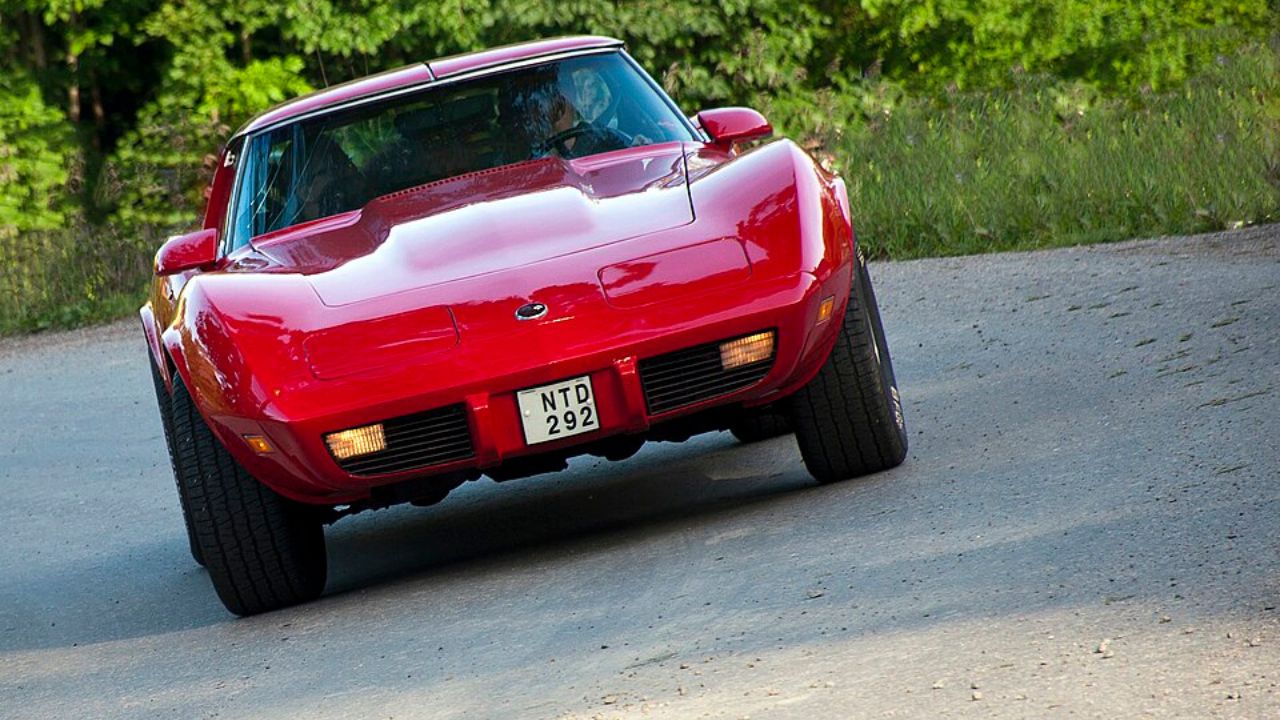
The Chevrolet Corvette entered the 1970s as one of America’s most powerful sports cars, but the middle of the decade brought dramatic changes. New emissions regulations, stricter fuel economy concerns, and evolving consumer expectations forced Chevrolet to rethink its iconic performance car. By 1975, the Corvette had become noticeably different from its muscle car-era predecessors, marking the beginning of a new chapter focused on balancing performance with changing environmental and regulatory demands.
New Regulations Changed Engine Development
As federal emissions standards became more stringent in the early 1970s, automakers had to reduce harmful exhaust emissions without sacrificing reliability. Chevrolet responded by redesigning Corvette engines with lower compression ratios, revised camshaft profiles, and new emissions-control equipment.
These changes helped the Corvette comply with regulations, but they also reduced horsepower compared with the high-output engines available just a few years earlier. The era of massive factory horsepower figures was coming to an end, and performance enthusiasts quickly noticed the difference.
Rather than pursuing outright power, Chevrolet shifted its attention toward creating engines that operated more cleanly and consistently under a wider range of driving conditions.
The Corvette was adapting to a changing automotive landscape.
Catalytic Converters Changed the Exhaust System
One of the biggest developments for the 1975 Corvette was the adoption of a catalytic converter on models sold in the United States. This emissions-control device significantly reduced pollutants by converting harmful gases into less damaging compounds before they exited the exhaust system.
The introduction of catalytic converters also brought other changes. Unleaded gasoline became a requirement because leaded fuel could damage the converter’s internal components. Chevrolet revised the exhaust layout and engine calibration to work with the new technology while maintaining dependable operation.
Although early enthusiasts often viewed catalytic converters as performance-robbing devices, they represented a major step forward in reducing vehicle emissions.
The Corvette became part of a broader industry transformation.
Performance Priorities Began to Shift
While peak horsepower declined during the mid-1970s, Chevrolet worked to preserve the Corvette’s appeal in other ways. Engineers refined drivability, improved fuel efficiency, and focused on making the car more comfortable for everyday use.
Suspension tuning continued to provide capable handling, while interior improvements enhanced long-distance comfort. Buyers increasingly valued refinement alongside performance, reflecting broader changes in the sports car market.
The Corvette remained America’s flagship sports car, but its mission had evolved. Instead of competing solely through raw engine output, it offered a more balanced combination of performance, comfort, and compliance with modern regulations.
Its identity adapted without abandoning its heritage.
A Turning Point That Shaped Future Corvettes
The 1975 Corvette represented more than a single model year—it marked a transition that influenced every generation that followed. Lessons learned while meeting emissions standards eventually led to advances in fuel injection, electronic engine management, and cleaner, more efficient V8 engines.
As technology improved through the 1980s and beyond, Corvette performance steadily returned while emissions continued to decline. The compromises of the mid-1970s ultimately encouraged innovations that made later Corvettes faster, more reliable, and more environmentally responsible.
Looking back, emissions rules reshaped the 1975 Chevrolet Corvette by forcing Chevrolet to rethink how performance could be achieved. Although the changes initially reduced horsepower, they also pushed engineers toward technologies that helped ensure the Corvette’s long-term success, proving that adaptation was essential for the survival of America’s iconic sports car.
More from Fast Lane Only
- Unboxing the WWII Jeep in a Crate
- 15 rare Chevys collectors are quietly buying
- 10 underrated V8s still worth hunting down
- Police notice this before you even roll window down
*Research for this article included AI assistance, with all final content reviewed by human editors