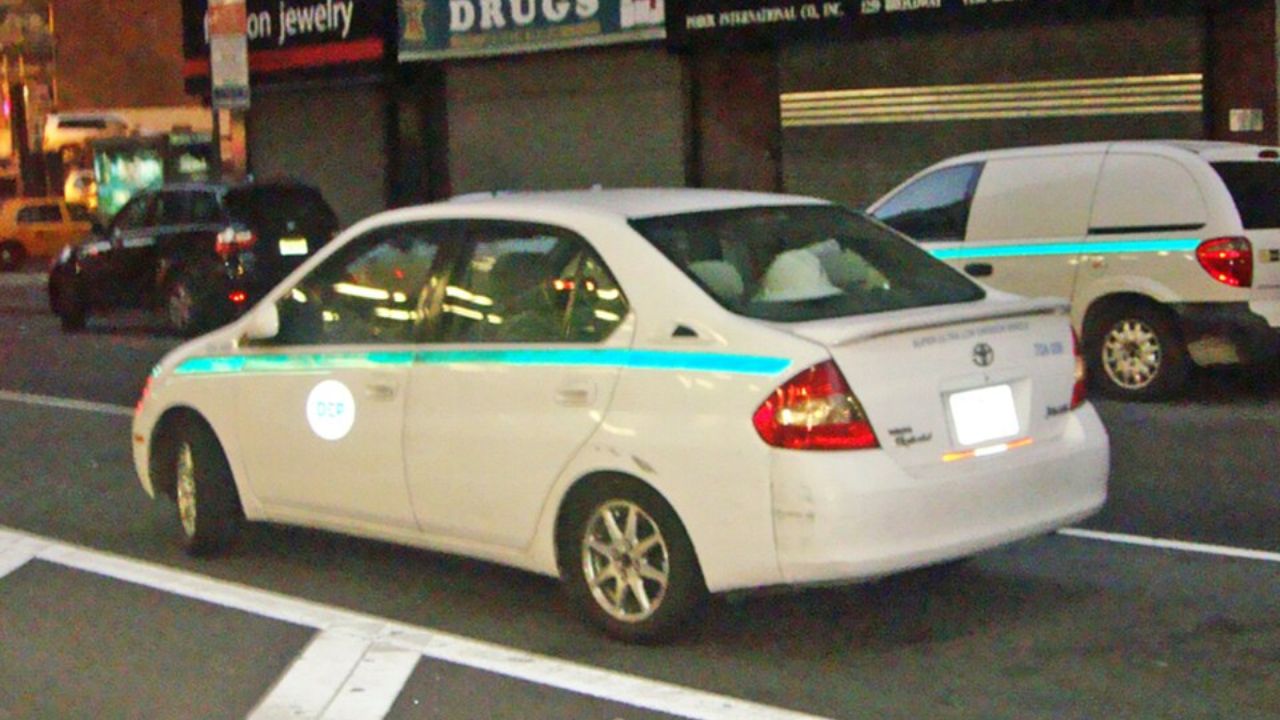
When the first-generation Toyota Prius debuted in 1997, it looked modest on the outside but represented one of the biggest engineering leaps in automotive history. As the world’s first mass-produced hybrid passenger car, it introduced technology that had never before been packaged for large-scale production. To make the hybrid system fit into a compact sedan, Toyota’s engineers made several unusual packaging decisions that prioritized efficiency and practicality over convention.
A Hybrid System Needed Space No Ordinary Sedan Had
Unlike a conventional compact sedan, the original Prius had to accommodate both a gasoline engine and a complete electric drive system. Along with the engine came an electric motor, power control electronics, high-voltage wiring, and a sizable battery pack.
Rather than designing an entirely new vehicle from scratch, Toyota built the Prius around a compact platform while carefully rearranging major components. Engineers squeezed the hybrid hardware into available spaces without significantly reducing passenger room, creating one of the industry’s first practical hybrid layouts.
The challenge was fitting two propulsion systems into the space normally occupied by one.
That required creative engineering throughout the vehicle.
The Battery Placement Required Careful Compromises
One of the most important decisions involved the high-voltage battery. Engineers positioned the nickel-metal hydride battery pack behind the rear seats, close to the center of the car, where it could be protected in a collision while helping maintain balanced weight distribution.
This location also minimized the length of high-voltage cables running through the vehicle, improving efficiency and simplifying the electrical architecture. However, it reduced available trunk space compared with similarly sized conventional sedans.
Toyota accepted that compromise because preserving passenger comfort and ensuring battery safety were considered higher priorities than maximizing cargo capacity.
The unusual battery placement became a defining feature of early hybrid design.
Every Component Was Designed to Save Energy
Packaging the hybrid system was about more than simply finding room for extra parts. Engineers arranged components to improve overall efficiency by reducing energy losses wherever possible.
The gasoline engine, electric motor, and electronically controlled transmission were integrated into a compact transaxle that occupied surprisingly little space. Power electronics were placed nearby to shorten electrical connections, while the cooling systems for both the engine and hybrid components were carefully designed to operate without unnecessary weight or complexity.
Even the vehicle’s aerodynamic shape reflected packaging priorities, allowing engineers to improve fuel economy without sacrificing interior usability.
Every engineering decision supported the Prius’s primary mission of reducing fuel consumption.
A Layout That Changed the Future of Hybrid Cars
Although later generations of the Prius introduced more refined packaging and improved battery technology, many of the original engineering concepts established by the first model influenced hybrid vehicle design for decades. Manufacturers around the world studied Toyota’s approach to integrating electric and gasoline power into a practical family car.
Today, the first-generation Prius is recognized as a milestone in automotive history. While its unusual packaging sometimes required compromises in cargo space and styling, those decisions allowed Toyota to prove that hybrid technology could succeed in everyday transportation.
Looking back, the strange packaging decisions behind the first-generation Toyota Prius were driven by necessity rather than novelty. By carefully fitting an entirely new propulsion system into a compact sedan, Toyota created a blueprint that helped make hybrid vehicles a common sight on roads around the world.
More from Fast Lane Only
- Unboxing the WWII Jeep in a Crate
- 15 rare Chevys collectors are quietly buying
- 10 underrated V8s still worth hunting down
- Police notice this before you even roll window down
*Research for this article included AI assistance, with all final content reviewed by human editors